Soluciones de informática industrial CoreIPC

Computadora con GPU integrada: Plataforma informática industrial para IA, Visión, y aceleración de borde
Resumen ejecutivo
Una computadora con GPU integrada es una plataforma informática industrial diseñada para procesar gráficos., visión, inferencia de IA, y cargas de trabajo informáticas paralelas en el borde. Combina el factor de forma compacto de una computadora integrada con aceleración de GPU para aplicaciones que requieren un procesamiento de imágenes más rápido., inferencia de aprendizaje profundo, análisis de vídeo, 3procesamiento de datos, o visualización multipantalla.
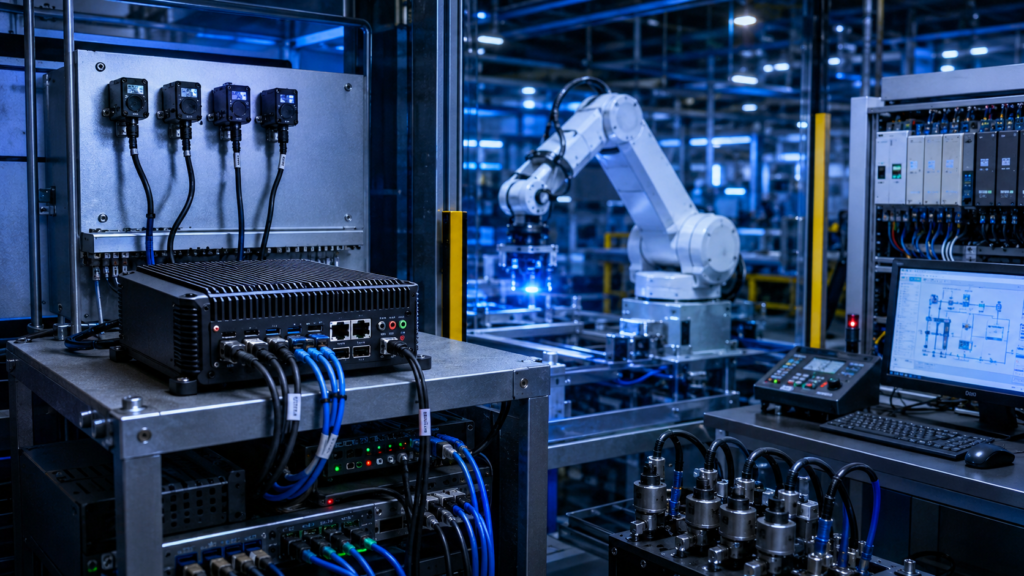
En entornos industriales, A menudo se instala una computadora con GPU integrada cerca de las máquinas., camaras, robots, vehículos, estaciones de inspección, o equipo de automatización. Esto permite que los datos se procesen localmente en lugar de enviar cada imagen., secuencia de vídeo, o señal del sensor a un servidor remoto.
Para integradores de sistemas y OEM, esta arquitectura puede reducir la latencia, menor carga de red, mejorar la toma de decisiones locales, y respaldar sistemas de automatización industrial más flexibles.
Una computadora industrial adecuada para aplicaciones de GPU integradas debe proporcionar:
- Aceleración de GPU para inferencia de IA y computación visual
- CPU confiable, memoria, y rendimiento del almacenamiento
- Cámara estable, sensor, y conectividad de red
- Diseño mecánico compacto y resistente
- Arquitectura térmica optimizada o sin ventilador
- Disponibilidad a largo plazo para la integración de máquinas y equipos
- E/S flexibles para control industrial e implementación perimetral
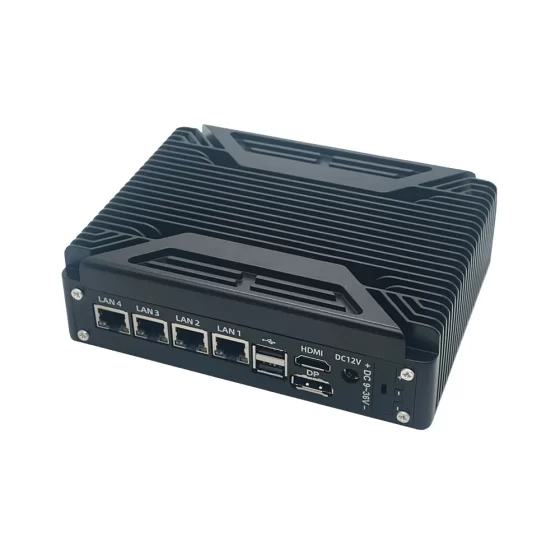
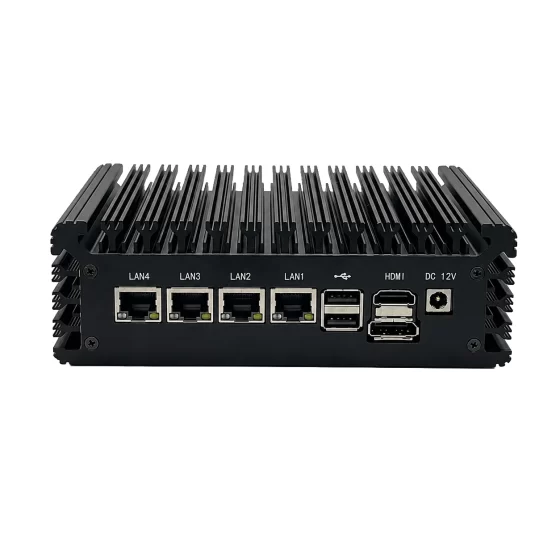
CoreIPC proporciona computadoras industriales y plataformas informáticas integradas para visión artificial, IA de vanguardia, robótica, transporte inteligente, automatización, e integración de hardware OEM. Para cargas de trabajo basadas en GPU, la plataforma de hardware adecuada ayuda a transformar los datos visuales y de sensores en decisiones prácticas en tiempo real.
 Descripción general de la industria
La informática industrial está pasando del procesamiento centralizado a la inteligencia de borde distribuida. En muchas aplicaciones, camaras, sensores, y las máquinas generan grandes volúmenes de datos que deben analizarse de forma rápida y fiable.
Enviar todos los datos a un servidor en la nube o a un centro de datos central no siempre es práctico. El ancho de banda de la red puede estar limitado. La latencia puede ser demasiado alta. La privacidad de los datos puede ser una preocupación. Algunos sistemas deben continuar funcionando incluso cuando la conexión externa es inestable.
Aquí es donde una computadora con GPU integrada se vuelve valiosa.
A diferencia de una computadora integrada estándar que depende principalmente del procesamiento de la CPU, un sistema GPU integrado puede acelerar cargas de trabajo que implican computación paralela. Esto es especialmente útil para el análisis de imágenes., procesamiento de vídeo, inferencia de IA, 3visión D, detección de objetos, e inspección multicámara.
Las áreas de aplicación comunes incluyen:
- Inspección por visión artificial
- Inferencia de IA de borde
- Percepción robótica
- Robots móviles autónomos
- Sistemas de transporte inteligentes
- Equipo de imágenes médicas
- Análisis de seguridad y vigilancia
- Inspección óptica automatizada
- Fabricación inteligente
- Visualización industrial multipantalla
En estas aplicaciones, la GPU no se utiliza sólo para la salida de pantalla. Se convierte en un motor informático que ayuda a procesar datos visuales y sensoriales complejos más cerca de la fuente..
Para despliegue industrial, sin embargo, El rendimiento de la GPU por sí solo no es suficiente. La plataforma también debe ser confiable, compacto, útil, térmicamente estable, y compatible con los requisitos de comunicación industrial.
Esta es la razón por la que los sistemas de GPU integrados requieren una cuidadosa selección de hardware. La mejor plataforma no siempre es el sistema de mayor rendimiento. Es el ordenador el que se adapta a la carga de trabajo., entorno de instalación, pila de software, presupuesto de energía, y plan de implementación a largo plazo.
 Desafíos clave
La implementación de GPU integrada presenta desafíos de integración tanto informática como industrial. Un proyecto exitoso debe equilibrar el desempeño, diseño térmico, E/S, compatibilidad de software, y confiabilidad a largo plazo.
| Desafío | Qué sucede en la implementación real | Requisito de hardware |
|---|---|---|
| Carga de trabajo de visión e inteligencia artificial | Las cámaras y sensores generan grandes flujos de datos que requieren un procesamiento rápido. | aceleración de GPU, suficientes recursos de CPU, ancho de banda de memoria, y almacenamiento estable. |
| Presión térmica | Las GPU pueden generar más calor que las plataformas integradas estándar. | Diseño térmico eficiente, recinto resistente, y planificación adecuada de la instalación. |
| Conectividad de la cámara | Los sistemas de visión pueden usar USB3, Cortar, MIPI, GMSL, o interfaces de captura de cuadros. | E/S de alta velocidad, ancho de banda estable, y capacidad de expansión. |
| Entorno de borde | Los sistemas pueden funcionar cerca de máquinas., vehículos, robots, o equipo al aire libre. | Diseño de grado industrial, resistencia a las vibraciones, y entrada de energía confiable. |
| Pila de software | Marcos de IA, Controladores de GPU, bibliotecas de visión, y los sistemas operativos deben trabajar juntos. | Soporte de sistema operativo verificado, estabilidad del conductor, y control de imagen de software a largo plazo. |
| Gestión del ciclo de vida | Los proyectos industriales y de OEM a menudo duran años. | Suministro de plataforma estable, Diseño de E/S consistente, y soporte de documentación. |
El rendimiento de la GPU es sólo una parte del sistema
Muchos proyectos se centran primero en las especificaciones de la GPU.. eso es comprensible, pero no es suficiente.
Una computadora con GPU integrada estable también necesita la CPU adecuada, memoria, almacenamiento, entrada de energía, diseño de enfriamiento, e interfaces de E/S. Si la interfaz de la cámara es inestable, la GPU no puede procesar datos confiables. Si el diseño térmico es débil, el rendimiento puede volverse inconsistente. Si la pila del controlador de software cambia inesperadamente, el despliegue a largo plazo se vuelve difícil.
Los entornos industriales crean limitaciones reales
Se pueden instalar sistemas GPU integrados dentro de las máquinas, robots móviles, gabinetes de carretera, estaciones de inspección, o cerramientos industriales. Estos espacios pueden tener un flujo de aire limitado y límites estrictos de energía..
En comparación con las computadoras de oficina estándar con GPU, Las plataformas de GPU industriales deben diseñarse para un funcionamiento continuo y un mantenimiento predecible..
Edge AI requiere un flujo de datos estable
La inferencia de la IA depende de datos de entrada limpios y consistentes. Un sistema de visión puede incluir múltiples cámaras., controladores de iluminación, sensores, codificadores, y señales de activación.
La computadora con GPU integrada debe recopilar estos datos de manera confiable, procesarlo rápidamente, y devolver resultados a los PLC, robots, HMI, o sistemas de fábrica.
 Arquitectura de solución para una computadora con GPU integrada
Una computadora con GPU integrada generalmente se implementa como un nodo de aceleración perimetral.. Conecta dispositivos de campo., realiza computación local, y comunica los resultados a los sistemas empresariales o de automatización..
1. Capa de adquisición de datos
Esta capa recopila datos de entrada del entorno físico..
Los dispositivos típicos incluyen:
- Cámaras industriales
- 3Cámaras de profundidad D
- Cámaras de escaneo de línea
- Sensores LiDAR
- Cámaras térmicas
- Lectores de códigos de barras
- Codificadores
- Sensores de movimiento
- Sensores ambientales
- Señales de la máquina
La capa de adquisición de datos debe ser estable porque los datos de entrada deficientes reducen el valor de la aceleración de la GPU.. Ancho de banda de la cámara, iluminación, sincronización del gatillo, y la sincronización del sensor debe considerarse durante el diseño del sistema..
2. Capa informática de GPU perimetral
Aquí es donde opera la computadora con GPU integrada..
La plataforma puede funcionar:
- Modelos de inferencia de IA
- Software de visión artificial
- Aplicaciones de análisis de vídeo
- 3D herramientas de reconstrucción
- Algoritmos de fusión de sensores
- Tuberías de preprocesamiento de imágenes
- Sistemas de detección de objetos
- Bases de datos locales
- software HMI
- Herramientas de mantenimiento remoto
La GPU acelera las tareas informáticas paralelas, mientras la CPU maneja la lógica del sistema, comunicación del dispositivo, control de aplicaciones, y gestión de datos.
3. Capa de control industrial
En aplicaciones industriales, la computadora rara vez funciona sola.
Puede comunicarse con:
- PLC
- Controladores de robots
- Controladores de movimiento
- módulos de E/S
- Sistemas de seguridad
- Sistemas transportadores
- Controladores de máquinas
- Pasarelas industriales
La computadora con GPU integrada puede enviar resultados como la posición del objeto., estado de defecto, datos de clasificación, eventos de alarma, valores de medición, o instrucciones de movimiento.
4. Capa de integración de sistemas y redes
La plataforma puede conectarse a sistemas de nivel superior., incluido:
- plataformas MES
- Sistemas SCADA
- sistemas WMS
- Bases de datos de calidad
- Plataformas de monitoreo en la nube
- Paneles de mantenimiento
- Redes de fábrica
Esto permite obtener resultados de vanguardia para respaldar la trazabilidad de la producción., mejora de la calidad, diagnóstico remoto, y optimización de procesos.
5. Capa de mantenimiento y ciclo de vida
La implementación a largo plazo requiere más que el rendimiento inicial.
Los ingenieros necesitan gestionar imágenes de software, Controladores de GPU, actualizaciones del sistema operativo, registros, versiones del modelo, piezas de repuesto, y procedimientos de reemplazo.
Una plataforma informática integrada consistente ayuda a reducir la complejidad del mantenimiento en múltiples máquinas o sitios de implementación..
Características clave
Se debe seleccionar una computadora con GPU integrada confiable según el tipo de carga de trabajo, condiciones ambientales, Requisitos de E/S, compatibilidad de software, y expectativas del ciclo de vida.
Aceleración de GPU
La GPU es la característica principal de la plataforma.. Ayuda a acelerar cargas de trabajo como:
- inferencia de IA
- Detección de objetos
- Clasificación de imágenes
- Análisis de vídeo
- 3Procesamiento de visión D
- Análisis de nube de puntos
- Procesamiento de imágenes multicámara
- Visualización de gráficos
El nivel de GPU requerido depende del tamaño del modelo., número de cámaras, resolución, velocidad de fotogramas, y objetivo de latencia.
CPU y memoria equilibradas
La GPU no reemplaza a la CPU. La CPU todavía maneja el control del sistema., comunicación, programación, tareas del sistema operativo, y lógica de aplicación.
La capacidad de memoria y el ancho de banda también importan. Las aplicaciones de visión e inteligencia artificial pueden requerir suficiente RAM para manejar buffers de imágenes, archivos de modelo, datos temporales, y flujos de trabajo de procesamiento paralelo.
Interfaces de cámara de alta velocidad
Muchas aplicaciones de GPU integradas dependen de las cámaras.
Las interfaces de cámara comunes pueden incluir:
- Visión USB3
- Visión GigE
- Redes de cámaras PoE
- Módulos de cámara MIPI
- Enlaces de cámara GMSL
- Expansión del capturador de cuadros
- Captura HDMI o SDI a través de módulos adicionales
La plataforma debe proporcionar suficiente ancho de banda y compatibilidad con controladores estables para la arquitectura de cámara seleccionada..
Conectividad LAN múltiple
Múltiples puertos LAN son útiles para separar el tráfico de datos.
Un puerto LAN puede conectarse a las cámaras. Otro puede conectarse a PLC o robots.. Un tercero podrá conectarse a la red de la fábrica, sistema de mantenimiento remoto, o puerta de enlace en la nube.
Esto ayuda a reducir los conflictos de tráfico y mejora la resolución de problemas..
Soporte de E/S industriales
Las computadoras con GPU integrada utilizadas en automatización pueden requerir más que una cámara y puertos de red.
Las interfaces útiles pueden incluir:
- RS-232
- RS-485
- PODER
- USB
- E/S digitales
- GPIO
- E/S de audio
- Mostrar salidas
- Cabeceras de expansión
Las E/S industriales nativas reducen la dependencia de adaptadores externos y ayudan a simplificar la integración de gabinetes o equipos..
Diseño Térmico
Las cargas de trabajo de GPU pueden aumentar la producción de calor. Por lo tanto, el diseño térmico es fundamental..
Dependiendo del nivel de rendimiento, Los sistemas pueden utilizar refrigeración pasiva., diseño de disipador de calor sin ventilador, flujo de aire controlado, o refrigeración activa robusta. El enfoque correcto depende del consumo de energía., diseño de recinto, temperatura ambiente, y ubicación de montaje.
Para proyectos industriales, El comportamiento térmico predecible es más importante que el rendimiento máximo de referencia..
Almacenamiento confiable
Los sistemas GPU integrados pueden almacenar:
- Archivos de modelo de IA
- Registros de imagen
- Videoclips
- Registros de inspección
- Datos del evento
- Archivos de calibración
- Software de aplicación
- Bases de datos locales
SSD industriales, Almacenamiento M.2 NVMe, o el almacenamiento SATA se puede seleccionar según el volumen de datos, escribir frecuencia, condiciones de temperatura, y requisitos de retención.
Capacidad de expansión
Muchos sistemas basados en GPU requieren personalización.
Es posible que se necesite expansión para interfaces de cámara adicionales, módulos inalámbricos, almacenamiento, comunicación CAN, puertos serie, Tarjetas de E/S, o módulos de aceleración dedicados.
M.2, Mini PCIe, PCIe, y el diseño personalizado de la placa integrada puede ayudar a los integradores de sistemas a adaptar una plataforma a múltiples tipos de aplicaciones.
Compatibilidad de software y sistema operativo
Una computadora con GPU integrada debe ser compatible con el entorno de software seleccionado.
Esto puede incluir:
- ventanas
- linux
- Controladores de GPU
- Marcos de IA
- Bibliotecas de visión
- SDK de cámara
- SDK de robots
- Herramientas de comunicación industrial
- Entornos de implementación en contenedores
Antes del despliegue masivo, Los integradores deben verificar la estabilidad del conductor., compatibilidad del marco, políticas de actualización del sistema operativo, y control de imagen de software a largo plazo.
Escenarios de implementación
Las computadoras con GPU integrada se pueden utilizar en muchos entornos industriales y de computación perimetral donde se requiere aceleración local..
Inspección por visión artificial
En sistemas de inspección automatizados, Las cámaras capturan imágenes de productos., superficies, etiquetas, componentes, o asambleas.
La computadora con GPU integrada puede procesar imágenes localmente para detectar defectos, clasificar objetos, leer códigos, medir dimensiones, o verificar las condiciones de montaje. La aceleración de GPU es útil cuando la resolución de la imagen, velocidad de fotogramas, o la complejidad del algoritmo es alta.
Inferencia de IA de borde
Los modelos de IA se utilizan cada vez más para la detección industrial, clasificación, predicción, y reconocimiento de anomalías.
Una computadora GPU integrada permite que la inferencia de IA se ejecute cerca de la línea de producción, máquina, vehículo, o sensor. Esto ayuda a reducir la dependencia de la red y permite una toma de decisiones local más rápida..
Robótica y Máquinas Autónomas
Los robots y las máquinas autónomas suelen necesitar sistemas de percepción.
La computadora GPU puede procesar datos de las cámaras., sensores de profundidad, LiDAR, u otros sensores. Puede soportar el reconocimiento de objetos., soporte de navegación, guía de recolección, detección de obstáculos, y fusión de sensores.
Transporte Inteligente
Los sistemas de transporte pueden utilizar computadoras GPU integradas para la percepción en la carretera, monitoreo de tráfico, detección de vehículos, reconocimiento de matrículas, monitoreo de túneles, o análisis de plataformas ferroviarias.
Estas aplicaciones a menudo requieren procesamiento multicámara y una implementación robusta en el campo..
Equipos médicos y de laboratorio
Algunos sistemas médicos y de laboratorio requieren procesamiento de imágenes., visualización multipantalla, o análisis asistido por IA.
Una plataforma GPU integrada puede admitir computación localizada dentro de dispositivos de diagnóstico, equipo de automatización de laboratorio, o sistemas de soporte de imágenes médicas. La selección de hardware debe considerar los requisitos reglamentarios del proyecto y la planificación del suministro a largo plazo..
Seguridad y análisis de vídeo
Es posible que los sistemas de análisis de vídeo necesiten procesar múltiples transmisiones de cámaras localmente.
La computadora GPU integrada puede admitir detección de movimiento, clasificación de objetos, monitoreo perimetral, análisis de comportamiento, y filtrado de eventos antes de enviar datos seleccionados a una plataforma central.
Beneficios comerciales
Una computadora con GPU integrada adecuada puede ayudar a los OEM, integradores de sistemas, y los usuarios industriales construyen sistemas de borde más capaces y fáciles de mantener.
Menor latencia
El procesamiento de GPU local reduce la necesidad de enviar datos sin procesar a un servidor remoto. Esto ayuda a que las aplicaciones respondan más rápido a las imágenes., sensor, o eventos de máquina.
Carga de red reducida
Video, imagen, y los datos del sensor se pueden procesar localmente. Solo resultados, alarmas, o los registros seleccionados deben transmitirse a sistemas de nivel superior.
Mejor autonomía del sistema
La computación Edge GPU permite que las máquinas y los sistemas de campo sigan funcionando incluso cuando las conexiones de red externas son limitadas o no están disponibles temporalmente..
Integración más fácil
Un ordenador industrial con aceleración GPU, interfaces de cámara, Puertos LAN, comunicación en serie, almacenamiento, y las opciones de expansión pueden servir como una plataforma integrada para aplicaciones de borde.
Valor de datos mejorado
En lugar de almacenar grandes volúmenes de datos sin procesar sin contexto, El sistema puede generar resultados útiles como categorías de defectos., recuentos de objetos, registros de eventos, o salidas de inferencia de IA.
Implementación escalable
Una plataforma informática integrada estable ayuda a los OEM e integradores a implementar sistemas similares en todas las máquinas, fábricas, vehículos, o ubicaciones de campo.
Mantenibilidad a largo plazo
Diseño de hardware consistente, soporte al conductor, comportamiento térmico, y el diseño de E/S ayudan a reducir el trabajo de rediseño y simplifican la gestión de imágenes del software durante el ciclo de vida del proyecto..
Por qué CoreIPC
CoreIPC proporciona computadoras industriales, computadoras integradas, plataformas informáticas de borde, y hardware integrado personalizado para la automatización industrial, visión artificial, IA de vanguardia, transporte, e integración de equipos OEM. Para proyectos informáticos con GPU integrada, CoreIPC se centra en un rendimiento informático estable, configuración práctica de E/S, diseño mecánico robusto, confiabilidad térmica, y apoyo a la integración a largo plazo. CoreIPC trabaja con integradores de sistemas, fabricantes de equipos, y proveedores de soluciones que requieren plataformas de hardware confiables para aplicaciones perimetrales aceleradas por GPU. Con capacidad ODM y OEM, CoreIPC puede admitir interfaces específicas del proyecto, personalización del recinto, requisitos de marca, y planificación del suministro a largo plazo.
Preguntas frecuentes
1. ¿Qué es una computadora con GPU integrada??
Una computadora con GPU integrada es una plataforma informática industrial compacta que incluye aceleración de GPU para visualización, AI, gráficos, o cargas de trabajo informáticas paralelas. Está diseñado para procesar datos localmente en el borde., a menudo cerca de cámaras, robots, maquinas, vehículos, o sensores industriales. Comparado con una computadora integrada estándar, puede manejar tareas más exigentes como la inferencia de IA, análisis de vídeo, visión artificial, y procesamiento 3D.
2. ¿Por qué utilizar una computadora con GPU integrada en lugar de una computadora industrial estándar??
Una computadora industrial estándar puede manejar muchas tareas de control y datos., pero la aceleración de GPU es útil cuando la aplicación requiere procesamiento de imágenes, secuencias de vídeo, Modelos de IA, o grandes cargas de trabajo paralelas. Una computadora con GPU integrada proporciona más capacidad informática para estas tareas manteniendo un factor de forma industrial. Es adecuado cuando la latencia es baja., toma de decisiones locales, o se requiere un alto rendimiento de procesamiento visual.
3. ¿Qué aplicaciones necesitan aceleración de GPU integrada??
La aceleración de GPU integrada se usa comúnmente en la inspección por visión artificial, inferencia de IA de borde, robótica, transporte inteligente, análisis de seguridad, soporte de imágenes médicas, e inspección óptica automatizada. También es útil en sistemas que procesan múltiples transmisiones de cámaras., 3datos D, Información LiDAR, o modelos de aprendizaje profundo. La necesidad depende de la complejidad del algoritmo., volumen de datos, velocidad de fotogramas, y requisitos de tiempo de respuesta.
4. ¿Es el rendimiento de la GPU el único factor a la hora de seleccionar el sistema??
No. El rendimiento de la GPU es importante, pero la plataforma completa también debe proporcionar un rendimiento de CPU adecuado, memoria, almacenamiento, E/S, diseño térmico, entrada de energía, y soporte de software. Una GPU potente no sirve de nada si el sistema carece de ancho de banda de la cámara, conductores estables, o refrigeración fiable. La implementación industrial requiere un sistema equilibrado que coincida con el entorno operativo real y la carga de trabajo de la aplicación..
5. ¿Puede una computadora con GPU integrada ejecutar modelos de IA localmente??
Sí. Las computadoras con GPU integrada se utilizan a menudo para ejecutar modelos de inferencia de IA localmente en el borde.. Esto permite que el sistema analice imágenes., video, o datos del sensor sin enviar todos los datos sin procesar a un servidor en la nube. La inferencia de IA local puede reducir la latencia, menor uso del ancho de banda de la red, y mejorar la autonomía del sistema. El hardware debe coincidir con el tamaño del modelo., estructura, velocidad de datos de entrada, y requisitos de rendimiento.
6. ¿Qué interfaces de cámara son importantes para los sistemas GPU integrados??
Las interfaces de cámara comunes incluyen USB3, Cortar, Ethernet PoE, MIPI, GMSL, y expansión del capturador de cuadros. La mejor interfaz depende del tipo de cámara., longitud del cable, resolución, velocidad de fotogramas, y entorno de instalación. Los sistemas multicámara pueden requerir múltiples puertos LAN, controladores USB, o ranuras de expansión para mantener un ancho de banda estable. La compatibilidad del controlador y del software también debe verificarse antes de la implementación..
7. ¿Por qué es importante el diseño térmico para las computadoras con GPU integrada??
Las cargas de trabajo de GPU pueden generar un calor significativo, especialmente durante la inferencia continua de IA o el procesamiento de imágenes. Si el diseño térmico es débil., El rendimiento puede volverse inestable o el sistema puede requerir más mantenimiento.. Las computadoras industriales con GPU integrada necesitan una refrigeración cuidadosamente diseñada, recintos resistentes, y planificación adecuada de la instalación. La solución térmica correcta depende de la potencia de la GPU, temperatura ambiente, flujo de aire, y método de montaje.
8. ¿Se pueden utilizar computadoras con GPU integrada en sistemas sin ventilador??
Sí, Algunas computadoras con GPU integrada pueden usar diseños térmicos pasivos o sin ventilador, especialmente cuando el nivel de potencia de la GPU es moderado. Los sistemas de mayor rendimiento pueden requerir un flujo de aire controlado o una refrigeración activa resistente. El diseño sin ventilador es útil en entornos polvorientos o con mantenimiento limitado, pero la capacidad térmica debe coincidir con la carga de trabajo real. Los integradores deben evaluar la disipación de calor., diseño de recinto, y temperatura ambiente antes del despliegue.
9. ¿Cómo deberían los OEM elegir una computadora con GPU integrada??
Los OEM deben evaluar el tipo de carga de trabajo, Requisito de GPU, interfaces de cámara, pila de software, Sistema operativo, límites térmicos, presupuesto de energía, diseño de montaje, Diseño de E/S, y expectativas del ciclo de vida. La plataforma seleccionada debe ser estable en todos los lotes de producción y compatible con la imagen del software del OEM.. Disponibilidad a largo plazo, documentación, y el soporte de personalización son especialmente importantes para los fabricantes de equipos.
10. ¿Cuál es la diferencia entre una computadora con IA perimetral y una computadora con GPU integrada??
Los términos están relacionados pero no son idénticos.. Una computadora de IA de vanguardia generalmente se centra en ejecutar la inferencia de IA localmente. Una computadora con GPU integrada es una categoría de hardware más amplia que proporciona aceleración de GPU para IA, visión, video, gráficos, y computación paralela. Muchas computadoras de vanguardia con IA son computadoras con GPU integrada, pero también se puede utilizar una plataforma GPU integrada para cargas de trabajo que no sean de IA, como la visualización., procesamiento de vídeo, o imágenes en 3D.
Conclusión
Una computadora con GPU integrada es una plataforma importante para sistemas industriales que requieren aceleración local para la IA, visión, video, gráficos, y procesamiento de sensores. Permite analizar los datos cerca de la fuente., reduciendo la latencia, reducir la carga de la red, y admitir aplicaciones perimetrales más autónomas.
Para visión artificial, robótica, transporte inteligente, análisis de seguridad, equipo medico, y automatización industrial, la plataforma de hardware debe proporcionar más que rendimiento de GPU. También debe ofrecer E/S estables., almacenamiento confiable, control térmico, compatibilidad de software, y mantenibilidad a largo plazo.
Seleccionando la computadora industrial o la computadora integrada adecuada para cargas de trabajo aceleradas por GPU, Los integradores de sistemas y los OEM pueden crear sistemas de vanguardia que sean prácticos., escalable, y adecuado para el despliegue industrial a largo plazo. CoreIPC proporciona plataformas informáticas GPU integradas y soporte de personalización para empresas que desarrollan soluciones avanzadas de automatización inteligente y computación de vanguardia..
Contáctenos
Si está desarrollando un proyecto de computadora con GPU integrada o necesita una plataforma informática industrial para IA, visión artificial, robótica, análisis de vídeo, o aceleración de borde, CoreIPC puede ayudarle a evaluar sus requisitos de hardware. Póngase en contacto con el equipo de CoreIPC para analizar el rendimiento de la GPU, interfaces de cámara, configuración de E/S, diseño térmico, soporte del sistema operativo, Personalización ODM/OEM, y planificación del suministro a largo plazo para su próximo proyecto de informática de vanguardia industrial.