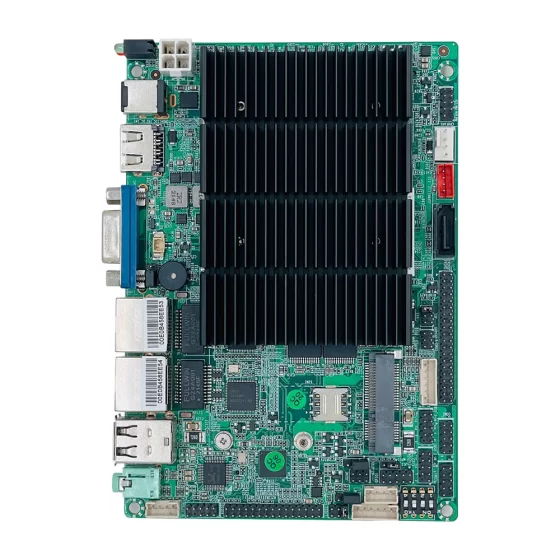
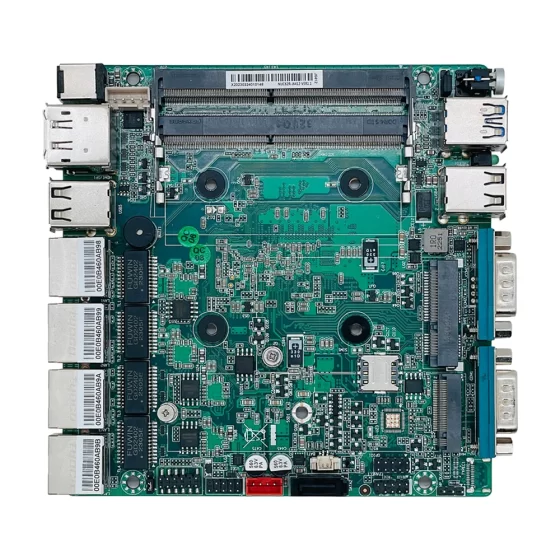
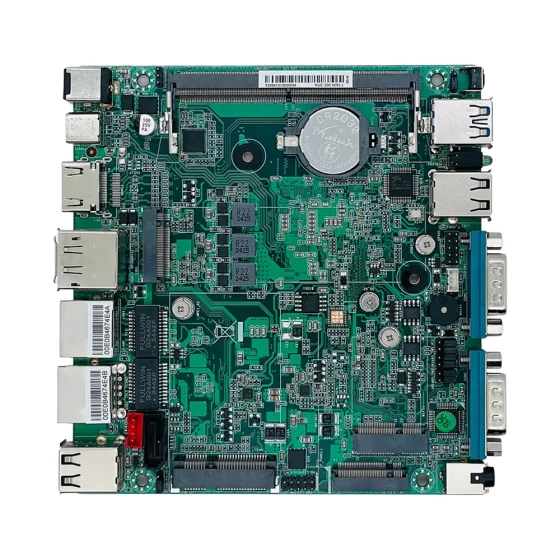
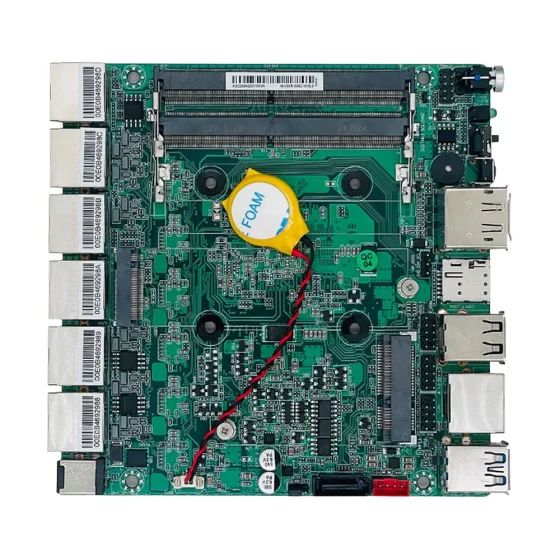
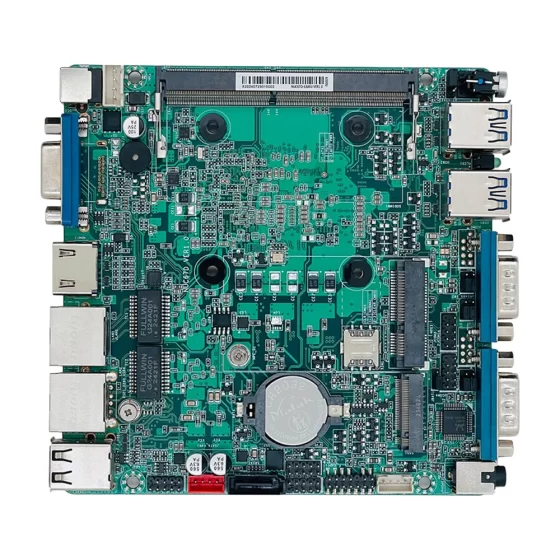
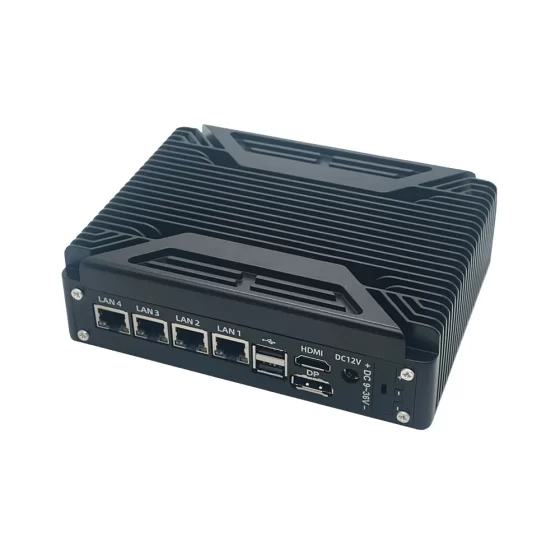
Soluciones de informática industrial CoreIPC

Computadora industrial para dispositivos de seguridad de red
Resumen ejecutivo
A network security computer serves as the computing foundation for modern cybersecurity infrastructure, enabling organizations to deploy firewalls, intrusion detection systems (IDS), intrusion prevention systems (IPS), Puertas de enlace VPN, unified threat management (UTM) platforms, and secure edge security appliances. As cyber threats become more sophisticated and network traffic volumes continue to grow, traditional commercial computing platforms often struggle to provide the reliability, conectividad, and long-term stability required for continuous security operations.
Industrial computers are designed to address these requirements by delivering high-performance processing, multiple high-speed network interfaces, rugged industrial-grade reliability, and extended product lifecycles. These systems can operate continuously in enterprise data centers, instalaciones industriales, redes de transporte, energy infrastructure, healthcare environments, and distributed edge deployments where security services must remain available 24/7.
By integrating advanced processors, multi-port networking, hardware encryption acceleration, fanless thermal designs, and industrial connectivity, industrial computers provide an ideal platform for network security applications. Whether deployed as a firewall computer, Puerta de enlace VPN, traffic monitoring system, or edge security appliance, industrial computing platforms help organizations strengthen cybersecurity defenses while ensuring operational reliability and scalability.

Industrial computers provide the reliable foundation for modern network security appliances, firewall systems, and enterprise cybersecurity infrastructure.
Descripción general de la industria
The Evolution of Modern Cybersecurity Infrastructure
Cybersecurity has evolved from a specialized IT function into a critical business requirement across virtually every industry. Transformación digital, cloud computing adoption, remote workforce expansion, Internet industrial de las cosas (IIoT) deployments, and connected infrastructure have increased network complexity and expanded potential attack surfaces.
Organizations now face an increasingly sophisticated threat landscape that includes ransomware, advanced persistent threats, distributed denial-of-service attacks, supply chain attacks, insider threats, zero-day vulnerabilities, industrial control system attacks, and IoT-based cyber threats. Como resultado, enterprises are investing in advanced network security appliances capable of inspecting, filtración, escucha, and protecting network traffic in real time.
Industria 4.0 and OT Security
Industria 4.0 initiatives have connected operational technology environments with enterprise IT systems, creating new opportunities for productivity and efficiency while introducing new cybersecurity challenges. Manufacturing facilities now rely on PLCs, Sistemas SCADA, HMI terminals, robots industriales, sistemas de visión artificial, sensores industriales, and edge computing platforms.
Protecting these interconnected systems requires dedicated security infrastructure capable of operating reliably in industrial environments. A network security computer provides the computing resources, conectividad, and long-term stability required to support firewall, vpn, IDS/IPS, and traffic monitoring applications in demanding industrial settings.
Edge Computing and Distributed Security
The rise of edge computing is reshaping cybersecurity architectures. Instead of routing all traffic through centralized data centers, organizations increasingly deploy security functions closer to users, dispositivos, and operational assets. This trend drives demand for compact, confiable, and high-performance industrial computers capable of serving as distributed security appliances at the network edge.
Desafíos clave
Deploying network security appliances in modern environments presents several technical and operational challenges. Hardware platforms must deliver strong computing performance while maintaining continuous operation, redes estables, and reliable system availability.
Increasing Network Traffic Volumes
Modern enterprise networks generate massive amounts of traffic from cloud applications, video communications, industrial devices, IoT sensors, remote users, and data-intensive workloads. Security appliances must inspect this traffic without introducing excessive latency. A network security computer must therefore provide sufficient processing power, ancho de banda de memoria, and network interface performance to support real-time inspection.
Detección de amenazas en tiempo real
Cybersecurity systems must identify and respond to threats immediately. Inspección profunda de paquetes, signature matching, análisis de comportamiento, monitoreo de tráfico, and threat intelligence integration require substantial computing resources. If the hardware platform is underpowered, security applications may experience delayed detection, reduced throughput, or dropped packets.
Requisitos de operación continua
Unlike standard office computers, security appliances often operate continuously. They must support 24/7 uptime, rendimiento térmico estable, reliable power delivery, mantenimiento remoto, y disponibilidad de hardware a largo plazo. Hardware instability can directly affect network availability and security protection.
Entornos de implementación hostiles
Network security systems may be deployed in industrial control cabinets, infraestructura de transporte, outdoor equipment enclosures, telecommunications cabinets, e instalaciones remotas. These environments may expose hardware to dust, vibración, fluctuaciones de temperatura, and electrical interference. Industrial-grade design helps reduce failure risk in these conditions.
Integración de infraestructura heredada
Many organizations operate mixed environments that combine modern Ethernet networks, legacy industrial protocols, sistemas en la nube, and operational technology assets. Security appliances must support flexible connectivity and stable integration across both modern and legacy infrastructure.
Cybersecurity Scalability
As networks expand, organizations require security platforms that can scale without frequent hardware replacement. Flexible industrial computing platforms help support future network growth, additional security functions, and evolving cybersecurity requirements.
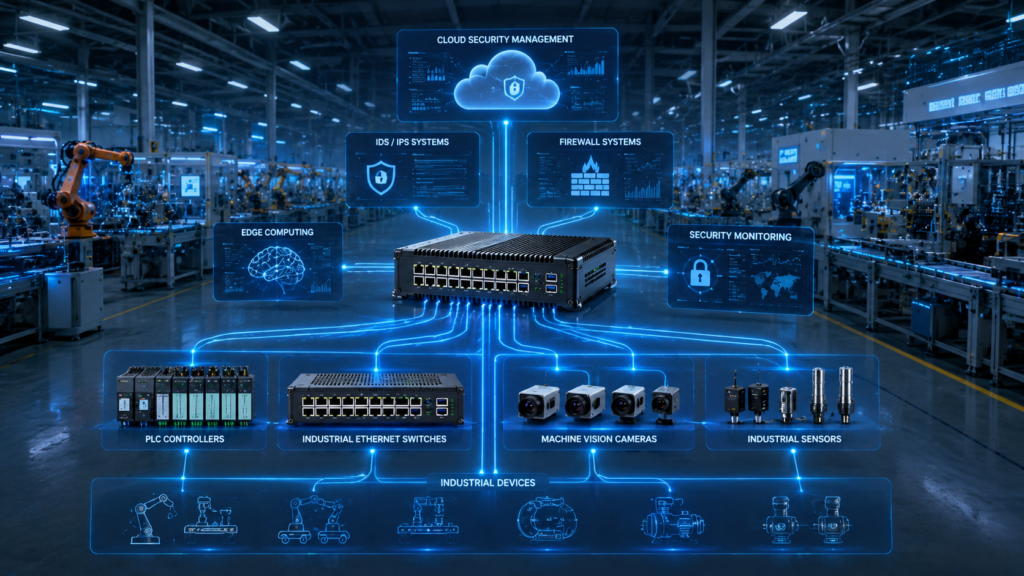
Industrial computers provide the central processing platform for firewall systems, IDS/IPS solutions, edge security computing, and industrial network protection.
Arquitectura de la solución
Industrial Network Security Architecture
A typical industrial network security deployment consists of multiple interconnected layers that work together to monitor, analizar, and protect network communications. The network security computer acts as the central processing platform for enforcing security policies, inspecting traffic, managing encrypted communications, and connecting local systems with centralized security management platforms.
Capa de campo
The field layer includes industrial sensors, PLC, HMI terminals, robots industriales, cámaras de visión artificial, IoT devices, and other operational equipment. These devices generate operational and business-critical data. Because many field devices were not originally designed with modern cybersecurity requirements in mind, they often require network-level protection.
Network Layer
Industrial networking infrastructure includes industrial Ethernet switches, managed switches, wireless gateways, fiber communication systems, and VLAN segmentation equipment. Traffic flows through multiple security zones, and proper segmentation is essential for limiting unauthorized access and reducing the potential impact of cyber incidents.
Security Appliance Layer
Industrial computers serve as the core security processing platform. They support firewall services, servicios VPN, IDS/IPS functions, inspección de tráfico, application filtering, control de acceso, y registro de seguridad. The network security computer processes data in real time while enforcing security policies between different network zones.
Capa de computación perimetral
Edge computing platforms perform local threat analysis, device authentication, security monitoring, análisis de tráfico, and event correlation. This reduces dependency on centralized infrastructure and enables faster response to local security events.
Cloud and Management Layer
Security events and operational data are transmitted to security operation centers, plataforma SIEM, cloud management systems, and remote administration platforms. This enables centralized visibility and management across distributed deployments while keeping critical security functions close to local assets.
Características clave
Procesamiento de alto rendimiento
Modern network security applications require substantial computing resources. Industrial computers support advanced processors that provide multi-core performance, parallel workload processing, high-throughput packet inspection, and low-latency response. This enables efficient execution of firewall, IDS, IPS, vpn, UTM, and traffic analytics services.
Múltiples interfaces de red
Security appliances frequently require multiple network connections. Industrial computers can support dual LAN, quad LAN, six LAN, or eight LAN configurations depending on the application. Multiple Ethernet interfaces enable network segmentation, DMZ implementation, traffic isolation, redundant communication paths, and dedicated management networks.
Hardware Encryption Acceleration
VPN gateways and secure communications rely heavily on encryption technologies. Hardware encryption acceleration can improve VPN throughput, reduce CPU overhead, improve security performance, and support larger numbers of concurrent users. This is particularly important for remote access, branch office connectivity, and SD-WAN-related deployments.
Diseño industrial sin ventilador
Fanless industrial computers eliminate mechanical cooling components, reducing maintenance requirements and improving reliability. Because fans are common failure points in traditional systems, fanless designs are suitable for mission-critical security deployments where continuous operation is required.
Operación de temperatura amplia
Many network security deployments occur outside traditional data centers. Industrial computers may need to operate in elevated temperatures, cold conditions, or environments with rapid thermal changes. Wide temperature support helps ensure stable operation across industrial, transporte, energía, and remote infrastructure applications.
Conectividad industrial
Industrial security systems often require integration with a wide variety of equipment. Industrial computers may support Gigabit Ethernet, 2.5GbE Ethernet, USB, puertos serie, GPIO, and wireless communication options. This simplifies integration with both modern and legacy systems.
Cybersecurity-Ready Platform Design
Industrial computing platforms can support security-oriented features such as secure boot technologies, trusted platform modules, hardware-based security functions, and access control mechanisms. These capabilities help strengthen the overall security architecture of the appliance.
Soporte de ciclo de vida prolongado
Network security infrastructure typically remains operational for many years. Industrial platforms offer long-term availability, stable hardware revisions, extended product support, and simplified maintenance planning. This helps reduce redesign costs and improves lifecycle management for OEM and enterprise projects.
Escenarios de implementación
Enterprise Firewall Appliances
Industrial computers serve as the foundation for high-performance firewall systems protecting enterprise networks, sucursales, and data center environments.
VPN Gateway Infrastructure
Organizations deploy industrial computers as VPN concentrators supporting secure remote access, encrypted site-to-site communication, and distributed workforce connectivity.
Industrial OT Security
Manufacturing facilities use industrial security appliances to protect PLCs, Sistemas SCADA, redes de producción, and industrial automation infrastructure.
Smart Transportation Networks
Traffic control centers and roadside infrastructure can use network security computers to protect intelligent transportation systems, traffic cameras, and edge communication networks.
Sistemas de gestión de energía
Utilities and energy infrastructure operators deploy industrial firewall computers to secure critical energy networks, remote monitoring systems, and smart grid communication.
Healthcare Network Security
Hospitals and medical facilities deploy security appliances to protect medical devices, patient records, sistemas de diagnostico, and healthcare communication networks.
Retail and Branch Security
Retail chains implement distributed security gateways across multiple locations to protect POS systems, redes de sucursales, and cloud-connected business applications.
Seguridad informática de borde
Industrial computers protect distributed edge computing deployments by enabling local traffic inspection, conectividad segura, and real-time threat monitoring closer to operational assets.
Beneficios comerciales
Improved Security Posture
Advanced inspection, filtración, and monitoring capabilities help organizations identify and mitigate cyber threats more effectively across enterprise, industrial, and edge environments.
Tiempo de inactividad reducido
Industrial-grade reliability helps minimize hardware failures and service interruptions, which is especially important for mission-critical network security infrastructure.
Menores costos de mantenimiento
Diseños sin ventilador, stable components, and long lifecycle platforms reduce maintenance requirements and simplify long-term hardware planning.
Mejor visibilidad operativa
Real-time monitoring and security logging provide greater insight into network activity, abnormal behavior, and potential security events.
Enhanced Scalability
Flexible platforms support future network growth, additional LAN interfaces, higher throughput requirements, and evolving cybersecurity workloads.
Faster Threat Response
Local processing and edge security analytics allow organizations to detect and respond to threats closer to where network events occur.
Por qué CoreIPC
CoreIPC proporciona plataformas informáticas industriales diseñadas para la seguridad de la red, computación de borde, automatización industrial, transporte, cuidado de la salud, gestión de energía, and critical infrastructure applications. Nuestro portafolio incluye PC industriales, computadoras sin ventilador, sistemas integrados, and custom embedded boards that support firewall appliances, Puertas de enlace VPN, IDS/IPS platforms, and edge security deployments.
With OEM and ODM capabilities, flexible customization services, and long lifecycle product support, CoreIPC helps customers build reliable and scalable cybersecurity hardware platforms for long-term deployment.
Preguntas frecuentes
1. What is a network security computer?
A network security computer is a dedicated computing platform used to deploy cybersecurity applications such as firewalls, Puertas de enlace VPN, intrusion detection systems, intrusion prevention systems, and unified threat management solutions. A diferencia de las PC de oficina estándar, network security computers are designed for continuous operation, high network throughput, multiple Ethernet interfaces, and long-term reliability in enterprise and industrial environments.
2. Why use an industrial computer as a firewall appliance?
Industrial computers offer reliability, longer product lifecycles, and more networking options than traditional commercial PCs. They are designed for 24/7 operation and often include multiple LAN ports, fanless cooling, componentes de grado industrial, and wide temperature support. These characteristics make them suitable for firewall deployments in critical industrial, enterprise, and edge environments.
3. How many LAN ports are required for a firewall computer?
The required number of LAN ports depends on the network architecture. Basic WAN/LAN firewalls may use two LAN ports, while branch office systems may require four. Multi-zone network segmentation, DMZ deployment, redes de gestión, and monitoring networks often require six or more LAN interfaces. Advanced data center and industrial security environments may benefit from eight LAN ports or higher.
4. What processor is suitable for a network security appliance?
Processor selection depends on expected traffic volume and security functions. Entry-level gateways may use efficient embedded processors, while enterprise firewall, IDS/IPS, and UTM applications usually require stronger multi-core performance. Applications involving SSL inspection, inspección profunda de paquetes, Cifrado VPN, or real-time analytics generally require higher-performance CPUs and sufficient memory capacity.
5. What is the difference between a firewall and a UTM appliance?
A firewall primarily controls network traffic based on security rules. A unified threat management appliance combines multiple security functions such as firewall, vpn, antivirus, web filtering, prevención de intrusiones, and application control. UTM solutions provide centralized security management but require more computing resources, making hardware performance an important selection factor.
6. Can industrial computers support VPN gateways?
Sí. Industrial computers are widely used as VPN gateways because they offer reliable processing performance, multi-port networking, and long-term platform stability. Hardware encryption acceleration can help increase VPN throughput, reduce CPU utilization, improve remote access performance, and support larger numbers of concurrent users in enterprise and industrial deployments.
7. What role does edge computing play in network security?
Edge computing enables security functions to be deployed closer to devices, users, and operational assets. This can reduce latency, improve local threat detection, lower dependency on centralized cloud infrastructure, and improve bandwidth efficiency. Industrial computers frequently serve as edge security appliances in distributed industrial, transporte, energía, and smart infrastructure environments.
8. Are fanless industrial computers suitable for cybersecurity applications?
Sí. Fanless industrial computers are suitable for cybersecurity applications because they reduce maintenance requirements and eliminate mechanical cooling components. They are often preferred for remote or mission-critical deployments where dust, vibración, or continuous operation may affect traditional fan-based systems. Fanless designs can improve long-term reliability in demanding environments.
9. What industries commonly deploy network security appliances?
Network security appliances are widely used in manufacturing, transporte, energy and utilities, cuidado de la salud, telecomunicaciones, minorista, ciudades inteligentes, and government infrastructure. Each sector requires secure and reliable network protection for critical systems, operational data, connected devices, y aplicaciones empresariales. Industrial computing platforms help support these security requirements across diverse environments.
10. Can industrial computers support IDS and IPS applications?
Sí. Industrial computers provide the processing power required for deep packet inspection, signature matching, análisis de comportamiento, real-time threat detection, and event logging. These capabilities make them suitable platforms for IDS and IPS deployments, especially in industrial networks, edge computing environments, and enterprise security appliances requiring stable long-term operation.
11. How important is hardware lifecycle support for security appliances?
Hardware lifecycle support is very important because security infrastructure often remains operational for many years. Long lifecycle platforms help simplify maintenance, reduce redesign costs, maintain software compatibility, and improve spare part availability. Industrial computer platforms typically provide more stable hardware availability than commercial PCs, making them suitable for long-term cybersecurity deployments.
12. How do I choose the right industrial computer for a network security project?
Important selection factors include network throughput requirements, number of LAN ports, VPN and encryption workload, requisitos de expansión, deployment environment, lifecycle expectations, and operating system compatibility. Working with an experienced industrial computing supplier can help ensure the selected platform aligns with both current and future network security requirements.
Conclusión
As cyber threats continue to evolve and digital infrastructure becomes increasingly interconnected, organizations require reliable, escalable, and high-performance platforms for network security deployments. Los ordenadores industriales proporcionan la potencia de procesamiento, networking flexibility, and long-term reliability required to support firewalls, Puertas de enlace VPN, IDS/IPS systems, UTM platforms, and edge security appliances.
With features such as multiple Ethernet interfaces, fanless industrial designs, hardware encryption acceleration, y soporte de ciclo de vida prolongado, industrial computing platforms are well suited for enterprise, industrial, transporte, cuidado de la salud, and critical infrastructure security applications. By selecting the appropriate network security computer architecture, organizations can strengthen cybersecurity defenses, improve operational continuity, and support future digital transformation initiatives.
Contáctenos
Planning a firewall appliance, Puerta de enlace VPN, IDS/IPS platform, aparato UTM, or edge cybersecurity solution?
CoreIPC provides industrial motherboards, computadoras integradas, fanless industrial PCs, and customized hardware platforms for network security applications. Our engineering team can assist with product selection, hardware customization, OEM services, and ODM development.
Contact CoreIPC today to discuss your project requirements and discover the ideal computing platform for your next-generation cybersecurity solution.