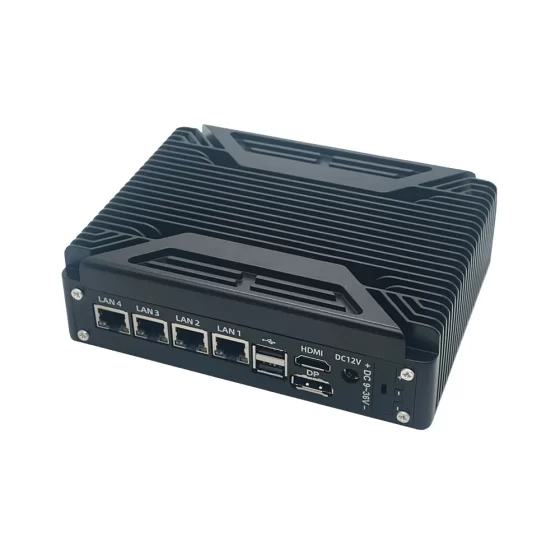
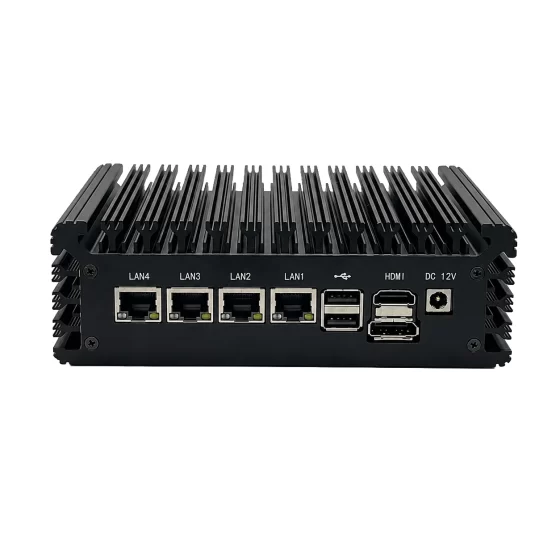
Soluciones de informática industrial CoreIPC

Servidor perimetral industrial para IA: Servidor perimetral industrial confiable para cargas de trabajo de IA de fábrica
Resumen ejecutivo
An industrial edge server provides the local computing foundation for AI inference, procesamiento de visión artificial, industrial data analytics, video analysis, monitoreo de equipos, and real-time decision support in modern manufacturing environments.
As factories adopt AI, IoT industrial, visión artificial, mantenimiento predictivo, robótica, and digital manufacturing systems, more data needs to be processed close to production equipment. Enviando cada imagen, sensor record, or machine event to the cloud can increase latency, bandwidth cost, data security concerns, y dependencia de la disponibilidad de la red.
An industrial computer or embedded computer deployed as an edge server can process AI workloads locally. It can connect cameras, PLC, sensores, robots, puertas de enlace, controladores de máquina, dispositivos de almacenamiento, y redes de fábricas. It can also run AI inference models, collect industrial data, registros de buffer, support dashboards, and send selected results to MES, SCADA, plataformas en la nube, or enterprise systems.
Compared with standard commercial servers or office PCs, industrial edge servers are designed for harsh factory environments. They provide rugged mechanical design, E/S flexibles, rendimiento térmico estable, fanless or low-maintenance options, redes confiables, y soporte de ciclo de vida prolongado.
This article explains how industrial edge servers support AI applications, ¿Qué desafíos de implementación enfrentan los fabricantes?, cómo funciona la arquitectura de la solución, and which hardware features are important when selecting an industrial edge server for AI workloads.
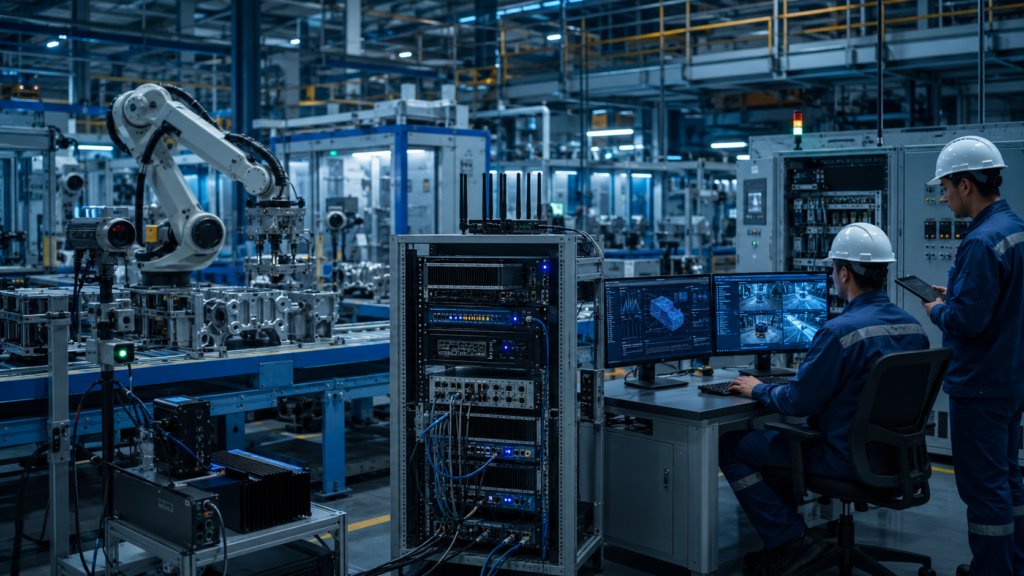
Industrial computers process AI workloads near machines, camaras, sensores, y líneas de producción.
Descripción general de la industria
AI Is Moving Closer to Industrial Equipment
AI adoption in manufacturing is growing across many application areas.
Factories are using AI for visual inspection, defect classification, seguimiento de la producción, guía robótica, mantenimiento predictivo, optimización de procesos, monitoreo de seguridad, and energy analysis.
These applications often require fast local processing. A camera inspection system may need an immediate pass or fail decision. A robotic cell may need real-time positioning data. A predictive maintenance system may need to detect abnormal vibration before equipment failure.
This is why AI workloads are increasingly moving from centralized servers to industrial edge computing platforms.
Why Edge Computing Matters for AI
Cloud computing is useful for model training, centralized analytics, and enterprise-level data management.
Sin embargo, many industrial AI applications cannot depend only on the cloud. Production lines need local response, almacenamiento en búfer local, and stable operation even when network conditions change.
An industrial edge server helps solve this by processing data close to the machines.
It can support:
- inferencia de IA
- Inspección por visión artificial
- Análisis de vídeo
- Sensor data processing
- Recopilación de datos del PLC
- Local database operation
- Monitoreo de equipos
- Paneles de producción
- Edge-to-cloud data transfer
- Real-time alarms and control logic
This improves response time and reduces unnecessary data transfer.
Industrial Computing Is Different from Office IT Hardware
Factory environments are different from office server rooms.
An edge server may be installed in a control cabinet, cerca de una línea de producción, dentro de una maquina, next to a robotic cell, or in a distributed factory area. Estos lugares pueden incluir polvo, vibración, ruido electrico, espacio limitado, variación de temperatura, y largas horas de funcionamiento.
Industrial computers and embedded computers are designed for these deployment conditions.
They provide better suitability for machine-side installation, redes industriales, I/O expansion, montaje estable, and long-term system maintenance.

Datos multicámara, redes de sensores, almacenamiento, and factory communication affect edge AI reliability.
Desafíos clave
AI Workload Diversity
Industrial AI workloads vary widely.
A single-camera defect detection station may need moderate computing power. A multi-camera AOI system, video analytics platform, or edge AI server for multiple production lines may require stronger CPU, GPU, memoria, and storage resources.
Common AI workloads include:
- Clasificación de imágenes
- Detección de objetos
- Segmentación de defectos
- OCR and code recognition
- Análisis de vídeo
- Modelos de mantenimiento predictivo
- Detección de anomalías
- Robot vision processing
- Fusión de sensores
- Local data analytics
The industrial edge server must be selected according to the actual workload, not only general product specifications.
Real-Time Processing Requirements
Many factory AI applications need fast response.
If image processing, inference, or data analysis is delayed, the system may fail to trigger the correct action at the right time.
Los requisitos en tiempo real pueden aparecer en:
- Rechazo de defectos
- Guiado de robots
- Clasificación del transportador
- Monitoreo de seguridad
- Alarmas de equipos
- Detección de desviación del proceso
- High-speed camera inspection
- Verificación de embalaje
The edge server must provide stable sustained performance under continuous production workload.
Ancho de banda de datos y presión de almacenamiento
AI systems can generate large amounts of data.
Cámaras de alta resolución, multiple video streams, sensores, Registros del PLC, Imágenes de inspeccion, and production databases can create heavy bandwidth and storage requirements.
The industrial edge server may need to handle:
- Flujos de datos de la cámara
- Archivos de modelo de IA
- Imágenes de defectos
- Videoclips
- Historial de sensores
- Bases de datos locales
- Registros de producción
- Temporary data buffering
- Edge-to-cloud synchronization
If storage speed or network bandwidth is insufficient, the system may experience dropped frames, procesamiento retrasado, or incomplete records.
Factory Network Integration
Industrial edge servers must connect with both operational technology and information technology systems.
This may include PLC networks, redes de máquinas, redes de cámaras, MES servers, Sistemas SCADA, cloud gateways, cortafuegos, and enterprise databases.
A practical edge AI deployment may require network separation.
Por ejemplo:
- One LAN port for cameras
- Un puerto LAN para PLC
- Un puerto LAN para la red TI de fábrica
- One LAN port for remote maintenance or cloud connection
Multiple network interfaces can improve organization, seguridad, and traffic stability.
Long-Term Reliability
Industrial AI systems are often deployed for long-term operation.
If the edge server fails, inspección, escucha, analítica, or production data collection may stop. This can affect production uptime and quality control.
Hardware reliability is especially important when the server operates near machines instead of inside a clean IT room.
Industrial-grade design helps reduce downtime by supporting stable thermal performance, estructura mecánica robusta, almacenamiento confiable, montaje seguro, y continuidad del ciclo de vida.

Industrial edge servers connect AI workloads, factory equipment, bases de datos locales, y sistemas en la nube.
Industrial Edge Server Solution Architecture
Capa de adquisición de datos y dispositivos
The device layer includes all equipment and data sources connected to the industrial edge server.
Esta capa puede incluir:
- Cámaras industriales
- 3cámaras D
- Cámaras de alta velocidad
- PLC
- Sensores
- Robots
- Controladores de movimiento
- Lectores de códigos de barras
- Equipo de prueba
- Medidores de energía
- Controladores de máquinas
- Pasarelas industriales
Estos dispositivos generan los datos sin procesar necesarios para la inferencia de IA., escucha, and production analysis.
Capa de computación de borde industrial
The industrial edge computing layer is where the industrial edge server performs local processing.
en esta capa, the server may:
- Ejecute modelos de inferencia de IA
- Process camera images
- Analizar datos de sensores
- Collect PLC data
- Almacenar registros locales
- Run edge databases
- Host lightweight dashboards
- Manage data buffering
- Send alarms or results
- Transfer selected data to cloud or MES systems
This layer is the local intelligence layer between machines and higher-level software platforms.
AI Inference and Application Layer
The AI application layer contains the software used for industrial intelligence.
Dependiendo del proyecto, this may include:
- Software de visión artificial
- Tiempo de ejecución de inferencia de IA
- Modelos de detección de defectos
- Software de análisis de vídeo
- Modelos de mantenimiento predictivo
- Data acquisition software
- Protocol conversion tools
- Local monitoring dashboards
- Edge orchestration software
La computadora industrial debe soportar el sistema operativo requerido., conductores, Marco de IA, SDK de cámara, and automation software.
Automation and Control Integration Layer
The edge server may need to send results back to automation equipment.
Por ejemplo, after AI inspection, it may send a pass or fail signal to a PLC. After detecting abnormal equipment vibration, it may trigger an alarm. After recognizing an object, it may provide coordinates to a robot controller.
This integration layer may include:
- comunicación PLC
- E/S digitales
- comunicación en serie
- Ethernet-based industrial protocols
- Robot controller communication
- Alarm output
- Machine status feedback
Reliable I/O and low-latency communication are important for practical deployment.
Enterprise and Cloud Connectivity Layer
The industrial edge server can also connect local factory intelligence with higher-level systems.
Puede enviar datos seleccionados a:
- MES
- SCADA
- ERP
- Bases de datos de calidad
- Plataformas en la nube
- Lagos de datos
- Remote monitoring systems
- Plataformas de mantenimiento
- Paneles de producción
Instead of sending every raw image or sensor value, the edge server can process data locally and upload only useful results, exceptions, resúmenes, or compressed records.
Características clave
AI Computing Performance
AI workloads require stable computing performance.
The right configuration depends on model complexity, resolución de imagen, número de cámaras, sensor data frequency, recuento de secuencias de vídeo, and required response time.
La selección de hardware debe considerar:
- rendimiento de la CPU
- Compatibilidad con GPU o acelerador de IA
- Capacidad de memoria
- Velocidad de almacenamiento
- expansión PCIe
- Diseño térmico
- Consumo de energía
- Soporte del sistema operativo
- Compatibilidad del software de IA
For lightweight AI inference, una computadora integrada puede ser suficiente. For multi-camera AI inspection or video analytics, an edge AI computer or industrial PC with stronger acceleration may be required.
Múltiples interfaces de red
Industrial edge servers often need multiple LAN ports.
This allows better separation between camera networks, redes de máquinas, redes informáticas de fábrica, y conexiones en la nube.
Multiple LAN ports can help support:
- Camera traffic isolation
- comunicación PLC
- Conectividad MES
- Mantenimiento remoto
- Segmentación de seguridad
- Redundant network planning
- Multi-line data collection
Network design should be planned according to the factory architecture and cybersecurity requirements.
E/S industriales flexibles
AI edge servers must connect with real equipment.
Las opciones de E/S importantes pueden incluir:
- LAN
- USB
- RS232
- RS485
- GPIO
- Entrada digital
- Salida digital
- hdmi
- DisplayPort
- M.2
- PCIe
- Almacenamiento SATA o NVMe
Estas interfaces pueden admitir cámaras., sensores, PLC, lectores de códigos de barras, controladores de iluminación, sistemas robóticos, dispositivos de almacenamiento, y exhibiciones locales.
La E/S flexible reduce los convertidores externos y mejora la confiabilidad de la implementación.
Diseño robusto y sin ventilador
Many industrial edge servers are deployed near production equipment.
El diseño sin ventilador puede reducir la entrada de polvo y eliminar un punto común de falla mecánica. Los gabinetes resistentes ayudan a proteger el sistema de las vibraciones., tensión del cable, y el impacto de la instalación.
Sin embargo, Las cargas de trabajo de IA pueden generar un calor significativo.
For high-performance edge AI systems, El diseño térmico debe revisarse cuidadosamente.. Potencia del procesador, aceleración de GPU, tamaño del gabinete, flujo de aire, temperatura ambiente, and cabinet layout all affect long-term stability.
Almacenamiento confiable y almacenamiento en búfer de datos
Industrial AI systems may require local storage.
The edge server may store images, registros, archivos de modelo, sensor history, bases de datos locales, videoclips, registros de inspección, and temporary data during network interruptions.
Generalmente se prefiere el almacenamiento SSD o NVMe porque proporciona un acceso más rápido y una mejor resistencia a los golpes que las unidades mecánicas..
Para aplicaciones con muchos datos, capacidad de almacenamiento, escribe resistencia, redundancy, método de copia de seguridad, and retention policy should be reviewed before deployment.
Largo ciclo de vida y mantenibilidad
Industrial edge servers often become part of long-term automation infrastructure.
Los cambios frecuentes de hardware pueden crear problemas de validación de software, driver compatibility issues, y desafíos de repuestos.
Las plataformas informáticas industriales con planificación del ciclo de vida ayudan a los fabricantes e integradores de sistemas a mantener implementaciones consistentes en múltiples líneas., fábricas, and machine generations.
This is especially important for OEM equipment builders and large-scale industrial AI rollouts.
Escenarios de implementación
AI Machine Vision Inspection
Industrial edge servers are commonly used for AI machine vision inspection.
They can process images from cameras, run defect detection models, clasificar defectos, and send results to PLCs or quality systems.
Applications may include electronics inspection, AOI semiconductor, inspección de batería, inspección de embalaje, inspección de alimentos, and pharmaceutical inspection.
Multi-Camera Video Analytics
Factories may use video analytics for process monitoring, safety observation, equipment status detection, and production flow analysis.
An industrial edge server can process multiple video streams locally and send only alerts, eventos, or summary data to higher-level systems.
Esto reduce la carga de la red y mejora el tiempo de respuesta..
Mantenimiento predictivo
Predictive maintenance systems collect data from vibration sensors, sensores de temperatura, motores, zapatillas, compresores, y controladores de máquinas.
The edge server can analyze local data to detect abnormal patterns and generate maintenance alerts.
This helps maintenance teams identify potential issues earlier.
Robotics and Motion Applications
Robotic systems may need local AI processing for object recognition, localización de piezas, trajectory monitoring, or visual guidance.
An industrial edge server can process camera or sensor data and send useful results to robot controllers or PLCs.
This supports more flexible automation and robotic inspection workflows.
Procesamiento de datos industriales de IoT
Industrial IoT systems collect machine data across production lines.
An edge server can aggregate data from sensors, PLC, puertas de enlace, and machines. Puede procesar datos localmente, run analytics, and forward selected information to MES, SCADA, o plataformas en la nube.
This creates a practical bridge between shop-floor equipment and enterprise software.
Smart Warehouse and Logistics
Warehouses and logistics centers may use edge AI for barcode recognition, parcel sorting, package tracking, monitoreo de seguridad, and conveyor analytics.
Industrial edge servers can process camera data and sorting events near the automation equipment.
This supports faster routing decisions and stronger traceability.
Monitoreo de energía y servicios públicos
Industrial facilities may use edge servers to process energy meter data, estado del equipo, datos ambientales, and utility system information.
AI models can help detect abnormal consumption patterns, ineficiencia del equipo, or operational anomalies.
This supports energy management and facility optimization.
Integración de equipos de IA OEM
Machine builders can integrate industrial edge servers into inspection machines, puertas de enlace inteligentes, sistemas robóticos, and AI-enabled production equipment.
La plataforma informática puede proporcionar inferencia de IA, almacenamiento de datos, interfaces de comunicación, paneles locales, y conectividad del sistema de fábrica.
This helps OEMs deliver equipment ready for smart manufacturing environments.
Beneficios comerciales
Lower Latency for AI Decisions
An industrial edge server processes data close to the machines.
This reduces the delay between data capture and decision output. Faster local processing is important for defect rejection, guía del robot, alarmas, and real-time production monitoring.
Low-latency operation helps AI systems become practical production tools instead of only offline analytics systems.
Reduced Cloud Bandwidth Load
Industrial AI systems can generate large amounts of raw data.
Sending all images, vídeos, and sensor records to the cloud can create high network load and storage cost.
Edge servers can process data locally and upload only useful results, such as defect records, alarmas, resúmenes, o imágenes seleccionadas.
This makes factory AI deployment more efficient.
Improved Production Reliability
Local edge computing reduces dependency on external network availability.
Even if cloud or enterprise network communication is interrupted, the edge server can continue local processing, almacenamiento en búfer, and equipment communication.
This improves production resilience and helps maintain stable operation.
Stronger Data Security
Some factories prefer to keep sensitive production data, imágenes, información del proceso, or equipment records inside the local network.
An industrial edge server allows more data to be processed locally.
Only selected information needs to be shared externally, depending on the factory’s data policy and cybersecurity design.
Better Integration with Industrial Equipment
Industrial edge servers support the interfaces required for factory equipment.
They can connect with cameras, PLC, sensores, robots, puertas de enlace, y redes industriales.
This makes AI deployment more practical because the computing platform can communicate with real machines, not only software systems.
Implementación escalable de fabricación inteligente
A standardized industrial edge server platform makes it easier to deploy AI across multiple lines and factories.
El hardware consistente simplifica las imágenes de software, gestión de conductores, planificación de repuestos, entrenamiento de mantenimiento, y soporte del ciclo de vida.
This helps manufacturers move from pilot AI projects to scalable production deployment.
Por qué CoreIPC
CoreIPC proporciona plataformas informáticas industriales para IA de vanguardia, visión artificial, IoT industrial, automatización de fábrica, e integración de sistemas integrados. For industrial edge server applications, CoreIPC se centra en hardware informático industrial confiable, soluciones informáticas integradas, Configuraciones de E/S flexibles, diseño de sistema compacto, y soporte de personalización OEM/ODM. CoreIPC ayuda a los integradores de sistemas, constructores de maquinaria, y los equipos de fabricación seleccionan plataformas informáticas que coincidan con los requisitos de implementación reales, incluida la carga de trabajo de IA, interfaces de cámara, diseño de red, comunicación de automatización, necesidades de almacenamiento, métodos de montaje, entrada de energía, condiciones termicas, y planificación del ciclo de vida.
Preguntas frecuentes
1. What is an industrial edge server?
An industrial edge server is a rugged computing platform used to process data near machines, sensores, camaras, y equipo de producción.
Puede ejecutar inferencia de IA, collect industrial data, Imágenes de proceso, almacenar registros locales, comunicarse con PLC, y enviar datos seleccionados a MES, SCADA, plataformas en la nube, o bases de datos. It is designed for factory environments where reliability and industrial connectivity are important.
2. Why use an industrial edge server for AI?
AI applications often require fast local processing.
An industrial edge server reduces latency, lowers cloud bandwidth usage, supports local data buffering, and improves production resilience. It can process images, secuencias de vídeo, datos del sensor, and machine events close to the equipment, allowing faster decisions for inspection, escucha, alarmas, y control de automatización.
3. How is an embedded computer used as an edge server?
An embedded computer can act as a compact edge server for machine-side AI processing, recopilación de datos, and local analytics.
Se puede instalar dentro de armarios de control., máquinas de inspección, células robóticas, puertas de enlace inteligentes, o equipo OEM. Its compact design makes it useful where space is limited but local computing and industrial connectivity are still required.
4. What AI workloads can industrial edge servers support?
Industrial edge servers can support visual inspection, detección de defectos, LOC, reconocimiento de código de barras, análisis de vídeo, mantenimiento predictivo, detección de anomalías, sensor data analysis, visión robótica, y procesamiento de datos industriales de IoT.
La carga de trabajo exacta depende del rendimiento de la CPU, Compatibilidad con GPU o acelerador de IA, memoria, ancho de banda de la cámara, velocidad de almacenamiento, and software framework compatibility.
5. What interfaces are important for industrial edge servers?
Las interfaces importantes pueden incluir múltiples puertos LAN, USB 3.0, RS232, RS485, GPIO, entrada digital, salida digital, hdmi, DisplayPort, M.2, PCIe, sata, y soporte de almacenamiento NVMe.
Múltiples puertos LAN son especialmente útiles para separar redes de cámaras, redes de máquinas, redes informáticas de fábrica, y conexiones en la nube.
6. Does an industrial edge server need a GPU?
Algunas cargas de trabajo de IA necesitan compatibilidad con GPU o acelerador de IA, especially for multi-camera vision, procesamiento de imágenes de alta resolución, análisis de vídeo, o modelos complejos de aprendizaje profundo.
Other workloads may run on CPU-based industrial computers if the model is lightweight and the response-time requirement is moderate. Hardware should be selected based on real AI model performance and production workload.
7. Can fanless industrial computers be used as edge servers?
Fanless industrial computers can be used as edge servers for many moderate workloads.
Reducen la entrada de polvo y eliminan un punto de falla mecánica.. Sin embargo, high-performance AI workloads may generate significant heat. potencia de la CPU, GPU use, diseño de recinto, temperatura ambiente, flujo de aire del gabinete, y la ubicación de montaje deben revisarse antes de la selección final.
8. How does an industrial edge server connect with cloud platforms?
An industrial edge server can process data locally and send selected results to cloud platforms through secure network connections.
Puede subir alarmas, resúmenes, resultados de la inspección, model outputs, or compressed records instead of sending all raw data. This reduces bandwidth load while still supporting cloud analytics and centralized monitoring.
9. Can industrial edge servers connect to MES and SCADA systems?
Sí. Industrial edge servers can connect to MES, SCADA, bases de datos de calidad, paneles de producción, and factory data platforms.
They can collect data from machines, procesarlo localmente, and forward structured information to higher-level systems. This helps connect shop-floor equipment with digital manufacturing workflows.
10. What should be tested before deploying an industrial edge server?
Antes del despliegue, the system should be tested with real AI models, real cameras, actual sensors, comunicación PLC, arquitectura de red, carga de trabajo de almacenamiento, database connection, condiciones termicas, y operación de larga duración.
Testing should also include failover behavior, almacenamiento en búfer local, data upload stability, y acceso de mantenimiento. Esto ayuda a reducir el riesgo durante el lanzamiento de la producción..
Conclusión
An industrial edge server is a practical foundation for AI inference, visión artificial, industrial IoT analytics, procesamiento de vídeo, mantenimiento predictivo, and smart manufacturing data integration.
Colocando hardware informático industrial cerca de las cámaras., sensores, PLC, robots, puertas de enlace, y equipo de producción, Los fabricantes pueden procesar datos localmente., reducir la latencia, menor uso de ancho de banda, and improve production resilience.
La computadora industrial o la computadora integrada adecuada debe seleccionarse de acuerdo con los requisitos de implementación reales., incluida la carga de trabajo de IA, interfaz de la cámara, diseño de red, configuración de E/S, capacidad de almacenamiento, expansion needs, método de montaje, entrada de energía, condiciones termicas, soporte del sistema operativo, y planificación del ciclo de vida.
CoreIPC supports industrial edge server projects with industrial computing platforms designed for practical factory and equipment deployment. Con la base de hardware adecuada, Los fabricantes y fabricantes de equipos pueden construir sistemas más confiables., escalable, and data-driven AI systems at the industrial edge.
Contáctenos
Busco ordenador industrial, computadora integrada, or edge AI platform for an industrial edge server project?
Póngase en contacto con CoreIPC para analizar los requisitos de su proyecto., incluida la carga de trabajo de IA, interfaz de la cámara, arquitectura de red, configuración de E/S, diseño de almacenamiento, comunicación de automatización, método de montaje, entrada de energía, entorno operativo, necesidades del ciclo de vida, y opciones de personalización OEM/ODM.