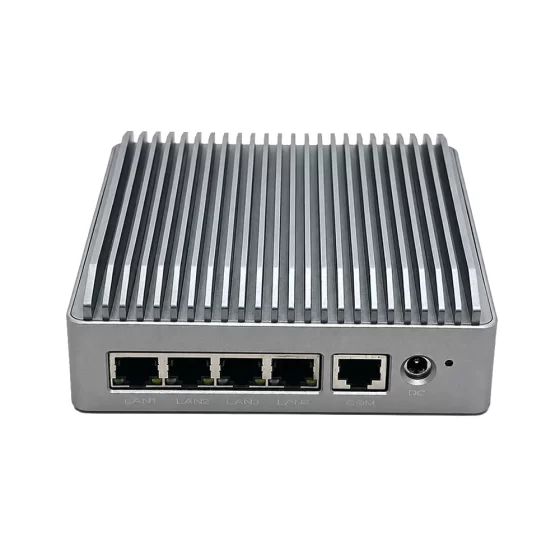
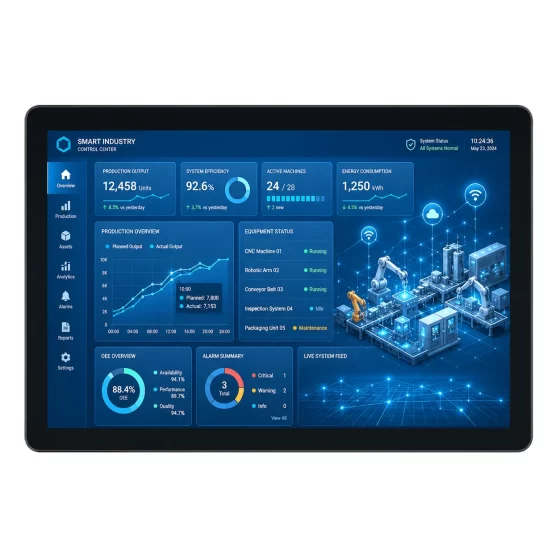
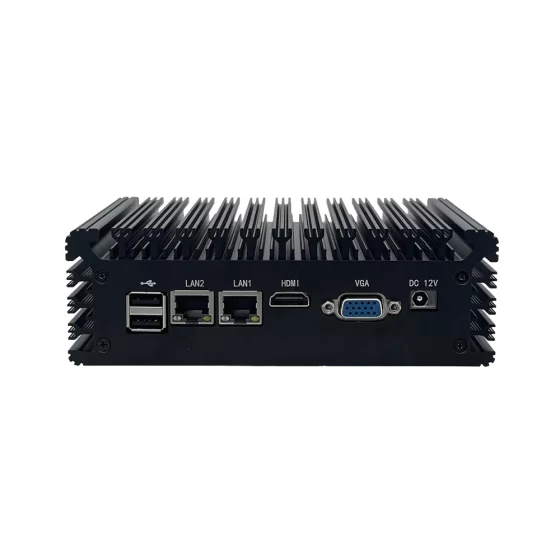
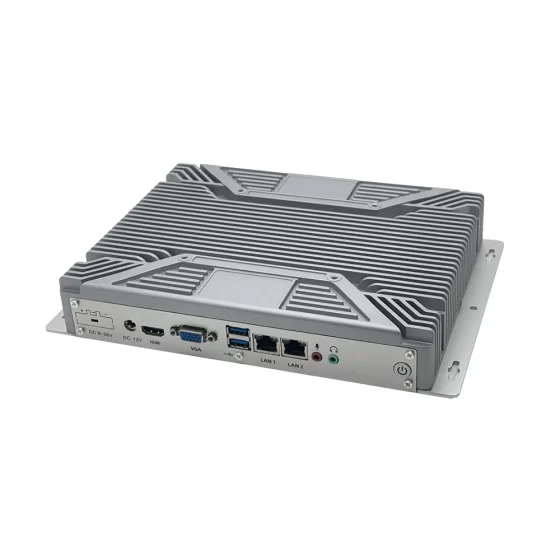
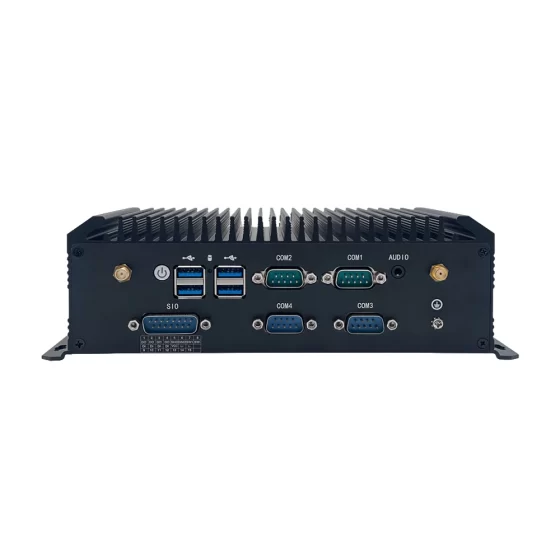
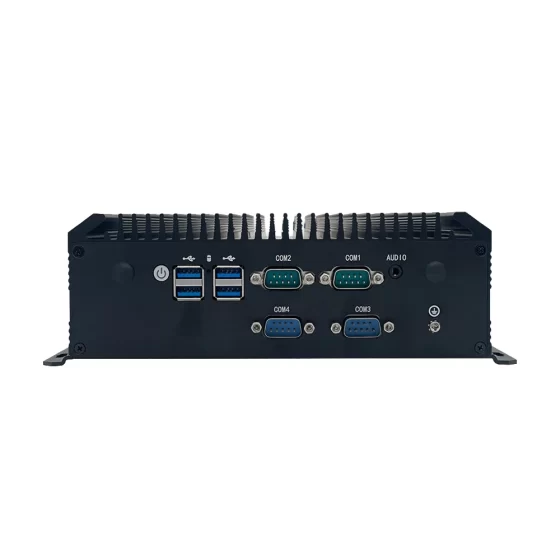
Soluciones de informática industrial CoreIPC

IPC para inspección de semiconductores: Inspección IPC de semiconductores para un control de calidad confiable de obleas y paquetes
Resumen ejecutivo
Un ipc de inspección de semiconductores proporciona la base informática industrial para la adquisición de imágenes, detección de defectos, procesamiento de datos metrológicos, comunicación del equipo, y trazabilidad de la calidad en la fabricación de semiconductores.
La producción de semiconductores requiere una inspección extremadamente precisa en todo el procesamiento de obleas, inspección de troqueles, embalaje, inspección del sustrato, vinculación, calificación, y flujos de trabajo de prueba finales. Pequeños defectos, contaminación de la superficie, errores de alineación, grietas del paquete, marcas faltantes, o los códigos incorrectos pueden afectar el rendimiento, fiabilidad, y calidad de producción posterior.
Para apoyar estos procesos de inspección, Los fabricantes necesitan hardware informático industrial estable que pueda funcionar cerca de las cámaras., sensores, sistemas de movimiento, controladores de iluminación, herramientas de inspección, y redes de fábricas.
Una computadora industrial o una computadora integrada puede actuar como controlador de inspección local.. Puede recibir datos de imagen., ejecutar software de inspección, conectar al equipo de automatización, comunicarse con MES o sistemas de calidad, almacenar registros locales, y admite monitoreo del operador en tiempo real.
En comparación con las PC comerciales estándar, Las plataformas IPC industriales son más adecuadas para entornos de inspección de semiconductores porque ofrecen una mayor confiabilidad., E/S flexibles, montaje estable, soporte de ciclo de vida largo, opciones de diseño compacto, y una mejor integración con dispositivos industriales.
Este artículo explica cómo las plataformas IPC de inspección de semiconductores respaldan el control de calidad., ¿Qué desafíos de implementación enfrentan los fabricantes?, cómo funciona la arquitectura de la solución, y qué características de hardware son importantes para sistemas confiables de inspección de semiconductores.

Los IPC industriales respaldan los equipos de inspección de semiconductores, procesamiento de imágenes, y recopilación de datos de calidad.
Descripción general de la industria
La inspección de semiconductores requiere alta precisión
La fabricación de semiconductores implica muchos procesos sensibles..
La inspección puede realizarse a nivel de oblea., morir nivel, nivel de paquete, nivel de sustrato, o nivel del producto final. Cada proceso requiere una captura de datos precisa y un soporte informático estable.
Las tareas de inspección típicas pueden incluir:
- Inspección de la superficie de la oblea
- Inspección de alineación de matrices
- Detección de defectos
- Inspección de apariencia del paquete
- Verificación de marcado y código.
- Inspección de unión
- Inspección del marco principal
- Inspección de sustrato
- Inspección del producto final
- Recopilación de datos de resultados de pruebas
Un ipc de inspección de semiconductores ayuda a procesar estos datos de inspección cerca del equipo y conectar los resultados con los sistemas de calidad de fábrica..
Los datos de inspección son fundamentales para el rendimiento y la calidad
La inspección de semiconductores no consiste solo en identificar unidades defectuosas.
Los datos de inspección también respaldan el análisis de rendimiento, mejora de procesos, ajuste de equipos, trazabilidad, y requisitos de calidad del cliente.
Es posible que las fábricas necesiten registrar:
- Prueba de imagen
- tipo de defecto
- ID de oblea
- la posición
- Número de lote
- ID del paquete
- Resultado de la prueba
- tiempo de proceso
- Información de la estación
- ID del operador o del equipo
Si la plataforma informática es inestable, Los datos de inspección pueden estar incompletos o retrasados.. Esto puede reducir el valor del análisis de calidad y dificultar la investigación de la causa raíz..
La informática industrial respalda la automatización de la inspección
Los equipos de inspección de semiconductores a menudo integran cámaras., óptica, iluminación, control de movimiento, PLC, sensores, y sistemas de comunicación de fábrica.
El ordenador industrial actúa como plataforma local de control y procesamiento..
Puede ejecutar software de procesamiento de imágenes., comunicarse con camaras, Imágenes de defecto de proceso, almacenar registros, enviar resultados a controladores de automatización, y cargar datos a MES o bases de datos de calidad.
Las computadoras integradas también son útiles cuando el hardware de inspección debe integrarse en equipos compactos., sistemas de gabinetes, o máquinas de inspección OEM.

Superficies de oblea, pequeños defectos, reflexiones, y las marcas del paquete requieren un procesamiento de visión estable.
Desafíos clave
Procesamiento de imágenes de alta resolución
La inspección de semiconductores suele utilizar cámaras de alta resolución y sistemas de imágenes precisos..
Es posible que la computadora de inspección necesite procesar imágenes detalladas de las obleas., muere, sustratos, áreas de unión, superficies del paquete, o marcas impresas.
La carga de trabajo informático depende de:
- Resolución de la cámara
- Número de cámaras
- Velocidad de cuadros de imagen
- Complejidad del algoritmo de inspección
- Requisitos de clasificación de defectos
- Almacenamiento de imágenes locales
- Comunicación de base de datos
- Rendimiento de la interfaz del operador
Un ipc de inspección de semiconductores debe proporcionar un rendimiento de procesamiento estable para la carga de trabajo de inspección real..
Pequeños defectos y estrictos requisitos de calidad
Los defectos de los semiconductores pueden ser muy pequeños.
Arañazos superficiales, partículas, grietas, errores de alineación, marcas faltantes, vínculo pobre, o los defectos del paquete pueden ser difíciles de detectar sin una calidad de imagen consistente y un procesamiento estable.
El sistema de inspección debe combinar una óptica adecuada., iluminación, selección de cámara, algoritmos de software, y hardware informático confiable.
Si alguna parte del sistema es inestable, La precisión de la detección puede verse afectada..
Integración con equipos de automatización
Los sistemas de inspección de semiconductores suelen formar parte de equipos de producción automatizados..
Es posible que el IPC necesite comunicarse con los PLC., controladores de movimiento, manipuladores de obleas, transportadores, brazos robóticos, controladores de iluminación, sensores, y mecanismos de rechazo.
Los requisitos de comunicación comunes pueden incluir:
- LAN
- USB
- RS232
- RS485
- GPIO
- Entrada digital
- Salida digital
- Señales de movimiento o de activación.
La configuración de E/S industrial adecuada reduce la necesidad de convertidores externos y mejora la confiabilidad de la integración.
Operación continua y tiempo de actividad del equipo
Los entornos de producción de semiconductores a menudo requieren largas horas de funcionamiento y disponibilidad estable de equipos..
Si falla la computadora de inspección, La estación de inspección puede dejar de recopilar datos o ralentizar el flujo de producción..
Esto puede afectar el seguimiento del rendimiento., control de calidad, y programación de la producción.
Se prefieren las computadoras industriales porque están diseñadas para un funcionamiento continuo., rendimiento térmico estable, y despliegue a largo plazo en equipos industriales.
Trazabilidad de datos y conectividad del sistema
Los resultados de la inspección a menudo deben vincularse con las identificaciones de las obleas., números de lote, ID de producto, registros de prueba, rutas de producción, y bases de datos de calidad.
Esto requiere una comunicación de red estable y un manejo de datos local confiable..
Es posible que la computadora de inspección necesite cargar registros en el MES, proceso estadístico, sistemas de gestión de calidad, o bases de datos de producción.
También es posible que necesite almacenar datos locales temporalmente cuando la comunicación de red no esté disponible..

Los IPC industriales procesan datos de inspección y conectan los resultados a sistemas de calidad de semiconductores.
Arquitectura de la solución IPC de inspección de semiconductores
Capa de imágenes y sensores
La capa de imágenes y sensores incluye cámaras., lentes, iluminación, módulos ópticos, sensores de disparo, sistemas de movimiento, y dispositivos de medición.
Esta capa captura los datos de inspección sin procesar..
Dependiendo de la aplicación, el sistema puede capturar:
- Imágenes de la superficie de la oblea
- Muere imágenes
- Imágenes del paquete
- Marcar imágenes
- Imágenes de sustrato
- Datos de alineación
- Valores de medición
- Datos de posición
- Imágenes de defectos
La calidad de imagen constante es esencial antes de que el software de inspección pueda producir resultados confiables..
Capa de Computación Industrial
La capa de informática industrial es donde el ipc de inspección de semiconductores realiza el procesamiento local..
en esta capa, la computadora industrial puede:
- Adquirir imágenes de cámaras.
- Ejecutar algoritmos de inspección
- Imágenes de defectos de proceso
- Controlar el tiempo de iluminación
- Recibir señales de activación
- Comunicarse con los PLC
- Resultados de la inspección de la tienda
- Mostrar estado de inspección
- Cargar registros a MES o bases de datos
- Soporte de mantenimiento remoto
Esta capa debe ser estable porque afecta directamente a la velocidad de inspección., calidad de los datos, y disponibilidad de equipos.
Capa de control de automatización
La capa de control de automatización conecta los resultados de la inspección con la acción del equipo..
Un PLC, controlador de movimiento, manipulador de obleas, o el controlador de la máquina puede enviar señales a la computadora de inspección. Después del procesamiento, el IPC puede devolver el pase, fallar, alarma, o resultados de clasificación.
Por ejemplo, si una marca del paquete es ilegible o se detecta un defecto en el troquel, el sistema puede activar una acción de rechazo o marcar la unidad para su posterior revisión.
Esta comunicación de circuito cerrado respalda la inspección y el control de calidad automatizados..
Capa de gestión de datos
Los datos de inspección deben almacenarse, transferido, y conectado con registros de producción.
El IPC puede enviar datos al MES, proceso estadístico, sistemas de calidad, bases de datos de fábrica, o servidores locales.
Los datos pueden incluir:
- Número de lote
- ID de oblea
- Coordenadas del troquel
- Resultado de la inspección
- Categoría de defecto
- Archivo de imagen
- Marca de tiempo
- ID de estación
- Estado del equipo
- Acción del operador
Estos datos apoyan la trazabilidad, análisis de rendimiento, optimización de procesos, y informes de calidad.
Interfaz de usuario y capa de mantenimiento
Los operadores e ingenieros necesitan una interfaz local para monitoreo y ajuste..
La computadora industrial puede conectarse a un monitor., pantalla táctil, teclado, o panel HMI.
La interfaz puede mostrar imágenes en vivo., resultados defectuosos, mensajes de alarma, recuentos de producción, estado del sistema, y registros de inspección.
Una interfaz local clara ayuda a los ingenieros a mantener el sistema y responder rápidamente a condiciones de inspección anormales..
Características clave
Rendimiento informático estable
Los sistemas de inspección de semiconductores requieren un rendimiento estable bajo una carga de trabajo continua.
El máximo rendimiento por sí solo no es suficiente. El IPC debe mantener una adquisición de imágenes consistente., tratamiento, comunicación, y rendimiento del almacenamiento durante tiradas de producción largas.
La selección debe considerar:
- rendimiento de la CPU
- Capacidad de memoria
- Ancho de banda de la cámara
- Velocidad de almacenamiento
- Necesidades de aceleración de gráficos o IA
- Carga de trabajo de software
- Procesamiento multicámara
- Comunicación de base de datos
La configuración correcta depende de la tarea de inspección y la velocidad de producción..
Compatibilidad con cámara e interfaz de visión
La conectividad de la cámara es uno de los requisitos de hardware más importantes.
Los sistemas de inspección de semiconductores pueden utilizar cámaras USB, Cámaras GigE, u otras interfaces de imágenes industriales según el diseño del equipo.
Las características útiles del hardware pueden incluir:
- USB 3.0 puertos
- Múltiples puertos LAN
- expansión PCIe
- Expansión M.2
- Almacenamiento de alta velocidad
- Diseño de energía estable
- Salida de pantalla para monitoreo local
Para inspección multicámara, El ancho de banda y la separación de la red deben revisarse cuidadosamente..
E/S industriales para integración de equipos
El IPC debe conectarse de manera confiable con los dispositivos de automatización..
Las opciones de E/S importantes pueden incluir:
- LAN
- USB
- RS232
- RS485
- GPIO
- Entrada digital
- Salida digital
- hdmi
- DisplayPort
Estas interfaces pueden admitir comunicación PLC., señales de activación, controladores de iluminación, sensores, lectores de códigos de barras, sistemas de marcado, e instrumentos de prueba.
Las E/S flexibles reducen los adaptadores externos y mejoran la confiabilidad del sistema.
Diseño resistente y sin ventilador
Las computadoras industriales sin ventilador son útiles en entornos de inspección donde el control del polvo, tiempo de actividad del equipo, y el bajo mantenimiento son importantes.
Un diseño sin ventilador reduce la entrada de polvo y elimina un punto común de falla mecánica.
El diseño mecánico resistente también ayuda a proteger el sistema de las vibraciones., tensión del cable, y condiciones de instalación del gabinete.
El diseño térmico aún debe coincidir con la carga de trabajo del procesador., espacio del recinto, y temperatura ambiente.
Almacenamiento confiable para registros de inspección
Los sistemas de inspección de semiconductores pueden generar grandes cantidades de datos.
Esto puede incluir imágenes de defectos., registros de inspección, registros de medición, datos de código de barras, informes de proceso, y registros del sistema.
Generalmente se prefiere el almacenamiento SSD porque proporciona un acceso más rápido y una mejor resistencia a los golpes que las unidades mecánicas..
Para sistemas de inspección con muchas imágenes, capacidad de almacenamiento, escribe resistencia, y la política de retención de datos debe revisarse antes de la implementación.
Ciclo de vida y mantenibilidad
Los equipos de inspección de semiconductores pueden permanecer en producción durante muchos años.
Cambios frecuentes en los modelos de IPC, interfaces, o los controladores pueden aumentar la carga de trabajo de validación y el costo de mantenimiento.
Las plataformas industriales IPC con planificación del ciclo de vida ayudan a los integradores de sistemas y a los fabricantes de equipos OEM a mantener plataformas de inspección consistentes..
Esto es importante para la repetibilidad del equipo., planificación de repuestos, y soporte al cliente a largo plazo.
Escenarios de implementación
Inspección de la superficie de las obleas
La inspección de la superficie de las obleas requiere la captura de imágenes de alta resolución y una detección precisa de defectos.
Un IPC industrial puede procesar imágenes de cámaras de inspección, clasificar defectos, almacenar registros de imágenes, y enviar resultados a los sistemas de calidad de fábrica.
El hardware informático estable ayuda a garantizar un rendimiento de inspección constante en ciclos de producción largos.
Inspección y alineación de troqueles
La inspección del troquel puede implicar comprobar la posición., alineación, calidad de la superficie, y defectos visibles.
La computadora de inspección puede procesar imágenes de la cámara y comunicarse con sistemas de control de movimiento o manipuladores..
Esto ayuda a respaldar el manejo automatizado de troqueles y la verificación de calidad..
Inspección de la apariencia del paquete
Después del embalaje, Los dispositivos semiconductores pueden necesitar inspección para detectar grietas., contaminación, marcas faltantes, cables doblados, daño superficial, o orientación incorrecta.
Una computadora industrial puede procesar imágenes, comparar resultados con reglas de calidad, y enviar señales de pasa o falla a equipos de automatización.
Esto mejora la consistencia de la inspección final..
Verificación de marcado y código
Los paquetes de semiconductores suelen incluir marcas láser., códigos impresos, códigos QR, o códigos Data Matrix.
Una computadora integrada puede procesar imágenes y verificar si la marca es legible, correcto, y correctamente posicionado.
Esto respalda la trazabilidad desde la producción hasta el envío..
Inspección de sustrato y marco de plomo
La inspección del sustrato y del marco de plomo puede requerir un análisis de imagen detallado.
El IPC puede procesar imágenes de cámaras y detectar defectos en la superficie., contaminación, problemas de alineación, o problemas estructurales.
Esto ayuda a evitar que los materiales defectuosos pasen a etapas posteriores del proceso..
Inspección de unión
La inspección de unión puede implicar la verificación de la unión de los cables., golpes de soldadura, o calidad de conexión.
Una computadora industrial puede soportar el procesamiento de imágenes y el registro de datos para verificar la calidad de la unión.
Esto apoya la detección temprana de problemas en el proceso..
Prueba final y recopilación de datos de calidad
Las estaciones de pruebas finales generan importantes récords de calidad.
Una PC industrial puede recopilar resultados de pruebas, conectar escáneres, almacenar registros locales, y cargar datos a MES o bases de datos de calidad.
Esto ayuda a garantizar que los resultados de las inspecciones y pruebas estén conectados con la información correcta del producto y del lote..
Beneficios comerciales
Confiabilidad de inspección mejorada
Un ipc de inspección de semiconductores estable ayuda a que los sistemas de inspección funcionen de manera consistente durante la producción.
El hardware informático confiable reduce el tiempo de inactividad inesperado, captura de imagen perdida, procesamiento retrasado, y comunicación inestable del equipo.
Esto respalda una mayor confianza en la inspección y un mejor control de calidad..
Análisis de rendimiento más sólido
Los datos de inspección ayudan a los fabricantes a comprender el rendimiento.
Recopilando categorías de defectos, registros de imagen, resultados de la medición, y estado del equipo, Las fábricas pueden identificar tendencias de procesos y oportunidades de mejora..
El hardware IPC confiable garantiza que los datos utilizados para el análisis sean completos y consistentes..
Mejor trazabilidad
La trazabilidad es esencial en la fabricación de semiconductores.
La computadora de inspección ayuda a vincular los resultados de la inspección con las identificaciones de las obleas, números de lote, posiciones de troquel, ID de paquete, códigos de marcado, marcas de tiempo, y registros de estaciones.
Esto admite informes de clientes., investigación de calidad, y responsabilidad del proceso.
Carga de trabajo de inspección manual reducida
La inspección automatizada reduce la dependencia de la verificación visual manual.
Las computadoras industriales pueden procesar imágenes, recopilar datos, y comunicar los resultados automáticamente.
Esto mejora la coherencia y permite a los operadores e ingenieros centrarse en el manejo de excepciones., mejora de procesos, y optimización de equipos.
Detección de defectos más rápida
El procesamiento local permite que los resultados de la inspección estén disponibles rápidamente.
Cuando se detectan defectos cerca del proceso de producción., el equipo puede responder más rápido a través de alarmas, rechazar acciones, o ajustes de proceso.
Esto ayuda a reducir el riesgo de calidad posterior..
Plataforma de inspección escalable
Se puede utilizar una plataforma IPC industrial estandarizada en múltiples estaciones de inspección, maquinas, y líneas de producción.
Esto simplifica la implementación del software., planificación de repuestos, validación, mantenimiento, y soporte técnico.
Para fabricantes de equipos de inspección OEM, El hardware IPC escalable ayuda a mejorar la repetibilidad en todos los modelos de productos y proyectos de clientes..
Por qué CoreIPC
CoreIPC proporciona plataformas informáticas industriales para visión artificial, inspección de semiconductores, automatización de fábrica, e integración de sistemas integrados. Para aplicaciones ipc de inspección de semiconductores, CoreIPC se centra en hardware de PC industrial confiable, soluciones informáticas integradas, Configuraciones de E/S flexibles, diseño de sistema compacto, y soporte de personalización OEM/ODM. CoreIPC ayuda a los integradores de sistemas, constructores de equipos de inspección, y los equipos de fabricación seleccionan plataformas informáticas que coincidan con los requisitos de implementación reales, incluyendo interfaces de cámara, comunicación de automatización, métodos de montaje, entrada de energía, diseño térmico, necesidades de almacenamiento, planificación del ciclo de vida, y escalabilidad del sistema a largo plazo.
Preguntas frecuentes
1. ¿Qué es una inspección de semiconductores IPC??
Un IPC de inspección de semiconductores es una computadora industrial que se utiliza para respaldar la adquisición de imágenes., detección de defectos, procesamiento de datos metrológicos, y recopilación de datos de calidad en sistemas de inspección de semiconductores.
Puede conectarse a cámaras., controladores de iluminación, sistemas de movimiento, PLC, sensores, lectores de códigos de barras, y redes de fábricas. Procesa datos de inspección localmente y envía resultados a MES., proceso estadístico, bases de datos de calidad, o sistemas de control de equipos.
2. ¿Por qué utilizar una computadora industrial para la inspección de semiconductores??
Los sistemas de inspección de semiconductores requieren hardware informático estable para un uso de producción continuo.
Una computadora industrial proporciona mayor confiabilidad, Flexibilidad de E/S, opciones de montaje, diseño térmico, y soporte de ciclo de vida que una PC de oficina estándar. Puede operar cerca de equipos de inspección y admitir interfaces de cámara., comunicación de automatización, almacenamiento local, y conectividad del sistema de fábrica.
3. ¿Cómo se utiliza una computadora integrada en equipos de inspección de semiconductores??
Se puede integrar un ordenador integrado en las máquinas de inspección, gabinetes de control, estaciones de visión compactas, o equipo OEM.
Puede adquirir imágenes, resultados de la inspección del proceso, comunicarse con PLC o controladores de movimiento, almacenar registros locales, y cargar datos en los sistemas de producción. Su tamaño compacto lo hace útil cuando el espacio de instalación es limitado.
4. ¿Qué interfaces son importantes para los sistemas IPC de inspección de semiconductores??
Las interfaces importantes pueden incluir USB 3.0, múltiples puertos LAN, RS232, RS485, GPIO, hdmi, DisplayPort, M.2, PCIe, y Mini PCIe.
Las interfaces de la cámara y el ancho de banda de la red son especialmente importantes para la inspección visual.. Se pueden utilizar GPIO o puertos serie para activadores., controladores de iluminación, sensores, PLC, y dispositivos de automatización.
5. ¿Pueden los IPC de inspección de semiconductores admitir cámaras de alta resolución??
Sí, si el IPC se selecciona según la resolución de la cámara, velocidad de fotogramas, ancho de banda de imagen, y carga de trabajo de software.
Los sistemas de inspección de alta resolución o multicámara pueden requerir un mayor rendimiento de la CPU, más memoria, almacenamiento de alta velocidad, e interfaces de cámara adecuadas. Las pruebas reales del sistema son importantes antes de la selección final del hardware.
6. ¿Es una PC industrial sin ventilador adecuada para la inspección de semiconductores??
Una PC industrial sin ventilador puede ser adecuada para muchas aplicaciones de inspección de semiconductores, especialmente cuando el bajo mantenimiento y la reducción del polvo son importantes.
Sin embargo, El diseño térmico debe adaptarse a la carga de trabajo.. El procesamiento de imágenes de alta resolución o la inspección multicámara pueden requerir una cuidadosa selección del procesador, planificación de disipación de calor, y revisión del flujo de aire del gabinete.
7. ¿Cómo apoya un IPC la trazabilidad de los semiconductores??
El IPC recopila los resultados de las inspecciones y los vincula con identificadores de producción, como el ID de la oblea., número de lote, la posición, ID del paquete, código de marcado, identificación de la estación, y marca de tiempo.
Estos datos se pueden cargar en MES., proceso estadístico, o sistemas de calidad. La trazabilidad completa ayuda a los fabricantes a analizar los defectos, auditorías de soporte, y mejorar el control de procesos.
8. ¿Qué almacenamiento se debe utilizar para los datos de inspección de semiconductores??
Generalmente se prefiere el almacenamiento SSD porque proporciona un acceso rápido y una mejor resistencia a los golpes que las unidades mecánicas..
La capacidad de almacenamiento depende de si el sistema almacena solo registros o también archivos de imágenes grandes.. Para aplicaciones de inspección con muchas imágenes, escribe resistencia, política de retención, y la estrategia de respaldo debe revisarse cuidadosamente.
9. ¿Pueden los IPC industriales conectar equipos de inspección con sistemas MES??
Sí. Los IPC industriales pueden enviar resultados de inspección, Imágenes de defecto, ID de producto, datos del lote, marcas de tiempo, e información de la estación al MES o sistemas de calidad.
Pueden comunicarse a través de bases de datos., software intermedio, API, o protocolos de red industrial. Esta conexión ayuda a vincular los resultados de la inspección con el historial de producción y los registros de calidad..
10. Qué se debe probar antes de implementar un IPC de inspección de semiconductores?
Antes del despliegue, El IPC debería probarse con cámaras reales., software de inspección, controladores de iluminación, comunicación PLC, sistemas de movimiento, carga de trabajo de almacenamiento, configuración de red, y carga de datos de producción.
Las pruebas también deben incluir las condiciones térmicas., estabilidad a largo plazo, velocidad de procesamiento de imágenes, y capacidad de respuesta de la interfaz del operador. Esto reduce el riesgo de integración durante el lanzamiento de la producción..
Conclusión
Un ipc de inspección de semiconductores es una base de hardware fundamental para una inspección confiable de obleas, inspección de troqueles, inspección de paquetes, verificación de marcado, y recopilación de datos de calidad.
Colocando hardware informático industrial cerca de las cámaras., sensores, sistemas de movimiento, controladores de iluminación, y equipo de inspección, Los fabricantes pueden procesar datos localmente y conectar los resultados de las inspecciones con los sistemas de calidad de fábrica..
La computadora industrial o la computadora integrada adecuada deben seleccionarse de acuerdo con los requisitos de la aplicación real., incluyendo interfaces de cámara, carga de trabajo de procesamiento, configuración de E/S, necesidades de almacenamiento, diseño de red, método de montaje, entrada de energía, condiciones termicas, compatibilidad del sistema operativo, y planificación del ciclo de vida.
CoreIPC respalda proyectos IPC de inspección de semiconductores con plataformas informáticas industriales diseñadas para la integración práctica de fábricas y equipos.. Con la base de hardware adecuada, Los fabricantes y fabricantes de equipos pueden mejorar la confiabilidad de la inspección., fortalecer la trazabilidad, reducir la carga de trabajo manual, y construir sistemas escalables de control de calidad de semiconductores.
Contáctenos
Buscando un IPC industrial, computadora industrial, o computadora integrada para inspección de semiconductores?
Póngase en contacto con CoreIPC para analizar los requisitos de su proyecto., incluyendo interfaz de cámara, carga de trabajo de inspección, configuración de E/S, comunicación de automatización, método de montaje, entrada de energía, entorno operativo, necesidades del ciclo de vida, y opciones de personalización OEM/ODM.