Soluciones de informática industrial CoreIPC

Plataforma de hardware UTM: Hardware UTM para seguridad de redes industriales
Resumen ejecutivo
El hardware UTM proporciona la base informática industrial para la gestión unificada de amenazas, acceso remoto seguro, implementación de firewall, Conectividad VPN, prevención de intrusiones, segmentación de red, y comunicación industrial protegida.
Las redes industriales modernas están cada vez más conectadas. Fábricas, sitios de energía, almacenes, sistemas de transporte, y las instalaciones remotas ahora dependen de los PLC, Sistemas SCADA, PC industriales, computadoras integradas, camaras, sensores, Puertas de enlace IIoT, plataformas en la nube, y herramientas de mantenimiento remoto.
Esta conectividad mejora la visibilidad y la eficiencia., pero también aumenta el riesgo de seguridad de la red..
Una plataforma de hardware UTM puede consolidar múltiples funciones de seguridad en un dispositivo de red industrial. Puede admitir reglas de firewall, Túneles VPN, detección de intrusiones, prevención de intrusiones, filtrado de tráfico, explotación florestal, enrutamiento de red, acceso remoto, y comunicación controlada entre sistemas IT y OT.
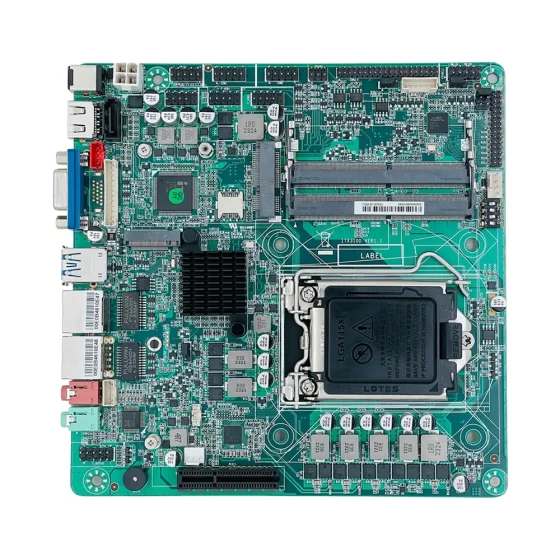
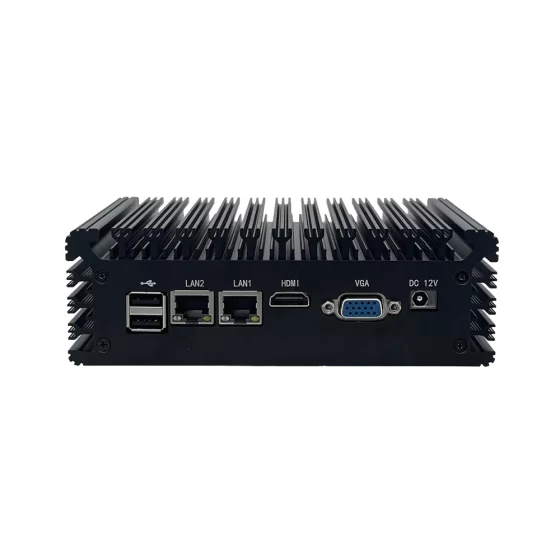
Una computadora industrial o una computadora integrada puede actuar como base del hardware del dispositivo UTM.. Puede proporcionar múltiples puertos LAN, rendimiento de procesamiento confiable, instalación robusta, almacenamiento local, opciones de operación sin ventilador, entrada de energía industrial, y soporte de ciclo de vida prolongado.
En comparación con los dispositivos de seguridad de oficina estándar, El hardware industrial UTM debe funcionar de manera confiable en los gabinetes de fábrica., redes de máquinas, sitios remotos, instalaciones energéticas, gabinetes de transporte, y otros entornos exigentes.
Este artículo explica cómo las plataformas de hardware UTM respaldan la seguridad de las redes industriales., ¿Qué desafíos de implementación aparecen en aplicaciones reales?, cómo está estructurada la arquitectura de la solución, y qué características de hardware son importantes al seleccionar una computadora industrial o una computadora integrada para la implementación de dispositivos UTM.
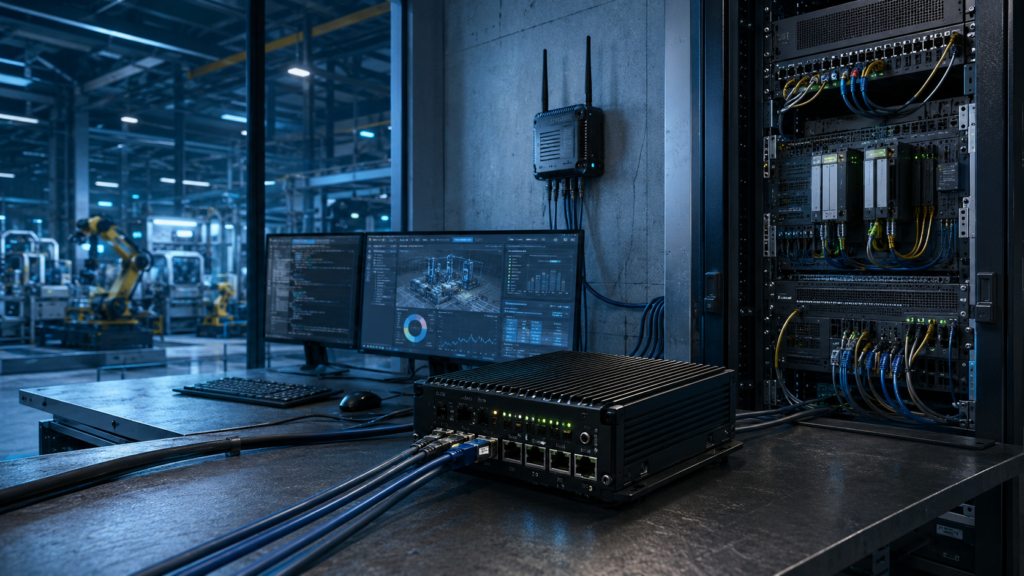
El hardware UTM ayuda a proteger la TI de la fábrica, Antiguo Testamento, máquina, SOCIEDAD ANÓNIMA, y redes de servicio remoto.
Descripción general de la industria
Las redes industriales necesitan protección unificada
Las redes industriales volvieron a quedar aisladas.
Hoy, Muchos entornos de producción están conectados a sistemas empresariales., plataformas de servicio remoto, Cuadros de mando industriales de IoT, aplicaciones en la nube, y redes multisitio.
Esto crea requisitos prácticos de seguridad..
Los operadores industriales pueden necesitar proteger:
- Redes de PLC
- Sistemas SCADA
- Redes de máquinas
- Pasarelas industriales de IoT
- Acceso de mantenimiento remoto
- Límites de TI y OT de fábrica
- Redes de cámaras
- Sistemas de monitorización de energía.
- Sistemas de automatización de almacenes.
- Infraestructura de transporte
- Instalaciones de servicios públicos remotas
Una plataforma de hardware UTM ayuda a proporcionar una capa de seguridad unificada en los límites clave de la red.
Los dispositivos UTM combinan múltiples funciones de seguridad
La gestión unificada de amenazas está diseñada para reunir varias funciones de seguridad de red en una sola plataforma..
Dependiendo de la configuración del software, un dispositivo UTM puede admitir:
- Cortafuegos
- vpn
- Detección de intrusiones
- Prevención de intrusiones
- Filtrado de puerta de enlace
- Control de aplicaciones
- Monitoreo de tráfico
- Traducción de direcciones de red
- Enrutamiento
- Explotación florestal
- control de acceso remoto
- Aplicación de políticas de seguridad
En entornos industriales, estas funciones deben implementarse cuidadosamente.
El objetivo no es bloquear el tráfico de producción de forma aleatoria., sino para proteger las redes manteniendo una comunicación confiable entre las máquinas.
El hardware industrial es diferente del hardware de red de oficina
Los dispositivos de seguridad de oficina suelen instalarse en salas de red controladas..
Las plataformas industriales UTM pueden implementarse en condiciones más duras.
Pueden operar dentro de gabinetes de producción., salas de máquinas, almacenes, cajas de carretera, subestaciones, sitios de servicios públicos remotos, o recintos de equipos.
Estos ambientes pueden incluir polvo., vibración, flujo de aire limitado, variación de temperatura, ruido electrico, y largas horas de funcionamiento.
Las computadoras industriales y las computadoras integradas proporcionan una base de hardware más sólida para este tipo de implementación..
Admiten un diseño robusto, configuraciones de LAN múltiple, operación sin ventilador, almacenamiento local, E/S flexibles, y disponibilidad de ciclo de vida prolongado.

Zonas de red, límites del cortafuegos, acceso VPN, Redes de PLC, redes de máquinas, y las puertas de enlace IIoT afectan la planificación de implementación de UTM.
Desafíos clave
Protección de los límites de TI y OT
Un gran desafío en seguridad industrial es separar correctamente las redes IT y OT.
Las redes de TI pueden incluir sistemas de oficina., software empresarial, acceso a la nube, dispositivos de usuario, y aplicaciones empresariales. Las redes OT pueden incluir PLC, maquinas, robots, Sistemas SCADA, HMI, cámaras industriales, y sensores.
Estas redes a menudo necesitan intercambiar datos seleccionados., pero no deberían convertirse en una red plana.
Una plataforma de hardware UTM puede ayudar a definir límites entre:
- Red informática de fábrica
- Red de máquinas
- Red PLC
- Red SCADA
- Red industrial de IoT
- Red de cámaras
- Red de servicio remoto
- Red de acceso a la nube
Múltiples puertos LAN y políticas de seguridad claras son importantes para la segmentación práctica.
Mantener la continuidad de la producción
Las redes industriales no pueden tratarse exactamente como las redes de oficinas.
Un dispositivo de seguridad debe proteger la red sin interrumpir la comunicación de producción crítica..
Algunos protocolos industriales son sensibles al retraso, enrutamiento inestable, o filtrado inesperado.
Los diseñadores de sistemas deben comprender qué tráfico se requiere para la producción y qué tráfico debe restringirse..
Una implementación práctica de UTM debe considerar:
- comunicación PLC
- Encuesta SCADA
- Acceso HMI
- Tráfico de control de máquinas.
- Tráfico de mantenimiento remoto
- Comunicación de alarma
- Carga de datos de IoT industrial
- Flujos de datos de la cámara
- Acceso a la estación de trabajo de ingeniería
Las políticas de seguridad deben probarse antes de la implementación completa en producción..
Procesamiento de tráfico cifrado y filtrado
Es posible que un dispositivo UTM necesite procesar múltiples cargas de trabajo de seguridad al mismo tiempo.
Estas cargas de trabajo pueden incluir cifrado VPN, reglas de firewall, inspección de tráfico, detección de intrusiones, explotación florestal, enrutamiento, y traducción de direcciones de red.
Los requisitos de hardware dependen del volumen de tráfico real..
Los factores importantes incluyen:
- Número de puertos LAN
- Velocidad del puerto
- Recuento de túneles VPN
- Rendimiento cifrado
- Complejidad de las reglas del firewall
- Carga de trabajo IDS o IPS
- Volumen de registro
- Recuento de usuarios remotos
- Tráfico de sitio a sitio
- Tráfico de protocolo industrial
Una puerta de enlace de máquina pequeña puede necesitar un rendimiento moderado. Un dispositivo central de seguridad industrial puede requerir una computadora industrial más potente.
Implementación en entornos hostiles
El hardware industrial UTM puede instalarse cerca de máquinas o equipos de infraestructura..
Es posible que estas ubicaciones no proporcionen las condiciones de funcionamiento ideales..
Los desafíos de implementación pueden incluir:
- Polvo
- Vibración
- Calor
- Espacio limitado en el gabinete
- Tensión del cable
- Ruido electrico
- poder inestable
- Acceso de mantenimiento limitado
- Operación continua prolongada
- Dificultad del servicio del sitio remoto
El diseño de hardware industrial ayuda a reducir estos riesgos.
Gestión de registros y registros de seguridad
La visibilidad de la seguridad depende de un registro confiable.
Es posible que una plataforma UTM necesite almacenar registros de acceso, registros del túnel, eventos de firewall, alertas de intrusión, eventos del sistema, y datos de diagnóstico.
El almacenamiento local es importante cuando la conexión de red es inestable o cuando los registros deben conservarse localmente.
El diseño de almacenamiento debe considerar la capacidad, escribe resistencia, política de retención, método de copia de seguridad, y flujo de trabajo de mantenimiento.

Los dispositivos UTM conectan redes industriales, políticas de seguridad, acceso remoto, y plataformas de seguimiento.
Arquitectura de solución de plataforma de hardware UTM
Capa de red industrial
La capa de red industrial incluye todos los sistemas locales que necesitan protección y comunicación controlada..
Esta capa puede incluir:
- PLC
- HMI
- servidores SCADA
- PC industriales
- Controladores integrados
- Controladores de máquinas
- Robots
- Sensores
- Cámaras
- Medidores de energía
- Puertas de enlace IIoT
- Estaciones de trabajo de ingeniería
Estos sistemas pueden dividirse en diferentes zonas de red..
El dispositivo UTM se ubica entre zonas y aplica políticas de seguridad..
Capa de dispositivo de seguridad UTM
La capa del dispositivo de seguridad UTM es el núcleo de la implementación..
en esta capa, el ordenador industrial o el ordenador integrado pueden:
- Aplicar reglas de firewall
- Administrar el enrutamiento de la red
- Establecer túneles VPN
- Inspeccionar el tráfico
- Detectar comportamiento anormal de la red
- Segmentar zonas de red
- Registrar registros de seguridad
- Controlar el acceso remoto
- Soporte de paneles locales
- Conéctese con plataformas de monitoreo
Esta capa ayuda a proteger los sistemas industriales mientras mantiene las rutas de comunicación necesarias..
Capa de política de seguridad
La capa de política de seguridad define qué tráfico está permitido., restringido, inspeccionado, o registrado.
Las políticas pueden basarse en:
- Zona de red
- Grupo de dispositivos
- Rol de usuario
- Propósito del acceso remoto
- Tipo de aplicación
- protocolo industrial
- Ubicación del sitio
- ventana de tiempo
- Nivel de riesgo de seguridad
- Requisito de mantenimiento
Un diseño de políticas sólido evita el acceso abierto innecesario.
Para entornos industriales, Las políticas deben revisarse tanto con los equipos de seguridad de TI como con los equipos de ingeniería de OT..
Acceso remoto y capa VPN
El acceso remoto es una función común de los aparatos industriales UTM.
La plataforma puede proporcionar acceso VPN seguro para ingenieros, Equipos de servicio OEM, integradores de sistemas, o equipos centrales de seguimiento.
La capa de acceso remoto puede admitir:
- Mantenimiento remoto de la máquina
- VPN de sitio a sitio
- Conectividad de fábrica a nube
- Monitoreo remoto SCADA
- Transferencia de datos industriales de IoT
- Solución de problemas remota
- Acceso seguro a la estación de trabajo de ingeniería
El acceso debe limitarse a los sistemas requeridos y documentarse de acuerdo con la política del sitio..
Capa de monitoreo y gestión
Los dispositivos UTM necesitan visibilidad para su funcionamiento a largo plazo.
La capa de monitoreo puede incluir paneles de control locales., registros, registros de alerta, información de salud del sistema, estado del túnel, y estadísticas de tráfico.
Los datos de seguimiento útiles pueden incluir:
- Eventos de cortafuegos
- Estado del túnel VPN
- Registros de tráfico bloqueados
- Alertas de intrusión
- Volumen de tráfico de red
- Uso de CPU y memoria
- Estado de almacenamiento
- Temperatura del dispositivo
- Estado del enlace ascendente
- Historial de acceso remoto
Esto ayuda a los equipos a mantener la seguridad., investigar eventos, y solucionar problemas de conectividad.
Características clave
Segmentación de redes LAN múltiples
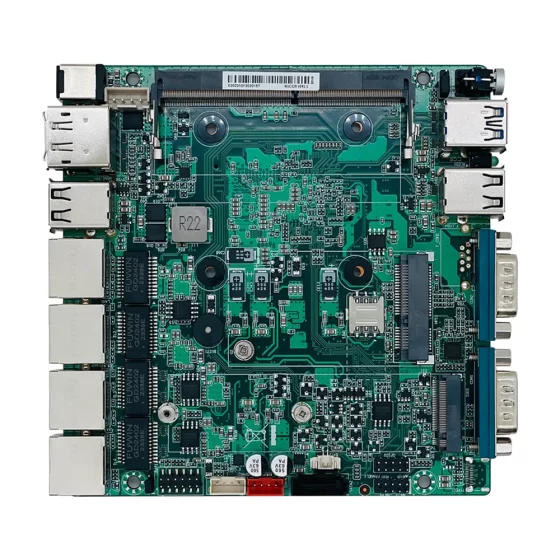
Múltiples puertos LAN son uno de los requisitos de hardware más importantes para los dispositivos UTM.
Permiten que la plataforma separe diferentes zonas de red..
Las configuraciones útiles pueden incluir:
- enlace ascendente WAN
- Red informática de fábrica
- Red PLC
- Red de máquinas
- Red de cámaras
- Red industrial de IoT
- Red de mantenimiento remoto
- Red de gestión
El diseño de LAN múltiple mejora la organización de la red y admite una arquitectura de seguridad más sólida.
Rendimiento del procesamiento de seguridad
Las cargas de trabajo UTM pueden consumir mucha CPU y memoria.
La plataforma debe seleccionarse de acuerdo con los requisitos reales de tráfico y seguridad..
La selección debe considerar:
- rendimiento de la CPU
- Capacidad de memoria
- Velocidad del puerto
- Rendimiento cifrado
- Carga de trabajo del cortafuegos
- Recuento de túneles VPN
- Carga de trabajo IDS o IPS
- Requisitos de registro
- Capacidad de almacenamiento
- Soporte del sistema operativo
Para implementaciones más grandes, El sistema debe validarse con patrones de tráfico reales antes del lanzamiento de producción..
Almacenamiento local confiable
El almacenamiento local admite archivos del sistema, registros, copias de seguridad de configuración, certificados, registros de eventos, y datos de diagnóstico.
Generalmente se prefiere el almacenamiento SSD o NVMe porque proporciona un acceso más rápido y una mejor resistencia a los golpes que las unidades mecánicas..
La planificación del almacenamiento debe considerar:
- Retención de registros
- Registros de eventos de seguridad
- Recuperación del sistema
- Copia de seguridad de configuración
- Almacenamiento de certificados VPN
- Registros de diagnóstico
- Escribir resistencia
- Flujo de trabajo de respaldo
El almacenamiento confiable mejora la auditabilidad y la eficiencia del mantenimiento.
E/S industriales flexibles
Aunque las plataformas UTM son principalmente dispositivos de red, Las E/S industriales aún pueden ser útiles.
Las opciones de E/S importantes pueden incluir:
- LAN
- USB
- RS232
- RS485
- GPIO
- Entrada digital
- Salida digital
- hdmi
- DisplayPort
- M.2
- PCIe
- SATA o NVMe
Los puertos serie pueden admitir funciones de servicio o acceso a dispositivos heredados. GPIO puede admitir la integración de alarmas. Las ranuras de expansión pueden admitir módulos LAN adicionales, módulos inalámbricos, o dispositivos de almacenamiento.
Diseño robusto y sin ventilador
Las computadoras industriales sin ventilador son útiles para dispositivos de seguridad instalados en gabinetes o ambientes polvorientos..
Reducen la entrada de polvo y eliminan un punto común de falla mecánica..
Los gabinetes resistentes ayudan a proteger contra las vibraciones, tensión de montaje, tensión del cable, y operación industrial a largo plazo.
El diseño térmico aún debe revisarse cuidadosamente.
Cargas de trabajo de seguridad, tráfico cifrado, y el registro continuo puede generar procesamiento y carga de calor..
Opciones de montaje y alimentación industrial
Los electrodomésticos UTM se pueden instalar en gabinetes de control., bastidores de red, cajas de carretera, recintos de máquinas, o salas de equipos remotos.
La implementación práctica puede requerir:
- Montaje en pared
- Montaje en carril DIN
- Montaje en bastidor
- Diseño de gabinete compacto
- Entrada de CC industrial
- Protección de energía estable
- Enrutamiento seguro de cables
- Puertos de mantenimiento accesibles
El diseño mecánico y energético debe coincidir con el sitio de instalación real..
Largo ciclo de vida y mantenibilidad
Los dispositivos de seguridad pueden permanecer en servicio durante muchos años.
Los cambios frecuentes de hardware pueden crear problemas con los sistemas operativos, software de seguridad, conductores, Imágenes de configuracion, piezas de repuesto, y validación.
Las plataformas informáticas industriales con planificación del ciclo de vida ayudan a los integradores y operadores de sistemas a mantener implementaciones UTM consistentes en muchas máquinas., fábricas, y sitios remotos.
Escenarios de implementación
Puerta de enlace de seguridad de red de fábrica
Se puede implementar una plataforma de hardware UTM en el límite entre las redes de TI y OT de la fábrica..
Puede aplicar reglas de firewall, gestionar el enrutamiento, controlar el acceso remoto, y registrar el tráfico entre zonas.
Esto ayuda a proteger las redes de producción y al mismo tiempo permite el intercambio de datos requerido..
Protección de la red de máquinas
Los fabricantes de máquinas pueden integrar hardware UTM en redes de equipos.
El aparato puede proteger los controladores de la máquina., HMI, PC industriales, y acceso de mantenimiento remoto.
Esto es útil para equipos OEM entregados a los sitios de los clientes..
Puerta de enlace de seguridad industrial de IoT
Los sistemas industriales de IoT a menudo conectan máquinas y sensores a paneles o plataformas en la nube..
Un dispositivo UTM puede ayudar a segmentar las redes de máquinas, transferencia de datos segura, y controlar el acceso entre puertas de enlace IIoT y sistemas externos.
Esto mejora la seguridad de los datos de fábrica conectados..
Protección de red SCADA
Los sistemas SCADA pueden conectar dispositivos remotos, salas de control, estaciones de trabajo de ingeniería, y plataformas de seguimiento.
Un dispositivo UTM puede ayudar a controlar el tráfico que entra y sale de la red SCADA.
El hardware industrial es importante cuando estos sistemas operan en servicios públicos., energía, agua, o entornos de transporte.
Seguridad de mantenimiento remoto
El mantenimiento remoto es útil, pero hay que controlarlo.
Un dispositivo UTM puede proporcionar acceso VPN, política de firewall, explotación florestal, y segmentación de red para ingenieros autorizados.
Esto ayuda a reducir la exposición innecesaria y al mismo tiempo respalda la eficiencia del servicio..
Conectividad industrial multisitio
Las empresas con múltiples fábricas o instalaciones remotas pueden utilizar plataformas UTM para asegurar la comunicación entre sitios..
El dispositivo puede admitir túneles cifrados., enrutamiento, reglas de firewall, y seguimiento.
Esto ayuda a conectar sistemas industriales distribuidos de forma más segura.
Seguridad de Almacén y Logística
Los almacenes pueden incluir sistemas de códigos de barras., líneas de clasificación, computadoras industriales, camaras, control de acceso, y plataformas WMS.
Un dispositivo UTM puede ayudar a proteger estos sistemas y segmentar las redes de automatización de las redes empresariales.
Esto apoya operaciones logísticas seguras..
Desarrollo de dispositivos de seguridad OEM
Los integradores de sistemas pueden construir dispositivos de seguridad personalizados utilizando computadoras industriales o placas integradas..
La plataforma de hardware puede admitir software de firewall, aplicaciones vpn, monitoreo de tráfico, explotación florestal, y segmentación segura de la red.
Esto es compatible con productos de ciberseguridad industrial OEM..
Beneficios comerciales
Funciones de seguridad unificadas
Una plataforma de hardware UTM puede combinar múltiples funciones de seguridad en un solo dispositivo.
Esto puede incluir firewall, vpn, detección de intrusiones, prevención de intrusiones, enrutamiento, explotación florestal, y control de tráfico.
Una plataforma unificada puede simplificar la implementación en comparación con el uso de muchos dispositivos separados.
Una segmentación de redes industriales más sólida
Los dispositivos UTM Multi-LAN ayudan a dividir las redes industriales en zonas controladas.
Esto apoya una mejor separación entre TI, Antiguo Testamento, máquina, cámara, IIoT, y redes de servicio remoto.
La segmentación de la red reduce la exposición innecesaria y mejora la planificación de la seguridad..
Acceso remoto más seguro
El hardware UTM puede proporcionar acceso VPN controlado para ingenieros y equipos de servicio remotos.
El acceso puede limitarse según el rol., dispositivo, sitio, o propósito de mantenimiento.
Esto ayuda a respaldar el servicio remoto sin abrir un acceso amplio a toda la red industrial..
Visibilidad de seguridad mejorada
Registros locales, estado del túnel, eventos de firewall, y los datos sobre el estado del sistema ayudan a los operadores a comprender lo que sucede en el límite de la red.
Esto apoya la resolución de problemas, revisión de auditoría, e investigación de seguridad.
Una mejor visibilidad es especialmente importante para los sitios industriales distribuidos.
Implementación de campo confiable
Las computadoras industriales proporcionan hardware resistente para dispositivos de seguridad implementados fuera de entornos de oficina..
Diseño sin ventilador, almacenamiento estable, montaje industrial, y el soporte de ciclo de vida prolongado ayudan a reducir el riesgo de mantenimiento.
Esto es importante para las fábricas., sitios de energía, nodos de transporte, almacenes, e instalaciones remotas.
Implementación de dispositivos de seguridad escalables
Una plataforma de hardware UTM estandarizada facilita la implementación de la seguridad de la red en muchas máquinas., líneas de producción, sitios, y sistemas OEM.
El hardware consistente simplifica las imágenes de software, plantillas de configuración, planificación de repuestos, validación, y gestión del ciclo de vida.
Esto respalda la implementación escalable de ciberseguridad industrial..
Por qué CoreIPC
CoreIPC proporciona plataformas informáticas industriales para la seguridad de la red, IoT industrial, automatización de fábrica, monitoreo remoto, e integración de sistemas integrados. Para aplicaciones de hardware UTM, CoreIPC se centra en hardware informático industrial confiable, soluciones informáticas integradas, configuraciones de LAN múltiple, E/S flexibles, diseño de sistema compacto, opciones de implementación sin ventilador, y soporte de personalización OEM/ODM. CoreIPC ayuda a los integradores de sistemas, proveedores de soluciones de seguridad, constructores de maquinaria, y los operadores industriales seleccionan plataformas informáticas que se ajustan a los requisitos de implementación reales, incluido el recuento de puertos LAN, carga de trabajo del cortafuegos, Rendimiento de VPN, necesidades de almacenamiento, métodos de montaje, entrada de energía, condiciones termicas, y planificación del ciclo de vida.
Preguntas frecuentes
1. ¿Qué es el hardware UTM??
El hardware UTM es una plataforma informática que se utiliza para ejecutar funciones de gestión unificada de amenazas..
Puede ser compatible con firewall, vpn, detección de intrusiones, prevención de intrusiones, enrutamiento, explotación florestal, filtrado de tráfico, y control de acceso. En entornos industriales, El hardware UTM se usa comúnmente para proteger las redes de fábricas., redes de máquinas, acceso remoto, y sistemas industriales de IoT.
2. Por qué utilizar una computadora industrial para aparatos UTM?
Una computadora industrial proporciona hardware resistente y conectividad flexible para implementación en fábrica y en campo..
Puede admitir múltiples puertos LAN, operación sin ventilador, almacenamiento local, montaje industrial, entrada de energía estable, y disponibilidad de ciclo de vida prolongado. Estas características lo hacen adecuado para dispositivos UTM instalados en gabinetes., maquinas, almacenes, sitios remotos, y sistemas de infraestructura.
3. ¿Cómo se utiliza una computadora integrada como hardware UTM??
Una computadora integrada puede actuar como un dispositivo UTM compacto dentro de un gabinete de control, recinto de la máquina, instalación remota, o puerta de enlace de seguridad OEM.
Puede ejecutar firewall, vpn, enrutamiento, explotación florestal, y funciones de segmentación de red al mismo tiempo que proporciona un factor de forma más pequeño para implementaciones con espacio limitado.
4. ¿Cuál es la diferencia entre un dispositivo UTM y un firewall??
Un firewall controla principalmente el tráfico de la red según reglas.
Un dispositivo UTM puede incluir funciones de firewall además de características de seguridad adicionales como VPN, detección de intrusiones, prevención de intrusiones, filtrado de tráfico, explotación florestal, y seguridad de la puerta de enlace. En implementaciones industriales, Estas funciones a menudo trabajan juntas para proteger los límites de la red..
5. ¿Por qué son importantes varios puertos LAN para el hardware UTM??
Múltiples puertos LAN permiten que el dispositivo separe zonas de red.
Por ejemplo, un puerto puede conectarse a WAN, otro a TI de fábrica, otro a redes PLC, otro para maquinar redes, y otro a redes de mantenimiento o gestión remota. Esto respalda una mejor segmentación y diseño de políticas de seguridad..
6. ¿Pueden las computadoras industriales sin ventilador admitir dispositivos UTM??
Sí. Las computadoras industriales sin ventilador pueden admitir muchas implementaciones de dispositivos UTM porque reducen la entrada de polvo y eliminan un punto de falla mecánica..
Sin embargo, cortafuegos, vpn, y las cargas de trabajo de inspección pueden generar calor. rendimiento de la CPU, diseño de recinto, temperatura ambiente, y el flujo de aire del gabinete deben revisarse antes de la implementación.
7. Qué características de hardware son importantes para las plataformas UTM industriales?
Las características importantes incluyen múltiples puertos LAN, suficiente rendimiento de la CPU, memoria confiable, Almacenamiento SSD o NVMe, recinto resistente, diseño sin ventilador, entrada de energía industrial, USB, puertos serie, GPIO, salida de pantalla, y opciones de expansión.
La configuración final debe coincidir con el volumen de tráfico., Carga de trabajo de VPN, política de firewall, necesidades de registro, y entorno de instalación.
8. ¿Puede el hardware UTM proteger los sistemas industriales de IoT??
Sí. El hardware UTM puede ayudar a proteger los sistemas industriales de IoT segmentando las redes de máquinas, controlar el tráfico a las plataformas en la nube, asegurar el acceso remoto, y registrar eventos de comunicación.
Puede ubicarse entre puertas de enlace IIoT, maquinas, redes de fábrica, y plataformas externas para proporcionar un límite de seguridad controlado.
9. ¿Pueden los dispositivos UTM soportar el mantenimiento remoto??
Sí. Los dispositivos UTM pueden admitir un mantenimiento remoto seguro combinando el acceso VPN, reglas de firewall, explotación florestal, y segmentación de red.
Esto permite a los ingenieros autorizados acceder a los sistemas requeridos y al mismo tiempo limitar la exposición innecesaria a otras partes de la red industrial..
10. Qué se debe probar antes de implementar un dispositivo UTM?
Antes del despliegue, El sistema debe probarse con una topología de red real., políticas de firewall, Recuento de túneles VPN, volumen de tráfico, protocolos industriales, carga de trabajo de registro, comportamiento de almacenamiento, y operación de larga duración.
Estabilidad térmica, flujo de trabajo de acceso remoto, procedimientos de recuperación, copia de seguridad de configuración, y la segmentación de la red también debe validarse.
Conclusión
El hardware UTM es una base práctica para la seguridad de redes industriales unificadas, acceso remoto seguro, implementación de firewall, Conectividad VPN, detección de intrusiones, control de tráfico, y segmentación de red.
Colocando una computadora industrial o una computadora integrada en los límites clave de la red, fabricantes, constructores de maquinaria, integradores de sistemas, y los operadores de infraestructura pueden proteger las redes de máquinas, sistemas industriales de IO, Plataformas SCADA, y distribuir las instalaciones de manera más efectiva.
Se debe seleccionar la plataforma de hardware UTM adecuada de acuerdo con los requisitos de implementación reales., incluido el recuento de puertos LAN, carga de trabajo del cortafuegos, Recuento de túneles VPN, desempeño de la inspección, segmentación de red, necesidades de almacenamiento, método de montaje, entrada de energía, condiciones termicas, soporte del sistema operativo, política de seguridad, y planificación del ciclo de vida.
CoreIPC respalda proyectos de hardware UTM con plataformas informáticas industriales diseñadas para fábricas prácticas, lado de la máquina, y despliegue sobre el terreno. Con la base de hardware adecuada, Los operadores industriales y los fabricantes de equipos pueden construir sistemas confiables., escalable, y sistemas seguros de protección de redes industriales.
Contáctenos
Busco ordenador industrial, computadora integrada, o plataforma multi-LAN para implementación de dispositivos UTM?
Póngase en contacto con CoreIPC para analizar los requisitos de su proyecto., incluido el recuento de puertos LAN, carga de trabajo del cortafuegos, Rendimiento de VPN, segmentación de red, diseño de almacenamiento, método de montaje, entrada de energía, entorno operativo, necesidades del ciclo de vida, y opciones de personalización OEM/ODM.