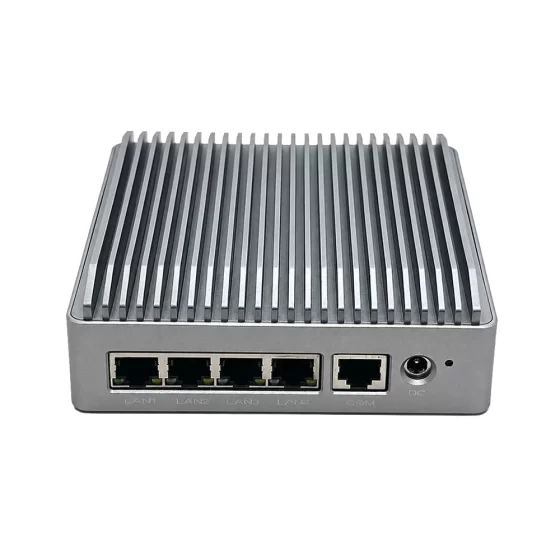
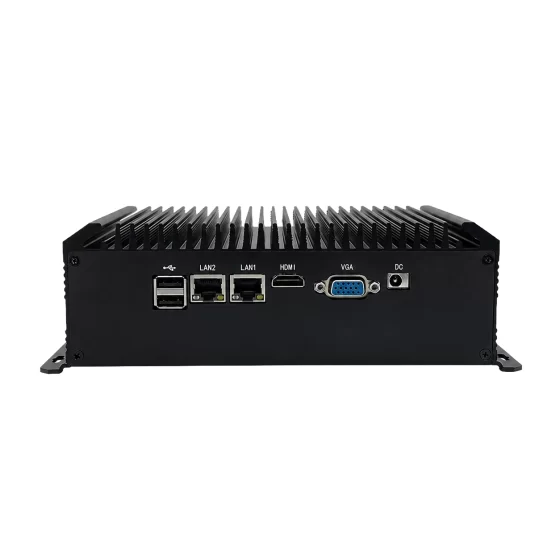
CoreIPC 産業用コンピューティング ソリューション

3D マシンビジョンコンピューティングシステム: 3D 産業用検査および自動化用のマシン ビジョン コンピュータ
エグゼクティブサマリー
A 3D machine vision computer provides the industrial computing foundation for depth sensing, 3D検査, ロボット誘導, 寸法測定, 最新の製造環境におけるインテリジェントなオートメーション.
平面画像を分析する従来の 2D ビジョン システムとは異なります。, 3D マシンビジョンシステムは深度をキャプチャします, 形, 身長, 音量, 表面形状, そして空間的位置. これによりメーカーは複雑な部品を検査できるようになります, ガイドロボット, 寸法を測る, 欠陥を検出する, より多くの空間情報を使用してアセンブリの精度を検証します.
完全な 3D マシン ビジョン システムには通常、3D カメラが含まれています, レーザープロファイラー, 構造化光センサー, 飛行時間型カメラ, レンズ, 点灯, モーションシステム, 画像処理ソフト, および産業用コンピューティング ハードウェア. 産業用コンピュータまたは組み込みコンピュータは、ローカル処理プラットフォームとして機能します。.
3Dデータを受信します, 点群または深度画像を処理します, 検査アルゴリズムを実行します, PLCやロボットと通信します, 結果を保存する, データを MES にアップロードします, 品質システム, または実稼働データベース.
標準的な商用 PC との比較, 産業用コンピュータの信頼性が向上, 柔軟な I/O, 頑丈な機械設計, 安定したネットワーク, ファンレスオプション, 長いライフサイクルのサポート. These features are important when 3D vision systems are deployed near machines, コンベア, ロボット細胞, 検査ステーション, または生産ライン.
This article explains how 3D machine vision computing systems work, メーカーが直面している展開上の課題, ソリューション アーキテクチャがどのように構成されているか, and which hardware features are important when selecting an industrial computer for 3D machine vision applications.
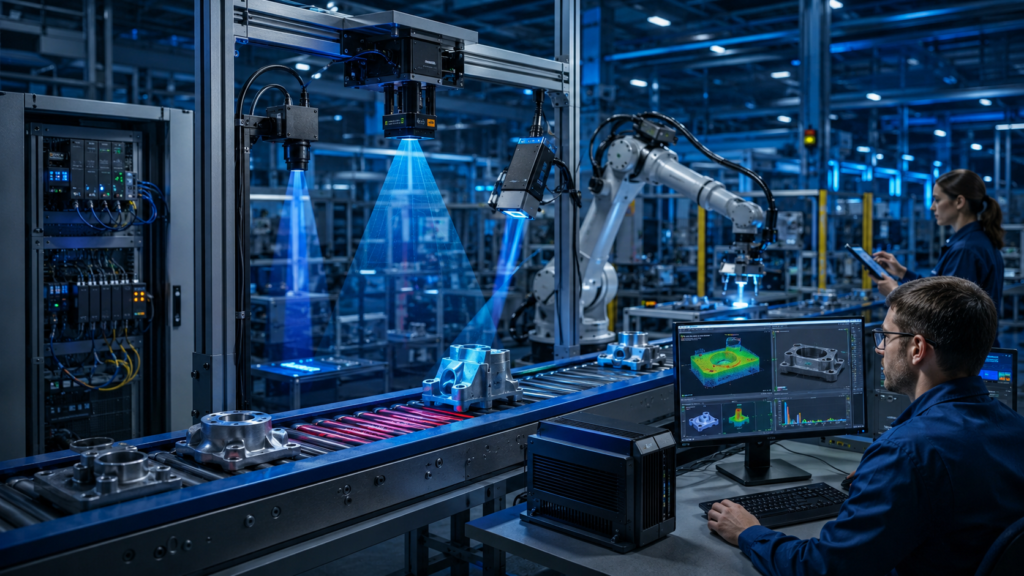
3D vision computers process depth data for industrial inspection, measurement, そして自動化.
業界の概要
3D Vision Is Expanding in Industrial Automation
Machine vision has become a core technology in automated manufacturing.
Traditional 2D vision systems are widely used for barcode reading, ラベルの検証, surface inspection, and simple presence detection. しかし, many industrial applications require more than flat image analysis.
Factories increasingly need to understand the shape, 身長, 位置, 音量, and orientation of objects. This is where 3D machine vision becomes valuable.
3D vision systems can support:
- 寸法検査
- Surface profile measurement
- ロボット誘導
- ビンピッキング
- 組立て検証
- Volume measurement
- Gap and flush inspection
- Package inspection
- Weld bead inspection
- Defect detection on complex surfaces
A 3D machine vision computer provides the processing power and industrial connectivity required to turn 3D sensor data into useful production decisions.
Why 3D Machine Vision Requires Strong Computing
3D vision data is more complex than standard 2D image data.
A 2D camera captures pixels. A 3D vision system may generate depth maps, point clouds, height profiles, surface models, or spatial coordinates. These data types can be large and computationally demanding.
The computing platform may need to process:
- Point cloud data
- Depth images
- Laser profile data
- Multi-camera images
- Robot coordinate transformations
- Measurement algorithms
- 欠陥検出モデル
- Real-time pass or fail decisions
This makes the industrial computer a critical part of system performance.
If the computer cannot process data fast enough, 検査速度, robot response, and production throughput may be affected.
Industrial Computing for Real Factory Deployment
3D machine vision systems are often installed directly in production environments.
コンベアの近くで動作する場合があります, ロボットアーム, machine tools, 包装ライン, assembly cells, または検査台. これらの環境には振動が含まれる可能性があります, ほこり, 電気ノイズ, 熱, ケーブルの動き, そして長い営業時間.
An embedded computer or industrial computer is better suited for these conditions than a standard office PC.
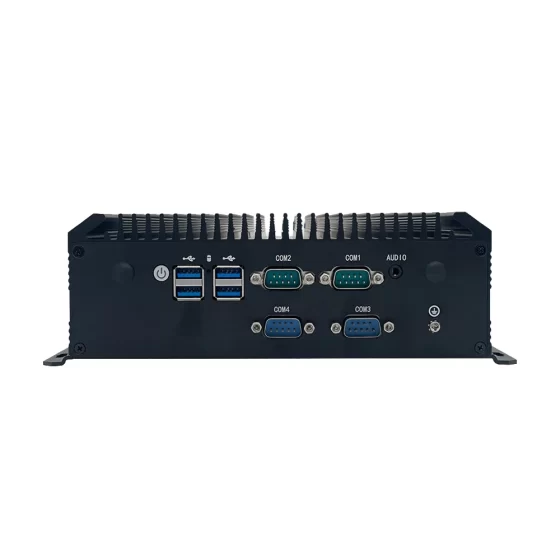
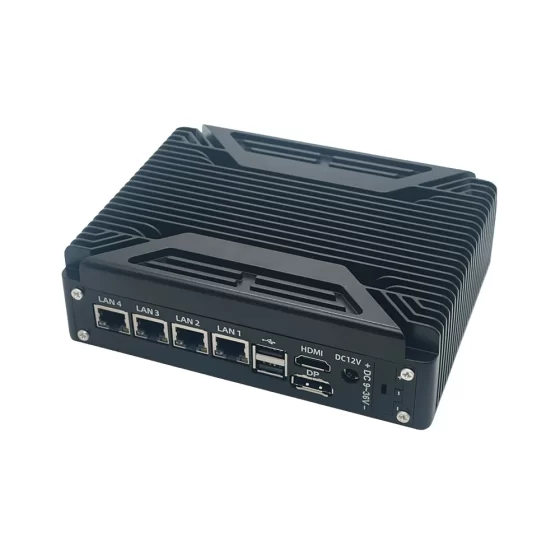
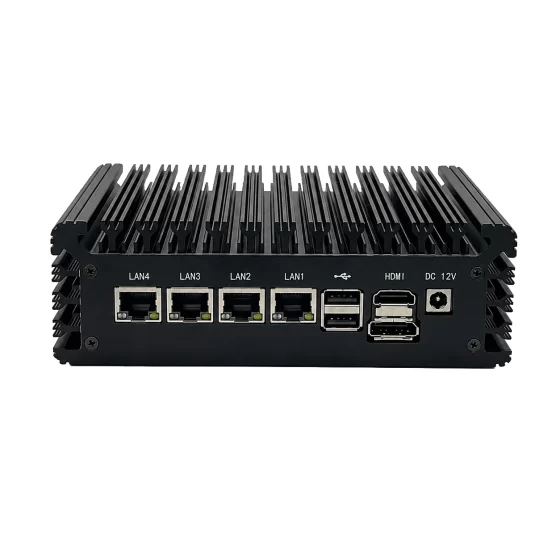
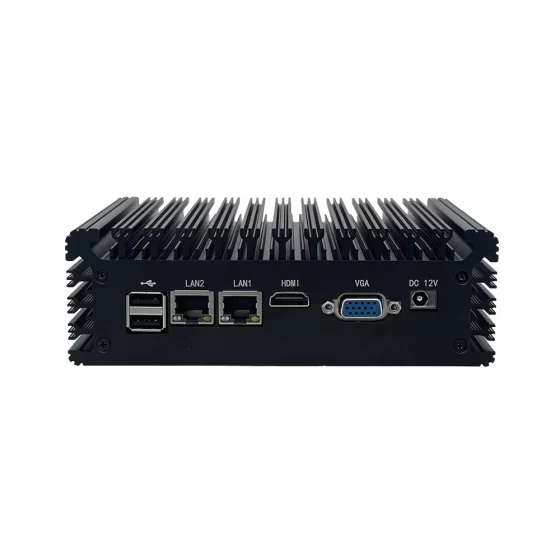
It can provide stable performance, 産業用I/O, multiple LAN or USB interfaces, 頑丈な取り付け, ローカルストレージ, and long-term system availability.

表面反射, complex geometry, sensor synchronization, and point cloud processing affect 3D inspection reliability.
主要な課題
Large 3D Data Processing Workloads
3D vision systems can generate large amounts of data.
Point clouds, depth maps, and high-resolution profile data require more processing than simple image capture. In real-time production environments, the computer must process this data quickly enough to match the line speed.
重要なワークロード要因には次のものがあります。:
- Sensor resolution
- Scan rate
- Number of cameras or profilers
- Point cloud size
- Algorithm complexity
- Robot guidance requirements
- ローカルストレージのニーズ
- ネットワーク通信負荷
A 3D machine vision computer must be selected according to actual inspection speed and processing demand.
Sensor and Camera Integration
3D vision projects often use specialized sensors.
These may include structured light cameras, laser triangulation sensors, stereo cameras, 飛行時間型カメラ, or line profile sensors. Each device may have different interface, 帯域幅, ドライバ, and synchronization requirements.
The industrial computer must support the required sensor interfaces and provide stable data transfer.
Common interface requirements may include:
- ギガビットイーサネット
- USB 3.0
- 複数のLANポート
- トリガー入力
- GPIO
- シリアル通信
- M.2 または PCIe 拡張
- 表示出力
Poor interface planning can limit system performance even when the processor is powerful.
点灯, Surface, and Material Complexity
3D vision performance depends on the object and environment.
Reflective metal, transparent plastic, black rubber, glossy packaging, uneven surfaces, and complex geometries may create difficult imaging conditions.
Some materials absorb light. Others create glare or noise. Some objects require precise positioning, while others move quickly through the inspection area.
A reliable system requires careful coordination between sensors, 点灯, 取り付け, calibration, ソフトウェア, およびコンピューティングハードウェア.
Real-Time Automation Communication
3D machine vision systems are often connected with automation equipment.
A robot may need coordinates from the vision computer. A PLC may need pass, 失敗, measurement, or position results. A conveyor may need synchronized trigger timing.
This creates real-time communication requirements between the industrial computer and factory equipment.
The system may need to communicate with:
- PLC
- ロボットコントローラー
- モーションコントローラー
- コンベヤシステム
- 拒否メカニズム
- センサー
- MES or quality systems
- Factory databases
Stable I/O and network communication are essential for practical deployment.
Long-Term Stability in Production
3D vision systems may run continuously across multiple shifts.
コンピューティング ハードウェアに障害が発生した場合, inspection or robotic operation may stop. This can affect production output, 品質管理, 設備の可用性.
Industrial-grade design is important because 3D vision computers are often installed inside cabinets, マシンエンクロージャ, ロボット細胞, or production workstations.
The hardware must support stable thermal performance, 信頼できるストレージ, 頑丈な機械的設置, 長いライフサイクルの可用性.

Industrial computers connect 3D sensors, ロボット, 自動化装置, MES, 高品質のデータベース, および監視システム.
3D Machine Vision Computer Solution Architecture
3D Sensor Layer
The sensor layer captures spatial information from products, 部品, パッケージ, or production environments.
アプリケーションに応じて, this layer may include:
- Structured light cameras
- Stereo vision cameras
- Time-of-flight cameras
- Laser profile sensors
- Line scan profilers
- Industrial area cameras
- トリガーセンサー
- 照明モジュール
- Calibration targets
The sensor layer generates depth information, height profiles, 3D coordinates, or surface models.
Consistent sensor data is essential before any inspection or robot guidance decision can be reliable.
産業用コンピューティング層
The industrial computing layer is the core of the 3D machine vision system.
この層では, the industrial computer or embedded computer receives data from sensors and runs processing software.
The computer may perform tasks such as:
- 画像取得
- Depth map processing
- Point cloud processing
- 3D measurement
- 表面欠陥の検出
- Object localization
- Robot coordinate calculation
- Pass or fail judgment
- 結果の保存
- 工場システムへのデータのアップロード
This layer must provide stable performance because it directly affects inspection speed and automation response.
自動化制御層
自動化制御層はビジョンシステムと生産設備を接続します。.
PLC, ロボットコントローラー, モーションコントローラー, or conveyor system may send trigger signals to the industrial computer. 加工後, the computer sends results back to the equipment.
例えば, in a robot guidance application, the 3D vision computer may calculate the position and orientation of a part. The robot controller then uses this data to pick, place, or inspect the part.
In an inspection application, コンピュータがパスを送信する可能性があります, 失敗, measurement, or reject results to the PLC.
データ管理層
3D inspection results often need to be recorded and connected to production data.
産業用コンピュータはデータを MES に送信する場合があります, 品質管理システム, データベース, ダッシュボード, またはクラウドプラットフォーム.
データには以下が含まれる場合があります:
- プロダクトID
- Measurement result
- 欠陥の種類
- 3D image file
- Point cloud record
- 検査結果
- タイムスタンプ
- ステーションID
- 作業命令
- Robot position data
これによりトレーサビリティがサポートされます, プロセスの改善, and long-term quality analysis.
ユーザーインターフェースとエンジニアリング層
Operators and engineers need a practical interface for system monitoring and adjustment.
The 3D machine vision computer may connect to a monitor, タッチスクリーン, キーボード, またはHMIパネル. The interface can show live depth images, point cloud views, 測定値, 検査状況, アラーム, そして生産数.
A clear interface helps engineers calibrate sensors, review defects, パラメータを調整する, and troubleshoot production issues.
主な特長
Stable 3D Processing Performance
3D vision applications require stable sustained performance.
The computer may need to process large data sets continuously while also communicating with automation equipment and factory systems.
ハードウェアの選択は次の点を考慮する必要があります:
- CPU性能
- メモリ容量
- Sensor bandwidth
- グラフィックスまたは AI アクセラレーション
- ストレージ速度
- カメラの数
- スキャン頻度
- ソフトウェアのワークロード
- Required response time
For simple measurement systems, コンパクトな組み込みコンピュータで十分かもしれません. For high-speed point cloud processing or multi-sensor systems, より強力な産業用コンピューターが必要になる場合があります.
High-Speed Sensor Interface Support
3D sensors require stable data transfer.
The industrial computer should support the camera or sensor interface required by the application. Many industrial 3D cameras use Gigabit Ethernet or USB 3.0, while some systems may require expansion cards or dedicated interfaces.
便利なインターフェイス オプションには次のものがあります。:
- 複数のLANポート
- USB 3.0
- PCIeの拡張
- M.2拡張
- GPIO
- RS232
- RS485
- HDMI
- ディスプレイポート
For multi-camera or high-resolution systems, bandwidth planning is very important.
Industrial I/O for Automation Integration
A 3D vision system must connect with real factory equipment.
Industrial I/O allows the computer to receive triggers, send results, 照明を制御する, PLCと通信する, and support automation workflows.
Common I/O requirements include:
- デジタル入力
- デジタル出力
- GPIO
- LAN
- USB
- RS232
- RS485
The right I/O design reduces external converters and improves system reliability.
Rugged and Fanless System Design
Fanless industrial computers are often useful in machine vision environments.
粉塵の侵入を減らし、一般的な機械的故障点を 1 つ除去します。. This is important in production areas where systems run continuously and maintenance access is limited.
Rugged mechanical design also protects the computer from vibration, ケーブルストレス, およびキャビネットの設置条件.
For high-performance 3D vision workloads, thermal design must be reviewed carefully to ensure stable operation.
Reliable Storage for 3D Data
3D vision systems may generate large files.
The computer may store point clouds, depth images, 測定記録, 欠陥画像, ログ, モデルファイル, and inspection reports.
SSD storage is commonly preferred because it provides faster access and better shock resistance than mechanical drives.
For applications that store many 3D records, ストレージ容量, 書き込み耐久性, データ保持ポリシーはシステム設計時に検討する必要があります。.
長いライフサイクルと保守性
Machine vision systems may stay in production for many years.
コンピューターのモデルが頻繁に変更される, ドライバー, ポート, or expansion interfaces can increase validation workload and maintenance cost.
ライフサイクル プランニングを備えた産業用コンピューティング プラットフォームは、メーカーや OEM 機器ビルダーが複数のラインにわたって一貫したシステムを維持するのに役立ちます, 機械, そして顧客のプロジェクト.
導入シナリオ
3D Dimensional Inspection
3D machine vision is widely used for dimensional inspection.
The system can measure height, width, gap, 音量, 表面形状, and geometric features. This is useful for parts where 2D inspection cannot provide enough information.
An industrial computer processes 3D data and sends measurement results to quality systems or PLCs.
Robot Guidance and Bin Picking
Robots often need 3D vision to locate parts in space.
A 3D machine vision computer can process depth data, identify object position, calculate orientation, and send coordinates to the robot controller.
これはビンピッキングをサポートします, part handling, assembly automation, and flexible robotic production.
Surface Profile Inspection
Some defects are difficult to detect with 2D images.
3D vision can inspect scratches, へこみ, warping, height differences, missing material, and uneven surfaces.
The industrial computer processes surface profiles and compares results with quality rules.
Packaging and Volume Inspection
Packaging systems may use 3D vision to verify box shape, package height, 充填レベル, 音量, ラベルの位置, or product presence.
This helps improve packaging quality and reduce shipment errors.
A 3D machine vision computer can connect the inspection results with MES, WMS, or logistics systems.
Automotive and Mechanical Part Inspection
Automotive and mechanical parts often require precise shape and position verification.
3D vision systems can inspect castings, machined parts, 溶接部, コネクタ, 括弧, housings, and assembled components.
Industrial computers provide the processing and connectivity needed for these inspection stations.
Electronics and Semiconductor Inspection
3D vision can support electronics and semiconductor inspection where height, coplanarity, アライメント, or surface structure matters.
Applications may include solder joint height inspection, コネクタの位置合わせ, パッケージ検査, 基板検査, and precision assembly verification.
An embedded computer can be integrated into compact inspection machines or production-line equipment.
OEM ビジョン機器の統合
Machine builders can integrate 3D vision computers into inspection machines, ロボットシステム, or automated production equipment.
The embedded computer or industrial PC can provide sensor processing, オートメーションコミュニケーション, HMIディスプレイ, そしてデータ出力.
This helps OEMs deliver machines that are ready for smart manufacturing and quality traceability.
ビジネス上のメリット
More Accurate Inspection
3D vision provides spatial information that 2D systems cannot capture.
By measuring depth, 身長, profile, and shape, manufacturers can inspect complex parts more accurately.
This improves quality control for applications where flat image inspection is not enough.
ロボットの柔軟性の向上
3D vision helps robots work with parts that are randomly placed, stacked, or positioned with variation.
A 3D machine vision computer can calculate object position and orientation, allowing robots to pick, place, sort, or inspect parts more intelligently.
This supports flexible automation and reduces the need for precise mechanical fixtures.
Reduced Manual Measurement
Manual measurement can be slow and inconsistent.
A 3D machine vision system automates many measurement and inspection tasks. It can collect results faster and more consistently than manual methods.
This helps reduce inspection workload and improves process repeatability.
品質トレーサビリティの強化
3D inspection data can be linked with product IDs, 測定値, 欠陥記録, タイムスタンプ, そして駅情報.
これにより、品質分析のためのより強力なトレーサビリティが実現します。, 顧客監査, そしてプロセスの改善.
Industrial computers help connect this data with MES, データベース, と品質システム.
より迅速な欠陥検出
Local processing allows defects and measurement errors to be detected near the production process.
The industrial computer can send results to PLCs or robots quickly, allowing immediate reject, rework, またはプロセス修正.
これにより、下流の品質リスクを軽減できます.
スケーラブルな自動化の導入
A standardized industrial computing platform makes it easier to deploy 3D vision across multiple machines, 行, そして工場.
一貫したハードウェアによりソフトウェア イメージが簡素化されます, ドライバー管理, スペアパーツの計画, メンテナンストレーニング, および技術サポート.
This supports long-term smart manufacturing development.
CoreIPC を選ぶ理由
CoreIPC はマシンビジョン用の産業用コンピューティング プラットフォームを提供します, ロボット工学, ファクトリーオートメーション, および組み込みシステムの統合. For 3D machine vision computer applications, CoreIPC は信頼性の高い産業用 PC ハードウェアに重点を置いています, 組み込みコンピュータソリューション, 柔軟な I/O 構成, コンパクトなシステム設計, OEM/ODMカスタマイズサポート. CoreIPC はシステム インテグレーターを支援します, 機械製造業者, 製造チームは実際の導入要件に適合するコンピューティング プラットフォームを選択します, including 3D sensor interfaces, 処理ワークロード, オートメーションコミュニケーション, 取り付け方法, 電源入力, 熱設計, ストレージのニーズ, およびライフサイクル計画.
よくある質問
1. What is a 3D machine vision computer?
A 3D machine vision computer is an industrial computer used to process data from 3D cameras, レーザープロファイラー, 構造化光センサー, or depth cameras.
It can handle point clouds, depth maps, surface profiles, and measurement data. The computer may also communicate with PLCs, ロボット, MESシステム, 高品質のデータベース. It is designed for factory environments where reliability and real-time processing are important.
2. Why does 3D machine vision need an industrial computer?
3D vision data is more complex than standard 2D image data.
An industrial computer provides the processing power, センサーインターフェース, ストレージ, and automation connectivity needed for real-time inspection or robot guidance. It is also designed for production environments where vibration, ほこり, 熱, long operation hours, and industrial I/O are common.
3. How is an embedded computer used in 3D vision systems?
組み込みコンピュータを検査機内に設置可能, ロボット細胞, 制御盤, or compact production equipment.
It can receive data from 3D sensors, process depth images or point clouds, calculate measurement results, and communicate with PLCs or robots. Its compact design makes it useful for OEM systems and space-limited installations.
4. What interfaces are important for 3D machine vision computers?
Important interfaces may include Gigabit Ethernet, USB 3.0, 複数のLANポート, PCIe, M.2, GPIO, RS232, RS485, HDMI, およびディスプレイポート.
Camera or sensor interfaces are especially important because 3D data requires stable bandwidth. GPIO and serial ports may support triggers, 照明制御, PLC通信, or automation signals.
5. Can 3D vision systems support robot guidance?
はい. 3D vision is widely used for robot guidance.
The system can identify object position, 向き, 身長, and shape. The 3D machine vision computer processes this data and sends coordinates to the robot controller. これはビンピッキングをサポートします, part handling, 組み立て, 並べ替え, 柔軟な自動化.
6. Is a fanless industrial PC suitable for 3D machine vision?
A fanless industrial PC can be suitable for some 3D machine vision applications, especially where dust reduction and low maintenance are important.
しかし, 3D processing workloads may generate more heat than simple data collection. The system should be selected according to processor workload, sensor count, 筐体設計, 周囲温度, and airflow conditions.
7. How does 3D vision improve inspection accuracy?
3D vision adds depth and shape information to inspection.
It can measure height, 音量, 表面形状, gap, アライメント, and geometry. This allows manufacturers to inspect features that are difficult or impossible to evaluate with 2D images alone. It is useful for complex surfaces, mechanical parts, 梱包, and robotic applications.
8. What storage is needed for 3D vision inspection?
Storage needs depend on whether the system saves only results or also stores point clouds, depth images, and defect records.
SSD storage is usually preferred because it provides fast access and better shock resistance. For applications storing large 3D data files, ストレージ容量, 書き込み耐久性, and data retention policies should be reviewed carefully.
9. Can 3D machine vision computers connect to MES or quality systems?
はい. Industrial computers can send measurement results, defect data, プロダクトID, タイムスタンプ, 画像, and inspection records to MES, 高品質のデータベース, または工場のダッシュボード.
This helps manufacturers link 3D inspection results with production history and traceability records. It also supports quality analysis and process improvement.
10. What should be tested before deploying a 3D vision computing system?
導入前, the system should be tested with real parts, real surface materials, 実際の回線速度, sensor resolution, 照明条件, ソフトウェアのワークロード, PLC通信, ロボットの統合, ストレージのニーズ, and thermal conditions.
Long-running stability should also be tested. This helps confirm that the system can operate reliably in production.
結論
A 3D machine vision computer is a critical hardware foundation for advanced inspection, measurement, ロボット誘導, スマート製造オートメーション.
By processing depth data, point clouds, surface profiles, and spatial coordinates near the production line, industrial computers help manufacturers inspect complex parts, ガイドロボット, 欠陥を検出する, and connect results with factory quality systems.
実際のアプリケーション要件に応じて、適切な産業用コンピュータまたは組み込みコンピュータを選択する必要があります。, including 3D sensor interface, 処理ワークロード, I/O構成, ネットワークアーキテクチャ, ストレージ容量, 取付方法, 電源入力, 熱設計, オペレーティング システムのサポート, およびライフサイクル計画.
CoreIPC supports 3D machine vision computer projects with industrial computing platforms designed for practical factory and equipment integration. 適切なハードウェア基盤があれば, manufacturers and machine builders can improve inspection accuracy, automation flexibility, トレーサビリティ, and long-term smart manufacturing scalability.
お問い合わせ
産業用コンピュータを探しています, 組み込みコンピュータ, or industrial motherboard for a 3D machine vision computing system?
プロジェクトの要件については、CoreIPC にお問い合わせください。, including 3D sensor interface, 処理ワークロード, I/O構成, ロボットまたはPLC通信, 取付方法, 電源入力, 動作環境, ライフサイクルのニーズ, および OEM/ODM カスタマイズ オプション.