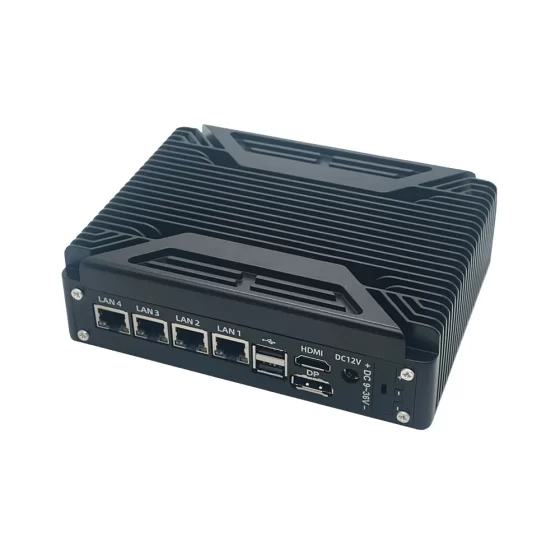
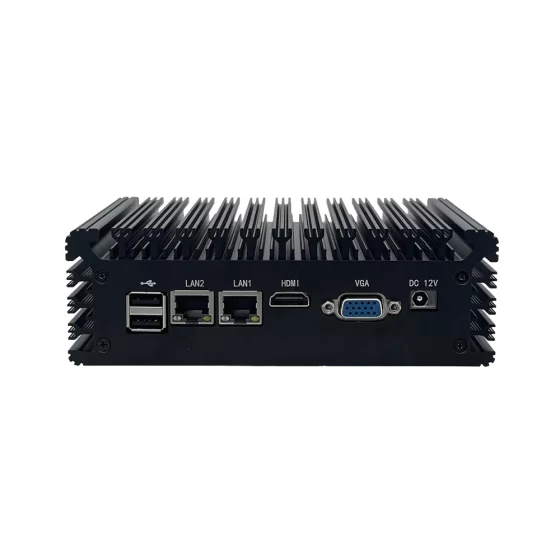
CoreIPC 産業用コンピューティング ソリューション

高速カメラ用産業用コンピュータ: マシンビジョンおよびオートメーション用の高速カメラコンピューター
エグゼクティブサマリー
高速カメラ コンピューターは、画像取得のための産業用コンピューティング基盤を提供します。, リアルタイム処理, 検査管理, 動作解析, 高速マシンビジョンアプリケーションでのデータ統合.
高速カメラは製造現場で広く使用されています, 電子機器検査, 梱包, 動作解析, ロボット工学, 半導体検査, 材料試験, 自動化された品質管理. これらのアプリケーションには、大規模な画像データ ストリームを処理できる安定したコンピューティング ハードウェアが必要です。, 産業用カメラと通信する, フレームを素早く処理する, 結果を自動化システムに接続します.
一般的なオフィスの PC とは異なります, 産業用コンピュータは、生産装置の近くで継続的に動作するように設計されています. 産業用カメラインターフェースをサポートできます, 高速ストレージ, 複数のLANポート, USB接続, トリガー信号, PLC通信, 頑丈な設置, 長いライフサイクルの展開.
カメラシステムを機器内に設置する必要がある場合は、組み込みコンピュータも使用できます。, 小型検査機, 制御盤, または OEM ビジョン プラットフォーム.
カメラの解像度が高いため、高速カメラに適した産業用コンピュータを選択することが重要です。, フレームレート, 露光タイミング, 画像処理のワークロード, データ帯域幅, 保管要件は検査の信頼性に直接影響する可能性があります.
この記事では、高速カメラ コンピューターが産業用ビジョン システムをどのようにサポートするかについて説明します。, メーカーが直面している展開上の課題, ソリューション アーキテクチャの仕組み, 信頼性の高い高速画像取得と処理にとってどのハードウェア機能が最も重要であるか.
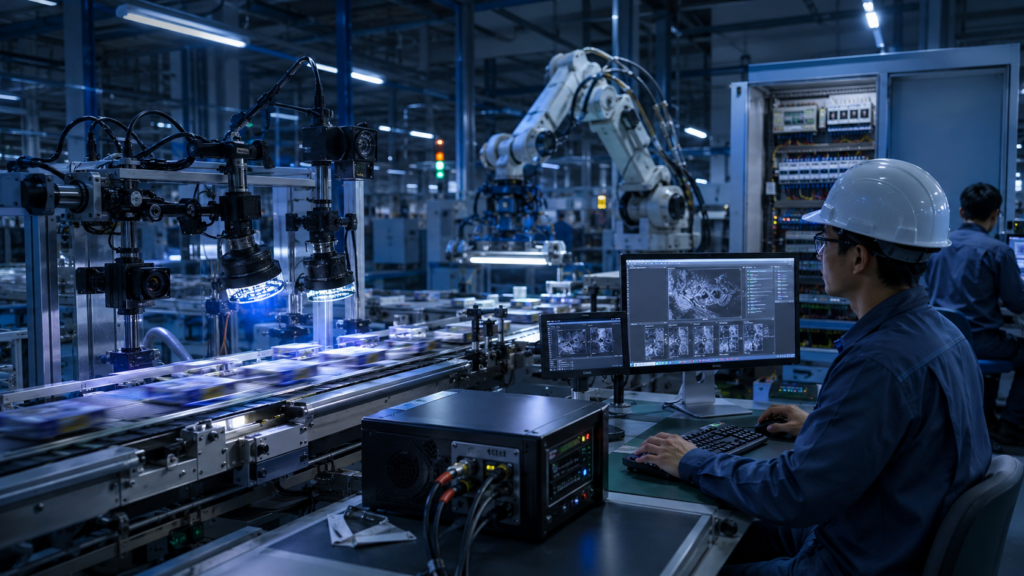
産業用コンピューターは、生産検査用に高フレームレートのカメラデータを処理します。, 動作解析, と品質管理.
業界の概要
高速カメラは工業検査分野で拡大中
ハイスピードカメラは、標準カメラでは速い動きを捉えることができない場合に使用されます。, 迅速な生産イベント, または短期間のプロセス変更.
産業環境において, メーカーの分析に役立ちます, 検査する, 手動で観察するには速すぎるプロセスの制御.
一般的なアプリケーションには次のものがあります。:
- 高速生産検査
- 動作解析
- 欠陥検出
- 包装ライン監視
- ロボットの動作解析
- SMTおよび電子機器検査
- 半導体プロセス検査
- ウェブ素材の検査
- 充填・密封検査
- 機械試験と故障解析
これらのアプリケーションは、多くの場合、短時間に大量の画像データを生成します。.
ハイスピードカメラコンピュータはキャプチャする必要があります, プロセス, 店, このデータを確実に転送します.
コンピューティング ハードウェアが重要な理由
高速カメラはビジョンシステムの一部にすぎません.
カメラは 1 秒あたり数百または数千のフレームをキャプチャする場合があります, ただし、システムにはデータを損失なく受信できるコンピュータも必要です, 素早く処理する, 有用な結果を実稼働システムに送信します.
パソコンが正しく選択されていない場合, システムでフレームドロップが発生する可能性があります, 検査の遅れ, ストレージのボトルネック, ソフトウェアのパフォーマンスが不安定, または通信障害.
これは、ビジョンシステムがリアルタイム検査または自動化制御に使用される場合に特に重要です。.
実際の工場展開用の産業用コンピュータ
高速カメラ システムは機械の近くに設置されることが多い, コンベア, ロボット, 試験装置, 検査ステーション, または生産ライン.
これらの環境には振動が含まれる可能性があります, ほこり, 熱, 電気ノイズ, 限られた設置スペース, そして長い営業時間.
産業用コンピューターと組み込みコンピューターは、標準的な商用 PC よりもこれらの条件に適しています。.
頑丈なデザインを提供します, 柔軟な I/O, 安定した取り付け, ファンレスオプション, 高速インターフェース, マシンビジョンシステムの長いライフサイクル可用性.

動作速度, トリガータイミング, 点灯, 帯域幅, ストレージ速度, と産業上の安定性が高速カメラの信頼性に影響を与える.
主要な課題
大規模な画像データの帯域幅
高速カメラは非常に大規模なデータ ストリームを生成する可能性があります.
必要な帯域幅はカメラの解像度によって異なります, フレームレート, ビット深度, カメラの数, 画像フォーマット, および転送インターフェイス.
複数の高速カメラを使用するシステムでは、慎重な計画が必要になる場合があります。:
- カメラインターフェースの帯域幅
- CPUの処理負荷
- メモリ容量
- ストレージ速度
- ネットワークトラフィック
- データ転送の安定性
- ソフトウェアの最適化
- リアルタイム処理要件
コンピューターが完全なデータ フローを処理できない場合, フレームロスが発生する可能性があります.
検査装置用, フレーム損失は欠陥の見逃しまたは不完全なプロセス分析を意味する可能性があります.
リアルタイム画像処理
高速カメラ システムでは多くの場合、高速な画像処理が必要になります。.
コンピューターは欠陥を検出する必要がある場合があります, 動きを測定する, オブジェクトの位置を計算する, 異常なイベントを特定する, または、非常に短い時間内に自動化応答をトリガーします.
リアルタイム処理はハードウェアとソフトウェアの両方の設計に依存します.
重要な要素には以下が含まれます::
- プロセッサーのパフォーマンス
- メモリ帯域幅
- ストレージ速度
- GPU またはアクセラレータの要件
- カメラSDKの互換性
- 画像処理アルゴリズム
- オペレーティング システムの安定性
- オートメーション通信の遅延
高速カメラ用コンピュータは安定した持続的なパフォーマンスを提供する必要があります, 短いピークパフォーマンスだけでなく.
カメラインターフェースの互換性
高速カメラはアプリケーションに応じて異なるインターフェイスを使用する場合があります.
一般的なインターフェイスには USB が含まれる場合があります 3.0, GigE ビジョン, 2.5運ぶ, 10運ぶ, カメラリンク, CoaXPress, またはその他の特殊なビジョンインターフェイス.
産業用コンピュータは、オンボード ポートを介して必要なインターフェイスをサポートする必要があります, 拡張カード, または適切なモジュール.
インターフェイスの計画が不十分だと、システム全体が制限される可能性があります.
例えば, システムに適切な高速入力インターフェイスがなければ、強力な CPU でもカメラの帯域幅の問題を解決できません。.
ストレージのボトルネック
高速画像キャプチャには高速ローカル ストレージが必要な場合があります.
一部のアプリケーションは画像をリアルタイムで処理し、結果を保存するだけです. 他の人は生の画像を保存する必要があります, ビデオクリップ, 欠陥フレーム, ログ, または証拠を処理する.
ストレージ要件は以下によって異なります:
- 録音時間
- フレームレート
- 画像解像度
- 圧縮方式
- カメラの数
- 検査画像保持ポリシー
- データベースのアップロード頻度
- ローカルバッファリングのニーズ
SSD または NVMe ストレージは、機械式ドライブよりも書き込みパフォーマンスが速く、耐衝撃性に優れているため、一般的に好まれます。.
産業環境の安定性
高速カメラ コンピューターは、多くの場合、信頼性が重要な実稼働環境に設置されます。.
システムは複数のシフトにわたって継続的に実行される場合があります. キャビネットに取り付けることもできます, 機械の中, ワークステーションの下で, または移動機器の近く.
コンピュータは振動などの実際の条件下でも安定していなければなりません, 熱, ほこり, パワーバリエーション, ケーブルストレス, そして電気ノイズ.
これが、高速カメラアプリケーションにとって工業グレードの設計が重要である理由です。.

産業用コンピューターが高速カメラを接続する, 取得ハードウェア, 自動化システム, および工場データベース.
高速カメラコンピュータソリューションアーキテクチャ
カメラと画像取得層
画像取得層には高速カメラが含まれます, レンズ, 照明モジュール, トリガーセンサー, フレームグラバー, および取り付け構造.
このレイヤーは、動きの速い製品から画像またはビデオ シーケンスをキャプチャします。, ツール, プロセス, または機械的な出来事.
アプリケーションに応じて, システムがキャプチャする可能性があります:
- 製品の動き
- 表面欠陥
- 機械的な動き
- 処理タイミング
- パッケージングアクション
- コンポーネントの配置
- 液体の充填挙動
- 材料の変形
- ロボットの動き
- 高速制作イベント
コンピュータがデータを確実に処理するには、安定したカメラのタイミングと画質が不可欠です.
産業用コンピューティング層
産業用コンピューティング層は、産業用コンピューターまたは組み込みコンピューターがカメラ データを受信して処理する場所です。.
この層では, コンピュータはいくつかのタスクを実行する場合があります:
- 画像取得
- フレームバッファリング
- リアルタイム画像処理
- 欠陥検出
- 動作解析
- 測定計算
- トリガー信号の処理
- ローカルビデオストレージ
- PLC通信
- 工場システムへのデータのアップロード
このレイヤーはカメラのワークロードと慎重に一致させる必要があります.
カメラの速度とコンピュータのパフォーマンスが一致しないと、システムの信頼性が低下する可能性があります.
自動化制御層
高速カメラ システムは自動化機器と接続されることが多い.
PLC, モーションコントローラー, ロボットコントローラー, コンベアシステム, またはマシンコントローラーがコンピューターにトリガー信号を送信する場合があります。. 加工後, コンピュータがパスを送信する可能性があります, 失敗, 位置, タイミング, またはアラーム結果が制御システムに返される.
例えば, 高速包装ラインでカメラが不良品を検出した場合, 産業用コンピュータは信号を送信して拒否メカニズムをアクティブにすることができます.
この閉ループ通信により、高速な画像データを実用的な生産管理に活用できます。.
データ管理層
高速カメラ システムは重要な検査データや処理データを生成する可能性があります.
コンピュータはデータを MES に送信する場合があります, スカダ, 品質管理システム, 工場データベース, またはダッシュボードの監視.
データには以下が含まれる場合があります:
- プロダクトID
- 検査結果
- 欠陥画像
- ビデオ録画
- 測定値
- タイムスタンプ
- ステーションID
- トリガーイベント
- 機械の状態
- 拒否結果
これによりトレーサビリティがサポートされます, 品質分析, プロセスの改善, および機器のトラブルシューティング.
ユーザーインターフェースとエンジニアリング層
オペレーターとエンジニアは実用的なローカルインターフェースを必要としています.
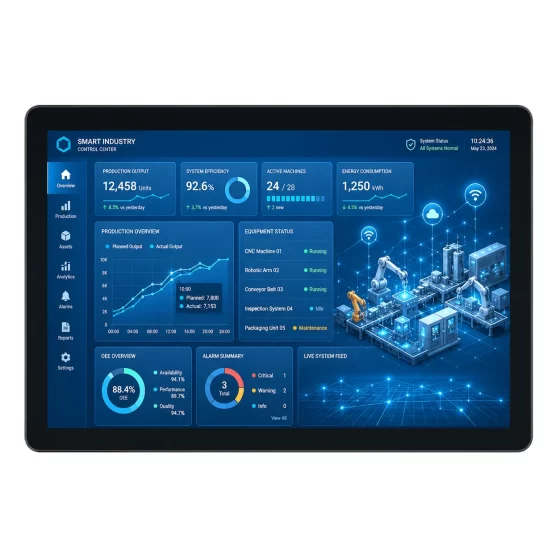
産業用コンピュータはモニタに接続できます, タッチスクリーン, キーボード, またはHMIパネル. インターフェースはライブカメラ画像を表示できます, 記録されたクリップ, フレームステータス, 検査結果, アラーム, システムログ, そしてカメラの設定.
明確なインターフェイスにより、エンジニアは露出を調整できます, 点灯, トリガータイミング, 画像処理パラメータ, とストレージ設定.

堅牢な産業用コンピュータは、マシンビジョン制御キャビネットへの信頼性の高い高速カメラの導入をサポートします。.
ハイスピードカメラコンピュータの主な機能
高速データ処理
高速カメラ用コンピュータは、実際の画像ワークロードに対して安定した処理パフォーマンスを提供する必要があります.
必要な構成は次によって異なります。:
- カメラの解像度
- フレームレート
- カメラの数
- 画像のビット深度
- リアルタイム処理アルゴリズム
- ローカルストレージのニーズ
- 表示要件
- 自動化の応答時間
- ソフトウェアフレームワーク
シンプルな単一カメラ監視用, コンパクトな組み込みコンピュータで十分かもしれません.
マルチカメラ高速検査用, 高速拡張とストレージを備えた、より強力な産業用 PC が必要になる場合があります.
カメラインターフェースのサポート
カメラ インターフェイスのサポートは最も重要な選択要素の 1 つです.
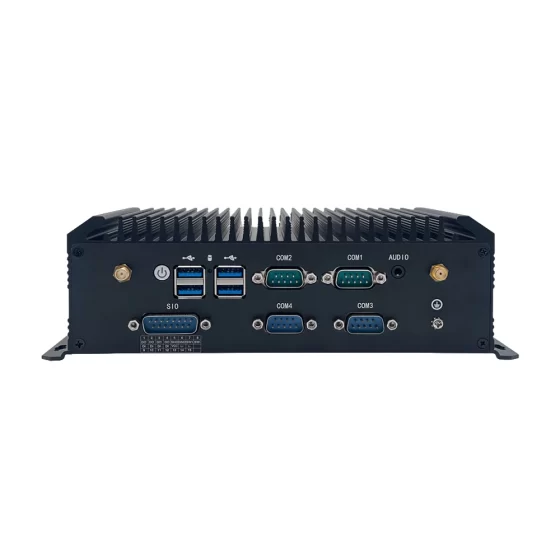
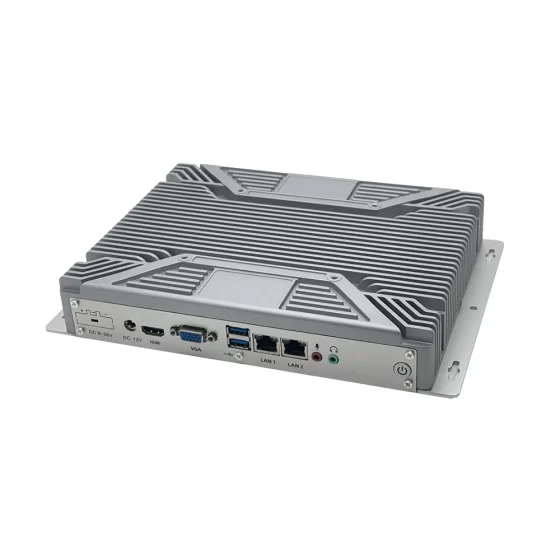
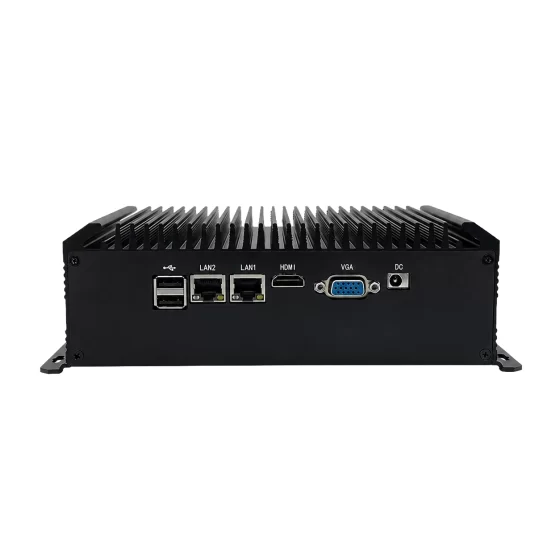
産業用コンピュータは、アプリケーションに必要なカメラ インターフェイスをサポートする必要があります。. これには、オンボード ポートまたは拡張機能が含まれる場合があります。.
便利なハードウェア オプションには次のものがあります。:
- USB 3.0 ポート
- 複数のLANポート
- 2.5GbE または 10GbE オプション
- PCIeの拡張
- M.2拡張
- フレームグラバーのサポート
- 高速ストレージインターフェース
- 安定した電源設計
マルチカメラシステム向け, ハードウェアを選択する前に帯域幅計画を行う必要があります.
信頼性の高いストレージ アーキテクチャ
高速カメラ システムでは、大きな画像ファイルやビデオ クリップを保存する必要がある場合があります。.
SSD または NVMe ストレージは、高速書き込み速度と高速データ アクセスのサポートに役立ちます. 画像を大量に使用するアプリケーション向け, ストレージ設計では容量と耐久性の両方を考慮する必要があります.
ストレージに関する重要な質問には次のようなものがあります。:
- 画像はどのくらいの期間保存しなければならないか?
- RAW画像は必要ですか?
- 欠陥の証拠のみが保存されますか?
- ローカルバッファリングは必要ですか?
- データはサーバーにアップロードされますか?
- どれくらいの書き込み耐久性が必要か?
信頼性の高いストレージ設計により、検査データの損失リスクが軽減されます。.
トリガーおよび制御用の産業用 I/O
高速カメラ アプリケーションは多くの場合、正確なタイミングに依存します。.
コンピューターはトリガー信号を受信する必要がある場合があります, 照明を制御する, PLCと通信する, 結果を自動化機器に送信します.
便利な I/O オプションには次のものがあります。:
- LAN
- USB
- RS232
- RS485
- GPIO
- デジタル入力
- デジタル出力
- HDMI
- ディスプレイポート
柔軟な I/O により外部コンバータの使用が削減され、導入の信頼性が向上します.
ファンレスで堅牢な設計
ファンレス産業用コンピューターは多くの生産環境で役立ちます.
粉塵の侵入を減らし、一般的な機械的故障点を 1 つ除去します。. これにより、検査ステーションの長期信頼性が向上します。, キャビネット, およびマシン側のインストール.
しかし, 高速カメラのワークロードによりかなりの熱が発生する可能性があります.
熱設計は慎重に検討する必要があります, 特に高性能プロセッサの場合, 複数のカメラ, フレームグラバー, またはGPUアクセラレーション.
長いライフサイクルと保守性
マシンビジョンシステムは長年にわたり生産され続ける可能性がある.
コンピューターのモデルが頻繁に変更される, ポート, ドライバー, または拡張オプションにより検証やメンテナンスの問題が発生する可能性があります.
ライフサイクル プランニングを備えた産業用コンピューティング プラットフォームにより、メーカーや OEM 機器ビルダーは複数のマシンにわたって一貫した高速カメラ システムを維持できます。, 行, そして顧客のプロジェクト.

高速カメラシステムにより検査が向上, 動作解析, トレーサビリティ, 欠陥検出, および生産監視.
導入シナリオ
高速生産検査
高速カメラはコンベアや生産ライン上で高速に移動する製品を検査できます.
産業用コンピューターは画像を処理して欠落部品を検出します, 表面欠陥, 間違った位置, 梱包の問題, または異常な動き.
これにより、メーカーはラインを遅らせることなく製品を検査できます。.
動作解析
高速カメラは機械の動きを分析するためによく使用されます.
このシステムは機械の急速な動きを捉えることができます, ツール, ロボットアーム, アクチュエーター, または可動部品. エンジニアは記録されたフレームを確認してタイミングを理解できます, 振動, インパクト, またはプロセスの動作.
産業用コンピュータによる画像キャプチャ機能, ローカルストレージ, 再生, および分析サポート.
包装ライン検査
包装ラインは迅速に動くことが多い.
高速カメラコンピュータでラベル検査をサポート, シール, キャップ, 充填レベル, 印刷されたコード, とパッケージの位置.
システムは合格または不合格の結果を PLC または拒否メカニズムに送信できます。.
これにより、梱包ミスが減り、品質管理が向上します。.
SMT および電子検査
エレクトロニクス製造では、部品配置のために高速画像キャプチャが必要になる場合があります, はんだ付け工程のレビュー, バーコード認識, そして欠陥検出.
組み込みコンピュータをSMTラインの近くに設置可能, 検査機, またはテストステーション.
このシステムは、検査結果を PCB シリアル番号および MES 記録と関連付けることができます。.
半導体プロセス検査
半導体検査では、ウェーハの高解像度かつ高速イメージングが必要となる場合があります, 死ぬ, パッケージ, マーク, イベントを処理する.
産業用 PC はカメラデータを処理できます, 欠陥画像を保存する, 機器制御システムと通信します.
精密製造環境における品質管理とトレーサビリティをサポートします。.
ロボティクスとモーションコントロール
ロボットシステムはモーション追跡に高速カメラを使用する場合があります, 部品のローカリゼーション, プロセス監視, または軌道分析.
産業用コンピュータは画像を処理し、ロボット コントローラまたは PLC と通信できます。.
これにより、自動化の精度が向上し、システムのチューニングに役立つデータが提供されます。.
材料試験と故障解析
高速カメラは材料の検査に役立ちます, 機械部品, 影響, 変形, 破損, または高速なプロセス動作.
コンピューターは画像シーケンスを保存し、エンジニアがイベントをフレームごとにレビューするのをサポートします。.
これはRにとって貴重です&Dラボ, 生産技術, そして品質調査.
OEM ビジョン機器の統合
機械メーカーは産業用コンピューターや組み込みボードを高速カメラ機器に統合できます.
コンピューティング プラットフォームはカメラ取得を提供できます, 画像処理, HMIディスプレイ, オートメーションコミュニケーション, ローカルストレージ, そしてデータ出力.
これにより、OEM は産業展開に対応したビジョン システムを提供できます。.
ビジネス上のメリット
高速イベントのより適切なキャプチャ
高速カメラ システムは、メーカーが手動観察や標準カメラでは速すぎるイベントを確認するのに役立ちます.
適切な産業用コンピュータを使用する, 画像シーケンスをキャプチャできます, 処理された, そして確実に保管される.
これは、生産チームがプロセスの問題を特定し、制御を改善するのに役立ちます.
検査の信頼性向上
適切に選択された高速カメラ コンピューターにより、フレーム落ちのリスクが軽減されます。, 処理の遅延, そして通信も不安定.
信頼性の高いコンピューティング ハードウェアにより、検査システムは生産シフト全体にわたって一貫して動作します。.
これにより、品質管理と生産の信頼性が向上します。.
より迅速な欠陥検出
ローカル画像処理により、欠陥や異常イベントを迅速に検出できます.
産業用コンピュータは結果を PLC に送信できます, アラーム, または、本番アクションに間に合うようにメカニズムを拒否する.
これにより、下流の品質リスクを軽減できます.
より強力なトレーサビリティ
高速カメラの検査データと製品IDを紐付けることが可能, タイムスタンプ, 駅情報, 欠陥画像, そして製作記録.
これにより、品質分析のためのより強力なトレーサビリティが実現します。, 顧客監査, プロセスの改善, そして故障調査.
手動分析の削減
高速画像キャプチャにより手動観察への依存を軽減.
エンジニアは記録されたデータを利用できる, 自動検出, 高速プロセスをより正確に分析するための測定結果.
これによりトラブルシューティングが改善され、データ主導型のプロセス改善がサポートされます。.
スケーラブルなマシンビジョンの導入
標準化された産業用コンピューティング プラットフォームにより、メーカーが複数のラインにわたって高速カメラ システムを展開できるようになります, 機械, そして工場.
一貫したハードウェアによりソフトウェア イメージが簡素化されます, ドライバー管理, スペアパーツの計画, メンテナンストレーニング, および長期的な技術サポート.
これにより、スケーラブルなスマート製造とマシンビジョン開発がサポートされます。.
CoreIPC を選ぶ理由
CoreIPC はマシンビジョン用の産業用コンピューティング プラットフォームを提供します, 高速画像取得, ファクトリーオートメーション, および組み込みシステムの統合. ハイスピードカメラコンピュータ用途向け, CoreIPC は信頼性の高い産業用コンピューター ハードウェアに重点を置いています, 組み込みコンピュータソリューション, 柔軟な I/O 構成, コンパクトなシステム設計, OEM/ODMカスタマイズサポート. CoreIPC はシステム インテグレーターを支援します, 機械製造業者, 製造チームは実際の導入要件に適合するコンピューティング プラットフォームを選択します, カメラインターフェースを含む, 処理ワークロード, ストレージデザイン, オートメーションコミュニケーション, 取り付け方法, 電源入力, 熱条件, およびライフサイクル計画.
よくある質問
1. ハイスピードカメラコンピュータとは?
高速カメラコンピュータは、高速カメラコンピュータをキャプチャするために使用される産業用コンピュータです。, プロセス, 店, 高速カメラからの画像データを転送します.
マシンビジョン検査をサポートする可能性があります, 動作解析, 梱包検査, ロボット工学, 半導体検査, または材料試験. コンピュータは高いデータ帯域幅を処理する必要がある, カメラインターフェース, ストレージ速度, リアルタイム処理要件.
2. 高速カメラに産業用コンピュータを使用する理由?
高速カメラ システムは機械の近くに配備されることがよくあります, コンベア, ロボット, 検査ステーション, または生産ライン.
産業用コンピュータは連続稼働をサポートするため、オフィス用 PC よりも適しています。, 産業用I/O, 頑丈な設置, 安定したネットワーク, 高速インターフェース, 長いライフサイクルの展開. これらの機能は、工場環境でシステムの信頼性を維持するのに役立ちます.
3. 組み込みコンピューターは高速カメラでどのように使用されますか?
組み込みコンピュータは機械の内部にインストールできます, 検査システム, 制御盤, またはコンパクトなビジョン機器.
カメラデータを取得できる, 画像処理ソフトを実行する, PLCと通信する, 検査記録を保管する, 結果を工場システムにアップロードします. コンパクトな設計により、OEM ビジョン機器やスペースが限られた設置に役立ちます.
4. 高速カメラコンピュータにとって重要なインターフェイスは何ですか?
重要なインターフェイスには USB が含まれる場合があります 3.0, ギガビットイーサネット, 2.5運ぶ, 10運ぶ, PCIe, M.2, RS232, RS485, GPIO, HDMI, およびディスプレイポート.
最適なインターフェースはカメラの種類によって異なります, フレームレート, 解決, とカメラの数. 特殊なカメラ向け, フレームグラバーのサポートも必要な場合があります.
5. ファンレス産業用コンピューターは高速カメラをサポートできますか??
ファンレス産業用コンピューターは一部の高速カメラ アプリケーションをサポートできます, 特に作業負荷と温度条件が中程度の場合.
しかし, 高いフレームレート, 複数のカメラ, フレームグラバー, または大量の画像処理を行うと、かなりの熱が発生する可能性があります. 最終的な選択では CPU ワークロードを考慮する必要があります, ストレージ速度, 筐体設計, 周囲温度, と空気の流れ.
6. 高速カメラシステムでフレームドロップを減らすにはどうすればよいですか?
カメラの帯域幅を一致させることでフレームドロップを軽減できる, コンピュータインターフェース, メモリ容量, ストレージ速度, および処理ワークロード.
システムは実際のカメラでテストする必要があります, 実際のフレームレート, 実際の画像解像度, およびプロダクションソフトウェア. ネットワークの分離, ドライバーの互換性, ストレージの書き込み速度も見直す必要があります.
7. 高速カメラ アプリケーションに必要なストレージ?
ストレージはシステムが生のビデオを保存するかどうかによって異なります, 選択したフレーム, 欠陥画像, または検査結果のみ.
NVMe または高速 SSD ストレージは、多くの場合、大規模な画像データの場合に好まれます。. 連続録画の場合, 容量, 持続的な書き込み速度, 書き込み耐久性, データ保持ポリシーは慎重に検討する必要があります.
8. 高速カメラ コンピュータは PLC および MES システムに接続できますか?
はい. 産業用コンピュータは PLC と通信可能, モーションコントローラー, 拒否メカニズム, MESシステム, 高品質のデータベース, および監視ダッシュボード.
トリガー信号を受信できます, 合格または不合格の結果を送信する, 検査記録を保管する, 製品関連データをアップロードします. 高速画像検査をファクトリーオートメーションやトレーサビリティと結び付けるのに役立ちます.
9. 導入前にテストすべきこと?
導入前, システムは実際のカメラでテストする必要があります, 実際のフレームレート, 画像解像度, 処理ソフトウェア, トリガー信号, PLC通信, ストレージのワークロード, およびネットワーク状況.
長時間にわたる安定性と熱性能もテストする必要があります. これは、コンピュータがフレーム損失や予期せぬダウンタイムなしで運用操作をサポートできることを確認するのに役立ちます。.
10. 高速カメラコンピュータが必要なアプリケーションは何ですか?
アプリケーションには高速生産検査が含まれます, 梱包検査, 動作解析, ロボット工学, SMT検査, 半導体検査, ウェブ素材のモニタリング, 充填検査, 機械的試験, そして故障解析.
高速イベントをキャプチャしたり、高フレーム レートの画像データを処理したりする必要があるアプリケーションは、適切に選択された産業用コンピューターの恩恵を受けることができます。.
結論
高速カメラ コンピュータは、高速画像取得を必要とする産業用ビジョン システムにとって重要なハードウェア基盤です。, リアルタイム処理, 信頼できるストレージ, と自動化の統合.
産業用コンピューティング ハードウェアをカメラの近くに配置することにより、, センサー, PLC, コンベア, ロボット, および検査装置, メーカーは高速な生産イベントをキャプチャできる, 欠陥を検出する, 動きを分析する, 結果を工場システムに接続します.
実際のアプリケーション要件に応じて、適切な産業用コンピュータまたは組み込みコンピュータを選択する必要があります。, カメラインターフェースを含む, フレームレート, 解決, 処理ワークロード, ストレージ速度, I/O構成, ネットワーク設計, 取付方法, 電源入力, 熱条件, オペレーティング システムのサポート, およびライフサイクル計画.
CoreIPC は、実際の工場や機器の導入向けに設計された産業用コンピューティング プラットフォームを備えた高速カメラ コンピューター プロジェクトをサポートします。. 適切なハードウェア基盤があれば, メーカーや機械製造業者は検査の信頼性を向上させることができます, フレームロスを減らす, トレーサビリティの強化, スケーラブルなマシンビジョンシステムを構築します.
お問い合わせ
産業用コンピュータを探しています, 組み込みコンピュータ, または高速カメラ用の産業用マザーボード?
プロジェクトの要件については、CoreIPC にお問い合わせください。, カメラインターフェースを含む, フレームレート, 画像解像度, 処理ワークロード, ストレージデザイン, I/O構成, オートメーションコミュニケーション, 取付方法, 電源入力, 動作環境, ライフサイクルのニーズ, および OEM/ODM カスタマイズ オプション.