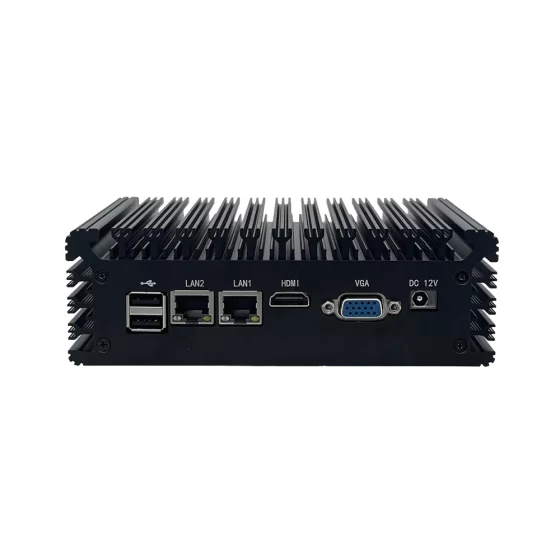
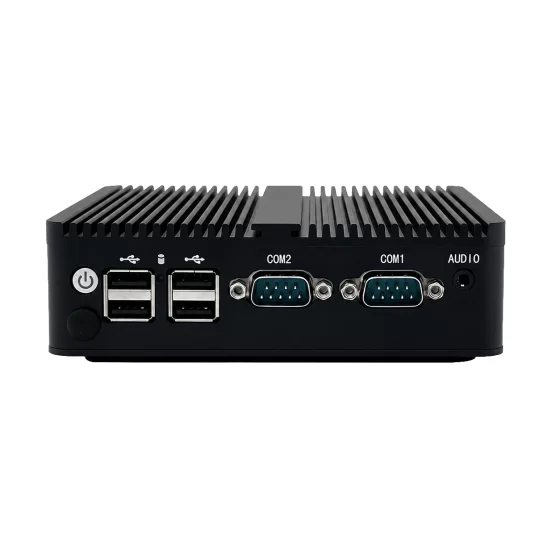
CoreIPC 産業用コンピューティング ソリューション

物流仕分けビジョンプラットフォーム: 物流仕分けビジョンコンピュータによる荷物自動識別
エグゼクティブサマリー
物流仕分けビジョン プラットフォームは、自動荷物識別のための産業用コンピューティング基盤を提供します, バーコード認識, 寸法チェック, ラベルの検証, ルーティング制御, 最新の物流環境における仕分けデータの統合.
倉庫内, 配送センター, eコマースフルフィルメントセンター, および小包ハブ, 仕分けシステムは大量のアイテムを迅速かつ正確に処理する必要があります. パッケージのサイズは異なる場合があります, 形, ラベルの位置, 表面状態, そして移動速度. 信頼性の高い物流仕分けビジョンシステムで各品目を識別, その情報を確認する, 仕分け結果を自動化機器や倉庫管理システムに送信します.
産業用コンピュータまたは組み込みコンピュータは、ローカルのビジョン処理プラットフォームとして機能します。. カメラを接続します, バーコードリーダー, 照明システム, センサー, コンベア, PLC, ソートメカニズム, 計量システム, および工場または倉庫のネットワーク.
標準的な商用 PC との比較, 産業用コンピュータは継続的な物流業務に適しています. 安定した画像取得を実現します, 柔軟な I/O, 頑丈なデザイン, 信頼性の高いネットワーク, ファンレスオプション, 長いライフサイクルのサポート.
物流自動化インテグレーター向け, 倉庫オペレーター, およびOEM仕分け装置ビルダー, 適切な産業用コンピューティング プラットフォームの選択は分類精度に影響します, システム稼働時間, トレーサビリティ, 長期的な保守性.
この記事では、物流仕分けビジョンシステムの仕組みについて説明します。, 実際の導入ではどのような課題が発生するか, ソリューション アーキテクチャがどのように構成されているか, 物流仕分けビジョンアプリケーション用の産業用コンピューターを選択する際に最も重要なハードウェア機能は何か.
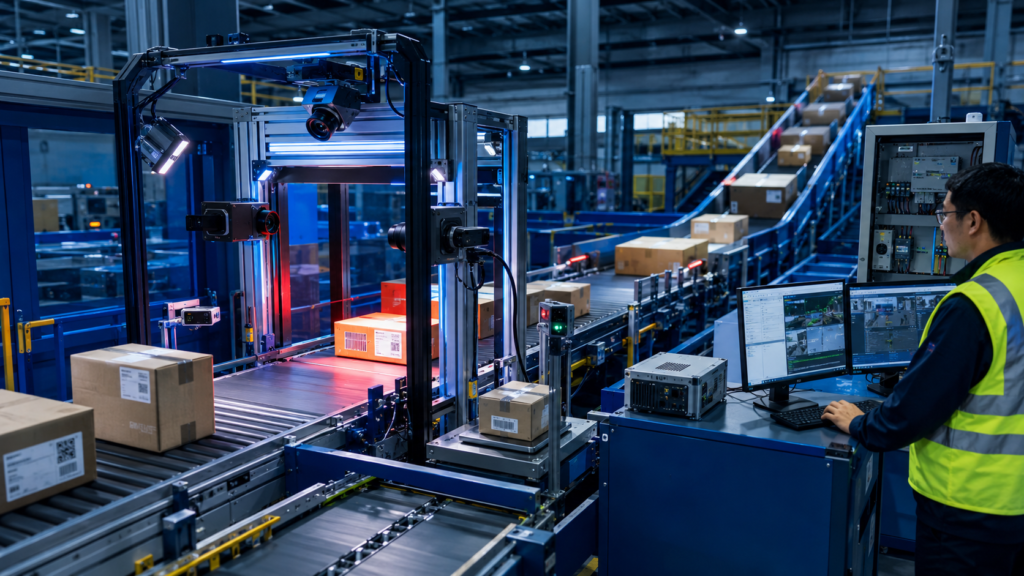
産業用コンピューターは、荷物の画像とバーコード データを処理して、自動識別と仕分けを行います。.
業界の概要
物流仕分けの自動化が進む
現代の物流業務はスピードが命, 正確さ, およびリアルタイムデータ.
電子商取引の成長, 同日配達の予定, 複雑なサプライチェーンにより、自動仕分けシステムの必要性が高まっています. 手動による分類は労働集約的であるため、拡張することが困難です, 間違いが起こりやすい, オペレータの速度によって制限されます.
物流仕分けビジョンシステムがサポートできるのは、:
- 小包バーコード認識
- QRコードとラベルの読み取り
- パッケージの寸法チェック
- ラベル位置確認
- 宛名ラベル検査
- 仕分けルート確認
- 荷物の存在検出
- コンベアの流れの監視
- カートンとバッグの識別
- 仕分けミスの削減
- WMSと追跡データの統合
信頼性の高い物流仕分けビジョンコンピューターは、ビジュアルデータを実用的な仕分け決定に変換するのに役立ちます.
ビジョンシステムが物流の仕分けに使用される理由
物流仕分けシステムでは、コンベヤー上を移動する荷物を迅速に識別する必要があります.
従来のバーコード スキャナは、ラベルがきれいで正しく配置されていれば正常に動作します。. しかし, 実際の物流環境はさらに複雑です. ラベルにシワがある場合がございます, 傾いた, 部分的に破損した, 印刷不良, またはパッケージの別の面に配置されます.
ビジョン システムは、より広い視野をキャプチャし、複数の角度から画像データを処理できるため、より高い柔軟性が得られます。.
ラベルを検査できる物流仕分けビジョンプラットフォーム, コードを読み取る, パッケージの向きを確認する, パッケージの状態を確認する, 自動化されたルーティング決定をサポートします.
産業用コンピューティングはローカル処理層です
物流の仕分けには、コンベアやスキャンステーションの近くでのローカル処理が必要です.
すべての画像をリモート サーバーに送信すると、遅延とネットワーク負荷が増加する可能性があります. 地元の産業用コンピューターは選別ラインの近くで画像を処理できます, PLCと通信する, 並べ替えの決定を迅速に送信します.
組み込みコンピュータは、システムをコンパクトなスキャン トンネル内に設置する必要がある場合に役立ちます。, 仕分け機, 制御盤, またはOEM物流機器.
産業用コンピュータは、倉庫や配送センターの継続的な運用に必要な信頼性とインターフェイスの柔軟性を提供します。.

混合パッケージ, ラベルバリエーション, コンベア速度, カメラの範囲, とトリガーのタイミングはソートの信頼性に影響します.
主要な課題
大量のパッケージと高速なコンベヤ速度
物流仕分けシステムは高速で動作することが多い.
パッケージはスキャン トンネルを通過して継続的に移動する可能性があります, コンベアジャンクション, ダイバーター, または自動仕分けレーン. ビジョンシステムは画像をキャプチャする必要があります, プロセスコード情報, パッケージが決定点に到達する前に並べ替え結果を送信します.
重要なパフォーマンス要素には次のものがあります。:
- コンベア速度
- カメラの解像度
- カメラの数
- バーコード認識速度
- 画像処理ワークロード
- トリガータイミング
- ソートメカニズムの応答時間
- WMS通信遅延
物流仕分けビジョンコンピュータは、継続的な作業負荷の下でも安定した持続的なパフォーマンスを提供する必要があります.
パッケージ形状とラベルバリエーション
パッケージが統一されていない.
仕分けシステムはカートンを処理する場合があります, 封筒, ポリメーラー, バッグ, チューブ, トレイ, 不規則なパッケージ, そして返品された商品. ラベルは異なる面に表示できます, さまざまな角度で, または平らでない表面でも.
ラベルとパッケージの一般的な課題には次のようなものがあります。:
- しわのあるラベル
- 破れたラベル
- ローコントラスト印刷
- 曲面または凹凸のある表面
- 反射テープまたはフィルム
- 損傷したカートン
- パッケージ表面の汚れ
- 1 つのパッケージに複数のバーコード
- ラベルの配置が間違っている
- 動きの速いアイテム
ビジョン プラットフォームは、並べ替えの精度を維持しながら、この変動に対処する必要があります。.
マルチカメラ画像取得
物流の仕分けには複数のカメラが必要になることがよくあります.
単一の上部カメラでは側面ラベルや傾いたパッケージを読み取ることができない場合があります. 多くの並べ替えシステムでは、top が使用されます。, 側, 読み取り速度を向上させるための角度の付いたカメラ.
これにより、より高い帯域幅と同期要件が発生します.
産業用コンピュータは十分なカメラ インターフェイスをサポートする必要がある, ネットワーク帯域幅, 処理性能, 実際のカメラ構成のストレージ容量.
選別装置との統合
ビジョンの結果は選別アクションと結び付けられる必要がある.
コンピューターは PLC と通信する必要がある場合があります, コンベアコントローラー, ダイバーター, ある種の, 計量システム, ラベルアプリケーター, アラーム, および倉庫管理システム.
実用的な物流仕分けビジョンプラットフォームには、:
- LAN
- USB
- RS232
- RS485
- GPIO
- デジタル入力
- デジタル出力
- 複数のディスプレイ出力
- 拡張インターフェース
信頼性の高い産業用 I/O がない, 仕分けの決定が適切なタイミングで機器に届かない可能性がある.
継続的な運用とメンテナンス
物流施設は、限られたダウンタイムで長時間稼働する場合があります.
ビジョンコンピュータはコンベアの近くに設置される場合があります, トンネルのスキャン, ある種の, 制御盤, または倉庫自動化装置. これらの場所には粉塵が含まれる可能性があります, 振動, ケーブルの動き, 熱, 電気ノイズ, 継続的な機械的活動.
ハードウェア障害によりバーコード認識が停止する可能性があります, ソートを遅らせる, またはルーティングエラーが発生する.
産業グレードのコンピューティング ハードウェアは、このリスクを軽減し、長期的なシステムの安定性をサポートします。.

産業用コンピューターが仕分けカメラを接続, コンベア, PLC, ダイバーター, 倉庫ソフトウェア, および荷物追跡システム.
物流仕分けビジョン ソリューションアーキテクチャ
画像取得層
画像取得レイヤーは、区画から視覚データをキャプチャします。, ラベル, バーコード, およびコンベアゾーン.
このレイヤーには産業用カメラが含まれる場合があります, レンズ, 照明モジュール, トリガーセンサー, バーコードリーダー, およびパッケージ存在センサー.
アプリケーションに応じて, システムがキャプチャする可能性があります:
- トップラベル画像
- サイドラベルイメージ
- バーコード画像
- QRコード画像
- パッケージ表面イメージ
- カートン状態の画像
- パッケージ寸法イメージ
- コンベアの流れイメージ
- レーン画像の並べ替え
認識ソフトウェアが信頼性の高い判断を下すには、安定した画像品質が不可欠です.
インダストリアルビジョンコンピューティングレイヤー
産業用ビジョンコンピューティング層は、物流仕分けビジョンコンピュータがローカル処理を実行する場所です.
この層では, 産業用コンピュータまたは組み込みコンピュータは、:
- カメラから画像を受信する
- バーコード認識ソフトウェアを実行する
- OCR またはラベル データの処理
- パッケージの向きを特定する
- パッケージデータをルーティングルールと照合する
- 画像レコードまたは例外画像を保存する
- PLCと通信する
- 仕分け結果を転送者に送信する
- WMS またはデータベースにデータをアップロードする
- ローカルシステムのステータスを表示する
このエッジ層により、分類装置の近くで認識とルーティングの決定が行われるようになります。.
自動化制御層
自動化制御層はビジョンシステムと物理的仕分け装置を接続します。.
PLC, コンベアコントローラー, ダイバータコントローラー, または選別機がトリガー信号を送信し、選別結果を受信する場合があります。.
例えば, パッケージのバーコードが認識された後, 産業用コンピュータは目的地レーン情報を PLC に送信できます。. その後、PLC は適切なタイミングで適切なダイバータまたは仕分けメカニズムを起動します。.
この閉ループ通信は高速仕分け精度に不可欠です.
データ管理層
仕分けデータは倉庫や物流システムと連携する必要がある.
産業用コンピュータは記録を WMS に送信する場合があります, TMS, ERP, 追跡プラットフォーム, 小包データベース, またはローカル監視システム.
データには以下が含まれる場合があります:
- 追跡番号
- バーコード値
- パッケージID
- 目的地車線
- ソート結果
- タイムスタンプ
- ステーションID
- 証拠画像
- 読み取り失敗レコード
- 拒否ステータス
これによりトレーサビリティがサポートされます, 出荷追跡, 例外処理, および運用分析.
ユーザーインターフェイスとモニタリングレイヤー
オペレータとエンジニアには監視とメンテナンスのためのローカル インターフェイスが必要です.
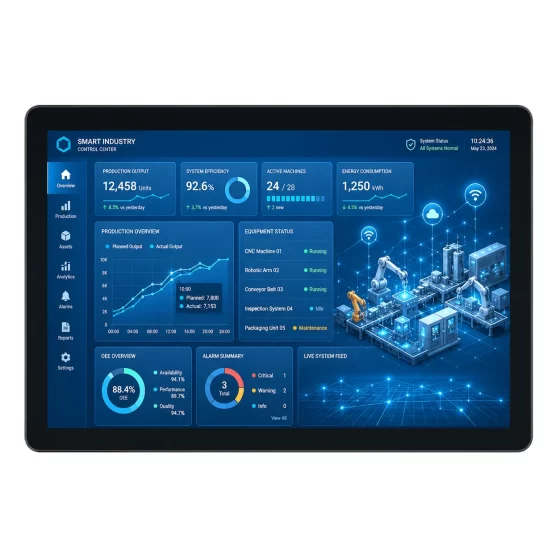
産業用コンピュータはモニタに接続できます, タッチスクリーン, キーボード, またはコントロールパネル. インターフェースはライブカメラビューを表示できます, 読み取り速度, 例外画像, システムステータス, ソートカウント, アラームメッセージ, およびネットワーク接続ステータス.
明確なインターフェイスにより、認識パフォーマンスが変化した場合にメンテナンス チームが迅速に対応できるようになります.

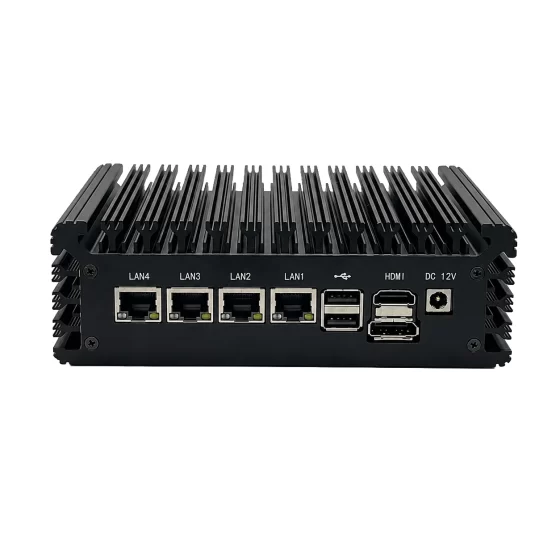
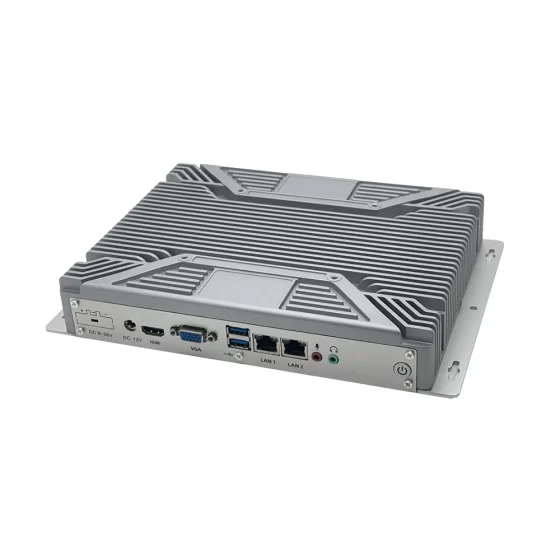
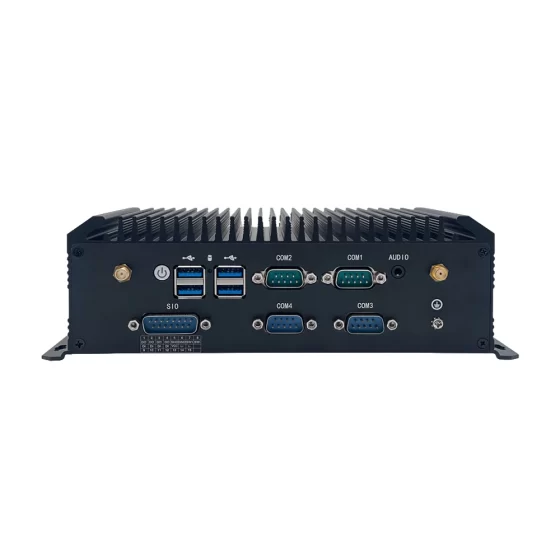
ファンレス産業用コンピューターは、倉庫制御キャビネット内での信頼性の高い物流仕分けビジョンの導入をサポートします.
主な特長
安定した画像処理性能
物流仕分けビジョンコンピュータは、連続稼動下で画像データを確実に処理する必要がある.
システムが異なれば、必要なコンピューティング レベルも異なります. 単一カメラのバーコード読み取りステーションでは、コンパクトな組み込みコンピュータを使用できます。. 高速マルチカメラ仕分けトンネルには、より強力な産業用 PC が必要になる場合があります.
選択は考慮すべきです:
- カメラの解像度
- カメラの数
- コンベア速度
- バーコード認識ワークロード
- OCR または AI モデルの複雑さ
- トリガータイミング
- ストレージのワークロード
- WMS通信
- ローカルディスプレイの要件
安定した持続的なパフォーマンスは、短いベンチマークのピークよりも重要です.
カメラおよびビジョンインターフェイスのサポート
物流仕分けビジョン システムでは通常、USB またはイーサネット カメラが使用されます.
コンピュータは必要なカメラ インターフェイスと帯域幅をサポートしている必要があります. マルチカメラシステムの場合, インターフェイスの計画は特に重要です.
便利なハードウェア機能には次のものがあります。:
- USB 3.0 ポート
- 複数のLANポート
- 2.5GbE またはそれ以上の高速 LAN オプション
- M.2拡張
- PCIeの拡張
- HDMI または DisplayPort
- 高速SSDのサポート
- 安定した電源設計
システムの安定性を向上させるために、カメラのトラフィックを倉庫のネットワーク トラフィックから分離する必要がある場合があります.
仕分け制御用産業用I/O
ビジョンコンピュータは実際の物流自動化機器と接続する必要があります.
重要な I/O オプションには次のものがあります。:
- LAN
- USB
- RS232
- RS485
- GPIO
- デジタル入力
- デジタル出力
- HDMI
- ディスプレイポート
これらのインターフェースはカメラをサポートできます, センサー, PLC, 照明コントローラー, バーコードリーダー, アラーム, ダイバーター, コンベア, およびローカルオペレータディスプレイ.
柔軟な I/O により外部コンバータが削減され、導入の信頼性が向上します.
信頼性の高いネットワーク
物流仕分けではネットワークが重要.
コンピューターは WMS と通信する必要がある場合があります, 小包データベース, PLC, ダッシュボードの監視, およびリモートメンテナンスシステム.
複数の LAN ポートでネットワーク分離をサポート可能. 1 つのポートがカメラまたはマシンのネットワークに接続可能, 一方、もう 1 つは倉庫 IT システムに接続します.
これにより、ネットワーク構成が改善され、トラフィックの競合が軽減されます。.
ファンレスで堅牢な設計
物流環境で役立つファンレス産業用コンピューター.
粉塵の侵入を減らし、一般的な機械的故障点を 1 つ除去します。. これは、システムが継続的に稼働し、メンテナンスの時間が限られている倉庫や荷物の仕分けエリアでは価値があります。.
頑丈な筐体がコンピューターを振動から保護します。, ケーブルストレス, 設置への影響.
熱設計は依然として慎重に検討する必要があります, 特にマルチカメラと AI ベースの認識ワークロードの場合.
画像と例外レコードのストレージ
物流仕分けシステムでは画像を保存する必要がある場合があります, 読み取り失敗イベント, 例外レコード, ログ, データの並べ替えと.
SSD ストレージは、機械式ドライブよりも応答が速く、耐衝撃性に優れているため、一般的に好まれます。.
多くのパッケージイメージを保存するシステムの場合, ストレージ容量, 書き込み耐久性, バックアップ方法, 保持ポリシーは設計時に検討する必要があります.

物流仕分けビジョンプラットフォームによりバーコード読み取り率が向上, 小包のルーティング, トレーサビリティ, 例外処理, と倉庫のスループット.
導入シナリオ
小包バーコード認識
小包バーコード認識は、主要な物流仕分けビジョン アプリケーションの 1 つです.
動いている荷物の画像を撮影し、バーコードやQRコードを自動で読み取ります。. 産業用コンピューターは画像を処理し、追跡データを WMS または仕分け制御システムに送信します。.
これにより、荷物の識別が自動化され、手動スキャンが削減されます。.
多面ラベルの読み取り
一部のパッケージには異なる側面にラベルが付いている場合があります.
マルチカメラビジョンプラットフォームはトップをキャプチャできます, 側, と斜めのビュー. コンピューターは複数のカメラからの画像を処理し、最も読み取りやすいコードを特定します。.
これにより、混合パーセル フローの読み取り速度が向上します。.
コンベア仕分け制御
物流仕分けビジョンシステムはコンベアベースのルーティングをサポートできます.
パッケージが識別された後, コンピュータは仕分け情報を PLC またはコンベア コントローラに送信します. システムは荷物を正しいレーンに誘導します。, シュート, または仕分けエリア.
より迅速かつ正確な物流センター運営をサポートします。.
パッケージの寸法と形状の検証
ビジョンシステムは寸法チェックやパッケージ形状分析をサポートする場合があります.
コンピューターはカメラデータを処理して荷物のサイズを推定できます, 異常な形状を検出する, または、パッケージが取り扱い要件を満たしているかどうかを確認します.
これにより、機器の詰まりが軽減され、より適切な仕分けの決定がサポートされます。.
ラベルと印刷の検証
物流業務は読み取り可能なラベルに依存します.
ビジョンシステムはラベルが存在することを確認できます, 読める, そして正しく配置された. 破損したラベルも検出可能, 低コントラストの印刷, または複数の競合するコード.
これにより、並べ替えの例外と手動介入を減らすことができます。.
Eコマースフルフィルメントの仕分け
電子商取引フルフィルメント センターはさまざまな種類のパッケージを処理します.
物流仕分けビジョンコンピュータは荷物の識別に役立ちます, ラベルを検証する, オーダーコードを読み取る, ルーティング情報を倉庫システムに送信します.
これにより、仕分け速度と出荷精度が向上します.
空港と宅配便ハブの仕分け
宅配便ハブと空港物流システムには、高スループットと信頼性の高い荷物識別が必要です.
産業用コンピュータは視覚トンネルをサポートできます, コンベアソート, バーコード読み取りステーション, および例外処理システム.
安定したコンピューティング ハードウェアにより、大量の作業中に仕分けシステムの稼働を維持できます.
OEM仕分け装置の統合
機器製造業者は組み込みコンピュータや産業用マザーボードを仕分け機に統合できます, トンネルのスキャン, または自動コンベヤシステム.
コンピューティング プラットフォームは画像取得を提供できます, バーコード認識, PLC通信, ローカルストレージ, HMIディスプレイ, そしてデータ出力.
これは、OEM が倉庫自動化に対応した仕分けシステムを提供するのに役立ちます.
ビジネス上のメリット
選別精度の向上
物流仕分けビジョンシステムにより荷物の識別とルーティングの精度が向上.
バーコードやラベルを自動で読み取ることで、, このシステムは手動スキャンエラーを削減し、より迅速な分類決定をサポートします。.
正確な仕分けにより、荷物の誤配送が減り、配送の信頼性が向上します.
より高いスループット
自動ビジョンシステムはコンベヤ上でパッケージを連続的に処理できます.
産業用コンピュータを適切に選択することで、安定した画像処理性能と通信性能を維持します。.
これにより、手作業に完全に依存することなく、より高い仕分けスループットがサポートされます。.
手動介入の削減
手動による仕分けや例外処理は物流業務の速度を低下させる可能性があります.
ビジョンシステムは荷物を自動的に識別し、経路データを仕分け装置に送信することで手作業を削減します。.
オペレーターは例外に集中できる, システム監視, 繰り返しのスキャン作業の代わりにメンテナンスを行うことができます。.
より強力なトレーサビリティ
ソートデータをパッケージIDと紐付けることが可能, タイムスタンプ, 画像, ステーションID, ルーティングの決定, および例外レコード.
これにより、倉庫と物流のワークフロー全体でより強力なトレーサビリティが実現します。.
信頼性の高いトレーサビリティで出荷追跡をサポート, 請求調査, および運用分析.
より高速な例外処理
システムが読み取り不可能なラベルを検出した場合, 競合するバーコード, または異常なパッケージ状態, パッケージを例外レーンに送信できます.
画像記録とシステム ログは、オペレーターによる問題の迅速な調査に役立ちます.
これにより遅延が軽減され、仕分けプロセスの制御が向上します。.
スケーラブルな物流自動化
標準化された産業用コンピューティング プラットフォームにより、複数の仕分けラインにわたるビジョン システムの導入が容易になります。, ハブ, そして倉庫.
一貫したハードウェアによりソフトウェア イメージが簡素化されます, ドライバー管理, スペアパーツの計画, メンテナンストレーニング, および長期的な技術サポート.
これにより、スケーラブルな物流自動化とスマート倉庫開発がサポートされます。.
CoreIPC を選ぶ理由
CoreIPC はマシンビジョン用の産業用コンピューティング プラットフォームを提供します, 物流の自動化, 産業用IoT, および組み込みシステムの統合. 物流仕分けビジョン用途向け, CoreIPC は信頼性の高い産業用コンピューター ハードウェアに重点を置いています, 組み込みコンピュータソリューション, 柔軟な I/O 構成, コンパクトなシステム設計, OEM/ODMカスタマイズサポート. CoreIPC はシステム インテグレーターを支援します, 仕分け装置ビルダー, 倉庫自動化チームは、実際の導入要件に一致するコンピューティング プラットフォームを選択します, カメラインターフェースを含む, 認識ワークロード, オートメーションコミュニケーション, 取り付け方法, 電源入力, 熱設計, ストレージのニーズ, およびライフサイクル計画.
よくある質問
1. 物流仕分けビジョンプラットフォームとは?
カメラを活用した物流仕分けビジョンプラットフォーム, 点灯, センサー, ビジョンソフトウェア, パッケージを自動的に識別してルーティングする産業用コンピューティング ハードウェア.
バーコードを読み取ることができます, QRコード, ラベル, 品物がコンベア上を移動する間のパッケージ情報と. システムはソートデータを PLC に送信します, WMS プラットフォーム, データベース, またはコンベア制御システム.
2. 物流仕分けビジョンに産業用コンピュータを使用する理由?
産業用コンピュータは、高速仕分けシステムに必要なローカル処理と接続を提供します。.
カメラ画像を受信できる, バーコード認識ソフトウェアを実行する, PLCと通信する, 例外レコードを保存する, データを倉庫システムにアップロードします. 振動が発生する物流環境での継続運用を考慮して設計されています。, ほこり, 長時間稼働が一般的です.
3. 組み込みコンピュータは仕分け装置にどのように使用されていますか?
組み込みコンピュータをスキャントンネル内に設置可能, 仕分け機, 制御盤, またはコンパクトなコンベヤシステム.
カメラデータを処理できます, センサーやPLCと通信する, ローカルシステムのステータスを表示する, 仕分け結果を倉庫ソフトウェアに送信します. コンパクトなサイズでOEM物流自動化装置に最適.
4. 物流仕分けビジョンコンピュータにとって重要なインターフェースとは?
重要なインターフェイスには USB が含まれる場合があります 3.0, 複数のLANポート, RS232, RS485, GPIO, デジタル入力, デジタル出力, HDMI, ディスプレイポート, M.2, およびPCIe拡張.
カメラインターフェースは画像取得に重要です. 産業用 I/O はトリガーセンサーに便利です, PLC通信, ダイバーター, コンベアシステム, 照明制御, とアラーム.
5. ビジョンシステムはバーコードの読み取り速度を向上させることができるか?
はい. ビジョン システムは、より大きな画像領域をキャプチャし、複数のカメラ角度を使用することで、バーコードの読み取り速度を向上させることができます。.
パッケージのさまざまな位置からラベルを読み取ることができ、傾いた状態の取り扱いに役立ちます, しわのある, または部分的に難しいラベル. しかし, パフォーマンスはカメラの配置に依存します, 点灯, パッケージ速度, ソフトウェアの機能, およびコンピューティングハードウェア.
6. 物流仕分けシステムには複数のカメラが必要ですか??
多くの物流仕分けシステムは、読み取り範囲を増やすために複数のカメラを使用しています。.
トップ, 側, 角度を付けたカメラは、さまざまなパッケージ表面のラベルを読み取るのに役立ちます. マルチカメラ システムには、より多くの帯域幅と処理能力が必要です, したがって、産業用コンピュータは慎重に選択する必要があります.
7. 物流仕分けに適したファンレス産業用コンピュータです?
ファンレス産業用コンピュータは、粉塵の侵入を減らし、機械的な故障点を 1 つ取り除くため、多くの物流仕分け用途に適しています。.
しかし, マルチカメラ認識と AI ベースの検査には、より強力な熱計画が必要になる場合があります. CPUワークロード, キャビネットのエアフロー, 周囲温度, 最終的な選択の前に、取り付け位置を検討する必要があります.
8. 物流仕分けビジョンはトレーサビリティをどのようにサポートするのか?
システムはパッケージ ID を記録できます, バーコード値, 決定事項の分類, タイムスタンプ, ステーションID, 画像, および例外イベント.
このデータはWMSにアップロードできます, 追跡プラットフォーム, または物流データベース. 完全なトレーサビリティにより、オペレータは誤ったルートを調査できます, 失敗した読み取り, および出荷に関する紛争.
9. 導入前にテストすべきこと?
導入前, システムは実際のパッケージでテストする必要があります, 本物のラベル, 実際のコンベア速度, カメラの解像度, 照明条件, バーコードソフトウェア, PLC通信, ソートのタイミング, ストレージのワークロード, およびネットワーク接続.
生産リスクを軽減するには、長期にわたる安定性と熱性能もテストする必要があります。.
10. 物流仕分けビジョンはWMSシステムと連携できるのか?
はい. 産業用コンピューターは仕分けデータを WMS プラットフォームに送信できます, 追跡データベース, ERPシステム, またはダッシュボードの監視.
アップロードされたデータには追跡番号が含まれる場合があります, バーコード値, 目的地レーン, 結果を読み取る, タイムスタンプ, 画像, および例外レコード. これにより、物理的な仕分けとデジタル物流管理を結び付けることができます。.
結論
物流仕分けビジョンプラットフォームは自動荷物識別の実用的な基盤です, バーコード認識, ラベルの検証, ソート制御, と倉庫のトレーサビリティ.
産業用コンピューティング ハードウェアをカメラの近くに配置することにより、, センサー, コンベア, PLC, ダイバーター, および仕分け設備, 物流オペレーターは荷物データをローカルで処理し、ルーティングの決定を迅速に送信できます.
実際の導入要件に応じて、適切な産業用コンピュータまたは組み込みコンピュータを選択する必要があります。, カメラインターフェースを含む, 認識ワークロード, コンベア速度, I/O構成, ネットワーク設計, ストレージのニーズ, 取付方法, 電源入力, 熱条件, オペレーティング システムのサポート, およびライフサイクル計画.
CoreIPC は、実際の倉庫や機器の導入向けに設計された産業用コンピューティング プラットフォームを使用して、物流仕分けビジョン プロジェクトをサポートします。. 適切なハードウェア基盤があれば, システムインテグレーターや物流オペレーターは仕分け精度を向上できる, 手動スキャンを減らす, トレーサビリティの強化, スケーラブルな物流自動化システムを構築する.
お問い合わせ
産業用コンピュータを探しています, 組み込みコンピュータ, または物流仕分けビジョン用産業用マザーボード?
プロジェクトの要件については、CoreIPC にお問い合わせください。, カメラインターフェースを含む, バーコード認識ワークロード, I/O構成, 仕分け制御通信, 取付方法, 電源入力, 動作環境, ライフサイクルのニーズ, および OEM/ODM カスタマイズ オプション.