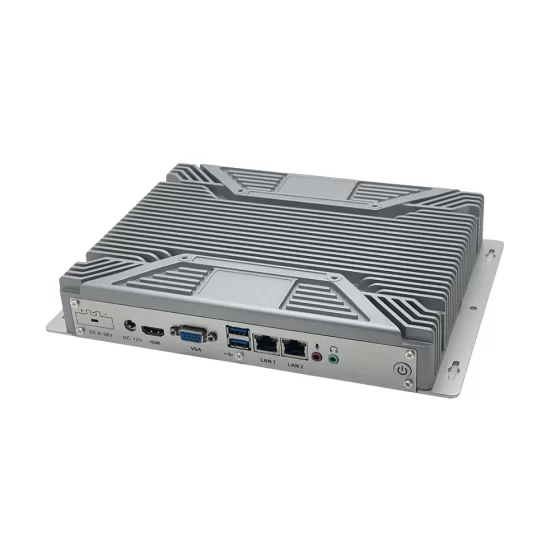
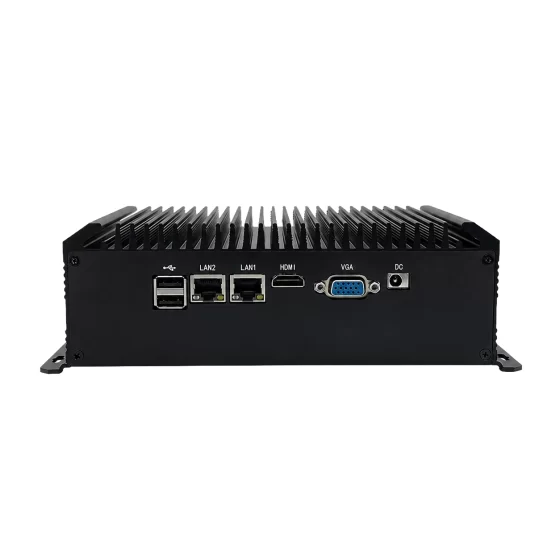
CoreIPC 産業用コンピューティング ソリューション

SMT用マシンビジョンコンピュータ: 信頼性の高いエレクトロニクス製造検査のための SMT ビジョン コンピューター
エグゼクティブサマリー
An smt vision computer provides the industrial computing foundation for automated optical inspection, はんだペースト検査, バーコード認識, コンポーネントの検証, SMTエレクトロニクス製造における品質データ収集.
表面実装技術の生産には高速実装が必要です, 高密度の PCB レイアウト, 小さなコンポーネント, はんだペーストの制御, リフロープロセス, 検査ステーション, およびトレーサビリティ要件. 各ステップで重要な画像データが生成される可能性があります, テストデータ, バーコードデータ, そして製作記録.
SMT 用のマシン ビジョン コンピューターは、生産ラインの近くでデータを確実に処理する必要があります. 産業用カメラに接続できる可能性があります, 照明コントローラー, バーコードリーダー, PLC, センサー, 試験装置, MESシステム, および工場データベース.
標準的な商用 PC との比較, 産業用コンピュータと組み込みコンピュータは、連続動作をサポートしているため、SMT 環境により適しています。, 安定したI/O, コンパクトな設置, ファンレスオプション, 頑丈な機械設計, 長期的なライフサイクル計画.
SMT装置メーカー向け, electronics manufacturers, システムインテグレータと, selecting the right industrial computing platform affects inspection accuracy, 生産稼働時間, トレーサビリティ, 長期的な保守性.
This article explains how SMT vision computers support electronics manufacturing, 実際の工場ではどのような導入上の課題が発生するか, ソリューション アーキテクチャの仕組み, and which hardware features are important for reliable SMT machine vision systems.
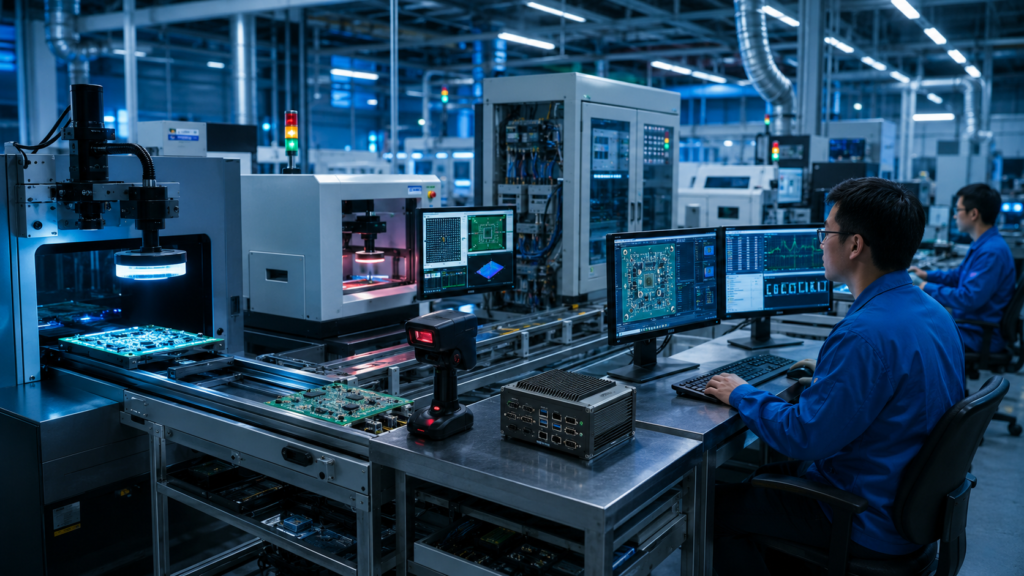
Industrial computers process SMT inspection data from cameras, AOI systems, SPI equipment, PCBコンベヤ, and barcode scanners.
業界の概要
SMT Manufacturing Requires Precise Inspection
SMT production places electronic components onto printed circuit boards with high speed and high density.
As PCB layouts become more compact, inspection becomes more important. Small solder defects, 不足しているコンポーネント, wrong orientation, poor placement, or unreadable codes can affect product quality and downstream reliability.
SMT inspection systems may include:
- はんだペースト検査
- 自動光学検査
- Component presence inspection
- Polarity and orientation verification
- PCB barcode and QR code recognition
- Reflow inspection support
- Repair and rework data collection
- Final visual inspection
- Test station data integration
- Production traceability records
A reliable machine vision computer provides the processing platform required to connect these inspection tasks with factory quality systems.
Vision Systems Are Moving Closer to the Line
SMT inspection is no longer limited to standalone equipment.
Modern electronics factories increasingly connect AOI, SPI, バーコード認識, 修理ステーション, and test equipment into MES and quality management systems. This requires local computing platforms that can process images and transfer results in real time.
An industrial computer can be installed near SMT lines, 内部検査機, at repair stations, or in production cabinets.
It may run inspection software, collect camera images, manage barcode readers, process defect data, and upload results to central systems.
Why Industrial Computing Matters
商用 PC はオフィス環境でも動作可能, but SMT production requires more stable hardware.
SMT lines may run continuously across multiple shifts. Inspection computers may operate near conveyors, reflow ovens, placement machines, テストフィクスチャ, および実稼働ワークステーション.
These areas may involve vibration, 熱, ほこり, 電気ノイズ, 限られたスペース, and constant data communication.
産業用コンピュータと組み込みコンピュータは、これらの導入条件に合わせて設計されています。. They provide the reliability, interface flexibility, and mechanical integration needed for long-term SMT inspection systems.

Dense PCB layouts, solder paste, reflective joints, small codes, and component details affect SMT vision reliability.
主要な課題
Small Components and High Inspection Detail
SMT inspection deals with very small components and fine PCB features.
A vision system may need to inspect solder paste coverage, component alignment, polarity marks, 不足している部品, bridging, tombstoning, insufficient solder, or label quality.
These inspection tasks may require high-resolution cameras, precise lighting, and stable image processing.
The computing platform must support consistent performance, especially when inspection speed and image resolution increase.
高速生産ライン
SMT lines operate at high speed.
Inspection systems must keep up with the production cycle. If image processing is too slow, the inspection station may become a bottleneck or delay production feedback.
Key performance factors include:
- カメラの解像度
- カメラの数
- 画像フレームレート
- 検査アルゴリズムの複雑さ
- バーコード認識速度
- ローカルストレージのワークロード
- データベース通信
- MES upload frequency
A properly selected smt vision computer helps maintain stable inspection throughput.
カメラと照明の統合
SMT vision systems depend heavily on camera and lighting design.
Reflective solder joints, PCB surface colors, component markings, small QR codes, and uneven lighting can affect image quality.
The industrial computer may need to support camera interfaces, lighting controller communication, トリガー信号, and local display output for engineering adjustment.
Good computing hardware cannot fix poor image acquisition, but unstable computing hardware can reduce the value of a well-designed vision system.
Traceability and Data Connection
Electronics manufacturers often need complete traceability from PCB assembly to final shipment.
Inspection results should be linked with PCB serial numbers, 作業命令, コンポーネントのバッチ, テスト記録, repair actions, and final quality status.
This requires stable data communication between inspection computers, MESソフトウェア, バーコードシステム, 高品質のデータベース, および本番ダッシュボード.
If the inspection computer fails to upload records consistently, トレーサビリティが不完全になる.
長期的な保守性
SMT equipment and inspection platforms may remain in production for many years.
コンピューターのモデルが頻繁に変更される, ドライバー, ポート, または拡張オプションにより検証やメンテナンスの問題が発生する可能性があります.
Factories and equipment builders need stable hardware platforms that can support repeatable deployment, スペアパーツの計画, and consistent software images across multiple production lines.

Industrial computers connect SMT cameras, 検査装置, PLC, MES, 修理ステーション, と工場の品質システム.
SMT Vision Computer Solution Architecture
画像取得層
画像取得層にはカメラが含まれます, レンズ, 照明モジュール, トリガー, and mechanical mounting structures.
In SMT applications, this layer may capture:
- Solder paste images
- PCB surface images
- Component placement images
- Polarity marks
- バーコードまたはQRコード画像
- 欠陥画像
- Repair station images
- Label inspection images
Consistent image quality is essential. カメラの選択, 照明角度, exposure, working distance, and mounting stability all affect inspection results.
産業用コンピューティング層
The industrial computing layer is where the industrial computer or embedded computer performs local processing.
この層では, コンピュータが:
- カメラから画像を受信する
- Run AOI or SPI software
- Process barcode and QR code data
- Detect missing or misplaced components
- 検査記録を保管する
- PLCと通信する
- 検査状況の表示
- Upload results to MES
- Connect to quality databases
- リモートメンテナンスをサポート
この層は検査速度に直接影響するため、安定している必要があります。, データ品質, そして生産の継続性.
自動化制御層
The automation control layer connects the vision system with SMT equipment and production control devices.
PLC, コンベアコントローラー, inspection machine controller, or sensor may trigger image capture. 加工後, the industrial computer may send pass, 失敗, アラーム, or review signals back to the equipment.
例えば, if a PCB barcode does not match the expected work order, the system may stop the board, アラームをトリガーする, or request operator review.
This closed-loop communication helps reduce production errors.
データ管理層
検査結果は、生産記録に関連付けられたときに最も価値があります。.
The SMT vision computer may send data to MES, 品質管理システム, 修理システム, 実稼働ダッシュボード, または工場データベース.
典型的なデータには次のものがあります。:
- PCB serial number
- 作業命令
- 検査結果
- 欠陥の種類
- 欠陥画像
- ステーションID
- タイムスタンプ
- オペレータのアクション
- 修理状況
- Final test linkage
これによりトレーサビリティがサポートされます, 品質分析, そしてプロセスの改善.
ユーザーインターフェイス層
オペレーターとエンジニアは実用的なローカルインターフェースを必要としています.
産業用コンピュータはモニタに接続できます, タッチスクリーン, キーボード, またはHMIパネル. インターフェースはライブ画像を表示できます, 検査状況, 欠陥箇所, 生産数, アラーム, and software logs.
A clear local interface helps engineers adjust inspection settings and respond quickly to abnormal conditions.
主な特長
安定した画像処理性能
The computing platform must provide stable processing performance for the inspection workload.
Different SMT applications require different performance levels. A simple barcode recognition station may use a compact embedded computer. A multi-camera AOI system may require a more powerful industrial PC.
選択は考慮すべきです:
- カメラの解像度
- カメラの数
- 検査スピード
- ソフトウェアのワークロード
- ローカル画像ストレージ
- MES communication
- 表示要件
- 長時間にわたる安定性
安定した持続的なパフォーマンスは、短いベンチマークのピークよりも重要です.
カメラインターフェースのサポート
SMT vision systems commonly use USB or Ethernet cameras.
The industrial computer should provide the required camera interfaces and enough bandwidth for stable image transfer.
便利なハードウェア機能には次のものがあります。:
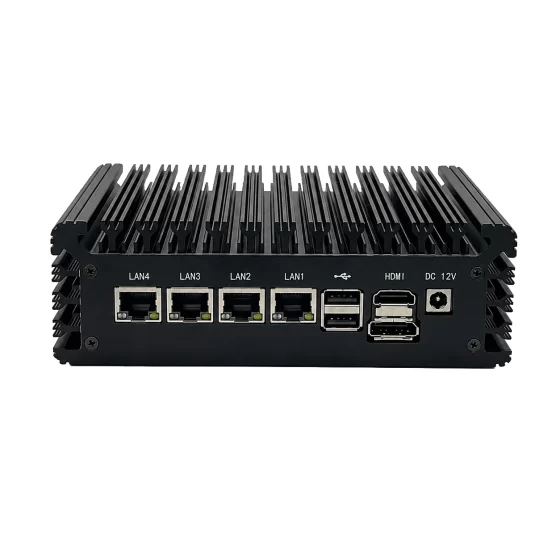
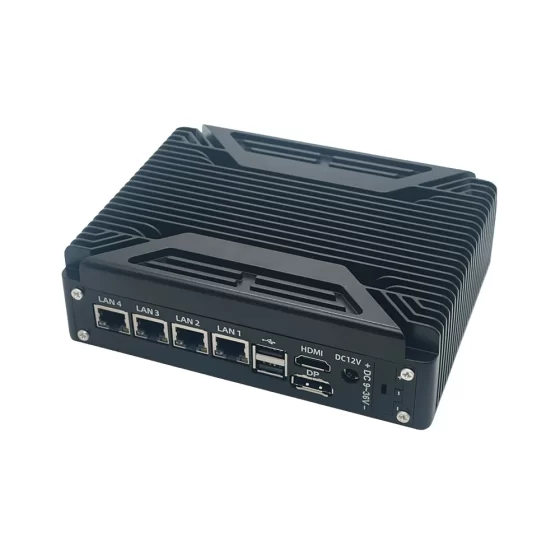
- USB 3.0 ポート
- 複数のLANポート
- M.2拡張
- PCIeの拡張
- 高速ストレージ
- HDMI または DisplayPort 出力
- 安定した電源設計
マルチカメラシステム向け, camera traffic may need to be separated from factory network communication.
機器統合用の産業用 I/O
The SMT vision computer must connect with real production equipment.
重要な I/O オプションには次のものがあります。:
- LAN
- USB
- RS232
- RS485
- GPIO
- デジタル入力
- デジタル出力
- HDMI
- ディスプレイポート
これらのインターフェースはカメラをサポートできます, バーコードリーダー, 照明コントローラー, PLC, センサー, プリンター, 試験器具, および生産ネットワーク.
Flexible I/O helps reduce external adapters and improves deployment reliability.
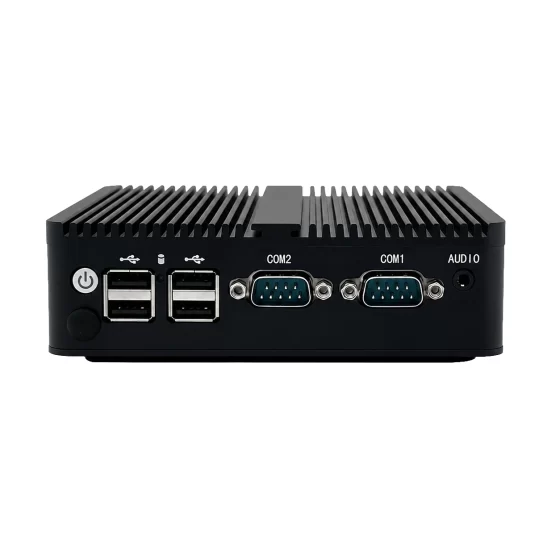
ファンレスでコンパクトな設計
Fanless industrial computers are useful in many SMT environments.
粉塵の侵入を減らし、一般的な機械的故障点を 1 つ除去します。. This is valuable for inspection systems that operate continuously and require low maintenance.
Compact embedded computers are also useful when the system must be installed inside inspection equipment, 制御盤, or production workstations.
熱設計は依然として慎重に検討する必要があります, especially for high-performance vision workloads.
Reliable Storage for Inspection Data
SMT inspection systems may generate many files and records.
The computer may store inspection images, 欠陥画像, バーコードログ, ソフトウェアログ, 生産報告書, およびローカルデータベースファイル.
SSD ストレージは、機械式ドライブよりも応答が速く、耐衝撃性に優れているため、一般的に好まれます。.
画像を大量に使用するアプリケーション向け, 導入前にストレージ容量と書き込み耐久性を確認する必要があります.
Long Lifecycle and System Consistency
SMT production lines often require stable hardware availability.
A long-lifecycle industrial computing platform helps reduce software validation workload, スペアパーツの複雑さ, and maintenance risk.
This is especially important for OEM equipment builders that need repeatable hardware platforms for inspection machines sold to multiple customers.

Fanless industrial computers support reliable SMT vision deployment in inspection cabinets and electronics production lines.
導入シナリオ
自動光学検査
Automated optical inspection is one of the main SMT vision applications.
An industrial computer can process images captured from AOI cameras and help detect missing components, wrong parts, polarity errors, はんだ付け欠陥, or placement issues.
The system can display inspection results locally and upload records to MES or quality databases.
Solder Paste Inspection
Solder paste inspection checks paste volume, area, 身長, 位置, and printing quality before component placement.
A machine vision computer can process SPI image data and connect inspection results with process control systems.
This helps identify printing problems earlier and reduce downstream defects.
PCB バーコードおよび QR コード認識
PCB traceability often begins with barcode, QR code, or Data Matrix recognition.
An embedded computer can process camera images and read codes on PCBs, パネル, トレイ, or labels.
The recognized data can be linked with work orders, 検査結果, テスト記録, およびパッケージ情報.
Component Presence and Orientation Verification
SMT vision systems can verify whether components are present, correctly oriented, and placed in the expected position.
This is useful for detecting missing parts, reversed components, shifted components, and incorrect assembly conditions.
The industrial computer processes images and sends results to the inspection software or production system.
修理および再加工ステーション
Repair stations need access to defect information and production records.
An industrial computer can display AOI results, show defect images, record repair actions, scan PCB IDs, and update repair status.
これにより、検査間のループを閉じることができます。, 修理, and final quality validation.
Test Station Data Integration
ICT, FCT, and other electronics test stations generate important quality data.
A machine vision computer may also connect barcode recognition, 試験装置, and MES software to ensure each test result is linked with the correct PCB or product.
This improves data consistency across inspection and testing workflows.
Final Label and Packaging Verification
出荷前, products may require label verification, バーコード認識, 梱包検査, and final quality confirmation.
An industrial computer can process label images, verify codes, 結果を保存する, and send data to MES, WMS, または品質システム.
This helps reduce shipment errors and improves traceability.
ビジネス上のメリット
検査の信頼性向上
A stable SMT vision computer helps inspection systems operate consistently across production shifts.
Reliable computing hardware reduces missed image capture, 処理の遅延, software instability, and communication interruptions.
This supports more consistent quality control and production feedback.
Stronger PCB Traceability
Traceability depends on accurate data collection at each process step.
Industrial computers help link PCB IDs, 検査結果, 欠陥画像, テスト記録, repair actions, タイムスタンプ, そして駅情報.
This supports customer audits, 品質調査, 保証分析, そして継続的な改善.
手作業による検査作業の軽減
Manual inspection can be slow and inconsistent.
Machine vision systems automate many inspection and verification tasks. Industrial computers process images and connect results with production systems.
This reduces operator workload and improves inspection consistency across shifts.
Faster Defect Feedback
SMT defects should be detected as early as possible.
When inspection data is processed near the line, engineers can identify printing problems, placement issues, はんだ付け欠陥, or barcode errors faster.
Early feedback helps reduce rework and prevents defects from moving downstream.
より良いプロセス改善
Inspection data can reveal process trends.
メーカーは再発する欠陥を分析できる, マシンのパフォーマンス, solder paste issues, component placement accuracy, そして修理頻度.
A reliable industrial computer helps ensure that the data used for analysis is complete and consistent.
Scalable SMT Line Deployment
A standardized industrial computing platform can be deployed across multiple SMT lines, 検査ステーション, そして工場.
これにより、ソフトウェア イメージの管理が簡素化されます。, スペアパーツの計画, ドライバーの検証, メンテナンストレーニング, および長期的な技術サポート.
For equipment builders and electronics manufacturers, scalable hardware planning reduces project risk.
CoreIPC を選ぶ理由
CoreIPC はマシンビジョン用の産業用コンピューティング プラットフォームを提供します, 電子機器製造, ファクトリーオートメーション, および組み込みシステムの統合. For smt vision computer applications, CoreIPC は信頼性の高い産業用 PC ハードウェアに重点を置いています, 組み込みコンピュータソリューション, 柔軟な I/O 構成, コンパクトなシステム設計, OEM/ODMカスタマイズサポート. CoreIPC はシステム インテグレーターを支援します, SMT equipment builders, and electronics manufacturers select computing platforms that match real inspection requirements, カメラインターフェースを含む, I/O構成, 取り付け方法, 電源入力, 熱設計, ストレージのニーズ, およびライフサイクル計画.
よくある質問
1. What is an SMT vision computer?
An SMT vision computer is an industrial computer used to support machine vision tasks in surface mount technology production.
カメラ画像を処理できる, run AOI or SPI software, read PCB barcodes, verify components, PLCと通信する, and upload inspection results to MES or quality systems. It is designed for factory environments where reliability, I/O の柔軟性, 継続的な運用が重要.
2. Why use an industrial computer for SMT vision systems?
SMT vision systems often run near production lines, 検査機, コンベア, and test stations.
An industrial computer is more suitable than an office PC because it supports rugged installation, 安定した熱設計, 産業用I/O, カメラの接続, 長いライフサイクルの展開. These features help inspection systems remain reliable during continuous electronics manufacturing.
3. How is an embedded computer used in SMT inspection?
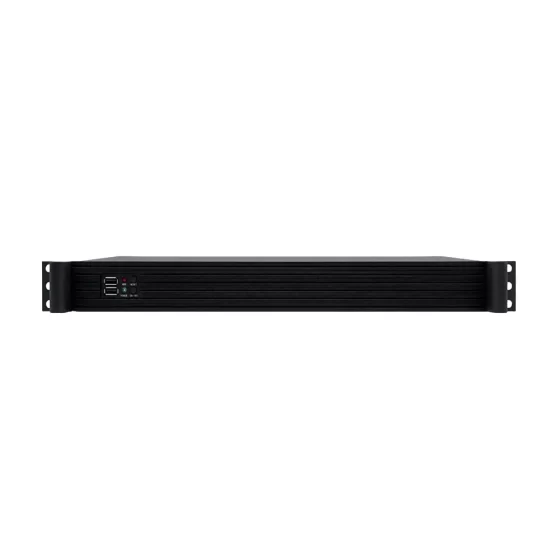
An embedded computer can be installed inside AOI equipment, SPI machines, 修理ステーション, 制御盤, or compact inspection systems.
画像を取得できる, 工程検査結果, read barcode data, PLCと通信する, and send records to MES systems. Its compact size makes it useful for OEM equipment and space-limited SMT line installations.
4. What interfaces are important for an SMT vision computer?
重要なインターフェイスには USB が含まれる場合があります 3.0, 複数のLANポート, RS232, RS485, GPIO, HDMI, ディスプレイポート, M.2, およびPCIe拡張.
USB and LAN ports are commonly used for cameras and peripherals. GPIO or serial ports may support triggers, 照明コントローラー, センサー, PLC, および生産設備. Display outputs are useful for local monitoring.
5. Can SMT vision computers support AOI systems?
はい. SMT vision computers can support AOI systems when selected according to camera resolution, カメラの数, inspection software workload, and production speed.
Simple AOI stations may use compact embedded computers, while high-resolution or multi-camera systems may require more powerful industrial PCs. Real production testing is important before final selection.
6. How does an SMT vision computer support traceability?
The computer links inspection results with PCB serial numbers, 作業命令, 欠陥画像, タイムスタンプ, 駅情報, and repair records.
このデータは MES または品質システムにアップロードできます. Complete traceability helps electronics manufacturers investigate defects, 顧客監査をサポートする, analyze process trends, and improve production quality.
7. Is a fanless industrial PC suitable for SMT vision applications?
A fanless industrial PC can be suitable for many SMT vision applications, 特にメンテナンスの手間がかからず、粉塵の削減が重要な場合.
しかし, vision workloads may generate significant heat. The final selection should consider processor performance, カメラ数, 筐体設計, 周囲温度, 取り付け位置, and available airflow.
8. What storage is needed for SMT inspection systems?
ストレージ要件は、システムがログのみを保存するか、検査画像や欠陥記録も保存するかによって異なります。.
SSD storage is usually preferred because it provides fast response and better shock resistance. 多くの画像を保存するシステム向け, ストレージ容量, 書き込み耐久性, バックアップ戦略は慎重に検討する必要があります.
9. Can SMT vision computers connect to MES systems?
はい. Industrial computers can send inspection data to MES systems through factory networks, データベース, ミドルウェア, or software interfaces.
Uploaded data may include PCB IDs, 検査結果, 欠陥カテゴリ, 画像, タイムスタンプ, 駅情報, and repair status. This helps connect inspection workflows with production traceability.
10. What should be tested before deploying an SMT vision computer?
導入前, コンピュータは実際のカメラでテストする必要があります, 検査ソフトウェア, 照明コントローラー, PLC通信, バーコードリーダー, ストレージのワークロード, MES接続, and production cycle time.
長時間にわたる安定性と熱性能もテストする必要があります. This helps confirm that the system can operate reliably in actual SMT production.
結論
A smt vision computer is a critical hardware foundation for automated optical inspection, はんだペースト検査, PCB barcode recognition, コンポーネントの検証, repair tracking, and quality data integration.
By placing industrial computing hardware close to SMT lines, カメラ, 照明コントローラー, PLC, バーコードシステム, および検査装置, electronics manufacturers can process inspection data locally and connect results with MES and quality systems.
実際のアプリケーション要件に応じて、適切な産業用コンピュータまたは組み込みコンピュータを選択する必要があります。, カメラインターフェースを含む, 処理ワークロード, I/O構成, ストレージ容量, ネットワーク設計, 取付方法, 電源入力, 熱条件, オペレーティング システムの互換性, およびライフサイクル計画.
CoreIPC supports SMT vision computer projects with industrial computing platforms designed for practical electronics manufacturing deployment. 適切なハードウェア基盤があれば, メーカーや機器ビルダーは検査の信頼性を向上させることができます, トレーサビリティの強化, 手動の作業負荷を軽減する, and build scalable SMT quality control systems.
お問い合わせ
産業用コンピュータを探しています, 組み込みコンピュータ, or industrial motherboard for an SMT machine vision system?
プロジェクトの要件については、CoreIPC にお問い合わせください。, カメラインターフェースを含む, 検査作業量, I/O構成, MESの統合, 取付方法, 電源入力, 動作環境, ライフサイクルのニーズ, および OEM/ODM カスタマイズ オプション.