CoreIPC 産業用コンピューティング ソリューション

医薬品検査用AIコンピューター: 確実な品質管理を実現する医薬品検査コンピュータ
エグゼクティブサマリー
A pharmaceutical inspection computer provides the industrial computing foundation for AI-based visual inspection, 欠陥検出, 梱包確認, ラベルチェック, シリアル化のサポート, 医薬品製造における品質データの収集.
医薬品製造には錠剤全体の一貫した検査が必要, カプセル, バイアル, アンプル, 注射器, ブリスターパック, ボトル, カートン, ラベル, そして最終梱包. 小さな視覚的欠陥でも, 間違ったラベル, 不足しているコード, 破損したシール, または梱包ミスが重大な品質および運用上のリスクを引き起こす可能性があります.
産業用カメラを活用したAI検査システム, 点灯, センサー, マシンビジョンソフトウェア, AI推論モデル, および産業用コンピューティング ハードウェアを使用すると、手動による方法だけよりも一貫して製品とパッケージを検査できます。.
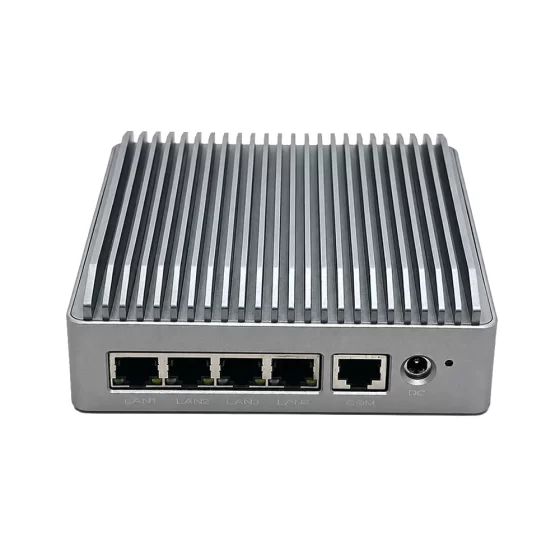
産業用コンピューターまたは組み込みコンピューターがローカル AI 処理プラットフォームとして機能します. 画像データを受信します, AI または視覚検査ソフトウェアを実行する, PLCおよび自動化システムと通信します, 検査記録を保管する, 結果を MES にアップロードします, 品質システム, または実稼働データベース.
標準的な商用 PC との比較, 産業用コンピュータの信頼性が向上, 柔軟な I/O, 頑丈な機械設計, ファンレスオプション, 安定したネットワーク, 長いライフサイクルのサポート. These features are important when inspection systems operate near filling lines, blister packaging machines, labeling equipment, serialization stations, and automated packaging lines.
This article explains how AI computers support pharmaceutical inspection, 実際の導入ではどのような課題が発生するか, ソリューション アーキテクチャの仕組み, and which hardware features matter most for reliable pharma quality control.

Industrial computers process camera images for pharma quality inspection, 梱包確認, ラベルチェック, とトレーサビリティ.
業界の概要
Pharmaceutical Manufacturing Requires Strict Inspection
Pharmaceutical manufacturing depends on product consistency, packaging accuracy, label correctness, and complete production records.
Inspection may occur at multiple stages, including raw material handling, filling, 封印, blister packaging, ラベリング, コーディング, cartoning, and final packaging verification.
Common inspection targets include:
- Tablet shape and color
- Capsule surface defects
- Vial fill level
- Ampoule cracks
- Syringe assembly
- Blister pack completeness
- Bottle cap and seal condition
- Label position
- Barcode and QR code readability
- Date code and batch code accuracy
- Carton print quality
- Final package verification
A pharmaceutical inspection computer helps process image data and connect inspection results with production records.
Why AI Is Used in Pharma Inspection
Traditional rule-based vision systems can work well for fixed and clearly defined inspection tasks.
しかし, pharmaceutical products and packaging can show variation in reflection, material surface, 印刷品質, 透明な容器, liquid level, tablet appearance, and package geometry.
AI inspection can help identify complex visual patterns and classify abnormalities that may be difficult to define with simple thresholds.
AI-based pharmaceutical inspection may support:
- 欠陥検出
- Product presence verification
- Fill-level checking
- シール検査
- ラベルの検証
- Print and code inspection
- Packaging completeness checks
- Foreign object detection support
- Appearance classification
- Traceability data capture
AI は適切なカメラに代わるものではありません, 点灯, そして機械設計. It depends on stable image acquisition and reliable industrial computing hardware.
インダストリアル コンピューティングはローカル AI 基盤です
Pharmaceutical inspection systems often need fast local decisions.
すべての画像をリモート サーバーに送信すると、遅延が増加する可能性があります, ネットワーク負荷, 集中化されたインフラストラクチャへの依存. Local industrial computers allow image processing and AI inference to happen near the inspection station.
An AI inspection computer can connect cameras, 照明コントローラー, センサー, PLC, コンベア, 拒否メカニズム, バーコードリーダー, プリンター, および工場ネットワーク.
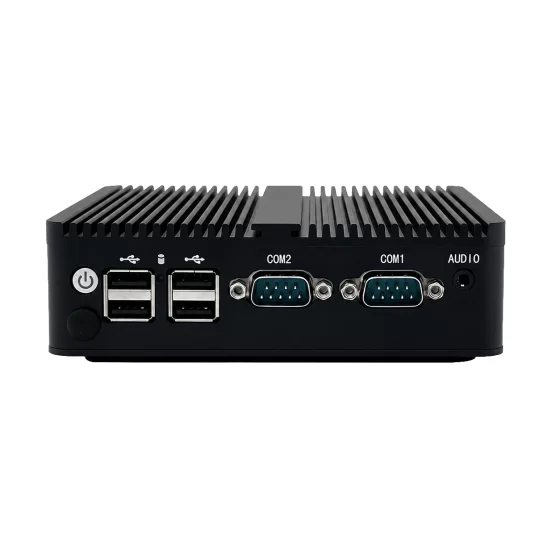
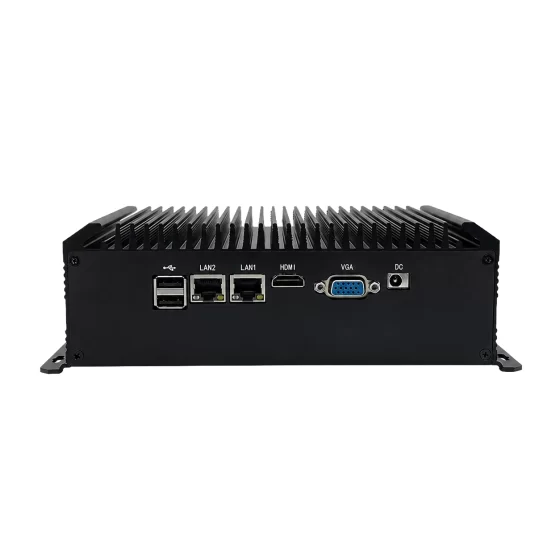
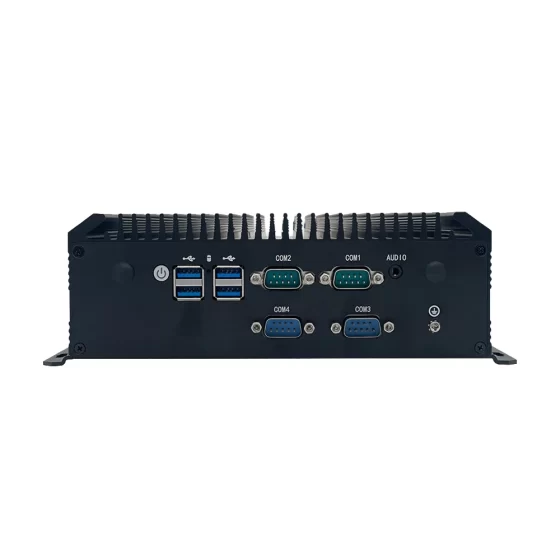
Embedded computers are useful when inspection hardware must be installed inside packaging machines, labeling equipment, inspection cabinets, or OEM pharma equipment.

Transparent containers, 反射包装, curved labels, small codes, 点灯, and product variation affect inspection reliability.
主要な課題
Product and Packaging Variation
Pharmaceutical inspection is difficult because products and packaging can vary in many ways.
Tablets may differ slightly in color or surface texture. Capsules may reflect light differently. Vials and ampoules may be transparent. Blister packs may include glossy foil. Labels may wrinkle or shift during application.
一般的な検査の課題には次のものがあります。:
- Low-contrast defects
- Reflective packaging surfaces
- Transparent containers
- Curved bottle labels
- Small printed codes
- Variable tablet appearance
- Liquid level visibility
- Seal edge inspection
- Fast conveyor movement
- Packaging deformation
The inspection computer must process images reliably under real production conditions.
High-Speed Inspection Requirements
Pharmaceutical packaging and filling lines can operate at high speed.
Inspection systems must capture images, プロセスデータ, 結果を分類する, and send pass or fail signals quickly enough to match production timing.
重要なワークロード要因には次のものがあります。:
- カメラの解像度
- カメラの数
- Line speed
- AI モデルの複雑さ
- Image processing cycle time
- リジェクトメカニズムのタイミング
- ローカル画像ストレージ
- Database upload requirements
- ユーザーインターフェイスの応答性
短期間のピークパフォーマンスよりも、安定した持続的なパフォーマンスが重要です.
照明と画質
Lighting is critical in pharmaceutical inspection.
Transparent vials, glossy blister packs, reflective foil, ペットボトル, glass surfaces, and curved labels can create glare, 影, distortion, またはコントラストが低い.
画質が悪いと検査精度が低下し、誤検知が増加する可能性があります.
A reliable system requires careful coordination between cameras, レンズ, 点灯, 取り付け, トリガー, ソフトウェア, およびコンピューティングハードウェア.
産業用コンピュータは、必要に応じて安定したカメラの取得と照明制御をサポートする必要があります.
生産設備との統合
Pharmaceutical inspection systems must connect with real production equipment.
AI 検査コンピュータは PLC と通信する必要がある場合があります, 充填機, capping equipment, blister packaging machines, ラベラー, cartoners, プリンター, スキャナー, 拒否メカニズム, および工場データベース.
A practical pharmaceutical inspection computer may need:
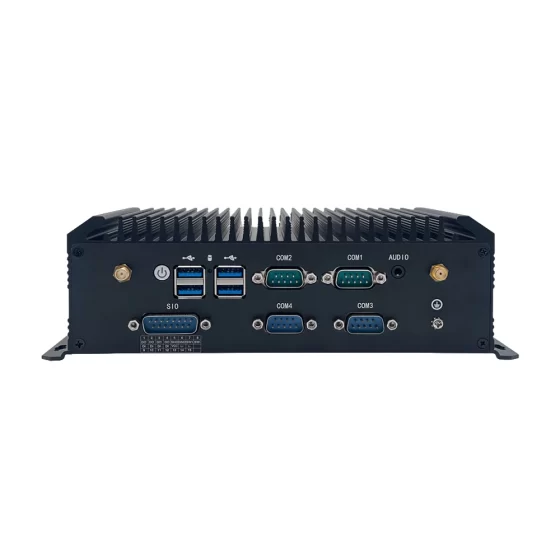
- LAN
- USB
- RS232
- RS485
- GPIO
- デジタル入力
- デジタル出力
- 表示出力
- 拡張インターフェース
適切な産業用 I/O がない場合, integration becomes more complex and less reliable.
Traceability and Inspection Records
Pharmaceutical inspection data often needs to be connected with batch records, プロダクトID, 検査画像, タイムスタンプ, ステーションID, およびパッケージデータ.
Incomplete inspection records can reduce the value of quality analysis and make investigation more difficult.
The inspection computer must support reliable data handling, ローカルストレージ, and communication with MES or quality systems.

Industrial computers connect pharma inspection cameras, 自動化装置, 包装機, MES, と工場の品質システム.
Pharmaceutical Inspection Computer Solution Architecture
画像およびセンサー取得層
The acquisition layer captures the raw inspection data.
このレイヤーには産業用カメラが含まれる場合があります, レンズ, 照明モジュール, トリガーセンサー, バーコードリーダー, print inspection cameras, fill-level sensors, および生産センサー.
Depending on the inspection task, システムがキャプチャする可能性があります:
- Tablet images
- Capsule images
- Vial images
- Syringe images
- Blister pack images
- Bottle and cap images
- ラベル画像
- バーコードまたはQRコード画像
- 日付コード画像
- Carton package images
一貫した入力品質が不可欠です. AI and machine vision software can only perform reliably when images are clear, 安定した, and repeatable.
産業用 AI コンピューティング層
The industrial AI computing layer is where the pharmaceutical inspection computer performs local processing.
この層では, 産業用コンピュータまたは組み込みコンピュータは、:
- カメラから画像データを受信
- AI推論モデルを実行する
- Run rule-based vision tools
- 欠陥や異常を検出する
- Verify product presence
- Check label and print quality
- 画像とログを保存する
- 合格または不合格の信号を送信する
- PLCと通信する
- データを品質システムにアップロードする
- Display inspection results locally
This edge computing layer allows inspection decisions to happen near the production line.
自動化制御層
The automation control layer connects inspection results with production equipment.
PLC, コンベアコントローラー, filling system, 包装機, または拒否メカニズムが画像キャプチャをトリガーしたり、検査結果を受信したりする可能性があります.
例えば, if a blister pack is missing a tablet or a label code is unreadable, the industrial computer can send a fail signal. The production system may then reject the item or alert an operator.
This closed-loop communication makes AI inspection useful for real production control.
データ管理層
Inspection records must be connected with manufacturing data.
産業用コンピュータは結果を MES に送信する場合があります, 品質管理システム, 本番データベース, または工場のダッシュボード.
検査データには以下が含まれる場合があります:
- プロダクトID
- バッチ番号
- 検査結果
- 欠陥カテゴリ
- 証拠画像
- 信頼スコア
- ステーションID
- タイムスタンプ
- 行番号
- 拒否ステータス
- オペレータのアクション
これによりトレーサビリティがサポートされます, 品質レポート, そしてプロセスの改善.
ユーザーインターフェースとエンジニアリング層
オペレーターとエンジニアは実用的なローカルインターフェースを必要としています.
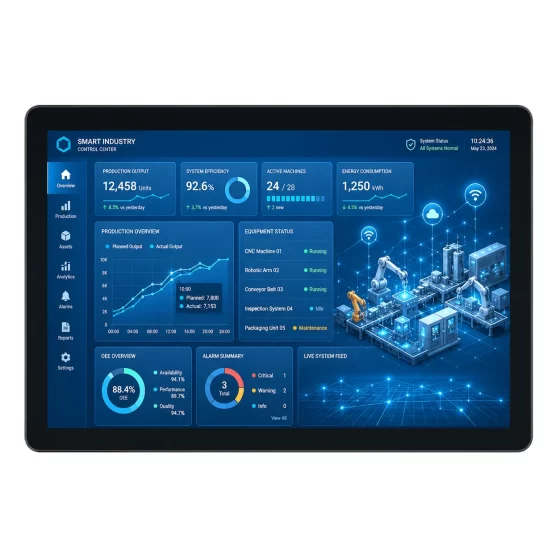
The inspection computer may connect to a monitor, タッチスクリーン, キーボード, またはHMIパネル. インターフェースはライブ画像を表示できます, 欠陥箇所, 検査状況, 拒否カウント, アラーム, モデルステータス, およびシステムログ.
A clear interface helps engineers adjust inspection settings, review failed products, 検査の問題を迅速に解決します.
主な特長
AI推論パフォーマンス
Pharmaceutical inspection AI systems require stable local processing performance.
検査タスクが異なれば、必要なコンピューティング レベルも異なります. A simple barcode verification station may use a compact embedded computer. A multi-camera blister pack inspection or AI defect detection system may require a more powerful industrial PC or edge AI platform.
選択は考慮すべきです:
- AI モデルの複雑さ
- カメラの解像度
- カメラの数
- 必要なフレームレート
- 検査サイクルタイム
- ストレージのワークロード
- ソフトウェアフレームワーク
- CPU, GPU, または AI アクセラレータのニーズ
The hardware should be selected according to real inspection workload, 一般的な仕様だけでなく.
カメラおよびビジョンインターフェイスのサポート
Pharmaceutical inspection depends on reliable image acquisition.
The computing platform should support the required camera interfaces and bandwidth. USB およびギガビット イーサネット カメラは、多くの産業用ビジョン システムで一般的です.
便利なハードウェア機能には次のものがあります。:
- USB 3.0
- 複数のLANポート
- PCIeの拡張
- M.2拡張
- HDMI または DisplayPort
- 高速SSDのサポート
- 安定した電源設計
マルチカメラシステム向け, カメラのトラフィックを工場のネットワーク トラフィックから分離する必要がある場合があります.
生産統合のための産業用 I/O
The inspection computer must connect with production equipment and peripheral devices.
重要な I/O オプションには次のものがあります。:
- LAN
- USB
- RS232
- RS485
- GPIO
- デジタル入力
- デジタル出力
- HDMI
- ディスプレイポート
これらのインターフェースはカメラをサポートできます, スキャナー, プリンター, 照明コントローラー, PLC, コンベア, アラーム, 拒否メカニズム, および包装設備.
柔軟な I/O により外部コンバータが削減され、導入の信頼性が向上します.
ファンレスで堅牢な設計
Fanless industrial computers are useful in many pharma inspection applications.
粉塵の侵入を減らし、一般的な機械的故障点を 1 つ除去します。. This can support lower maintenance in continuous production environments.
頑丈な筐体がコンピューターを振動から保護します。, ケーブルストレス, およびキャビネットの設置条件.
高性能 AI ワークロード向け, thermal design must be reviewed carefully to ensure stable long-term operation.
画像と検査記録の保管
Pharmaceutical inspection systems may generate many files and records.
コンピューターには欠陥画像が保存される場合があります, product images, 検査記録, モデルファイル, 生産報告書, およびローカルデータベース.
SSD ストレージは機械式ドライブよりも応答が速く、耐衝撃性に優れているため、一般的に好まれます。.
画像を大量に使用するアプリケーション向け, ストレージ容量, 書き込み耐久性, 保存ポリシー, and backup planning should be reviewed during system design.
長いライフサイクルと保守性
Pharmaceutical inspection equipment may stay in service for many years.
コンピューターのモデルが頻繁に変更される, ドライバー, ポート, or expansion options can increase validation and maintenance workload.
ライフサイクル計画を備えた産業用コンピューティング プラットフォームは、システム インテグレータを支援します, 機器ビルダー, and manufacturers maintain consistent inspection systems across multiple lines and equipment generations.

Fanless industrial computers support reliable pharma inspection deployment in production cabinets and inspection machines.
導入シナリオ
Tablet and Capsule Inspection
AI vision systems can inspect tablet and capsule appearance.
The system may check shape, 色, coating condition, ひび割れ, チップ, 汚染, size variation, or missing products.
An industrial computer processes images locally and sends inspection results to production or quality systems.
Vial and Ampoule Inspection
Vials and ampoules may require inspection for fill level, cap condition, ひび割れ, 粒子, ラベルの位置, and printed codes.
The inspection computer can process images from multiple cameras and communicate with PLCs or reject mechanisms.
This supports automated quality control on filling and packaging lines.
Syringe and Medical Device Packaging Inspection
Syringe-related inspection may include plunger position, cap condition, label quality, package presence, and assembly verification.
An embedded computer can be installed near the inspection station or inside OEM equipment to process images and upload records.
Blister Pack Inspection
Blister packaging inspection is one of the most common pharmaceutical vision applications.
The system can check whether each cavity contains the correct product, whether tablets are damaged, whether packaging is complete, and whether foil or printed information is correct.
The industrial computer processes images and sends pass or fail results to the packaging line.
Bottle Cap and Seal Inspection
Bottle packaging may require cap, seal, ラベル, and fill-level inspection.
A vision system can verify whether the cap is present, properly positioned, and visually acceptable.
The inspection computer can store results and connect inspection data with batch and packaging records.
Label and Code Verification
Pharmaceutical packaging often requires accurate labels, バーコード, QRコード, バッチ番号, and date codes.
ビジョンシステムはラベルが存在することを確認できます, 読める, 正しく配置された, and linked to the correct product.
The industrial computer can connect recognition results with production databases and traceability systems.
Carton and Final Package Inspection
Final packaging inspection may check cartons, inserts, ラベル, シール, バーコード, 製品数, and package completeness.
An AI inspection computer can process images, verify packaging rules, and send results to quality systems or reject mechanisms.
This helps reduce packaging errors before shipment.
OEM Pharma Inspection Equipment
Machine builders can integrate embedded computers or industrial motherboards into pharma inspection equipment.
The computing platform can provide AI processing, 画像取得, HMIディスプレイ, PLC通信, 拒否制御, ローカルストレージ, そしてデータ出力.
This helps OEMs deliver inspection systems ready for factory integration.

Pharmaceutical inspection systems improve defect review, ラベルの検証, トレーサビリティ, 品質監視, and packaging inspection.
ビジネス上のメリット
検査の一貫性の向上
AI inspection helps improve consistency across production shifts.
Industrial computers process images using defined vision rules or AI models. 手作業による判断への依存を軽減し、安定した検査性能を維持します。.
Consistent inspection is especially important for repetitive high-speed production tasks.
手作業による検査作業の軽減
Manual inspection can be repetitive and difficult to sustain at high speed.
AI 検査プラットフォームは多くの目視検査タスクを自動化します, allowing operators and engineers to focus on exceptions, equipment setup, そしてプロセスの改善.
This can improve efficiency while reducing missed defects caused by fatigue.
品質に関する意思決定を迅速化
Local image processing allows inspection decisions to happen near the production line.
The industrial computer can classify defects and send pass, 失敗, or reject results to PLCs quickly.
This helps remove defective products earlier and supports smoother production flow.
より強力なトレーサビリティ
Inspection results can be linked with product IDs, バッチ番号, 欠陥カテゴリ, 画像, タイムスタンプ, 駅情報, およびパッケージデータ.
This creates stronger quality records for pharmaceutical production.
Reliable traceability supports quality analysis, プロセスレビュー, そして生産責任.
より良いプロセス改善
Pharmaceutical inspection systems generate useful quality data.
メーカーは再発する欠陥を分析できる, packaging errors, label issues, reject patterns, プロセスの変動.
Reliable industrial computing hardware helps ensure that this data is collected consistently and connected with factory systems.
Scalable Inspection Deployment
A standardized industrial computing platform makes it easier to deploy pharma inspection systems across multiple lines and factories.
一貫したハードウェアによりソフトウェア イメージが簡素化されます, ドライバー管理, スペアパーツの計画, メンテナンストレーニング, および長期的な技術サポート.
This supports scalable quality control and digital manufacturing development.
CoreIPC を選ぶ理由
CoreIPC はマシンビジョン用の産業用コンピューティング プラットフォームを提供します, エッジAI, ファクトリーオートメーション, および組み込みシステムの統合. For pharmaceutical inspection computer applications, CoreIPC は信頼性の高い産業用コンピューター ハードウェアに重点を置いています, 組み込みコンピュータソリューション, 柔軟な I/O 構成, コンパクトなシステム設計, OEM/ODMカスタマイズサポート. CoreIPC はシステム インテグレーターを支援します, 検査装置メーカー, and pharmaceutical manufacturers select computing platforms that match real deployment requirements, カメラインターフェースを含む, AI ワークロード, オートメーションコミュニケーション, 取り付け方法, 電源入力, 熱設計, ストレージのニーズ, およびライフサイクル計画.
よくある質問
1. What is a pharmaceutical inspection computer?
A pharmaceutical inspection computer is an industrial computer used to process images and inspection data in pharma production.
It can connect to cameras, 照明コントローラー, スキャナー, PLC, 包装機, と品質システム. It may run AI inspection software, 欠陥を検出する, ラベルを検証する, 検査記録を保管する, and upload results to production databases.
2. Why use an industrial computer for pharma inspection?
Pharma inspection systems often run near filling lines, 包装機, コンベア, ラベラー, および検査ステーション.
産業用コンピュータは連続稼働をサポートするため、オフィス用 PC よりも適しています。, 産業用I/O, 頑丈な設置, 安定したネットワーク, ファンレスオプション, 長いライフサイクルの展開.
3. How is an embedded computer used in pharmaceutical inspection?
組み込みコンピュータを検査機内に設置可能, 制御盤, labeling systems, blister packaging equipment, or compact vision stations.
カメラ画像を処理できる, 検査ソフトウェアを実行する, PLCと通信する, 記録を保存する, 結果を工場システムに送信します. Its compact size makes it useful for OEM equipment and space-limited installations.
4. What can AI inspect in pharmaceutical manufacturing?
AI inspection can support tablet appearance checking, capsule inspection, blister pack verification, vial inspection, 充填レベルのチェック, cap and seal inspection, ラベルの検証, バーコード読み取り, date code inspection, and final packaging checks.
The exact capability depends on camera setup, 照明デザイン, AIモデルのトレーニング, 製品バリエーション, and production testing.
5. What interfaces are important for pharma inspection computers?
重要なインターフェイスには USB が含まれる場合があります 3.0, 複数のLANポート, RS232, RS485, GPIO, デジタル入力, デジタル出力, HDMI, ディスプレイポート, M.2, およびPCIe拡張.
カメラインターフェイスは画像取得に重要です. 産業用 I/O は PLC 通信にとって重要です, 照明制御, トリガーセンサー, プリンター, スキャナー, コンベア, そして拒否メカニズム.
6. Is a fanless industrial computer suitable for pharma inspection?
A fanless industrial computer can be suitable for many pharma inspection applications because it reduces dust intake and removes one mechanical failure point.
しかし, AI workloads and multi-camera systems may generate significant heat. プロセッサーのパフォーマンス, キャビネットのエアフロー, 周囲温度, 最終的なハードウェアを選択する前に、取り付け方法を検討する必要があります。.
7. How does pharma inspection support traceability?
Inspection systems support traceability by connecting results with product IDs, バッチ番号, タイムスタンプ, ステーションID, 欠陥カテゴリ, ラベルデータ, バーコード値, そして画像記録.
このデータは MES にアップロードできます, 品質システム, または実稼働データベース. Complete records help manufacturers analyze quality issues and improve process control.
8. Can pharmaceutical inspection computers connect to MES systems?
はい. Industrial computers can send inspection data to MES, 高品質のデータベース, または本番ダッシュボード.
アップロードされたデータには製品 ID が含まれる場合があります, バッチ番号, 検査結果, 欠陥カテゴリ, 画像, タイムスタンプ, line information, and reject status. This helps connect inspection workflows with production records.
9. What should be tested before deploying a pharma inspection computer?
導入前, システムは実際の製品でテストする必要があります, actual packaging, プロダクション照明, real line speed, カメラの解像度, 検査ソフトウェア, PLC通信, リジェクトタイミング, ストレージのワークロード, およびネットワーク状況.
生産リスクを軽減するには、長期にわたる安定性と熱性能もテストする必要があります。.
10. Can AI inspection replace manual pharma inspection completely?
AI 検査は、多くの反復的な目視検査タスクを自動化できます, しかし、それは慎重に導入する必要があります.
Some inspection cases may still require human review, especially during validation, 例外処理, or unusual defect analysis. 多くの工場では, AI inspection works best as a consistent automated inspection layer that supports operators and quality teams.
結論
A pharmaceutical inspection computer is a practical foundation for AI-based visual inspection, 梱包確認, 欠陥検出, ラベルチェック, トレーサビリティ, および生産品質管理.
産業用コンピューティング ハードウェアをカメラの近くに配置することにより、, 照明システム, センサー, PLC, コンベア, 包装機, そして拒否メカニズム, メーカーは検査データをローカルで処理し、品質問題に迅速に対応できるようになります。.
実際の導入要件に応じて、適切な産業用コンピュータまたは組み込みコンピュータを選択する必要があります。, カメラインターフェースを含む, AI ワークロード, I/O構成, ネットワーク設計, ストレージのニーズ, 取付方法, 電源入力, 熱条件, オペレーティング システムのサポート, およびライフサイクル計画.
CoreIPC supports pharmaceutical inspection computer projects with industrial computing platforms designed for practical factory deployment. 適切なハードウェア基盤があれば, pharmaceutical manufacturers and equipment builders can build more reliable, スケーラブルな, and data-driven inspection systems.
お問い合わせ
産業用コンピュータを探しています, 組み込みコンピュータ, or industrial motherboard for pharma inspection?
プロジェクトの要件については、CoreIPC にお問い合わせください。, カメラインターフェースを含む, AI ワークロード, I/O構成, オートメーションコミュニケーション, 取付方法, 電源入力, 動作環境, ライフサイクルのニーズ, および OEM/ODM カスタマイズ オプション.