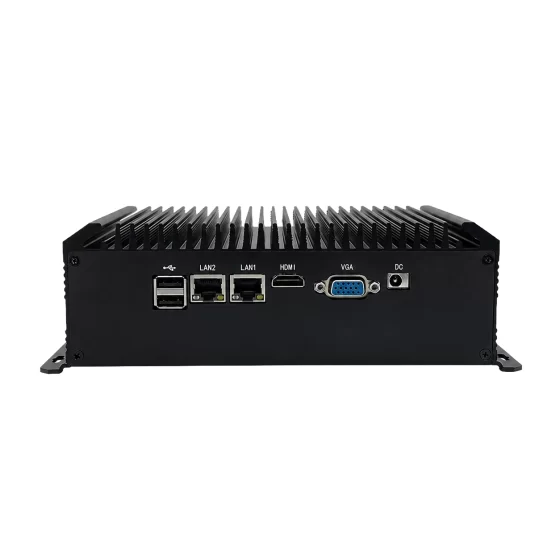
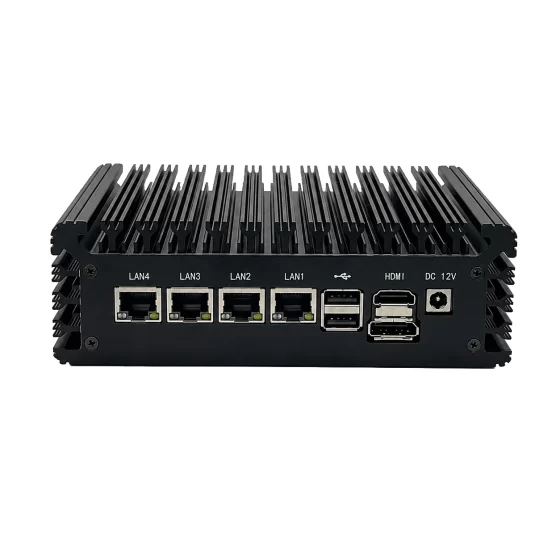
CoreIPC 産業用コンピューティング ソリューション

バーコード認識用ビジョンシステム: 信頼性の高い産業用識別のためのバーコードビジョンシステム
エグゼクティブサマリー
A barcode vision system is an important part of modern industrial identification, 生産トレーサビリティ, 物流の自動化, と品質管理.
製造環境において, バーコードは商品を識別するために使用されます, コンポーネント, カートン, パレット, ツール, 材料, および処理記録. しかし, 工場現場でのバーコード認識は、多くの場合、オフィスでの単純なスキャンよりも複雑です。. 曲面にコードが印刷される場合がある, 金属部品, ラベル, プラスチック包装, プリント基板, ボックス, または製品の移動. 粉塵の影響を受けることもあります, まぶしさ, 振動, 照明が悪い, 低コントラスト, またはモーションブラー.
産業用カメラを組み合わせた信頼性の高いバーコードビジョンシステム, 点灯, 画像処理ソフト, 安定した産業用コンピューティング ハードウェア. 産業用コンピュータまたは組み込みコンピュータは、ローカル処理プラットフォームとして機能します。. 画像データをキャプチャします, 認識ソフトウェアを実行する, 生産設備に接続する, MES または WMS プラットフォームと通信します, and stores inspection records when required.
メーカー向け, システムインテグレーター, およびOEM機器ビルダー, selecting the right industrial computer is essential. The system must support camera interfaces, stable processing, 産業用I/O, ネットワーク通信, 連続運転, and practical deployment near production lines.
This article explains how barcode vision systems work in industrial environments, what challenges appear during deployment, ソリューション アーキテクチャがどのように構成されているか, and which hardware features are important for reliable barcode recognition.
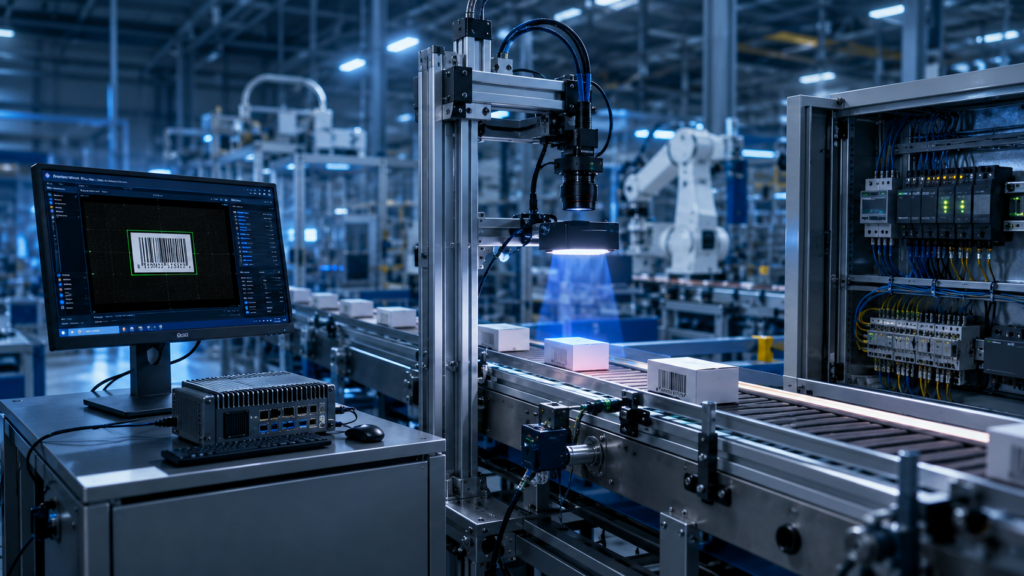
Vision systems read barcodes automatically on moving products and production lines.
業界の概要
Barcode Recognition Is Central to Industrial Traceability
Barcode recognition is widely used in manufacturing, 梱包, ロジスティクス, 倉庫保管, そして品質検査.
In production environments, each barcode may represent a product serial number, material batch, work order, process route, test record, or shipment label. When a code is read correctly, the system can link physical goods with digital records.
This supports:
- 製品のトレーサビリティ
- Material tracking
- Production routing
- 品質管理
- Warehouse management
- 梱包の検証
- Shipping confirmation
- Anti-mixing control
- Process error prevention
As factories become more digital, barcode recognition is no longer an isolated scanning task. It is part of a larger industrial data workflow.
Why Vision-Based Barcode Recognition Is Used
Handheld scanners and fixed laser scanners are still used in many applications, but vision-based barcode recognition offers more flexibility.
A barcode vision system can inspect multiple codes in one image, read codes on moving products, verify label position, detect print defects, and capture image evidence for quality records.
It can also recognize different code types, のような:
- 1D barcodes
- QRコード
- データマトリックスコード
- Printed labels
- Direct part marks
- Carton or package labels
- PCB identification codes
For automated production lines, a vision system can reduce manual scanning and improve consistency.
Industrial Computing Is the Processing Foundation
A barcode vision system needs reliable local computing.
The industrial computer receives image data from cameras, runs recognition algorithms, connects to lighting controllers, receives trigger signals, communicates with PLCs, and sends results to MES, WMS, ERP, または実稼働データベース.
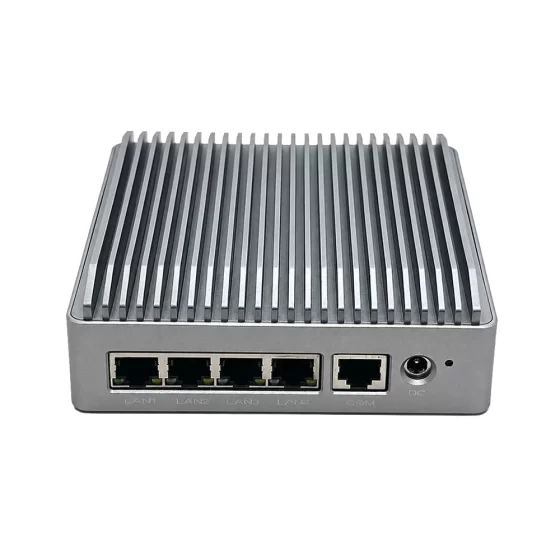
An embedded computer is often used when space is limited or when the system must be installed inside machines, キャビネット, 検査ステーション, またはOEM機器.
オフィスPCとの比較, industrial computers provide better suitability for continuous factory operation, 産業用I/O, 頑丈な設置, 安定したネットワーク, 長期的な展開.

点灯, 表面反射, motion, and barcode quality affect recognition reliability.
主要な課題
Poor Barcode Quality
Barcode quality can vary greatly in real production environments.
Labels may be scratched, しわのある, misaligned, faded, partially covered, or printed with low contrast. Direct part marks may be shallow, reflective, or distorted by surface texture.
A barcode vision system must handle these practical conditions without generating too many false reads or missed reads.
Good camera selection, 照明デザイン, 画像処理, and computing stability are all important.
照明と表面反射
Lighting is one of the most important factors in barcode vision.
Reflective surfaces such as metal, plastic film, glossy packaging, or PCB solder mask can create glare. Dark materials may require stronger illumination. Curved or uneven surfaces may create shadows and distortion.
The vision computer must support stable image acquisition and communicate with lighting controllers when needed.
In many industrial projects, lighting design is just as important as the camera or software.
Motion and Production Speed
Production lines may move quickly.
If products pass through the inspection area at high speed, the system must capture sharp images and process them fast enough to keep up with production.
モーションブラー, trigger delay, camera exposure, image transfer speed, and processing performance all affect recognition reliability.
The industrial computer must provide enough processing capability for the required line speed and image resolution.
Integration with Factory Systems
Barcode recognition results are usually not useful unless they are connected to production systems.
The vision system may need to communicate with:
- PLC
- MESソフトウェア
- WMS プラットフォーム
- ERPシステム
- ラベルプリンター
- 拒否メカニズム
- 警報システム
- 実稼働データベース
- 産業用ネットワーク
This requires reliable industrial I/O and stable network communication.
Continuous Operation in Industrial Environments
Barcode vision systems are often installed directly on production lines.
The computing hardware may operate near conveyors, 包装機, 検査ステーション, ロボット細胞, または制御盤. これらの環境には振動が含まれる可能性があります, ほこり, 熱, 限られた空気の流れ, 電気ノイズ, そして長い営業時間.
A standard commercial PC may work during initial testing, but long-term factory operation requires more stable industrial computing hardware.

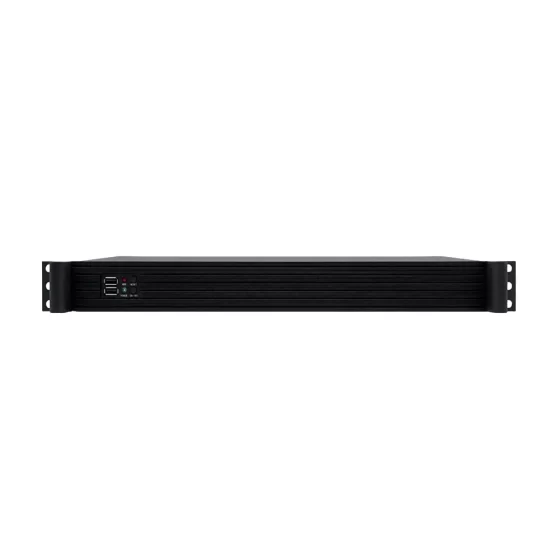
Industrial computers process barcode images and connect recognition results to factory systems.
Barcode Vision System Solution Architecture
Image Capture Layer
The image capture layer includes cameras, レンズ, 点灯, トリガー, および取り付け構造.
The camera captures images of barcodes or marked surfaces. The lens determines field of view, working distance, and image clarity. Lighting improves contrast and reduces reflection. Trigger sensors help capture images at the correct time.
This layer must be designed according to the actual object, barcode size, 表面状態, 回線速度, and installation space.
A barcode vision system usually depends on consistent image quality before software recognition can perform reliably.
産業用コンピューティング層
The industrial computing layer is where the industrial computer or embedded computer performs local processing.
この層では, システムが:
- カメラから画像データを受信
- バーコード認識ソフトウェアを実行する
- Process 1D and 2D code images
- Control lighting or trigger timing
- Compare barcode data with production rules
- Store image records when required
- 合格または不合格の結果を PLC に送信
- Upload data to MES or WMS platforms
- Display status on local HMI screens
This local computing layer allows recognition to happen near the production process, reducing delay and improving system reliability.
Control and Automation Layer
The control layer connects the barcode vision system with production equipment.
A PLC or motion controller may send trigger signals to the industrial computer. After the barcode is recognized, the computer may send results back to the PLC.
例えば, if a product barcode is correct, the line may continue. If the barcode is missing, unreadable, or mismatched, システムがアラームをトリガーする可能性があります, ラインを止める, or activate a reject mechanism.
This closed-loop communication is essential for automated quality control and traceability.
データ管理層
Barcode recognition data often needs to be stored or transferred.
The system may send barcode values, タイムスタンプ, ステーションID, image files, operator information, and inspection results to MES, WMS, ERP, または高品質のデータベース.
This helps manufacturers build complete traceability records.
For some applications, the industrial computer may also store temporary local data when the network is unavailable and upload records after communication recovers.
ユーザーインターフェイス層
Operators and engineers often need a local interface.
産業用コンピュータはモニタに接続できます, タッチスクリーン, キーボード, or panel display. インターフェースはライブ画像を表示できます, recognition status, error messages, camera settings, 生産数, およびシステムログ.
A clear local interface helps maintenance teams adjust the system and respond quickly when barcode recognition problems occur.

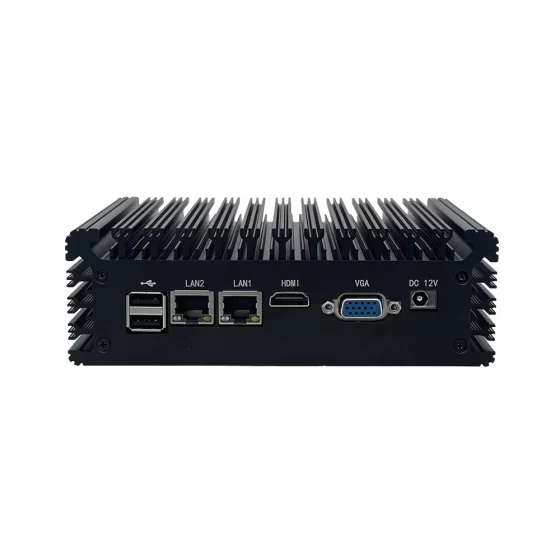
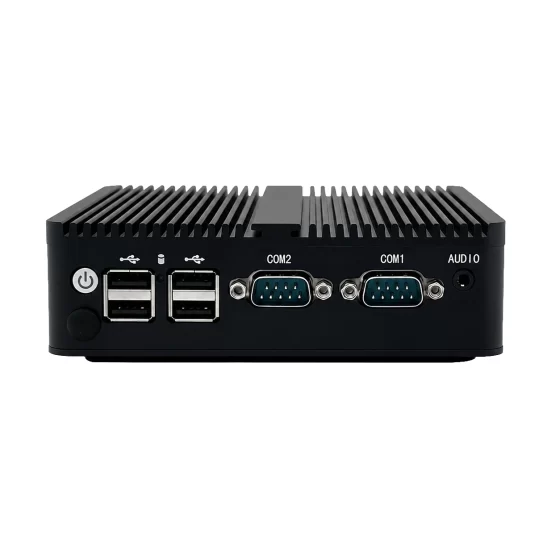
Fanless industrial computers support reliable barcode vision deployment in factory cabinets.
主な特長
安定した画像処理性能
Barcode vision requires stable image processing.
The computer must process camera images, run recognition algorithms, communicate with factory systems, and display results without interruption.
必要な性能は以下によって異なります:
- カメラの解像度
- カメラの数
- Barcode type
- Line speed
- 画像処理の複雑さ
- データベース通信
- Local image storage requirements
For simple single-camera systems, コンパクトな組み込みコンピュータで十分かもしれません. For multi-camera systems or high-speed recognition, より強力な産業用コンピューターが必要になる場合があります.
Industrial Camera and Peripheral Support
The computing platform should support the required camera and peripheral interfaces.
Common interfaces may include:
- USB 3.0
- ギガビットイーサネット
- 複数のLANポート
- シリアルポート
- デジタル I/O
- HDMI または DisplayPort
- M.2拡張
- ミニ PCIe 拡張
USB and Ethernet cameras are common in industrial vision systems. Multiple LAN ports may be useful when separating camera networks from factory communication networks.
Reliable I/O for Automation Integration
Barcode vision systems often need to exchange signals with automation equipment.
The industrial computer may connect to PLCs, センサー, アラーム, 拒否メカニズム, プリンター, or line controllers.
便利な I/O オプションには次のものがあります。:
- RS232
- RS485
- LAN
- USB
- GPIO
- デジタル入力
- デジタル出力
The right I/O configuration reduces the need for external converters and improves deployment reliability.
ファンレスで堅牢な設計
Fanless industrial computers are often suitable for barcode recognition systems.
粉塵の侵入を減らし、一般的な機械的故障点を 1 つ除去します。. This is useful in production environments where systems run continuously and maintenance access may be limited.
A rugged enclosure also helps protect the computing platform from vibration, ケーブルの動き, and installation stress.
Storage for Records and Images
Barcode recognition systems may need local storage.
The computer may store software, ログ, バーコードレコード, failed-read images, 生産報告書, or inspection evidence.
SSD ストレージは機械式ドライブよりも応答が速く、耐衝撃性に優れているため、一般的に好まれます。.
For systems that store many images, storage capacity and write endurance should be reviewed carefully.
Software and Operating System Compatibility
Barcode vision software may run on Windows, Linux, or custom industrial environments.
導入前, the hardware should be validated with camera drivers, 照明コントローラー, recognition software, PLC通信ツール, database connections, リモートメンテナンスツール, およびサイバーセキュリティ設定.
This validation helps reduce integration risk during production rollout.
導入シナリオ
Production Line Barcode Reading
Production line barcode reading is one of the most common applications.
An industrial computer connects to cameras installed above or beside a conveyor. As products pass through the inspection area, the camera captures images and the computer reads the barcode.
The system can verify product identity, route products correctly, and upload records to MES or production databases.
Packaging and Label Verification
Packaging lines often require barcode and label verification.
A barcode vision system can confirm whether the correct label is applied to the correct package. It can also check barcode readability, ラベルの位置, and printed information quality.
If the barcode is missing or unreadable, the system can send a signal to stop the line or reject the product.
PCB and Electronics Traceability
Electronics manufacturing often uses QR codes or Data Matrix codes on PCBs, コンポーネント, トレイ, and packaging.
An embedded computer can process images from cameras installed near SMT lines, テストステーション, 修理ベンチ, or packaging areas.
The system can link barcode data with production steps, コンポーネントのバッチ, 検査結果, そしてテスト記録.
倉庫および物流の自動化
Barcode vision systems are useful in warehouse and logistics applications.
Cameras can read package labels, carton codes, pallet IDs, or shipping barcodes as items move through conveyors or sorting systems.
The industrial computer can send barcode results to WMS or logistics software, helping improve sorting accuracy and shipment tracking.
Robotic Picking and Handling
Robotic systems may use barcode recognition to identify parts, bins, トレイ, or packages.
An industrial computer can process camera images and send recognition results to the robot controller or production system.
This helps robots select the correct item, confirm product identity, and support automated material handling.
Quality Inspection and Anti-Mixing Control
Barcode vision systems can prevent product mix-up.
The system can compare barcode data against the expected work order, production route, or packaging rule. If the code does not match, the system can trigger an alarm or reject action.
This is useful in industries where wrong labeling or mixed products can create quality or compliance risks.
OEM Machine Vision Integration
Machine builders can integrate barcode vision systems into their equipment.
An embedded computer or industrial motherboard can be installed inside the machine to support camera input, 画像処理, HMIディスプレイ, PLC通信, および生産データ出力.
This allows OEM equipment to provide built-in identification and traceability functions.
ビジネス上のメリット
トレーサビリティの向上
A barcode vision system helps manufacturers build reliable traceability records.
By reading barcodes automatically at key production points, the system can link products, 材料, プロセス, 検査結果, そして出荷記録.
This supports quality analysis, 顧客監査, 保証調査, そしてプロセスの改善.
Reduced Manual Scanning
Manual scanning can be slow and inconsistent.
Automated barcode vision reduces operator workload and improves scanning consistency. It is especially useful on fast-moving lines, 包装システム, or areas where products are difficult to scan by hand.
This helps production teams reduce human error and improve workflow efficiency.
品質管理の向上
Barcode vision systems can verify whether a code is present, 読める, and correct.
They can also support label inspection and anti-mixing control. If the wrong product or label appears, the system can trigger alarms or reject mechanisms.
This reduces the risk of incorrect shipment, wrong labeling, and incomplete traceability.
Faster Production Flow
A well-designed barcode vision system can recognize codes without stopping the production line.
This supports faster inspection and smoother material flow.
When recognition results are connected to MES, WMS, or PLC systems, production decisions can happen automatically and quickly.
Better Use of Production Data
Barcode recognition data becomes more valuable when connected to factory systems.
It can support production dashboards, work order tracking, inventory updates, 品質記録, and logistics visibility.
Industrial computers help make this connection reliable by processing data locally and communicating with higher-level systems.
Scalable Factory Deployment
A standardized industrial computing platform allows barcode vision systems to be deployed across multiple lines, 機械, または工場.
This simplifies software images, スペアパーツ, カメラの統合, メンテナンストレーニング, および技術サポート.
Scalable hardware planning is important when barcode recognition becomes part of a larger smart manufacturing strategy.
CoreIPC を選ぶ理由
CoreIPC はマシンビジョン用の産業用コンピューティング プラットフォームを提供します, ファクトリーオートメーション, 組み込みシステム, and industrial data integration. For barcode vision system applications, CoreIPC は信頼性の高い産業用コンピューター ハードウェアに重点を置いています, 組み込みコンピュータソリューション, 柔軟な I/O 構成, コンパクトなシステム設計, OEM/ODMカスタマイズサポート. CoreIPC はシステム インテグレーターを支援します, 機械製造業者, 製造チームは実際の導入要件に適合するコンピューティング プラットフォームを選択します, カメラインターフェースを含む, ネットワーク設計, オートメーションコミュニケーション, 取り付け方法, 電源入力, 熱条件, およびライフサイクル計画.
よくある質問
1. What is a barcode vision system?
A barcode vision system uses industrial cameras, 点灯, 画像処理ソフト, and computing hardware to read barcodes or 2D codes automatically.
It can recognize product labels, QRコード, データマトリックスコード, carton labels, PCB marks, and direct part marks. In factories, it is often used for traceability, 梱包確認, production routing, warehouse sorting, と品質管理.
2. Why use an industrial computer for barcode recognition?
An industrial computer provides the processing and connectivity required for reliable barcode recognition on production lines.
カメラ画像を受信できる, run vision software, connect to PLCs, communicate with MES or WMS systems, and store recognition records. オフィスPCとの比較, industrial computers are better suited for vibration, ほこり, 熱, long operation hours, and industrial I/O requirements.
3. How is an embedded computer used in a barcode vision system?
組み込みコンピュータは機械の内部にインストールできます, 制御盤, 検査ステーション, or compact vision terminals.
It processes image data from cameras, runs barcode recognition software, communicates with PLCs, and sends results to factory systems. Its compact size makes it suitable for OEM equipment and space-limited production environments.
4. What interfaces are important for barcode vision systems?
重要なインターフェイスには USB が含まれる場合があります 3.0, ギガビットイーサネット, 複数のLANポート, RS232, RS485, GPIO, HDMI, ディスプレイポート, M.2, およびミニ PCIe.
Camera interfaces are especially important. USB and Ethernet cameras are commonly used. Serial or GPIO interfaces may be needed for triggers, PLC通信, 照明制御, アラーム, or reject mechanisms.
5. Can barcode vision systems read damaged or low-contrast codes?
A well-designed barcode vision system can improve recognition of difficult codes, but success depends on the full setup.
カメラの解像度, レンズの選択, 照明デザイン, ソフトウェアの機能, object position, 表面反射, and processing performance all affect results. Damaged, distorted, or low-contrast codes should be tested under real production conditions before deployment.
6. How does lighting affect barcode recognition?
Lighting strongly affects image quality and recognition accuracy.
照明が悪いとまぶしさが生じる可能性があります, 影, 低コントラスト, or uneven images. Reflective surfaces such as metal, glossy labels, or plastic film may require special lighting angles or diffused illumination. Good lighting design helps the vision software capture clearer barcode images.
7. Do barcode vision systems need multiple LAN ports?
Multiple LAN ports are useful in many barcode vision deployments.
One LAN port may connect to industrial cameras or machine devices, もう 1 つは MES に接続している間, WMS, or factory networks. この分離により、ネットワーク組織が改善される可能性があります, reduce traffic interference, and support better system integration.
8. Is a fanless industrial computer suitable for barcode vision?
A fanless industrial computer is often suitable for barcode vision systems, especially in dusty production areas or long-running inspection stations.
Fanless design reduces dust intake and removes a common mechanical failure point. しかし, the computer must still provide enough processing performance and thermal capacity for the camera resolution, recognition speed, ソフトウェアのワークロード.
9. How does barcode vision support traceability?
Barcode vision supports traceability by automatically reading product IDs, material codes, バッチ番号, and package labels at key process points.
The system can send this data to MES, WMS, ERP, または高品質のデータベース. This helps manufacturers link each product with its production history, 検査結果, 梱包情報, そして出荷記録.
10. What should be considered before selecting barcode vision hardware?
Manufacturers should review barcode type, code size, 表面材, 回線速度, カメラの解像度, 照明条件, カメラの数, ソフトウェアのワークロード, I/O要件, ネットワーク設計, 取付方法, 電源入力, and operating environment.
It is also important to test the hardware with real products, 本物のラベル, and actual production speeds before full deployment.
結論
A barcode vision system is a practical foundation for industrial identification, 生産トレーサビリティ, 自動検査, and logistics control.
By combining cameras, 点灯, recognition software, and reliable industrial computing hardware, manufacturers can read codes more consistently, 手動スキャンを減らす, ラベルを検証する, prevent product mix-up, and connect barcode data with MES, WMS, ERP, と品質システム.
実際のアプリケーション要件に応じて、適切な産業用コンピュータまたは組み込みコンピュータを選択する必要があります。, カメラインターフェースを含む, 処理ワークロード, I/O構成, ネットワークアーキテクチャ, 取付方法, 電源入力, 熱設計, ストレージのニーズ, およびライフサイクル計画.
CoreIPC supports barcode vision system projects with industrial computing platforms designed for practical factory deployment. 適切なハードウェア基盤があれば, manufacturers can build more reliable identification systems and improve traceability across production, 梱包, 倉庫保管, and logistics operations.
お問い合わせ
産業用コンピュータを探しています, 組み込みコンピュータ, or industrial motherboard for a barcode vision system?
プロジェクトの要件については、CoreIPC にお問い合わせください。, カメラインターフェースを含む, プロセッサプラットフォーム, I/O構成, オートメーションコミュニケーション, 取付方法, 電源入力, 動作環境, ライフサイクルのニーズ, および OEM/ODM カスタマイズ オプション.