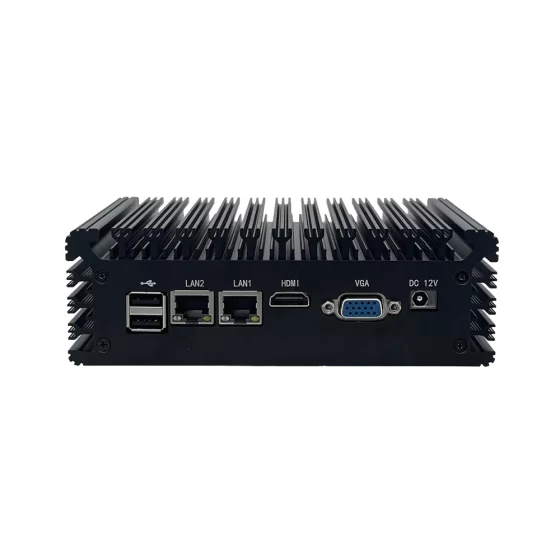
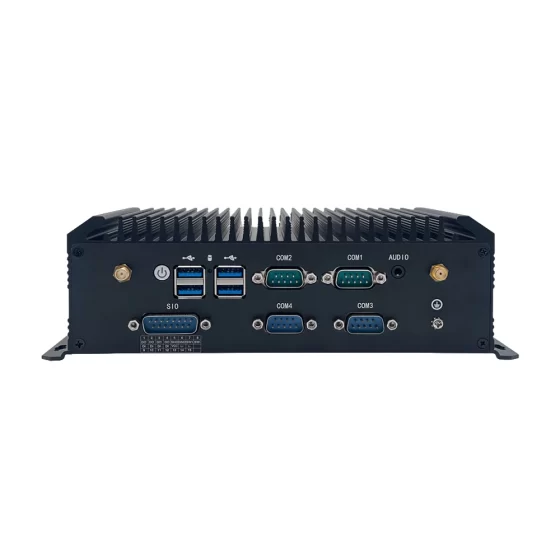
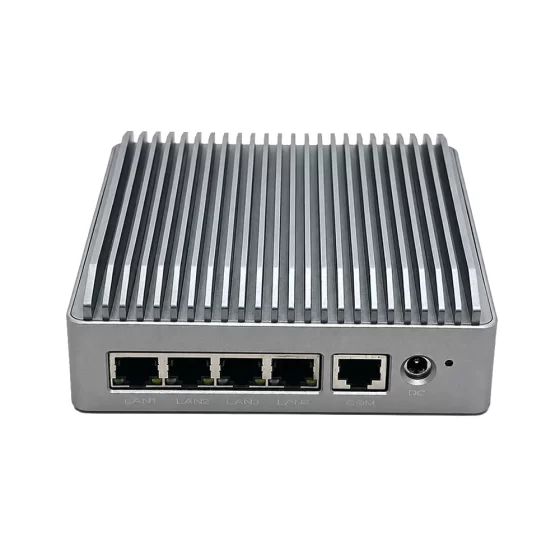
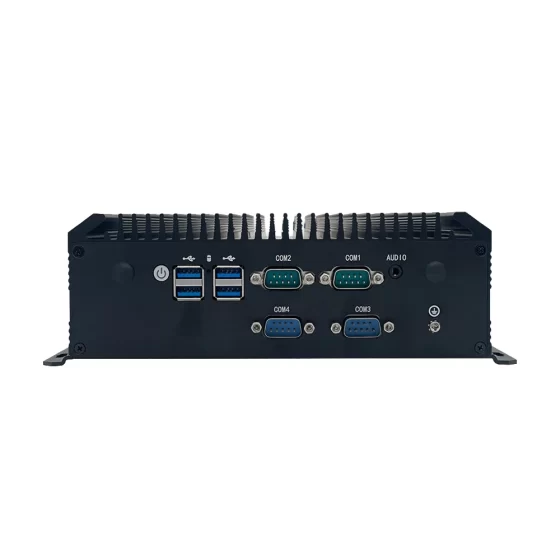
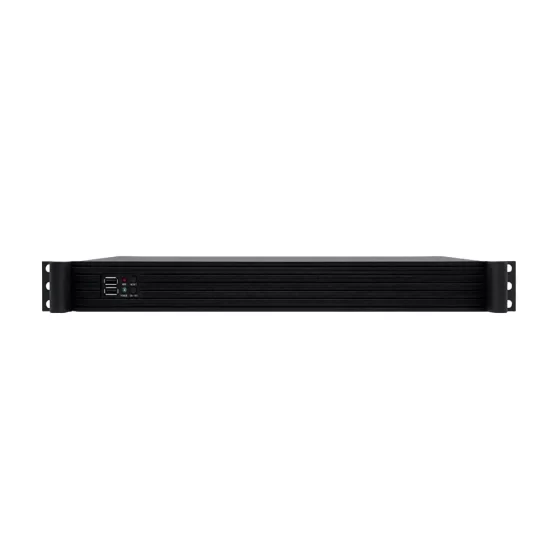
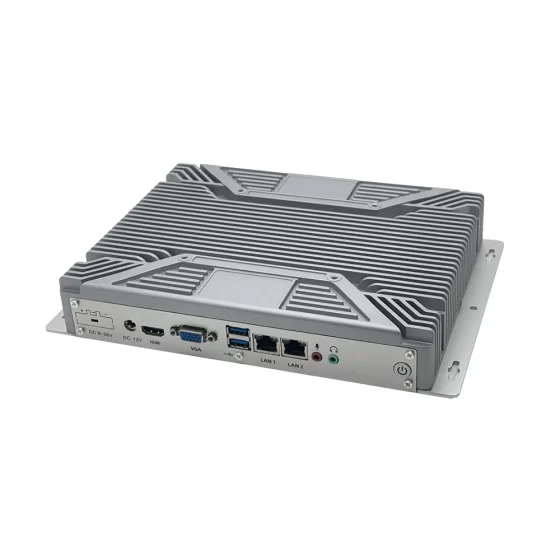
CoreIPC 産業用コンピューティング ソリューション

コボット組み込み型 IPC: 協働ロボット自動化のためのコボット組み込み型 IPC
エグゼクティブサマリー
協働ロボット制御サポートのための産業用コンピューティング基盤を提供するコボット組み込み型 IPC, マシンビジョン, センサーデータ処理, エッジAI推論, 安全監視, 人間と機械の相互作用, 工場システム統合.
協働ロボットは現代の製造現場で広く使用されています, ロジスティクス, 電子機器アセンブリ, 梱包, 機械の手入れ, 検査, および実験室の自動化. 安全ケージの後ろで動作することが多い従来の産業用ロボットとは異なります。, コボットは人間のオペレータに近い位置で動作し、柔軟な生産環境に適応できるように設計されています。.
これにより、新たなコンピューティング要件が発生します.
産業用コンピュータまたは組み込みコンピュータ上に構築されたコボット組み込み型 IPC は、ロボット コントローラに接続できます, ビジョンカメラ, 力センサー, グリッパー, 安全装置, PLC, HMI, コンベア, および工場出荷時のソフトウェア システム. ローカルデータを処理できる, ランエッジロジック, 視覚的なガイダンスをサポート, 操作記録を保存する, MESとの情報交換, スカダ, 産業用IoTプラットフォーム, またはクラウドダッシュボード.
標準的なオフィス PC または民生用組み込みボードとの比較, 産業用コンピューティング プラットフォームは堅牢な設置をサポートしているため、協働ロボットの導入に適しています。, コンパクトなデザイン, 複数の LAN および USB インターフェイス, シリアル通信, GPIO, 信頼できるストレージ, ファンレス動作オプション, 安定した電力入力, 長いライフサイクルの可用性.
この記事では、協働ロボットの自動化をコボット組み込み IPC システムがどのようにサポートするかについて説明します。, 実際の運用環境ではどのような導入上の課題が発生するか, ソリューション アーキテクチャの仕組み, 協働ロボットアプリケーション用の産業用コンピュータまたは組み込みコンピュータを選択する際にどのハードウェア機能が重要になるか.
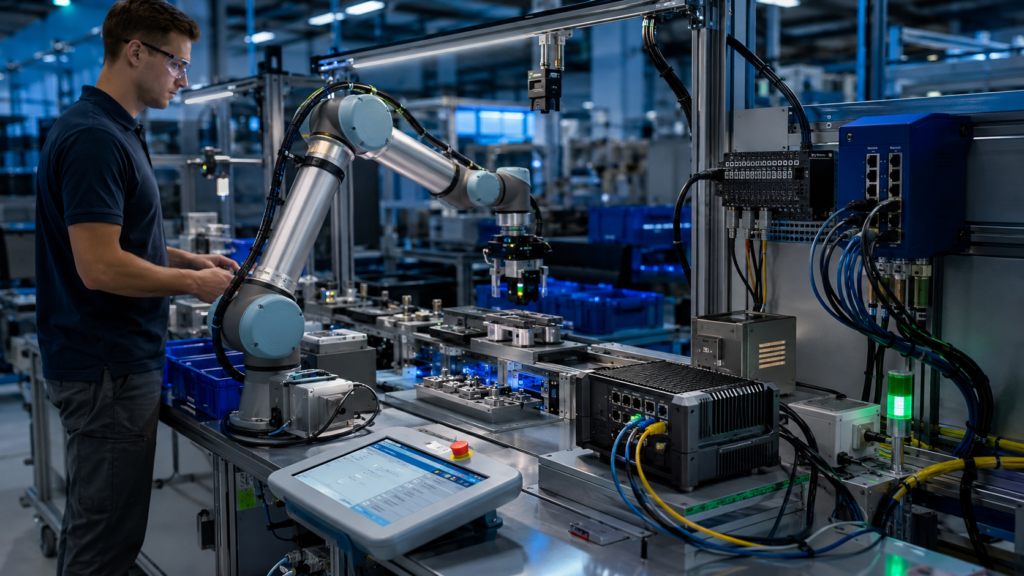
コボット組み込み IPC プラットフォームがロボットのステータスを処理, ビジョンデータ, センサー信号, グリッパーステータス, およびワークセルイベント.
業界の概要
協働ロボットが工場全体に拡大
協働ロボットは柔軟な自動化の重要な部分になりつつあります.
メーカーがより迅速に展開できる自動化を必要とする場合に使用されます。, 占有スペースが少なくなる, オペレータの近くで作業する. コボットは反復的なタスクをサポートできます, ライトアセンブリ, ねじ回し, 調剤, 検査, 読み込み中, 荷降ろし, 並べ替え, 梱包, そしてテスト.
一般的なコボット アプリケーションには次のものがあります。:
- 機械の手入れ
- ピックアンドプレイス
- 組み立て補助
- ねじ締め
- 接着と塗布
- 製品検査
- 梱包とパレタイジング
- 研究室の自動化
- 電子部品の取り扱い
- マテリアルトランスファー
- 視覚に基づいた操作
- 品質検証
これらのアプリケーションでは、多くの場合、基本的なロボットの動作以上のものが必要になります。.
ローカル コンピューティングが必要です, デバイスの接続性, リアルタイムのデータ処理, 視覚処理, そして工場統合.
コボットにはコンパクトなエッジコンピューティングが必要
コボットは多くの場合、コンパクトなワークセルに設置されます.
コンピューティング プラットフォームは小さなキャビネット内に収まる必要がある場合があります, ロボットベース, 機械の筐体, ワークステーション, またはモバイルオートメーションカート.
コボットに組み込まれた IPC は、ワークセルのローカル コンピューティング ノードとして機能できます。.
サポートしてくれるかもしれない:
- ロボット通信
- ビジョンカメラ処理
- グリッパー制御
- 力センサーデータ
- 安全装置の監視
- PLC信号交換
- ローカル HMI ダッシュボード
- エッジAI推論
- データロギング
- リモート診断
- MES または SCADA の統合
目標は協働ロボットのセルをよりスマートにすることです, もっとつながる, メンテナンスが容易です.
産業用コンピュータは長期的な信頼性を提供します
コボットのワークセルは実稼働環境で継続的に稼働可能.
粉塵にさらされる可能性があります, 振動, 温度変化, 電気ノイズ, 限られたキャビネットスペース, オペレーターとの頻繁なやり取り.
産業用コンピュータと組み込みコンピュータは、これらの条件に必要なハードウェアの信頼性を提供します.
安定稼働をサポートします, 柔軟な I/O, 頑丈な取り付け, 信頼できるストレージ, 長いライフサイクルの可用性, 産業用制御環境との互換性.

コンパクトなワークセル, カメラ, センサー, グリッパー, PLC信号, 安全装置, リアルタイム要件はコボット IPC の展開に影響します.
主要な課題
複数のデバイスを小さなワークセルに統合する
協働ロボット システムには、1 つのコンパクトな自動化セルの周囲に多数のデバイスが含まれる場合があります.
これらには以下が含まれる場合があります:
- コボットコントローラー
- 産業用カメラ
- 3Dビジョンセンサー
- 力トルクセンサー
- 電動グリッパー
- 真空グリッパー
- PLC
- HMI
- コンベアコントローラー
- セーフティスキャナ
- バーコードリーダー
- デジタル I/O モジュール
- ローカルディスプレイ
- 産業用スイッチ
組み込み IPC は、限られたスペースに収まりながら、これらのデバイスを確実に接続する必要があります.
これにはコンパクトなハードウェアが必要です, 柔軟な I/O, 適切に整理されたケーブル配線.
リアルタイムのロボット インタラクションのサポート
協働ロボットはセンサー信号に迅速に応答する必要がある場合があります, ビジョンの結果, オペレータのアクション, イベントを処理する.
遅延は生産性と安全関連のワークフロー設計に影響を与える可能性があります.
一刻を争うイベントには次のようなものがあります。:
- 視覚に基づいた位置決め
- 部品の存在検出
- フォースフィードバック
- グリッパーの状態
- コンベヤーの受け渡し
- セーフティゾーン信号
- バーコード確認
- 製品検査結果
- オペレータコマンド
- アラームイベント
コンピューティング プラットフォームは、ローカル データを迅速に処理し、ロボットや自動化システムと確実に通信する必要があります。.
ビジョンと AI のワークロードの処理
多くの協働ロボット アプリケーションはカメラを使用します.
視覚はロボットが部品を識別するのに役立つ可能性がある, ガイドモーション, 製品を検査する, ラベルを読む, アセンブリを確認する, または欠陥を検出する.
一部のアプリケーションでは、オブジェクト検出にエッジ AI も使用されます, 分類, 姿勢推定, または異常検出.
ハードウェア要件は以下によって異なります:
- カメラ数
- 画像解像度
- フレームレート
- AI モデルの複雑さ
- 検査サイクルタイム
- ストレージ要件
- ロボットの通信遅延
- ソフトウェアフレームワークの互換性
IPC は実際のビジョン ワークロードに基づいて選択する必要があります.
安全かつ制御された人間とロボットのコラボレーションを確保する
コボットは共同作業環境向けに設計されています, しかし、完全なワークセルには依然として慎重なシステム設計が必要です.
組み込み IPC は、認定されたセーフティ コントローラに代わるものではない可能性があります, しかし、監視をサポートできます, ロギング, 視覚化, 診断, 安全関連デバイス周りのデータ交換.
につながる可能性があります:
- セーフティスキャナ
- ライトカーテン
- 非常停止回路
- ドアセンサー
- ゾーンセンサー
- ロボットのステータス信号
- オペレーターパネル
- 警報出力
プラットフォームは安定した信号処理をサポートする必要があります, イベントロギング, 制御システムとの明確な通信.
コボットと工場システムの接続
コボット細胞は隔離されたままであってはなりません.
メーカーは多くの場合、協働ロボットの動作データを MES に接続する必要があります。, スカダ, 品質システム, メンテナンスシステム, または産業用IoTプラットフォーム.
組み込み IPC は、:
- サイクル数
- ロボットの状態
- ツールのステータス
- 検査結果
- エラーログ
- プロダクトID
- バーコードレコード
- プロセス値
- オペレーターイベント
- 整備記録
構造化データは生産の可視性とトレーサビリティの向上に役立ちます.
長期的なシステムの安定性の維持
コボット セルは、多くの生産ラインまたは顧客サイトに導入できます。.
ハードウェアを頻繁に変更すると、ドライバーに問題が発生する可能性があります, カメラSDK, ロボット通信ソフトウェア, AI ランタイム, オペレーティングシステム, および検証手順.
ライフサイクルプランニングを備えた産業用組み込み IPC プラットフォームにより、再設計作業が削減され、長期的なメンテナンスが簡素化されます。.

コボット IPC システムはロボット コントローラーを接続します, カメラ, センサー, グリッパー, PLC, HMI, MES, スカダ, と品質システム.
コボット組み込み IPC ソリューション アーキテクチャ
コボットワークセルデバイスレイヤー
デバイス層には、協働ロボットのワークセルの内部および周囲の物理システムが含まれます。.
この層には以下が含まれる場合があります:
- 協働ロボットアーム
- コボットコントローラー
- グリッパー
- 力トルクセンサー
- 産業用カメラ
- 3Dビジョンセンサー
- 照明コントローラー
- セーフティスキャナ
- バーコードリーダー
- PLC
- コンベヤ
- オペレーターパネル
- ローカル HMI
これらのシステムは制御信号を生成します, センサーデータ, 視覚情報, そして制作イベントも.
組み込み IPC エッジ層
組み込み IPC エッジ層はローカル コンピューティング層です.
この層では, 産業用コンピュータまたは組み込みコンピュータは、:
- センサーデータを収集する
- カメラ画像を処理する
- エッジ AI モデルを実行する
- ロボットコントローラーとのデータ交換
- PLCと通信する
- ローカルログを保存する
- バッファ操作記録
- ローカル HMI 機能をサポート
- デバイスの通信を管理する
- 構造化データを工場システムに転送する
このレイヤーは協働ロボットのワークセルにローカル インテリジェンスを提供します.
ロボットとモーションの統合レイヤー
ロボット統合レイヤーは、コンピューティング結果を協働ロボットの動作および自動化ロジックに接続します。.
IPC は交換する場合があります:
- オブジェクト座標
- ピック位置データ
- ツールのステータス
- 検査結果
- トリガー信号
- ロボットの状態
- サイクル完了ステータス
- 障害記録
- オペレータコマンド
- プロセスパラメータ
信頼性の高い自動化にはロボットコントローラーやPLCとの安定した通信が不可欠です.
ビジョンとAI処理層
ビジョンと AI レイヤーは画像データを使用可能な自動化結果に変換します.
プラットフォームがサポートしている可能性があります:
- 物体認識
- 部品のローカリゼーション
- 姿勢推定
- 欠陥検出
- ラベルの読み取り
- 組立て検証
- 表面検査
- ピックポイントの計算
- 品質分類
- 画像記録ストレージ
ローカル処理により待ち時間が短縮され、協働ロボットのワークセルの応答性が向上します。.
ファクトリーソフトウェア統合レイヤー
埋め込まれた IPC は協働ロボットのセルをより高いレベルのシステムに接続する可能性があります.
これらには以下が含まれる場合があります:
- MES
- スカダ
- ERP
- 高品質のデータベース
- 産業用IoTプラットフォーム
- ローカルダッシュボード
- メンテナンス体制
- クラウド監視システム
- トレーサビリティプラットフォーム
この統合により、協働ロボットの活動がより広範な工場データ インフラストラクチャの一部となることが可能になります。.
セキュリティおよび管理層
セキュリティ層と管理層は安定した長期展開をサポートします.
含まれる場合があります:
- ネットワークのセグメンテーション
- 安全なリモートアクセス
- ユーザー権限
- ローカルロギング
- 構成のバックアップ
- デバイスの健全性監視
- ストレージの監視
- リモート診断
- ソフトウェア更新管理
このレイヤーは、オペレーターとシステム インテグレーターが協働ロボット システムを効率的に維持するのに役立ちます.
主な特長
コンパクトな組み込み設計
コボットワークセルの設置スペースは限られていることが多い.
コンパクトな組み込み IPC は制御盤内に収まります, ロボットベース, ワークステーション, または機械の筐体.
コンパクトな設計により、ロボット通信に十分なコンピューティング能力を提供しながら、システムの設置面積を削減できます, データ処理, そして工場統合.
OEM 協働ロボット システム用, コンパクトなハードウェアにより、製品の統合とエンクロージャの柔軟性も向上します.
マルチデバイス接続
コボットに組み込まれた IPC は、さまざまなデバイスと通信インターフェイスをサポートする必要があります.
便利な I/O オプションには次のものがあります。:
- LAN
- USB
- RS232
- RS485
- GPIO
- デジタル入力
- デジタル出力
- HDMI
- ディスプレイポート
- M.2
- PCIe
- SATA または NVMe ストレージ
これらのインターフェースはカメラをサポートしています, センサー, グリッパー, PLC, HMI, バーコードリーダー, 照明コントローラー, およびローカルサービスツール.
カメラとビジョンのサポート
多くの協働ロボット システムにはカメラ入力が必要です.
IPC は GigE LAN 経由で産業用カメラに接続できます, USB, または拡張モジュール.
カメラのサポートは次のように計画する必要があります。:
- カメラ数
- インターフェースの種類
- 解決
- フレームレート
- 照明制御
- トリガー信号
- ストレージ要件
- ビジョンソフトウェアの互換性
AIベースのビジョンの場合, 処理性能や熱設計も重要.
エッジAIとローカル処理
一部の協働ロボット アプリケーションにはローカル AI 推論が必要です.
組み込み IPC は物体検出用のモデルを実行できます。, 欠陥の分類, 姿勢推定, OCR, バーコード読み取り, または異常検出.
ハードウェアの選択は次の点を考慮する必要があります:
- CPU性能
- GPU または AI アクセラレータのサポート
- メモリ容量
- モデルサイズ
- 推論速度
- ソフトウェアフレームワークのサポート
- 熱条件
- 長時間実行されるワークロード
エッジ AI によりリモート サーバーへの依存が軽減され、応答時間が短縮されます。.
マルチLANネットワーク設計
複数の LAN ポートにより、異なる通信パスを分離できます.
コボット IPC は、次の目的のために別のネットワークを使用する場合があります。:
- ロボットコントローラー
- カメラネットワーク
- PLCネットワーク
- 工場ITネットワーク
- 産業用IoTネットワーク
- リモートメンテナンス
- 現地管理
これにより、トラフィックの組織化が改善され、高帯域幅のカメラ データがロボットの通信に影響を与える可能性が減少します。.
信頼性の高いローカルストレージ
ローカルストレージはオペレーティングシステムファイルをサポートします, ロボットログ, 検査記録, 画像記録, AIモデル, 構成のバックアップ, および診断データ.
SSD または NVMe ストレージは、機械式ドライブよりも高速アクセスと優れた耐衝撃性を備えているため、一般的に好まれます。.
ストレージ計画で考慮すべきこと:
- 残像
- ログの保存
- AIモデルストレージ
- 検査データ
- トレーサビリティ記録
- 書き込み耐久性
- バックアップのワークフロー
信頼性の高い保管により、保守性と生産トレーサビリティが向上します.
堅牢かつファンレス動作
協働ロボットシステムは移動機器の近くに設置される場合があります, 演算子, コンベア, および生産ツール.
ファンレス産業用コンピューターは粉塵の侵入を減らし、機械的な故障点を 1 つ除去します。.
頑丈なエンクロージャが振動から保護します, ケーブルストレス, そして連続運転.
IPC が AI 推論を実行する場合は、熱設計を慎重に検討する必要があります, 視覚処理, または継続的なデータロギング.
長いライフサイクルの可用性
協働ロボット システムは多くの場合、反復可能な導入を必要とします.
同じ IPC プラットフォームを複数のワークセルで使用できます, 顧客サイト, または製品世代.
長いライフサイクルの可用性により、一貫したソフトウェア イメージを維持できます, ドライバー, カメラSDK, ロボット統合ツール, およびスペアパーツ.
これにより検証作業が軽減され、スケーラブルな協働ロボットの導入がサポートされます。.
導入シナリオ
コボットのピックアンドプレイス
コボットに組み込まれた IPC は部品検出データを処理できます, オブジェクトの位置を確認する, そして協働ロボットコントローラーとピック座標を交換します.
これにより、部品の位置が異なる可能性がある柔軟なピックアンドプレイスアプリケーションがサポートされます。.
組み立てに便利です, 梱包, 並べ替え, そしてマテリアルハンドリング.
コボットマシンの管理
コボットは、CNC マシンの積み下ろしによく使用されます。, 試験装置, 射出成形機, および検査ステーション.
内蔵IPCによりロボットコントローラと接続可能, マシンインターフェース, PLC, センサー, とローカルダッシュボード.
サイクル記録を保存し、リモート診断をサポートできます。.
視覚誘導型協働ロボット検査
協働ロボットは、製品の周りでカメラを動かしたり、検査のために部品を配置したりできます.
組み込み IPC は画像を処理できます, AI モデルを実行する, 欠陥を分類する, 検査記録を保管する, 結果を品質システムに送信します.
これにより、自動化されたビジュアル品質管理がサポートされます。.
共同組立ワークステーション
コボットはオペレーターの組み立て作業を支援できます.
IPCはオペレーターパネルに接続可能, バーコードリーダー, ドライバー, センサー, ロボットコントローラーなど.
作業指示の管理に役立ちます, プロセスの確認, トレーサビリティデータ, およびローカルダッシュボード.
コボットの梱包とパレタイジング
パッケージングおよびパレタイジングのアプリケーションではバーコード検証が必要な場合があります, 製品の計数, ラベルチェック, ロボットの動作調整と.
組み込みコンピューターはローカル データを処理し、コボット セルを倉庫または生産ソフトウェアに接続できます。.
これにより、梱包の精度とトレーサビリティが向上します.
研究室および医療オートメーション
コボットは研究室や制御されたプロセス環境でも使用されます.
組み込み IPC はローカル データ処理をサポートできます, デバイス通信, バーコード追跡, およびシステム監視.
最終的なプラットフォームは、アプリケーション固有の安全性に従って選択する必要があります, コンプライアンス, および環境要件.
モバイルコボットワークステーション
一部の協働ロボット システムはモバイル ワークステーションに搭載されています.
コンパクトな組み込み IPC でローカル コンピューティングを実現, ロボットコミュニケーション, センサーの統合, 無線または有線接続.
これにより、さまざまな生産領域にわたる柔軟な自動化の展開がサポートされます。.
OEM コボット制御アプライアンス
ロボット システム インテグレータと OEM は、産業用コンピュータまたは組み込みボードを使用してカスタム協働ロボット制御アプライアンスを構築できます。.
ロボット通信をサポートできるプラットフォーム, 視覚処理, データロギング, リモート診断, および顧客固有の I/O.
これは、再現可能な協働ロボット ソリューションの作成に役立ちます.
ビジネス上のメリット
自動化の柔軟性の向上
協働ロボットに組み込まれた IPC は、協働ロボットがさまざまなタスクに適応するのに役立ちます, 製品, およびワークセルのレイアウト.
ローカルコンピューティングを使用する場合, 視覚サポート, 柔軟な I/O, 協働ロボットシステムは固定動作以上のものをサポートできます.
これにより、最新の生産の柔軟性が向上します.
ローカルでの意思決定の迅速化
ローカルエッジ処理により視覚結果が得られる, センサー信号, コボットの近くで処理されるロボット イベント.
これにより遅延が短縮され、時間に敏感なアクションをリモート サーバーに依存することがなくなります。.
迅速なローカル応答がスムーズな自動化をサポート.
生産トレーサビリティの向上
IPC はロボットのステータスを収集できます, サイクル記録, バーコードデータ, 検査結果, ツールイベント, および障害ログ.
このデータはMESと共有できます, スカダ, 高品質のデータベース, または産業用IoTプラットフォーム.
トレーサビリティの向上により品質向上と保守計画をサポート.
より簡単なシステム統合
コボットのワークセルには多くのデバイスが含まれることがよくあります.
内蔵 IPC がカメラの接続に役立ちます, グリッパー, センサー, PLC, HMI, および工場出荷時のソフトウェア システム.
これにより、統合ギャップが削減され、コボット セルが接続された自動化ノードに変わります。.
より信頼性の高いフィールド展開
産業用コンピュータは、実稼働環境に堅牢なハードウェアを提供します.
ファンレス設計オプション, 信頼できるストレージ, 確実な取り付け, 長いライフサイクルの可用性により、メンテナンスのリスクが軽減されます.
長期にわたる協働ロボットの運用をサポートします.
スケーラブルなコボット導入
標準化された組み込み IPC プラットフォームにより、複数のワークセル間で同様の協働ロボット システムを簡単に導入できます。, 行, 工場, および顧客サイト.
一貫したハードウェアによりソフトウェア イメージが簡素化されます, 構成テンプレート, スペアパーツの計画, 検証, およびライフサイクル管理.
これにより、スケーラブルな協調ロボット自動化がサポートされます。.
CoreIPC を選ぶ理由
CoreIPC はロボット工学向けの産業用コンピューティング プラットフォームを提供します, マシンビジョン, エッジAI, 産業オートメーション, 産業用IoT, および組み込みシステムの統合. コボット組み込み IPC アプリケーション向け, CoreIPC は信頼性の高い産業用コンピューター ハードウェアに重点を置いています, 組み込みコンピュータソリューション, コンパクトな組み込み設計, マルチLAN構成, 柔軟な I/O, カメラの接続, ファンレス導入オプション, ローカルストレージ機能, OEM/ODMカスタマイズサポート. CoreIPC はロボット システム インテグレータを支援します, 機械製造業者, そしてメーカーは実際の導入要件に適合するコンピューティング プラットフォームを選択します, ロボットコミュニケーションも含めて, ビジョンワークロード, デバイスインターフェース, ストレージのニーズ, 取り付け方法, 電源入力, 熱条件, およびライフサイクル計画.
よくある質問
1. コボット組み込み型 IPC とは?
コボット組み込み IPC は、協働ロボットのワークセル内またはその近くで使用される産業用コンピューティング プラットフォームです。.
ロボットコントローラーを接続可能, カメラ, センサー, グリッパー, PLC, HMI, および工場システム. 視覚データを処理する場合があります, ランエッジロジック, 記録を保存する, リモート診断をサポート, MESとデータを交換します, スカダ, または産業用IoTプラットフォーム.
2. コボットアプリケーションに産業用コンピュータを使用する理由?
産業用コンピュータは、生産環境に堅牢なハードウェアと柔軟な接続を提供します。.
複数のLANポートをサポートできます, USB, シリアル通信, GPIO, 信頼できるストレージ, ファンレス動作, コンパクトな取り付け, 安定した電力入力, 長いライフサイクルの可用性. これらの機能により、協働ロボットのワークセルや OEM ロボット システムに適しています。.
3. 組み込みコンピュータは協働ロボットでどのように使用されますか?
組み込みコンピュータは、協働ロボット システムのローカル コンピューティング ノードとして機能できます。.
カメラデータを処理する場合があります, センサー信号を収集する, ロボットコントローラーと通信する, PLCを接続する, ログを保存する, HMIデータを表示する, 構造化された情報を工場のソフトウェア プラットフォームに転送します.
4. 協働ロボットに組み込まれた IPC はマシンビジョンをサポートできますか?
はい. コボットに組み込まれた IPC は、産業用カメラを接続し、物体認識用のマシンビジョン ソフトウェアを実行できます。, パーツの位置決め, バーコード読み取り, 組立ての検証, そして欠陥検査.
AI ビジョン ワークロードの場合, プラットフォームはカメラ数に応じて選択する必要があります, 解決, モデルの複雑さ, とサイクルタイム.
5. 協働ロボット組み込み IPC はロボット コントローラーに代わるものですか?
いつもの, いいえ.
ロボットコントローラーはロボットの動作とコアロボット機能を管理します。. 組み込み IPC は通常、ビジョン処理などの外部コンピューティング タスクをサポートします。, データロギング, デバイスの統合, HMI機能, リモート診断, および工場システム通信.
6. コボット IPC システムにとって複数の LAN ポートが重要な理由?
複数の LAN ポートでロボット コントローラーの通信を分離することが可能, カメラデータ, PLCネットワーク, 工場IT, 産業用IoT, およびリモート メンテナンス アクセス.
これにより、トラフィックの組織化が改善され、高帯域幅のカメラ データがロボットの通信に影響を与える可能性が減少します。.
7. コボット組み込み IPC プラットフォームにとって重要なハードウェア機能は何ですか?
重要な機能にはコンパクトな設計が含まれます, 十分なCPU性能, 複数のLANポート, USB, RS232, RS485, GPIO, デジタルI/O, 信頼できる記憶力, SSDまたはNVMeストレージ, 頑丈な筐体, ファンレス設計, 産業用電力入力, M.2, PCIe, およびディスプレイ出力.
最終的な構成はコボットのワークロードと設置環境に一致する必要があります。.
8. ファンレス組み込みコンピューターは協働ロボットのワークロードをサポートできますか?
はい. ファンレス組み込みコンピューターは、粉塵の侵入を減らし、機械的な故障点を 1 つ取り除くため、多くの協働ロボット アプリケーションをサポートできます。.
しかし, 視覚処理, AI推論, 継続的なデータロギング, デバイス数が多いと持続的に熱が発生する可能性があります. 導入前に熱設計を検証する必要がある.
9. コボット組み込み IPC システムは MES または SCADA に接続できますか?
はい. コボットに組み込まれた IPC はロボットのステータスを送信できます, サイクルデータ, 検査結果, バーコードレコード, アラーム, ツールイベント, MESへのメンテナンスログ, スカダ, 品質システム, または産業用IoTプラットフォーム.
これにより、生産のトレーサビリティと工場の可視性がサポートされます。.
10. 導入前にテストすべきこと?
導入前, プラットフォームは実際の協働ロボットコントローラーでテストする必要があります, カメラ, センサー, グリッパー, PLC信号, HMIソフトウェア, データワークロード, 保管動作, 長時間にわたる運用.
熱安定性, 通信遅延, リモートアクセスワークフロー, 回復手順, 工場システムの統合も検証する必要があります.
結論
コボット組み込み型 IPC は、協働ロボット自動化の実用的な基盤です, ローカルエッジコンピューティング, マシンビジョン, センサーの統合, 人間と機械の相互作用, データロギング, リモート診断, および工場出荷時のソフトウェア接続.
産業用コンピュータまたは組み込みコンピュータを協働ロボットのワークセルの内部または近くに配置することによって, メーカーやシステムインテグレーターは協働ロボットコントローラーを接続可能, カメラ, 力センサー, グリッパー, PLC, HMI, コンベア, 安全装置, MESプラットフォーム, SCADAシステム, 信頼性が高く制御された通信パスを介した産業用 IoT ダッシュボード.
実際の導入要件に応じて、適切なコボット組み込み IPC プラットフォームを選択する必要があります, ロボットコミュニケーションも含めて, カメラ数, ビジョンワークロード, AI推論のニーズ, デバイスインターフェース, LANポート設計, I/O要件, ストレージ構成, 取付方法, 電源入力, 熱条件, オペレーティング システムのサポート, およびライフサイクル計画.
CoreIPC は、実用的なロボットワークセル用に設計された産業用コンピューティングプラットフォームを備えたコボット組み込み IPC プロジェクトをサポートします, マシン側, キャビネット, およびOEM展開. 適切なハードウェア基盤があれば, ロボットシステムインテグレータとメーカーは信頼性の高いロボットを構築できます, スケーラブルな, およびインテリジェント協働ロボットシステム.
お問い合わせ
産業用コンピュータを探しています, 組み込みコンピュータ, または協働ロボット導入用のコンパクトな IPC プラットフォーム?
プロジェクトの要件については、CoreIPC にお問い合わせください。, ロボットコミュニケーションも含めて, カメラの接続, AI ワークロード, デバイスインターフェース, LANポートの設定, I/O のニーズ, ストレージデザイン, 取付方法, 電源入力, 動作環境, ライフサイクルのニーズ, および OEM/ODM カスタマイズ オプション.