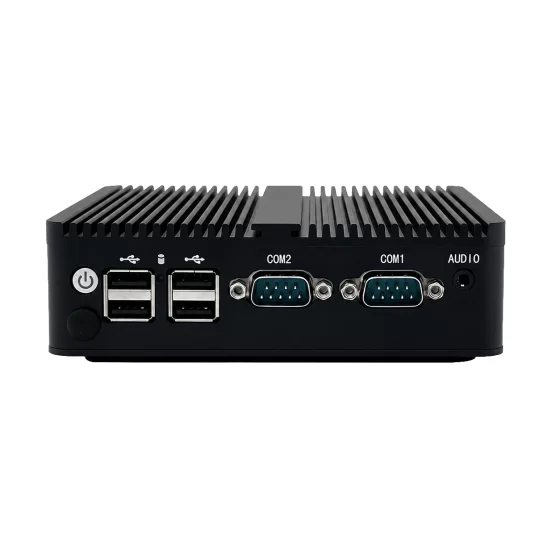
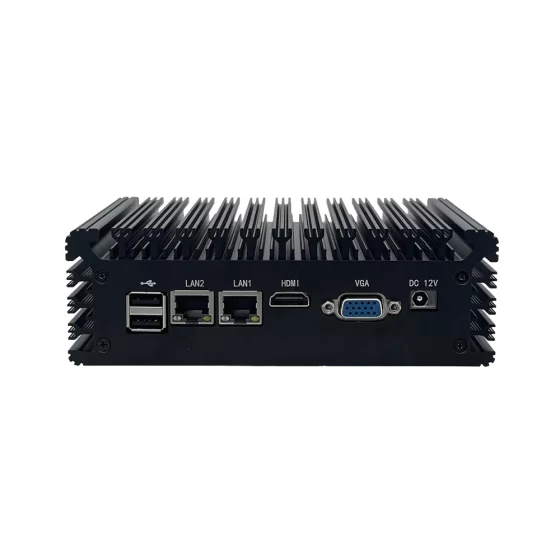
CoreIPC 産業用コンピューティング ソリューション

AMRロボット用コンピュータ
エグゼクティブサマリー
自律移動ロボット (AMR) 製造業は急速に変革しています, 倉庫保管, ロジスティクス, 健康管理, および配布業務. 従来の無人搬送車とは異なります (AGV), 事前定義されたルートに従います, AMR は高度なセンサーを使用して動的にナビゲートします, 人工知能, マシンビジョン, リアルタイムの意思決定アルゴリズム.
すべての AMR システムの中心となるのは、センサー データの処理を担当する高性能コンピューティング プラットフォームです。, ローカリゼーションの実行, ナビゲーションアルゴリズムの実行, モーションシステムの制御, フリート管理ソフトウェアとの通信. これらの要求の厳しいワークロードには、困難な環境でも継続的に動作できる信頼性の高い産業グレードのコンピューティング ハードウェアが必要です。.
AMR コンピューターはロボットのインテリジェントな制御センターとして機能します. LiDARセンサーからのデータを統合します, カメラ, IMU, エンコーダ, 超音波センサー, 環境をリアルタイムで理解するための無線通信システム. コンピューターは周囲の環境を継続的に分析します, ルートを計画する, 障害物を避ける, ロボットの動作を調整します.
産業として 4.0 進化し続けるスマート物流, AMR 導入は世界中で拡大中. この記事では、AMR システムにおける産業用コンピューターの役割について説明します。, 主要な技術要件, 導入アーキテクチャ, 組み込みコンピューティング プラットフォームが自律移動ロボット アプリケーションをどのようにサポートするか.
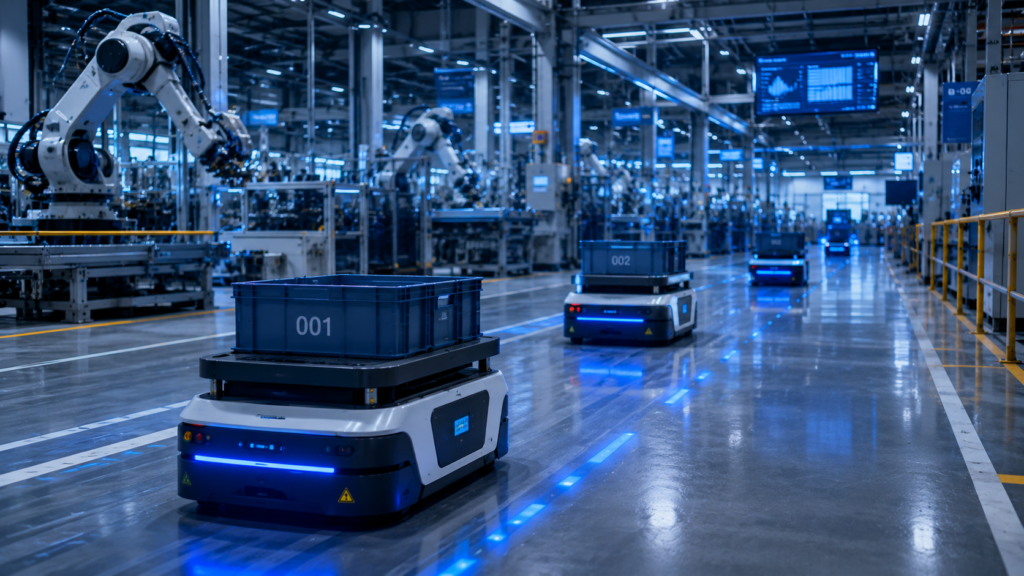
AMR コンピューターにより、自律移動ロボットによるインテリジェントな物質輸送が可能になります, 艦隊調整, 産業における物流オートメーション 4.0 製造環境.
業界の概要
自律移動ロボットの台頭
メーカーや物流プロバイダーは、資材輸送を自動化し、業務効率を向上させるために AMR を採用するケースが増えています。.
一般的なアプリケーションには次のものがあります。:
- 倉庫の自動化
- 製造物流
- 病院配送システム
- 電子商取引のフルフィルメント
- 空港物流
- 配送センター
- スマートファクトリー
AMR は手作業による輸送作業を軽減しながら生産性を向上させます.
AGVからAMRへ
従来の AGV は通常、:
- 磁気ストリップ
- QRコード
- 固定された経路
- 事前定義されたルート
AMR は動作が異なります.
最新の AMR は:
- スラムナビゲーション
- LiDARマッピング
- AIの認識
- 動的なパス計画
- 自律的な意思決定
これらの機能には、大幅に優れたコンピューティング パフォーマンスが必要です.
ロボット工学と産業 4.0
AMR は産業に不可欠なコンポーネントとなっています 4.0 生態系.
彼らは、:
- 製造実行システム (MES)
- 倉庫管理システム (WMS)
- エンタープライズ リソース プランニング (ERP)
- フリート管理ソフトウェア
- クラウドプラットフォーム
高度に接続された自動化環境の作成.
主要な課題
リアルタイムナビゲーション
AMR は移動中に周囲の環境を継続的に分析する必要があります.
重要な機能には以下が含まれます:
- ローカリゼーション
- マッピング
- 経路計画
- モーションコントロール
- 衝突回避
計算の遅延は運用の安全性に直接影響を与える可能性があります.
センサーフュージョンの複雑さ
最新の AMR は複数のセンサーを同時に統合します.
代表的なセンサーには次のものがあります。:
- ライダー
- ステレオカメラ
- デプスカメラ
- IMU
- エンコーダ
- 超音波センサー
AMR コンピューターは、すべてのセンサー データをリアルタイムで処理および結合する必要があります。.
動的な環境適応
産業設備は常に変化します.
AMR に遭遇する:
- 職員
- フォークリフト
- 装置
- パレット
- 一時的な障害物
ナビゲーション システムは即座に適応する必要がある.
AI 処理要件
多くの AMR は AI を次の目的で使用しています:
- 物体検出
- 人間の認識
- 障害物の分類
- ルートの最適化
これらのワークロードには強力なエッジ コンピューティング機能が必要です.
ワイヤレス接続
AMR は継続的に通信する必要があります:
- フリート管理システム
- 倉庫システム
- 製造システム
- クラウドプラットフォーム
信頼性の高い接続が不可欠です.
連続運転
多くのAMRが運用されている:
- 24/7
- 複数シフト環境
- ミッションクリティカルな施設
信頼性の高いコンピューティング ハードウェアが必要.
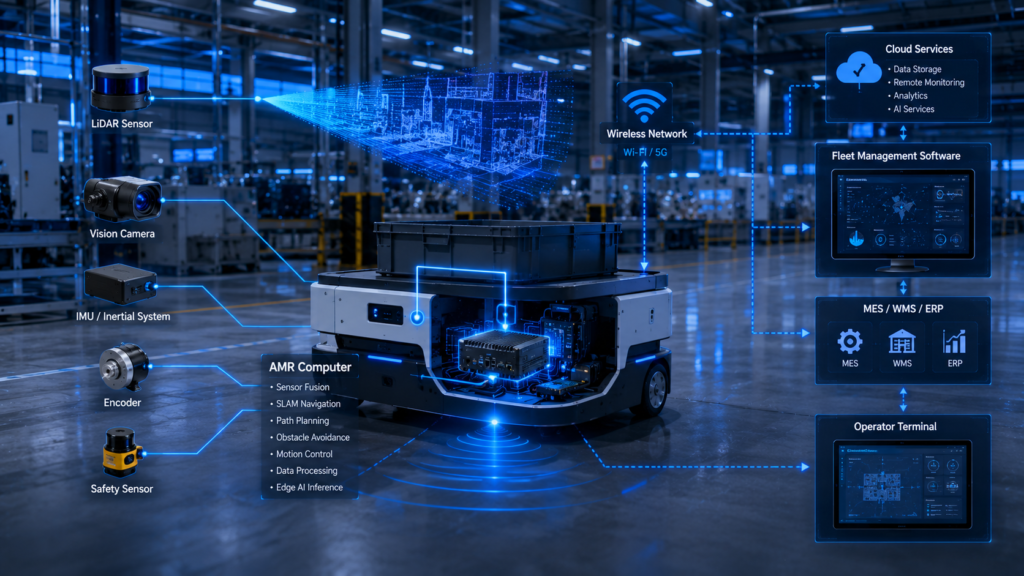
センサーフュージョンを統合したAMRコンピュータアーキテクチャ, スラムナビゲーション, マシンビジョン, フリート管理, 自律移動ロボット運用のためのエンタープライズシステムおよびエンタープライズシステム.
ソリューションアーキテクチャ
AMR システムのアーキテクチャ
知覚層
環境情報は次の方法で収集されます。:
- LiDARセンサー
- 産業用カメラ
- 超音波センサー
- IMU
- エンコーダ
これらのデバイスはリアルタイムの環境認識を提供します.
コンピューティング層
AMR コンピューターが実行するのは、:
- センサーフュージョン
- ローカリゼーション
- マッピング
- AI推論
- ナビゲーション制御
- 障害物回避
この層はロボットの中央インテリジェンス プラットフォームとして機能します.
モーションコントロール層
ナビゲーションコマンドが送信されるのは、:
- モーターコントローラー
- ステアリングシステム
- ドライブユニット
- 安全システム
ロボットの動きを制御する.
接続層
通信技術には次のものがあります。:
- イーサネット
- Wi-Fi
- 5G
- MQTT
- OPC UA
システム統合とリモート管理用.
フリート管理レイヤー
エンタープライズ ソフトウェアのコーディネート:
- ロボットの割り当て
- 交通管理
- ミッションのスケジュール設定
- パフォーマンスの監視
複数のロボット間で.
主な特長
1. 高性能処理
AMR コンピューターは、ナビゲーションおよびロボット工学アプリケーションに必要なコンピューティング リソースを提供します。.
2. LiDARの統合
LiDAR センサーのサポートにより、正確なマッピングと位置特定が可能になります.
3. マシンビジョン処理
産業用カメラのサポート:
- 物体認識
- ビジュアルナビゲーション
- 安全監視
- AIの認識
機能.
4. センサーフュージョン
複数のセンサー入力を組み合わせて、環境認識とナビゲーションの精度を向上させます。.
5. リアルタイムの意思決定
AMR は継続的に状態を分析し、環境の変化に対応します.
6. エッジAI機能
AIアクセラレーションのサポート:
- 物体検出
- 人間の追跡
- 行動分析
- インテリジェントロボティクス
アプリケーション.
7. コンパクトな組み込み設計
AMR コンピュータは、余分なスペースを消費することなくモバイル ロボットのシャーシ内に収まります.
8. ファンレスの信頼性
ファンレスシステムはメンテナンスの必要性を軽減し、信頼性を向上させます。.
9. ワイヤレス接続
Wi-Fiと5Gのサポートによりリアルタイム通信が可能.
推奨される CoreIPC 製品
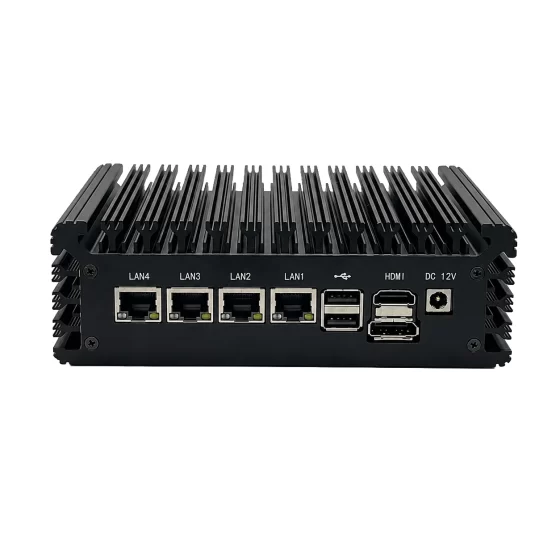
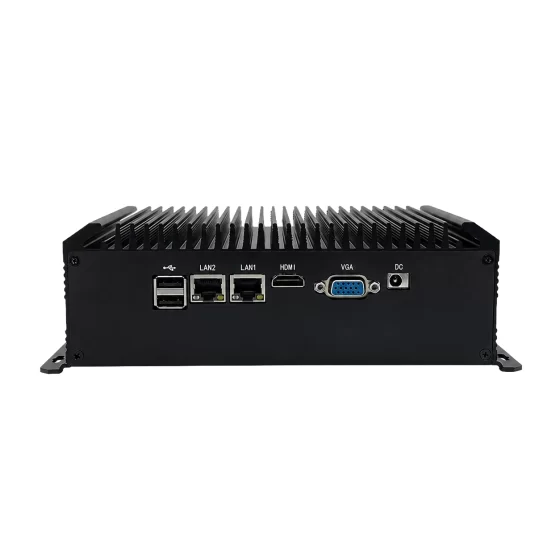
組み込みコンピュータ
に最適:
- コンパクトAMR
- サービスロボット
- モバイルロボティクス
利点:
- 設置面積が小さい
- 低消費電力
- 柔軟な設置
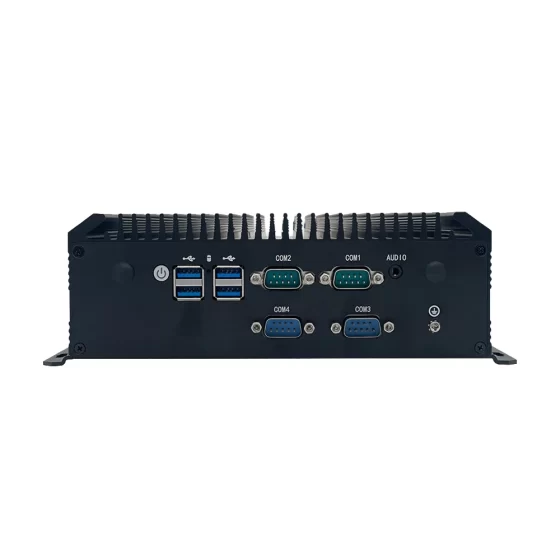
ファンレス産業用 PC
に最適:
- 産業用AMR
- 倉庫ロボット
- 製造自動化
利点:
- 頑丈な構造
- ファンレス冷却
- 長期的な信頼性
エッジ AI コンピューター
に最適:
- AIを活用したナビゲーション
- 視覚誘導ロボット工学
- 物体認識
利点:
- GPUアクセラレーション
- リアルタイム AI 推論
- マシンビジョン処理
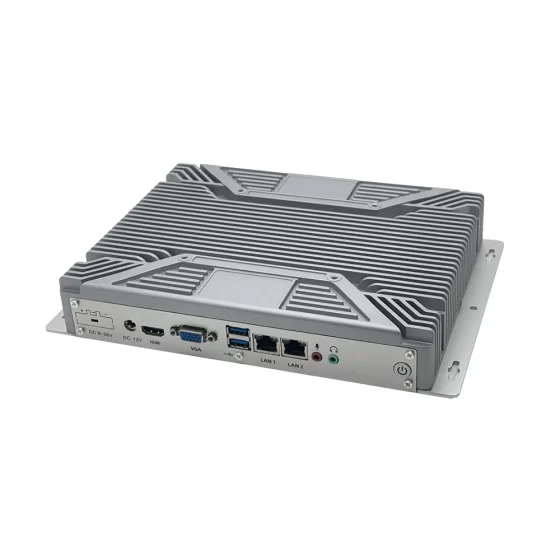
産業用PC
に最適:
- 高性能ロボット工学
- マルチセンサープラットフォーム
- 自律航行
利点:
- 拡張の柔軟性
- 処理性能
- 豊富なI/O接続
Mini-ITX マザーボード
に最適:
- ロボットOEMプロジェクト
- カスタム AMR 開発
利点:
- 柔軟な統合
- 長期にわたるライフサイクルのサポート
導入シナリオ
倉庫自動化
AMRの輸送:
- 在庫
- パッケージ
- 材料
自動倉庫環境を通じて.
スマートマニュファクチャリング
ロボットが届ける:
- コンポーネント
- 原材料
- 完成品
生産ステーション間.
ヘルスケア物流
病院は搬送に AMR を使用:
- 医薬品
- 医薬品
- 実験室サンプル
効率的かつ安全に.
Eコマースフルフィルメント
AMRが改善する:
- オーダーピッキング
- 在庫の移動
- 荷物の取り扱い
フルフィルメントセンターで.
空港運営
AMR のサポート:
- 手荷物の取り扱い
- 機器の輸送
- 物流の自動化
交通機関全体で.
サービスロボティクス
AMR はますます使用されています。:
- ホテル
- 商業ビル
- 公共施設
自動化されたサービスを提供するため.
ビジネス上のメリット
生産性の向上
AMR は反復的な輸送タスクを自動化し、ワークフローの効率を向上させます.
人件費の削減
組織は人手による輸送リソースへの依存を軽減します.
安全性の強化
自律ナビゲーションは職場の移動リスクの軽減に役立ちます.
柔軟性の向上
AMR は固定インフラストラクチャなしでレイアウトの変化に適応できます.
優れたスケーラビリティ
運用要件の増大に応じて追加のロボットを導入可能.
運用上の可視性の向上
フリート管理システムはリアルタイムのパフォーマンス監視を提供します.
CoreIPC を選ぶ理由
CoreIPC は、ロボット工学向けに設計された産業用コンピューティング プラットフォームを提供します, AMRシステム, 自律航法, インテリジェントな自動化アプリケーション.
CoreIPC の機能には次のものがあります。:
- 産業用コンピュータの開発
- 組み込みシステム設計
- OEM製造
- ODMのカスタマイズ
- 長期にわたるライフサイクルのサポート
- 産業グレードの信頼性
- エッジAIの統合
- グローバル展開の経験
倉庫ロボットを開発しているかどうか, 産業用AMR, 医療物流システム, またはインテリジェントサービスロボット, CoreIPC は自律移動ロボット アプリケーション向けに信頼性の高いコンピューティング プラットフォームを提供します.
よくある質問
1. AMRコンピューターとは?
AMR コンピューターは、ナビゲーションを制御するために使用される中央コンピューティング プラットフォームです。, ローカリゼーション, センサー処理, AI推論, 自律移動ロボット内の動作制御と.
2. AMRとAGVの違いは何ですか?
AGV は事前定義されたルートをたどります, 一方、AMR はセンサーとインテリジェントなナビゲーション アルゴリズムを使用して動的にナビゲーションします。.
3. AMR で一般的に使用されるセンサー?
ライダー, カメラ, IMU, エンコーダ, 超音波センサー, 深度カメラは一般的に導入されています.
4. スラムとは?
SLAMはSimultaneous Localization and Mappingの略です, AMR が自分の位置を特定しながら地図を構築できるようにする.
5. センサーフュージョンが重要な理由?
センサー フュージョンは、複数のセンサー タイプからの情報を組み合わせることでナビゲーションの精度を向上させます.
6. AMR は AI を使用できますか?
はい. AIは物体検出に広く使用されています, 障害物認識, ルートの最適化, と環境意識.
7. ファンレスコンピュータはAMRに適していますか?
はい. ファンレス設計により信頼性が向上し、メンテナンスが軽減されます.
8. 一般的に使用されているネットワーク テクノロジ?
イーサネット, Wi-Fi, および 5G は通信と車両管理に一般的に使用されます.
9. AMR コンピューターはマシン ビジョンをサポートできますか?
はい. 多くの AMR は、ナビゲーションと認識に産業用カメラとマシンビジョン ソフトウェアを使用しています.
10. AMR を使用している業界?
製造業, ロジスティクス, 倉庫保管, 健康管理, 空港, おもてなし, 小売業界は一般的に AMR を導入しています.
11. フリート管理とは何ですか?
フリート管理ソフトウェアが複数のロボットを調整し、タスクの割り当てを最適化します。.
12. AMR コンピュータを選択する際に考慮すべきこと?
処理性能, AI機能, 接続性, 信頼性, 拡張オプション, とライフサイクルのサポートは重要な考慮事項です.
結論
AMR コンピューターは自律移動ロボット システムのインテリジェント コアです. センサーフュージョンを有効にすることで, リアルタイムナビゲーション, AI処理, 障害物回避, フリート通信と, 産業用コンピューティング プラットフォームにより、AMR は動的な環境で安全かつ効率的に動作できるようになります. 製造業全体でロボットの導入が加速する中, ロジスティクス, 健康管理, および商業部門, 信頼性が高くスケーラブルな自律運用を実現するには、適切な産業用コンピューターの選択が重要になります.
お問い合わせ
AMR ロボット用のコンピューターを探しています?
CoreIPC は、次のようなコンピューティング プラットフォームを提供します。:
- 自律移動ロボット
- モバイルロボティクス
- 倉庫自動化
- スマートマニュファクチャリング
- エッジAIロボティクス
- マシンビジョンシステム
- OEMプロジェクト
- ODMプロジェクト
- カスタムロボットハードウェア開発
今すぐ CoreIPC に連絡して、AMR プロジェクトの要件について話し合い、自律型ロボットの導入に最適なコンピューティング プラットフォームを特定してください。.