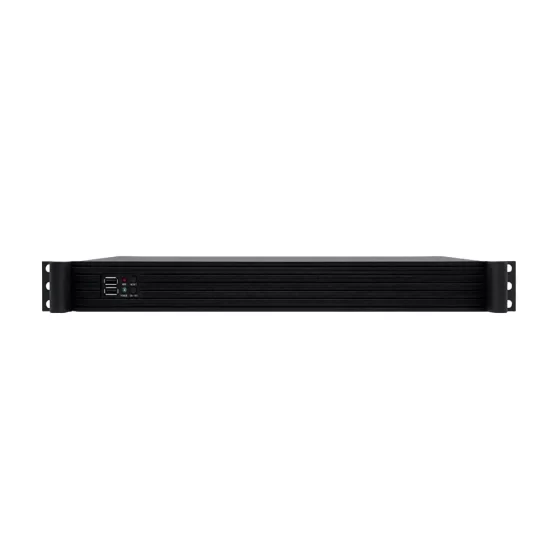
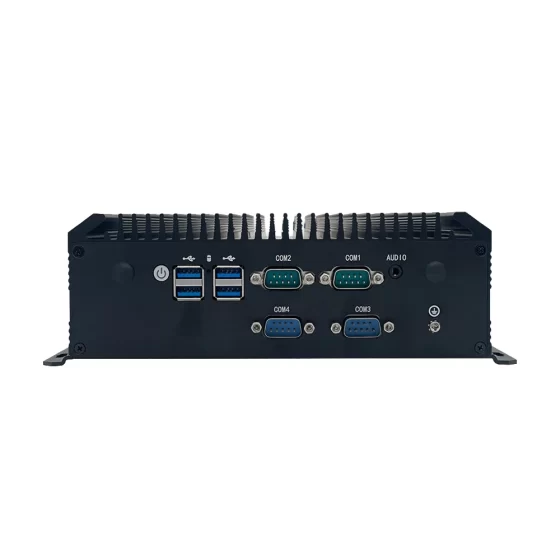
CoreIPC 産業用コンピューティング ソリューション

ロボットビジョンエッジAIコンピュータ: インテリジェントオートメーションのためのロボットビジョンコンピュータ
エグゼクティブサマリー
ロボットビジョンコンピュータは、ロボット認識のための産業用コンピューティング基盤を提供します, AI画像処理, 物体認識, 視覚的な誘導, 欠陥検出, 位置決め, 検査, 自動化された実稼働環境でのリアルタイムの意思決定.
現代のロボット システムは、もはや固定された動作パスだけに依存しているわけではありません。. スマートファクトリーでは, ロボットはますます見る必要がある, 分析する, そして周囲に反応する. 部品を特定する可能性があります, オブジェクトの位置を特定する, 表面を検査する, ガイドピッキング作業, 組み立て品質を検証する, ビンピッキングをサポート, または生産ラインのマシンビジョンシステムと連携します.
産業用コンピューターまたは組み込みコンピューター上に構築されたロボット ビジョン エッジ AI コンピューターは、ロボットの近くでカメラ データをローカルに処理できます。. AI推論モデルを実行できる, 産業用カメラを接続する, ロボットコントローラーと通信する, PLCとデータを交換する, そして結果をMESに送信します, スカダ, または工場監視システム.
一般的なPCとの比較, 産業用コンピュータは堅牢な設置をサポートしているため、ロボット ビジョンの導入に適しています。, 安定した熱設計, 複数の LAN および USB インターフェイス, ローカルストレージ, 拡張オプション, ファンレス設計オプション, 長いライフサイクルの可用性.
この記事では、ロボット ビジョン エッジ AI コンピューターがインテリジェント オートメーションをどのようにサポートするかについて説明します, 実際の工場ではどのような導入上の課題が発生するか, ソリューション アーキテクチャの仕組み, ロボットビジョンアプリケーション用の産業用コンピュータまたは組み込みコンピュータを選択する際にどのハードウェア機能が重要になるか.
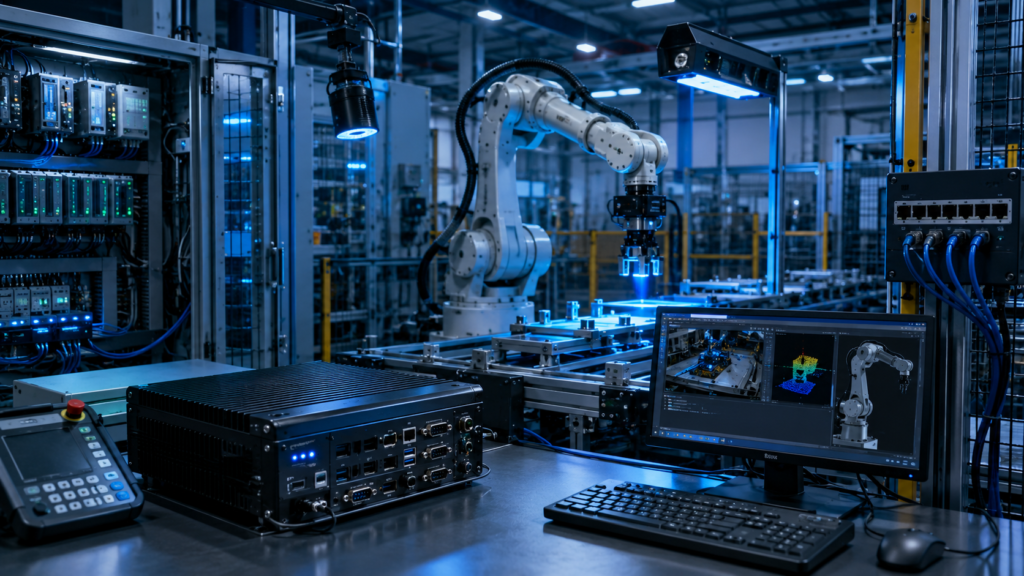
ロボットビジョンコンピューターは、ロボットによるピッキングのためにカメラデータをローカルで処理します。, 検査, 認識, そして指導.
業界の概要
ロボットはより視覚主導型になりつつある
産業用ロボットは従来、固定された動作を繰り返すようにプログラムされていました.
このモデルは、パーツが常に同じ場所に配置され、条件が変化しない場合にうまく機能します。. しかし, 最新の実稼働環境はより柔軟です. 部品が異なる位置に到着する可能性があります, 製品はロットによって異なる場合があります, 品質要件はさらに詳細になる可能性があります.
ビジョンシステムはロボットの適応を助ける.
ロボットビジョンがサポートします:
- 物体認識
- 部品の位置決め
- ビンピッキング
- 組み立てガイド
- 表面検査
- バーコードとラベルの読み取り
- ピックアンドプレイス検証
- ロボット溶接指導
- 包装検査
- パレタイジングとデパレタイズ
- 欠陥検出
- 安全地帯の認識
ロボットビジョンコンピュータは視覚情報を処理し、ロボット制御や工場システムに使用可能なデータに変換します。.
エッジ AI によりローカルの意思決定が向上
すべての画像をリモート サーバーに送信すると、遅延と帯域幅の使用量が増加する可能性があります.
ロボットビジョンは多くの場合、素早い応答を必要とします. ロボットの位置を調整する必要がある場合があります, 欠陥のある部品を拒否する, または短期間で操作を停止する.
エッジ AI コンピューティングにより、視覚データをロボットの近くで処理できるようになります.
エッジ コンピューターは AI 推論をローカルで実行できます, 位置データを生成する, 欠陥を分類する, コンパクトな結果をロボット コントローラーまたは PLC に送信します.
これにより、応答時間が短縮され、クラウドまたは中央サーバーの可用性への依存が軽減されます。.
インダストリアル コンピューティングはハードウェアの基盤です
ロボットビジョンコンピューターは多くの場合、生産設備の近くに設置されます.
ロボットセルに搭載される可能性があります, 制御盤, 検査ステーション, 組立ライン, 溶接システム, 物流ライン, または包装機.
これらの環境には振動が含まれる可能性があります, ほこり, 電気ノイズ, 熱, 限られたキャビネットスペース, そして連続運転.
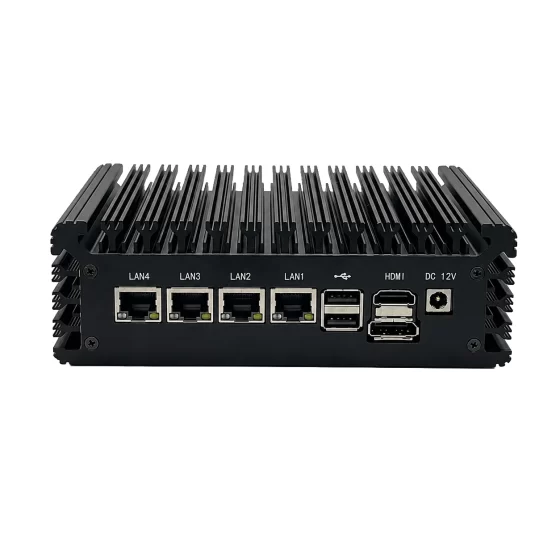
産業用コンピュータと組み込みコンピュータは、信頼性の高い展開のためのハードウェア基盤を提供します. 堅牢な設計をサポートします, 柔軟な I/O, カメラの接続, ストレージ, 拡大, および長期的なプラットフォームの安定性.

カメラ, 3Dセンサー, 点灯, PLCトリガ, サイクルタイム, ロボットコントローラー, AI ワークロードはロボット ビジョンの導入に影響を与えます.
主要な課題
高解像度カメラデータの処理
ロボットビジョンシステムは多くの場合、1 つ以上の産業用カメラを使用します。.
カメラのデータは大きくなる可能性があります, 特に高解像度を使用する場合, 高いフレームレート, または複数の視点.
コンピューターは、AI 推論も処理しながら、画像ストリームを確実に処理する必要があります。, ロボットコミュニケーション, データロギング, 工場システム統合.
重要なワークロード要因には次のものがあります。:
- カメラ数
- 画像解像度
- フレームレート
- AI モデルの複雑さ
- 検査サイクルタイム
- ロボットの応答時間
- ローカルストレージのニーズ
- ネットワーク帯域幅
- ソフトウェアのランタイム要件
プラットフォームは実際のカメラと AI のワークロードに基づいて選択する必要があります, CPUモデルやポート数だけでなく.
リアルタイム応答要件を満たす
ロボット ビジョン アプリケーションでは、多くの場合、低遅延が要求されます。.
オブジェクトの位置決めや欠陥検出が遅れると、生産速度が低下したり、ロボットの動作が不正確になる可能性があります。.
ロボットビジョンコンピューターは画像を処理する必要があります, アルゴリズムを実行する, 結果をすぐに送信します.
遅延に敏感なアプリケーションには以下が含まれる場合があります。:
- ビンピッキング
- ロボットによる仕分け
- 高速ピックアンドプレース
- 視覚に基づいた組み立て
- コンベヤーの追跡
- ロボット検査
- 梱包の検証
- 溶接シームの追跡
ハードウェア, ソフトウェア, カメラインターフェース, ネットワーク設計, とロボットのコミュニケーションを合わせて評価する必要がある.
ロボットコントローラーおよびPLCとの統合
ロボットビジョンコンピューターは単独では機能しません.
ロボットコントローラーと通信する必要があります, PLC, モーションシステム, センサー, 安全装置, HMIステーション, および工場出荷時のソフトウェア.
一般的な統合要件には次のものがあります。:
- オブジェクトの座標をロボット コントローラーに送信する
- PLCからのトリガ信号の受信
- 検査結果をMESに報告
- 画像レコードをローカルに保存する
- HMIにステータスを表示
- SCADA へのアラームの送信
- リモート診断のサポート
- コンベヤシステムとの同期
実際の導入には柔軟な I/O と安定した通信が重要.
産業環境での動作
ロボットセルは厳しい環境になる可能性があります.
コンピューターが振動にさらされる可能性があります, ほこり, オイルミスト, 温度変化, 電気ノイズ, そして連続運転.
標準的なオフィス PC は適さない可能性があります.
工業用デザインは、堅牢なエンクロージャ オプションを通じて信頼性の向上に役立ちます, ファンレス設計, 信頼できるストレージ, 確実な取り付け, 安定した電源入力.
熱設計は、システムが AI ワークロードまたは GPU アクセラレーションを継続的に実行する場合に特に重要です.
長いライフサイクルの導入をサポート
ロボットビジョンシステムは何年も生産され続ける可能性がある.
ハードウェアを頻繁に変更すると、ドライバーの問題が発生する可能性があります, ソフトウェア検証の問題, スペアパーツの課題, メンテナンスの複雑さ.
ライフサイクルプランニングを備えた産業用コンピューティングプラットフォームは、システムインテグレーターやメーカーが複数のロボットセルや工場現場にわたって安定したビジョンシステムを維持するのに役立ちます.

ロボットビジョンコンピューターがカメラを接続, AI処理, ロボットコントローラー, PLC, MES, スカダ, と品質システム.
ロボットビジョンコンピュータソリューションアーキテクチャ
視覚センサー層
ビジョンセンサー層には、視覚データをキャプチャするデバイスが含まれます。.
この層には以下が含まれる場合があります:
- 産業用カメラ
- 3Dカメラ
- ラインスキャンカメラ
- エリアスキャンカメラ
- 深度センサー
- バーコードリーダー
- 照明コントローラー
- トリガーセンサー
- エンコーダ
- 人感センサー
これらのデバイスは、ロボット ビジョン システムに生の視覚データと位置データを提供します。.
ロボット ビジョン コンピューターはこのデータをローカルで収集して処理します。.
エッジAIコンピューティング層
エッジAIコンピューティング層がシステムの中核となる.
この層では, 産業用コンピュータまたは組み込みコンピュータは、:
- 画像ストリームをキャプチャする
- AI 推論を実行する
- 2D または 3D ビジョン データを処理する
- オブジェクトの検出
- 部品の位置を特定する
- 欠陥を分類する
- ロボット座標の計算
- 画像記録を保存する
- 合否結果を生成する
- 結果をロボットコントローラーに送信
このレイヤーは生のカメラデータを有用な自動化決定に変換します。.
ロボット制御統合層
ロボット制御層はビジョン結果とロボットの動作を結び付けます.
ロボットビジョンコンピュータは以下と通信することができます。:
- ロボットコントローラー
- PLC
- モーションコントローラー
- サーボシステム
- コンベヤコントローラー
- 安全システム
- HMIパネル
- 産業用スイッチ
システムは位置データを送信する場合があります, 検査結果, オブジェクトクラス, 方向の値, またはアラームイベント.
安定したロボット自動化には信頼性の高い通信が不可欠です.
工場システム統合層
ロボットのビジョンデータは、上位レベルの工場システムに送信されることもあります.
これらのシステムには以下が含まれる場合があります:
- MES
- スカダ
- ERP
- 高品質のデータベース
- 産業用IoTプラットフォーム
- ローカルダッシュボード
- トレーサビリティシステム
- メンテナンスプラットフォーム
- クラウド監視システム
これにより、メーカーはロボットビジョンの結果を生産記録と結び付けることができます。, 品質分析, 運用上の可視性.
セキュリティおよび管理層
ロボットビジョンシステムは安全かつ保守可能な導入が必要.
この層には以下が含まれる場合があります:
- ネットワークのセグメンテーション
- リモート診断
- ユーザーアクセス制御
- ローカルロギング
- 画像記録管理
- 構成のバックアップ
- システムの健全性の監視
- ソフトウェア更新管理
- 安全なリモートサポート
これにより、長期間の実稼働環境でロボット ビジョン プラットフォームを安定に保つことができます。.
主な特長
AI推論パフォーマンス
ロボットのビジョンは AI モデルに依存することが多い.
コンピューターは物体検出を実行する必要がある場合があります, セグメンテーション, 欠陥の分類, 姿勢推定, OCR, バーコード認識, または異常検出.
ハードウェアの選択は次の点を考慮する必要があります:
- CPU性能
- GPU または AI アクセラレータのサポート
- メモリ容量
- カメラ数
- 画像解像度
- モデルサイズ
- 推論速度
- オペレーティング システムのサポート
- AI フレームワークの互換性
- 熱性能
要求の厳しいアプリケーション向け, システムは実際のモデルと生産サイクルタイムでテストする必要があります.
カメラの接続性
カメラの接続は最も重要な要件の 1 つです.
アプリケーションに応じて, プラットフォームに必要な場合があります:
- ギゲ・ラン
- USB 3.0
- 複数のカメラポート
- 高速ストレージ
- トリガー入力
- 照明制御接続
- 追加インターフェースの拡張
インターフェースはカメラシステムと一致する必要があります.
マルチカメラロボットビジョン用, 帯域幅の計画は特に重要です.
マルチLANネットワーク設計
複数の LAN ポートでトラフィックを分離.
ロボット ビジョン コンピュータは、さまざまなネットワークを使用する場合があります。:
- カメラネットワーク
- ロボットコントローラーネットワーク
- PLCネットワーク
- 工場ITネットワーク
- 産業用IoTネットワーク
- リモートメンテナンスネットワーク
- 管理ネットワーク
ネットワーク分離により信頼性が向上, 安全, と交通組織.
また、カメラデータがロボット制御通信に干渉するのを防ぐのにも役立ちます。.
信頼性の高いローカルストレージ
ロボットビジョンシステムには画像用のローカルストレージが必要な場合があります, ログ, モデル, 設定ファイル, 検査記録, およびトラブルシューティング データ.
SSD または NVMe ストレージは、機械式ドライブよりも高速アクセスと優れた耐衝撃性を備えているため、一般的に好まれます。.
ストレージ設計で考慮すべきこと:
- 画像の保存期間
- 検査記録量
- AIモデルストレージ
- ログの保存
- 書き込み耐久性
- バックアップのワークフロー
- 障害回復
信頼性の高い保管はトレーサビリティとメンテナンスにとって重要です.
柔軟な産業用 I/O
ロボット ビジョン コンピューターには多くの種類の I/O が必要になる場合があります.
便利なオプションとしては、次のようなものがあります。:
- LAN
- USB
- RS232
- RS485
- GPIO
- デジタル入力
- デジタル出力
- HDMI
- ディスプレイポート
- M.2
- PCIe
- SATA または NVMe
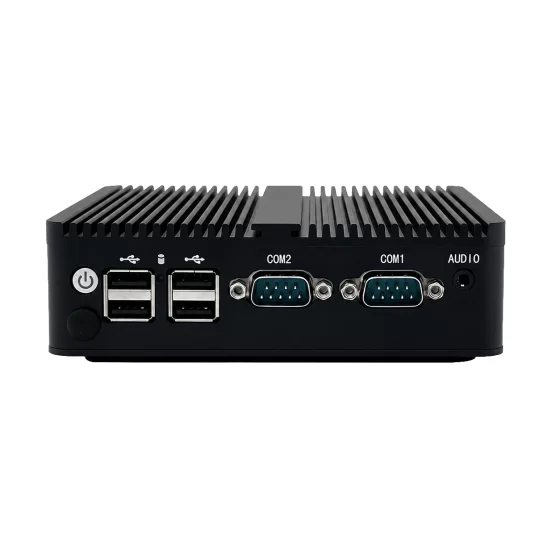
GPIO とデジタル I/O はトリガーをサポートできます, アラーム, 照明信号, とマシンのステータス. シリアルポートはレガシーデバイスをサポートできます. 拡張インターフェイスは AI アクセラレータをサポート可能, 追加のLANカード, またはストレージモジュール.
堅牢なファンレス設計
ロボットセルがコンピューターを埃にさらす可能性がある, 振動, そして熱.
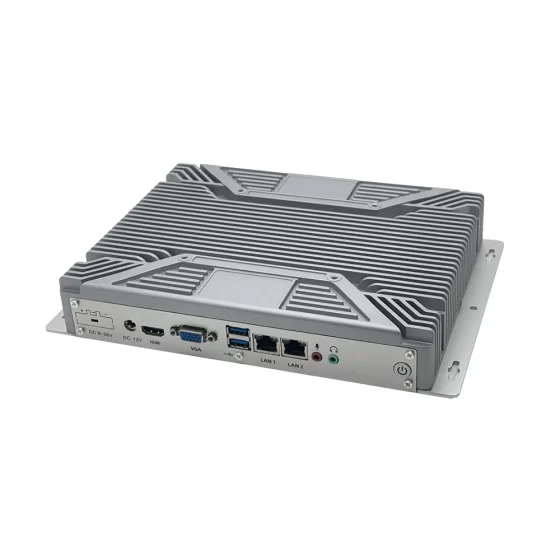
ファンレス産業用コンピューターは塵の侵入を減らし、一般的な機械的故障点を 1 つ取り除くことができます.
しかし, AI ワークロードは持続的な熱を発生させる可能性があります.
熱設計を慎重に検討する必要がある, 特に高性能プロセッサを使用している場合, GPU, または加速器.
最終設計ではエンクロージャのタイプを考慮する必要があります, 取り付け位置, 気流, 周囲温度, およびワークロード期間.
長いライフサイクルと保守性
ロボットビジョンシステムは多くの場合ソフトウェア検証を必要とします.
ハードウェアを頻繁に変更すると、ドライバーの再テストが必要になる場合があります, カメラSDK, AI ランタイム, ロボットコミュニケーションツール.
ライフサイクルの長い産業用コンピュータにより、再設計作業が軽減され、スペアパーツの計画が簡素化されます。.
これは機械製造者にとって重要です, ロボットシステムインテグレータ, および複数の同様のシステムを導入しているメーカー.
導入シナリオ
ビジョンガイドによるピックアンドプレイス
ロボット ビジョン コンピュータは、ピック アンド プレイス アプリケーションのオブジェクトの位置と方向を検出できます。.
システムは画像をローカルで処理し、座標をロボット コントローラーに送信します。.
これは、部品が異なる位置または方向で到着する場合に便利です.
ビンピッキング
箱ピッキングではロボットがランダムな位置にある物体を識別する必要がある.
ロボットビジョンコンピュータは3Dビジョンデータを処理する場合があります, オブジェクトの姿勢を推定する, ロボットを誘導してビンから部品を取り出す.
安定稼働にはAI推論と3D処理性能が重要.
ロボット組立ガイダンス
組立ロボットは視覚を利用して部品を位置合わせする場合がある, 位置を確認する, またはコンポーネントの配置を確認してください.
エッジ AI コンピューターはカメラ画像と予想される条件を比較し、ロボット コントローラーにガイダンスを提供できます。.
これにより、組み立て精度が向上し、手動調整が削減されます。.
ロボットによる品質検査
ロボットは柔軟な検査のために製品の周りでカメラを移動できます.
ロボットビジョンコンピューターは欠陥を検出できます, 結果を分類する, 画像を保存する, 品質記録を MES または品質データベースに送信します.
これにより、トレーサビリティと自動品質管理がサポートされます。.
梱包とパレタイジング
ロボットビジョンで荷物認識をサポート可能, ラベルの検証, パレットの位置決め, そして製品カウント.
組み込みコンピューターはロボットの近くで視覚データを処理し、リアルタイムのフィードバックを提供できます。.
これにより、物流と梱包の自動化が向上します.
溶接・加工指導
溶接中, 切断, 調剤, または表面処理, 視覚はエッジを見つけるのに役立ちます, 縫い目, または目標位置.
ロボットビジョンコンピューターは画像を処理し、ロボットまたはモーションコントローラーにガイダンスデータを送信します。.
より柔軟なロボット処理をサポートします.
AMRとモバイルロボットビジョン
移動ロボットはナビゲーションにカメラとセンサーを使用する場合があります, 障害物検知, ドッキング, そして物体認識.
組み込みコンピュータは、ローカルのビジョンデータを処理し、フリート管理または制御システムと通信できます。.
倉庫や工場のインテリジェントな物流をサポートします.
OEM ロボット ビジョン システムの統合
ロボット システム インテグレーターは、産業用コンピューターまたは組み込みボードを使用してカスタム ビジョン コンピューターを構築できます。.
プラットフォームはカメラ入力をサポートできます, AI推論, ロボットコミュニケーション, ローカルストレージ, リモートアクセス, そして堅牢な展開.
これは、さまざまな業界向けに再現可能なロボット ビジョン ソリューションを作成するのに役立ちます.
ビジネス上のメリット
ロボットの柔軟性の向上
ロボットビジョンにより、ロボットは部品位置の変動に対応できるようになります, 向き, 形, そして生産の流れ.
これにより、固定治具への依存が軽減され、現代の製造における柔軟性が向上します。.
ローカルでの意思決定の迅速化
エッジ AI 処理により、ロボットの近くでの視覚的な意思決定が可能になります.
これにより遅延が短縮され、すべての画像がリモート サーバーに送信されることがなくなります。.
高速ローカル処理でリアルタイム検査をサポート, 位置決め, 並べ替え, そして指導.
品質管理の向上
ロボットビジョンシステムはロボット操作中または操作後に部品を検査できます.
欠陥を検出できる, アセンブリを確認する, ラベルをチェックする, 検査記録を保管する.
これにより、品質の一貫性が向上し、トレーサビリティがサポートされます。.
手動介入の削減
視覚を備えたロボットは、変化する状況により効果的に適応できる.
これにより、手動での位置変更が軽減されます, 検査, そして調整作業.
生産効率の向上にも貢献します.
より強力なシステム統合
ロボットビジョンコンピュータでカメラを接続可能, ロボット, PLC, センサー, MES, スカダ, と品質システム.
これにより、ロボットビジョンが孤立した検査ツールから工場のデータインフラストラクチャの一部に変わります。.
スケーラブルな自動化の導入
標準化されたロボット ビジョン コンピュータ プラットフォームにより、複数のロボット セルや生産ラインに同様のシステムを導入することが容易になります。.
一貫したハードウェアによりソフトウェア イメージが簡素化されます, AIモデルの導入, ドライバーの検証, スペアパーツの計画, およびライフサイクル管理.
CoreIPC を選ぶ理由
CoreIPC はマシンビジョン用の産業用コンピューティング プラットフォームを提供します, ロボット工学, エッジAI, 産業オートメーション, 産業用IoT, および組み込みシステムの統合. ロボットビジョンコンピュータアプリケーション向け, CoreIPC は信頼性の高い産業用コンピューター ハードウェアに重点を置いています, 組み込みコンピュータソリューション, カメラの接続, マルチLAN構成, 柔軟な I/O, コンパクトなシステム設計, ファンレス導入オプション, ローカルストレージ機能, OEM/ODMカスタマイズサポート. CoreIPC はロボット システム インテグレータを支援します, 機械製造業者, そしてメーカーは実際の導入要件に適合するコンピューティング プラットフォームを選択します, カメラ数を含む, AI ワークロード, ロボットコミュニケーション, ストレージのニーズ, 取り付け方法, 電源入力, 熱条件, およびライフサイクル計画.
よくある質問
1. ロボットビジョンコンピュータとは?
ロボット ビジョン コンピューターは、ロボット アプリケーションのカメラとセンサー データを処理するために使用される産業用コンピューティング プラットフォームです。.
画像処理を実行できる, AI推論, 物体検出, 欠陥検査, 姿勢推定, および視覚ガイドソフトウェア. 結果はロボットコントローラーに送信されます, PLC, MESシステム, または工場のダッシュボード.
2. ロボットビジョンに産業用コンピューターを使用する理由?
産業用コンピュータは、工場での展開に堅牢なハードウェアと柔軟な接続を提供します。.
複数のLANポートをサポートできます, USBカメラ, ローカルストレージ, 拡張オプション, 工業用取り付け, 安定した電力入力, 長いライフサイクルの可用性. これらの特徴によりロボットセルに適しています, 検査ステーション, 包装ライン, およびマシンビジョンシステム.
3. 組み込みコンピュータはロボットビジョンにどのように使用されますか?
組み込みコンピュータはロボットセルの近くまたは制御キャビネット内に設置可能.
カメラデータを収集できる, AI モデルを実行する, オブジェクトの位置を計算する, 検査記録を保管する, ロボットコントローラーまたはPLCと通信します. コンパクトなサイズなので、スペースが限られた自動化機器に役立ちます.
4. ロボットビジョンコンピュータを使用するアプリケーション?
アプリケーションにはピックアンドプレイスが含まれます, ビンピッキング, ロボットアセンブリ, 品質検査, 溶接指導, 梱包確認, パレタイジング, ラベルの読み取り, AMRナビゲーション, そしてロボットによる仕分け.
正確なハードウェアはカメラの数によって異なります, 画像解像度, AI ワークロード, およびロボットの通信要件.
5. ロボットビジョンには AI アクセラレーションが必要ですか?
常にではありません.
一部の単純なビジョンタスクは、CPU ベースの産業用コンピューターで実行される場合があります。. より要求の厳しいタスク, ディープラーニング検査など, 3D 設置見積もり, マルチカメラ解析, または高速物体検出, GPU または AI アクセラレータのサポートが必要な場合があります.
6. ロボットビジョンシステムにとって複数のLANポートが重要な理由?
複数の LAN ポートでカメラのトラフィックを分離, ロボットコントローラ通信, PLCネットワーク, 工場IT, およびリモート メンテナンス アクセス.
これにより信頼性が向上し、高帯域幅のカメラ ストリームが制御通信に干渉するのを防ぎます。.
7. ロボットビジョンコンピュータにとって重要なハードウェア機能は何ですか?
重要な機能には十分な CPU パフォーマンスが含まれます, 必要に応じて GPU または AI アクセラレータのサポート, 複数のLANポート, USB 3.0, 信頼できる記憶力, SSDまたはNVMeストレージ, 頑丈な筐体, ファンレス設計オプション, 産業用電力入力, GPIO, デジタルI/O, M.2, PCIe, およびディスプレイ出力.
最終的な構成は、実際のビジョンのワークロードと一致する必要があります。.
8. ファンレス産業用コンピューターはロボットビジョンをサポートできますか?
はい, ファンレス産業用コンピューターは多くのロボットビジョンアプリケーションをサポートできます.
しかし, AI 推論と高解像度カメラ処理により持続的な熱が発生する可能性がある. プロセッサーの選択, 筐体設計, 周囲温度, 取付方法, 導入前にエアフローを検証する必要があります.
9. ロボットビジョンコンピューターはMESまたはSCADAに接続できますか?
はい. ロボットビジョンコンピュータが検査結果を送信可能, 合否記録, 画像参照, アラームイベント, 生産データをMESに送信, スカダ, 高品質のデータベース, または産業用IoTプラットフォーム.
これにより、トレーサビリティと工場全体の可視性がサポートされます。.
10. 導入前にテストすべきこと?
導入前, システムは実際のカメラでテストする必要があります, 点灯, ロボットコントローラー, PLC信号, AIモデル, 画像解像度, 生産サイクルタイム, ストレージのワークロード, 長時間にわたる運用.
熱安定性, 通信遅延, 結果の精度, リモートアクセスワークフロー, 回復手順も検証する必要があります.
結論
ロボットビジョンコンピュータはインテリジェントオートメーションの実用的な基盤です, ロボットの知覚, エッジAI推論, 視覚的な誘導, 欠陥検査, 物体認識, 柔軟な製造.
産業用コンピュータまたは組み込みコンピュータをロボットセルやビジョンシステムの近くに配置することによって, メーカーやシステムインテグレーターはカメラデータをローカルで処理できます, ロボットの動きをガイドする, 製品を検査する, 記録を保存する, 結果を PLC に接続します, MES, スカダ, および産業用IoTプラットフォーム.
実際の導入要件に応じて、適切なロボット ビジョン コンピュータを選択する必要があります。, カメラ数を含む, 画像解像度, フレームレート, AI ワークロード, ロボットコミュニケーション, LANポート設計, I/O のニーズ, ストレージ構成, 取付方法, 電源入力, 熱条件, オペレーティング システムのサポート, およびライフサイクル計画.
CoreIPC は、実用的なロボットセル用に設計された産業用コンピューティングプラットフォームでロボットビジョンエッジ AI コンピュータープロジェクトをサポートします, マシン側, キャビネット, およびOEM展開. 適切なハードウェア基盤があれば, ロボットシステムインテグレータとメーカーは信頼性の高いロボットを構築できます, スケーラブルな, インテリジェントなビジョンガイド自動化システム.
お問い合わせ
産業用コンピュータを探しています, 組み込みコンピュータ, またはロボットビジョン導入用のエッジAIプラットフォーム?
プロジェクトの要件については、CoreIPC にお問い合わせください。, カメラ数を含む, AI ワークロード, ロボットコミュニケーション, LANポートの設定, I/O のニーズ, ストレージデザイン, 取付方法, 電源入力, 動作環境, ライフサイクルのニーズ, および OEM/ODM カスタマイズ オプション.