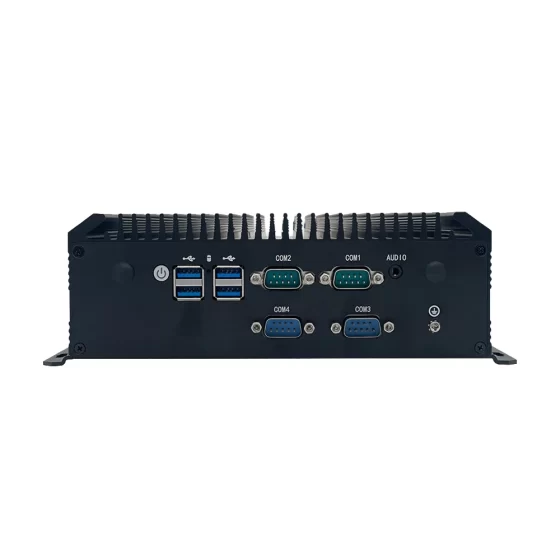
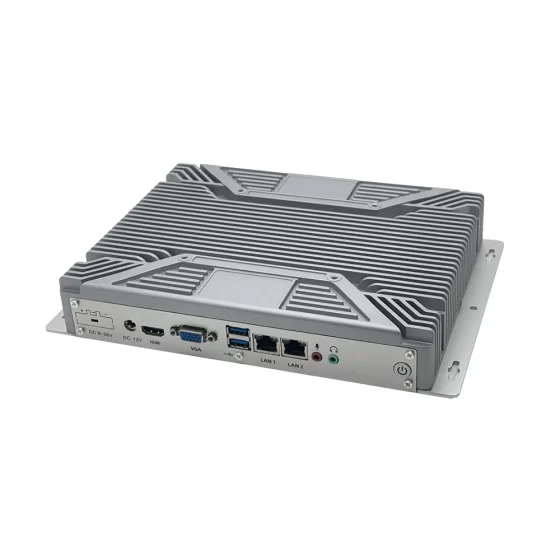
CoreIPC 産業用コンピューティング ソリューション

倉庫ロボットプラットフォーム: 自動物流業務のための倉庫ロボティクスコンピュータ
エグゼクティブサマリー
倉庫ロボット コンピューターは、AGV と AMR の調整のための産業用コンピューティング基盤を提供します, ロボットフリート通信, ローカルナビゲーションのサポート, センサーデータ処理, 倉庫自動化の統合, リアルタイムの物流の可視化.
現代の倉庫では、ピッキングを改善するためにロボット システムへの依存が高まっています。, 並べ替え, 輸送, 補充, 在庫処理, パレットの移動, そして注文の履行. AGV, AMR, ロボットアーム, コンベア, バーコードシステム, RFIDリーダー, 産業用カメラ, センサー, WMS プラットフォーム, WCS システム, およびクラウド ダッシュボードはすべて、信頼性の高いコンピューティングと通信を必要とします.
産業用コンピューターまたは組み込みコンピューター上に構築された倉庫ロボットコンピューターは、ロボットを倉庫インフラストラクチャに接続できます, ローカルデータを処理する, フリートの調整をサポート, デバイスのステータスを収集する, セグメントネットワーク, バッファレコード, 上位レベルのウェアハウス ソフトウェアと通信します.
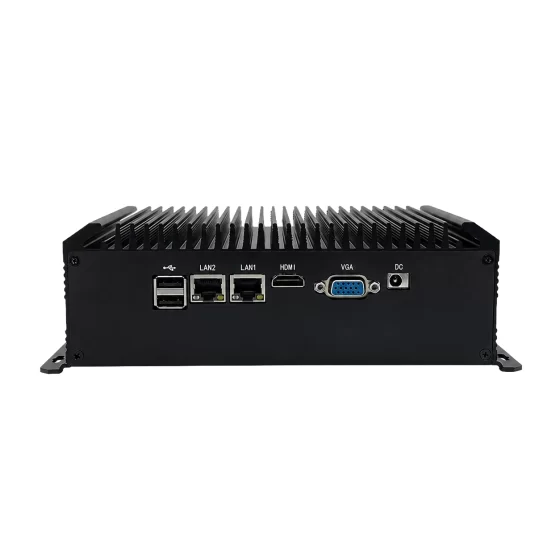
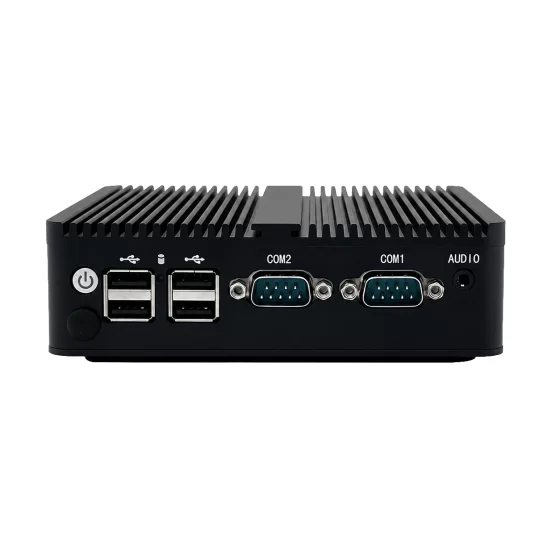
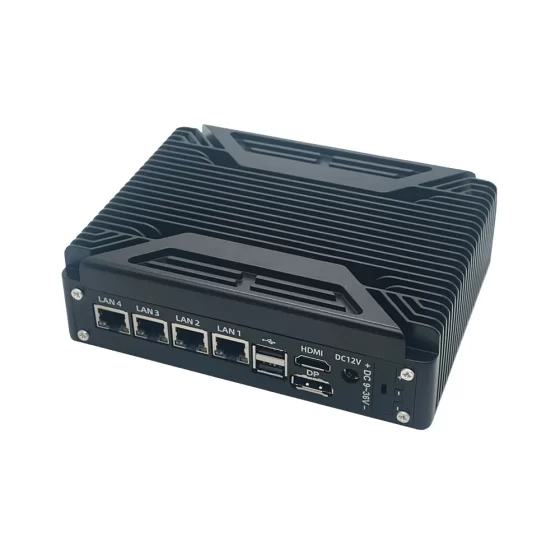
標準的なオフィス PC やコンシューマ ゲートウェイとの比較, 産業用コンピュータは倉庫ロボット環境に適しています. 堅牢な設置をサポートします, 複数のLANポート, シリアル通信, USB, GPIO, ローカルストレージ, ファンレス設計オプション, 安定した電力入力, 長いライフサイクルの可用性.
この記事では、倉庫ロボット プラットフォームがどのように機能するかについて説明します, 自動化された物流環境ではどのような導入上の課題が発生するか, ソリューション アーキテクチャがどのように構成されているか, 産業用コンピューターまたは倉庫ロボット用途向けの組み込みコンピューターを選択する際にどのハードウェア機能が重要になるか.
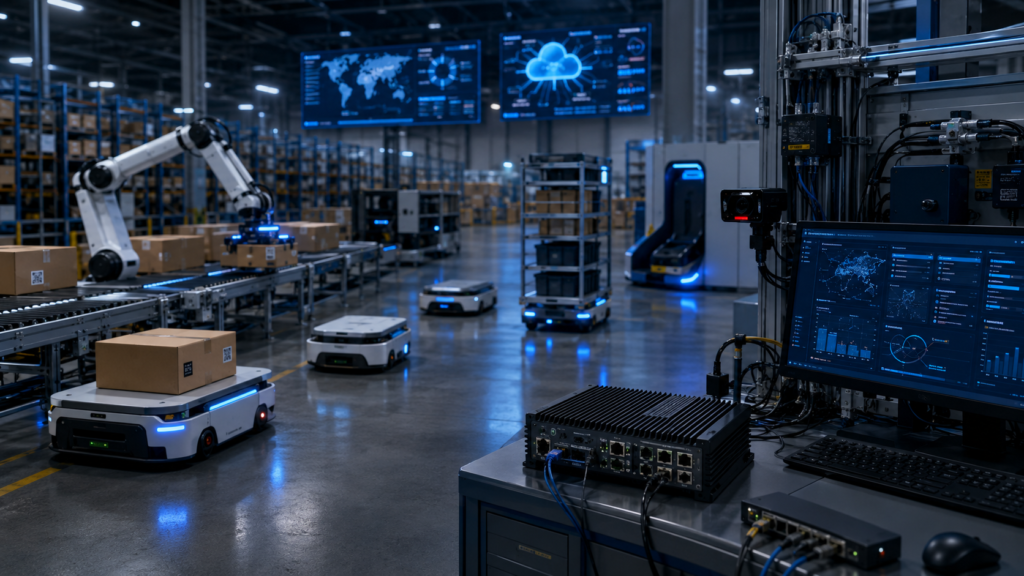
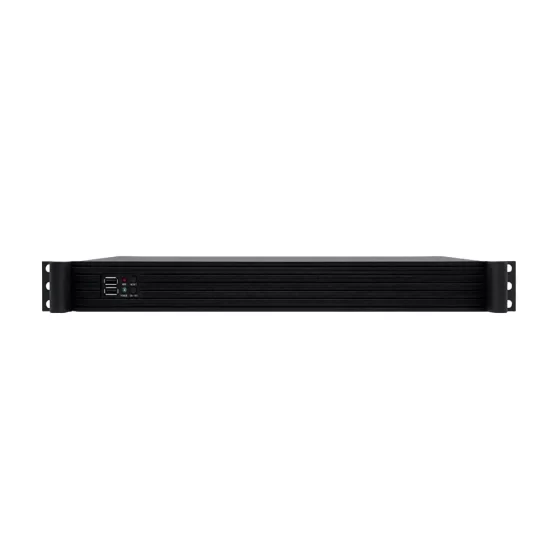
倉庫ロボットコンピューターがロボットを回収, コンベア, スキャナー, RFID, スマート物流プラットフォームのための機器データ.
業界の概要
倉庫はロボットによる自動化に向かって進んでいます
倉庫業務のスピードアップ, より密な, さらにデータドリブンな.
従来の手作業による取り扱いはロボットによってますますサポートされています, コンベア, スキャナー, およびスマート倉庫ソフトウェア. これらのシステムは効率の向上に役立ちます, 歩く距離を減らす, 柔軟なピッキングをサポート, 注文処理速度を向上させます.
一般的な倉庫ロボット システムには次のものがあります。:
- AGV
- AMR
- ロボットピッキングシステム
- ロボットパレタイジングシステム
- 搬送ロボット
- 仕分けロボット
- 移動式検査ロボット
- フォークリフト支援システム
- 自動保管システム
- ロボット充電ステーション
- フリート管理プラットフォーム
これらのシステムには、信頼性の高いエッジ コンピューティングとリアルタイム データ交換が必要です。.
倉庫ロボットにはローカル コンピューティング インフラストラクチャが必要
ロボットは単独では動作しません.
倉庫制御システムと通信する必要がある, タスク管理プラットフォーム, 充電ステーション, バーコードスキャナ, センサー, カメラ, 交通規制区域, アクセスゲート, および安全システム.
倉庫ロボット コンピューターは、これらのシステムを接続するローカル エッジ プラットフォームとして機能できます。.
サポートできる:
- ロボットの状態監視
- フリートデータの集約
- タスクコミュニケーション
- センサーの統合
- ローカルイベント処理
- ネットワークのセグメンテーション
- リモート診断
- データバッファリング
- 倉庫ソフトウェアの統合
- セキュリティログ
これにより、コンピューティング プラットフォームがロボット インフラストラクチャの重要な部分になります。.
産業用コンピュータが実際の倉庫展開をサポート
倉庫環境は常に清潔または安定しているとは限りません.
コンベアの近くにコンピュータが設置される場合があります, ロボット充電エリア, 積み込みドック, 行を並べ替える, 機器キャビネット, または倉庫のラック.
これらの領域には埃が含まれている可能性があります, 振動, 温度変化, 不安定な電力, ケーブルストレス, 限られた空気の流れ, そして連続運転.
産業用コンピュータと組み込みコンピュータは、これらの条件に必要な堅牢なハードウェア基盤を提供します。.
倉庫自動化プロバイダーが信頼性の高いシステムを構築するのに役立ちます。, 保守可能, 拡張可能なロボット接続システム.

複数のロボット, コンベア, スキャナー, RFIDゲート, 充電ステーション, カメラストリーム, LAN ゾーンは倉庫ロボットの導入に影響を与える.
主要な課題
複数のロボットやデバイスを連携させる
スマート倉庫には、同時に動作する多数のロボットが含まれる場合があります.
各ロボットは位置を報告することができます, タスクのステータス, バッテリー残量, 障害メッセージ, センサーデータ, そして通信状況.
倉庫ロボットプラットフォームにはコンベヤーの接続も必要になる場合があります, ゲート, バーコードリーダー, カメラ, 充電器, および WMS または WCS システム.
これにより、複雑なデータ環境が作成されます.
コンピューティング プラットフォームはロボット間の安定した通信をサポートする必要があります, インフラストラクチャー, および倉庫ソフトウェア.
リアルタイムの運用応答をサポート
倉庫ロボットは多くの場合、迅速な現地対応を必要とします.
タスクの割り当てが遅れる, ゾーンコントロール, 障害物イベントの処理, コンベアの調整を行うと、効率が低下したり、運用リスクが発生したりする可能性があります.
時間に依存するデータには以下が含まれる場合があります:
- ロボットの位置
- タスクのステータス
- バッテリーの状態
- 充電の有無
- コンベヤの状態
- セーフティゾーンイベント
- ドックアクティビティ
- バーコードスキャン記録
- 交通渋滞
- 故障警報
エッジ コンピューティングにより、重要なロジックを倉庫機器の近くで実行できるようになります.
これにより、リモート システムへの依存が軽減され、応答性が向上します。.
WMS および WCS プラットフォームとの統合
倉庫ロボットは倉庫ソフトウェアと連携する必要がある.
WMS で在庫を管理できる, 注文, タスクのピッキング, 受信, そして出荷記録. WCS はコンベヤーを調整することができます, ある種の, ロボット, スキャナー, および自動化装置.
倉庫ロボットコンピューターは両方のシステムと構造化データを交換する必要がある場合があります.
これには以下が含まれる場合があります:
- ロボットタスクリクエスト
- 結果を選択して配置します
- 在庫移動記録
- コンベヤの状態
- イベントの並べ替え
- バーコードスキャンデータ
- ロボット障害ログ
- 充電ステーションのデータ
- 運用実績
信頼性の高いソフトウェア統合は安定したハードウェアに依存します, ローカルストレージ, ネットワーク接続, およびプロトコルのサポート.
混合インターフェースとシステムの処理
倉庫のロボット環境には、複数のベンダーの機器が含まれることがよくあります.
さまざまなシステムがイーサネットを使用する場合があります, USB, シリアル通信, GPIO, デジタルI/O, または無線モジュール.
プラットフォームの接続が必要な場合があります:
- ロボット群コントローラー
- AGV充電ステーション
- AMRゲートウェイ
- バーコードリーダー
- RFIDリーダー
- コンベヤPLC
- 産業用カメラ
- 安全センサー
- アクセス制御デバイス
- ローカルダッシュボード
Flexible industrial I/O helps reduce the need for external converters and simplifies deployment.
ネットワークのセグメンテーションの維持
Warehouse robotics networks should not always share one flat network.
ロボット, スキャナー, カメラ, WMS servers, office IT devices, リモートメンテナンスシステム, and management tools may require separate network zones.
A warehouse robotics computer with multiple LAN ports can help separate:
- ロボットネットワーク
- スキャナーネットワーク
- カメラネットワーク
- WMS または WCS ネットワーク
- 倉庫設備ネットワーク
- リモートメンテナンスネットワーク
- 管理ネットワーク
- クラウドアップリンク
Segmentation improves security, 交通組織, システムの安定性.
Ensuring Continuous Operation
Warehouse robotics systems often run for long hours.
If the computing platform fails, robots may stop receiving tasks, conveyors may lose coordination, dashboards may lose visibility, and maintenance teams may lose diagnostic data.
信頼性の高い導入には必要なもの:
- 頑丈な筐体
- ファンレス設計オプション
- 安定した電源入力
- 信頼性の高いストレージ
- 確実な取り付け
- 熱安定性
- ローカルリカバリアクセス
- 構成のバックアップ
- 遠隔監視
- 長期にわたるライフサイクルのサポート
Industrial-grade hardware helps reduce downtime risk.

倉庫ロボットコンピューターがロボットフリートを接続, コンベア, WMS, WCS, フリートプラットフォーム, クラウドシステム, およびローカルデータベース.
倉庫ロボティクス コンピュータ ソリューション アーキテクチャ
ロボットと機器のレイヤー
ロボットと機器のレイヤーには、倉庫の自動化に関与するすべての物理システムが含まれます.
この層には以下が含まれる場合があります:
- AGV
- AMR
- ロボットアーム
- コンベヤ
- 行の並べ替え
- バーコードリーダー
- RFIDリーダー
- 産業用カメラ
- 充電ステーション
- 安全センサー
- アクセスゲート
- PLCコントローラー
- ローカル HMI
これらのシステムはリアルタイムの運用データを生成し、安定した通信を必要とします.
エッジコンピューティング層
エッジ コンピューティング層は、産業用コンピューターまたは組み込みコンピューターが動作する場所です。.
この層では, プラットフォームが:
- ロボットのステータスを収集する
- スキャナーデータの受信
- 充電ステーションを監視する
- ローカルイベントの処理
- ログを保存する
- バッファレコード
- リモート診断のサポート
- セグメントネットワーク
- 構造化データを転送する
- 自動化デバイスを倉庫ソフトウェアに接続する
このレイヤーは、倉庫業務に近いローカル コンピューティングを提供します.
ロボット調整層
ロボット調整層は、ロボットと制御システム間の通信をサポートします。.
プラットフォームが交換される可能性があります:
- タスクの割り当て
- ロボット位置データ
- バッテリーの状態
- ルートイベント
- 故障警報
- 充電リクエスト
- ゾーンアクセスステータス
- コンベアハンドオフ信号
- ピッキングと配達の確認
目標は、ロボットが倉庫インフラでスムーズに動作できるようにすることです.
ウェアハウス ソフトウェア統合レイヤー
倉庫ロボットコンピューターは、より高いレベルのプラットフォームに接続できる可能性があります, 含む:
- WMS
- WCS
- ERP
- フリート管理システム
- クラウドダッシュボード
- ローカルデータベース
- メンテナンス体制
- セキュリティ監視システム
- 産業用IoTプラットフォーム
この統合により、倉庫管理者はロボットの活動を追跡できるようになります, 在庫の移動, 設備の状態, 運用パフォーマンス.
セキュリティおよび管理層
セキュリティ層と管理層は、ロボティクス プラットフォームの制御と保守性を維持するのに役立ちます.
含まれる場合があります:
- ネットワークのセグメンテーション
- 安全なリモートアクセス
- ファイアウォールポリシー
- ユーザー権限
- ローカルロギング
- 構成のバックアップ
- デバイスの健全性監視
- ストレージの監視
- リモート診断
- アップデート管理
この層は、システムの長期的な信頼性とより安全なリモート メンテナンスをサポートします。.
主な特長
マルチロボット接続性
倉庫ロボティクス プラットフォームは、複数のロボットおよびインフラストラクチャ システムとの通信をサポートする必要があります.
重要な接続要件には次のものが含まれる場合があります。:
- ロボットフリートネットワーク
- 充電ステーションの接続
- コンベアコントローラー接続
- スキャナとRFIDの統合
- カメラデータ接続
- WMSまたはWCS通信
- リモートメンテナンスアクセス
- クラウドダッシュボード接続
システムのサイズはロボットの数に応じて決定する必要があります, デバイス, そしてデータフロー.
マルチLANネットワーク設計
複数の LAN ポートは倉庫ロボットの導入に役立ちます.
異なるネットワークを分離して制御したままにすることができます.
有用な構成には次のものがあります。:
- LANロボット
- WMS または WCS LAN
- カメラLAN
- スキャナLAN
- 設備LAN
- 管理LAN
- リモートサービスLAN
- WANまたはクラウドアップリンク
これにより、ネットワーク構成が改善され、大量のトラフィックが重要なロボットの通信に影響を与えるのを防ぐことができます。.
エッジ処理パフォーマンス
プラットフォームは収集する必要がある場合があります, プロセス, 店, データを継続的に転送します.
ハードウェアの選択は次の点を考慮する必要があります:
- CPU性能
- メモリ容量
- ロボット数
- データポイント数
- スキャナーイベントレート
- カメラのワークロード
- ローカルデータベースのワークロード
- ネットワークスループット
- ストレージ速度
- オペレーティング システムのサポート
大型倉庫の場合, プラットフォームは実際のロボットトラフィックと倉庫ソフトウェアでテストする必要があります.
信頼性の高いローカルストレージ
ローカルストレージはシステムファイルをサポートします, ログ, ロボットの状態記録, タスクイベント, 診断データ, アップロードバッファ, およびローカルデータベース.
SSD または NVMe ストレージは、機械式ドライブよりも高速アクセスと優れた耐衝撃性を備えているため、一般的に好まれます。.
ストレージ計画で考慮すべきこと:
- ログの保存
- ロボットのイベント記録
- タスク履歴
- 故障データ
- ローカルデータバッファリング
- 構成のバックアップ
- 書き込み耐久性
- リカバリワークフロー
信頼性の高い保管によりトレーサビリティとメンテナンス効率が向上.
柔軟な産業用 I/O
倉庫ロボット システムでは異なる I/O 構成が必要になる場合があります.
便利なオプションとしては、次のようなものがあります。:
- LAN
- USB
- RS232
- RS485
- GPIO
- デジタル入力
- デジタル出力
- HDMI
- ディスプレイポート
- M.2
- PCIe
- SATA または NVMe
シリアルポートはレガシーデバイスをサポートできます. USB でサービスツールまたはスキャナーを接続可能. GPIO とデジタル I/O はアラームをサポートできます, トリガー, およびデバイスステータス信号. M.2 および PCIe は拡張をサポート可能.
堅牢なファンレス設計
倉庫のロボットプラットフォームは粉塵の多い場所に設置される可能性があります, 振動しやすい, または密閉されたエリア.
ファンレス産業用コンピューターは粉塵の侵入を減らし、一般的な機械的故障点を 1 つ除去します。.
頑丈なエンクロージャが振動から保護します, ケーブルストレス, インストールの影響, そして連続運転.
システムが継続的な通信を処理する場合は、熱設計を慎重に検討する必要があります。, ローカルストレージへの書き込み, そしてエッジ処理.
安全なリモートアクセス
倉庫自動化プロバイダーは多くの場合、リモート診断を必要とします。.
倉庫ロボット コンピューターはエンジニアの制御されたリモート アクセスをサポートできます, インテグレータ, とメンテナンスチーム.
リモートアクセスには次のものが含まれます。:
- ユーザー認証
- VPN または安全なトンネルのサポート
- アクセス権限
- セッションログ
- メンテナンス期間
- ネットワークのセグメンテーション
- 構成のバックアップ
- 緊急アクセス手順
これにより、不必要な露出を制限しながら、より迅速なトラブルシューティングがサポートされます。.
長いライフサイクルの可用性
倉庫ロボット システムは多くの現場に展開され、何年も稼働し続ける可能性があります.
一貫したハードウェアはソフトウェア イメージの維持に役立ちます, ロボット通信ドライバー, フリートシステムの統合, スペアパーツ, および検証手順.
倉庫自動化プロバイダーにとって、長いライフサイクルの可用性は重要です, システムインテグレーター, および物流事業者.
導入シナリオ
AGV フリートの統合
AGV フリートにはタスク システムとの通信が必要です, 交通ルール, 充電ステーション, および倉庫ソフトウェア.
倉庫ロボットコンピューターがAGVステータスを収集可能, タスクレコードをバッファリングする, インフラストラクチャデバイスを接続する, 情報をフリート管理または WMS システムに転送します.
これにより、AGV の可視性と運用調整が向上します。.
AMR運用サポート
AMR は固定ルートの AGV よりも柔軟に運用できる可能性があります.
彼らは地図を報告するかもしれない, ポジション, タスク, バッテリー残量, そして障害物イベント.
組み込みコンピュータは AMR 間のローカル データ交換をサポートできます, センサー, 倉庫プラットフォーム, および監視ダッシュボード.
これにより、より安全で信頼性の高い AMR 導入がサポートされます。.
ロボットピッキングワークステーション
ロボットピッキングシステムはカメラを使用する場合があります, グリッパー, コンベア, バーコードリーダー, およびローカル制御システム.
産業用コンピュータは機器データを処理できます, 検査装置を接続する, 記録を保存する, WMS または WCS プラットフォームと通信します.
これによりピッキングの自動化とトレーサビリティが向上します.
コンベヤとロボットの受け渡し
ロボットはコンベアと頻繁に対話します, ある種の, ロードポイント, および保管エリア.
倉庫ロボット コンピューターは、ロボットと固定自動化システム間のデータ交換をサポートできます。.
これはハンドオフポイントを調整し、タイミングの競合を軽減するのに役立ちます。.
ロボット充電ステーションの監視
ロボットの充電エリアは継続的な稼働にとって重要です.
プラットフォームは充電ステーションのステータスを監視できます, ロボットバッテリーイベント, 充電器アラーム, そして使用記録.
これは、オペレーターが車両の準備状況とメンテナンスのニーズを理解するのに役立ちます.
倉庫の安全性とゾーンの監視
ロボット倉庫には人が立ち入るための管理ゾーンが必要になる場合がある, ロボット, フォークリフト, と設備.
コンピューター プラットフォームはセンサーから信号を収集できます, アクセス制御, 安全装置, およびロボットシステム.
これにより、ゾーンのステータスと運用イベントの可視性が向上します。.
複数拠点のロボット操作
大手物流事業者は、多くの倉庫にロボットを導入する可能性があります.
標準化された倉庫ロボットプラットフォームは、ローカルサイトのデータを収集し、選択した情報を一元的なダッシュボードに送信できます。.
これにより一貫した監視がサポートされます, メンテナンス, およびパフォーマンス分析.
OEM 倉庫ロボット アプライアンス
倉庫自動化プロバイダーは、産業用コンピューターまたは組み込みボードを使用してカスタム ロボット アプライアンスを構築できます.
プラットフォームはロボットの接続をサポートできます, デバイスの統合, ローカルストレージ, リモートアクセス, そして堅牢な展開.
これは、さまざまな顧客環境向けに再現可能なソリューションを作成するのに役立ちます.
ビジネス上のメリット
ロボットの可視性の向上
倉庫ロボットコンピューターはロボットのステータスの収集に役立ちます, タスクの進捗状況, バッテリー残量, 障害記録, および運用上のイベント.
これにより、オペレーターはロボット倉庫の活動をより良く把握できるようになります。.
可視性の向上により、より迅速な意思決定とより適切なリソース計画がサポートされます。.
自動化調整の改善
ロボットはコンベヤーで動作する必要がある, スキャナー, WMS, WCS, 充電ステーション, および倉庫インフラストラクチャ.
ローカル コンピューティング プラットフォームは、これらのシステムを接続し、データ交換を調整するのに役立ちます。.
これにより自動化フローが改善され、統合ギャップが減少します。.
より迅速なローカル応答
エッジ コンピューティングにより、重要なイベントを倉庫フロアの近くで処理できるようになります.
ロボットアラート, スキャナーイベント, 充電の問題, 機器のステータス変更をローカルで処理できます。.
これにより応答遅れが軽減され、動作の安定性が向上します。.
ダウンタイムのリスクの軽減
産業用コンピューターは、長期間稼働する倉庫ロボット システムに堅牢なハードウェアを提供します.
ファンレス設計オプション, 信頼できるストレージ, 安定した電力入力, 安全な取り付けにより、メンテナンスのリスクが軽減されます.
継続的な物流業務をサポートします.
ネットワーク組織の強化
マルチ LAN 倉庫ロボティクス プラットフォームはロボット ネットワークの分離に役立ちます, スキャナーネットワーク, カメラネットワーク, WMS または WCS システム, およびリモート メンテナンス アクセス.
これによりセキュリティが向上し、不要なトラフィック干渉が軽減されます。.
構造化されたネットワークがスケーラブルな自動化をサポート.
スケーラブルなロボティクスの導入
標準化された倉庫ロボット コンピュータ プラットフォームにより、多くのゾーンに同様のシステムを簡単に導入できます。, 倉庫, および顧客サイト.
一貫したハードウェアによりソフトウェア イメージが簡素化されます, 構成テンプレート, スペアパーツの計画, メンテナンストレーニング, およびライフサイクル管理.
これにより、倉庫ロボットの長期的な拡張がサポートされます。.
CoreIPC を選ぶ理由
CoreIPC はロボット工学向けの産業用コンピューティング プラットフォームを提供します, 産業用IoT, マシンビジョン, エッジAI, 産業オートメーション, および組み込みシステムの統合. 倉庫ロボットコンピュータアプリケーション向け, CoreIPC は信頼性の高い産業用コンピューター ハードウェアに重点を置いています, 組み込みコンピュータソリューション, マルチLAN構成, シリアル通信, 柔軟な I/O, コンパクトなシステム設計, ファンレス導入オプション, ローカルストレージ機能, OEM/ODMカスタマイズサポート. CoreIPC は倉庫自動化プロバイダーを支援します, ロボットシステムインテグレータ, 物流事業者は実際の導入要件に適合するコンピューティング プラットフォームを選択します, ロボット数を含む, デバイスインターフェース, データワークロード, LANポート数, ストレージのニーズ, 取り付け方法, 電源入力, 熱条件, およびライフサイクル計画.
よくある質問
1. 倉庫用ロボットコンピューターとは?
倉庫ロボット コンピューターは、次の接続に使用される産業用コンピューティング プラットフォームです。, モニター, ロボット倉庫システムをサポート.
AGVと通信する可能性があります, AMR, コンベア, スキャナー, 充電ステーション, センサー, WMS プラットフォーム, WCS システム, およびローカルダッシュボード. データ収集に役立ちます, プロセスイベント, ログを保存する, 自動化の調整をサポートします.
2. 倉庫ロボットに産業用コンピューターを使用する理由?
産業用コンピュータは、倉庫展開に堅牢なハードウェアと柔軟な接続を提供します.
複数のLANポートをサポートできます, シリアル通信, USB, GPIO, ローカルストレージ, ファンレス動作, 工業用取り付け, 安定した電力入力, 長いライフサイクルの可用性. これらの機能によりロボットゾーンに適しています, コンベアエリア, キャビネット, および倉庫エッジシステム.
3. 組み込みコンピューターは倉庫ロボット工学でどのように使用されますか?
組み込みコンピュータは、ロボットや自動化機器の近くでコンパクトなローカル エッジ プラットフォームとして機能できます。.
ロボットのデータを収集できる, ローカルイベントを処理する, スキャナーとセンサーを接続する, 記録を保存する, WMS または WCS システムと通信する, リモート診断をサポートします.
4. 倉庫ロボットプラットフォームでサポートできるロボットは何ですか?
倉庫ロボットプラットフォームはAGVをサポートする可能性がある, AMR, ロボットピッキングシステム, ロボットアーム, 搬送ロボット, 仕分けロボット, 移動式検査ロボット, および自動輸送システム.
正確なサポートはロボットの通信インターフェースに依存します, ソフトウェア統合, ネットワーク設計, および申請要件.
5. 複数の LAN ポートが倉庫ロボットにとって重要な理由?
複数の LAN ポートでロボット ネットワークを分離, 倉庫設備, スキャナー, カメラ, WMS または WCS システム, 管理トラフィック, およびリモート メンテナンス アクセス.
これにより、ネットワークの明瞭さが向上し、大量のトラフィックまたは重要ではないトラフィックがロボットの通信に影響を与える可能性が減ります。.
6. 倉庫ロボット コンピューターは AGV および AMR システムをサポートできますか?
はい. 倉庫のロボットコンピューターはステータスデータを収集することでAGVおよびAMRシステムをサポートできます, フリートシステムを接続する, 充電ステーションの監視, タスク記録を交換する, 運用データをウェアハウス プラットフォームに転送する.
ローカルバッファリングやリモートメンテナンスもサポートできます。.
7. 倉庫ロボットコンピューターにとって重要なハードウェア機能は何ですか?
重要な機能には複数の LAN ポートが含まれます, RS232, RS485, USB, GPIO, デジタルI/O, 信頼できる記憶力, SSDまたはNVMeストレージ, 頑丈な筐体, ファンレス設計, 産業用電力入力, ディスプレイ出力, M.2, PCIe, および拡張オプション.
最終的な構成はロボットの数と一致する必要があります, デバイスインターフェース, データワークロード, および設置環境.
8. 倉庫ロボットコンピューターは WMS および WCS プラットフォームに接続できますか?
はい. 倉庫ロボット コンピューターは、WMS および WCS プラットフォームと構造化データを交換できます。.
ロボットのステータスを送信する場合があります, タスクの結果, スキャナー記録, コンベアイベント, 充電データ, 障害ログ, 倉庫ソフトウェア システムへの機器ステータス記録.
9. ファンレス コンピューターは倉庫ロボットのワークロードをサポートできますか?
はい. ファンレス産業用コンピューターは、粉塵の流入を減らし、一般的な機械的故障点を 1 つ取り除くため、多くの倉庫ロボットのワークロードをサポートできます。.
しかし, システムがロボットとの継続的な通信を処理する場合は、熱設計を見直す必要があります。, ローカルデータベース, カメラデータ, またはエッジ処理.
10. 導入前にテストすべきこと?
導入前, プラットフォームは実際のロボットでテストする必要があります, スキャナー, コンベア, 充電ステーション, ネットワークトポロジー, 倉庫ソフトウェア, データレート, 保管動作, 長時間にわたる運用.
熱安定性, リモート診断, ネットワークのセグメンテーション, 回復手順, WMS または WCS との統合も検証する必要があります。.
結論
倉庫ロボット コンピューターは、AGV と AMR の調整のための実用的な基盤です, ロボットフリートの可視性, スマート倉庫自動化, コンベアの統合, スキャナーデータ収集, 充電ステーションの監視, および倉庫ソフトウェア接続.
産業用コンピューターまたは組み込みコンピューターを倉庫ロボット システムの近くに配置する, オートメーションプロバイダーと物流オペレーターはロボットを接続できる, スキャナー, コンベア, センサー, 充電ステーション, WMS プラットフォーム, WCS システム, クラウドダッシュボード, 信頼性が高く制御された通信パスを介したメンテナンス ツール.
実際の導入要件に応じて、適切な倉庫ロボット プラットフォームを選択する必要があります, ロボット数を含む, デバイスインターフェース, LANポート設計, データワークロード, ストレージ構成, リモートアクセスポリシー, 取付方法, 電源入力, 熱条件, オペレーティング システムのサポート, およびライフサイクル計画.
CoreIPC は、実際の物流向けに設計された産業用コンピューティング プラットフォームで倉庫ロボット コンピューター プロジェクトをサポートします, ロボット, 角, キャビネット, およびOEM展開. 適切なハードウェア基盤があれば, 倉庫オペレーターとオートメーションプロバイダーは信頼性の高いシステムを構築できます, スケーラブルな, データ駆動型ロボット物流システム.
お問い合わせ
産業用コンピュータを探しています, 組み込みコンピュータ, または倉庫ロボット導入用のエッジ プラットフォーム?
プロジェクトの要件については、CoreIPC にお問い合わせください。, ロボット数を含む, デバイスインターフェース, LANポートの設定, WMS または WCS の統合, データワークロード, ストレージデザイン, 取付方法, 電源入力, 動作環境, ライフサイクルのニーズ, および OEM/ODM カスタマイズ オプション.