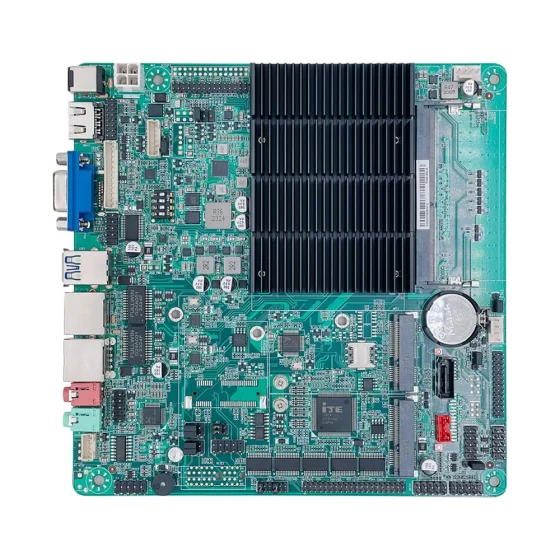
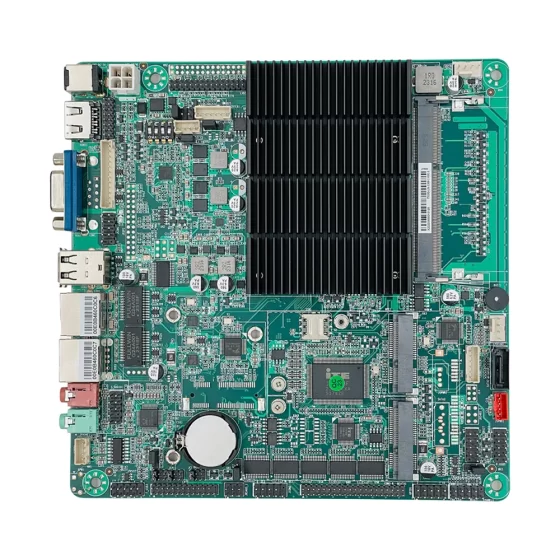
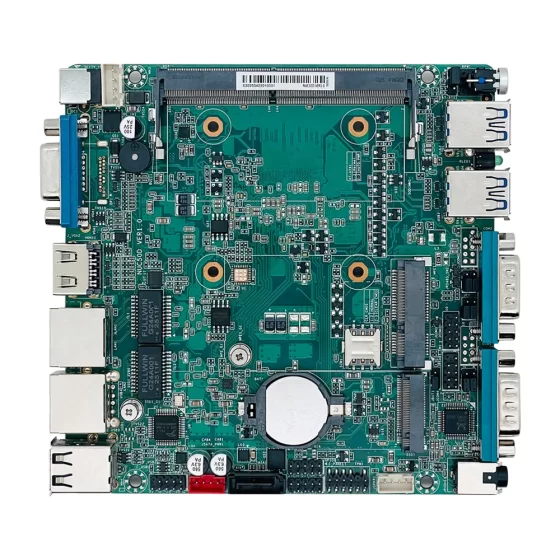
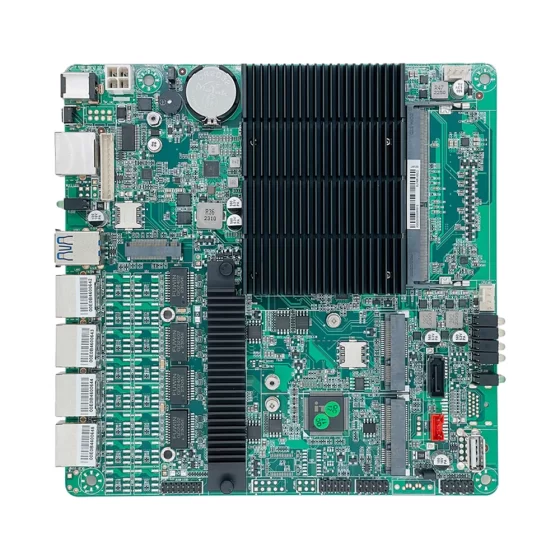
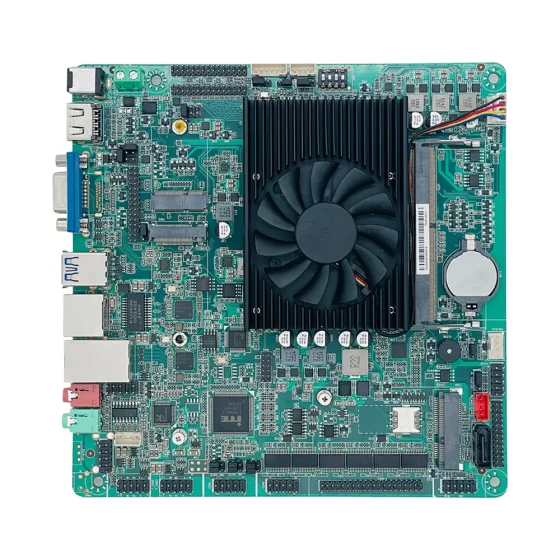
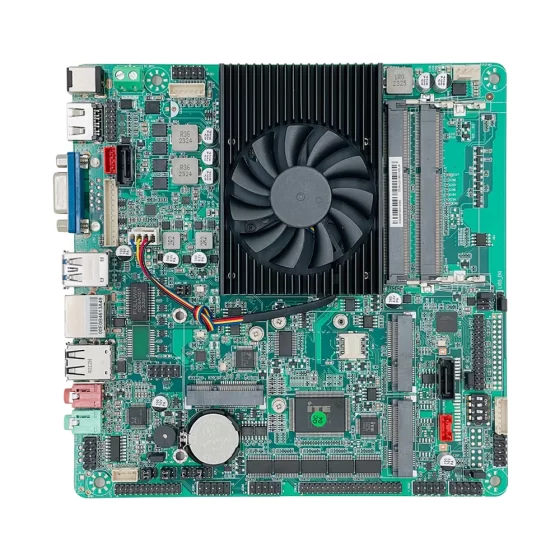
CoreIPC 産業用コンピューティング ソリューション

データセンターセキュリティプラットフォーム: データセンターセキュリティアプライアンス展開用の産業用コンピュータ
エグゼクティブサマリー
A data center security appliance is a dedicated computing platform used to protect, モニター, 検査する, データセンターインフラストラクチャの内部または周囲のネットワークトラフィックを制御します. ファイアウォール機能をサポートしている可能性があります, VPNアクセス, 侵入検知, トラフィックログ, ネットワークのセグメンテーション, 安全なリモートアクセス, パケット検査, およびエッジレベルのサイバーセキュリティ サービス.
データセンターの分散化が進むにつれて, 相互接続された, そしてサービス指向, セキュリティ ハードウェアは信頼できるものでなければなりません, コンパクト, 連続運転可能. データセンターのセキュリティ プラットフォームは、多くの場合ネットワーク エッジに導入されます。, 集約ポイント, サーバールーム, 支店施設, 産業データルーム, または、安定したセキュリティの適用が必要なプライベート クラウド環境.
この役については, 通常、標準的な商用 PC は適切な基盤ではありません. セキュリティ アプライアンスには信頼性の高いネットワークが必要です, マルチLANアーキテクチャ, 安定した保管, 熱的信頼性, 長いライフサイクルのサポート, 統合の柔軟性と. 多くのB2Bプロジェクトで, an industrial computer or embedded computer provides a more suitable hardware platform for building reliable security appliances.
A well-designed data center security appliance should support:
- Multiple LAN ports for WAN, LAN, DMZ, 管理, and segmented networks
- Stable CPU performance for routing, ファイアウォール, VPN, and inspection workloads
- Reliable storage for logs, system images, and security records
- Compact mechanical design for cabinet, rack, or equipment-room deployment
- Low-maintenance thermal architecture
- Long-term hardware consistency for security software deployment
- Flexible customization for OEM and solution-provider requirements
CoreIPC provides industrial computer and embedded computer platforms that can support network security appliances, edge gateways, firewall hardware, monitoring nodes, and customized embedded security systems for global B2B deployment.
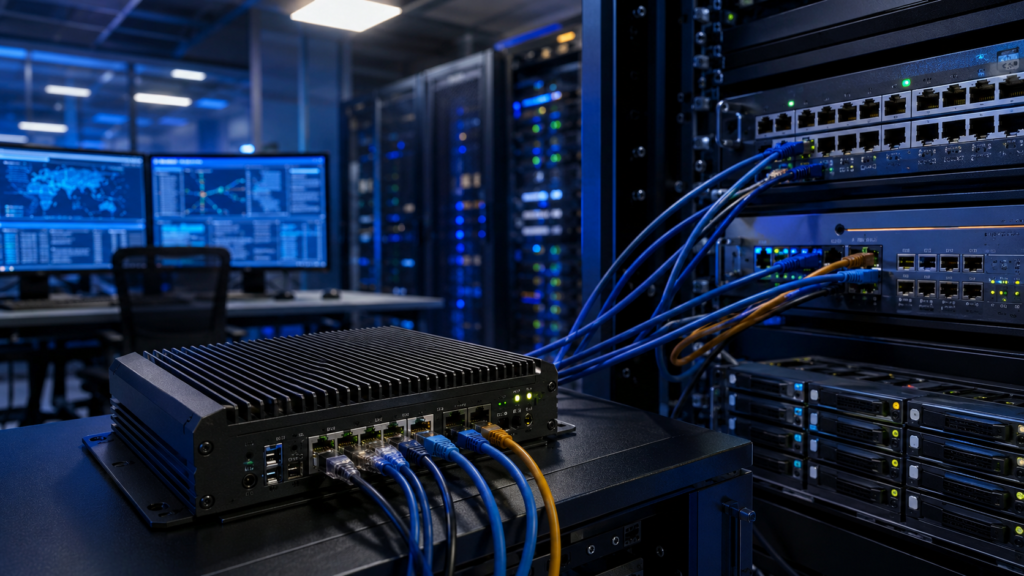 業界の概要
業界の概要
Data centers are no longer limited to large centralized facilities. Many organizations now use a combination of private data centers, colocation sites, edge data rooms, enterprise server rooms, industrial IT rooms, remote branches, and hybrid cloud infrastructure.
This distributed model creates more security boundaries. Traffic may flow between users, アプリケーション, クラウドプラットフォーム, internal servers, 産業システム, storage clusters, remote offices, and management tools. Each connection point can become a risk if not monitored and controlled properly.
A data center security appliance is used to enforce security policies at these critical points. Depending on the software stack, it may function as a firewall appliance, VPNゲートウェイ, intrusion detection platform, secure routing device, network monitoring node, or traffic inspection system.
Common deployment goals include:
- Protecting data center entry and exit traffic
- Separating internal network zones
- Securing remote management access
- Monitoring east-west traffic between internal systems
- Logging network events for troubleshooting and compliance support
- Supporting secure access for administrators and maintenance teams
- Creating dedicated hardware for cybersecurity software platforms
The hardware foundation matters because security services often run continuously. If the appliance becomes unstable, network visibility and protection may be affected. If the platform lacks enough LAN ports, network segmentation becomes difficult. If storage is unreliable, logs may be lost. プラットフォームが頻繁に変更される場合, software images and long-term maintenance become harder to manage.
This is why industrial computer and embedded computer platforms are increasingly used for purpose-built data center security systems. They provide stable hardware design, 柔軟な I/O, コンパクトなフォームファクタ, and better suitability for long-term appliance deployment.
 主要な課題
主要な課題
Data center security appliance design involves more than installing cybersecurity software. The hardware must support traffic flow, security processing, 連続運転, and maintainability.
| チャレンジ | 実際の導入では何が起こるか | ハードウェア要件 |
|---|---|---|
| Multi-network connection | Security appliances may need WAN, LAN, DMZ, 管理, and segmented network ports. | Multi-LAN industrial computer with stable Ethernet controllers. |
| Continuous traffic processing | ファイアウォール, VPN, ルーティング, and inspection workloads may run 24/7. | 信頼性の高いCPU, メモリ, ストレージ, and thermal design. |
| ログの保存 | Security systems may generate large amounts of event and traffic logs. | Industrial SSD, M.2, SATA, or expandable storage options. |
| Cabinet or rack deployment | Appliances may be installed in data rooms, キャビネット, or space-limited sites. | Compact embedded computer or rack-compatible industrial platform. |
| リモート管理 | Administrators need secure access for configuration, 監視, and updates. | Dedicated management port, secure OS support, and stable networking. |
| Lifecycle control | Security software images may need to remain consistent for years. | Long-term hardware availability and stable I/O layout. |
Network Segmentation Complexity
A data center security platform often sits between different network zones. It may separate public-facing services from internal systems, isolate management traffic, or protect sensitive server groups.
このため, a single Ethernet port is not enough. Multi-LAN design is essential for building firewall, ルーティング, and segmentation architectures.
連続稼働要件
Security appliances are expected to operate continuously. Unlike a workstation that can be restarted during normal office hours, a data center security appliance may be part of the active network path.
Hardware instability can create service interruption, monitoring gaps, or remote access problems. The platform should be selected for reliability rather than only peak performance.
Storage and Logging Pressure
Security logs are important for troubleshooting, investigation, 報告, and system optimization. Depending on the software configuration, the appliance may store firewall logs, VPN records, IDS alerts, システムイベント, and traffic metadata.
Reliable storage and proper capacity planning are important. The storage device should match the expected write load and operating environment.
 Solution Architecture for a Data Center Security Appliance
A data center security appliance usually operates as a dedicated node within a layered network security architecture. It connects physical networks, runs security software, and provides controlled visibility into network activity.
1. Network Interface Layer
This layer connects the appliance to different network zones.
Typical interface groups may include:
- WAN or upstream connection
- LAN or internal network
- DMZ network
- Server network
- 管理ネットワーク
- Backup or high-availability link
- Monitoring or mirror port
Multiple LAN ports allow the security appliance to enforce policies between these zones without relying on excessive external adapters.
2. Security Processing Layer
This is where the industrial computer or embedded computer runs the core security software.
アプリケーションに応じて, それはサポートするかもしれない:
- Firewall policy enforcement
- VPNサービス
- 侵入検知
- 侵入防止
- Secure routing
- ネットワークアドレス変換
- トラフィック監視
- Content filtering
- ログ収集
- システムの健全性の監視
The CPU, メモリ, and storage should be selected according to traffic volume, 暗号化ワークロード, ロギング要件, およびソフトウェアスタック.
3. 管理層
The management layer allows administrators to configure and maintain the appliance.
A data center security appliance may provide:
- Dedicated management interface
- Local console access
- Web-based management software
- Remote configuration tools
- System update control
- Backup and restore functions
- ユーザーアクセス制御
- Diagnostic logs
For secure deployment, management traffic should be separated from production traffic when possible.
4. モニタリングおよびロギング層
Security appliances generate operational and security data.
This data may include:
- ファイアウォールイベント
- VPN sessions
- Blocked connections
- Allowed traffic records
- IDS alerts
- System resource status
- Interface statistics
- Storage health
- 構成の変更
Logs may be stored locally, forwarded to a SIEM system, or sent to a centralized monitoring platform. Stable storage and network reliability are important for this layer.
5. 統合層
A data center security platform may need to integrate with broader IT and facility systems.
It can connect with:
- SIEMプラットフォーム
- Network monitoring systems
- Authentication servers
- Centralized logging tools
- Cloud management systems
- リモートメンテナンスプラットフォーム
- Data center operations dashboards
The appliance should provide enough hardware flexibility to support these integrations without forcing major redesign.
主な特長
A reliable data center security appliance should be built on a hardware platform that supports network performance, 安定性, セキュリティソフトの互換性, 長期的な展開.
マルチLANアーキテクチャ
Multiple LAN ports are one of the most important hardware requirements.
A data center security appliance may need separate ports for WAN, LAN, DMZ, 管理, 監視, and failover. Multi-LAN design helps create cleaner network architecture and makes segmentation easier to implement.
For higher-performance systems, port type, controller quality, 帯域幅, and driver compatibility should be evaluated carefully.
Stable CPU Performance
Security workloads can be CPU-intensive, especially when encryption, VPNトンネル, packet filtering, ルーティング, and inspection services run at the same time.
The selected industrial computer should provide enough processing headroom for current workload and future policy expansion. CPU performance should be evaluated together with software requirements, traffic profile, and expected throughput.
Reliable Memory and Storage
Memory supports routing tables, security processes, ログ, cache, and monitoring services. Storage supports operating system files, software packages, 構成のバックアップ, and security logs.
For data center security systems, storage should be selected based on:
- ログボリューム
- 書き込み頻度
- Retention period
- オペレーティング システム要件
- Redundancy strategy
- Field replacement plan
M.2 SSD, SATA SSD, or other storage options may be selected depending on the platform design.
Thermal Reliability
A security appliance may run continuously in a cabinet, rack, or equipment room. Thermal stability is therefore essential.
Fanless systems can reduce mechanical maintenance in low-to-moderate power designs. Higher-performance appliances may require controlled airflow or rugged active cooling. The right choice depends on CPU power, 筐体設計, 周囲温度, and installation density.
Compact Mechanical Design
Data center and edge data room installations often have limited space. A compact embedded computer can be installed in network cabinets, wall-mounted enclosures, 産業データルーム, or equipment racks.
Mechanical design should consider:
- 取付方法
- Cable direction
- Port accessibility
- Power connector security
- Cooling clearance
- Service access
A clean layout reduces installation errors and improves maintenance efficiency.
Secure Management Support
Security appliances must be manageable without exposing unnecessary risk.
Useful hardware-level considerations include:
- Dedicated management LAN
- Console access
- Auto power-on
- Watchdog timer
- System recovery options
- Stable BIOS configuration
- Clear hardware status indication
These features help administrators maintain the appliance more efficiently.
拡張機能
Some security platforms require additional storage, 無線モジュール, bypass modules, TPM-related options, or specialized network interfaces depending on the project.
M.2による拡張, ミニ PCIe, PCIe, or customized board design helps OEMs and solution providers adapt the appliance to different customer environments.
ソフトウェアの互換性
Hardware must support the selected security software stack.
これには以下が含まれる場合があります:
- Firewall operating systems
- Linuxベースのセキュリティプラットフォーム
- VPN software
- IDS or IPS software
- Routing software
- Monitoring agents
- Log forwarding tools
- Remote management utilities
導入前, integrators should verify driver support, LAN controller compatibility, ストレージのサポート, BIOS設定, and image deployment process.
導入シナリオ
A data center security appliance can be used in different network security and infrastructure environments.
Data Center Edge Firewall
At the edge of a data center, the appliance can control traffic between upstream networks and internal systems. It may enforce firewall policies, manage NAT, terminate VPN connections, and monitor suspicious traffic patterns.
Multi-LAN architecture is important because the appliance may need to separate external, internal, DMZ, および管理ネットワーク.
Internal Segmentation Gateway
Not all security risks come from outside the network. Data centers often need segmentation between server groups, application zones, storage networks, 管理ネットワーク, and backup systems.
A data center security appliance can act as a controlled gateway between these zones, helping enforce policy and improve visibility into internal traffic.
VPN and Remote Access Appliance
Administrators, エンジニア, and service teams may need secure remote access to data center resources.
A dedicated security appliance can provide VPN access, authentication integration, アクセスログ, and controlled routing. Reliable hardware is important because remote access often supports maintenance and emergency response.
Network Monitoring and IDS Node
Some appliances are deployed primarily for monitoring rather than traffic forwarding. They may receive mirrored traffic from switches and analyze it for abnormal patterns, suspicious behavior, or policy violations.
このシナリオでは, LAN帯域幅, ストレージ, CPU性能, and logging capacity are important selection factors.
Edge Data Room Security
Many organizations operate smaller edge data rooms or remote IT facilities outside large data centers.
A compact embedded computer can provide firewall, VPN, ルーティング, and monitoring functions in these distributed sites. This helps standardize security architecture across many locations.
Industrial Data Center and OT Security
Industrial facilities may operate local data rooms for SCADA, MES, 本番データベース, video systems, and automation networks.
A data center security platform can help separate IT and OT systems, 安全なリモートアクセス, and monitor traffic between production networks and enterprise systems.
ビジネス上のメリット
A well-designed data center security appliance can provide practical value for network teams, solution providers, OEM, インフラ事業者と.
Cleaner Network Segmentation
Multi-LAN hardware allows security policies to be applied between different network zones. This improves architecture clarity and reduces dependence on complex external adapters.
セキュリティの可視性の向上
A dedicated appliance can collect logs, monitor traffic, and provide better visibility into network behavior. This helps teams investigate issues and understand how data moves across the environment.
Reduced Deployment Complexity
An industrial computer with suitable LAN ports, ストレージ, 電源入力, and mounting options can simplify appliance design. This is especially useful for OEMs and solution providers building repeatable security systems.
Better Long-Term Maintainability
Stable hardware design helps maintain consistent software images, ドライバー, ドキュメント, およびスペアパーツ. This is important for security appliances deployed across many sites.
Lower Hardware Failure Risk
Industrial-grade platforms are designed for continuous operation and controlled deployment environments. Reliable thermal design, ストレージオプション, and mechanical construction can reduce maintenance risk.
Scalable Security Appliance Design
The same platform concept can be adapted for small branch data rooms, industrial sites, edge facilities, and larger data center networks. This supports a more consistent security hardware strategy.
CoreIPC を選ぶ理由
CoreIPC は産業用コンピュータを提供します, 組み込みコンピュータ, 埋め込みボード, and customized hardware platforms for network security, 産業オートメーション, エッジコンピューティング, and OEM system integration. For data center security appliance projects, CoreIPC focuses on stable multi-LAN design, コンパクトなフォームファクタ, reliable storage support, practical thermal design, ハードウェアの長期可用性. CoreIPC works with solution providers, システムインテグレーター, and equipment manufacturers that need dependable computing platforms for security appliances, edge gateways, and network monitoring systems. ODMおよびOEM機能を搭載, CoreIPC can support customized I/O, 筐体設計, ブランディング, and project-specific hardware requirements.
よくある質問
1. What is a data center security appliance?
A data center security appliance is a dedicated hardware platform used to run network security functions in or around data center infrastructure. It may support firewall policies, VPNアクセス, 侵入検知, ルーティング, トラフィック監視, およびセキュリティログ. Unlike a general-purpose PC, it is usually designed with multiple LAN ports, 安定した保管, continuous operation capability, and a compact form factor suitable for network cabinets or equipment rooms.
2. Why use an industrial computer for a data center security appliance?
An industrial computer can provide stable hardware design, 複数のLANポート, 信頼できるストレージ, compact installation options, 長いライフサイクルのサポート. These features are useful for security appliances that must operate continuously and remain consistent across multiple deployments. Compared with a standard desktop PC, an industrial or embedded computer is usually better suited for appliance-style deployment, OEM integration, そして長期メンテナンス.
3. How many LAN ports does a security appliance need?
The number of LAN ports depends on the network architecture. A basic appliance may need WAN, LAN, and management ports. More advanced deployments may require additional ports for DMZ, 監視, フェイルオーバー, internal segmentation, or dedicated server zones. Multi-LAN design gives integrators more flexibility when building firewall, ルーティング, および監視システム.
4. What hardware factors affect firewall and VPN performance?
Firewall and VPN performance can be affected by CPU capability, メモリ, LAN controller performance, ドライバーサポート, 暗号化ワークロード, 交通量, and software configuration. Storage may also matter if extensive logging is enabled. The best platform should be selected according to actual throughput requirements, number of concurrent sessions, VPN usage, inspection rules, and long-term expansion needs.
5. Can an embedded computer be used as a network security appliance?
はい. An embedded computer can be used as a network security appliance if it provides the required LAN ports, 処理性能, ストレージ, 電源設計, ソフトウェアの互換性. Compact embedded computers are especially useful for edge data rooms, ブランチネットワーク, 産業施設, and OEM security devices where space and long-term availability are important.
6. Why is storage important in a data center security platform?
ストレージはオペレーティング システムに使用されます, 設定ファイル, log records, ソフトウェアのアップデート, and security event data. In some deployments, logs may be written frequently, so storage quality and capacity planning are important. 産業用SSD, M.2 modules, or SATA storage may be selected based on log volume, retention period, write load, and serviceability requirements.
7. What is the role of a dedicated management port?
A dedicated management port separates administrative access from production network traffic. This can make configuration, 監視, トラブルシューティング, and remote maintenance easier to control. It also supports better network organization by keeping management communication isolated from user or application traffic. For security appliances, this separation is often useful in data center and enterprise environments.
8. Can a data center security appliance support internal segmentation?
はい. A security appliance can be deployed between internal network zones to enforce policies and monitor traffic. This is useful for separating application servers, ストレージシステム, 管理ネットワーク, backup environments, and sensitive workloads. Internal segmentation helps improve visibility and control, especially in complex data center architectures where east-west traffic is significant.
9. What should OEMs consider when building a security appliance?
OEMs should evaluate LAN port count, processor performance, ストレージオプション, 熱設計, 筐体サイズ, 電源入力, ソフトウェアの互換性, BIOS設定, branding needs, ライフサイクルの可用性. The platform should support repeatable production and stable software images. Customization may also be required for enclosure design, port layout, 取り付け, ラベリング, or project-specific I/O.
10. Is fanless design suitable for data center security appliances?
Fanless design can be suitable for low-to-moderate power security appliances, especially in dusty, リモート, or maintenance-limited environments. しかし, higher-performance systems may require controlled airflow or active cooling. The correct thermal design depends on CPU workload, installation density, 周囲温度, 筐体設計, and expected traffic processing load.
結論
A data center security appliance is an important part of modern network protection, セグメンテーション, リモートアクセス, and monitoring infrastructure. It helps control traffic between network zones, support secure administration, collect security logs, and provide better visibility into data center operations.
For reliable deployment, the hardware platform must provide more than basic computing performance. It should offer stable multi-LAN connectivity, dependable storage, 熱的信頼性, compact mechanical design, ソフトウェアの互換性, and long-term lifecycle support.
By using an industrial computer or embedded computer as the foundation for a data center security appliance, solution providers and system integrators can build more reliable, 保守可能, and scalable security platforms. CoreIPC supports industrial computing hardware and customization services for companies developing network security appliances, edge gateways, and embedded cybersecurity systems.
お問い合わせ
If you are developing a data center security appliance or need an industrial computer platform for firewall, VPN, トラフィック監視, ネットワークのセグメンテーション, or embedded cybersecurity applications, CoreIPC はハードウェア要件の評価に役立ちます. Contact the CoreIPC team to discuss LAN port configuration, CPU性能, ストレージデザイン, エンクロージャ構造, thermal requirements, ODM/OEMのカスタマイズ, and long-term supply planning for your next security platform project.