CoreIPC 産業用コンピューティング ソリューション

IPS セキュリティ アプライアンス: 産業用ネットワーク保護用 IPS アプライアンス
エグゼクティブサマリー
ips アプライアンスは、侵入防御のための産業用コンピューティング基盤を提供します。, ファイアウォールの施行, 安全な交通制御, ネットワークのセグメンテーション, リモートアクセス保護, および産業用サイバーセキュリティの導入.
現代の産業ネットワークはもはや孤立していません. 工場, エネルギーサイト, 倉庫, 交通システム, リモート インフラストラクチャ環境では PLC が接続されるようになりました, SCADAシステム, 産業用PC, 組み込みコンピュータ, IIoTゲートウェイ, カメラ, センサー, HMI, ロボット, およびクラウドプラットフォーム.
この接続により、可視性と運用効率が向上します。, しかし、同時に不正アクセスにさらされる可能性も高まります, 異常なネットワーク動作, マルウェアのようなトラフィック, ポリシー違反, およびリモートサービスのリスク.
IPS セキュリティ アプライアンスは、重要な産業システムに到達する前に不審なトラフィックを検出して防止します。. 主に監視と警告を行う IDS プラットフォームとは異なります。, 侵入防御システムは通常、インラインに配置され、トラフィックを検査し、定義されたポリシーに従って不要な通信をブロックまたは制御できます。.
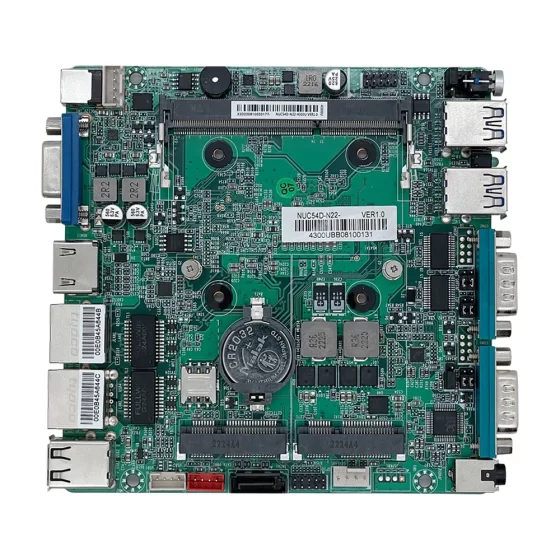
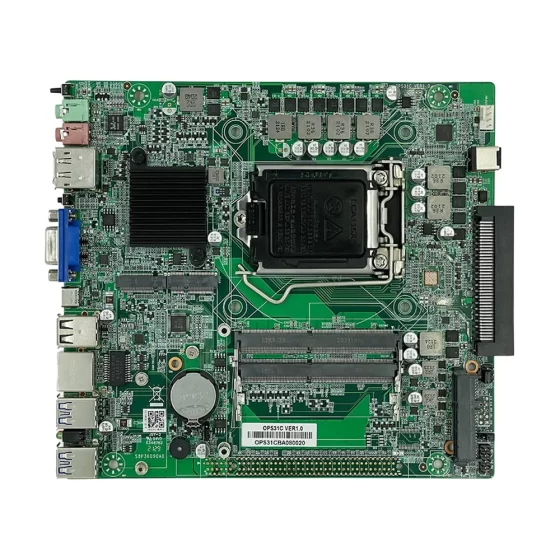
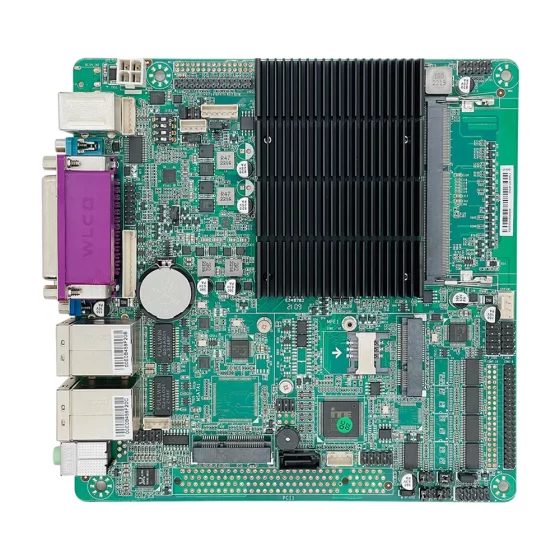
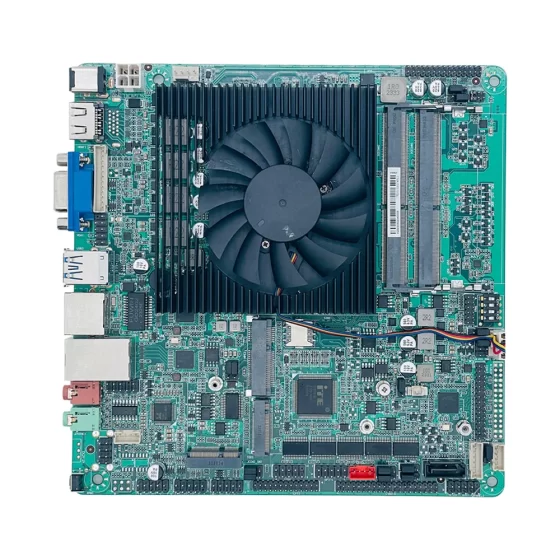
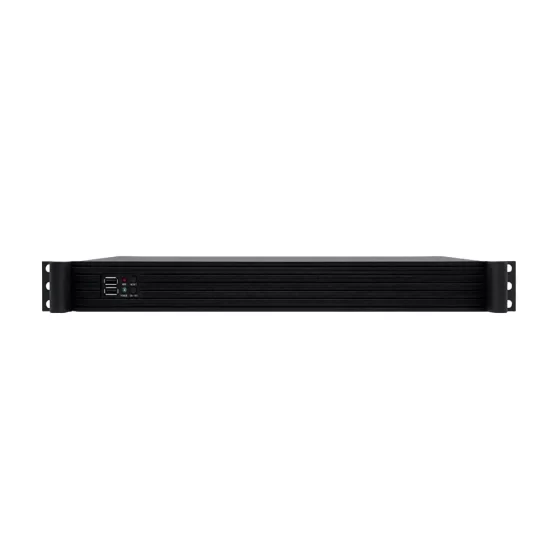
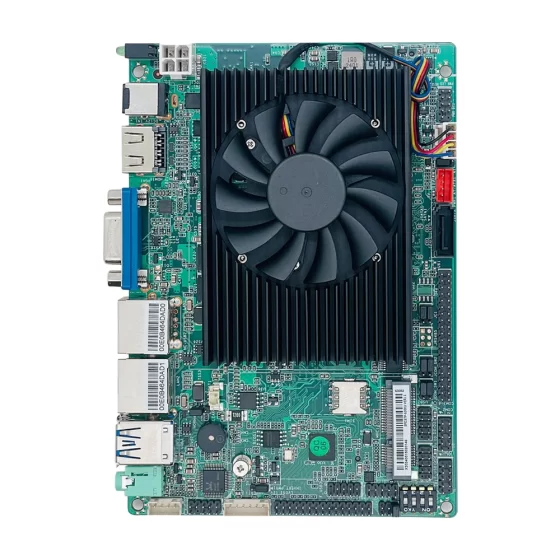
産業用コンピュータまたは組み込みコンピュータは、IPS ハードウェア プラットフォームとして機能できます。. 複数のLANポートを提供可能, ルーティング機能, ファイアウォール機能, ローカルロギング, セキュリティ処理性能, 信頼できるストレージ, 工場または現場環境向けの堅牢な導入.
標準的なオフィスセキュリティデバイスとの比較, 産業用 IPS アプライアンスはキャビネット内で確実に動作する必要があります, 産地, リモートユーティリティサイト, 交通インフラ, 倉庫, およびマシン側ネットワーク.
この記事では、IPS アプライアンスが産業用ネットワーク保護をサポートする方法について説明します, 実際のアプリケーションではどのような導入上の課題が発生するか, ソリューション アーキテクチャの仕組み, IPS セキュリティ アプライアンス展開用の産業用コンピュータまたは組み込みコンピュータを選択する際にどのハードウェア機能が重要になるか.
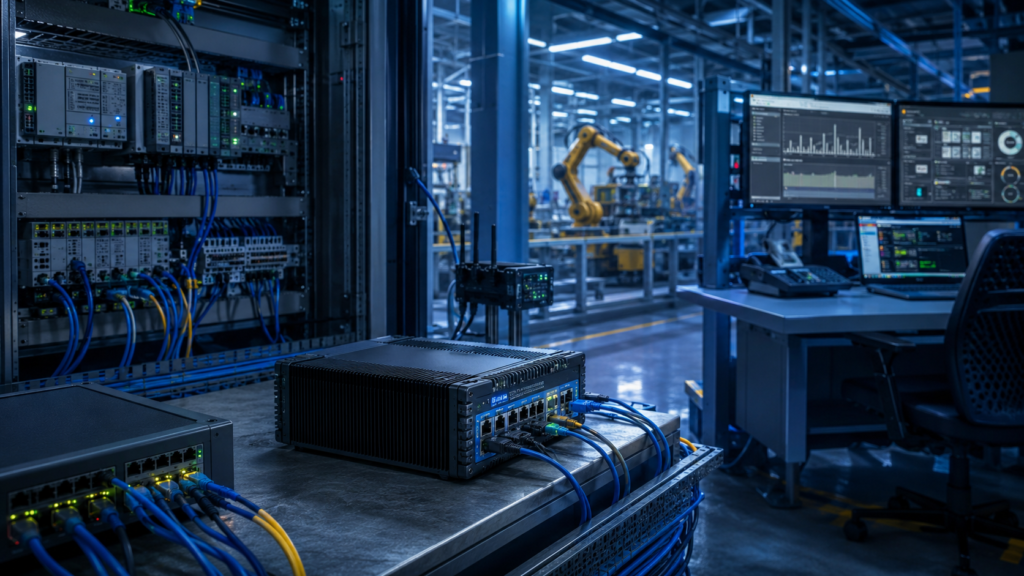
IPS セキュリティ アプライアンスは工場の IT の保護に役立ちます, OT, PLC, スカダ, およびマシンネットワーク.
業界の概要
産業用ネットワークにはアクティブな保護が必要
産業用サイバーセキュリティは可視化から始まることが多い.
IDS プラットフォームはトラフィックを観察し、不審なアクティビティを検出するのに役立ちます. しかし, 一部の環境ではネットワーク境界でのアクティブな保護が必要です.
IPS アプライアンスはトラフィックを検査し、防止ポリシーを適用できます。.
保護に役立ちます:
- PLCネットワーク
- SCADAシステム
- マシンネットワーク
- 産業用IoTゲートウェイ
- リモートメンテナンスアクセス
- 工場のITとOTの境界
- カメラネットワーク
- エネルギー監視システム
- 倉庫自動化システム
- 交通インフラ
- リモートユーティリティサイト
目標は、本番通信の安定性を維持しながらリスクを軽減することです.
IPS アプライアンスは重要なネットワーク境界で使用されます
トラフィックを制御する必要がある場所には、一般に侵入防止システムが導入されます。.
産業環境において, これには、IT ネットワークと OT ネットワークの間の境界が含まれる場合があります。, マシンネットワークとリモートアクセスシステム, または産業用IoTゲートウェイと外部プラットフォーム.
アプライアンスはサポートしている可能性があります:
- 交通検査
- ファイアウォールの強制
- 侵入防止
- VPN保護
- ネットワークのセグメンテーション
- アクセスポリシー制御
- セキュリティイベントのログ記録
- トラフィックフィルタリング
- リモートアクセス制限
- 産業用プロトコルの監視
IPS アプライアンスはネットワーク トラフィックに積極的に影響を与える可能性があるため、慎重に構成する必要があります。.
信頼性の高い導入には産業用ハードウェアが必要です
オフィス ネットワーク アプライアンスは、多くの場合、クリーンな状態で設置されます。, 温度管理されたネットワークルーム.
産業用 IPS アプライアンスは、より過酷な場所に導入される可能性があります.
制御盤内で動作する場合があります, マシンエンクロージャ, 遠隔設備室, 倉庫ラック, 道路脇のキャビネット, 変電所, またはユーティリティ施設.
これらの環境には粉塵が含まれる可能性があります, 振動, 温度変化, 電気ノイズ, 限られた空気の流れ, ケーブルストレス, そして連続運転.
産業用コンピュータと組み込みコンピュータは、これらの条件に必要な堅牢なハードウェア基盤を提供します。.

インライントラフィックパス, ファイアウォールポリシー, VPNトラフィック, PLCネットワーク, IIoT ゲートウェイは IPS 導入計画に影響を与えます.
主要な課題
生産を中断することなく脅威を防止
IPS 導入の主な課題はバランスです.
アプライアンスは不要なトラフィックを防止する必要があります, ただし、合法的な産業上の通信を妨げてはなりません. 実稼働システムは PLC ポーリングに依存する場合があります, SCADA通信, HMIアクセス, マシンのデータ転送, アラームメッセージ, およびリモートエンジニアリングセッション.
IPS ポリシーの構成が不適切だと、運用が中断される可能性があります.
導入前, チームは理解する必要がある:
- 必要な産業用交通
- 通常のデバイス通信
- クリティカルな生産パス
- リモートサービスのワークフロー
- メンテナンス期間
- 許可されるプロトコルの動作
- 緊急アクセス要件
- ロギングとエスカレーションのルール
産業用 IPS の展開は、完全なインライン操作の前に常に慎重に検証する必要があります.
インライン展開と可用性のリスク
IPS アプライアンスは多くの場合インラインで導入されます.
これは、トラフィックが宛先ネットワークに到達する前にアプライアンスを通過することを意味します。. インライン配置により防止が可能, しかし、ハードウェアの信頼性もより重要になります.
アプライアンスに障害が発生した場合、または構成が間違っている場合, 通信が中断される可能性があります.
導入計画では考慮すべき事項:
- バイパス戦略
- 冗長ネットワークパス
- フェイルセーフ動作
- 電力の安定性
- ハードウェアのライフサイクル
- ローカルリカバリアクセス
- 構成のバックアップ
- リモート管理ポリシー
産業用グレードのハードウェアにより、予期せぬ障害のリスクが軽減されます.
高トラフィック検査ワークロード
IPS アプライアンスはトラフィックを継続的に検査する必要がある場合があります.
必要な性能はトラフィック量に依存する, ポート速度, ルールの複雑さ, VPN ワークロード, ルーティングのニーズ, およびロギング要件.
重要な要素には以下が含まれます::
- ネットワークゾーンの数
- LANポート速度
- トラフィックスループット
- IPSルールセット
- ファイアウォールポリシーの複雑さ
- VPNトンネル数
- 暗号化通信量
- ログ生成速度
- リモートアクセスセッション
- 産業用プロトコルのトラフィック
コンピューティング プラットフォームは、現実的なネットワーク条件に基づいて選択する必要があります。, 基本的なハードウェア仕様だけでなく.
ITとOTのポリシー調整
産業用 IPS の導入には、IT セキュリティ チームと OT エンジニアリング チームの協力が必要です.
IT チームは脅威の防止に重点を置く可能性がある, アクセス制御, とポリシーの施行. OT チームは稼働時間を重視します, マシンコミュニケーション, 生産の継続性, およびメンテナンスのワークフロー.
実際の IPS ポリシーは両方の側面を反映する必要があります.
運用に必要なトラフィックをブロックすることなくネットワークを保護する必要があります。.
これにはベースラインのレビューが必要です, 段階的なポリシー調整, 段階的な導入, および明確なロールバック手順.
現場での長期的な信頼性
IPS アプライアンスは重要なセキュリティ インフラストラクチャになる可能性があります.
複数の工場で長年にわたって稼働し続ける可能性があります, リモートサイト, またはOEM機器の設置.
ハードウェアを頻繁に変更すると、ソフトウェアの互換性の問題が発生する可能性があります, ドライバーの検証の問題, スペアパーツの課題, メンテナンスの複雑さ.
長期ライフサイクルサポートを備えた産業用プラットフォームは、これらのリスクの軽減に役立ちます.

IPS アプライアンスはインライン トラフィック制御に接続します, 産業システム, イベントデータベース, およびセキュリティ監視プラットフォーム.
IPS アプライアンス ソリューション アーキテクチャ
産業ネットワーク層
産業ネットワーク層には、保護が必要なシステムが含まれます.
この層には以下が含まれる場合があります:
- PLC
- HMI
- SCADAサーバー
- 産業用PC
- 組み込みコントローラー
- マシンコントローラー
- ロボット
- カメラ
- センサー
- エネルギーメーター
- IIoTゲートウェイ
- エンジニアリングワークステーション
これらのシステムは複数のゾーンに分割される場合があります. IPS アプライアンスは、これらのゾーン間の通信の制御に役立ちます.
インライントラフィック制御層
インライン トラフィック コントロール層は、IPS アプライアンスがトラフィック パスに直接配置される場所です。.
間に配置される場合があります:
- WANと工場LAN
- ITおよびOTネットワーク
- マシンネットワークとリモートサービスネットワーク
- 産業用IoTゲートウェイとクラウド接続
- SCADAネットワークと外部アクセス
- カメラネットワークと監視プラットフォーム
- 遠隔施設と集中管理システム
この配置により、アプライアンスが検査できるようになります。, 許可する, ブロック, またはセキュリティ ポリシーに従ってトラフィックをログに記録する.
IPS コンピューティング層
IPS コンピューティング層はシステムの中核です.
この層では, 産業用コンピュータまたは組み込みコンピュータは、:
- ネットワークパケットを検査する
- 防止ルールを適用する
- ファイアウォールポリシーを適用する
- ゾーン間のトラフィックのルーティング
- VPN接続を管理する
- セキュリティイベントをログに記録する
- ローカルダッシュボードのサポート
- システムの健全性を監視する
- セキュリティ プラットフォームにアラートを送信する
- リモート管理アクセスを提供する
この層は、産業侵入防止に必要なコンピューティング能力を提供します。.
セキュリティポリシー層
セキュリティ ポリシー層は、IPS アプライアンスが何を許可するかを定義します。, ブロック, 検査する, またはログ.
ポリシーは以下に基づいている可能性があります:
- ネットワークゾーン
- デバイスの種類
- ユーザーの役割
- リモートアクセスの目的
- アプリケーションの種類
- 産業用プロトコル
- サイトの場所
- メンテナンス期間
- リスクレベル
- 交通方向
強力なポリシー設計により、広範なオープンアクセスが回避されます.
産業用ネットワーク向け, ポリシーは施行前に実際のトラフィックでテストする必要があります.
セキュリティ監視層
セキュリティ監視レイヤーは、IPS の結果をオペレーターおよびセキュリティ チームと結び付けます。.
IPS アプライアンスはアラートとログを次の宛先に送信する場合があります。:
- ローカルセキュリティダッシュボード
- SIEMプラットフォーム
- SOC システム
- 産業用監視プラットフォーム
- SCADAセキュリティダッシュボード
- クラウドセキュリティプラットフォーム
- メンテナンスワークステーション
- 集中管理システム
これは、チームがブロックされたトラフィックを理解するのに役立ちます, 不審な活動, アプライアンスの健全性.
主な特長
マルチLANネットワークセグメンテーション
多くの IPS アプライアンスの展開には複数の LAN ポートが不可欠です.
これにより、プラットフォームが異なるネットワーク ゾーンを分離し、それらの間でポリシーを適用できるようになります。.
有用な構成には次のものがあります。:
- WANアップリンク
- 工場ITネットワーク
- PLCネットワーク
- マシンネットワーク
- SCADAネットワーク
- カメラネットワーク
- 産業用IoTネットワーク
- リモートメンテナンスネットワーク
マルチ LAN 設計により、より強力なセグメンテーションとより優れたトラフィック編成がサポートされます。.
侵入防御パフォーマンス
IPS ワークロードは要求が厳しい場合があります.
ハードウェアは実際のトラフィック検査要件に従って選択する必要があります.
選択は考慮すべきです:
- CPU性能
- メモリ容量
- ポート速度
- トラフィックスループット
- ルールの複雑さ
- VPN ワークロード
- ファイアウォール処理
- ロギングボリューム
- ストレージ速度
- オペレーティング システムのサポート
大規模な導入の場合, 現実的な産業用ネットワーク トラフィックを使用してパフォーマンスを検証する必要がある.
信頼性の高いローカルストレージ
IPS アプライアンスはログを保存する必要がある場合があります, システムファイル, ポリシー, 構成のバックアップ, 証明書, イベント記録, および診断データ.
SSD または NVMe ストレージは、機械式ドライブよりもアクセスが速く、耐衝撃性に優れているため、一般的に好まれます。.
ストレージ計画で考慮すべきこと:
- ログの保存
- セキュリティイベントレコード
- 構成のバックアップ
- システムの回復
- 証明書の保管場所
- 診断ファイル
- 書き込み耐久性
- バックアップのワークフロー
信頼性の高いストレージにより、監査性とトラブルシューティングが向上します.
インラインの信頼性とバイパス計画
IPS アプライアンスがインラインに配置される可能性があるため, 信頼性は非常に重要です.
ハードウェアとシステムの設計では、停電時のトラフィックの動作を考慮する必要があります。, リブート, メンテナンス, または予期せぬ失敗.
展開に応じて, オペレータはバイパス サポートを必要とする場合があります, 冗長設計, または文書化された回復手順.
これは、ネットワークの中断によりマシンが停止する可能性がある実稼働環境では特に重要です。.
堅牢なファンレス設計
ファンレス産業用コンピュータは、埃っぽいキャビネットや遠隔環境での IPS 導入に役立ちます.
粉塵の侵入を減らし、一般的な機械的故障点を 1 つ除去します。.
頑丈なエンクロージャが振動から保護します, 取り付け応力, ケーブルのひずみ, そして長い営業時間.
交通検査のため、熱設計は依然として慎重に検討する必要があります。, 暗号化, ロギングにより継続的な処理負荷が発生する可能性があります.
柔軟な産業用 I/O
IPS プラットフォームは主にネットワークに重点を置いています, しかし、産業用 I/O は依然として有用です.
重要なオプションには以下が含まれる場合があります:
- LAN
- USB
- RS232
- RS485
- GPIO
- デジタル入力
- デジタル出力
- HDMI
- ディスプレイポート
- M.2
- PCIe
- SATA または NVMe
GPIOはアラーム出力をサポートできます. USB およびディスプレイ ポートはローカル サービスをサポートできます. PCIe または M.2 拡張は追加の LAN モジュールをサポート可能, 無線モジュール, またはストレージデバイス.
長いライフサイクルと保守性
産業用 IPS アプライアンスは長年にわたり生産され続ける可能性があります.
一貫したハードウェアはソフトウェア イメージの維持に役立ちます, セキュリティソフトの互換性, ドライバーの検証, スペアパーツの計画, および構成テンプレート.
これは機械製造者にとって重要です, システムインテグレーター, 複数のサイトにセキュリティ アプライアンスを導入する産業オペレータ.
導入シナリオ
ITとOTの境界保護
IPS アプライアンスは工場の IT ネットワークと OT ネットワークの間に導入可能.
エンタープライズ システムと実稼働ネットワークの間を移動するトラフィックを検査できます.
これにより、通信の制御が強化され、ビジネス システムと産業機器間の不必要な暴露が軽減されます。.
マシンネットワーク保護
機械メーカーは IPS ハードウェアを機器ネットワークに統合できます.
アプライアンスはマシン コントローラーの保護に役立ちます, HMI, 産業用PC, およびリモートサービスアクセス.
これは、リモート サポートが必要な顧客サイトに展開されている OEM マシンに役立ちます。.
SCADAネットワーク保護
SCADA システムは多くの場合、制御室を接続します, リモートデバイス, エンジニアリングワークステーション, および監視プラットフォーム.
IPS アプライアンスは、SCADA ネットワークに出入りするトラフィックを検査し、セキュリティ ポリシーを適用できます。.
これはエネルギーに役立ちます, 水, 交通機関, およびインフラ環境.
インダストリアルIoTセキュリティゲートウェイ
産業用 IoT システムが機械を接続, センサー, ゲートウェイ, およびクラウドプラットフォーム.
IPS アプライアンスは、IIoT ゲートウェイと外部システム間のトラフィックの検査と制御に役立ちます.
これにより、より安全なデータ転送とより適切なネットワーク セグメンテーションがサポートされます。.
リモートメンテナンス保護
リモートメンテナンスが便利, しかしそれは制御されなければなりません.
IPS アプライアンスはアクセス ポリシーを適用できます, リモートサービストラフィックを検査する, アクティビティをログに記録する, マシンネットワークを不必要な暴露から保護します.
これにより、OEM およびシステム インテグレーターの安全なサービス ワークフローがサポートされます。.
倉庫および物流のセキュリティ
倉庫にはコンベヤーが含まれる場合があります, バーコードシステム, カメラ, 産業用PC, WMS プラットフォーム, およびオートメーションコントローラー.
IPS アプライアンスは、オートメーション ネットワークを保護し、物流システム間のトラフィックを制御できます。, リモートアクセス, および管理プラットフォーム.
交通インフラのセキュリティ
交通システムには路側設備が含まれる場合があります, 交通管制官, 駐車システム, 駅ネットワーク, および監視センター.
産業用 IPS アプライアンスは、分散インフラストラクチャ環境でのネットワーク保護をサポートできます.
OEM IPS アプライアンスの開発
セキュリティ ソリューション プロバイダーは、産業用コンピューターまたは組み込みボードを使用してカスタム IPS アプライアンスを構築できます.
ハードウェア プラットフォームはマルチ LAN ネットワークをサポートできます, 交通検査, ファイアウォール機能, VPNアクセス, ロギング, 堅牢なアプライアンススタイルの導入.
ビジネス上のメリット
アクティブなネットワーク保護
IPS アプライアンスは、不要なトラフィックが重要な産業システムに到達するのを積極的に阻止できます。.
これにより、不正アクセスのリスクを軽減できます, 不審な通信, およびポリシー違反.
アクティブな保護は、制御された強制が必要なネットワーク境界で価値があります。.
より強力なネットワークセグメンテーション
マルチ LAN IPS アプライアンスは、産業用ネットワークを制御ゾーンに分割するのに役立ちます.
これにより、IT 間の分離がサポートされます。, OT, 機械, カメラ, IIoT, リモートサービス, および管理ネットワーク.
セグメンテーションの改善により、セキュリティとネットワーク構成の両方が向上します.
より安全なリモート アクセス
IPS ハードウェアは、防止ポリシーを組み合わせることで安全なリモート メンテナンスをサポートできます, ファイアウォールルール, VPN接続, そしてロギング.
不必要なトラフィックを制限しながら、認定エンジニアが必要なシステムにアクセスできる.
これにより、リモート サービス運用時のリスクを軽減できます。.
セキュリティの可視性の向上
IPS アプライアンスはログを提供します, 予防イベント, ブロックされた交通記録, トンネルのステータス, システムの健全性情報.
これは、オペレーターとセキュリティ チームがネットワーク境界で何が起こっているかを理解するのに役立ちます.
良好な可視性が監査レビューをサポート, 事件捜査, そしてトラブルシューティング.
信頼性の高い産業展開
産業用コンピュータは、オフィス環境の外に展開されるセキュリティ アプライアンスに堅牢なハードウェアを提供します.
ファンレス設計, 安定した保管, 工業用取り付け, 長いライフサイクルのサポートにより、メンテナンスのリスクが軽減されます.
これは工場にとって重要です, エネルギー施設, 交通機関, 倉庫, およびリモートインストール.
スケーラブルなセキュリティ アプライアンスの導入
標準化された IPS ハードウェア プラットフォームにより、複数の工場間での侵入防御の導入が容易になります。, 機械, リモートサイト, およびOEMシステム.
一貫したハードウェアによりソフトウェア イメージが簡素化されます, ポリシーテンプレート, スペアパーツの計画, 検証, およびライフサイクル管理.
これにより、スケーラブルな産業用サイバーセキュリティの展開がサポートされます。.
CoreIPC を選ぶ理由
CoreIPC はネットワーク セキュリティのための産業用コンピューティング プラットフォームを提供します, 産業用IoT, ファクトリーオートメーション, 遠隔監視, および組み込みシステムの統合. IPS アプライアンス アプリケーションの場合, CoreIPC は信頼性の高い産業用コンピューター ハードウェアに重点を置いています, 組み込みコンピュータソリューション, マルチLAN構成, 柔軟な I/O, コンパクトなシステム設計, ファンレス導入オプション, OEM/ODMカスタマイズサポート. CoreIPC はシステム インテグレーターを支援します, セキュリティソリューションプロバイダー, 機械製造業者, そして産業運営者は、実際の導入要件に適合するコンピューティング プラットフォームを選択します。, LANポート数を含む, IPS ワークロード, ファイアウォールのパフォーマンス, VPN の要件, ストレージのニーズ, 取り付け方法, 電源入力, 熱条件, およびライフサイクル計画.
よくある質問
1. IPS アプライアンスとは何ですか?
IPS アプライアンスは、侵入防御機能を実行するために使用されるハードウェア プラットフォームです。.
ネットワークトラフィックを検査し、ブロックすることができます, 許可する, またはセキュリティ ポリシーに従ってトラフィックをログに記録する. 産業環境において, IPS アプライアンスは、PLC ネットワークを保護するために一般的に使用されます, SCADAシステム, マシンネットワーク, 産業用IoTゲートウェイ, およびリモートアクセス接続.
2. IPS アプライアンスに産業用コンピュータを使用する理由?
産業用コンピュータは、工場および現場での導入に堅牢なハードウェアと柔軟な接続を提供します。.
複数のLANポートをサポートできます, ファンレス動作, 信頼性の高いローカルストレージ, 工業用取り付け, 安定した電力入力, 長いライフサイクルの可用性. これらの機能により、キャビネットへの IPS の導入に適しています。, 産地, リモートサイト, インフラストラクチャシステム.
3. 組み込みコンピュータは IPS プラットフォームとしてどのように使用されますか?
組み込みコンピュータは、制御キャビネット内でコンパクトな IPS アプライアンスとして機能できます。, 機械の筐体, 遠隔施設, または OEM セキュリティ ゲートウェイ.
トラフィックを検査できる, ファイアウォールポリシーを適用する, 安全なアクセスを管理する, ログを保存する, アラートを監視システムに転送します.
4. IDSとIPSの違いは何ですか?
IDS は不審なアクティビティを検出し、アラートを生成します.
IPS は、定義されたポリシーに従って通信をブロックまたは制御することで、トラフィックをアクティブに防止できます。. 産業環境において, IDS は可視化のためによく使用されます, 一方、IPS は積極的な強制が必要な場合に使用され、慎重にテストされます.
5. IPS アプライアンスにとって複数の LAN ポートが重要な理由?
複数の LAN ポートにより、アプライアンスをネットワーク ゾーン間に配置できます.
例えば, 1 つのポートが工場 IT に接続可能, 別の PLC ネットワークへ, 別のマシンネットワークへ, もう 1 つはリモートのメンテナンスまたは管理ネットワークに接続します. これはインライン保護とセグメンテーションをサポートします.
6. ファンレス産業用コンピューターは IPS ワークロードをサポートできますか?
はい. ファンレス産業用コンピュータは、粉塵の侵入を減らし、機械的な故障点を 1 つ取り除くため、多くの IPS 導入をサポートできます。.
しかし, IPS検査, ファイアウォール処理, VPN 暗号化により、持続的な CPU と熱負荷が発生する可能性があります. 交通量, 筐体設計, 周囲温度, 設置前にキャビネットのエアフローを確認する必要があります。.
7. 産業用 IPS プラットフォームにとって重要なハードウェア機能は何ですか?
重要な機能には複数の LAN ポートが含まれます, 十分なCPU性能, 信頼できる記憶力, SSDまたはNVMeストレージ, 頑丈な筐体, ファンレス設計, 産業用電力入力, USB, ディスプレイ出力, GPIO, および拡張オプション.
最終的な構成はトラフィック量と一致する必要があります, 予防ルール, VPN ワークロード, ログの保存, および設置環境.
8. IPS アプライアンスは産業用 IoT システムを保護できるか?
はい. IPS アプライアンスは、IIoT ゲートウェイ間のトラフィックを検査することで産業用 IoT システムの保護に役立ちます, 機械, クラウドプラットフォーム, および工場ネットワーク.
ポリシーを強制できる, 不要な通信を制限する, 主要なネットワーク境界における異常なトラフィック パターンをログに記録します.
9. IPS アプライアンスはファイアウォールに代わるものですか?
完全ではありません. ファイアウォールはルールに基づいてトラフィックを制御します, 一方、IPS はトラフィックに不審な動作や望ましくない動作がないか検査し、積極的に防止できます。.
多くの産業用セキュリティ アプライアンスで, ファイアウォールと IPS 機能が連携して、より強力なネットワーク保護を提供します。.
10. IPS アプライアンスを展開する前にテストする必要があること?
導入前, プラットフォームは実際のネットワーク トポロジでテストする必要があります, 交通量, 産業用プロトコル, 予防政策, ファイアウォールルール, VPN ワークロード, ロギング動作, 長時間にわたる運用.
熱安定性, フェイルオーバー動作, 回復手順, リモートアクセスワークフロー, 本番環境でのコミュニケーションも検証する必要があります.
結論
ips アプライアンスは産業侵入防止の実用的な基盤です, アクティブなネットワーク保護, 安全なリモートアクセス, ファイアウォールの施行, 交通規制, およびネットワークのセグメンテーション.
産業用コンピュータまたは組み込みコンピュータを主要なインライン ネットワーク境界に配置することによって, メーカー, 機械製造業者, システムインテグレーター, インフラストラクチャオペレータは PLC ネットワークを保護できます, SCADAシステム, マシンネットワーク, 産業用IoTプラットフォーム, リモート メンテナンス接続をより効率的に行う.
実際の導入要件に従って適切な IPS セキュリティ アプライアンスを選択する必要があります, LANポート数を含む, 交通量, IPS ワークロード, ファイアウォールのパフォーマンス, VPNトンネル数, ストレージのニーズ, 取付方法, 電源入力, 熱条件, オペレーティング システムのサポート, セキュリティポリシー, およびライフサイクル計画.
CoreIPC は、実際の工場向けに設計された産業用コンピューティング プラットフォームを備えた IPS アプライアンス プロジェクトをサポートします。, マシン側, およびフィールド展開. 適切なハードウェア基盤があれば, 産業オペレーターとセキュリティ ソリューション プロバイダーは、信頼性の高いシステムを構築できます。, スケーラブルな, 実稼働対応の侵入防御システム.
お問い合わせ
産業用コンピュータを探しています, 組み込みコンピュータ, または IPS アプライアンス展開用のマルチ LAN プラットフォーム?
プロジェクトの要件については、CoreIPC にお問い合わせください。, LANポート数を含む, ネットワークゾーン, 交通量, IPS ワークロード, ストレージデザイン, 取付方法, 電源入力, 動作環境, ライフサイクルのニーズ, および OEM/ODM カスタマイズ オプション.