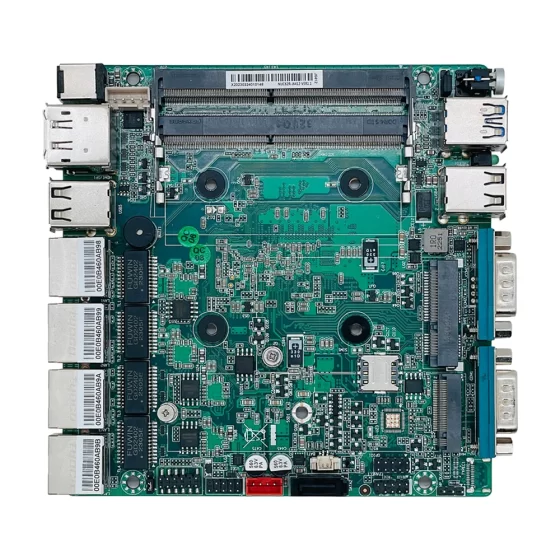
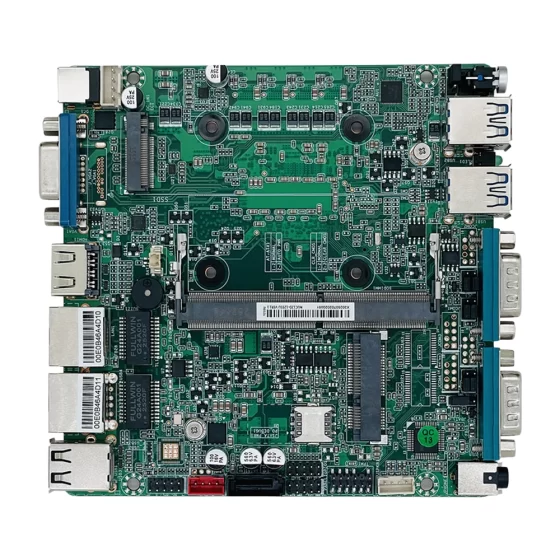
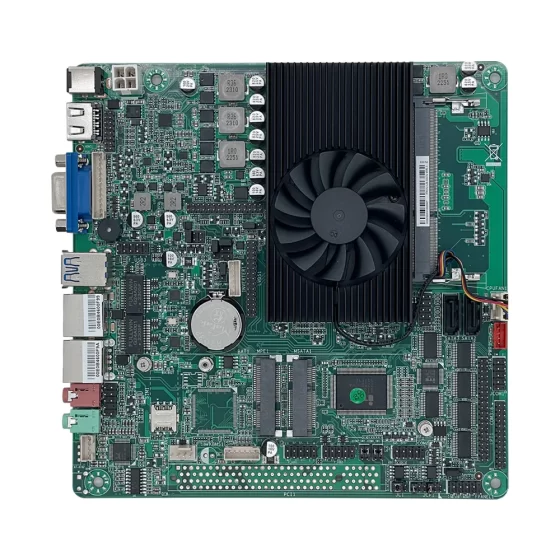
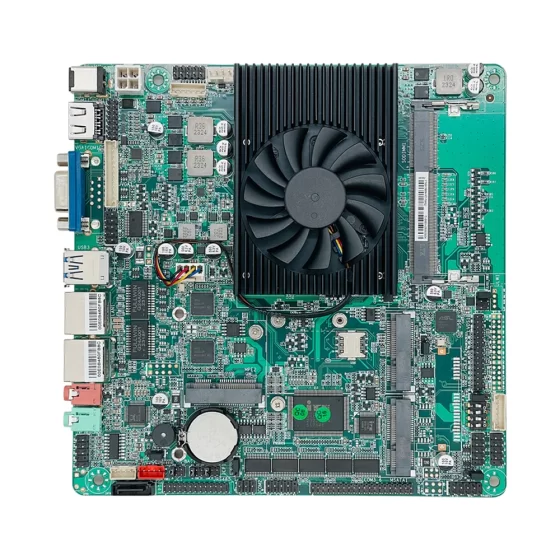
CoreIPC 産業用コンピューティング ソリューション

SD-WAN セキュリティ アプライアンス: セキュアな産業用ネットワーク接続のための SD WAN アプライアンス
エグゼクティブサマリー
SD WAN アプライアンスは、安全なマルチサイト接続のための産業用コンピューティング基盤を提供します, インテリジェントなトラフィックルーティング, ネットワークのセグメンテーション, リモートアクセス, 回復力のある産業用ネットワーク通信.
近代的な工場, 倉庫, 交通システム, エネルギーサイト, 遠隔地の産業施設の接続がさらに進んでいます. 機械, PLC, SCADAシステム, 産業用IoTゲートウェイ, カメラ, センサー, エッジ コンピューターは、多くの場合、異なる場所にまたがってデータを交換する必要があります。. 同時に, 産業ネットワークは保護された状態を維持する必要がある, セグメント化された, そして信頼できる.
ソフトウェア定義の広域ネットワーク, またはSD-WAN, 柔軟なルーティングを使用して分散サイトを接続するのに役立ちます, ポリシーベースのトラフィック制御, リンク管理, VPNトンネル, 一元化されたネットワークの可視性. 産業用セキュリティ アプライアンスとして導入する場合, SD-WAN は、メーカーやシステム インテグレータが従来のシングルリンク ネットワーク設計よりも効率的にリモート接続を管理できるように支援します。.
産業用コンピュータまたは組み込みコンピュータは、ローカル SD-WAN セキュリティ アプライアンスとして機能できます。. WAN アップリンクに接続可能, 工場内LAN, マシンネットワーク, PLCネットワーク, 産業用IoTシステム, リモートサービスプラットフォーム, およびクラウド管理システム.
標準的なオフィス ネットワーク デバイスとの比較, 産業用コンピュータは堅牢な設置をサポートしているため、工場や現場での導入に適しています。, マルチLAN構成, ファンレス設計オプション, 安定した電力入力, 柔軟な I/O, 信頼できるストレージ, 長いライフサイクルの可用性.
この記事では、SD-WAN セキュリティ アプライアンスが産業用ネットワークをサポートする方法について説明します, 実際の導入ではどのような課題が発生するか, ソリューション アーキテクチャがどのように構成されているか, SD-WAN アプライアンス アプリケーション用の産業用コンピュータまたは組み込みコンピュータを選択する際にどのハードウェア機能が重要であるか.
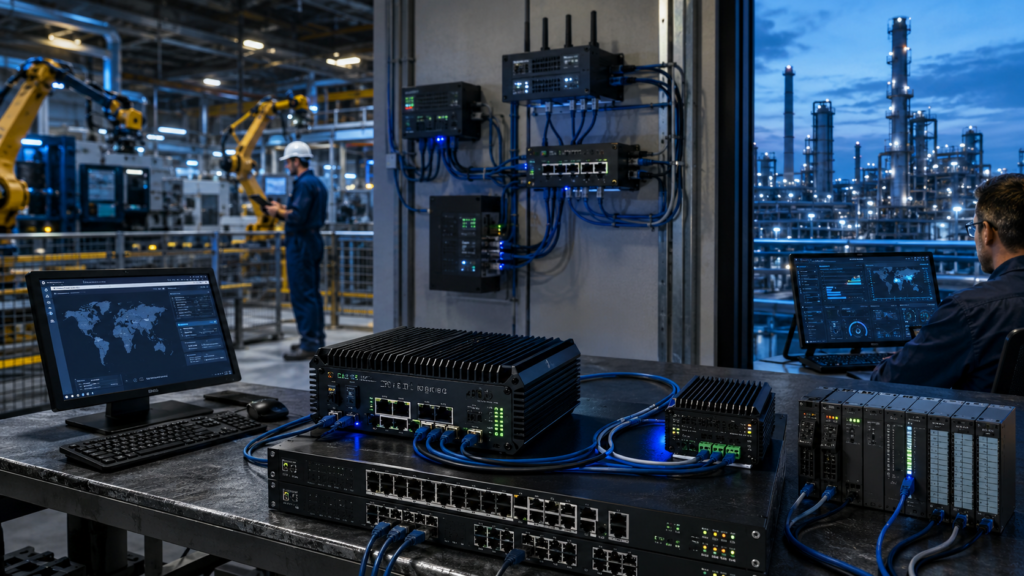
SD-WAN アプライアンスは分散工場の接続を支援します, リモートサイト, 産業用ネットワークを安全に保護.
業界の概要
産業用接続の分散化が進む
産業ネットワークはもはや地元の 1 つの工場フロアに限定されません.
メーカーは複数の工場を運営している場合があります, 遠隔の生産現場, 倉庫, エネルギー施設, 交通結節点, サービスセンター, および顧客が設置した機器. これらの場所では多くの場合、信頼性が高く安全な接続が必要です.
一般的な産業用接続のニーズには次のものがあります。:
- 工場間のネットワーク
- リモートマシンのメンテナンス
- 産業用IoTデータ転送
- SCADA サイトの接続
- 複数の倉庫間の通信
- クラウド プラットフォームへの安全なアクセス
- リモート監視ダッシュボード
- エッジゲートウェイ管理
- カメラとセンサーネットワークのバックホール
- 一元的なネットワークの可視性
従来のネットワーク設計は固定 WAN リンクに依存している場合があります, 手動で構成されたVPN, または別のサイトルーター. サイトの数が増えると、これらの管理が難しくなる可能性があります.
SD-WAN セキュリティ アプライアンスは分散産業接続の簡素化に役立ちます.
産業用ネットワークにとって SD-WAN が重要な理由
SD-WAN はソフトウェア定義ポリシーを使用して広域ネットワーク トラフィックを管理します.
すべての接続を同じように扱うのではなく、, アプリケーションの種類に応じてトラフィックをルーティングできます, リンク状態, セキュリティポリシー, そしてサイトの優先順位.
産業環境において, これは管理に役立ちます:
- プライマリ アップリンクとバックアップ アップリンク
- サイト間の VPN トンネル
- クラウド接続
- リモートメンテナンスアクセス
- 産業用IoTデータトラフィック
- カメラまたはトラフィック監視
- 生産データ通信
- ネットワークのセグメンテーション
- トラフィックの優先順位付け
- 一元化された構成
これは、産業オペレーターが分散ネットワーク全体で信頼性の高い通信と制御されたアクセスの両方を必要とする場合に役立ちます。.
実際の導入には産業用ハードウェアが必要です
多くの SD-WAN アプライアンスがオフィスのサーバー ルームに設置されています.
産業環境は異なります.
産業用 SD-WAN アプライアンスは工場のキャビネット内に設置される場合があります, 機械の近く, 倉庫のネットワークラック内, 輸送キャビネット内, エネルギー現場で, または遠隔施設内.
これらの場所では振動が発生する可能性があります, ほこり, 温度変化, 不安定な電力, 電気ノイズ, 限られた空気の流れ, そして長い営業時間.
産業用コンピュータと組み込みコンピュータは、これらの状況に対して強力なハードウェア基盤を提供します.
頑丈な筐体をサポートします, マルチLAN構成, コンパクトな設置, 信頼できるストレージ, 産業用I/O, 長いライフサイクルの展開.

WANリンク, ネットワークゾーン, PLCネットワーク, マシンネットワーク, IIoT ゲートウェイは SD-WAN 展開計画に影響を与えます.
主要な課題
複数の産業拠点を安全に接続
大きな課題は、産業システムを不必要に公開せずに分散サイトを接続することです。.
工場では生産ライン間の安全な通信が必要な場合があります, リモートメンテナンスチーム, クラウドプラットフォーム, および中央データ システム. しかし, PLC, SCADAサーバー, マシンコントローラー, 産業用ゲートウェイは、制御されていないネットワークに対してオープンであってはなりません.
SD-WAN アプライアンスは、ネットワーク境界を明確に保ちながら、安全な接続をサポートする必要があります.
設計に関する重要な質問には次のものがあります。:
- どのサイトが通信する必要があるか?
- リモート アクセスが必要なユーザー?
- どのネットワークを分離しておく必要があるか?
- どのトラフィックを優先する必要があるか?
- どのリンクがフェイルオーバー パスとして機能する必要があるか?
- どのシステムをクラウド プラットフォームに接続する必要があるか?
- どのログとイベントを保持する必要があるか?
目標は、ネットワーク セキュリティを弱めることなく接続性を向上させることです。.
複数の WAN リンクの管理
産業用サイトでは異なるアップリンクが使用される場合があります.
工場では、プライマリ リンクとしてファイバーを使用し、バックアップとして 4G または 5G を使用する場合があります。. リモート サイトは携帯電話接続に依存している可能性があります. 交通ノードでは有線接続と無線接続が混在して使用される場合があります.
SD-WAN セキュリティ アプライアンスは、ポリシーに従ってこれらのリンクを管理するのに役立ちます。.
サポートが必要な場合があります:
- プライマリ WAN アップリンク
- バックアップ WAN アップリンク
- セルラールーター接続
- 負荷分散
- フェイルオーバールーティング
- リンクの健全性監視
- トラフィックの優先順位付け
- トンネルの復旧
- ローカルバッファリングのサポート
産業運営がリモートの可視性とデータ転送に依存している場合、信頼性の高い WAN 管理が重要です.
IT と OT 間のネットワークのセグメンテーション
産業用ネットワークには、多くの場合、IT システムと OT システムの両方が含まれています.
IT ネットワークにはオフィス システムが含まれる場合があります, エンタープライズソフトウェア, クラウドアクセス, およびユーザーデバイス. OT ネットワークには PLC が含まれる場合があります, ロボット, マシンコントローラー, SCADAシステム, センサー, および産業用ゲートウェイ.
これらのネットワークを 1 つのフラット ネットワークとして扱うべきではありません。.
実際の SD-WAN アプライアンスでは、分離する必要がある場合があります。:
- WANアップリンク
- 工場ITネットワーク
- PLCネットワーク
- マシンネットワーク
- 産業用IoTネットワーク
- カメラネットワーク
- リモートサービスネットワーク
- 管理ネットワーク
複数の LAN ポートと慎重なポリシー設計がセグメンテーションのサポートに役立ちます.
暗号化されたトラフィックとルーティングのパフォーマンス
SD-WAN アプライアンスは暗号化されたトンネルを処理する必要がある場合があります, ファイアウォールポリシー, ルーティングルール, 継続的なトラフィック監視.
必要な性能は以下によって異なります:
- 接続サイト数
- VPNトンネル数
- 暗号化されたスループット
- WANリンク速度
- ファイアウォールルールの複雑さ
- トラフィック監視のワークロード
- リモートユーザー
- クラウド接続の要件
- ロギングボリューム
- ネットワークセグメンテーションルール
小規模なリモート マシン ゲートウェイには中程度のパフォーマンスが必要な場合があります. マルチサイトの産業ハブには、より強力な産業用コンピューターが必要になる場合があります.
ハードウェアは実際のネットワーク ワークロードに応じて選択する必要があります.
現場での長期的な信頼性
産業用 SD-WAN アプライアンスは重要なネットワーク インフラストラクチャの一部となることがよくあります.
アプライアンスに障害が発生した場合, リモートアクセス, サイトコミュニケーション, 産業用IoTデータフロー, 監視, サービスサポートが中断される場合があります.
産業用導入には安定したハードウェア設計が必要.
主な信頼性要因には次のものがあります。:
- 頑丈な筐体
- ファンレス設計
- 安定した熱性能
- 産業用電源入力
- 確実な取り付け
- ケーブル構成
- SSDストレージ
- ローカルログ
- リモート管理性
- 長期にわたるライフサイクルのサポート
信頼性の高いハードウェアにより、予期しないネットワークのダウンタイムが軽減されます.

SD-WAN アプライアンスがリモート サイトに接続する, 工場ネットワーク, 機械システム, ポリシーベースのルーティングによるクラウド プラットフォーム.
SD WAN アプライアンス ソリューション アーキテクチャ
産業用サイトネットワーク層
産業サイトのネットワーク層には、安全な接続を必要とするローカル システムが含まれています.
この層には以下が含まれる場合があります:
- PLC
- HMI
- SCADAシステム
- 産業用PC
- 組み込みコントローラー
- マシンコントローラー
- ロボット
- カメラ
- センサー
- 産業用IoTゲートウェイ
- エネルギーメーター
- ローカルサーバー
これらのシステムは異なるネットワーク ゾーンに分割される場合があります.
SD-WAN アプライアンスは、ローカル ゾーンとリモート ネットワーク間の制御された通信を提供します。.
SD-WAN セキュリティ アプライアンス レイヤ
The SD-WAN security appliance layer is the core of the deployment.
この層では, 産業用コンピュータまたは組み込みコンピュータは、:
- Manage WAN uplinks
- 暗号化されたトンネルを確立する
- Route traffic according to policy
- ローカルネットワークをセグメント化する
- ファイアウォールルールを適用する
- リンクの健全性を監視する
- Support failover
- Log connection events
- Connect to cloud platforms
- Support centralized management
This layer helps turn distributed industrial networks into a more manageable and secure architecture.
Network Policy Layer
The network policy layer defines how traffic moves.
Policy may be based on network zone, application type, site location, user role, service requirement, or link condition.
例えば:
- SCADA traffic may use a preferred link.
- Remote maintenance may be limited to a service network.
- Industrial IoT data may be routed to a cloud platform.
- Camera traffic may remain local unless an event occurs.
- Backup links may activate only when the primary link fails.
ポリシーベースのルーティングは、セキュリティと効率の両方を向上させるのに役立ちます.
リモートおよびマルチサイト接続層
リモート接続レイヤーは分散した産業サイトを接続します.
含まれる場合があります:
- 工場間トンネル
- 倉庫からデータセンターへの接続
- リモートマシンサービスへのアクセス
- クラウドプラットフォーム接続
- ユーティリティサイトの監視
- 交通ノード通信
- リモートエンジニアリングアクセス
- 集中監視プラットフォーム
このレイヤーにより、産業運営者は制御されていないネットワークにさらされることなく分散インフラストラクチャを管理できるようになります。.
監視および管理層
SD-WAN システムには可視性が必要です.
アプライアンスはローカル ダッシュボードをサポートする場合があります, 一元管理, ログ, システムの健全性の監視, リンクステータス, トンネルのステータス, とトラフィック統計.
有用な監視データには次のものがあります。:
- WANリンクステータス
- トンネルの状態
- 交通量
- アップリンクの健全性
- ファイアウォールイベント
- リモートアクセスログ
- CPUとメモリの使用量
- 保管状況
- デバイス温度
- サイトの接続ステータス
良好な可視性により、ネットワークおよびメンテナンス チームは問題のトラブルシューティングを迅速に行うことができます.
主な特長
マルチLAN構成
複数の LAN ポートは産業用 SD-WAN アプライアンスの最も重要な機能の 1 つです.
They allow the platform to separate different network zones and traffic types.
有用な構成には次のものがあります。:
- WANアップリンク
- バックアップ WAN アップリンク
- 工場ITLAN
- PLCネットワーク
- マシンネットワーク
- カメラネットワーク
- 産業用IoTネットワーク
- リモートメンテナンスネットワーク
This supports better segmentation, cleaner routing, and more practical industrial deployment.
SD-WAN and Encrypted Traffic Performance
An SD-WAN security appliance must process network traffic reliably.
The hardware should match the expected routing, VPN, ファイアウォール, and monitoring workload.
選択は考慮すべきです:
- CPU性能
- メモリ容量
- LANポート数
- ポート速度
- 暗号化されたスループット
- トンネル数
- ファイアウォールのワークロード
- ロギング要件
- ストレージのニーズ
- オペレーティング システムのサポート
大規模な導入の場合, performance should be validated with real traffic patterns.
Reliable WAN Failover Support
Industrial networks often need backup connectivity.
A practical SD-WAN appliance should support link monitoring and failover planning.
This helps keep important communication paths available when the primary uplink is unstable.
Failover design may include:
- Primary fiber link
- Backup cellular router
- Secondary broadband link
- ローカルデータバッファリング
- Tunnel recovery
- トラフィックの優先順位付け
- Link health checks
これにより、リモート サイトや分散施設の復元力が向上します。.
柔軟な産業用 I/O
SD-WAN プラットフォームにはイーサネット ポート以外のポートが必要になる場合があります.
便利な I/O オプションには次のものがあります。:
- LAN
- USB
- RS232
- RS485
- GPIO
- デジタル入力
- デジタル出力
- HDMI
- ディスプレイポート
- M.2
- PCIe
- SATA または NVMe ストレージ
シリアルポートは従来の機器アクセスまたはサービス機能をサポートする場合があります. GPIO はアラームの統合をサポートできます. 拡張オプションでワイヤレスモジュールをサポート可能, 追加のLANポート, またはストレージデバイス.
堅牢なファンレス設計
ファンレス産業用コンピュータはネットワーク アプライアンスの展開に価値があります.
粉塵の侵入を減らし、一般的な機械的故障点を 1 つ除去します。. 頑丈なエンクロージャがシステムを振動から保護します, キャビネット設置への影響, とケーブルのストレス.
工場のキャビネットに便利です, リモートサイト, 輸送用キャビネット, エネルギー施設, およびマシン側の展開.
熱設計は依然として慎重に検討する必要があります, 特にアプライアンスが継続的な暗号化トラフィックと複数のネットワーク リンクを処理する場合.
ログと構成用のローカルストレージ
SD-WAN アプライアンスにはログ用のローカル ストレージが必要な場合があります, システムファイル, 構成のバックアップ, 証明書, 監視記録, および診断データ.
SSD ストレージは、機械式ドライブよりも高速アクセスと優れた耐衝撃性を備えているため、一般に好まれます。.
ストレージ計画で考慮すべきこと:
- ログの保存
- 構成のバックアップ
- セキュリティイベントレコード
- トンネルログ
- システムの回復
- ローカルモニタリングデータ
- 書き込み耐久性
- メンテナンスのワークフロー
信頼性の高いストレージがトラブルシューティングをサポート, 監査レビュー, そしてシステムの回復.
長いライフサイクルと保守性
産業用ネットワーク アプライアンスは長年にわたって使用され続ける可能性があります.
ハードウェアを頻繁に変更すると、ソフトウェアの互換性の問題が発生する可能性があります, ドライバーの問題, スペアパーツの課題, メンテナンスの複雑さ.
ライフサイクル計画を備えた産業用コンピューティング プラットフォームは、システム インテグレータを支援します, OEM, および産業オペレータは、複数のサイトおよび機器の世代にわたって一貫した SD-WAN 導入プラットフォームを維持します。.
導入シナリオ
複数拠点の工場接続
複数の工場を持つメーカーは、SD-WAN アプライアンスを使用してサイトを安全に接続できます.
このシステムはプラント間のトラフィックルーティングをサポートできます。, 中央サーバー, MESプラットフォーム, ダッシュボードの監視, リモートエンジニアリングチームと.
これにより、ネットワークのセグメンテーションをサポートしながら、マルチサイト通信が改善されます。.
リモートマシンサービス
OEM マシン ビルダーは SD-WAN アプライアンスを使用して、制御されたリモート サービス アクセスを提供できます.
アプライアンスは、管理されたトンネルと制限されたアクセス ポリシーを通じて顧客のマシンをリモート サービス チームに接続できます。.
これにより、機械ネットワーク全体を開放することなく、出張の必要性が軽減され、サービスの応答性が向上します。.
産業用IoTデータバックホール
産業用 IoT システムは、分散マシンやゲートウェイからデータを収集することがよくあります。.
SD-WAN アプライアンスは、このデータを中央プラットフォームに安全にルーティングするのに役立ちます, ローカルデータセンター, またはクラウドシステム.
マシンネットワークを外部通信パスから分離することもできます.
倉庫および物流ネットワーク
倉庫や物流センターには仕分けシステムが組み込まれている場合があります, バーコードステーション, カメラ, コンベア, 産業用コンピュータ, および WMS プラットフォーム.
SD-WAN セキュリティ アプライアンスは、分散倉庫サイトに接続し、自動化システムと管理プラットフォーム間の安全な通信をサポートできます。.
エネルギーおよびユーティリティ施設
エネルギー施設や公共施設は遠隔地にまたがって運用されることがよくあります.
SD-WAN アプライアンスは変電所の接続に役立ちます, ポンプ場, エネルギー監視システム, メートル, およびコントロールセンター.
これらの現場ではメンテナンスへのアクセスが限られており、環境条件が厳しい場合があるため、産業用ハードウェアが重要です。.
交通インフラ
交通システムには路側設備が含まれる場合があります, 交通キャビネット, 駅, 駐車システム, トンネル, 物流ヤード, および監視センター.
SD-WAN アプライアンスは安全なサイト接続をサポートできます, リモートメンテナンス, 分散インフラストラクチャノード間の通信.
産業用カメラと監視ネットワーク
一部の産業現場では、プロセスの可視化のためにカメラ システムを使用しています, 物流監視, とセキュリティ意識.
SD-WAN アプライアンスは、カメラ ネットワークを運用ネットワークやオフィス ネットワークから分離したまま、選択した監視トラフィックのルーティングを支援します。.
これによりネットワーク組織が改善されます.
OEM セキュリティ アプライアンスの統合
システム インテグレーターと OEM プロバイダーは、産業用コンピューティング プラットフォームを使用して SD-WAN セキュリティ アプライアンスを構築できます.
プラットフォームはマルチ LAN ネットワークをサポートできます, ルーティング, 暗号化された接続, ロギング, 管理インターフェース, 堅牢なアプライアンススタイルの導入.
カスタム産業用ネットワーク セキュリティ製品をサポートします.
ビジネス上のメリット
より信頼性の高いマルチサイト接続
SD-WAN アプライアンスは、産業オペレーターが複数のサイトをより柔軟に接続できるように支援します.
さまざまなアップリンクを管理できます, リンクの健全性を監視する, ポリシーに従ってトラフィックをルーティングします.
これにより工場の通信の信頼性が向上します, 倉庫, リモートサイト, インフラストラクチャシステム.
より強力なネットワークセグメンテーション
複数の LAN ポートとポリシーベースのルーティングにより IT を分離, OT, 機械, カメラ, およびメンテナンスネットワーク.
これにより、ゾーン間の不必要な露出が削減され、より優れたネットワーク セキュリティ アーキテクチャがサポートされます。.
セグメンテーションにより産業用ネットワークの管理も容易になります.
リモートメンテナンスの改善
適切に設計された SD-WAN プラットフォームは安全なリモート サービス アクセスをサポートします.
認定エンジニアは、工場のネットワーク全体を公開することなく、必要な機器に接続できます。.
これにより、トラブルシューティングの時間が短縮され、機械製造業者や産業オペレーターのサポート効率が向上します。.
ネットワークの複雑さの軽減
従来のマルチサイト VPN とルーティング構成は、サイトが成長するにつれて管理が困難になる可能性があります.
SD-WAN は、ポリシーベースのルーティングに対するより構造化されたアプローチを提供します, リンク管理, トンネル監視, 集中構成.
これにより、システム インテグレーターは大規模な展開をより効率的に管理できます。.
運用上の可視性の向上
SD-WAN アプライアンスはトンネルへの可視性を提供できます, リンクステータス, 交通パターン, ファイアウォールイベント, システムの健全性と.
これにより、メンテナンス チームとネットワーク チームが問題をより迅速に特定できるようになります。.
可視性の向上により監査レビューがサポートされる, トラブルシューティング, および長期的なネットワーク計画.
スケーラブルな産業用ネットワークの展開
標準化された SD-WAN アプライアンス プラットフォームにより、複数の工場間での安全な接続の導入が容易になります。, 遠隔施設, 倉庫, エネルギーサイト, 交通結節点.
一貫したハードウェアによりソフトウェア イメージが簡素化されます, 構成テンプレート, スペアパーツの計画, メンテナンストレーニング, およびライフサイクルサポート.
これにより、スケーラブルな産業デジタル変革がサポートされます.
CoreIPC を選ぶ理由
CoreIPC はネットワーク セキュリティのための産業用コンピューティング プラットフォームを提供します, 産業用IoT, ファクトリーオートメーション, スマートな交通手段, および組み込みシステムの統合. SD-WAN アプライアンス アプリケーションの場合, CoreIPC は信頼性の高い産業用コンピューター ハードウェアに重点を置いています, 組み込みコンピュータソリューション, マルチLAN構成, 柔軟な I/O, コンパクトなシステム設計, ファンレス導入オプション, OEM/ODMカスタマイズサポート. CoreIPC はシステム インテグレーターを支援します, 機器ビルダー, そして産業運営者は、実際の導入要件に適合するコンピューティング プラットフォームを選択します。, WAN設計を含む, LANポート数, ネットワークのセグメンテーション, VPN ワークロード, ストレージのニーズ, 取り付け方法, 電源入力, 熱条件, およびライフサイクル計画.
よくある質問
1. SD-WAN セキュリティ アプライアンスとは何ですか?
SD-WAN セキュリティ アプライアンスは、安全な広域ネットワーク接続を管理するために使用されるネットワーク デバイスまたは産業用コンピューティング プラットフォームです。.
ポリシーベースのルーティングをサポートできます, 暗号化されたトンネル, WANフェイルオーバー, リンク監視, ファイアウォールポリシー, およびネットワークのセグメンテーション. 産業環境において, 工場をつなぐのに役立ちます, 機械, リモートサイト, クラウドプラットフォーム, とサービスチームが安全に.
2. SD-WAN アプライアンスに産業用コンピュータを使用する理由?
産業用コンピュータは、工場または現場での導入に堅牢なハードウェアと柔軟な接続を提供します。.
複数のLANポートをサポートできます, ファンレス動作, 信頼できるストレージ, 工業用取り付け, 安定した電力入力, 長いライフサイクルの可用性. これらの機能により、キャビネットに設置された SD-WAN アプライアンスに適しています。, 機械, 倉庫, 交通機関, および遠隔施設.
3. SD-WAN 導入で組み込みコンピュータはどのように使用されますか?
組み込みコンピュータはコンパクトな SD-WAN ゲートウェイとして機能可能.
制御盤内に設置可能, マシンエンクロージャ, 路側設備, 遠隔施設, または OEM セキュリティ アプライアンス. トンネルを管理できる, ルートトラフィック, セグメントネットワーク, ログイベント, ローカル産業システムをリモートプラットフォームに接続します.
4. SD-WAN と従来の VPN アプライアンスの違いは何ですか?
従来の VPN アプライアンスは主に暗号化された接続に重点を置いています.
SD-WAN アプライアンスは複数の WAN リンクも管理できます, ポリシーに従ってトラフィックをルーティングする, リンク品質を監視する, フェイルオーバーのサポート, 一元的な可視性を提供します. 多くの産業展開において, SD-WANとVPN機能が連携.
5. SD-WAN アプライアンスにとって複数の LAN ポートが重要な理由?
複数の LAN ポートでネットワークを分離可能.
1 つのポートが WAN に接続可能, もうひとつは工場ITへ, 別のマシンネットワークへ, 別の PLC ネットワークへ, もう 1 つはリモート メンテナンスまたはクラウド システムです. これにより、トラフィックの組織化が改善され、より優れたセキュリティ アーキテクチャがサポートされます。.
6. ファンレス産業用コンピューターは SD-WAN アプライアンスをサポートできますか?
はい. ファンレス産業用コンピュータは、塵の侵入を減らし、機械的な故障点を 1 つ取り除くため、多くの SD-WAN アプライアンスの導入をサポートできます。.
しかし, 暗号化されたトラフィックとマルチリンク ルーティングにより、処理負荷と熱負荷が発生する可能性があります. CPU性能, 筐体設計, 周囲温度, 設置前にキャビネットのエアフローを確認する必要があります。.
7. 産業用 SD-WAN アプライアンスにとって重要なハードウェア機能は何ですか?
重要な機能には複数の LAN ポートが含まれます, 十分なCPU性能, 信頼できる記憶力, SSDストレージ, 頑丈な筐体, ファンレス設計, 産業用電力入力, USB, シリアルポート, GPIO, ディスプレイ出力, および拡張オプション.
最終的な構成はトンネル数と一致する必要があります, スループット, ファイアウォールのワークロード, ルーティングの複雑さ, および設置環境.
8. SD-WAN アプライアンスは産業用 IoT システムをサポートできますか?
はい. SD-WAN アプライアンスは産業用 IoT ゲートウェイ間の安全な接続をサポートできます, 機械, 工場のプラットフォーム, クラウドシステム, および遠隔監視センター.
マシンネットワークを外部システムから分離したまま、IIoT データのルーティングを支援できます。.
9. SD-WAN アプライアンスは WAN フェイルオーバーをサポートできますか?
はい. SD-WAN プラットフォームは、プライマリ リンクとバックアップ リンクの管理に一般的に使用されます。.
例えば, サイトではファイバーをメインのアップリンクとして使用し、携帯電話をバックアップとして使用する場合があります。. アプライアンスはリンクの健全性を監視し、設定されたポリシーに従ってトラフィックをルーティングできます。.
10. 導入前にテストすべきこと?
導入前, プラットフォームは実際のネットワーク トポロジでテストする必要があります, WANリンク, トンネル数, ルーティングポリシー, ファイアウォールルール, フェイルオーバー動作, ローカルロギング, ストレージのワークロード, 長時間にわたる運用.
熱安定性, 回復手順, リモート管理アクセス, 構成のバックアップも検証する必要があります.
結論
SD WAN アプライアンスは安全なマルチサイト接続のための実用的な基盤です, 産業用リモートアクセス, WANフェイルオーバー, ネットワークのセグメンテーション, 分散型産業用ネットワーク管理.
産業用コンピュータまたは組み込みコンピュータをネットワーク エッジに配置することによって, メーカー, 機械製造業者, システムインテグレータは工場を接続できます, 機械, 倉庫, リモートサイト, クラウドプラットフォーム, 制御されたネットワーク ポリシーを通じてメンテナンス チームと連携.
実際の導入要件に応じて、適切な SD-WAN セキュリティ アプライアンスを選択する必要があります, WAN設計を含む, LANポート数, トンネル数, 暗号化されたスループット, ルーティングのワークロード, ファイアウォールポリシー, ストレージのニーズ, 取付方法, 電源入力, 熱条件, オペレーティング システムのサポート, セキュリティポリシー, およびライフサイクル計画.
CoreIPC は、実際の工場向けに設計された産業用コンピューティング プラットフォームを備えた SD-WAN アプライアンス プロジェクトをサポートします, マシン側, およびフィールド展開. 適切なハードウェア基盤があれば, 産業オペレーターと機器ビルダーは信頼性の高いシステムを構築できます。, スケーラブルな, 安全な広域ネットワーク ソリューション.
お問い合わせ
産業用コンピュータを探しています, 組み込みコンピュータ, または SD-WAN アプライアンス展開用のマルチ LAN プラットフォーム?
プロジェクトの要件については、CoreIPC にお問い合わせください。, LANポート数を含む, WAN設計, SD-WANのワークロード, ネットワークのセグメンテーション, ストレージデザイン, 取付方法, 電源入力, 動作環境, ライフサイクルのニーズ, および OEM/ODM カスタマイズ オプション.