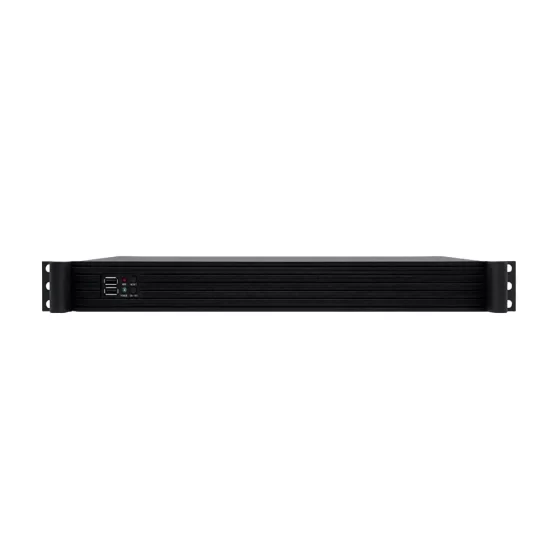
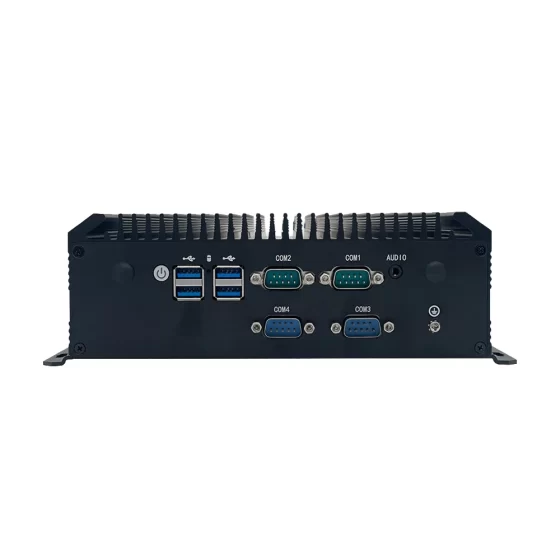
CoreIPC 産業用コンピューティング ソリューション

スマート製造システムにおける視覚誘導ロボット工学用のコンピューター
エグゼクティブサマリー
あ 視覚誘導ロボットコンピュータ ロボットが認識できるようにする重要な産業用コンピューティング プラットフォームです。, 解釈する, 視覚データにリアルタイムで応答します. 最新のスマート製造環境では, このシステムはマシンビジョンを組み合わせたものです, ロボット制御, 従来の固定パスロボットシステムを超えた適応型自動化を実現するエッジコンピューティング.
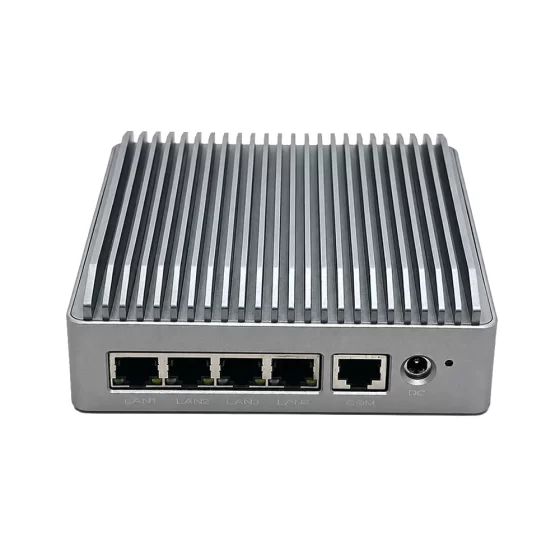
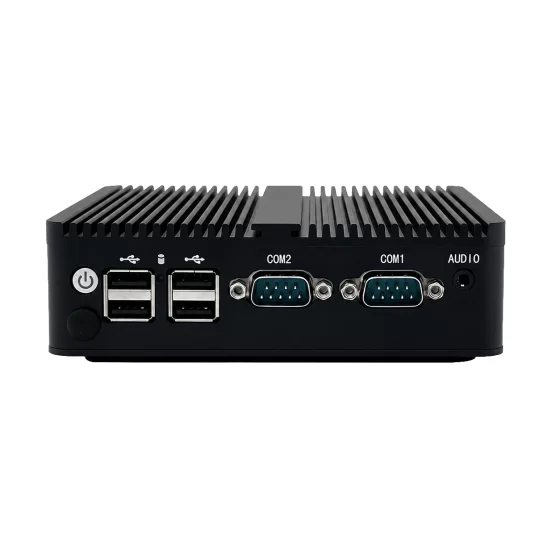
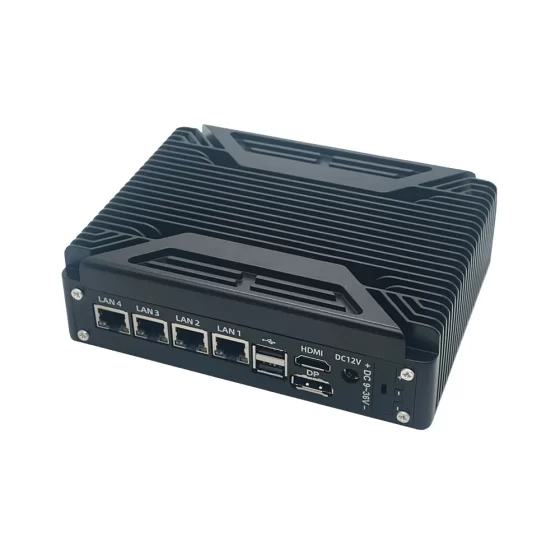
アン 産業用コンピュータ または 組み込みコンピュータ 視覚誘導ロボット工学に使用される (VGR) コアエッジインテリジェンスノードとして機能します, 画像取得を担当, 処理, AI推論, そしてモーションコーディネーション. これらのシステムは、精度が求められる高精度オートメーション環境に不可欠です。, スピード, 信頼性が重要です.
CoreIPC 産業用コンピューティング プラットフォームは安定したサービスを提供します, 低遅延, 世界中の製造業にわたる要求の厳しいロボットビジョンアプリケーションに対応するスケーラブルなコンピューティングパフォーマンス.
業界の概要
視覚誘導ロボット工学は産業の基礎技術となっています 4.0 スマート製造システム. 従来の産業用ロボットは事前定義されたプログラミングに依存しています, 一方、現代の生産システムでは、現実世界の視覚的なフィードバックに基づいた動的な適応が必要です。.
典型的な VGR エコシステムには次のものがあります。:
- 産業用カメラ (GigE ビジョン / USB3 / MIPI)
- AIベースのビジョンアルゴリズム
- 産業用ロボット (規模, 6-軸, デルタロボット)
- モーションコントロールシステム
- エッジコンピューティング産業用コンピュータ
の 視覚誘導ロボットコンピュータ このエコシステムの中央処理装置として機能します, リアルタイムの認識と意思決定を可能にする.
VGR システムを採用している業界には自動車製造が含まれます, 半導体検査, 電子機器アセンブリ, 物流の自動化, および医薬品生産.
主要な課題
1. リアルタイム処理の制約
視覚誘導ロボット工学では、ロボットの動きの正確な同期を確保するためにミリ秒レベルの処理遅延が必要です.
2. 大量の画像データの取り扱い
マルチカメラ システムは、高帯域幅の処理と最適化されたメモリ管理を必要とする大規模なデータ ストリームを生成します。.
3. 環境の複雑さ
産業環境では次のような課題が発生します。:
- さまざまな照明条件
- 粉塵と振動
- 反射面
- 熱的不安定性
4. モーションとビジョンの同期
位置決めエラーを回避するには、ビジョンシステムとロボットアクチュエータ間の正確な調整が必要です.
5. システムの信頼性要件
VGR システムは継続的に動作する必要があります。 24/7 ダウンタイムのない産業環境.
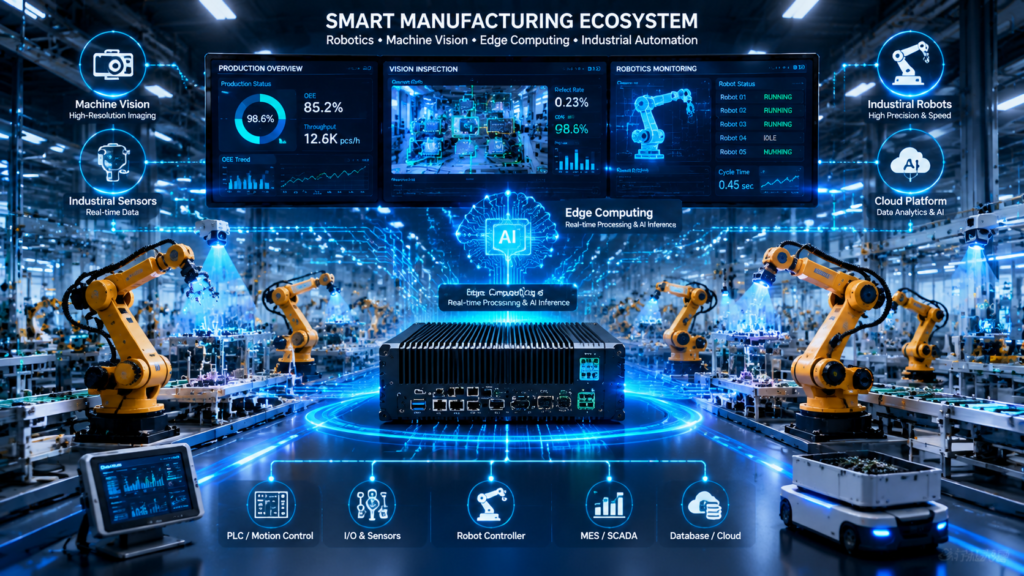
ロボット工学を組み合わせた産業オートメーションエコシステム, マシンビジョン, スマート工場運営のためのエッジ AI コンピューティング
ソリューションアーキテクチャ
産業用コンピューターを中心に構築されたビジョン誘導ロボティクス システムは、階層化されたエッジ コンピューティング アーキテクチャに従っています。:
1. 視覚獲得層
産業用カメラは、生産ラインまたは作業セル上のオブジェクトのリアルタイム画像をキャプチャします。.
2. エッジコンピューティング層 (視覚誘導ロボットコンピュータ)
の 産業用コンピュータ / 組み込みコンピュータ 実行します:
- 画像の前処理とフィルタリング
- 物体の検出と分類
- 特徴抽出と座標マッピング
- 意思決定のための AI 推論
3. ロボット制御層
処理されたビジュアルデータはモーションコマンドに変換されます:
- ピックアンドプレイス操作
- パスの修正
- アライメントと位置調整
4. ロボット実行層
産業用ロボットは、計算された命令に基づいて正確な機械的動作を実行します.
5. システム統合層
データは上位システムと同期されます:
- MES (製造実行システム)
- SCADAプラットフォーム
- クラウド分析システム
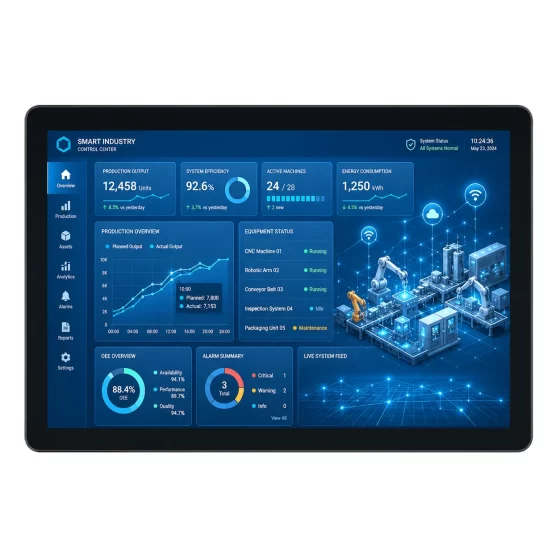
このアーキテクチャにより、認識と行動の間の閉ループのインテリジェントな自動化が保証されます。.
主な特長
高性能エッジ コンピューティング
マルチカメラ マシン ビジョン システムのリアルタイム AI 推論をサポート.
マルチカメラのサポート
GigE Vision や USB3 カメラなどの産業グレードのイメージング インターフェイスと互換性があります.
低レイテンシの確定的処理
高速生産環境でのロボットの同期応答を保証します.
産業グレードの信頼性
継続的に使用できるように設計されています 24/7 過酷な環境での動作.
柔軟な I/O 拡張
サポート:
- 複数のギガビット イーサネット ポート
- RS232 / RS485シリアルインターフェース
- USB 3.x拡張
- オプションの GPIO およびフィールドバス モジュール
AI加速支援
ディープ ラーニング ビジョン ワークロード向けのオプションの GPU または AI アクセラレータの統合.
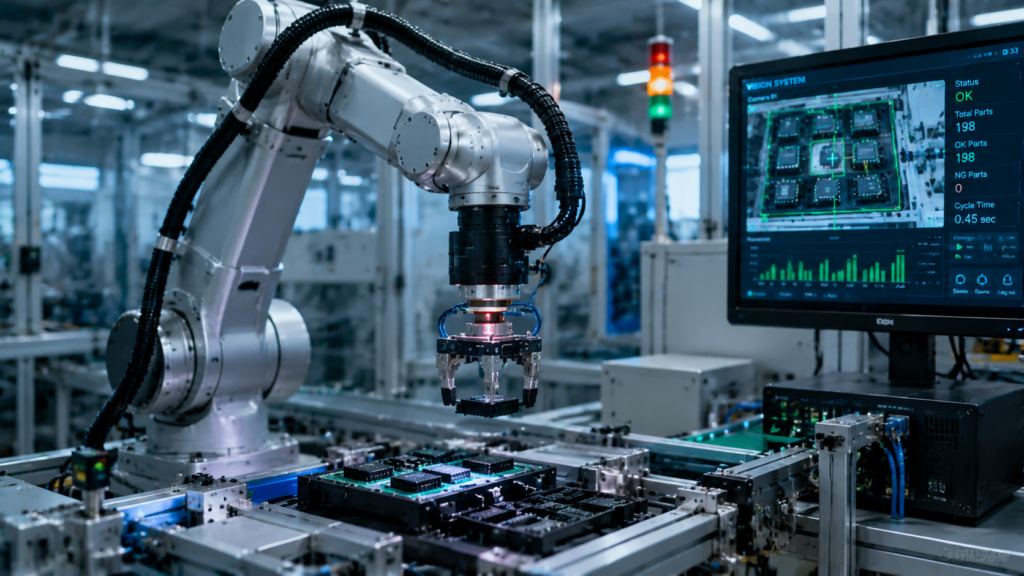
マシンビジョンと産業用コンピューターを使用した精密ピックアンドプレース製造用のロボット自動化システム
導入シナリオ
自動車製造
溶接指導に使用, アセンブリの位置合わせ, そしてロボット検査.
エレクトロニクス製造
PCB検査を可能にします, コンポーネントの配置の検証, そして欠陥検出.
物流オートメーション
インテリジェントなビンピッキングをサポート, 並べ替え, および倉庫ロボットシステム.
半導体検査
高精度のウェーハ検査と微小欠陥検出を実現.
医薬品包装
ラベルの正確性を保証, ボトルの位置決め, およびパッケージングの検証.
ビジネス上のメリット
生産精度の向上
AIを活用した視覚誘導システムでミスを軽減.
自動化の柔軟性の向上
ロボットが動的な生産条件に適応できるようにします.
より高いスループット効率
最適化されたロボット動作によりサイクルタイムが短縮され、生産量が増加します.
運用コストの削減
手作業による検査とやり直しの必要性を最小限に抑える.
品質管理の強化
リアルタイム監視により、一貫した製品品質が保証されます.
CoreIPC を選ぶ理由
CoreIPC は、スマート製造環境におけるビジョン誘導ロボティクス アプリケーション向けに特別に設計された産業グレードのコンピューティング プラットフォームを提供します.
主な利点は次のとおりです。:
- リアルタイム ビジョン ワークロードに対する安定したエッジ コンピューティング パフォーマンス
- 過酷な環境向けの産業用組み込みシステム設計
- 安定した製造のための長期ライフサイクルのサポート
- ロボティクスおよびビジョン システムとの柔軟な統合
- OEM/ODMカスタマイズ機能
- 実証済みの信頼性 24/7 産業オートメーションの展開
CoreIPC により、マシン ビジョン システムとロボット自動化プラットフォーム間のシームレスな統合が可能になります, スケーラブルなインテリジェント製造変革をサポート.
よくある質問
1. 視覚誘導ロボットコンピュータとは何ですか?
これは、マシン ビジョンと AI アルゴリズムを使用して視覚データを処理し、ロボットの動きをリアルタイムでガイドする産業用コンピューティング システムです。.
2. VGR システムに産業用コンピュータが必要な理由?
産業用コンピューターは確定的なパフォーマンスを提供します, 信頼性, リアルタイムのロボット制御と視覚処理に必要な接続性.
3. 組み込みコンピュータは視覚誘導ロボティクスを扱えるか?
はい, 組み込みコンピューターは、エッジビジョン処理や軽量の AI 推論タスクに広く使用されています.
4. VGR システムにおける一般的な遅延要件はどれくらいですか?
ほとんどのシステムでは、ロボットの正確な同期を確保するためにミリ秒レベルの遅延が必要です。.
5. VGR システムではどのような種類のカメラが使用されますか?
GigE ビジョン, USB3産業用カメラ, 高速CMOSセンサーが一般的に使用されています.
6. VGR システムは MES および SCADA と統合できますか?
はい, 産業用コンピューターは、ロボット システムと企業の製造プラットフォームの間の橋渡しとして機能します。.
7. VGR から最も恩恵を受けるのはどの業界ですか?
自動車, エレクトロニクス, 半導体, ロジスティクス, および製薬産業.
8. 視覚誘導ロボットには AI が必要ですか?
現代のシステムでは物体検出に AI への依存が高まっています, 分類, そして意思決定.
9. VGR におけるエッジ コンピューティングの役割とは何ですか?
エッジ コンピューティングは、視覚データを産業用コンピューター上でローカルに処理することで遅延を削減します。.
10. CoreIPC はどのようにして信頼性を確保するのか?
CoreIPC は産業グレードのコンポーネントを使用, ファンレス設計, 長期安定性を実現する検証済みの熱アーキテクチャ.
結論
視覚誘導ロボット工学は、最新のインテリジェント製造システムの中核テクノロジーを代表します. マシンビジョンを組み合わせることで, ロボット制御, とエッジコンピューティング, メーカーはより高い精度を達成できる, 柔軟性, と効率.
あ 視覚誘導ロボットコンピュータ 産業用または組み込みコンピューティング プラットフォーム上に構築されているため、次世代オートメーション システムに不可欠なリアルタイムの認識と意思決定が可能になります。.
CoreIPC は、世界の製造業全体で高度なロボット ビジョン アプリケーションを強化する、信頼性が高くスケーラブルな産業用コンピューティング ソリューションを提供します.
お問い合わせ
CoreIPC は、ビジョン誘導ロボット工学のための産業用コンピューティング プラットフォームを提供します, マシンビジョンシステム, インテリジェントな自動化アプリケーション. プロジェクトの要件と統合のニーズについては、当社のエンジニアリング チームにお問い合わせください。.