CoreIPC 産業用コンピューティング ソリューション

VPN 導入プラットフォーム: セキュアな産業用ネットワーク接続のための VPN アプライアンス
エグゼクティブサマリー
VPN アプライアンスは、産業用リモート アクセスのための安全なコンピューティング基盤を提供します。, サイト間の接続, 機械のメンテナンス, 工場ネットワークのセグメンテーション, 分散産業環境全体での保護されたデータ通信.
近代的な工場, 機器ビルダー, エネルギーサイト, 交通システム, 倉庫, 遠隔施設では多くの場合、マシン間の安全なアクセスが必要です。, 制御システム, エンジニア, サービスチーム, および中央管理プラットフォーム. しかし, 産業用ネットワークを公共のインターネットに直接公開すると、運用上およびサイバーセキュリティ上の重大なリスクが発生します.
産業用コンピュータまたは組み込みコンピュータ上に構築された VPN 導入プラットフォームは、制御されたネットワーク アクセス層を提供できます。. 遠隔地にいるエンジニアを接続できる, 工場敷地, マシンネットワーク, 産業用IoTゲートウェイ, SCADAシステム, 暗号化されたトンネルと管理されたアクセス ポリシーを介したメンテナンス プラットフォーム.
標準的なオフィス ネットワーク ハードウェアとの比較, 産業用 VPN アプライアンスは、実際の導入環境で確実に動作する必要があります. 制御盤内に設置可能, 工場のネットワークルーム, マシンエンクロージャ, 輸送用キャビネット, エネルギー施設, または遠隔の機器サイト.
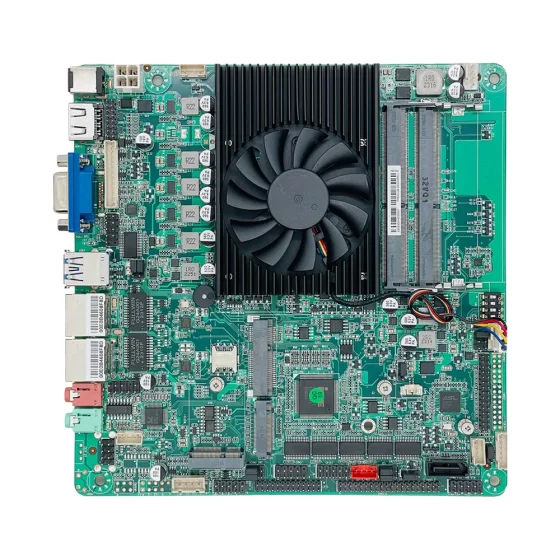
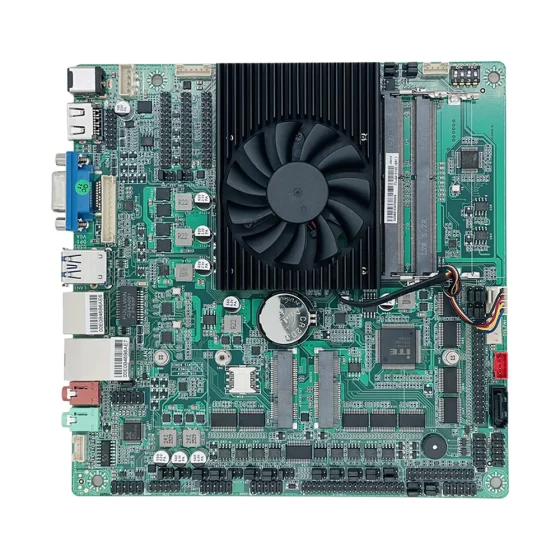
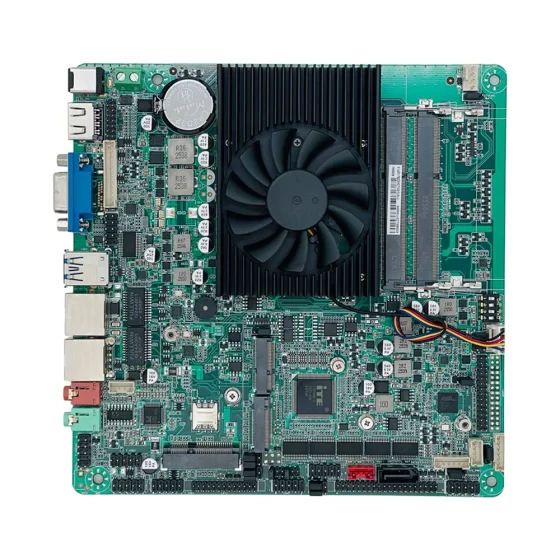
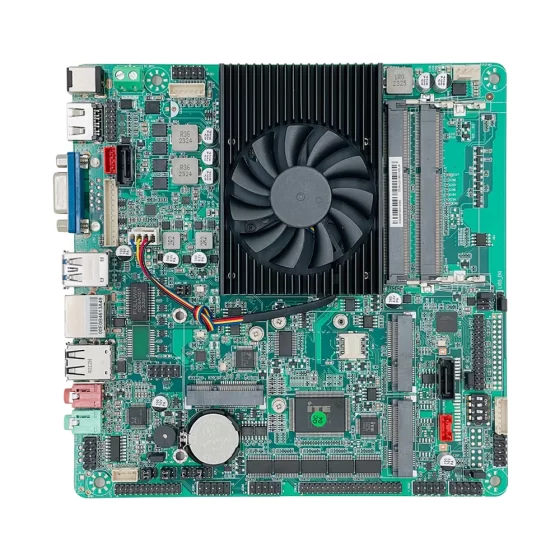
産業用コンピュータと組み込みコンピュータは堅牢なハードウェアを提供します, 柔軟なLAN構成, シリアル接続オプション, ローカルストレージ, ファンレス設計, 安定した電力入力, 長いライフサイクルのサポート.
この記事では、VPN 導入プラットフォームが産業用ネットワーク セキュリティをどのようにサポートするかについて説明します, メーカーやシステムインテグレーターが直面する課題とは, ソリューション アーキテクチャの仕組み, VPN アプライアンス アプリケーション用の産業用コンピュータまたは組み込みコンピュータを選択する際にどのハードウェア機能が重要であるか.
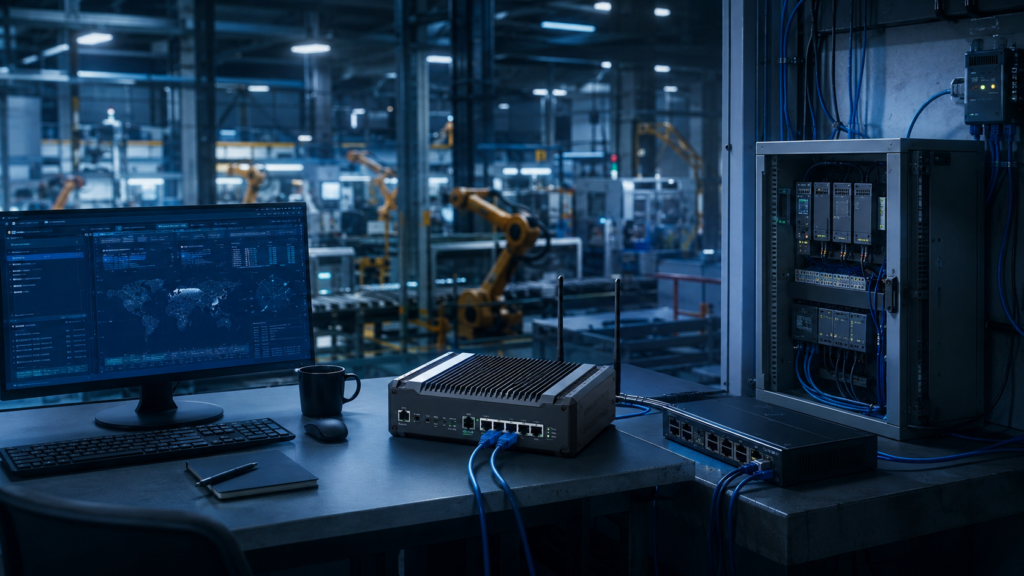
VPN アプライアンスは、機械や産業用ネットワークへのリモート エンジニアリング アクセスの安全性を確保します。.
業界の概要
産業用ネットワークには安全なリモート接続が必要
リモートアクセスは産業運営において通常の要件となっています.
機械製造業者は納入後の機器をサポートする必要がある. 工場エンジニアは遠隔の生産ラインを監視する必要がある. システムインテグレーターは制御システムのトラブルシューティングを行う必要がある. 複数拠点を構える企業には工場間の安全な通信が必要, 倉庫, およびデータセンター.
一般的なリモート接続のニーズには次のものがあります。:
- リモートマシンのメンテナンス
- 拠点間の工場接続
- 産業用IoTゲートウェイアクセス
- SCADAネットワークアクセス
- リモート監視ダッシュボード
- 機器サービスサポート
- 安全なエンジニアリングアクセス
- 施設間のデータ転送
- リモートアラームレビュー
- クラウドまたはデータセンター接続
VPN アプライアンスは、産業システムを直接公開することなく、制御されたアクセスを提供するのに役立ちます.
VPN アプライアンスは単なるネットワーク ルーターではありません
VPN 導入プラットフォームは単なる基本ルーターではありません.
産業環境において, ネットワークのセグメンテーションをサポートする必要がある場合があります, ファイアウォールポリシー, 複数のLANポート, 安全なトンネル, ローカルロギング, 交通管理, 冗長ネットワークパス, およびリモートサービス制御.
最新のイーサネット デバイスと古い産業システムの両方を接続する必要がある場合もあります.
実用的な産業用 VPN アプライアンスは、:
- マシンネットワーク
- PLCネットワーク
- 工場ITネットワーク
- リモートサービスネットワーク
- 産業用IoTプラットフォーム
- クラウドシステム
- 監視センター
- 企業ネットワーク
アプライアンスの役割は、安全で管理可能なネットワーク境界を作成することです。.
インダストリアル コンピューティングはハードウェアの基盤です
多くの VPN アプライアンスはクリーンなオフィス環境の外に導入されています.
機械の近くで動作する可能性があります, キャビネットの中, リモートサイトで, またはインフラ施設内で. これらの場所には粉塵が含まれる可能性があります, 振動, 温度変化, 電気ノイズ, 限られたスペース, そして長い営業時間.
産業用コンピュータと組み込みコンピュータは、この種の導入に強力な基盤を提供します.
確実な運用をサポートします, 柔軟な I/O, 複数のLANポート, コンパクトなデザイン, ファンレスエンクロージャ, 長いライフサイクルの可用性.

ネットワークゾーン, アップリンク, PLCネットワーク, マシンネットワーク, IIoT ゲートウェイは VPN 導入計画に影響を与えます.
主要な課題
産業用システムを公開せずにリモート アクセスを保護
リモートアクセスは便利です, しかし、それは慎重に管理する必要があります.
産業用システムには PLC が含まれることがよくあります, HMI, コントローラー, センサー, ロボット, ゲートウェイ, およびSCADA装置. これらのシステムはインターネットに直接さらされるように設計されていない可能性があります.
VPN アプライアンスは、保護されたアクセス層の作成に役立ちます.
しかし, 導入では依然として考慮する必要があります:
- ユーザー認証
- アクセス権限
- ネットワークのセグメンテーション
- ファイアウォールルール
- リモートメンテナンスウィンドウ
- ロギングと監査のニーズ
- デバイスのアイデンティティ
- 安全な更新ポリシー
- 内部配線設計
目標は、必要なシステムにのみリモート アクセスを提供することです。, 工場全体のネットワークを不必要に開放しないこと.
複数のネットワークゾーン
工業用地には通常、複数のネットワーク ゾーンが含まれています.
工場ではオフィスの IT ネットワークが分離される場合がある, マシンネットワーク, カメラネットワーク, PLCネットワーク, メンテナンスネットワーク, およびクラウドゲートウェイ接続.
VPN 導入プラットフォームはこの構造をサポートする必要があります.
複数の LAN ポートは、異なるネットワーク領域をより適切に分離できるため、多くの場合重要です。.
例えば:
- WAN またはアップリンク用の LAN ポート 1 つ
- 工場IT用LANポート1ポート
- マシンネットワーク用の LAN ポート 1 つ
- PLC またはオートメーション ネットワーク用の LAN ポート 1 つ
- リモート サービスまたは管理用の LAN ポート 1 つ
適切なネットワークセグメンテーションにより、セキュリティと運用の安定性が向上します.
連続稼働の信頼性
VPN アプライアンスは産業ネットワークの重要な部分になる可能性があります.
アプライアンスに障害が発生した場合, リモートアクセス, データ転送, 監視, サービスサポートが中断される場合があります.
産業用導入には信頼性の高いハードウェア設計が必要.
重要な信頼性要素には次のものがあります。:
- ファンレス筐体
- 安定した熱設計
- 頑丈な取り付け
- 産業用電源入力
- ケーブル保持
- SSDストレージ
- 長いライフサイクルのコンポーネント
- ローカルシステムのロギング
- 復興計画
信頼性の高いハードウェアにより、メンテナンスの作業負荷と予期せぬダウンタイムが軽減されます。.
パフォーマンスと暗号化トラフィック負荷
VPN トラフィックには処理能力が必要です.
必要なパフォーマンスはユーザー数によって異なります, トンネルの種類, 暗号化ワークロード, 交通量, サイトの数, およびファイアウォールルール.
小規模なマシンのサービス ゲートウェイには中程度のパフォーマンスが必要な場合があります. マルチサイトの工場 VPN ハブには、より強力な CPU が必要になる場合があります, メモリ, およびネットワーク機能.
システム設計者が考慮すべきこと:
- VPNトンネル数
- 暗号化されたスループット
- ファイアウォール処理
- ルーティングルール
- リモートユーザーセッション
- サイト間のトラフィック
- 産業用プロトコルのトラフィック
- データ量の監視
- ワークロードのロギング
アプライアンスは実際のネットワーク要件に従って選択する必要があります, ポート数だけでなく.
産業システムおよびITシステムとの統合
産業用 VPN プラットフォームは、多くの場合、運用テクノロジーと情報テクノロジー システムを接続します。.
これには慎重な計画が必要です.
アプライアンスは PLC ネットワークと通信する必要がある場合があります, SCADAサーバー, 産業用IoTゲートウェイ, ファイアウォール, スイッチ, クラウドプラットフォーム, 認証システム, およびリモートメンテナンスツール.
実用的なプラットフォームは、産業要件と IT 要件の両方に十分に柔軟である必要があります.

VPN アプライアンスはリモート ユーザーを接続します, 工場ネットワーク, 機械システム, とクラウドプラットフォームを安全に.
VPN アプライアンス ソリューションのアーキテクチャ
産業用デバイスネットワーク層
デバイス ネットワーク層には、安全な接続を必要とする機器が含まれます.
これには以下が含まれる場合があります:
- PLC
- HMI
- SCADAシステム
- 産業用PC
- 組み込みコントローラー
- ロボット
- マシンコントローラー
- 産業用カメラ
- ゲートウェイ
- エネルギーメーター
- センサー
- リモート機器
これらのシステムは外部ネットワークに直接公開しないでください。.
VPN アプライアンスは制御されたアクセス パスを提供します.
産業用 VPN アプライアンス層
VPN アプライアンス層は展開の中核です.
この層では, 産業用コンピュータまたは組み込みコンピュータは、:
- 暗号化されたVPNトンネルを確立する
- サイト間の接続を管理する
- リモートエンジニアリングアクセスをサポート
- ファイアウォールポリシーを適用する
- 内部ネットワークをセグメント化する
- ゾーン間のトラフィックのルーティング
- アクセスイベントをログに記録する
- 接続ステータスを監視する
- ローカル管理インターフェイスのサポート
- より高いレベルのセキュリティ システムに接続する
この層は産業システムを保護しながら、必要な接続を可能にします.
ネットワークセキュリティとポリシー層
セキュリティ ポリシー層は、誰が何にアクセスできるかを定義します。.
アクセス制御ルールが含まれる場合があります, ネットワークゾーン, ファイアウォールポリシー, 認証方法, 交通規制, およびメンテナンス権限.
安全な産業用 VPN 設計では、広範囲にわたる無制限のアクセスを回避する必要があります。.
その代わり, に従ってアクセスを制限する必要があります:
- ユーザーの役割
- デバイスの種類
- サイトの場所
- メンテナンス目的
- タイムウィンドウ
- ネットワークセグメント
- 応募要項
- セキュリティポリシー
これにより制御が向上し、不必要な露出が減少します。.
リモートアクセス層とサイト接続層
リモート アクセス層は外部ユーザーと分散ロケーションをサポートします.
プロジェクトに応じて, 含まれる可能性があります:
- リモートエンジニアアクセス
- OEM マシン サービスへのアクセス
- サイト間VPN
- 工場からデータセンターへの接続
- 遠隔設備監視
- クラウドプラットフォーム通信
- メンテナンスプラットフォームへのアクセス
- 複数ブランチの安全な接続
この層により、分散産業システムが安全に通信できるようになります。.
監視および管理層
VPN 導入には可視性が必要です.
アプライアンスはローカル ダッシュボードを提供する場合があります, ログ, 接続状態, 交通情報, デバイスの健康データ, およびアラートレコード.
集中監視システムに接続することもできます.
有用な監視情報には次のものがあります。:
- トンネルの状態
- ユーザーのログイン記録
- ネットワークトラフィック
- システム温度
- 保管状況
- CPUワークロード
- アップリンクステータス
- ファイアウォールイベント
- リモートアクセス履歴
優れた可視性により、オペレーターは安全で信頼性の高いネットワーク接続を維持できます.
主な特長
複数のLANポート
複数の LAN ポートは産業用 VPN アプライアンスにとって最も重要な機能の 1 つです.
システムが WAN を分離できるようにします。, LAN, 機械, サービス, および管理ネットワーク.
便利な LAN 構成でサポートされる可能性があるのは、:
- WANアップリンク
- 工場ITネットワーク
- PLCネットワーク
- マシンネットワーク
- カメラネットワーク
- リモートメンテナンスネットワーク
- クラウドゲートウェイ接続
- 冗長ネットワークパス
これにより、トラフィックの組織化が改善され、より適切なサイバーセキュリティ計画がサポートされます。.
VPN およびネットワーク処理パフォーマンス
VPN アプライアンスは暗号化されたトラフィックを確実に処理する必要がある.
ハードウェアは実際のスループットとトンネル要件に従って選択する必要があります.
選択は考慮すべきです:
- CPU性能
- メモリ容量
- VPN トンネルの数
- 暗号化されたスループット
- ファイアウォールのワークロード
- ルーティングの複雑さ
- ロギング要件
- ストレージのニーズ
- ネットワークポート速度
小型マシンアクセス用, 組み込みコンピュータで十分かもしれない. 大規模なマルチサイト展開の場合, より高性能の産業用 PC が必要になる場合があります.
柔軟な産業用 I/O
産業用 VPN プラットフォームにはイーサネット ポート以上のものが必要になる場合があります.
便利な I/O オプションには次のものがあります。:
- LAN
- USB
- RS232
- RS485
- GPIO
- デジタル入力
- デジタル出力
- HDMI
- ディスプレイポート
- M.2
- PCIe
- SATA または NVMe ストレージ
シリアルポートは従来の機器アクセスまたはサービス機能をサポートする場合があります. GPIO はアラームの統合をサポートできます. USB およびディスプレイ出力はローカルメンテナンスをサポートできます.
柔軟な I/O によりシステムの適応性が向上します.
ファンレスで堅牢な設計
ファンレス設計は産業用ネットワーク機器にとって価値があります.
粉塵の侵入を減らし、一般的な機械的故障点を 1 つ除去します。. 頑丈な筐体によりデバイスを振動から保護します, インストールの影響, とケーブルのストレス.
これは、キャビネットに取り付けられた VPN アプライアンスに役立ちます, マシン側ネットワークゲートウェイ, リモート施設ノード, インフラストラクチャの展開.
熱設計は依然として慎重に検討する必要があります, 特にアプライアンスが継続的に暗号化されたトラフィックを処理する場合.
信頼性の高いローカルストレージ
VPN アプライアンスにはログ用のローカル ストレージが必要な場合があります, システムファイル, 構成のバックアップ, 証明書, 監視記録, および診断データ.
SSD ストレージは、機械式ドライブよりも優れた耐衝撃性と高速アクセスを提供するため、一般的に好まれます。.
ストレージ計画で考慮すべきこと:
- ログの保存
- 構成のバックアップ
- システムの回復
- セキュリティイベントレコード
- ローカルモニタリングデータ
- 書き込み耐久性
- メンテナンスのワークフロー
信頼性の高いストレージは監査とトラブルシューティングのサポートに役立ちます.
長いライフサイクルと保守性
産業用ネットワーク アプライアンスは長年にわたって使用され続ける可能性があります.
ハードウェアを頻繁に変更すると、ソフトウェアの互換性の問題が発生する可能性があります, スペアパーツの問題, メンテナンスの複雑さ.
ライフサイクル計画を備えた産業用コンピューティング プラットフォームは、システム インテグレータを支援します, OEM, 工場のオペレーターは、複数のマシンにわたって一貫した VPN 導入プラットフォームを維持します。, サイト, およびインフラストラクチャプロジェクト.
導入シナリオ
リモートマシンのメンテナンス
機械製造業者は多くの場合、納入後に機器に安全にアクセスする必要があります.
VPN アプライアンスは、マシン HMI への制御されたリモート アクセスを提供できます。, PLC, 産業用PC, または診断システム.
これにより、マシン ネットワークへのオープンなパブリック アクセスを必要とせずに、OEM サービス チームが顧客をサポートできるようになります。.
サイト間の工場接続
複数の工場を持つ企業では、サイト間の安全な通信が必要な場合があります.
VPN アプライアンスは、実稼働データのサイト間接続をサポートできます。, 監視システム, エンジニアリングアクセス, 集中管理.
これにより、ネットワークの分離を維持しながら分散施設を接続することができます。.
インダストリアルIoTゲートウェイのセキュリティ
産業用 IoT システムは、多くの場合、機械からデータを収集し、選択された情報をプラットフォームまたはクラウド サービスに送信します。.
VPN アプライアンスは、ローカル IIoT ゲートウェイとリモート システム間の通信を保護できます。.
外部接続からマシンネットワークをセグメント化することもできます.
SCADA とユーティリティ ネットワーク アクセス
エネルギー, 水, 交通機関, 施設システムは遠隔監視とメンテナンスが必要な場合があります.
産業用 VPN アプライアンスは、SCADA ネットワークへの安全なアクセスを提供できます, リモート機器, 変電所, ポンプ場, またはユーティリティキャビネット.
このような分散環境では堅牢なハードウェアが重要です.
倉庫と物流ネットワークの接続
倉庫は VPN アプライアンスを使用して仕分けシステムに接続する場合があります, バーコードステーション, 産業用コンピュータ, 監視システム, およびリモート管理プラットフォーム.
これにより、分散型物流インフラへの安全なアクセスがサポートされ、メンテナンス効率が向上します。.
交通インフラ
交通システムには路側設備が含まれる場合があります, 駅システム, 駐車場, 交通管制官, および監視ノード.
VPN アプライアンスは、リモート デバイスと管理センターの間に安全な接続を提供できます。.
産業用コンピュータは、堅牢な展開と安定したネットワークが必要な場合に役立ちます.
OEM セキュリティ アプライアンスの統合
システム インテグレーターや機器ビルダーは、産業用コンピューターをカスタム VPN アプライアンスやセキュリティ ゲートウェイに統合できます。.
このプラットフォームはマルチ LAN ネットワークを提供できます, ファイアウォール機能, 安全なリモートアクセス, ローカルモニタリング, ストレージ, アプライアンス スタイルの導入.
産業顧客向けの OEM ネットワーク セキュリティ製品をサポートします.
遠隔設備監視
遠隔地の施設では現地スタッフの数が限られている場合があります.
VPN アプライアンスは、中央チームが監視システムにアクセスするのに役立ちます, データゲートウェイ, カメラ, ユーティリティ機器, システムを安全に制御する.
ローカルログとリモート管理サポートにより、運用の可視性が向上します.
ビジネス上のメリット
より安全なリモート アクセス
VPN アプライアンスは、リモート ユーザーと産業用ネットワークの間に制御されたアクセス層を作成します.
これにより、マシン システムを直接公開する必要性が軽減されます。.
適切なポリシー設計により, リモートアクセスは必要な機器に限定可能, ユーザーの役割, およびサービスタスク.
OEM サービスのサポートの向上
機械メーカーは、VPN 導入プラットフォームを使用して顧客の機器をリモートでサポートできます.
これにより、出張の必要性が軽減されます, トラブルシューティングの時間を短縮する, サービスのレスポンスを向上させます.
安定した産業用コンピュータ プラットフォームにより、機器のライフサイクル全体にわたってリモート サービス アクセスの信頼性を維持できます。.
ネットワークセグメンテーションの改善
複数の LAN ポートとファイアウォール ポリシーにより工場ネットワークを分離できます.
これにより、IT 間の不必要なコミュニケーションを削減できます。, OT, 機械, カメラ, およびメンテナンスネットワーク.
より適切なセグメンテーションにより、運用の安定性とセキュリティ計画の両方がサポートされます.
トラブルシューティング時のダウンタイムの削減
安全なリモート アクセスにより、エンジニアは問題をより迅速に診断できます.
オンサイトのサポートを待つ代わりに, 認定エンジニアはログを確認できます, システムステータス, デバイス通信, およびマシンデータをリモートで.
これにより、トラブルシューティングの遅延が軽減され、メンテナンスの効率が向上します。.
運用上の可視性の強化
VPN アプライアンスはログを提供できます, トンネルのステータス, システムの健全性データ, および接続情報.
これにより、ネットワーク チームとメンテナンス チームがリモート アクセス アクティビティとアプライアンスのステータスを把握できるようになります。.
可視性の向上により監査レビューがサポートされる, トラブルシューティング, 長期的なネットワーク管理.
スケーラブルなマルチサイト展開
標準化された VPN アプライアンス プラットフォームにより、複数のマシン間での安全な接続の展開が容易になります。, 工場, 倉庫, および遠隔施設.
一貫したハードウェアによりソフトウェア イメージが簡素化されます, 構成テンプレート, スペアパーツの計画, メンテナンストレーニング, およびライフサイクルサポート.
これにより、システム インテグレーターや産業オペレーターが安全な接続をより効率的に拡張できるようになります。.
CoreIPC を選ぶ理由
CoreIPC はネットワーク セキュリティのための産業用コンピューティング プラットフォームを提供します, 産業用IoT, ファクトリーオートメーション, 遠隔監視, および組み込みシステムの統合. VPN アプライアンス アプリケーションの場合, CoreIPC は信頼性の高い産業用コンピューター ハードウェアに重点を置いています, 組み込みコンピュータソリューション, マルチLAN構成, 柔軟な I/O, コンパクトなシステム設計, ファンレス導入オプション, OEM/ODMカスタマイズサポート. CoreIPC はシステム インテグレーターを支援します, 機械製造業者, そして産業運営者は、実際の導入要件に適合するコンピューティング プラットフォームを選択します。, VPN ワークロードを含む, LANポート数, ネットワークのセグメンテーション, ストレージのニーズ, 取り付け方法, 電源入力, 熱条件, およびライフサイクル計画.
よくある質問
1. VPN アプライアンスとは何ですか?
VPN アプライアンスは、ユーザー間に安全な暗号化された接続を作成するために使用されるネットワーク デバイスまたは産業用コンピューティング プラットフォームです。, サイト, 機械, またはネットワーク.
産業環境において, リモートメンテナンスをサポートできます, サイト間の接続, マシンのネットワークアクセス, 産業用IoT通信, 安全な監視. 機器を直接公開するのではなく、制御されたアクセスを提供するのに役立ちます.
2. 産業用コンピュータを VPN アプライアンスとして使用する理由?
産業用コンピュータは、工場または現場での導入に堅牢なハードウェアと柔軟な接続を提供します。.
複数のLANポートをサポートできます, ローカルストレージ, 工業用取り付け, ファンレス動作, シリアル通信オプション, 長いライフサイクルの可用性. これらの機能により、信頼性とネットワークのセグメンテーションが重要な産業用 VPN の展開に適しています。.
3. 組み込みコンピュータは VPN 導入でどのように使用されますか?
組み込みコンピュータは、マシン内でコンパクトな VPN ゲートウェイとして機能できます。, 制御盤, 遠隔施設, または OEM セキュリティ アプライアンス.
安全なトンネルを確立できる, ルートトラフィック, アクセスポリシーを適用する, ログイベント, マシンネットワークをリモートサービスプラットフォームまたは工場システムに接続します.
4. VPN アプライアンスが必要なアプリケーション?
アプリケーションにはリモートマシンのメンテナンスが含まれます, 工場間の接続, 産業用IoTゲートウェイのセキュリティ, SCADAアクセス, ユーティリティの監視, 交通インフラ, 倉庫ネットワーキング, および OEM セキュリティ アプライアンスの統合.
安全なリモート接続または分散接続を必要とする産業システムは、適切に設計された VPN アプライアンスの恩恵を受けることができます。.
5. VPN アプライアンスにとって複数の LAN ポートが重要な理由?
複数の LAN ポートでネットワークを分離可能.
1 つのポートが WAN に接続可能, もうひとつは工場ITへ, 別のマシンネットワークへ, もう 1 つは保守または管理ネットワークです. これは交通整理に役立ちます, ゾーン間の露出を減らす, より優れたセキュリティ アーキテクチャをサポートします.
6. ファンレス産業用コンピュータは VPN アプライアンスをサポートできますか?
はい. ファンレス産業用コンピュータは、粉塵の侵入を減らし、機械的な故障点を 1 つ取り除くため、多くの VPN アプライアンスの導入に適しています。.
しかし, 暗号化されたトラフィックが継続的に発生すると、処理負荷と熱負荷が発生する可能性があります. CPU性能, 筐体設計, 周囲温度, キャビネットのエアフロー, 導入前に取り付け方法を検討する必要があります.
7. 産業用 VPN プラットフォームにとって重要なハードウェア機能は何ですか?
重要な機能には複数の LAN ポートが含まれます, 十分なCPU性能, 信頼できる記憶力, SSDストレージ, 頑丈な筐体, ファンレス設計, 産業用電力入力, USB, シリアルポート, GPIO, ディスプレイ出力, および拡張オプション.
最終的な構成は VPN スループットと一致する必要があります, トンネル数, ファイアウォールのワークロード, ロギング要件, および設置環境.
8. VPN アプライアンスは産業用 IoT システムをクラウド プラットフォームに接続できますか?
はい. VPN アプライアンスは、ローカルの産業用 IoT ゲートウェイとリモート プラットフォームまたはクラウド システム間の通信を保護できます。.
また、マシン ネットワークを外部システムからセグメント化し、選択したデータ転送に制御された通信パスを提供するのにも役立ちます。.
9. VPN アプライアンスはファイアウォールと同じですか?
正確には違います. VPN アプライアンスは安全な暗号化された接続に重点を置いています, 一方、ファイアウォールはトラフィックのフィルタリングとアクセス制御に重点を置いています。.
多くの産業用セキュリティ アプライアンスは両方の機能を組み合わせています. 実際の展開では, VPN, ファイアウォール, ルーティング, ロギング, セグメンテーション機能は連携して動作することがよくあります.
10. 導入前にテストすべきこと?
導入前, プラットフォームは実際のネットワーク トポロジでテストする必要があります, VPN ワークロード, トンネル数, ファイアウォールポリシー, リモートアクセスワークフロー, サイト間のトラフィック, ローカルロギング, 保管動作, 長時間にわたる運用.
熱安定性, ネットワークフェイルオーバー動作, リモート管理アクセス, 回復手順も検証する必要があります.
結論
VPN アプライアンスは安全なリモート アクセスのための実用的な基盤です, サイト間の接続, 産業用IoT通信, SCADAアクセス, および保護されたマシンネットワークの展開.
産業用コンピュータまたは組み込みコンピュータをネットワーク エッジに配置することによって, メーカー, 機械製造業者, システム インテグレーターは、リモート ユーザー間の制御された接続を作成できます。, 工場敷地, マシンネットワーク, および管理プラットフォーム.
実際の要件に応じて、適切な VPN 導入プラットフォームを選択する必要があります, VPN ワークロードを含む, トンネル数, LANポート数, ネットワークのセグメンテーション, ファイアウォールルール, ストレージのニーズ, 取付方法, 電源入力, 熱条件, オペレーティング システムのサポート, セキュリティポリシー, およびライフサイクル計画.
CoreIPC は、実際の工場向けに設計された産業用コンピューティング プラットフォームを備えた VPN アプライアンス プロジェクトをサポートします。, マシン側, およびフィールド展開. 適切なハードウェア基盤があれば, 産業オペレーターと機器ビルダーは信頼性の高いシステムを構築できます。, スケーラブルな, 安全な接続ソリューション.
お問い合わせ
産業用コンピュータを探しています, 組み込みコンピュータ, または VPN アプライアンス展開用のマルチ LAN プラットフォーム?
プロジェクトの要件については、CoreIPC にお問い合わせください。, LANポート数を含む, VPN ワークロード, ネットワークのセグメンテーション, ストレージデザイン, 取付方法, 電源入力, 動作環境, ライフサイクルのニーズ, および OEM/ODM カスタマイズ オプション.