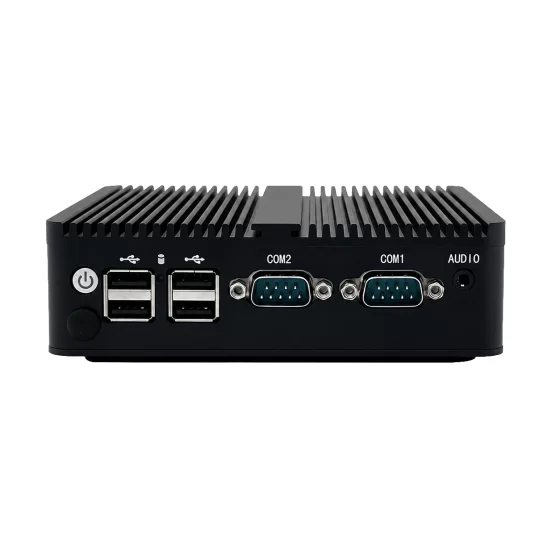
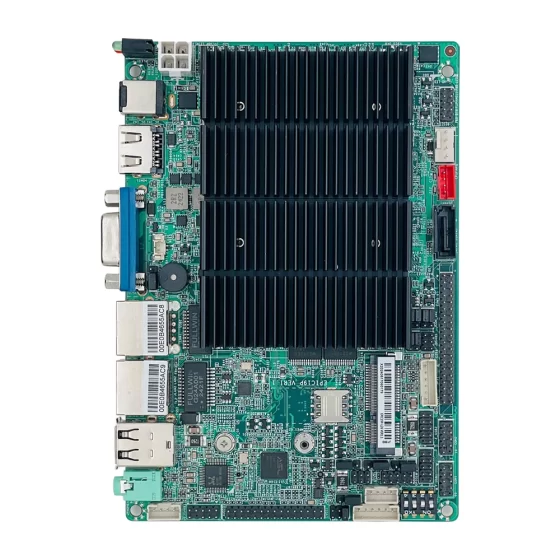
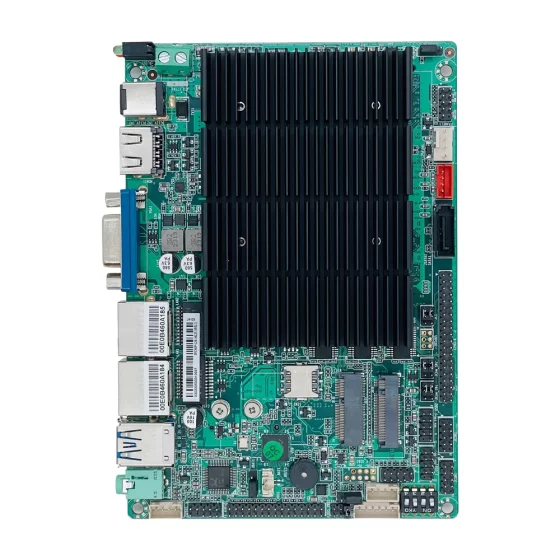
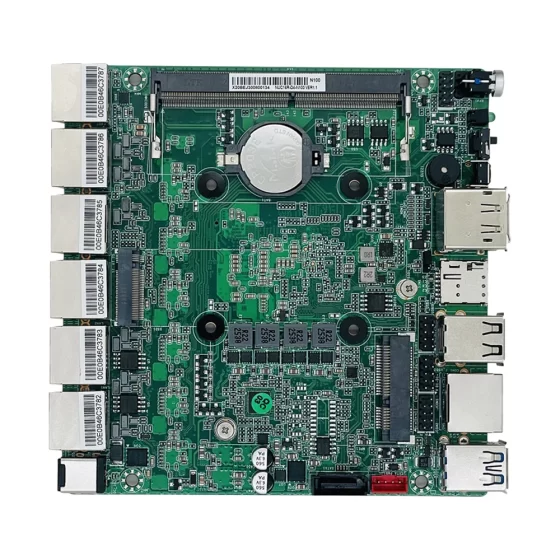
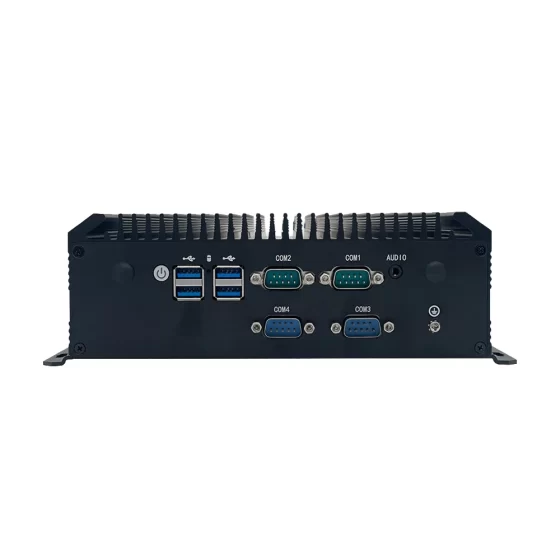
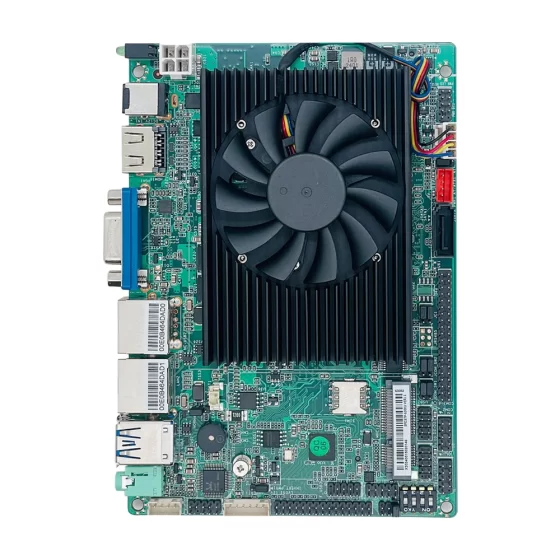
Решения CoreIPC для промышленных вычислений

Промышленный контроллер для оборудования с ЧПУ: Компьютер с ЧПУ для точной автоматизации станков
Управляющее резюме
Компьютер-контроллер ЧПУ обеспечивает основу промышленных вычислений для управления станком с ЧПУ., координация движений, сервокоммуникация, управление шпинделем, Управление ЧМИ, регистрация данных машины, удаленная диагностика, и интеллектуальная интеграция с заводом.
Оборудование с ЧПУ требует точных и повторяемых движений.. Фрезерные станки, токарные центры, сверлильные машины, шлифовальные станки, системы лазерной резки, гравировальные станки, маршрутизирующее оборудование, и многоосные обрабатывающие центры зависят от стабильного управления и точного выполнения движений..
Платформа контроллера ЧПУ, построенная на промышленном или встроенном компьютере, может запускать программное обеспечение для управления станком., общаться с сервоприводами, подключение энкодеров и модулей ввода/вывода, управлять данными инструмента и шпинделя, поддержка операторских интерфейсов, хранить записи об обработке, и обмениваться информацией с МЧС, СКАДА, системы качества, или промышленные IoT-платформы.
По сравнению со стандартными офисными ПК или потребительскими встроенными платами, промышленные компьютеры лучше подходят для оборудования с ЧПУ, поскольку они имеют прочную конструкцию., стабильная потребляемая мощность, возможность расширения, надежное хранение, несколько портов локальной сети, последовательная связь, GPIO, варианты безвентиляторного дизайна, и доступность в течение длительного жизненного цикла.
В этой статье объясняется, как компьютерные платформы контроллера ЧПУ поддерживают прецизионную автоматизацию станков., какие проблемы возникают при внедрении оборудования с ЧПУ, как работает архитектура решения, и какие аппаратные функции имеют значение при выборе промышленного компьютера или встроенного компьютера для приложений управления станком с ЧПУ..

Развертывание компьютерного оборудования с контроллером ЧПУ
Обзор отрасли
Оборудование с ЧПУ требует стабильного промышленного управления
Оборудование с ЧПУ используется в производственных условиях, где точность, повторяемость, и производительность имеют решающее значение.
Эти машины могут обрабатывать металл, пластик, древесина, композитные материалы, электронные компоненты, формы, инструменты, механические части, медицинские компоненты, автомобильные детали, и аэрокосмические компоненты.
Обычное оборудование с ЧПУ включает в себя:
- Фрезерные станки с ЧПУ
- Токарные центры с ЧПУ
- Сверлильные станки с ЧПУ
- шлифовальные станки с ЧПУ
- Фрезерные станки с ЧПУ
- Станки для лазерной резки с ЧПУ
- Гравировальные системы с ЧПУ
- Машины плазменной резки с ЧПУ
- Многоосные обрабатывающие центры
- Автоматизированные станки для смены инструмента
- Системы контроля и измерения с ЧПУ
- Гибридное обрабатывающее оборудование
Каждая машина зависит от скоординированного движения, точная обратная связь, стабильные вычисления, и надежное взаимодействие с оператором.
Компьютер-контроллер ЧПУ обеспечивает вычислительный уровень, который поддерживает эти требования..
Управление с ЧПУ становится более взаимосвязанным
Традиционные станки с ЧПУ, ориентированные в основном на выполнение движений и управление оператором..
Современное оборудование с ЧПУ должно делать больше.
Производителям все чаще требуются станки с ЧПУ для подключения к производственным системам., собирать данные обработки, поддержка удаленной диагностики, хранить записи процессов, следить за состоянием инструмента, и обеспечить видимость машины в режиме реального времени.
Современная платформа контроллера ЧПУ может поддерживать:
- Многоосное управление движением
- Связь с сервоприводом
- Мониторинг шпинделя
- Управление инструментом
- Управление ЧМИ
- Хранение программ
- Регистрация сигналов тревоги
- Сбор данных о машине
- Удаленное обслуживание
- Интеграция машинного зрения
- Возможность подключения MES и SCADA
- Передача данных промышленного Интернета вещей
Для этого требуется надежная промышленная вычислительная платформа, а не простой ПК..
Промышленные компьютеры соответствуют требованиям машиностроителей
Производителям станков с ЧПУ необходимо оборудование, которое можно многократно развертывать на разных моделях станков и на площадках клиентов..
Вычислительная платформа должна поддерживать стабильные образы программного обеспечения., совместимые драйверы, промышленные интерфейсы, поставка с длительным жизненным циклом, и исправная аппаратная конструкция.
Промышленные компьютеры и встроенные компьютеры помогают машиностроителям создавать системы контроллеров с ЧПУ, которые легче интегрировать., поддерживать, и поддерживать.
Они также поддерживают настройку OEM, когда машинам требуется специальный ввод-вывод., несколько портов локальной сети, дополнительные последовательные порты, модули расширения, компактные корпуса, или специальные конструкции крепления.

Проблемы развертывания компьютера с контроллером ЧПУ
Ключевые проблемы
Поддержание точного управления движением
Оборудование с ЧПУ зависит от точного движения.
Если контроллер работает нестабильно, машина может испытывать ошибки позиционирования, плохая обработка поверхности, отклонение траектории инструмента, вибрация, или нестабильное качество обработки.
Важные требования, связанные с движением, включают::
- Количество осей
- Время цикла управления
- Скорость обновления сервопривода
- Обратная связь с энкодером
- Управление шпинделем
- Поддержка программного обеспечения для управления движением
- Связь по полевой шине
- Время отклика ввода/вывода
- нагрузка процессора
- Конфигурация операционной системы
Компьютер-контроллер ЧПУ должен быть выбран и проверен в соответствии с реальными требованиями к управлению станком..
Координация нескольких осей и шпинделей
Станки с ЧПУ могут использовать несколько осей и скоординированное движение..
Базовый станок с ЧПУ может использовать три оси.. Более продвинутые системы могут использовать четырехосный, пятиосный, портальный, двухшпиндельный, смена инструмента, или синхронизированные конфигурации поворотной оси.
Контролеру может потребоваться координировать:
- Перемещение по оси X
- Перемещение по оси Y
- Перемещение по оси Z
- Поворотные оси
- Управление шпинделем
- Устройство смены инструмента
- Системы охлаждения
- Удерживающие устройства
- Конвейеры
- Системы зондирования
- Устройства безопасности
- Триггеры машинного зрения
По мере увеличения сложности машины, производительность вычислений, стабильность связи, и возможности расширения становятся более важными.
Интеграция дисков, ввод/вывод, и машинные устройства
Платформа контроллера ЧПУ должна соединять множество компонентов станка..
Они могут включать в себя:
- Сервоприводы
- Шаговые драйверы
- Кодеры
- Шпиндельные приводы
- ПЛК
- Модули ввода-вывода
- Концевые выключатели
- Устройство смены инструмента
- Зондирующие датчики
- HMI
- Устройства безопасности
- Промышленные камеры
- Сетевые коммутаторы
- Системы сбора данных
Для разных архитектур машин может потребоваться Ethernet., USB, RS232, RS485, GPIO, цифровой ввод/вывод, Расширение PCIe, или промышленные интерфейсы Ethernet.
Гибкая промышленная связь снижает сложность интеграции.
Управление электрическим шумом и вибрацией машины
Оборудование с ЧПУ часто содержит двигатели, диски, источники питания, реле, шпиндельные системы, и сильноточные компоненты.
Они могут генерировать электрический шум и механическую вибрацию..
Контроллерный компьютер должен оставаться стабильным в этой среде..
Аппаратное обеспечение промышленного уровня помогает повысить надежность благодаря прочной конструкции корпуса., надежный монтаж, надежное хранение, стабильная потребляемая мощность, варианты безвентиляторной работы, и долговременная термическая стабильность.
При окончательном проектировании шкафа также следует учитывать заземление., прокладка кабеля, расход воздуха, и разделение сигнальной проводки и силовой проводки.
Поддержка интерфейса оператора и удобства использования машины
Станки с ЧПУ требуют четкого взаимодействия с оператором.
Операторам может потребоваться загрузка программ, настроить параметры, контролировать состояние инструмента, просмотреть сигналы тревоги, просмотреть координаты, управлять рецептами, и проверить состояние машины.
Компьютер контроллера может запускать или поддерживать программное обеспечение HMI..
Стабильный вывод изображения, отзывчивая операция, надежное хранение, и стабильная производительность программного обеспечения важны для уверенности оператора и удобства использования машины..
Соединение станков с ЧПУ с заводскими системами
Станки с ЧПУ не должны оставаться изолированными.
Производителям может потребоваться сбор данных о состоянии машины., записи обработки, использование инструмента, сигналы тревоги, время цикла, часть имеет значение, энергетические данные, и информация по техническому обслуживанию.
Компьютер-контроллер ЧПУ может помочь подключить станок к:
- МЧС
- СКАДА
- ERP-система
- Качественные базы данных
- Промышленные IoT-платформы
- Локальные информационные панели
- Системы технического обслуживания
- Платформы облачного мониторинга
- Системы отслеживания
Такое подключение улучшает прозрачность производства и поддерживает интеллектуальное производство..

Архитектура компьютерного решения контроллера ЧПУ
Архитектура компьютерного решения контроллера ЧПУ
Уровень устройства станка с ЧПУ
Уровень устройства станка включает в себя физические компоненты оборудования с ЧПУ..
Этот слой может включать в себя:
- Серводвигатели
- Сервоприводы
- Шаговые двигатели
- Шпиндельные приводы
- Кодеры
- Линейные направляющие
- Поворотные столы
- Устройство смены инструмента
- Системы охлаждения
- Зондирующие датчики
- Концевые выключатели
- Устройства безопасности
- Промышленные камеры
Эти устройства генерируют движение, обратная связь, сигналы состояния, и обрабатывать информацию.
Компьютерный уровень контроллера ЧПУ
Компьютерный уровень контроллера ЧПУ является базовой вычислительной платформой..
На этом слое, промышленный компьютер или встроенный компьютер может:
- Запустите программное обеспечение для управления ЧПУ
- Перемещение координатной оси
- Взаимодействие с сервоприводами
- Управление шпинделем
- Обработка данных обратной связи
- Обработка машинного ввода-вывода
- Поддержка работы ЧМИ
- Магазин программ ЧПУ
- Записывать события машины
- Отправка данных в заводские системы
Этот уровень обеспечивает вычислительную основу для точной работы машины..
Уровень движения и связи
Уровень движения и связи соединяет контроллер с приводами., Модули ввода-вывода, датчики, и машинные сети.
Он может включать в себя:
- EtherCAT
- ПРОФИНЕТ
- Ethernet/IP
- CANopen
- Модбус
- RS232
- RS485
- Цифровой ввод/вывод
- Аналоговый ввод/вывод
- Карты движения PCIe
- Промышленные Ethernet-коммутаторы
Точная схема связи зависит от программного обеспечения управления ЧПУ., система привода, количество осей, и архитектура машины.
HMI и уровень оператора
Уровень HMI поддерживает взаимодействие с оператором..
Он может включать в себя:
- Сенсорная панель
- Локальный монитор
- Клавиатура и мышь
- Панель управления машиной
- Индикация сигналов тревоги
- Экран управления программой
- Интерфейс управления инструментом
- Интерфейс обслуживания
- Панель статуса производства
Компьютер-контроллер ЧПУ может напрямую управлять ЧМИ или взаимодействовать с отдельной панелью оператора..
Уровень интеграции данных
Уровень интеграции данных соединяет оборудование с ЧПУ с заводским программным обеспечением..
Контроллер может отправлять структурированные данные:
- МЧС
- СКАДА
- ERP-система
- Качественные базы данных
- Промышленные IoT-платформы
- Панели мониторинга местного производства
- Системы технического обслуживания
- Системы управления инструментом
- Системы облачного мониторинга
Этот уровень помогает станкам с ЧПУ стать частью подключенной среды заводских данных..
Уровень безопасности и управления
Уровень безопасности и управления поддерживает долгосрочную стабильность системы..
Он может включать в себя:
- Разрешения пользователя
- Сегментация сети
- Безопасный удаленный доступ
- Локальное ведение журнала
- Резервное копирование конфигурации
- Мониторинг хранилища
- Мониторинг состояния устройства
- Удаленная диагностика
- Управление обновлениями программного обеспечения
Эти функции помогают машиностроителям и конечным пользователям эффективно обслуживать оборудование с ЧПУ..
Ключевые особенности
Поддержка управления ЧПУ в реальном времени
Компьютер-контроллер ЧПУ должен поддерживать стабильное управление станком..
При выборе оборудования следует учитывать:
- Производительность процессора
- Объем памяти
- Поддержка программного обеспечения для управления движением
- Производительность промышленного Ethernet
- Совместимость с полевой шиной
- Время отклика ввода/вывода
- Расширение PCIe
- Поддержка операционной системы
- Термическая стабильность
- Длительная операция
Система должна быть проверена на реальных сервоприводах., реальное количество осей, реальные машинные циклы, и реальные программы обработки.
Возможность многоосного движения
Оборудование с ЧПУ может потребовать скоординированного движения по нескольким осям..
Платформа контроллера должна поддерживать необходимое количество осей и сложность движений..
Возможно, потребуется координировать линейные оси., поворотные оси, шпиндели, устройства смены инструмента, зонды, и вспомогательные системы.
Для современных станков с ЧПУ, возможность расширения может потребоваться для карт движения, дополнительные сетевые порты, модули полевой шины, или специализированный ввод-вывод.
Гибкий промышленный ввод-вывод
Станкам с ЧПУ требуются практичные промышленные интерфейсы.
Полезные опции могут включать в себя:
- локальная сеть
- USB
- RS232
- RS485
- GPIO
- Цифровой вход
- Цифровой выход
- HDMI
- ДисплейПорт
- М.2
- PCIe
- SATA или NVMe хранилище
GPIO и цифровой ввод-вывод могут поддерживать триггеры., сигналы тревоги, концевые выключатели, и сигналы состояния машины. Последовательные порты могут поддерживать устаревшее оборудование. PCIe и M.2 могут поддерживать модули расширения..
Проектирование сети с несколькими локальными сетями
Несколько портов LAN помогают разделить пути связи.
Компьютер-контроллер ЧПУ может использовать отдельные сети для:
- Сеть движения
- Сеть сервоприводов
- Сеть ПЛК
- Сеть ЧМИ
- Заводская ИТ-сеть
- Сеть машинного зрения
- Сеть удаленного обслуживания
- Промышленная сеть Интернета вещей
Разделение сети повышает стабильность и помогает предотвратить влияние неуправляемого трафика на связь с ЧПУ..
Поддержка HMI и дисплея
Интерфейс оператора важен для удобства использования ЧПУ.
Компьютер должен поддерживать стабильный вывод изображения., отзывчивая операция, и совместимость с программным обеспечением машины.
Выходы дисплея, такие как HDMI или DisplayPort, могут поддерживать экраны оператора..
Для машиностроителей, согласованное поведение HMI помогает сократить время обучения и сократить проблемы с обслуживанием.
Локальное хранилище и управление программами
Станки с ЧПУ требуют надежного хранения программ, параметры, журналы, настройки машины, данные инструмента, сигналы тревоги, диагностические файлы, и резервные записи.
Обычно предпочтение отдается твердотельным накопителям или хранилищам NVMe, поскольку они обеспечивают быстрый доступ и лучшую ударопрочность, чем механические накопители..
При проектировании хранилища следует учитывать:
- Программные файлы ЧПУ
- Параметры машины
- Данные инструмента
- История тревог
- Журналы обслуживания
- Производственные записи
- Резервное копирование конфигурации
- Рабочий процесс восстановления программного обеспечения
Надежное хранение повышает удобство обслуживания и непрерывность производства..
Интеграция машинного зрения и датчиков
Некоторое оборудование с ЧПУ использует камеры или измерительные системы для выравнивания., инспекция, измерение инструмента, и процесс проверки.
Компьютер контроллера ЧПУ может подключать камеры., зонды, датчики, контроллеры освещения, и триггерные сигналы.
Он может обрабатывать данные местных проверок или отправлять результаты в системы качества..
Это повышает точность обработки., эффективность установки, и отслеживаемость производства.
Прочная и безвентиляторная конструкция
Среда станков с ЧПУ может быть пыльной, склонный к вибрации, и электрически шумный.
Безвентиляторные промышленные компьютеры уменьшают попадание пыли и устраняют одну распространенную точку механического отказа..
Прочные корпуса защищают от вибрации, напряжение кабеля, Влияние установки шкафа, и непрерывная работа.
Тепловой расчет должен быть проверен при реальных рабочих нагрузках машины., особенно когда контроллер использует программное обеспечение HMI, регистрация данных, машинное зрение, и удаленная диагностика.
Доступность в течение длительного жизненного цикла
Станки с ЧПУ – оборудование с длительным сроком службы..
Платформа контроллера может оставаться в эксплуатации многие годы.
Доступность в течение длительного жизненного цикла помогает поддерживать образы программного обеспечения., драйверы движения, совместимость с полевой шиной, запчасти, и процедуры валидации.
Это важно для производителей станков с ЧПУ., поставщики модернизации, и производители с несколькими машинами.

Операции по мониторингу станков с ЧПУ
Сценарии развертывания
Управление фрезерным станком с ЧПУ
Фрезерные станки с ЧПУ требуют точного перемещения осей., управление шпинделем, управление инструментом, и интерфейс оператора.
Компьютер с ЧПУ-контроллером может запускать управляющее программное обеспечение., общаться с дисками, хранить программы, отображать экраны HMI, и подключиться к заводским системам.
Это поддерживает стабильные и взаимосвязанные операции обработки..
Управление токарным центром с ЧПУ
Токарные центры требуют стабильной координации шпинделя, управление осью, управление револьверной головкой инструмента, и мониторинг процессов.
Встроенный компьютер может поддерживать программное обеспечение контроллера., регистрация данных машины, обзор тревог, и удаленная диагностика.
Это повышает удобство обслуживания и прозрачность производства..
Многоосевой обрабатывающий центр
Передовые обрабатывающие центры могут потребовать четырех- или пятиосной координации..
Компьютер контроллера должен поддерживать точное управление движением., обработка обратной связи, Функции ЧМИ, и машинная связь.
Надежное оборудование помогает поддерживать сложные циклы обработки..
Фрезерно-гравировальное оборудование с ЧПУ
Фрезы и гравировальные системы используются для древесины., пластик, металл, композиты, и вывесочные материалы.
Компактный встроенный компьютер может обеспечить управление машиной, хранилище программ, интерфейс оператора, и удаленная поддержка.
Это поддерживает проектирование OEM-оборудования и повторяемое развертывание..
Лазерная резка и маркировка с ЧПУ
Системы лазерной резки и маркировки требуют синхронизированного движения., управление процессом, мониторинг безопасности, и регистрация данных.
Контроллерный компьютер может координировать оси, собирать данные датчиков, поддержка работы ЧМИ, и хранить производственные записи.
Это улучшает видимость процесса.
Модернизированный контроллер с ЧПУ
Старым станкам с ЧПУ могут потребоваться обновленные системы управления..
Промышленный компьютер может поддерживать проекты модернизации, обеспечивая современные вычислительные возможности., Программное обеспечение ЧМИ, сбор данных, удаленная диагностика, и заводское подключение.
Окончательный проект модернизации должен соответствовать аппаратному обеспечению машины и требованиям безопасности..
Сбор данных станков с ЧПУ
Производители могут использовать промышленные компьютеры для сбора данных с существующих станков с ЧПУ..
Платформа может собирать статус машины, сигналы тревоги, количество циклов, информация о программе, и данные по техническому обслуживанию.
Это поддерживает интеллектуальную модернизацию завода без замены каждой машины..
OEM-платформа контроллера с ЧПУ
Производители оборудования с ЧПУ могут интегрировать промышленные компьютеры или встроенные платы в специализированные контроллеры..
Платформа может поддерживать программное обеспечение ЧПУ., движение связи, ЧМИ, регистрация данных, удаленная диагностика, и индивидуальный ввод-вывод.
Это помогает создавать масштабируемые и воспроизводимые платформы оборудования с ЧПУ..
Преимущества для бизнеса
Повышенная надежность управления машиной
Компьютер-контроллер ЧПУ обеспечивает стабильные вычисления для управления станком., Управление ЧМИ, стимулировать общение, и обработка данных.
Аппаратное обеспечение промышленного уровня помогает снизить нестабильность в требовательных машинных средах..
Это обеспечивает надежность операций обработки..
Лучшая видимость производства
Контроллер может собирать статус машины, записи программы, сигналы тревоги, данные цикла, информация об инструменте, и журналы обслуживания.
Эти данные можно отправить в МЧС., СКАДА, информационные панели, или промышленные IoT-платформы.
Лучшая прозрачность помогает производственным командам улучшить планирование, Поиск неисправностей, и использование.
Более надежная отслеживаемость машины
Производство с ЧПУ может потребовать записи для программ, инструменты, операторы, части, партии, результаты проверки, и состояние машины.
Компьютер-контроллер может помочь хранить и пересылать эти записи..
Это поддерживает управление качеством и улучшение процессов..
Упрощенная удаленная диагностика
Производителям станков и группам технического обслуживания часто приходится устранять неисправности оборудования с ЧПУ удаленно..
Компьютер-контроллер может поддерживать безопасный удаленный доступ., обзор журнала, резервное копирование конфигурации, и мониторинг состояния машины.
Это сокращает время обслуживания и улучшает поддержку клиентов..
Снижение риска простоя
Промышленные компьютеры обеспечивают надежное оборудование для непрерывной работы с ЧПУ..
Варианты безвентиляторного дизайна, надежное хранение, надежный монтаж, стабильная потребляемая мощность, и доступность в течение длительного жизненного цикла помогают снизить риск сбоя.
Это обеспечивает длительную безотказную работу машины..
Разработка масштабируемого оборудования с ЧПУ
Стандартизированная компьютерная платформа контроллера ЧПУ помогает производителям станков развертывать аналогичные системы на нескольких моделях станков..
Согласованное оборудование упрощает образы программного обеспечения, проверка драйвера, планирование запасных частей, рабочий процесс удаленного обслуживания, и управление жизненным циклом.
Это поддерживает разработку масштабируемого оборудования с ЧПУ..
Почему CoreIPC
CoreIPC предоставляет промышленные вычислительные платформы для промышленной автоматизации, управление движением, машинное зрение, промышленный Интернет вещей, крайний ИИ, и встроенная системная интеграция. Для компьютерных приложений контроллера ЧПУ, CoreIPC специализируется на надежном промышленном компьютерном оборудовании., встроенные компьютерные решения, гибкий ввод-вывод, конфигурации с несколькими локальными сетями, возможность расширения, компактная конструкция системы, варианты безвентиляторного развертывания, возможность локального хранения, и поддержка настройки OEM/ODM. CoreIPC помогает производителям оборудования с ЧПУ, системные интеграторы, и производители выбирают вычислительные платформы, соответствующие реальным требованиям развертывания, включая количество осей, программное обеспечение для движения, поддержка полевой шины, Рабочая нагрузка ЧМИ, потребности в хранении, способы крепления, потребляемая мощность, термические условия, и планирование жизненного цикла.
Часто задаваемые вопросы
1. Что такое компьютер-контроллер с ЧПУ?
Компьютер-контроллер ЧПУ — это промышленная вычислительная платформа, используемая для поддержки управления станком с ЧПУ., координация движений, Управление ЧМИ, хранилище программ, регистрация данных машины, и возможность подключения к заводской системе.
Он может взаимодействовать с сервоприводами., кодеры, ПЛК, Модули ввода-вывода, шпиндельные приводы, датчики, и программное обеспечение машины.
2. Зачем использовать промышленный компьютер для оборудования с ЧПУ?
Промышленный компьютер обеспечивает надежное оборудование и гибкие возможности подключения для машинных сред..
Он может поддерживать несколько портов LAN., USB, последовательная связь, GPIO, Расширение PCIe, надежное хранение, безвентиляторный режим, промышленный монтаж, стабильная потребляемая мощность, и доступность в течение длительного жизненного цикла.
Эти функции делают его подходящим для развертывания контроллера ЧПУ..
3. Как встроенный компьютер используется в станках с ЧПУ?
Встроенный компьютер можно установить внутри шкафа станка с ЧПУ или компактного корпуса контроллера..
Он может запускать управляющее программное обеспечение, поддержка функций ЧМИ, подключение накопителей и модулей ввода-вывода, хранить программы ЧПУ, собирать данные о машине, и отправить структурированную информацию в МЧС, СКАДА, или промышленные IoT-платформы.
4. Какое оборудование с ЧПУ может использовать промышленный контроллер?
Платформы промышленных контроллеров можно использовать на фрезерных станках с ЧПУ., токарные центры, маршрутизаторы, гравировальные станки, станки для лазерной резки, плазменные резаки, шлифовальные станки, сверлильные машины, и многокоординатные обрабатывающие центры.
Конечная платформа зависит от количества осей., требования к движению, программное обеспечение, и интерфейсы связи.
5. Какие аппаратные функции важны для компьютеров с ЧПУ?
Важные функции включают достаточную производительность процессора., надежная память, несколько портов локальной сети, USB, RS232, RS485, GPIO, цифровой ввод/вывод, Расширение PCIe, SSD или NVMe-хранилище, прочный корпус, варианты безвентиляторного дизайна, промышленная потребляемая мощность, и отображать выходные данные.
Конфигурация должна соответствовать архитектуре станка с ЧПУ..
6. Почему несколько портов LAN полезны в контроллерах ЧПУ?
Несколько портов LAN помогают разделить передачу данных о движении, сети сервоприводов, HMI-трафик, сети машинного зрения, заводские ИТ, промышленный Интернет вещей, и удаленный доступ для обслуживания.
Это улучшает организацию дорожного движения и снижает вероятность того, что неконтролируемый трафик повлияет на работу машины..
7. Могут ли компьютеры с ЧПУ поддерживать машинное зрение??
Да. Компьютеры с ЧПУ-контроллерами могут поддерживать камеры, зонды, контроллеры освещения, датчики, и системы контроля.
Они могут помочь с выравниванием, измерение инструмента, проверка процесса, проверка качества, и отслеживаемость в зависимости от требований к программному и аппаратному обеспечению.
8. Могут ли безвентиляторные промышленные компьютеры поддерживать приложения с ЧПУ??
Да. Безвентиляторные промышленные компьютеры могут поддерживать многие приложения с ЧПУ, поскольку они уменьшают попадание пыли и устраняют одну точку механического отказа..
Однако, тепловой расчет должен быть проверен, когда система управляет движением, Управление ЧМИ, регистрация данных, машинное зрение, и непрерывные производственные нагрузки.
9. Могут ли компьютеры-контроллеры с ЧПУ подключаться к MES или SCADA??
Да. Компьютер-контроллер ЧПУ может отправлять статус станка, сигналы тревоги, записи цикла, данные программы, информация об инструменте, объемы производства, и журналы технического обслуживания в MES, СКАДА, локальные информационные панели, или промышленные IoT-платформы.
Это поддерживает интеллектуальное производство и обзорность оборудования..
10. Что следует протестировать перед развертыванием?
Перед развертыванием, платформа должна быть протестирована с использованием реального программного обеспечения для управления ЧПУ., сервоприводы, кодеры, шпиндельные системы, Модули ввода-вывода, Экраны ЧМИ, машинные программы, топология сети, поведение хранилища, и длительная эксплуатация.
Термическая стабильность, задержка связи, поведение восстановления, удаленная диагностика, процедуры резервного копирования, и интеграция заводской системы также должна быть проверена.
Заключение
Компьютер-контроллер ЧПУ является практической основой управления оборудованием с ЧПУ., прецизионная автоматизация движения, Управление ЧМИ, управление программой, сервокоммуникация, мониторинг шпинделя, сбор данных о машине, удаленная диагностика, и возможность подключения к заводской системе.
Путем размещения промышленного компьютера или встроенного компьютера внутри платформы станка с ЧПУ., машиностроители и производители могут подключать сервоприводы, кодеры, шпиндельные системы, ПЛК, Модули ввода-вывода, датчики, HMI, устройства машинного зрения, MES-платформы, СКАДА-системы, и панели мониторинга промышленного Интернета вещей через надежные и контролируемые каналы связи..
Правильный компьютер контроллера ЧПУ следует выбирать в соответствии с реальными требованиями к развертыванию., включая количество осей, программное обеспечение для движения, связь по полевой шине, управление шпинделем, Требования к вводу/выводу, Рабочая нагрузка ЧМИ, конфигурация хранилища, Дизайн порта LAN, метод монтажа, потребляемая мощность, термические условия, поддержка операционной системы, и планирование жизненного цикла.
CoreIPC поддерживает компьютерные проекты с контроллерами ЧПУ с промышленными вычислительными платформами, предназначенными для практического применения на станках., кабинет, фабрика, модернизировать, и OEM-развертывание. С правильной аппаратной основой, Производители и производители оборудования с ЧПУ могут создавать надежные, масштабируемый, и подключенные платформы прецизионных машин.
Связаться с нами
Ищу промышленный компьютер, встроенный компьютер, или компактная платформа IPC для развертывания оборудования с ЧПУ?
Свяжитесь с CoreIPC, чтобы обсудить требования вашего проекта, включая количество осей, Программное обеспечение ЧПУ, сервокоммуникация, поддержка полевой шины, Рабочая нагрузка ЧМИ, Интерфейсы ввода-вывода, Конфигурация порта локальной сети, дизайн хранилища, метод монтажа, потребляемая мощность, операционная среда, потребности жизненного цикла, и варианты настройки OEM/ODM.