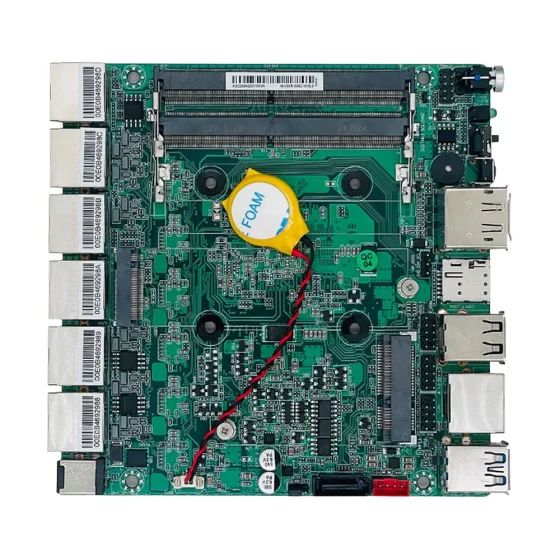
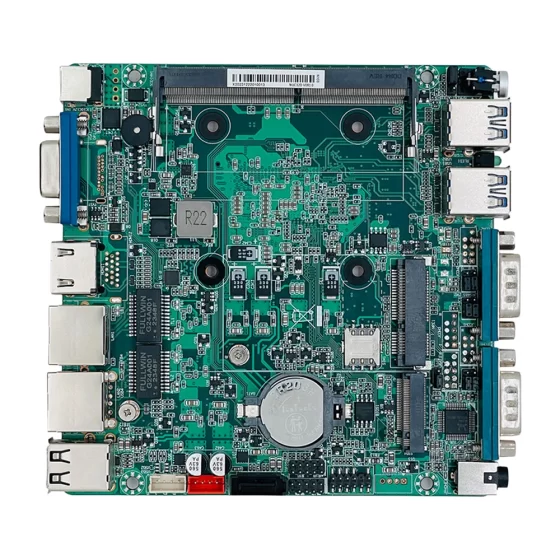
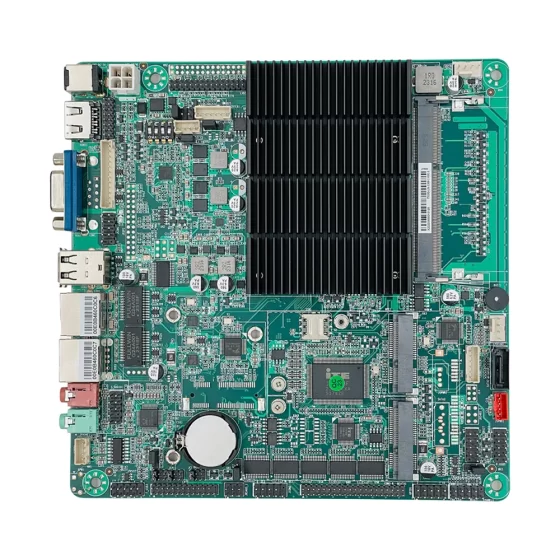
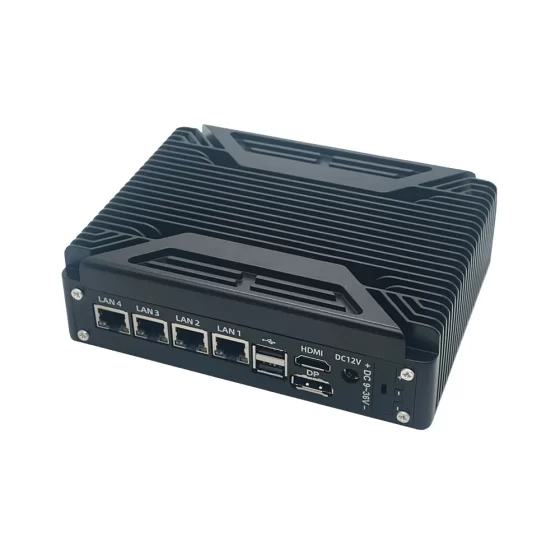
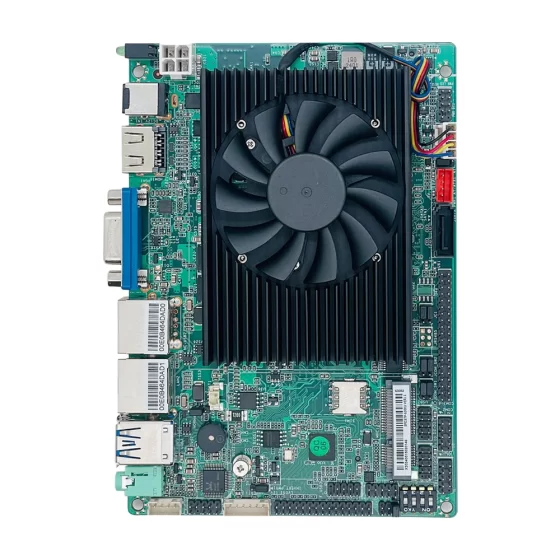
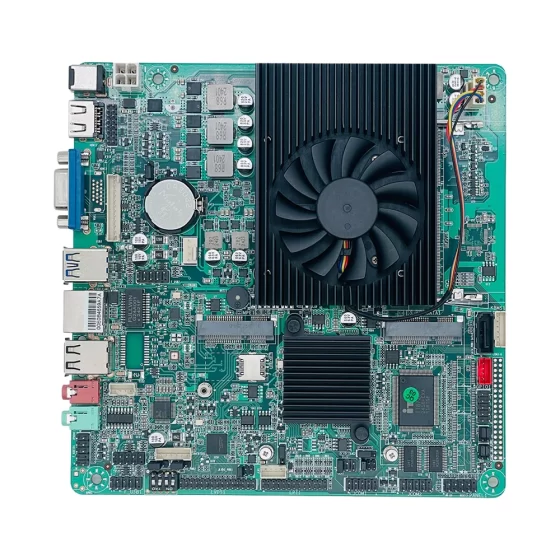
Решения CoreIPC для промышленных вычислений

Промышленный компьютер для профилактического обслуживания: Компьютер профилактического обслуживания для интеллектуального мониторинга оборудования
Управляющее резюме
Компьютер для профилактического обслуживания обеспечивает основу промышленных вычислений для мониторинга состояния оборудования., сбор данных датчиков, анализ вибрации, мониторинг температуры, периферийная аналитика, обнаружение аномалий, диагностика оборудования, и поддержка принятия решений по техническому обслуживанию.
Современные заводы, склады, энергетические системы, транспортные средства, и промышленная инфраструктура полагаются на машины, которые должны работать непрерывно. Моторы, насосы, компрессоры, конвейеры, станки с ЧПУ, роботы, фанаты, турбины, коробки передач, производственные линии, и коммунальное оборудование генерируют сигналы, которые могут выявить ранние признаки неисправности..
При профилактическом обслуживании эти сигналы используются для обнаружения ненормального поведения до того, как произойдет сбой оборудования..
Промышленный компьютер или встроенный компьютер можно разместить рядом с машинами для сбора данных с датчиков., сигналы технологического оборудования локально, хранить исторические записи, использовать пограничную аналитику, и отправлять структурированную информацию в SCADA, МЧС, промышленные IoT-платформы, облачные информационные панели, или системы обслуживания.
По сравнению со стандартными офисными ПК или потребительскими шлюзами, промышленные компьютеры лучше подходят для профилактического обслуживания, поскольку они поддерживают прочные корпуса., несколько портов локальной сети, последовательная связь, GPIO, локальное хранилище, варианты безвентиляторного дизайна, стабильная потребляемая мощность, и доступность в течение длительного жизненного цикла.
В этой статье объясняется, как компьютеры профилактического обслуживания поддерживают интеллектуальный мониторинг оборудования., какие проблемы с развертыванием возникают в реальных промышленных условиях, как работает архитектура решения, и какие аппаратные функции имеют значение при выборе промышленного компьютера или встроенного компьютера для приложений профилактического обслуживания..
 Обзор отрасли
Техническое обслуживание переходит от реактивного к прогнозному
Традиционное обслуживание часто осуществляется по двум моделям..
Реагирующее техническое обслуживание ремонтирует оборудование после отказа. Профилактическое обслуживание оборудования по установленному графику..
Оба подхода имеют ограничения.
Реактивное обслуживание может привести к неожиданному простою. Профилактическое обслуживание может привести к слишком ранней замене деталей или упущению проблем, возникающих между плановыми проверками..
Прогнозируемое обслуживание использует данные для оптимизации сроков технического обслуживания..
Он отслеживает реальное состояние оборудования и помогает бригадам технического обслуживания выявлять ранние предупреждающие признаки..
Общие контролируемые сигналы включают в себя:
- Вибрация
- Температура
- Ток двигателя
- Давление
- Поток
- Скорость
- Акустические сигналы
- Потребляемая мощность
- Время выполнения
- История тревог
- Количество циклов
- Условия окружающей среды
Компьютер профилактического обслуживания собирает и обрабатывает эти данные рядом с оборудованием..
Периферийные вычисления улучшают мониторинг оборудования
Данные прогнозного обслуживания могут быть большими и чувствительными ко времени..
Датчики вибрации, модули сбора высокочастотных данных, камеры, а датчики тока могут генерировать непрерывные потоки информации. Отправка всех необработанных данных в облако может увеличить стоимость полосы пропускания и задержку..
Периферийные вычисления позволяют выполнять важную обработку локально.
Промышленный компьютер может фильтровать сигналы, рассчитать характеристики, обнаруживать аномалии, сохранить выбранные записи, и направлять только значимые результаты.
Это помогает снизить нагрузку на сеть и одновременно повысить скорость ответа..
Промышленные компьютеры обеспечивают надежный аппаратный уровень
Системы профилактического обслуживания часто устанавливаются рядом с машинами..
Их можно монтировать внутри шкафов управления., машинные корпуса, бюветы, компрессорные помещения, производственные линии, подсобные помещения, или удаленные полевые площадки.
Эти среды могут включать в себя вибрацию., пыль, нагревать, электрический шум, нестабильная мощность, ограниченный поток воздуха, и непрерывная работа.
Промышленные компьютеры и встроенные компьютеры обеспечивают аппаратную основу, необходимую для этих условий..
Они поддерживают надежное развертывание, гибкий ввод-вывод, надежное хранение, многосетевая связь, безвентиляторный режим, и долгосрочная доступность.

Проблемы развертывания прогнозного обслуживания
Ключевые проблемы
Сбор данных со многих типов оборудования
Системы прогнозного обслуживания должны контролировать многие типы оборудования..
На одном заводе могут быть насосы, моторы, компрессоры, конвейеры, роботы, станки с ЧПУ, фанаты, коробки передач, системы отопления, вентиляции и кондиционирования, и коммунальное оборудование.
Для каждого типа оборудования могут потребоваться разные датчики и источники данных..
Общие входные данные могут включать в себя:
- Датчики вибрации
- Датчики температуры
- Датчики тока
- Датчики давления
- Расходомеры
- Акустические датчики
- данные ПЛК
- Данные привода двигателя
- Счетчики энергии
- Сигнализация машины
- Счетчики времени выполнения
- Журналы обслуживания
Вычислительная платформа должна поддерживать гибкое подключение для различного оборудования и конфигураций датчиков..
Обработка данных высокочастотных датчиков
Некоторым приложениям профилактического обслуживания требуются высокочастотные данные..
Мониторинг вибрации является распространенным примером.. Может потребоваться быстрая выборка, локальная обработка, и извлечение признаков.
Компьютеру может потребоваться вычислить такие значения, как RMS., пиковый уровень, частотный спектр, изменения тренда, и индикаторы аномалий.
При выборе оборудования следует учитывать:
- Количество датчиков
- Частота дискретизации
- Метод сбора данных
- Рабочая нагрузка локальной обработки
- Скорость записи хранилища
- Срок хранения
- Частота загрузки
- Требования к аналитике
- Пропускная способность сети
Размер платформы должен соответствовать реальной рабочей нагрузке на данные..
Локальное обнаружение аномальных условий
Превентивное обслуживание становится более ценным, если аномальное поведение можно обнаружить на ранней стадии..
Периферийный компьютер может запускать локальную аналитику для обнаружения изменений вибрации., температура, текущий, давление, или рабочие циклы.
Локальное обнаружение может помочь генерировать более быстрые оповещения.
Это может поддержать:
- Пороговый мониторинг
- Анализ тенденций
- Извлечение признаков сигнала
- Обнаружение аномалий
- Оценка состояния оборудования
- Сравнение шаблонов
- Регистрация событий технического обслуживания
- Выводы Edge AI
Локальная обработка улучшает время отклика и снижает зависимость от удаленных платформ..
Интеграция с существующими заводскими системами
Данные технического обслуживания не должны оставаться изолированными.
Компьютеру профилактического обслуживания может потребоваться подключение к SCADA., МЧС, ERP-система, КММС, промышленные панели IoT, облачные платформы, и локальные базы данных.
Для этого требуется структурированный вывод данных и стабильная связь..
Интеграция может включать в себя:
- Состояние здоровья оборудования
- Сенсорные тенденции
- Записи тревог
- Рекомендации по техническому обслуживанию
- История выполнения
- События предупреждения о сбоях
- Журналы диагностики
- Идентификаторы активов
- Триггеры заказа на работу
- Экспорт исторических данных
Компьютер должен поддерживать как подключение на стороне машины, так и интеграцию платформы более высокого уровня..
Обеспечение непрерывности данных
Перебои в работе сети могут возникать в промышленных условиях..
Если система профилактического обслуживания теряет данные во время сбоя в сети, анализ долгосрочных тенденций может оказаться неполным.
Локальное хранилище и буферизация важны.
Система должна продолжать собирать данные об оборудовании локально и загружать записи после восстановления сети..
Это особенно важно для удаленных объектов., коммунальное оборудование, автоматизация склада, и ответственные производственные машины.
Надежная работа рядом с оборудованием
Компьютеры для профилактического обслуживания часто устанавливаются рядом с вращающимся оборудованием., моторы, диски, и энергосистемы.
Эти среды могут включать в себя вибрацию., электрический шум, нагревать, пыль, и напряжение кабеля.
Аппаратное обеспечение промышленного уровня помогает снизить нестабильность.
К важным факторам надежности относятся:
- Прочный корпус
- Варианты безвентиляторного дизайна
- Надежный твердотельный накопитель или хранилище NVMe
- Стабильная потребляемая мощность
- Надежный монтаж
- Разгрузка кабеля от натяжения
- Термическая стабильность
- Поддержка длительного жизненного цикла
Аппаратное обеспечение должно оставаться стабильным при постоянном мониторинге оборудования..

Архитектура компьютерного решения для прогнозного обслуживания
Архитектура компьютерного решения для прогнозного обслуживания
Уровень оборудования и датчиков
Уровень оборудования и датчиков включает в себя контролируемые машины и устройства, которые собирают данные о состоянии..
Этот слой может включать в себя:
- Моторы
- Насосы
- Компрессоры
- Конвейеры
- Редукторы
- Фанаты
- станки с ЧПУ
- Роботы
- системы отопления, вентиляции и кондиционирования
- Производственное оборудование
- Датчики вибрации
- Датчики температуры
- Датчики тока
- Датчики давления
- Расходомеры
- ПЛК и приводы
Эти устройства генерируют данные о состоянии, которые могут выявить состояние оборудования..
Уровень сбора пограничных данных
Уровень сбора периферийных данных — это место, где промышленный компьютер или встроенный компьютер собирает информацию о машине..
На этом слое, платформа может:
- Собирайте сигналы датчиков
- Чтение данных ПЛК
- Подключите счетчики и приводы
- Получать записи тревог
- Сохранение данных машины
- Буферизировать локальные записи
- Обработка высокочастотных сигналов
- Нормализовать данные оборудования
- Пересылать структурированную информацию
- Поддержка удаленной диагностики
Этот уровень обеспечивает локальную вычислительную основу для профилактического обслуживания..
Уровень периферийной аналитики
Уровень периферийной аналитики преобразует необработанные данные в полезные индикаторы обслуживания..
Платформа может рассчитать:
- Функции вибрации
- Температурные тенденции
- Характеристика тока двигателя
- Изменения во время выполнения
- Изменения давления
- Аномалии потока
- Оценка состояния оборудования
- Частота сигналов тревоги
- Изменение количества циклов
- События раннего предупреждения
Это помогает командам технического обслуживания сосредоточиться на значимых изменениях, а не на потоках необработанных данных..
Уровень интеграции платформы
Компьютер профилактического обслуживания может подключаться к системам более высокого уровня, таким как:
- СКАДА
- МЧС
- ERP-система
- КММС
- Промышленные IoT-платформы
- Облачные панели мониторинга
- Базы данных краеведов
- Системы технического обслуживания
- Системы энергоменеджмента
- Системы контроля качества
Эта интеграция позволяет данным о состоянии оборудования стать частью более широкой инфраструктуры заводских данных..
Уровень безопасности и управления
Системы прогнозируемого обслуживания требуют контролируемого доступа и надежного управления..
Этот слой может включать в себя:
- Сегментация сети
- Безопасный удаленный доступ
- Разрешения пользователя
- Локальное ведение журнала
- Резервное копирование конфигурации
- Мониторинг хранилища
- Мониторинг состояния устройства
- Удаленная диагностика
- Управление обновлениями программного обеспечения
- Контроль доступа к данным
Эти функции помогают поддерживать стабильность и удобство обслуживания системы..
Ключевые особенности
Мультисенсорное подключение
Компьютер для профилактического обслуживания должен поддерживать множество типов подключений датчиков и устройств..
Полезные параметры ввода-вывода могут включать в себя:
- локальная сеть
- USB
- RS232
- RS485
- GPIO
- Цифровой вход
- Цифровой выход
- HDMI
- ДисплейПорт
- М.2
- PCIe
- SATA или NVMe хранилище
Собственные промышленные интерфейсы снижают требования к внешнему преобразователю и упрощают монтаж шкафа..
Это повышает надежность при развертывании на стороне машины..
Сбор данных и обработка сигналов
Для профилактического обслуживания может потребоваться непрерывный сбор данных..
Платформа должна поддерживать необходимую скорость передачи данных., количество датчиков, и рабочая нагрузка по обработке.
Для мониторинга вибрации, системе может потребоваться обработка высокочастотных данных. Для температуры, давление, или энергетический мониторинг, скорость передачи данных может быть ниже, но долгосрочное хранение трендов может быть более важным.
Аппаратное обеспечение должно соответствовать фактической стратегии мониторинга..
Локальное хранилище и буферизация данных
Локальное хранилище имеет решающее значение для профилактического обслуживания.
Платформа может хранить:
- Записи датчиков
- Данные о вибрации
- Температурные тенденции
- Журналы тревог
- История состояния оборудования
- Результаты локальной аналитики
- Диагностические файлы
- Загрузить буферы
- Конфигурационные файлы
- Журналы удаленного доступа
Обычно предпочтение отдается твердотельным накопителям или хранилищам NVMe, поскольку они обеспечивают быстрый доступ и лучшую ударопрочность, чем механические накопители..
При проектировании хранилища следует учитывать срок хранения., писать выносливость, рабочий процесс резервного копирования, и процедуры восстановления.
Edge AI и обнаружение аномалий
Некоторые системы прогнозного обслуживания используют периферийный искусственный интеллект или машинное обучение..
Компьютер может запускать модели для обнаружения аномалий., классификация состояния оборудования, распознавание образов неисправностей, или оценка оставшегося срока полезного использования.
При выборе оборудования следует учитывать:
- Производительность процессора
- Дополнительный графический процессор или ускоритель искусственного интеллекта
- Объем памяти
- Размер модели
- Частота вывода
- Объем данных датчика
- Поддержка операционной системы
- Совместимость с фреймворком
- Тепловой расчет
Edge AI может улучшить возможности раннего предупреждения при правильном обучении и проверке..
Проектирование сети с несколькими локальными сетями
Несколько портов LAN помогают разделить разные пути трафика.
Платформа прогнозного обслуживания может использовать отдельные сети для:
- Сенсорная сеть
- Сеть ПЛК
- Машинная сеть
- Заводская ИТ-сеть
- Промышленная сеть Интернета вещей
- Сеть удаленного обслуживания
- Сеть управления
- Облачный канал связи
Разделение сети повышает стабильность, безопасность, и организация дорожного движения.
Это также помогает предотвратить влияние больших объемов данных датчиков на систему управления или заводскую связь..
Прочная и безвентиляторная конструкция
Системы профилактического обслуживания часто размещаются рядом с оборудованием..
Безвентиляторные промышленные компьютеры уменьшают попадание пыли и устраняют одну распространенную точку механического отказа..
Прочные корпуса защищают от вибрации, напряжение кабеля, Влияние установки шкафа, и непрерывная работа.
Тепловой расчет по-прежнему требует тщательного анализа., особенно когда система обеспечивает непрерывный сбор данных, аналитика, локальное хранилище пишет, и удаленное общение.
Безопасная удаленная диагностика
Бригадам технического обслуживания часто требуется удаленный доступ для просмотра данных., обновить настройки аналитики, проверять журналы, и устранить неполадки оборудования.
Безопасный удаленный доступ должен включать:
- Аутентификация пользователя
- Поддержка VPN или безопасного туннеля
- Разрешения доступа
- Регистрация сеанса
- Сегментация сети
- Резервное копирование конфигурации
- Контролируемый процесс обновления
- Процедуры экстренного доступа
Это способствует эффективному обслуживанию и одновременно защищает промышленные сети..
Доступность в течение длительного жизненного цикла
Системы прогнозного обслуживания могут оставаться в эксплуатации в течение многих лет..
Согласованное оборудование помогает поддерживать образы программного обеспечения, драйверы сбора данных, сенсорные интерфейсы, аналитические модели, запчасти, и процедуры валидации.
Доступность в течение длительного жизненного цикла важна для производителей., системные интеграторы, и поставщики OEM-решений для мониторинга.

Архитектура компьютерного решения для прогнозного обслуживания
Сценарии развертывания
Мониторинг состояния двигателя
Двигатели широко используются на заводах., коммунальные услуги, системы отопления, вентиляции и кондиционирования, конвейеры, и производственное оборудование.
Компьютер профилактического обслуживания может собирать вибрацию, текущий, температура, и данные времени выполнения.
Он может обнаруживать аномальные тенденции и отправлять предупреждения о техническом обслуживании на локальные информационные панели или в центральные системы..
Мониторинг насосов и компрессоров
Насосы и компрессоры являются важнейшими активами в производстве, водные системы, энергетические объекты, и перерабатывающая промышленность.
Встроенный компьютер может контролировать давление, поток, температура, вибрация, и рабочие циклы.
Это помогает бригадам технического обслуживания обнаружить ранние признаки износа., дисбаланс, утечка, или ненормальная нагрузка.
Мониторинг конвейерной системы
Конвейеры работают непрерывно на заводах и складах..
Платформа профилактического обслуживания может собирать информацию о состоянии двигателя., скорость ленты, вибрация, текущий, нагрузка, и сигналы неисправности.
Это способствует раннему обнаружению механических проблем и уменьшению неожиданных остановок..
Мониторинг ЧПУ и станков
Станки требуют высокого времени безотказной работы и точности.
Компьютер профилактического обслуживания может отслеживать вибрацию шпинделя, ток двигателя, температура, поведение оси, сигналы тревоги, и данные цикла.
Это помогает определить характер износа и способствует плановому техническому обслуживанию..
Мониторинг роботов и средств автоматизации
Роботы и автоматизированные системы генерируют полезные данные о здоровье.
Платформа может собирать данные о двигателе, совместный статус, журналы ошибок, количество циклов, статус инструмента, и экологическая информация.
Это помогает повысить надежность роботизированного рабочего места..
Мониторинг энергетических и коммунальных активов
В инженерные системы часто входят насосы., моторы, инверторы, фанаты, батарейки, и распределенное полевое оборудование.
Промышленный компьютер может собирать данные о состоянии оборудования локально и отправлять структурированную информацию на платформы мониторинга..
Это поддерживает удаленное профилактическое обслуживание..
Мониторинг HVAC и оборудования объектов
На крупных предприятиях используются чиллеры., фанаты, насосы, компрессоры, и климатическое оборудование.
Встроенный компьютер может отслеживать рабочие условия и обнаруживать аномальные тенденции..
Это поддерживает техническое обслуживание объектов и энергоэффективность..
OEM-устройство профилактического обслуживания
Производители машин и системные интеграторы могут создавать индивидуальные устройства для профилактического обслуживания с использованием промышленных компьютеров или встроенных плат..
Платформа может поддерживать подключение датчиков, локальная аналитика, хранение данных, удаленный доступ, и интеграция с системами заказчика.
Преимущества для бизнеса
Сокращение времени незапланированных простоев
Профилактическое обслуживание помогает обнаружить ранние признаки проблем с оборудованием..
Мониторинг вибрации, температура, текущий, давление, и данные времени выполнения, команды технического обслуживания могут отреагировать до того, как сбои приведут к остановке производства.
Это помогает улучшить доступность оборудования..
Лучшее планирование технического обслуживания
Данные о состоянии помогают командам технического обслуживания более эффективно планировать действия по обслуживанию..
Вместо того, чтобы полагаться только на фиксированные графики, команды могут расставлять приоритеты для оборудования на основе фактического рабочего состояния.
Это улучшает распределение ресурсов и сокращает ненужное обслуживание..
Улучшенный обзор оборудования
Компьютер для профилактического обслуживания собирает данные о состоянии машины и превращает их в полезную информацию..
Операторы могут просматривать тенденции, сигналы тревоги, диагностика, и состояние оборудования с локальных панелей мониторинга, СКАДА-системы, или облачные платформы.
Лучшая видимость способствует более быстрому принятию решений.
Снижение нагрузки на передачу данных
Обработка краев уменьшает необходимость загрузки каждого необработанного сигнала.
Компьютер может рассчитывать полезные функции локально и отправлять выбранные события., резюме, и оповещения.
Это снижает использование полосы пропускания и улучшает время отклика..
Повышенная надежность производства
Промышленные компьютеры предоставляют надежное оборудование для непрерывного мониторинга оборудования..
Варианты безвентиляторного дизайна, надежное хранение, стабильная потребляемая мощность, надежный монтаж, и доступность в течение длительного жизненного цикла помогают снизить количество сбоев в системе технического обслуживания..
Это обеспечивает надежность долгосрочного мониторинга..
Масштабируемое развертывание профилактического обслуживания
Стандартизированная компьютерная платформа профилактического обслуживания упрощает развертывание мониторинга на многих машинах., линии, и сайты.
Согласованное оборудование упрощает образы программного обеспечения, интеграция датчиков, шаблоны конфигурации, планирование запасных частей, и управление жизненным циклом.
Это поддерживает масштабируемые интеллектуальные программы обслуживания..
Почему CoreIPC
CoreIPC предоставляет промышленные вычислительные платформы для промышленного Интернета вещей, крайний ИИ, промышленная автоматизация, машинное зрение, энергетический менеджмент, и встроенная системная интеграция. Для компьютерных приложений профилактического обслуживания, CoreIPC специализируется на надежном промышленном компьютерном оборудовании., встроенные компьютерные решения, гибкий ввод-вывод, конфигурации с несколькими локальными сетями, компактная конструкция системы, варианты безвентиляторного развертывания, возможность локального хранения, и поддержка настройки OEM/ODM. CoreIPC помогает системным интеграторам, машиностроители, и производители выбирают вычислительные платформы, соответствующие реальным требованиям развертывания, включая количество датчиков, нагрузка на данные, потребности в аналитике, дизайн хранилища, способы крепления, потребляемая мощность, термические условия, и планирование жизненного цикла.
Часто задаваемые вопросы
1. Что такое компьютер для профилактического обслуживания?
Компьютер для профилактического обслуживания — это промышленная вычислительная платформа, используемая для сбора и обработки данных о состоянии оборудования..
Он может контролировать вибрацию, температура, текущий, давление, поток, время выполнения, сигналы тревоги, и состояние машины. Он может обрабатывать данные локально, обнаружить аномальные тенденции, хранить записи, и отправлять информацию о техническом обслуживании в SCADA, МЧС, КММС, облачные платформы, или локальные информационные панели.
2. Зачем использовать промышленный компьютер для профилактического обслуживания?
Промышленный компьютер обеспечивает надежное оборудование и гибкие возможности подключения для развертывания на стороне машины..
Он может поддерживать несколько портов LAN., последовательная связь, USB, GPIO, надежное хранение, безвентиляторный режим, промышленный монтаж, стабильная потребляемая мощность, и доступность в течение длительного жизненного цикла. Эти особенности делают его пригодным для непрерывного мониторинга оборудования рядом с производственными машинами..
3. Как встроенный компьютер используется в профилактическом обслуживании?
Встроенный компьютер может быть установлен внутри шкафа управления., корпус машины, подсобное помещение, или удаленная станция мониторинга.
Он может собирать данные датчиков, сигналы технологического оборудования, хранить записи, данные буфера, запускать аналитику, и пересылать структурированную информацию на платформы технического обслуживания или промышленного Интернета вещей..
4. Какое оборудование можно контролировать?
Системы прогнозного обслуживания могут контролировать двигатели, насосы, компрессоры, конвейеры, фанаты, коробки передач, станки с ЧПУ, роботы, системы отопления, вентиляции и кондиционирования, производственные машины, коммунальное оборудование, и системы автоматизации.
Точная поддержка оборудования зависит от датчиков, методы сбора данных, программное обеспечение, и требования к интеграции.
5. Какие данные датчиков обычно используются?
Общие данные включают вибрацию, температура, ток двигателя, давление, поток, акустические сигналы, скорость, время выполнения, количество циклов, сигналы тревоги, Значения ПЛК, и энергопотребление.
Разные типы оборудования требуют разных стратегий работы с датчиками..
6. Почему локальное хранилище важно для профилактического обслуживания?
Локальное хранилище помогает сохранять данные во время сбоев в сети.
Компьютер может продолжать собирать записи датчиков., сигналы тревоги, тенденции, и диагностические данные локально. Когда связь восстановится, буферизованные записи можно загружать в центральные системы.
Хранилище также полезно для долгосрочного анализа тенденций и устранения неполадок..
7. Могут ли компьютеры профилактического обслуживания поддерживать периферийный искусственный интеллект??
Да. Некоторые компьютеры для профилактического обслуживания могут использовать новейшие модели искусственного интеллекта или машинного обучения для обнаружения аномалий., классификация неисправностей, или оценка состояния оборудования.
Аппаратное обеспечение следует выбирать в соответствии с размером модели., частота вывода, объем данных, и температурные условия.
8. Почему полезно несколько портов LAN?
Несколько портов LAN помогают разделить сети датчиков, машинные сети, ПЛК-сети, заводские ИТ, промышленный Интернет вещей, удаленное обслуживание, и управление трафиком.
Это повышает безопасность, организация дорожного движения, и стабильность системы.
9. Какие аппаратные функции важны для платформ профилактического обслуживания?
Важные функции включают достаточную производительность процессора., надежная память, несколько портов локальной сети, USB, RS232, RS485, GPIO, цифровой ввод/вывод, SSD или NVMe-хранилище, прочный корпус, безвентиляторный дизайн, промышленная потребляемая мощность, М.2, PCIe, и возможности расширения.
Окончательная конфигурация должна соответствовать количеству датчиков., нагрузка на данные, потребности в аналитике, и среда установки.
10. Что следует протестировать перед развертыванием?
Перед развертыванием, платформу следует протестировать с использованием реальных датчиков, ПЛК, устройства сбора данных, топология сети, скорость передачи данных, аналитическая нагрузка, поведение хранилища, и длительная эксплуатация.
Термическая стабильность, условия вибрации, восстановление связи, рабочий процесс удаленного доступа, и интеграция со SCADA, МЧС, КММС, или облачные платформы также должны быть проверены.
Заключение
Компьютер для профилактического обслуживания является практической основой для интеллектуального мониторинга оборудования., техническое обслуживание по состоянию, анализ вибрации, периферийная аналитика, обнаружение аномалий, удаленная диагностика, локальное хранилище данных, и промышленная интеграция Интернета вещей.
Размещая промышленный компьютер или встроенный компьютер рядом с машинами., производители и системные интеграторы могут собирать данные с двигателей, насосы, компрессоры, конвейеры, роботы, станки с ЧПУ, датчики, ПЛК, диски, метры, и инженерное оборудование по надежным и контролируемым каналам связи.
Правильный компьютер для профилактического обслуживания следует выбирать в соответствии с реальными требованиями развертывания., включая количество датчиков, скорость передачи данных, аналитическая нагрузка, сохранение памяти, Дизайн порта LAN, последовательная связь, потребности периферийного ИИ, метод монтажа, потребляемая мощность, вибрационная среда, термические условия, поддержка операционной системы, и планирование жизненного цикла.
CoreIPC поддерживает компьютерные проекты по профилактическому обслуживанию с помощью промышленных вычислительных платформ, предназначенных для практического применения на стороне оборудования., кабинет, полезность, фабрика, и OEM-развертывание. С правильной аппаратной основой, промышленные операторы и производители оборудования могут создавать надежные, масштабируемый, и системы обслуживания, управляемые данными.
Связаться с нами
Ищу промышленный компьютер, встроенный компьютер, или периферийная платформа для развертывания профилактического обслуживания?
Свяжитесь с CoreIPC, чтобы обсудить требования вашего проекта, включая сенсорные интерфейсы, нагрузка на данные, мониторинг вибрации, потребности в аналитике, Конфигурация порта локальной сети, дизайн хранилища, метод монтажа, потребляемая мощность, операционная среда, потребности жизненного цикла, и варианты настройки OEM/ODM.