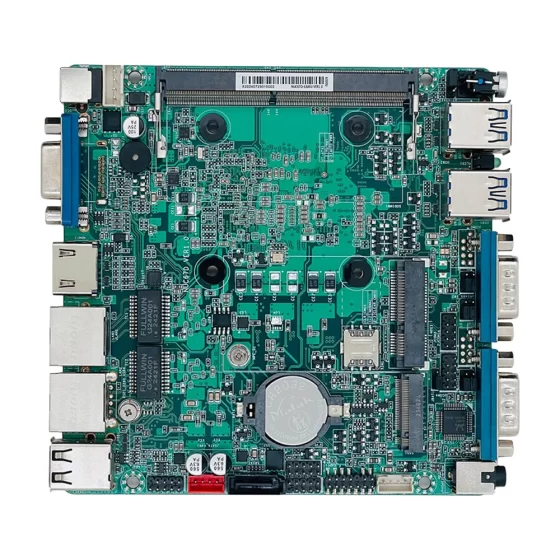
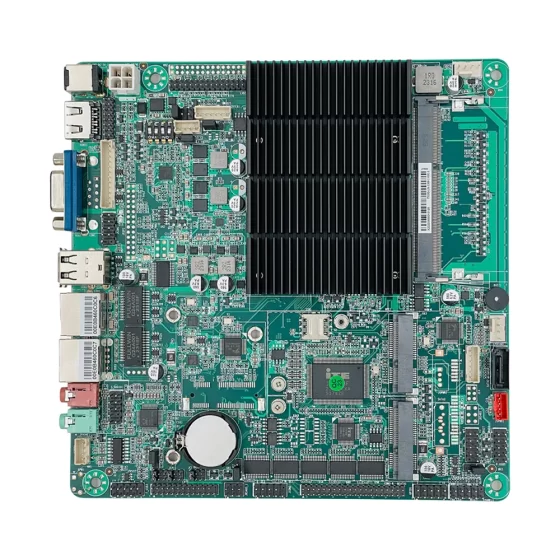
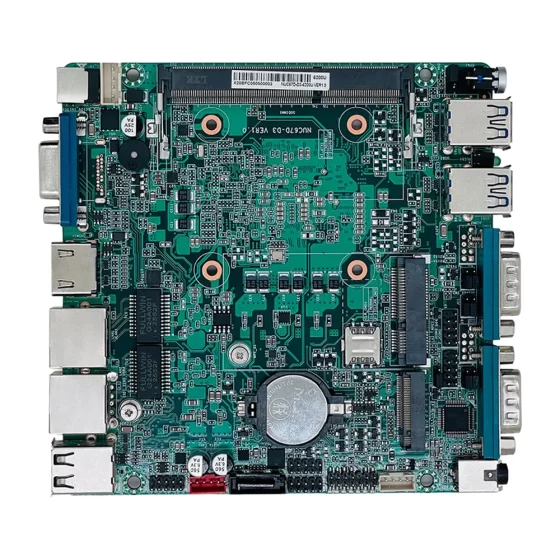
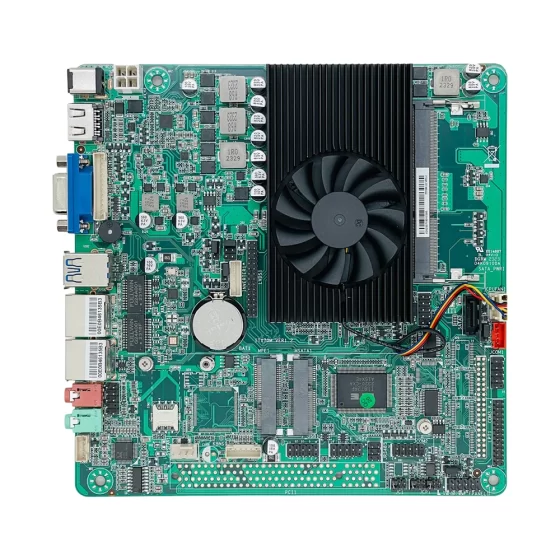
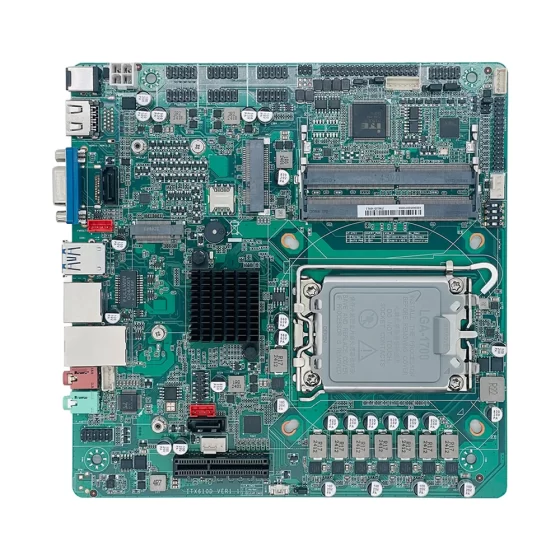
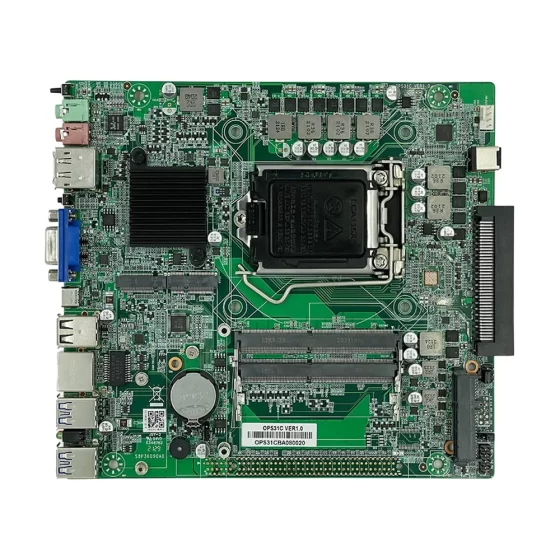
Решения CoreIPC для промышленных вычислений

Промышленная система сбора данных: Платформа сбора промышленных данных для мониторинга подключенного оборудования
Управляющее резюме
An industrial data acquisition system provides the computing foundation for collecting, обработка, storing, and transmitting machine data from sensors, ПЛК, метры, контролеры, производственное оборудование, инженерные системы, и промышленные устройства.
Modern factories and industrial facilities generate large amounts of operational data. Моторы, насосы, компрессоры, конвейеры, роботы, станки с ЧПУ, упаковочные машины, счетчики энергии, датчики окружающей среды, системы контроля, and production lines all produce signals that can help operators understand machine status, process performance, quality conditions, потребление энергии, and equipment health.
Industrial data acquisition requires reliable hardware close to the equipment.
An industrial computer or embedded computer can collect analog signals, digital signals, serial data, Ethernet data, Значения ПЛК, sensor readings, machine alarms, производственные записи, и статус устройства. It can process this information locally, хранить записи, буферизовать данные во время сбоев в сети, и отправлять структурированные данные в SCADA, МЧС, промышленные IoT-платформы, облачные информационные панели, локальные базы данных, или системы обслуживания.
По сравнению со стандартными офисными ПК или потребительскими шлюзами, industrial computers are better suited for industrial data acquisition because they support rugged deployment, несколько портов локальной сети, последовательная связь, GPIO, возможности расширения, надежное хранение, варианты безвентиляторной работы, стабильная потребляемая мощность, и доступность в течение длительного жизненного цикла.
This article explains how industrial data acquisition systems work, какие проблемы возникают в реальных промышленных условиях, как структурирована архитектура решения, and which hardware features matter when selecting an industrial computer or embedded computer for data acquisition applications.

Industrial data acquisition systems collect sensor readings, Значения ПЛК, meter data, сигналы тревоги, объемы производства, and drive information.
Обзор отрасли
Industrial Data Is Becoming a Core Production Asset
Manufacturing and industrial operations increasingly depend on accurate data.
Production teams need to know what machines are doing. Maintenance teams need equipment health information. Quality teams need inspection and traceability records. Energy managers need power and utility data. Management teams need production performance indicators.
Industrial data acquisition helps collect this information from the field.
Общие источники данных включают в себя:
- Датчики
- ПЛК
- Моторные приводы
- Счетчики энергии
- Расходомеры
- Pressure transmitters
- Датчики температуры
- Датчики вибрации
- Считыватели штрих-кодов
- Промышленные камеры
- Производственные машины
- Испытательное оборудование
- Устройства экологического мониторинга
A reliable data acquisition platform turns these signals into usable information.
Edge Computing Improves Data Collection
Sending all raw data directly to a remote server or cloud platform is not always practical.
Some signals are high-frequency. Some machines generate data continuously. Some factory networks have limited bandwidth. Some sites experience unstable connectivity.
Edge computing allows industrial data acquisition to happen close to the equipment.
The industrial computer can filter data, нормализовать значения, calculate local features, хранить записи, and forward selected information.
Это снижает нагрузку на сеть и улучшает время отклика..
Industrial Computers Provide the Hardware Foundation
Industrial data acquisition systems are often installed inside control cabinets, машинные корпуса, производственные линии, подсобные помещения, складские системы, энергетические объекты, или удаленные объекты инфраструктуры.
Эти среды могут включать в себя вибрацию., нагревать, пыль, электрический шум, ограниченный поток воздуха, и непрерывная работа.
Industrial computers and embedded computers provide the rugged hardware platform needed for these conditions.
They support flexible connectivity, локальное хранилище, варианты безвентиляторного дизайна, надежный монтаж, и долгосрочная доступность.

Mixed sensors, устаревшие последовательные устройства, PLC cabinets, метры, vibration cables, электрический шум, and rugged hardware affect DAQ deployment.
Ключевые проблемы
Connecting Different Data Sources
Industrial sites rarely use one device type.
A single data acquisition system may need to collect data from modern Ethernet devices, устаревшее серийное оборудование, датчики, ПЛК, метры, диски, и локальные базы данных.
This creates integration complexity.
Common communication and signal types may include:
- Ethernet
- RS232
- RS485
- Модбус
- Цифровой вход
- Цифровой выход
- GPIO
- Analog input through DAQ modules
- USB-устройства
- Связь с ПЛК
- Устройства промышленного Ethernet
- Meter data
- Sensor gateways
The hardware platform must support the actual device mix used in the project.
Maintaining Data Accuracy and Continuity
Data acquisition is only useful when records are reliable.
Missing data, unstable communication, incorrect timestamps, or inconsistent device readings can reduce trust in the system.
A data acquisition computer should support stable operation, локальное хранилище, буферизация, time synchronization, and controlled data transmission.
Important records may include:
- Показания датчика
- Статус машины
- Тревожные события
- Производство имеет значение
- Использование энергии
- Runtime data
- Качественные результаты
- Batch records
- Данные о состоянии оборудования
- Мероприятия по техническому обслуживанию
Reliable data continuity supports better analytics and decision-making.
Handling High-Frequency Data
Some industrial applications require fast data collection.
Vibration monitoring, machine testing, process measurement, power monitoring, and motion-related data may produce high-frequency signals.
The platform may need enough computing performance, память, скорость хранения, and expansion capability to handle the workload.
При выборе оборудования следует учитывать:
- Количество датчиков
- Частота выборки
- Data format
- Local processing needs
- Скорость записи хранилища
- Пропускная способность сети
- Срок хранения
- Частота загрузки
- Требования к среде выполнения программного обеспечения
The system should be validated with real data loads before deployment.
Integrating Legacy Equipment
Many factories still use older machines and controllers.
These systems may only provide serial communication, relay signals, digital outputs, or basic meter data.
Replacing the equipment may not be practical.
An industrial data acquisition system can help connect legacy machines to modern dashboards, СКАДА-системы, MES-платформы, и промышленные приложения Интернета вещей.
Последовательные порты, GPIO, цифровой ввод/вывод, and expansion modules are important for these projects.
Supporting Local Processing
Raw data often needs processing before it becomes useful.
The industrial computer may need to perform:
- Фильтрация данных
- Преобразование единиц измерения
- Выравнивание временной метки
- Извлечение признаков сигнала
- Пороговый мониторинг
- Классификация сигналов тревоги
- Data compression
- Локальная аналитика
- Оценка состояния оборудования
- Преобразование протокола
Local processing improves efficiency and reduces the amount of unnecessary data sent to central systems.
Operating Reliably in Industrial Conditions
Data acquisition platforms often run continuously.
They may be placed near machines, моторы, диски, энергетические системы, конвейеры, насосы, и коммунальное оборудование.
These environments can include dust, вибрация, изменение температуры, электрический шум, and power instability.
Industrial-grade hardware helps reduce downtime risk through rugged construction, варианты безвентиляторной работы, надежное хранение, стабильная потребляемая мощность, надежный монтаж, и поддержка длительного жизненного цикла.

Industrial data acquisition computers connect sensors, ПЛК, диски, метры, СКАДА, МЧС, базы данных, облачные системы, и удаленная диагностика.
Industrial Data Acquisition Solution Architecture
Field Device and Sensor Layer
The field device layer includes the machines and sensors that generate data.
Этот слой может включать в себя:
- Датчики температуры
- Датчики давления
- Расходомеры
- Датчики вибрации
- Датчики тока
- Digital switches
- Реле
- ПЛК
- Моторные приводы
- Счетчики энергии
- Считыватели штрих-кодов
- Промышленные камеры
- Производственные машины
- Коммунальное оборудование
These devices provide the raw information needed for monitoring and analysis.
Edge Data Acquisition Layer
The edge data acquisition layer is where the industrial computer or embedded computer operates.
На этом слое, платформа может:
- Collect sensor values
- Чтение данных ПЛК
- Communicate with meters
- Получать сигналы тревоги машины
- Capture production records
- Store local data
- Буферные записи во время проблем с сетью
- Normalize data formats
- Обработка локальных событий
- Пересылать структурированную информацию
This layer provides the local computing foundation for industrial data acquisition.
Уровень локальной обработки
The local processing layer converts raw data into structured information.
Платформа может обрабатывать:
- Сенсорные тенденции
- Alarm states
- Статус машины
- Runtime records
- Energy values
- Производство имеет значение
- Batch information
- Рекорды качества
- Equipment health indicators
- Process deviations
Local processing reduces unnecessary data transfer and improves response time.
System Integration Layer
Industrial data acquisition systems often connect to higher-level platforms.
Они могут включать в себя:
- СКАДА
- МЧС
- ERP-система
- КММС
- Промышленные IoT-платформы
- Облачные панели мониторинга
- Базы данных краеведов
- Системы качества
- Платформы управления энергопотреблением
- Системы технического обслуживания
This integration allows machine data to support production visibility, maintenance planning, отслеживаемость качества, and business reporting.
Уровень безопасности и управления
The security and management layer supports controlled access and long-term serviceability.
Он может включать в себя:
- Сегментация сети
- Безопасный удаленный доступ
- Разрешения пользователя
- Локальное ведение журнала
- Резервное копирование конфигурации
- Мониторинг хранилища
- Мониторинг состояния системы
- Удаленная диагностика
- Управление обновлениями программного обеспечения
- Контроль доступа к данным
This helps protect industrial data and maintain system stability.
Ключевые особенности
Гибкая промышленная связь
An industrial data acquisition computer must support practical field connectivity.
Полезные интерфейсы могут включать в себя:
- локальная сеть
- USB
- RS232
- RS485
- GPIO
- Цифровой вход
- Цифровой выход
- HDMI
- ДисплейПорт
- М.2
- PCIe
- SATA или NVMe хранилище
These interfaces allow the platform to connect sensors, метры, ПЛК, контролеры, сервисные инструменты, дисплеи, и заводские сети.
Flexible connectivity reduces the need for external adapters and simplifies cabinet design.
Serial Communication Support
Serial communication remains important in industrial environments.
Много метров, контролеры, датчики, and legacy devices still use RS232 or RS485.
An embedded computer with serial ports can collect data from these devices and forward it to modern systems.
This is useful for retrofit projects and industrial IoT upgrades.
Проектирование сети с несколькими локальными сетями
Multiple LAN ports help separate data acquisition traffic from other networks.
A system may use separate ports for:
- Связь с ПЛК
- Сенсорная сеть
- Машинная сеть
- Заводская ИТ-сеть
- SCADA-подключение
- МЧС-соединение
- Удаленное обслуживание
- Промышленная IoT-платформа
Network separation improves communication stability and helps reduce unnecessary exposure between systems.
Локальное хранилище и буферизация данных
Local storage is critical for industrial data acquisition.
Платформа может хранить:
- Записи датчиков
- Machine logs
- История тревог
- Производственные записи
- Энергетические данные
- Quality data
- Загрузить буферы
- Конфигурационные файлы
- Диагностические записи
- Local database files
Обычно предпочтение отдается твердотельным накопителям или хранилищам NVMe, поскольку они обеспечивают быстрый доступ и лучшую ударопрочность, чем механические накопители..
Storage planning should consider retention time, писать выносливость, рабочий процесс резервного копирования, and recovery process.
Производительность периферийной обработки
The computer should provide enough performance for the actual data workload.
Simple monitoring may only require moderate processing.
High-frequency data acquisition, large sensor networks, локальные базы данных, аналитика, image data, or edge AI applications may require stronger CPU, больше памяти, faster storage, or acceleration options.
The final configuration should be matched to the real application.
Прочная и безвентиляторная конструкция
Industrial data acquisition systems often run near equipment.
Безвентиляторные промышленные компьютеры уменьшают попадание пыли и устраняют одну распространенную точку механического отказа..
Прочные корпуса защищают от вибрации, напряжение кабеля, Влияние установки шкафа, и непрерывная работа.
Тепловой расчет следует тщательно проанализировать., особенно когда система обеспечивает непрерывный сбор данных, локальная обработка, хранилище пишет, и сетевое общение.
Time Synchronization and Data Integrity
Accurate timestamps are important for industrial data analysis.
When data comes from multiple devices, time alignment helps operators understand event sequences and process relationships.
The system should support stable time configuration, consistent logging, and reliable data handling.
This improves traceability and troubleshooting.
Remote Diagnostics and Maintenance
Data acquisition systems are often deployed across multiple machines or sites.
Remote diagnostics can help engineering and maintenance teams review logs, check communication, update configurations, and troubleshoot issues.
Secure remote access should include authentication, разрешения, session control, сегментация сети, и регистрация.
This improves service efficiency while protecting industrial systems.
Доступность в течение длительного жизненного цикла
Industrial data acquisition systems may remain in service for many years.
Согласованное оборудование помогает поддерживать образы программного обеспечения, communication drivers, field wiring design, запчасти, и процедуры валидации.
Доступность в течение длительного жизненного цикла важна для производителей., системные интеграторы, and OEM data acquisition solution providers.
Сценарии развертывания
Production Line Data Collection
Производственная линия может включать ПЛК., датчики, конвейеры, считыватели штрих-кодов, системы контроля, and multiple machines.
An industrial data acquisition computer can collect machine status, объемы производства, сигналы тревоги, качественные результаты, и циклические записи.
This supports production visibility and traceability.
Equipment Monitoring
Machines such as motors, насосы, компрессоры, конвейеры, станки с ЧПУ, and robots generate useful operating data.
An embedded computer can collect sensor readings, runtime data, сигналы тревоги, и состояние оборудования.
This supports maintenance planning and equipment health monitoring.
Energy and Utility Data Acquisition
Energy systems may include power meters, инверторы, аккумуляторные системы, климатическое оборудование, насосы, and utility devices.
An industrial computer can collect current, Напряжение, власть, температура, поток, and operating status data.
This supports energy management and facility monitoring.
Process Data Acquisition
Process industries may require monitoring of temperature, давление, поток, level, вибрация, and other variables.
A data acquisition platform can collect these readings and forward them to SCADA, local historians, или панели мониторинга промышленного Интернета вещей.
This supports process visibility and operational control.
Legacy Machine Connectivity
Older machines may not support modern industrial networking.
An embedded computer with serial communication, GPIO, or digital I/O can collect available machine signals and convert them into structured data.
This supports smart factory upgrades without replacing all equipment.
Test and Measurement Systems
Industrial test equipment may generate measurement data from instruments, датчики, fixtures, and controllers.
A data acquisition computer can collect test values, хранить записи, manage files, and connect results with quality systems.
This supports automated inspection and validation.
Remote Site Monitoring
Remote infrastructure sites may include pumps, метры, generators, датчики окружающей среды, коммунальное оборудование, or field machines.
Встроенный компьютер может собирать данные локально, буферные записи, and transmit selected information to central platforms.
This supports distributed monitoring.
OEM Data Acquisition Appliance
System integrators and machine builders can create custom data acquisition appliances using industrial computers or embedded boards.
Платформа может поддерживать подключение датчиков, преобразование протокола, локальное хранилище, периферийная аналитика, удаленный доступ, and customer-specific interfaces.
Преимущества для бизнеса
Улучшенная операционная прозрачность
Industrial data acquisition gives operators better access to machine and process information.
Data from sensors, ПЛК, метры, and production equipment can be displayed on dashboards or integrated into factory systems.
Better visibility supports faster decisions and more efficient operation.
Улучшенная отслеживаемость
Data acquisition systems can collect production records, значения процесса, состояние оборудования, сигналы тревоги, operator events, качественные результаты, и информация о партии.
These records help support quality analysis, отчетность, and compliance workflows.
Traceability is especially important in manufacturing, упаковка, электроника, энергия, and process applications.
Более быстрое устранение неполадок
When machine data is collected and stored properly, engineers can review event sequences, сигналы тревоги, Тенденции датчиков, and communication records.
This helps identify problems faster.
Local logs and remote diagnostics also reduce the time needed for on-site service.
Reduced Data Loss
Local storage and buffering help preserve data during network interruptions.
The system can continue collecting records and upload them when communication recovers.
This improves data continuity and long-term analysis.
Easier Smart Factory Integration
An industrial data acquisition system helps connect field devices with MES, СКАДА, промышленные IoT-платформы, энергетические системы, и облачные панели мониторинга.
This reduces data silos and supports digital transformation.
A reliable embedded computer makes integration more practical at the machine level.
Масштабируемое развертывание
A standardized industrial data acquisition platform can be deployed across many machines, линии, заводы, или удаленные сайты.
Согласованное оборудование упрощает образы программного обеспечения, wiring design, проверка драйвера, планирование запасных частей, и управление жизненным циклом.
This supports scalable industrial data programs.
Почему CoreIPC
CoreIPC provides industrial computing platforms for industrial data acquisition, промышленный Интернет вещей, промышленная автоматизация, машинное зрение, крайний ИИ, энергетический менеджмент, и встроенная системная интеграция. For industrial data acquisition applications, CoreIPC специализируется на надежном промышленном компьютерном оборудовании., встроенные компьютерные решения, гибкий ввод-вывод, конфигурации с несколькими локальными сетями, serial communication support, компактная конструкция системы, варианты безвентиляторного развертывания, возможность локального хранения, и поддержка настройки OEM/ODM. CoreIPC помогает системным интеграторам, машиностроители, и производители выбирают вычислительные платформы, соответствующие реальным требованиям развертывания, включая интерфейсы устройств, нагрузка на данные, дизайн хранилища, способы крепления, потребляемая мощность, термические условия, и планирование жизненного цикла.
Часто задаваемые вопросы
1. What is an industrial data acquisition system?
An industrial data acquisition system collects machine, датчик, meter, ПЛК, and equipment data from industrial environments.
It may collect temperature, давление, поток, вибрация, текущий, сигналы тревоги, объемы производства, runtime records, и статус устройства. The system can process, магазин, and forward this data to SCADA, МЧС, промышленные IoT-платформы, или локальные базы данных.
2. Why use an industrial computer for data acquisition?
An industrial computer provides rugged hardware and flexible connectivity for field deployment.
Он может поддерживать несколько портов LAN., последовательная связь, USB, GPIO, надежное хранение, безвентиляторный режим, промышленный монтаж, стабильная потребляемая мощность, и доступность в течение длительного жизненного цикла.
These features make it suitable for continuous data acquisition near machines.
3. How is an embedded computer used in data acquisition?
Встроенный компьютер может быть установлен внутри шкафа управления., корпус машины, подсобное помещение, или удаленная станция мониторинга.
Он может собирать данные датчиков, прочитать значения ПЛК, communicate with meters, хранить записи, данные буфера, process local events, and send structured information to factory systems.
4. What devices can connect to an industrial data acquisition platform?
The platform may connect sensors, ПЛК, motor drives, счетчики энергии, расходомеры, pressure transmitters, датчики температуры, датчики вибрации, считыватели штрих-кодов, промышленные камеры, производственные машины, испытательное оборудование, and environmental monitoring devices.
Точная поддержка зависит от интерфейсов, protocols, and software.
5. Why are RS232 and RS485 useful for data acquisition?
RS232 and RS485 are still widely used by industrial meters, датчики, контролеры, and legacy equipment.
An embedded computer with serial ports can collect data from these devices and connect them to modern monitoring systems.
This is useful for retrofit and industrial IoT upgrade projects.
6. Why is local storage important?
Локальное хранилище помогает сохранять данные во время сбоев в сети.
The computer can continue collecting records, сигналы тревоги, sensor readings, и диагностические данные локально. Когда связь восстановится, буферизованные записи можно загружать в центральные системы.
Reliable SSD or NVMe storage improves data continuity.
7. Can industrial data acquisition systems support edge analytics?
Да. An industrial data acquisition computer can process data locally.
It may perform filtering, unit conversion, threshold monitoring, анализ тенденций, feature extraction, alarm classification, and anomaly detection.
Advanced applications may require higher-performance computing or AI acceleration.
8. Почему полезно несколько портов LAN?
Multiple LAN ports help separate PLC networks, сенсорные сети, машинные сети, заводские ИТ, СКАДА, МЧС, промышленный Интернет вещей, and remote maintenance traffic.
This improves communication stability, организация дорожного движения, and security.
9. What hardware features matter for data acquisition?
Важные функции включают надежную работу процессора., достаточная память, несколько портов локальной сети, USB, RS232, RS485, GPIO, цифровой ввод/вывод, SSD или NVMe-хранилище, прочный корпус, безвентиляторный дизайн, промышленная потребляемая мощность, М.2, PCIe, и возможности расширения.
Окончательная конфигурация должна соответствовать количеству устройств., скорость передачи данных, и среда установки.
10. Что следует протестировать перед развертыванием?
Перед развертыванием, платформу следует протестировать с использованием реальных датчиков, ПЛК, метры, data acquisition modules, топология сети, скорость передачи данных, поведение хранилища, восстановление связи, и длительная эксплуатация.
Термическая стабильность, условия вибрации, рабочий процесс удаленного доступа, процедуры резервного копирования, и интеграция со SCADA, МЧС, или облачные системы также должны быть проверены.
Заключение
An industrial data acquisition system is a practical foundation for connected equipment monitoring, сбор данных датчиков, Связь с ПЛК, регистрация данных машины, локальная обработка, удаленная диагностика, и интеллектуальная интеграция с заводом.
By placing an industrial computer or embedded computer near machines and field devices, manufacturers and system integrators can collect data from sensors, метры, ПЛК, диски, производственное оборудование, инженерные системы, испытательные приборы, and legacy machines through reliable communication paths.
The right industrial data acquisition platform should be selected according to real deployment requirements, including device count, скорость передачи данных, последовательная связь, Дизайн порта LAN, GPIO or digital I/O needs, локальное хранилище, edge processing workload, метод монтажа, потребляемая мощность, вибрационная среда, термические условия, поддержка операционной системы, и планирование жизненного цикла.
CoreIPC supports industrial data acquisition projects with industrial computing platforms designed for practical machine-side, кабинет, полезность, фабрика, remote site, и OEM-развертывание. С правильной аппаратной основой, industrial operators can build reliable, масштабируемый, and data-driven monitoring systems.
Связаться с нами
Ищу промышленный компьютер, встроенный компьютер, or compact IPC platform for industrial data acquisition?
Свяжитесь с CoreIPC, чтобы обсудить требования вашего проекта, включая сенсорные интерфейсы, Связь с ПЛК, последовательные порты, Конфигурация порта локальной сети, нагрузка на данные, дизайн хранилища, метод монтажа, потребляемая мощность, операционная среда, потребности жизненного цикла, и варианты настройки OEM/ODM.