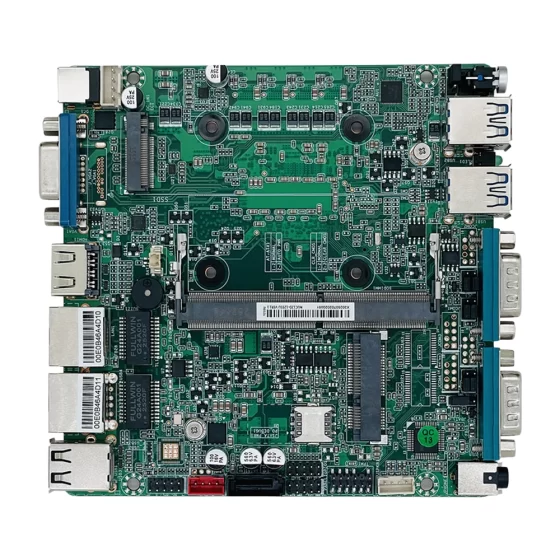
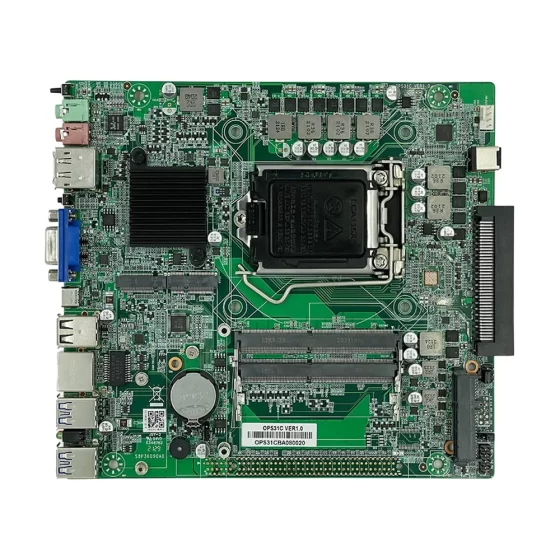
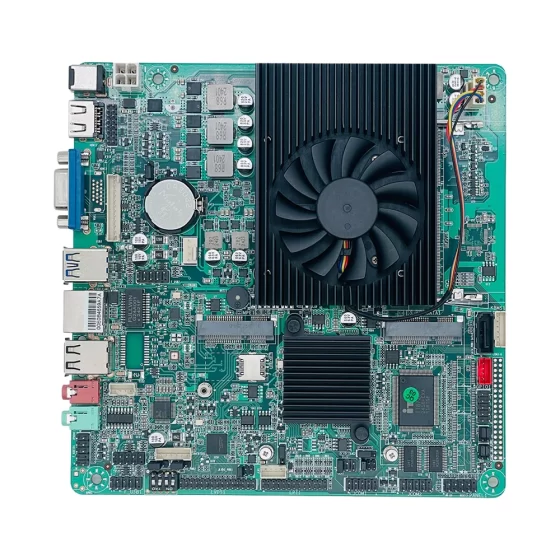
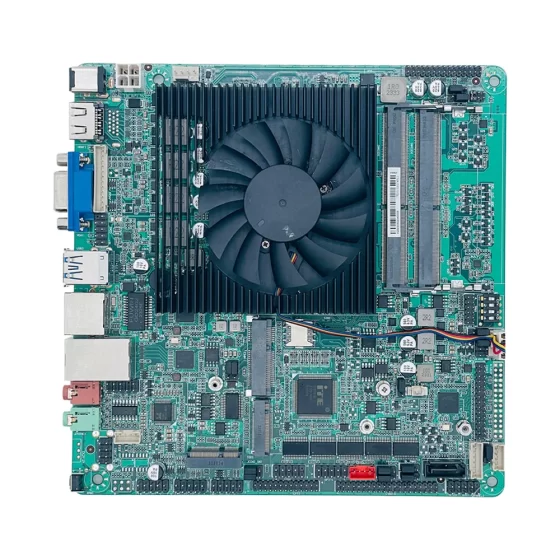
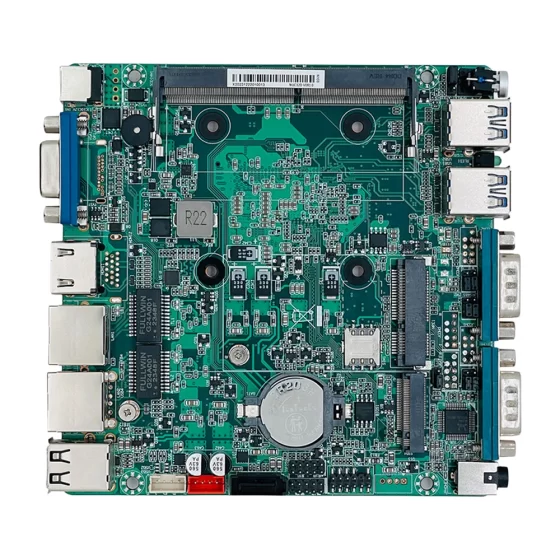
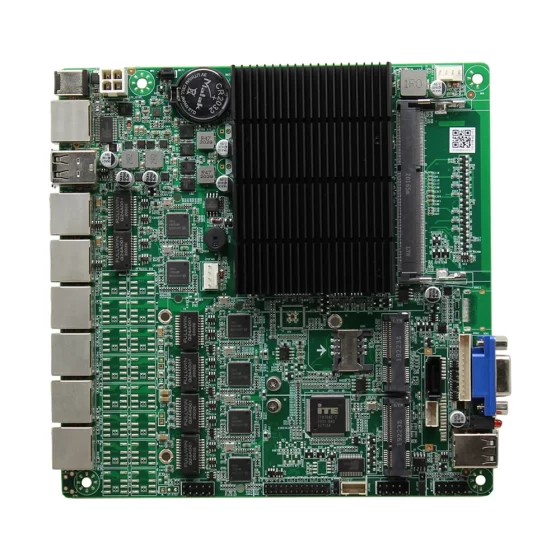
Решения CoreIPC для промышленных вычислений

Встроенный контроллер для сервосистем: Контроллер серводвигателя IPC для точной автоматизации движения
Управляющее резюме
A servo motor controller IPC provides the industrial computing foundation for precise servo control, multi-axis coordination, motion feedback processing, real-time automation, управление машиной, robotics integration, и умное подключение к заводу.
Servo systems are widely used in machines that require accurate position, скорость, крутящий момент, and motion synchronization. These systems appear in CNC machines, robotic workcells, packaging equipment, semiconductor tools, сборка электроники, automated test equipment, инспекционные машины, printing systems, textile machinery, laser processing equipment, and material handling systems.
A servo motor controller IPC built on an industrial computer or embedded computer can connect servo drives, кодеры, ПЛК, Модули ввода-вывода, motion cards, датчики, HMI, промышленные камеры, и заводские программные системы. It can run motion control software, process feedback data, manage machine logic, записи операций магазина, и обмениваться информацией с МЧС, СКАДА, промышленные IoT-платформы, или локальные информационные панели.
По сравнению со стандартными офисными ПК или потребительскими встроенными платами, industrial computers provide a more reliable hardware foundation for servo system deployment. Они поддерживают прочные корпуса, стабильная потребляемая мощность, гибкий ввод-вывод, интерфейсы расширения, локальное хранилище, варианты безвентиляторной работы, промышленный монтаж, и доступность в течение длительного жизненного цикла.
This article explains how embedded controllers support servo systems, what deployment challenges appear in precision motion applications, как работает архитектура решения, and which hardware features matter when selecting an industrial computer or embedded computer for servo motor controller IPC deployment.

Servo controller IPC platforms coordinate motors, кодеры, сигналы ПЛК, конвейеры, камеры, and precision machine movement.
Обзор отрасли
Servo Systems Are Essential for Precision Machines
Servo systems are used when machines need accurate and repeatable motion.
Unlike simple motor control, servo control uses feedback from encoders or sensors to adjust movement continuously. This allows machines to control position, скорость, acceleration, крутящий момент, and synchronization more accurately.
Servo systems are common in:
- станки с ЧПУ
- Pick-and-place machines
- Роботизированное оружие
- Упаковочные линии
- Semiconductor equipment
- Electronics assembly machines
- Printing equipment
- Laser cutting and welding systems
- Automated inspection machines
- Medical device manufacturing equipment
- Material handling systems
- Test and measurement machines
These applications depend on stable computing and reliable communication between controllers, диски, моторы, датчики, и программное обеспечение машины.
Servo Control Is Becoming More Integrated
Traditional servo systems often used dedicated motion controllers and PLCs.
Modern machine platforms increasingly combine servo control with HMI software, машинное зрение, регистрация данных, удаленная диагностика, recipe management, и заводское подключение.
A single machine may need to support:
- Multi-axis motion
- Связь с сервоприводом
- Обратная связь с энкодером
- Интеграция ПЛК
- Vision-triggered motion
- Real-time I/O
- Alarm monitoring
- Production data collection
- Удаленное обслуживание
- MES or SCADA connection
- Передача данных промышленного Интернета вещей
An embedded controller provides a compact computing layer that brings these functions together.
Industrial Computing Supports Machine-Side Deployment
Servo control hardware is often deployed inside machine cabinets or near production equipment.
Эти среды могут включать в себя вибрацию., нагревать, пыль, электрический шум, напряжение кабеля, ограниченный поток воздуха, и непрерывная работа.
Промышленные компьютеры и встроенные компьютеры обеспечивают надежность оборудования, необходимую для этих условий..
They help machine builders create repeatable platforms for servo control, автоматизация машин, data integration, and long-term product support.

Servo wiring, encoder signals, axis coordination, электрический шум, thermal load, and vision triggers affect servo controller deployment.
Ключевые проблемы
Maintaining Motion Accuracy
Servo systems require accurate control.
Position error, timing instability, communication delay, or feedback signal problems can affect machine quality and repeatability.
A servo motor controller IPC must support stable processing and reliable communication.
Important accuracy-related factors include:
- Время цикла управления
- Количество осей
- Скорость обновления сервопривода
- Обратная связь с энкодером
- Motion software requirements
- Производительность промышленного Ethernet
- Время отклика ввода/вывода
- нагрузка процессора
- System latency
- Network traffic isolation
The platform should be selected and validated according to real machine motion requirements.
Coordinating Multiple Servo Axes
Many machines use more than one servo axis.
A gantry system may require synchronized X, Y, and Z axes. A packaging machine may coordinate conveyors, feeders, sealing tools, and cutting mechanisms. A robot workcell may coordinate robot movement with external servo stages.
The embedded controller may need to coordinate:
- Linear servo axes
- Rotary servo axes
- Spindles
- Конвейеры
- Pick-and-place heads
- Gantry systems
- Tool actuators
- Контроллеры роботов
- Camera triggers
- Устройства безопасности
As axis count increases, производительность вычислений, стабильность связи, и возможности расширения становятся более важными.
Интеграция дисков, ПЛК, and Feedback Devices
A servo system is not only a motor and controller.
It may include servo drives, кодеры, ПЛК, Модули ввода-вывода, motion cards, датчики, HMI, промышленные переключатели, устройства безопасности, и заводские системы.
The embedded controller must support the required interfaces and software stack.
Common integration needs include:
- Связь с сервоприводом
- Encoder feedback handling
- Обмен сигналами ПЛК
- Digital I/O control
- Analog signal processing
- Связь по полевой шине
- HMI display output
- Machine vision synchronization
- Регистрация сигналов тревоги
- Удаленная диагностика
Flexible hardware reduces integration complexity.
Managing Electrical Noise
Servo systems often operate near drives, моторы, реле, источники питания, and high-current equipment.
These components can generate electrical noise.
A standard PC may become unstable in this environment.
Industrial-grade hardware helps improve reliability through rugged design, proper grounding, стабильная потребляемая мощность, надежное хранение, and secure mechanical installation.
Cable routing and cabinet design are also important.
The IPC should be installed with attention to separation between power wiring, signal wiring, и сетевое общение.
Combining Servo Control with Machine Vision
Many precision machines now use machine vision.
Vision may support alignment, инспекция, чтение этикеток, позиционирование детали, наведение робота, и обнаружение дефектов.
The embedded controller may need to synchronize motion and image capture.
This creates additional requirements for:
- Интерфейсы камеры
- Триггерные сигналы
- Управление освещением
- Image storage
- Vision software support
- Data processing performance
- Result communication
- Factory data integration
Servo control and vision processing should be designed together, not as separate systems.
Supporting Long Machine Lifecycle
Servo control machines may remain in operation for many years.
Frequent hardware changes can create problems with motion drivers, операционные системы, fieldbus cards, vision SDKs, Модули ввода-вывода, and machine software validation.
Industrial computers with lifecycle planning help machine builders maintain consistent platforms across multiple equipment generations.
This reduces redesign work and improves maintainability.

Servo controller IPC systems connect motion devices, ПЛК, камеры, HMI, роботы, заводское программное обеспечение, and quality platforms.
Servo Motor Controller IPC Solution Architecture
Servo Device Layer
The servo device layer includes the motion components that perform machine movement.
Этот слой может включать в себя:
- Серводвигатели
- Сервоприводы
- Кодеры
- Linear stages
- Rotary stages
- Gantry systems
- Spindles
- Конвейеры
- Приводы
- Датчики движения
- Концевые выключатели
- Safety sensors
These devices generate movement and feedback for precision automation.
The embedded controller coordinates their operation through motion software and communication interfaces.
Embedded Controller Layer
The embedded controller layer is the core computing platform.
На этом слое, промышленный компьютер или встроенный компьютер может:
- Run motion control software
- Coordinate servo axes
- Взаимодействие с сервоприводами
- Обработка данных обратной связи
- Handle I/O signals
- Trigger cameras
- Display HMI screens
- Store machine logs
- Управление рецептами
- Отправка данных в заводские системы
This layer provides the computing foundation for servo system control and machine integration.
Motion Communication Layer
The communication layer connects the controller with drives, ПЛК, I/O devices, и машинные сети.
Он может включать в себя:
- EtherCAT
- ПРОФИНЕТ
- Ethernet/IP
- CANopen
- Модбус
- RS232
- RS485
- Цифровой ввод/вывод
- Аналоговый ввод/вывод
- Карты движения PCIe
- Промышленные Ethernet-коммутаторы
The exact communication design depends on the machine architecture, servo drive system, and motion software.
Vision and Sensor Integration Layer
Servo systems often use external sensors and vision systems.
Этот слой может включать в себя:
- Промышленные камеры
- 3D-камеры
- Контроллеры освещения
- Считыватели штрих-кодов
- Триггерные датчики
- Датчики приближения
- Force sensors
- Датчики температуры
- Датчики вибрации
The embedded controller can process sensor data locally and coordinate results with motion control.
This improves machine accuracy and process visibility.
Уровень интеграции заводского программного обеспечения
Servo systems may need to connect with higher-level factory platforms.
Они могут включать в себя:
- МЧС
- СКАДА
- ERP-система
- Качественные базы данных
- Промышленные IoT-платформы
- Локальные информационные панели
- Системы технического обслуживания
- Системы облачного мониторинга
- Платформы отслеживания
This integration allows machine data, motion status, сигналы тревоги, рецепты, and inspection results to become part of the factory data infrastructure.
Уровень безопасности и управления
Servo controller platforms must be maintainable and protected.
Этот слой может включать в себя:
- Разрешения пользователя
- Сегментация сети
- Безопасный удаленный доступ
- Локальное ведение журнала
- Резервное копирование конфигурации
- Мониторинг хранилища
- Мониторинг состояния системы
- Удаленная диагностика
- Управление обновлениями программного обеспечения
These functions help support long-term machine operation and serviceability.
Ключевые особенности
Real-Time Servo Control Support
A servo motor controller IPC should support stable control performance.
При выборе оборудования следует учитывать:
- Производительность процессора
- Объем памяти
- Поддержка программного обеспечения для управления движением
- Industrial Ethernet support
- Совместимость с полевой шиной
- Время отклика ввода/вывода
- Расширение PCIe
- Поддержка операционной системы
- Термическая стабильность
- Длительная операция
Precision machines should always be tested with real servo drives, реальное количество осей, and real cycle time requirements.
Multi-Axis Motion Coordination
Many servo systems require synchronized motion.
The controller may coordinate multiple axes, конвейеры, шпиндели, robot interfaces, and external actuators.
The platform must provide enough processing performance and communication stability for the required motion workload.
For complex machines, expansion interfaces may also be needed for motion cards, модули полевой шины, or additional network ports.
Гибкий промышленный ввод-вывод
Servo systems need practical I/O.
Полезные интерфейсы могут включать в себя:
- локальная сеть
- USB
- RS232
- RS485
- GPIO
- Цифровой вход
- Цифровой выход
- HDMI
- ДисплейПорт
- М.2
- PCIe
- SATA или NVMe хранилище
GPIO и цифровой ввод-вывод могут поддерживать триггеры., сигналы тревоги, концевые выключатели, и сигналы состояния машины. Последовательные порты могут поддерживать устаревшие устройства. PCIe and M.2 can support additional functions.
Проектирование сети с несколькими локальными сетями
Multiple LAN ports help separate different traffic types.
A servo controller IPC may use separate networks for:
- Сеть движения
- Сеть сервоприводов
- Сеть ПЛК
- Сеть камер
- Заводская ИТ-сеть
- Промышленная сеть Интернета вещей
- Сеть удаленного обслуживания
- Local management network
Network separation improves stability and prevents non-critical traffic from affecting motion communication.
Vision Synchronization Capability
Servo systems often need synchronized motion and image capture.
The embedded controller may receive trigger signals, управлять освещением, collect images, результаты процесса, and send feedback to the control system.
Это важно для:
- Alignment
- Measurement
- Inspection
- Чтение этикетки
- Обнаружение дефектов
- Позиционирование детали
- Наведение робота
- Process verification
Интерфейс камеры, скорость хранения, and trigger timing should be reviewed carefully.
Надежное локальное хранилище
Servo machines may store software, machine recipes, motion parameters, журналы, сигналы тревоги, инспекционные изображения, и диагностические файлы.
Обычно предпочтение отдается твердотельным накопителям или хранилищам NVMe, поскольку они обеспечивают быстрый доступ и лучшую ударопрочность, чем механические накопители..
При планировании хранения следует учитывать:
- Recipe data
- Motion logs
- История тревог
- Inspection records
- Резервное копирование конфигурации
- Напишите выносливость
- Рабочий процесс восстановления
- Процесс обновления программного обеспечения
Reliable storage improves serviceability and production traceability.
Прочная и безвентиляторная конструкция
Servo control environments can be dusty, склонный к вибрации, и электрически шумный.
Безвентиляторные промышленные компьютеры уменьшают попадание пыли и устраняют одну точку механического отказа..
Прочные корпуса защищают от вибрации, напряжение кабеля, Влияние установки шкафа, и непрерывная работа.
Thermal design should still be validated, especially when the controller handles motion software, обработка зрения, Функции ЧМИ, and data logging at the same time.
Доступность в течение длительного жизненного цикла
Machine builders often need stable hardware for many years.
Long lifecycle availability helps maintain motion drivers, образы программного обеспечения, совместимость с полевой шиной, запчасти, и процедуры валидации.
This is important for OEM equipment, precision machines, and production systems deployed across multiple factories.
Сценарии развертывания
Servo-Based Packaging Machine
Packaging machines often use servo motors for feeding, резка, уплотнение, маркировка, and positioning.
A servo motor controller IPC can coordinate axes, handle sensor inputs, отображение данных ЧМИ, store recipes, and report machine status to factory systems.
This supports flexible packaging formats and reliable production.
CNC and Precision Machine Control
CNC equipment requires precise movement, feedback handling, spindle coordination, and program execution.
An embedded controller can support motion software, стимулировать общение, локальное хранилище, Функции ЧМИ, and machine data logging.
This improves machine connectivity and maintainability.
Pick-and-Place Automation
Pick-and-place systems use servo axes for fast and accurate movement.
The embedded controller can coordinate axes, receive sensor signals, process camera results, and communicate with PLCs or MES systems.
This supports high-speed assembly and material handling.
Electronics Assembly Equipment
Electronics production equipment often requires precise positioning, инспекция, выдача, тестирование, and component handling.
A servo controller IPC can support multi-axis motion, vision synchronization, recipe management, and quality data logging.
This improves production repeatability.
Robotic Workcell Integration
Servo systems may be used around robots for conveyors, external axes, fixtures, or positioning tables.
The embedded controller can coordinate motion devices with robot controllers, ПЛК, камеры, и системы безопасности.
This improves workcell flexibility.
Laser Processing System
Laser cutting, маркировка, engraving, and welding systems require precise motion and process coordination.
A servo controller IPC can coordinate axes, process sensor data, support vision alignment, store recipes, and connect with factory systems.
This supports stable process quality.
Automated Test Equipment
Test systems may include servo stages, fixtures, камеры, датчики, and instruments.
An embedded computer can coordinate movement, собрать тестовые данные, хранить записи, and send results to quality platforms.
This supports automated inspection and verification.
OEM Servo Control Platform
Machine builders can integrate industrial computers or embedded boards into custom servo control equipment.
The platform can support motion software, стимулировать общение, ЧМИ, регистрация данных, удаленная диагностика, и индивидуальный ввод-вывод.
This helps create repeatable machine platforms.
Преимущества для бизнеса
Higher Motion Precision
A servo motor controller IPC provides stable computing and communication for precision motion.
It helps coordinate drives, feedback devices, датчики, и программное обеспечение машины.
This supports better positioning accuracy, повторяемость, and product quality.
Better Machine Integration
Modern servo machines include many systems.
An embedded controller helps connect servo drives, ПЛК, HMI, датчики, камеры, заводское программное обеспечение, и инструменты удаленного обслуживания.
This reduces integration gaps and improves machine functionality.
Улучшенная видимость производства
The controller can collect motion status, сигналы тревоги, записи цикла, рецепты, результаты проверки, и данные по техническому обслуживанию.
This information can be shared with MES, СКАДА, промышленные IoT-платформы, или локальные информационные панели.
Better visibility supports troubleshooting and continuous improvement.
Снижение риска простоя
Industrial computers provide rugged hardware for demanding machine environments.
Варианты безвентиляторного дизайна, надежное хранение, надежный монтаж, стабильная потребляемая мощность, и доступность в течение длительного жизненного цикла помогают снизить риск технического обслуживания.
This supports continuous production.
Faster Machine Development
A standardized embedded controller platform helps machine builders develop repeatable servo systems.
Согласованное оборудование упрощает образы программного обеспечения, проверка драйвера, fieldbus configuration, HMI deployment, планирование запасных частей, и управление жизненным циклом.
This reduces engineering workload.
Scalable OEM Deployment
A servo motor controller IPC platform can be deployed across multiple machine models, customer projects, and production sites.
Consistent hardware and flexible I/O support scalable machine development and long-term equipment support.
Почему CoreIPC
CoreIPC предоставляет промышленные вычислительные платформы для промышленной автоматизации, управление движением, робототехника, машинное зрение, промышленный Интернет вещей, и встроенная системная интеграция. For servo motor controller IPC applications, CoreIPC специализируется на надежном промышленном компьютерном оборудовании., встроенные компьютерные решения, гибкий ввод-вывод, конфигурации с несколькими локальными сетями, возможность расширения, компактная конструкция системы, варианты безвентиляторного развертывания, возможность локального хранения, и поддержка настройки OEM/ODM. CoreIPC помогает машиностроителям, системные интеграторы, и производители выбирают вычислительные платформы, соответствующие реальным требованиям развертывания, включая количество осей, сервокоммуникация, поддержка полевой шины, интерфейсы устройств, потребности в хранении, способы крепления, потребляемая мощность, термические условия, и планирование жизненного цикла.
Часто задаваемые вопросы
1. What is a servo motor controller IPC?
A servo motor controller IPC is an industrial computing platform used to support servo motion control, стимулировать общение, обработка обратной связи, I/O handling, Функции ЧМИ, регистрация данных, и заводское подключение.
It may run motion control software, общаться с сервоприводами, process encoder feedback, подключить ПЛК, and exchange machine data with higher-level systems.
2. Why use an industrial computer for servo control?
Промышленный компьютер обеспечивает надежное оборудование и гибкие возможности подключения для машинных сред..
Он может поддерживать несколько портов LAN., USB, последовательная связь, GPIO, Расширение PCIe, надежное хранение, безвентиляторный режим, промышленный монтаж, стабильная потребляемая мощность, и доступность в течение длительного жизненного цикла.
These features make it suitable for servo-based automation equipment.
3. How is an embedded computer used in servo systems?
An embedded computer can be installed inside a machine cabinet or compact equipment enclosure.
Он может запускать управляющее программное обеспечение, общаться с дисками, connect I/O modules, process sensor signals, отображение данных ЧМИ, store recipes, and send machine status to MES, СКАДА, или промышленные системы Интернета вещей.
4. What applications use servo motor controller IPC platforms?
Applications include packaging machines, оборудование с ЧПУ, pick-and-place systems, electronics assembly machines, robotic workcells, laser processing equipment, automated inspection machines, printing systems, textile machines, and automated test equipment.
Конечная платформа зависит от количества осей., timing requirements, communication method, и стек программного обеспечения.
5. What communication interfaces are used in servo systems?
Servo systems may use industrial Ethernet, связь по полевой шине, Карты движения PCIe, цифровой ввод/вывод, analog I/O, RS232, RS485, and standard Ethernet.
The exact interface depends on servo drives, программное обеспечение для движения, machine architecture, and control requirements.
6. Why are multiple LAN ports important for servo controller IPCs?
Несколько портов LAN помогают разделить передачу данных о движении, сети сервоприводов, ПЛК-сети, camera traffic, заводские ИТ, промышленный Интернет вещей, и удаленный доступ для обслуживания.
This improves traffic organization and reduces the risk that non-motion traffic affects control communication.
7. Can servo motor controller IPC systems support machine vision?
Да. Servo motor controller IPC systems can connect cameras, контроллеры освещения, триггерные сигналы, датчики, and inspection software.
They can synchronize motion and image capture, process results locally, and send inspection data to PLCs, контроллеры роботов, МЧС, или системы качества.
8. What hardware features matter for servo motor controller IPC platforms?
Важные функции включают достаточную производительность процессора., надежная память, несколько портов локальной сети, USB, RS232, RS485, GPIO, цифровой ввод/вывод, Расширение PCIe, SSD или NVMe-хранилище, прочный корпус, варианты безвентиляторного дизайна, промышленная потребляемая мощность, и отображать выходные данные.
The final configuration should match the servo workload and machine architecture.
9. Can fanless embedded computers support servo control workloads?
Да. Fanless embedded computers can support many servo control workloads because they reduce dust intake and remove one mechanical failure point.
Однако, thermal design should be validated when the system handles high axis count, обработка зрения, Функции ЧМИ, регистрация данных, or continuous operation.
10. Что следует протестировать перед развертыванием?
Перед развертыванием, the platform should be tested with real servo drives, моторы, кодеры, ПЛК, программное обеспечение для движения, Модули ввода-вывода, камеры, датчики, топология сети, machine cycle time, поведение хранилища, и длительная эксплуатация.
Термическая стабильность, задержка связи, поведение восстановления, резервное копирование конфигурации, and integration with MES or SCADA should also be validated.
Заключение
A servo motor controller ipc is a practical foundation for precision motion automation, servo drive communication, multi-axis coordination, machine vision synchronization, robot workcell integration, Управление ЧМИ, регистрация данных, и возможность подключения к заводской системе.
By placing an industrial computer or embedded computer inside the machine platform, machine builders and system integrators can connect servo drives, кодеры, ПЛК, Модули ввода-вывода, камеры, датчики, HMI, MES-платформы, СКАДА-системы, и панели мониторинга промышленного Интернета вещей через надежные и контролируемые каналы связи..
The right servo motor controller IPC should be selected according to real deployment requirements, включая количество осей, control cycle time, servo drive communication, поддержка полевой шины, Требования к вводу/выводу, camera integration, Дизайн порта LAN, конфигурация хранилища, метод монтажа, потребляемая мощность, термические условия, поддержка операционной системы, и планирование жизненного цикла.
CoreIPC supports servo motor controller IPC projects with industrial computing platforms designed for practical machine-side, кабинет, фабрика, и OEM-развертывание. С правильной аппаратной основой, машиностроители и производители могут создавать надежные, масштабируемый, and precise servo control systems.
Связаться с нами
Ищу промышленный компьютер, встроенный компьютер, or compact IPC platform for servo motor controller deployment?
Свяжитесь с CoreIPC, чтобы обсудить требования вашего проекта, включая количество осей, сервокоммуникация, программное обеспечение для движения, поддержка полевой шины, Интерфейсы ввода-вывода, возможность подключения камеры, Конфигурация порта локальной сети, дизайн хранилища, метод монтажа, потребляемая мощность, операционная среда, потребности жизненного цикла, и варианты настройки OEM/ODM.