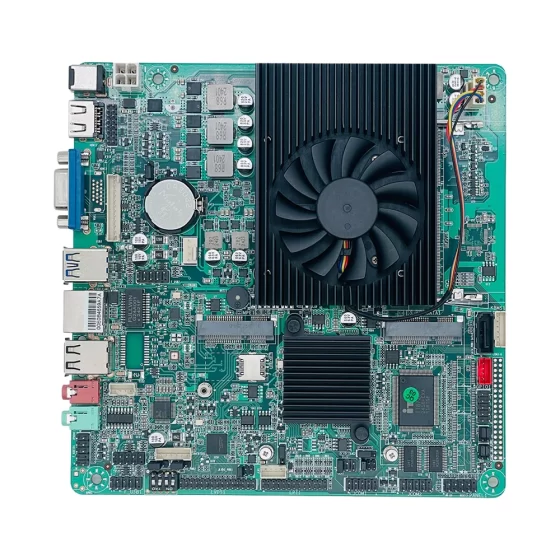
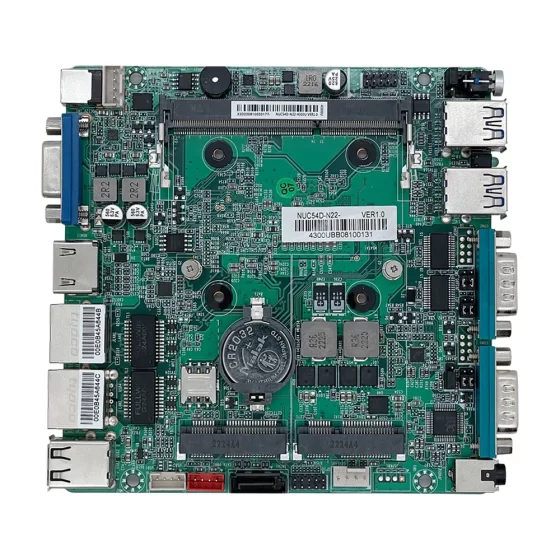
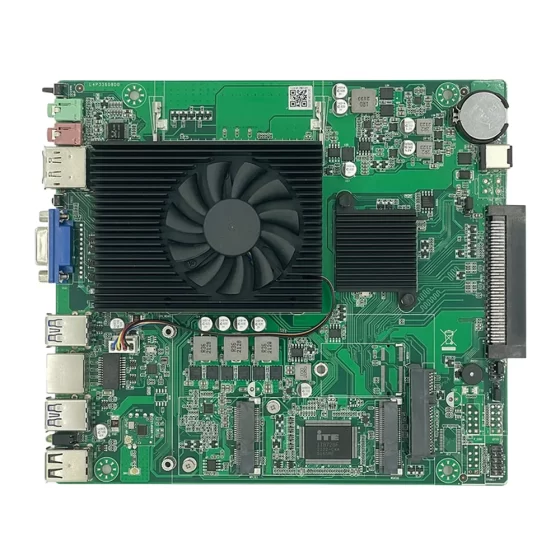
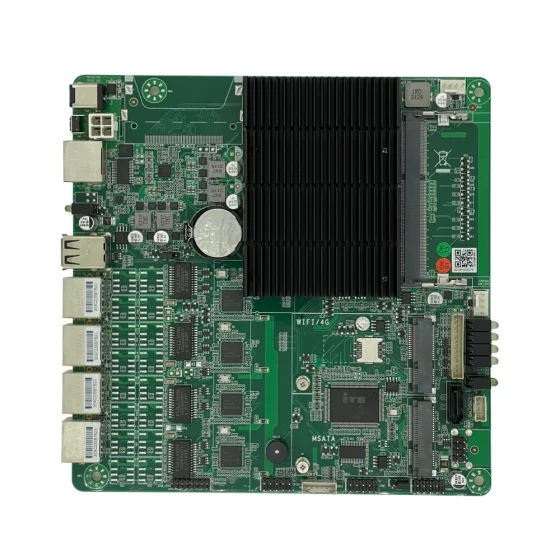
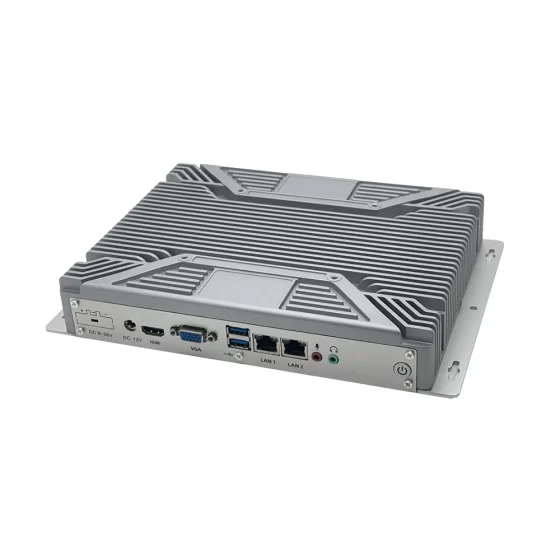
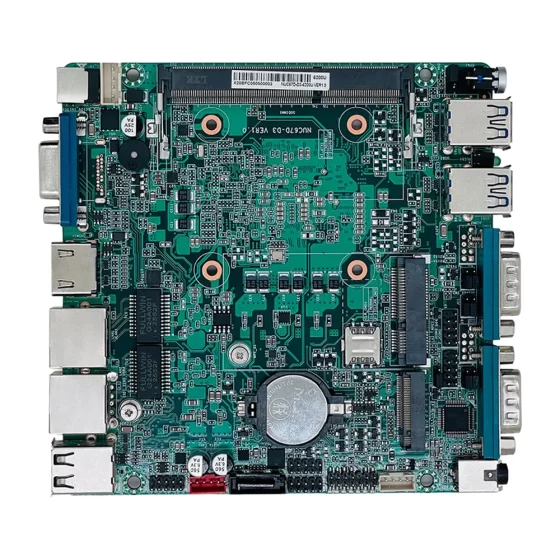
Решения CoreIPC для промышленных вычислений

Платформа сбора периферийных данных: Промышленные вычисления для надежного сбора производственных данных
Управляющее резюме
An edge data collection platform provides the industrial computing foundation for collecting, обработка, and transferring factory data from machines, датчики, ПЛК, метры, системы контроля, и производственное оборудование.
In modern manufacturing, data must be captured close to where it is generated. Machines produce status signals, sensors measure process conditions, PLCs manage automation logic, and inspection systems generate quality records. If this data is delayed, неполный, or collected manually, digital manufacturing systems cannot provide accurate visibility.
Industrial computers and embedded computers are widely used as edge data collection nodes because they can operate near machines, connect different industrial interfaces, process local data, and communicate with MES, СКАДА, ERP-система, IIoT, и облачные платформы.
По сравнению со стандартными офисными ПК, industrial computing platforms provide better reliability, гибкий ввод-вывод, безвентиляторные варианты, прочная механическая конструкция, long operating lifecycle, и практическое внедрение в реальных заводских условиях.
A well-designed edge data collection platform helps manufacturers improve production visibility, сократить количество отчетов вручную, connect legacy machines, support real-time monitoring, and build a scalable data foundation for smart manufacturing.
This article explains how industrial computers support edge data collection, с какими проблемами внедрения сталкиваются производители, как работает архитектура решения, and which hardware features are important for reliable industrial data acquisition.
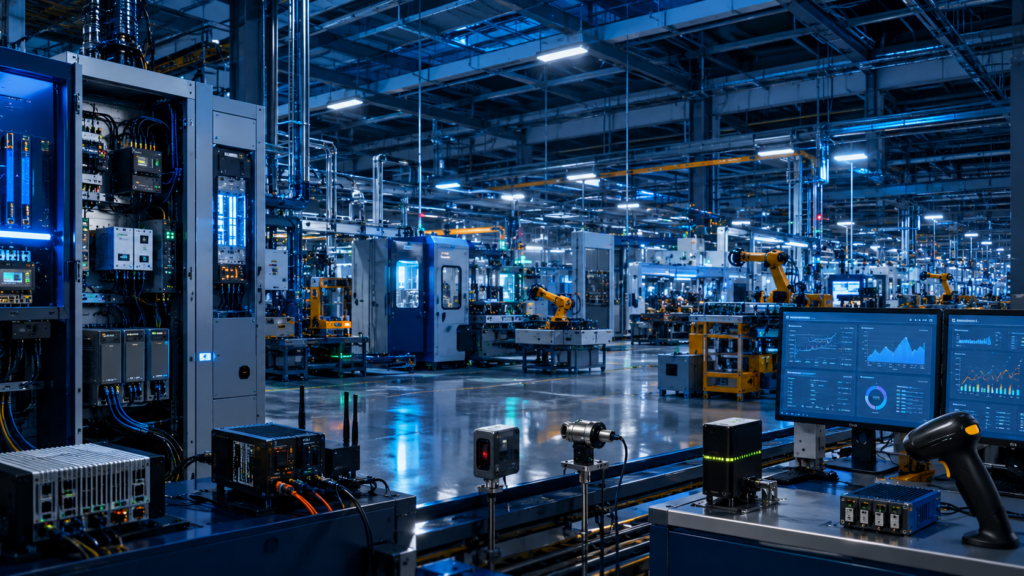
Industrial computers collect production data from machines, датчики, сканеры, RFID-устройства, метры, and industrial equipment.
Обзор отрасли
Factory Data Is Becoming a Strategic Asset
Manufacturing data is no longer used only for basic reporting.
Сегодня, factories use production data to improve efficiency, качество, прослеживаемость, энергетический менеджмент, загрузка оборудования, и принятие решений. Data from the shop floor can support MES systems, SCADA-платформы, промышленные панели IoT, профилактическое обслуживание, quality analytics, and enterprise planning.
Однако, these systems are only useful when the data is accurate and reliable.
A factory may have many data sources, включая:
- ПЛК-контроллеры
- станки с ЧПУ
- Sensors and meters
- Сканеры штрих-кода
- RFID-считыватели
- Vision inspection systems
- Испытательное оборудование
- Robots and motion systems
- Energy monitoring devices
- Системы экологического мониторинга
An edge data collection platform connects these data sources and turns equipment-level signals into usable manufacturing information.
Why Edge Collection Matters
Centralized data collection is often not enough for industrial environments.
Factory devices may use different protocols, сети, signal types, and data formats. Some machines may be located far from the server room. Some systems may need local buffering when the network is unstable. Others may require local processing before data is sent to higher-level software.
Edge collection solves this problem by placing computing hardware close to machines and devices.
An industrial computer can collect data locally, фильтровать ненужные записи, конвертировать протоколы, store temporary data, and send structured information to factory software platforms.
This improves both reliability and system scalability.
Industrial Computers as Edge Data Nodes
Industrial computers are well suited for edge data collection because they combine computing capability with factory-ready hardware design.
They can connect to PLCs, датчики, сканеры, метры, камеры, и сетевые устройства. They can also run local applications, protocol services, database clients, visualization software, or communication middleware.
Embedded computers are especially useful when space is limited or when data collection hardware must be installed inside cabinets, машины, or compact production terminals.
Together, industrial computers and embedded computers form the practical hardware layer for connected factories.

Industrial computers help collect data from mixed factory equipment and legacy machines.
Ключевые проблемы
Подключение различных промышленных устройств
The first challenge is device diversity.
Factories often use equipment from different vendors and different generations. A new production line may support Ethernet-based communication, while older machines may still rely on RS232, RS485, сухие контакты, or external sensors.
A practical edge data collection system may need to connect:
- ПЛК
- Контроллеры ЧПУ
- Датчики
- Метры
- Сканеры штрих-кода
- RFID-устройства
- Камеры
- Испытательное оборудование
- Системы взвешивания
- Принтеры этикеток
- Industrial network switches
Without the right I/O configuration, the system may require too many external adapters. This increases complexity and reduces reliability.
Collecting Data from Legacy Machines
Legacy machine integration is a common problem in factories.
Many older machines were not designed for modern digital manufacturing systems. They may not provide standard APIs or modern network protocols. Однако, replacing all legacy equipment is usually expensive and unrealistic.
Industrial computers help solve this problem by acting as local data collection gateways.
They can collect signals through serial ports, Ethernet, USB, датчики, или шлюзовые модули. This allows manufacturers to digitalize existing equipment step by step.
Maintaining Data Accuracy
Edge data collection must be stable and accurate.
If machine status is missed, sensor data is delayed, or scan records are lost, higher-level systems may make decisions based on incomplete information.
Poor data quality can affect:
- Мониторинг производства
- Downtime analysis
- Проверка качества
- Отслеживаемость продукта
- Энергетическая отчетность
- Equipment maintenance
- Оптимизация процесса
A reliable industrial computer reduces these risks by supporting continuous data acquisition close to the equipment.
Handling Harsh Factory Conditions
Edge data collection computers are often installed in demanding environments.
They may be placed inside control cabinets, near machines, под рабочими станциями, inside equipment enclosures, или рядом с производственными линиями.
These environments may include:
- Пыль
- Вибрация
- Нагревать
- Электрический шум
- Cable movement
- Ограниченный поток воздуха
- Нестабильная мощность
- Long operating hours
Industrial-grade design is important because a hardware failure can interrupt data collection and reduce factory visibility.
Network Stability and Data Buffering
Factory networks may not always be stable.
Temporary network interruption can happen because of maintenance, switch failure, cable issues, wireless interference, or production area changes.
A strong edge data collection platform should support local buffering. The industrial computer can continue collecting data, store records temporarily, and synchronize with the server when the network recovers.
This helps prevent data gaps and supports continuous production monitoring.

Industrial computers act as edge data nodes between factory devices and software platforms.
Edge Data Collection Solution Architecture
Уровень устройств и датчиков
The device and sensor layer includes the physical equipment that generates raw factory data.
This may include machines, ПЛК, датчики, метры, системы контроля, считыватели штрих-кодов, RFID-считыватели, камеры, и испытательные приборы.
The data generated at this layer may include:
- Machine running status
- Тревожные события
- Количество производства
- Время цикла
- Температура
- Давление
- Вибрация
- Потребляемая мощность
- Идентификатор продукта
- Результат проверки
- Test value
- Process parameter
This layer is highly diverse. Different devices may use different protocols, форматы данных, and communication speeds.
Уровень промышленных периферийных вычислений
The industrial edge computing layer is where the industrial computer or embedded computer is deployed.
This layer performs local data collection, предварительная обработка, преобразование протокола, буферизация, and communication with upper-level systems.
На этом слое, the industrial computer may perform tasks such as:
- Reading PLC data
- Collecting sensor values
- Receiving scanner input
- Connecting meters and controllers
- Running protocol conversion software
- Filtering unnecessary data
- Formatting records
- Storing temporary logs
- Uploading data to servers
- Supporting local visualization
This edge layer reduces the burden on centralized systems and improves data reliability.
Factory Software Layer
The factory software layer includes MES, СКАДА, системы менеджмента качества, industrial databases, производственные панели, and equipment monitoring platforms.
The edge data collection computer sends structured data to these systems.
Например, it may collect machine output count from a PLC, combine it with barcode scan data, and send the result to MES for production tracking.
It may also send energy meter data to an energy management system or equipment status data to a maintenance dashboard.
Корпоративный и облачный уровень
Some factories send selected data to ERP, cloud analytics, business intelligence platforms, or remote monitoring systems.
The edge data collection platform can help control which data is sent upward.
Instead of sending every raw signal, the edge computer can preprocess data locally and upload only useful records. This reduces network load and improves data management efficiency.
Local Resilience Layer
Local resilience is important in industrial environments.
If the network connection to the server is interrupted, the edge computer should continue collecting data. It can store records locally and upload them later.
This helps maintain data continuity and prevents production records from being lost during temporary communication problems.
Ключевые особенности
Надежность промышленного уровня
Reliability is the most important requirement for edge data collection hardware.
The system may need to run continuously near production equipment. It must remain stable even when exposed to vibration, пыль, нагревать, электрический шум, или продолжительное время работы.
Важные характеристики надежности включают в себя:
- Дизайн промышленной материнской платы
- Варианты безвентиляторной системы
- Прочная конструкция корпуса
- Поддержка SSD-накопителей
- Стабильные тепловые характеристики
- Широкий диапазон входных напряжений
- Надежные методы крепления
- Планирование длительного жизненного цикла
The goal is not only to collect data, but to collect it continuously and accurately.
Гибкая конфигурация ввода-вывода
Edge data collection platforms require strong interface flexibility.
A single industrial computer may connect to PLCs, датчики, метры, сканеры штрих-кода, RFID-устройства, камеры, и промышленные сети.
Полезные параметры ввода-вывода могут включать в себя:
- Несколько портов LAN
- USB 2.0 и USB 3.0
- RS232
- RS485
- GPIO
- HDMI
- ДисплейПорт
- Расширение M.2
- Расширение Mini PCIe
- Поддержка беспроводного модуля
The correct I/O configuration helps reduce external adapters and simplifies field deployment.
Несколько портов локальной сети
Multiple LAN ports are useful for many edge data collection applications.
One LAN port may connect to machine-side devices, while another connects to the factory network or server. This helps separate machine communication from higher-level data traffic.
This design can support:
- Сегментация сети
- Machine data acquisition
- Gateway applications
- Secure communication paths
- Factory IT integration
- Reduced traffic interference
For industrial data acquisition, network design is often as important as computing performance.
Безвентиляторная конструкция, не требующая особого обслуживания
Fanless industrial computers are widely used for edge data collection.
Они уменьшают попадание пыли и устраняют одну распространенную точку механического отказа.. This is useful in production areas where maintenance access is limited or airborne particles may affect standard computers.
Однако, fanless systems still need proper thermal planning. нагрузка процессора, температура окружающей среды, монтажное положение, пространство ограждения, and airflow should all be considered.
Локальное хранилище и буферизация данных
Edge data collection systems often need local storage.
The computer may store logs, временные записи, device data, история тревог, файлы конфигурации, или локальные базы данных.
SSD-накопитель обычно предпочтительнее, поскольку он обеспечивает лучшую ударопрочность и более быстрый отклик, чем механические накопители..
For applications with frequent logging, storage capacity and write endurance should be reviewed carefully.
Software and Protocol Compatibility
A data collection platform must work with real industrial software environments.
It may need to support Windows, Линукс, браузерные приложения, protocol drivers, промежуточное программное обеспечение, database clients, or custom data acquisition software.
Перед развертыванием, the hardware should be tested with:
- Средства связи ПЛК
- Sensor drivers
- Scanner and RFID devices
- Database connections
- Remote maintenance software
- Security settings
- Factory network configuration
This helps reduce integration risk during field installation.
Сценарии развертывания
Machine Data Acquisition
Machine data acquisition is one of the most common edge data collection scenarios.
An industrial computer can connect to PLCs, станки с ЧПУ, контролеры, метры, or sensors. It collects machine status, время цикла, alarm information, количество выходов, и значения процесса.
This data can then be sent to MES, СКАДА, or equipment monitoring platforms.
Сбор данных датчиков
Factories may use sensors to monitor temperature, влажность, давление, вибрация, текущий, Напряжение, расход воздуха, or environmental conditions.
An embedded computer can collect sensor data locally and send it to monitoring systems.
This is useful for process control, equipment health monitoring, энергетический менеджмент, and environmental supervision.
Сбор данных штрих-кодов и RFID
Production traceability often depends on barcode and RFID systems.
An industrial computer can connect to scanners, RFID-считыватели, принтеры этикеток, and MES terminals. It can collect product IDs, партии материалов, operator confirmations, and process results.
This helps build accurate production records across multiple process steps.
Quality Inspection Data Collection
Inspection stations often generate important data for quality control.
Промышленный компьютер может подключаться к камерам, измерительные инструменты, испытательные приборы, and inspection software. It can collect inspection results, associate them with product IDs, and upload data to MES or quality management systems.
This improves traceability and supports root cause analysis.
Мониторинг энергетики и коммунальных услуг
Factories may collect data from power meters, water meters, gas meters, air compressors, системы отопления, вентиляции и кондиционирования, and environmental monitoring devices.
An edge data collection platform can gather this information and send it to energy management or facility monitoring systems.
This helps manufacturers understand energy usage, identify abnormal consumption, and support sustainability goals.
Промышленные шлюзы Интернета вещей
An embedded computer can act as an industrial IoT gateway.
It collects data from machines and field devices, preprocesses the data, and sends selected information to local servers or cloud platforms.
This allows factories to build connected monitoring systems without sending every raw signal directly to the cloud.
OEM Equipment Data Integration
Machine builders can integrate embedded computers or industrial motherboards into equipment to support data collection and remote monitoring.
This allows machines to provide production data, записи тревог, usage information, and diagnostic data to customer systems.
Для OEM-производителей, built-in data collection capability can improve equipment value and simplify smart factory integration.
Преимущества для бизнеса
Улучшенная видимость производства
An edge data collection platform helps manufacturers see what is happening across the factory floor.
By collecting real-time data from machines, датчики, сканеры, и системы контроля, production teams can monitor equipment status, выходное количество, события простоя, качественные результаты, and process conditions.
Это улучшает процесс принятия решений и сокращает задержки реагирования..
Better Data Accuracy
Collecting data directly at the edge reduces manual reporting and delayed input.
Industrial computers can capture data at the source and transfer it to higher-level systems automatically.
This improves data consistency and reduces the risk of human error.
Более надежная отслеживаемость
Traceability requires accurate records across production steps.
Edge data collection computers can capture product IDs, партии материалов, состояние машины, параметры процесса, результаты проверки, and test records.
When this information is connected to MES or quality systems, производители могут построить более полную историю производства.
Faster Problem Detection
Real-time data collection helps factories detect abnormal conditions earlier.
If a machine stops, a sensor value goes outside the normal range, or a quality test fails, the system can send data to monitoring platforms quickly.
This allows production teams to investigate and respond faster.
Лучшее использование существующего оборудования
Factories do not need to replace all machines to build digital systems.
Industrial computers can collect data from legacy equipment through serial ports, Ethernet, USB, датчики, или шлюзовые модули.
This allows manufacturers to digitalize existing assets gradually and protect previous equipment investments.
Scalable Digital Manufacturing Foundation
A standardized edge data collection platform supports scalable factory digitalization.
Once data collection hardware is deployed consistently across lines and sites, manufacturers can build MES, СКАДА, промышленный Интернет вещей, энергетический мониторинг, аналитика, and predictive maintenance systems on the same data foundation.
Это поддерживает долгосрочное развитие интеллектуального производства..
Почему CoreIPC
CoreIPC provides industrial computing platforms for machine connectivity, автоматизация производства, встроенные системы, and digital manufacturing. For edge data collection applications, CoreIPC специализируется на надежном промышленном компьютерном оборудовании., встроенные компьютерные решения, гибкие конфигурации ввода-вывода, компактная механическая конструкция, и поддержка настройки OEM/ODM. CoreIPC помогает системным интеграторам, производители оборудования, and manufacturing teams select computing platforms that match real shop-floor requirements, включая интерфейсы устройств, сетевой дизайн, способы крепления, потребляемая мощность, термические условия, планирование жизненного цикла, and scalable deployment needs.
Часто задаваемые вопросы
1. What is an edge data collection platform?
An edge data collection platform is a system that collects data close to machines, датчики, ПЛК, метры, сканеры, и производственное оборудование.
It usually includes industrial computing hardware, интерфейсы связи, data acquisition software, локальное хранилище, и подключение к сети. The goal is to collect reliable factory data and send it to MES, СКАДА, IIoT, качество, или системы аналитики.
2. Why are industrial computers used for edge data collection?
Industrial computers are used because they are designed for factory environments and continuous operation.
They can connect industrial devices, run local data acquisition software, support multiple interfaces, буферизовать данные во время сбоев в сети, and communicate with higher-level systems. По сравнению с офисными ПК, they provide better reliability, mounting flexibility, I/O support, and long-term deployment stability.
3. How is an embedded computer used in edge data collection?
Встроенный компьютер можно установить рядом с машинами., внутри шкафов управления, за дисплеями, или внутри оборудования OEM.
It may collect data from PLCs, датчики, сканеры, метры, или тестовые инструменты. It can also run protocol conversion software, store temporary records, and upload structured data to factory systems. Its compact design makes it useful for space-limited industrial environments.
4. What interfaces are important for edge data collection?
Общие интерфейсы включают LAN, USB, RS232, RS485, GPIO, HDMI, ДисплейПорт, М.2, и мини PCIe.
LAN ports support network communication with PLCs, серверы, and switches. USB connects scanners, камеры, and peripheral devices. Последовательные порты полезны для устаревших машин., метры, and controllers. GPIO may be used for simple signal input or output.
5. Can edge data collection connect legacy equipment?
Да. Industrial computers are often used to connect legacy equipment that does not support modern digital systems directly.
They can collect data through serial communication, Ethernet, USB, датчики, или внешние шлюзы. This allows factories to digitalize older equipment without replacing all machines, making data collection more practical and cost-effective.
6. Why is local data buffering important?
Local data buffering helps prevent data loss during temporary network interruptions.
If the connection to the server is unavailable, the edge computer can continue collecting records and store them locally. After the connection recovers, the system can upload the stored data. This improves data continuity and supports reliable production monitoring.
7. Do edge data collection systems need multiple LAN ports?
Multiple LAN ports are useful in many industrial data collection systems.
One LAN port may connect to machine-side devices or PLCs, пока другой подключается к MES, СКАДА, or factory IT networks. This separation improves network organization and can support better security and traffic management.
8. Is a fanless industrial computer suitable for edge data collection?
Безвентиляторный промышленный компьютер часто подходит, поскольку он уменьшает попадание пыли и устраняет распространенную точку механического отказа..
This is useful in factories where systems run continuously or are installed in dusty areas. Однако, the system should still be selected based on workload, температура окружающей среды, монтажное положение, и доступный поток воздуха.
9. How does edge data collection support traceability?
Edge data collection supports traceability by capturing data at each production step.
The system can collect product IDs, партии материалов, состояние машины, параметры процесса, результаты проверки, and test records. When this data is sent to MES or quality systems, manufacturers can build a more complete production history.
10. What should be considered before selecting edge data collection hardware?
Manufacturers should review the number of connected devices, необходимые интерфейсы, нагрузка процессора, потребности в хранении, поддержка операционной системы, сетевой дизайн, метод монтажа, потребляемая мощность, условия окружающей среды, и требования к жизненному циклу.
It is also important to test the hardware with real devices, protocols, программное обеспечение, and factory network settings before large-scale deployment.
Заключение
An edge data collection platform is a practical foundation for connected manufacturing and industrial digitalization.
By placing industrial computing hardware close to machines, датчики, сканеры, метры, системы контроля, и производственное оборудование, manufacturers can collect more accurate data and transfer it reliably to MES, СКАДА, IIoT, качество, энергия, и системы аналитики.
Правильный промышленный или встроенный компьютер следует выбирать в соответствии с реальными требованиями к развертыванию., включая конфигурацию ввода/вывода, сетевой дизайн, метод монтажа, потребляемая мощность, термические условия, емкость хранения, совместимость программного обеспечения, и планирование жизненного цикла.
CoreIPC supports edge data collection projects with industrial computing platforms designed for practical factory environments. With a reliable hardware foundation, manufacturers can improve visibility, усилить отслеживаемость, connect legacy machines, and build scalable smart manufacturing systems.
Связаться с нами
Ищу промышленный компьютер, встроенный компьютер, or industrial motherboard for an edge data collection platform?
Свяжитесь с CoreIPC, чтобы обсудить требования вашего проекта, включая интерфейсы устройств, Конфигурация ввода/вывода, процессорная платформа, метод монтажа, потребляемая мощность, операционная среда, потребности жизненного цикла, и варианты настройки OEM/ODM.