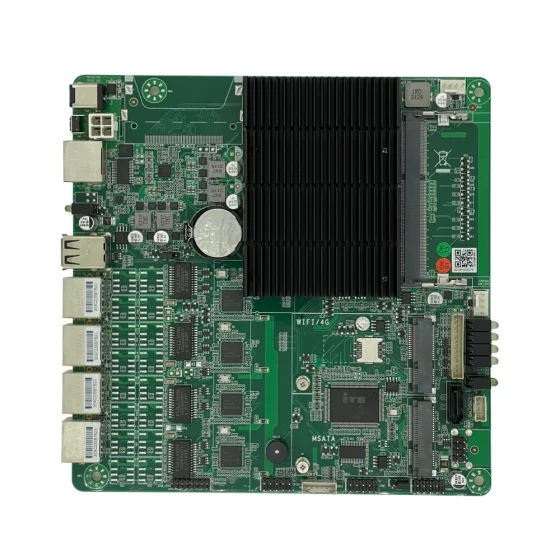
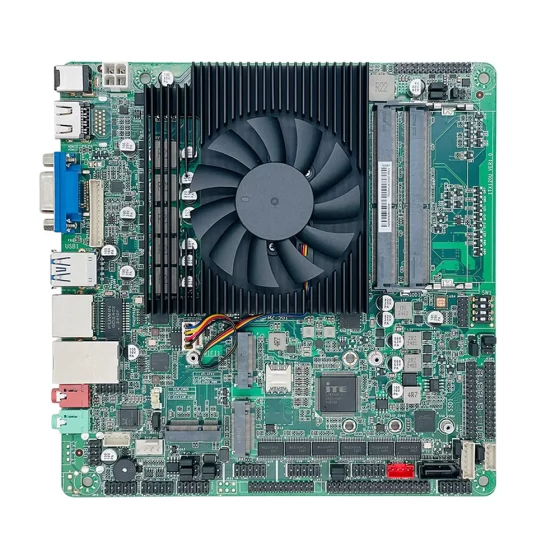
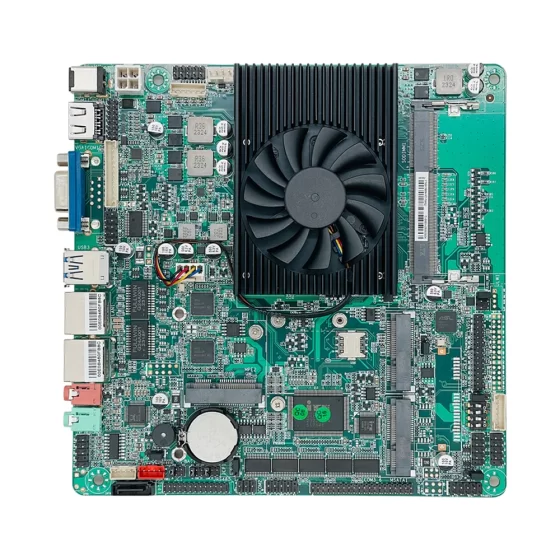
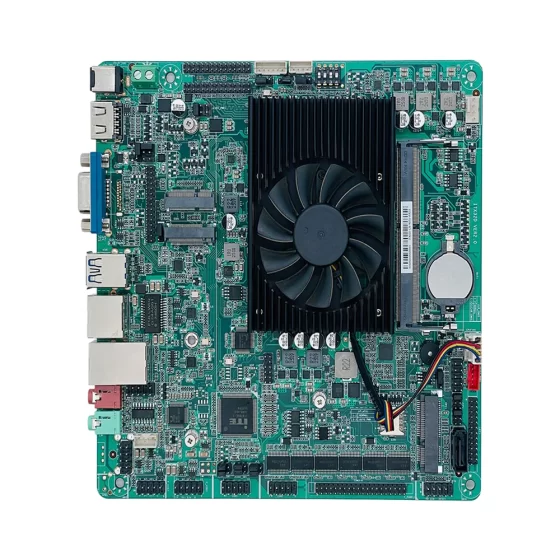
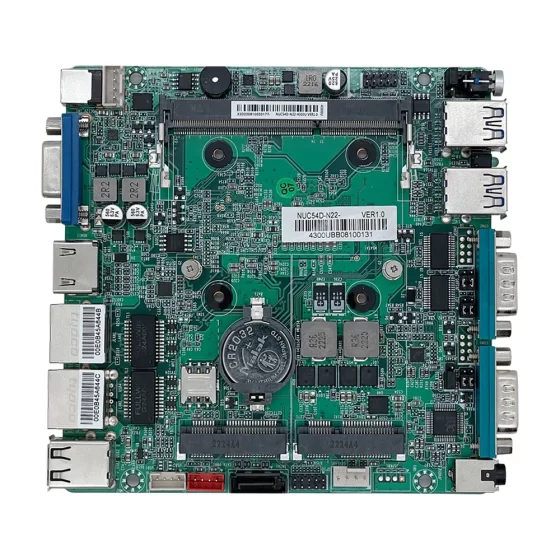
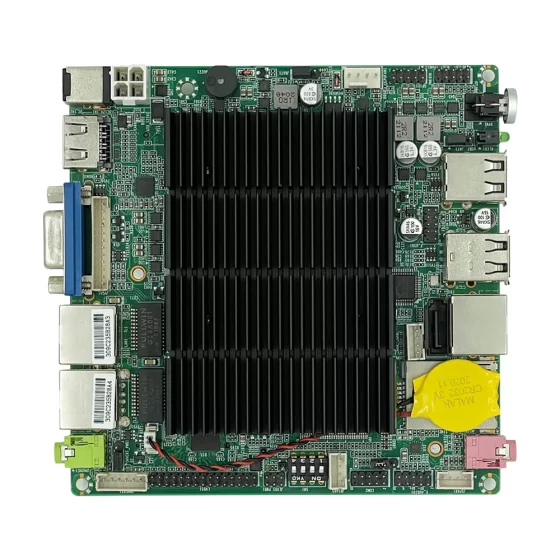
Решения CoreIPC для промышленных вычислений

Платформа безопасности центров обработки данных: Промышленный компьютер для развертывания устройств безопасности в центрах обработки данных
Управляющее резюме
Устройство безопасности центра обработки данных — это выделенная вычислительная платформа, используемая для защиты, монитор, проверять, и контролировать сетевой трафик внутри или вокруг инфраструктуры центра обработки данных. Он может поддерживать функции брандмауэра, VPN-доступ, обнаружение вторжений, регистрация трафика, сегментация сети, безопасный удаленный доступ, проверка пакетов, и услуги кибербезопасности на периферийном уровне.
Поскольку центры обработки данных становятся более распределенными, взаимосвязаны, и ориентированный на обслуживание, охранное оборудование должно быть надежным, компактный, и способный к непрерывной работе. Платформа безопасности центра обработки данных часто развертывается на границах сети., точки агрегации, серверные комнаты, филиалы, комнаты промышленных данных, или среды частного облака, где требуется стабильное обеспечение безопасности.
На эту роль, стандартный коммерческий ПК обычно не является подходящей основой. Устройству безопасности необходима надежная сеть, многоканальная архитектура, стабильное хранилище, тепловая надежность, поддержка длительного жизненного цикла, и гибкость интеграции. Во многих B2B-проектах, промышленный компьютер или встроенный компьютер представляет собой более подходящую аппаратную платформу для создания надежных устройств безопасности..
Хорошо спроектированное устройство безопасности центра обработки данных должно поддерживать:
- Несколько портов LAN для WAN, локальная сеть, ДМЗ, управление, и сегментированные сети
- Стабильная производительность процессора для маршрутизации, брандмауэр, VPN, и инспекционные нагрузки
- Надежное хранилище журналов, системные изображения, и записи безопасности
- Компактная механическая конструкция для шкафа, стойка, или развертывание аппаратной
- Не требующая особого обслуживания тепловая архитектура
- Долгосрочная согласованность оборудования для развертывания программного обеспечения безопасности
- Гибкая настройка в соответствии с требованиями OEM-производителей и поставщиков решений.
CoreIPC предоставляет промышленные компьютеры и встраиваемые компьютерные платформы, которые могут поддерживать устройства сетевой безопасности., периферийные шлюзы, аппаратное обеспечение брандмауэра, узлы мониторинга, и индивидуальные встроенные системы безопасности для глобального развертывания B2B.
 Обзор отрасли
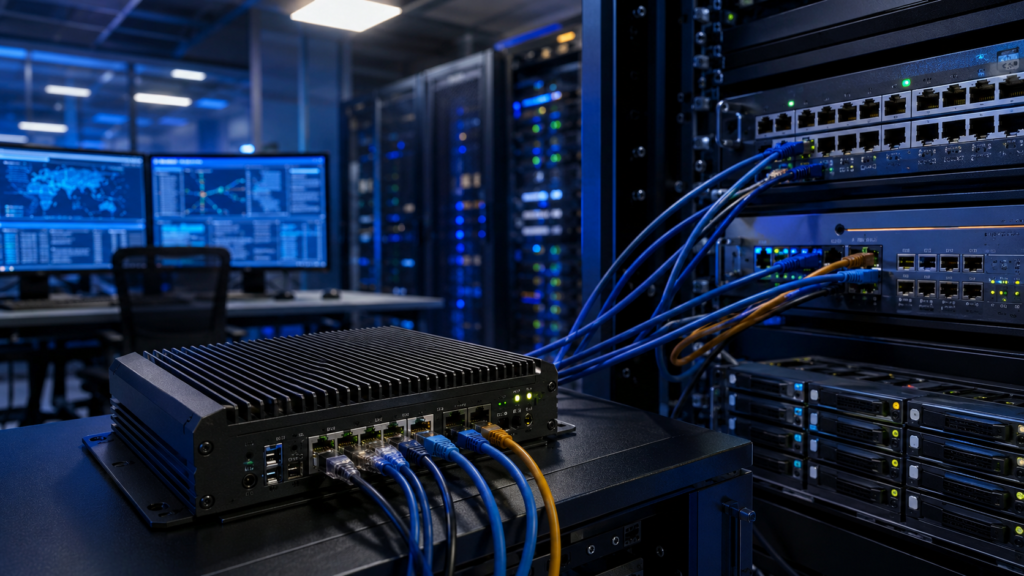
Центры обработки данных больше не ограничиваются крупными централизованными объектами.. Многие организации теперь используют комбинацию частных центров обработки данных., колокейшн-сайты, периферийные комнаты данных, серверные помещения предприятия, промышленные ИТ-комнаты, удаленные филиалы, и гибридная облачная инфраструктура.
Эта распределенная модель создает больше границ безопасности.. Трафик может проходить между пользователями, приложения, облачные платформы, внутренние серверы, промышленные системы, кластеры хранения, удаленные офисы, и инструменты управления. Каждая точка подключения может стать источником риска, если ее не контролировать и не контролировать должным образом..
Устройство безопасности центра обработки данных используется для обеспечения соблюдения политик безопасности в этих критических точках.. В зависимости от программного стека, он может функционировать как брандмауэр, VPN-шлюз, платформа обнаружения вторжений, устройство безопасной маршрутизации, узел мониторинга сети, или система проверки дорожного движения.
Общие цели развертывания включают в себя:
- Защита входящего и исходящего трафика центра обработки данных
- Разделение внутренних сетевых зон
- Обеспечение доступа к удаленному управлению
- Мониторинг трафика восток-запад между внутренними системами
- Регистрация сетевых событий для устранения неполадок и обеспечения соответствия требованиям.
- Поддержка безопасного доступа для администраторов и групп обслуживания.
- Создание специального оборудования для программных платформ кибербезопасности
Аппаратная основа имеет значение, поскольку службы безопасности часто работают непрерывно.. Если прибор работает нестабильно, видимость и защита сети могут быть затронуты. Если на платформе недостаточно портов LAN, сегментация сети становится затруднительной. Если хранилище ненадежно, логи могут потеряться. Если платформа часто меняется, образами программного обеспечения и долгосрочным обслуживанием становится сложнее управлять..
Вот почему промышленные компьютеры и встроенные компьютерные платформы все чаще используются для создания специализированных систем безопасности центров обработки данных.. Они обеспечивают стабильную аппаратную конструкцию, гибкий ввод-вывод, компактные форм-факторы, и лучшая пригодность для долгосрочного развертывания устройств.
 Ключевые проблемы
Проектирование устройства безопасности центра обработки данных включает в себя нечто большее, чем просто установку программного обеспечения кибербезопасности.. Аппаратное обеспечение должно поддерживать поток трафика, обработка безопасности, непрерывная работа, и ремонтопригодность.
| Испытание | Что происходит при реальном развертывании | Требования к оборудованию |
|---|---|---|
| Многосетевое соединение | Устройствам безопасности может потребоваться глобальная сеть, локальная сеть, ДМЗ, управление, и сегментированные сетевые порты. | Промышленный компьютер с несколькими локальными сетями и стабильными контроллерами Ethernet. |
| Непрерывная обработка трафика | Брандмауэр, VPN, маршрутизация, и рабочие нагрузки проверки могут выполняться 24/7. | Надежный процессор, память, хранилище, и тепловой расчет. |
| Хранение журнала | Системы безопасности могут генерировать большие объемы журналов событий и трафика.. | Промышленный твердотельный накопитель, М.2, САТА, или расширяемые возможности хранения. |
| Развертывание шкафа или стойки | Приборы могут быть установлены в комнатах данных., шкафы, или сайты с ограниченным пространством. | Компактный встроенный компьютер или промышленная платформа, совместимая со стойкой. |
| Удаленное управление | Администраторам необходим безопасный доступ для настройки., мониторинг, и обновления. | Выделенный порт управления, безопасная поддержка ОС, и стабильная сеть. |
| Контроль жизненного цикла | Образы программного обеспечения безопасности, возможно, должны оставаться согласованными в течение многих лет.. | Долгосрочная доступность оборудования и стабильная схема ввода-вывода. |
Сложность сегментации сети
Платформа безопасности центра обработки данных часто располагается между разными сетевыми зонами.. Он может отделить общедоступные услуги от внутренних систем., изолировать управленческий трафик, или защитить конфиденциальные группы серверов.
По этой причине, одного порта Ethernet недостаточно. Проектирование нескольких локальных сетей имеет важное значение для создания межсетевого экрана., маршрутизация, и архитектуры сегментации.
Требования к непрерывной работе
Ожидается, что устройства безопасности будут работать непрерывно.. В отличие от рабочей станции, которую можно перезапустить в обычное рабочее время., устройство безопасности центра обработки данных может быть частью активного сетевого пути.
Нестабильность оборудования может привести к прерыванию обслуживания, мониторинг пробелов, или проблемы с удаленным доступом. Платформу следует выбирать по надежности, а не только по пиковой производительности..
Давление при хранении и регистрации
Журналы безопасности важны для устранения неполадок, расследование, отчетность, и оптимизация системы. В зависимости от конфигурации программного обеспечения, устройство может хранить журналы брандмауэра, VPN-записи, IDS-оповещения, системные события, и метаданные трафика.
Надежное хранилище и правильное планирование емкости важны.. Устройство хранения должно соответствовать ожидаемой нагрузке при записи и операционной среде..
 Архитектура решения для устройства безопасности центра обработки данных
Устройство безопасности центра обработки данных обычно работает как выделенный узел в многоуровневой архитектуре сетевой безопасности.. Он соединяет физические сети, запускает программное обеспечение безопасности, и обеспечивает контролируемую видимость сетевой активности.
1. Уровень сетевого интерфейса
Этот уровень подключает устройство к различным сетевым зонам..
Типичные группы интерфейсов могут включать в себя:
- WAN или восходящее соединение
- LAN или внутренняя сеть
- Сеть ДМЗ
- Серверная сеть
- Сеть управления
- Резервная ссылка или ссылка высокой доступности
- Мониторинг или зеркальный порт
Несколько портов LAN позволяют устройству безопасности применять политики между этими зонами, не полагаясь на чрезмерные внешние адаптеры..
2. Уровень обработки безопасности
Здесь на промышленном компьютере или встроенном компьютере работает основное программное обеспечение безопасности..
В зависимости от приложения, это может поддержать:
- Применение политики брандмауэра
- VPN-сервисы
- Обнаружение вторжений
- Предотвращение вторжений
- Безопасная маршрутизация
- Трансляция сетевых адресов
- Мониторинг трафика
- Фильтрация контента
- Сбор журналов
- Мониторинг состояния системы
Процессор, память, и хранилище следует выбирать в зависимости от объема трафика, рабочая нагрузка шифрования, требования к регистрации, и стек программного обеспечения.
3. Уровень управления
Уровень управления позволяет администраторам настраивать и обслуживать устройство..
Устройство безопасности центра обработки данных может обеспечить:
- Выделенный интерфейс управления
- Доступ к локальной консоли
- Программное обеспечение для веб-управления
- Инструменты удаленной настройки
- Контроль обновлений системы
- Функции резервного копирования и восстановления
- Контроль доступа пользователей
- Журналы диагностики
Для безопасного развертывания, Трафик управления должен быть отделен от производственного трафика, когда это возможно..
4. Уровень мониторинга и регистрации
Устройства безопасности генерируют оперативные данные и данные безопасности..
Эти данные могут включать:
- События брандмауэра
- VPN-сессии
- Заблокированные соединения
- Разрешенные записи трафика
- IDS-оповещения
- Статус системного ресурса
- Статистика интерфейса
- Состояние хранилища
- Изменения конфигурации
Журналы могут храниться локально, пересылается в SIEM-систему, или отправлено на платформу централизованного мониторинга. Для этого уровня важны стабильное хранилище и надежность сети..
5. Уровень интеграции
Платформе безопасности центра обработки данных может потребоваться интеграция с более широкими ИТ-системами и системами объектов..
Он может соединиться с:
- SIEM-платформа
- Системы сетевого мониторинга
- Серверы аутентификации
- Инструменты централизованного журналирования
- Облачные системы управления
- Платформы дистанционного обслуживания
- Панели управления операциями центра обработки данных
Устройство должно обеспечивать достаточную аппаратную гибкость для поддержки этих интеграций без необходимости серьезной переработки..
Ключевые особенности
Надежное устройство безопасности центра обработки данных должно быть построено на аппаратной платформе, поддерживающей производительность сети., стабильность, совместимость программного обеспечения безопасности, и долгосрочное развертывание.
Многосетевая архитектура
Несколько портов LAN являются одним из наиболее важных требований к оборудованию..
Устройству безопасности центра обработки данных могут потребоваться отдельные порты для глобальной сети., локальная сеть, ДМЗ, управление, мониторинг, и аварийное переключение. Проектирование нескольких локальных сетей помогает создать более чистую сетевую архитектуру и упрощает реализацию сегментации..
Для высокопроизводительных систем, тип порта, качество контроллера, пропускная способность, и совместимость драйверов должна быть тщательно оценена.
Стабильная производительность процессора
Рабочие нагрузки безопасности могут быть ресурсоемкими., особенно при шифровании, VPN-туннели, фильтрация пакетов, маршрутизация, и инспекционные службы работают одновременно.
Выбранный промышленный компьютер должен обеспечивать достаточный запас вычислительной мощности для текущей рабочей нагрузки и будущего расширения политики.. Производительность процессора следует оценивать вместе с требованиями к программному обеспечению., профиль трафика, и ожидаемая пропускная способность.
Надежная память и хранилище
Память поддерживает таблицы маршрутизации, процессы безопасности, журналы, кэш, и услуги мониторинга. Хранилище поддерживает файлы операционной системы, пакеты программного обеспечения, резервные копии конфигурации, и журналы безопасности.
Для систем безопасности дата-центров, хранилище следует выбирать исходя из:
- Объем журнала
- Частота записи
- Срок хранения
- Требования к операционной системе
- Стратегия резервирования
- План замены поля
Твердотельный накопитель M.2, SATA SSD, или другие варианты хранения могут быть выбраны в зависимости от конструкции платформы.
Тепловая надежность
Устройство безопасности может работать непрерывно в шкафу., стойка, или аппаратная. Поэтому термическая стабильность имеет важное значение..
Безвентиляторные системы могут сократить механическое обслуживание в конструкциях с низкой и средней мощностью.. Для более высокопроизводительных приборов может потребоваться контролируемый поток воздуха или надежное активное охлаждение.. Правильный выбор зависит от мощности процессора., конструкция корпуса, температура окружающей среды, и плотность установки.
Компактная механическая конструкция
Центры обработки данных и периферийные помещения для обработки данных часто имеют ограниченное пространство.. Компактный встраиваемый компьютер можно установить в сетевых шкафах., настенные корпуса, комнаты промышленных данных, или стойки для оборудования.
При механическом проектировании следует учитывать:
- Способ монтажа
- Направление кабеля
- Доступность порта
- Безопасность разъема питания
- Охлаждающий зазор
- Доступ к сервису
Чистая планировка уменьшает количество ошибок при установке и повышает эффективность обслуживания..
Поддержка безопасного управления
Устройства безопасности должны быть управляемыми, не подвергая ненужному риску..
Полезные соображения на уровне аппаратного обеспечения включают в себя:
- Выделенная локальная сеть управления
- Доступ к консоли
- Автоматическое включение
- Сторожевой таймер
- Варианты восстановления системы
- Стабильная конфигурация BIOS
- Четкая индикация состояния оборудования
Эти функции помогают администраторам более эффективно обслуживать устройство..
Возможность расширения
Некоторым платформам безопасности требуется дополнительное хранилище., беспроводные модули, обходные модули, Параметры, связанные с TPM, или специализированные сетевые интерфейсы в зависимости от проекта.
Расширение через M.2, Мини PCIe, PCIe, или индивидуальный дизайн платы помогает OEM-производителям и поставщикам решений адаптировать устройство к различным средам клиентов..
Совместимость программного обеспечения
Оборудование должно поддерживать выбранный стек программного обеспечения безопасности..
Это может включать в себя:
- Операционные системы брандмауэра
- Платформы безопасности на базе Linux
- Программное обеспечение VPN
- Программное обеспечение IDS или IPS
- Программное обеспечение для маршрутизации
- Агенты мониторинга
- Инструменты пересылки журналов
- Утилиты удаленного управления
Перед развертыванием, интеграторы должны проверить поддержку драйверов, Совместимость с контроллером локальной сети, поддержка хранения, настройки биоса, и процесс развертывания образа.
Сценарии развертывания
Устройство безопасности центра обработки данных можно использовать в различных средах сетевой безопасности и инфраструктуры..
Граничный межсетевой экран центра обработки данных
На окраине дата-центра, устройство может контролировать трафик между вышестоящими сетями и внутренними системами.. Он может применять политики брандмауэра, управлять NAT, разорвать VPN-соединения, и отслеживать подозрительные модели трафика.
Архитектура с несколькими локальными сетями важна, поскольку устройству может потребоваться разделение внешних, внутренний, ДМЗ, и сети управления.
Внутренний шлюз сегментации
Не все угрозы безопасности исходят извне сети. Центрам обработки данных часто требуется сегментация между группами серверов., зоны применения, сети хранения данных, сети управления, и резервные системы.
Устройство безопасности центра обработки данных может действовать как контролируемый шлюз между этими зонами., помогая обеспечить соблюдение политики и улучшить видимость внутреннего трафика.
Устройство VPN и удаленного доступа
Администраторы, инженеры, и сервисным группам может потребоваться безопасный удаленный доступ к ресурсам центра обработки данных..
Специальное устройство безопасности может обеспечить доступ через VPN., интеграция аутентификации, доступ к журналу, и контролируемая маршрутизация. Надежное оборудование важно, поскольку удаленный доступ часто поддерживает техническое обслуживание и реагирование на чрезвычайные ситуации..
Мониторинг сети и узел IDS
Некоторые устройства используются в первую очередь для мониторинга, а не для пересылки трафика.. Они могут получать зеркальный трафик от коммутаторов и анализировать его на наличие аномальных шаблонов., подозрительное поведение, или нарушения правил.
В этом сценарии, Пропускная способность локальной сети, хранилище, Производительность процессора, и мощность регистрации являются важными факторами выбора.
Безопасность пограничной комнаты данных
Многие организации имеют небольшие периферийные помещения для обработки данных или удаленные ИТ-объекты за пределами крупных центров обработки данных..
Компактный встроенный компьютер может обеспечить межсетевой экран, VPN, маршрутизация, и функции мониторинга на этих распределенных сайтах. Это помогает стандартизировать архитектуру безопасности во многих местах..
Промышленный центр обработки данных и безопасность OT
Промышленные предприятия могут иметь локальные комнаты данных для SCADA, МЧС, производственные базы данных, видеосистемы, и сети автоматизации.
Платформа безопасности центра обработки данных может помочь разделить ИТ- и ОТ-системы., безопасный удаленный доступ, и отслеживать трафик между производственными сетями и корпоративными системами.
Преимущества для бизнеса
Хорошо спроектированное устройство безопасности центра обработки данных может принести практическую пользу сетевым командам., поставщики решений, OEM-производители, и операторы инфраструктуры.
Более чистая сегментация сети
Аппаратное обеспечение с поддержкой нескольких локальных сетей позволяет применять политики безопасности между различными сетевыми зонами.. Это повышает ясность архитектуры и снижает зависимость от сложных внешних адаптеров..
Улучшенная видимость безопасности
Специальное устройство может собирать журналы, контролировать трафик, и обеспечить лучшую видимость поведения сети. Это помогает командам исследовать проблемы и понимать, как данные перемещаются по среде..
Снижение сложности развертывания
Промышленный компьютер с подходящими портами LAN., хранилище, потребляемая мощность, и варианты монтажа могут упростить конструкцию устройства. Это особенно полезно для OEM-производителей и поставщиков решений, создающих повторяемые системы безопасности..
Улучшенная долгосрочная ремонтопригодность
Стабильная аппаратная конструкция помогает поддерживать согласованность образов программного обеспечения., водители, документация, и запасные части. Это важно для устройств безопасности, развернутых на многих объектах..
Снижение риска аппаратного сбоя
Платформы промышленного уровня предназначены для непрерывной работы и контролируемых сред развертывания.. Надежная тепловая конструкция, варианты хранения, и механическая конструкция могут снизить риск технического обслуживания.
Масштабируемая конструкция устройства безопасности
Та же концепция платформы может быть адаптирована для небольших центров обработки данных филиалов., промышленные площадки, периферийные объекты, и более крупные сети центров обработки данных. Это поддерживает более последовательную стратегию обеспечения безопасности оборудования..
Почему CoreIPC
CoreIPC поставляет промышленные компьютеры, встроенные компьютеры, встроенные платы, и индивидуальные аппаратные платформы для сетевой безопасности, промышленная автоматизация, периферийные вычисления, и системная интеграция OEM. Для проектов по обеспечению безопасности центров обработки данных, CoreIPC фокусируется на стабильном проектировании нескольких локальных сетей, компактные форм-факторы, надежная поддержка хранения, практичный тепловой дизайн, и долгосрочная доступность оборудования. CoreIPC работает с поставщиками решений, системные интеграторы, и производители оборудования, которым нужны надежные вычислительные платформы для устройств безопасности., периферийные шлюзы, и системы мониторинга сети. С возможностью ODM и OEM, CoreIPC может поддерживать индивидуальный ввод-вывод, конструкция корпуса, брендинг, и требования к оборудованию для конкретного проекта.
Часто задаваемые вопросы
1. Что такое устройство безопасности центра обработки данных?
Устройство безопасности центра обработки данных — это выделенная аппаратная платформа, используемая для выполнения функций сетевой безопасности в инфраструктуре центра обработки данных или вокруг нее.. Он может поддерживать политики брандмауэра, VPN-доступ, обнаружение вторжений, маршрутизация, мониторинг трафика, и ведение журнала безопасности. В отличие от ПК общего назначения, обычно он имеет несколько портов LAN., стабильное хранилище, возможность непрерывной работы, и компактный форм-фактор, подходящий для сетевых шкафов или аппаратных.
2. Зачем использовать промышленный компьютер в качестве устройства безопасности центра обработки данных?
Промышленный компьютер может обеспечить стабильную аппаратную конструкцию., несколько портов локальной сети, надежное хранение, компактные варианты установки, и поддержка длительного жизненного цикла. Эти функции полезны для устройств безопасности, которые должны работать непрерывно и оставаться согласованными в нескольких развертываниях.. По сравнению со стандартным настольным ПК, промышленный или встроенный компьютер обычно лучше подходит для развертывания в виде устройства., OEM-интеграция, и долгосрочное обслуживание.
3. Сколько портов LAN необходимо устройству безопасности?
Количество портов LAN зависит от архитектуры сети.. Базовому устройству может потребоваться WAN., локальная сеть, и порты управления. Для более сложных развертываний могут потребоваться дополнительные порты для DMZ., мониторинг, аварийное переключение, внутренняя сегментация, или выделенные серверные зоны. Проектирование с несколькими локальными сетями дает интеграторам большую гибкость при построении межсетевого экрана., маршрутизация, и системы мониторинга.
4. Какие аппаратные факторы влияют на производительность межсетевого экрана и VPN?
На производительность межсетевого экрана и VPN могут влиять возможности процессора., память, Производительность контроллера локальной сети, поддержка водителей, рабочая нагрузка шифрования, объем трафика, и настройка программного обеспечения. Хранилище также может иметь значение, если включено расширенное ведение журнала.. Лучшая платформа должна выбираться в соответствии с фактическими требованиями к пропускной способности., количество одновременных сессий, Использование VPN, правила проверки, и долгосрочные потребности в расширении.
5. Можно ли использовать встроенный компьютер в качестве устройства сетевой безопасности??
Да. Встроенный компьютер можно использовать в качестве устройства сетевой безопасности, если он имеет необходимые порты локальной сети., производительность обработки, хранилище, силовая конструкция, и совместимость программного обеспечения. Компактные встраиваемые компьютеры особенно полезны для периферийных помещений для обработки данных., филиальные сети, промышленные объекты, и OEM-устройства безопасности, где важны пространство и долгосрочная доступность.
6. Почему хранилище важно для платформы безопасности центра обработки данных?
Память используется для операционной системы., файлы конфигурации, записи журнала, обновления программного обеспечения, и данные о событиях безопасности. В некоторых развертываниях, логи могут писаться часто, поэтому качество хранения и планирование емкости важны. Промышленные твердотельные накопители, Модули М.2, или хранилище SATA может быть выбрано в зависимости от объема журнала, срок хранения, писать нагрузку, и требования к работоспособности.
7. Какова роль выделенного порта управления?
Выделенный порт управления отделяет административный доступ от трафика производственной сети.. Это может сделать конфигурацию, мониторинг, Поиск неисправностей, и дистанционное обслуживание легче контролировать. Он также поддерживает лучшую организацию сети, сохраняя связь управления изолированной от трафика пользователей или приложений.. Для охранной техники, такое разделение часто полезно в центрах обработки данных и корпоративных средах..
8. Может ли устройство безопасности центра обработки данных поддерживать внутреннюю сегментацию??
Да. Устройство безопасности можно развернуть между внутренними сетевыми зонами для обеспечения соблюдения политик и мониторинга трафика.. Это полезно для разделения серверов приложений., системы хранения, сети управления, среды резервного копирования, и чувствительные рабочие нагрузки. Внутренняя сегментация помогает улучшить видимость и контроль., особенно в сложных архитектурах центров обработки данных, где значительный трафик с востока на запад.
9. Что следует учитывать OEM-производителям при создании устройства безопасности?
OEM-производители должны оценить количество портов LAN, производительность процессора, варианты хранения, тепловой расчет, размер корпуса, потребляемая мощность, совместимость программного обеспечения, настройки биоса, потребности в брендинге, и доступность жизненного цикла. Платформа должна поддерживать повторяемость производства и стабильные образы программного обеспечения.. Также может потребоваться индивидуализация конструкции корпуса., расположение портов, монтаж, маркировка, или ввод-вывод для конкретного проекта.
10. Подходит ли безвентиляторный дизайн для устройств безопасности центров обработки данных?
Безвентиляторная конструкция может подойти для устройств обеспечения безопасности с низким и средним энергопотреблением., особенно в пыльном, удаленный, или среды с ограниченным обслуживанием. Однако, более высокопроизводительным системам может потребоваться контролируемый поток воздуха или активное охлаждение.. Правильный тепловой расчет зависит от рабочей нагрузки процессора., плотность установки, температура окружающей среды, конструкция корпуса, и ожидаемая нагрузка на обработку трафика.
Заключение
Устройство безопасности центра обработки данных является важной частью современной защиты сети., сегментация, удаленный доступ, и мониторинг инфраструктуры. Это помогает контролировать трафик между сетевыми зонами., поддержка безопасного администрирования, собирать журналы безопасности, и обеспечить лучшую прозрачность работы центра обработки данных.
Для надежного развертывания, аппаратная платформа должна обеспечивать не только базовую вычислительную производительность. Он должен обеспечивать стабильное подключение к нескольким локальным сетям., надежное хранилище, тепловая надежность, компактная механическая конструкция, совместимость программного обеспечения, и долгосрочную поддержку жизненного цикла.
Использование промышленного компьютера или встроенного компьютера в качестве основы для устройства безопасности центра обработки данных., поставщики решений и системные интеграторы могут создавать более надежные, ремонтопригодный, и масштабируемые платформы безопасности. CoreIPC поддерживает промышленное вычислительное оборудование и услуги по настройке для компаний, разрабатывающих устройства сетевой безопасности., периферийные шлюзы, и встроенные системы кибербезопасности.
Связаться с нами
Если вы разрабатываете устройство безопасности центра обработки данных или вам нужна промышленная компьютерная платформа для межсетевого экрана., VPN, мониторинг трафика, сегментация сети, или встроенные приложения кибербезопасности, CoreIPC может помочь оценить ваши требования к оборудованию. Свяжитесь с командой CoreIPC, чтобы обсудить настройку порта LAN., Производительность процессора, дизайн хранилища, конструкция корпуса, тепловые требования, ODM/OEM настройка, и долгосрочное планирование поставок для вашего следующего проекта платформы безопасности.