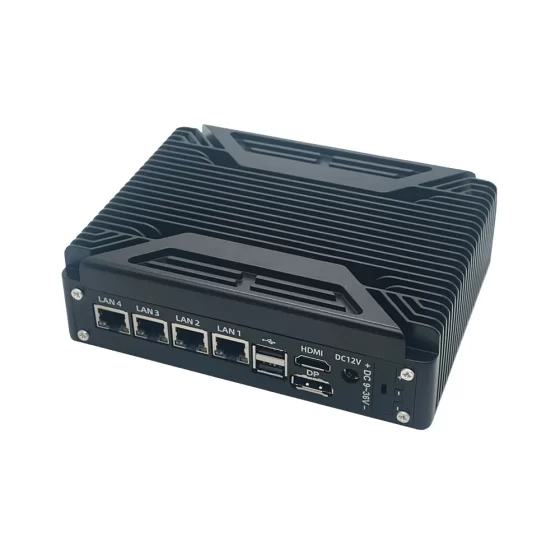
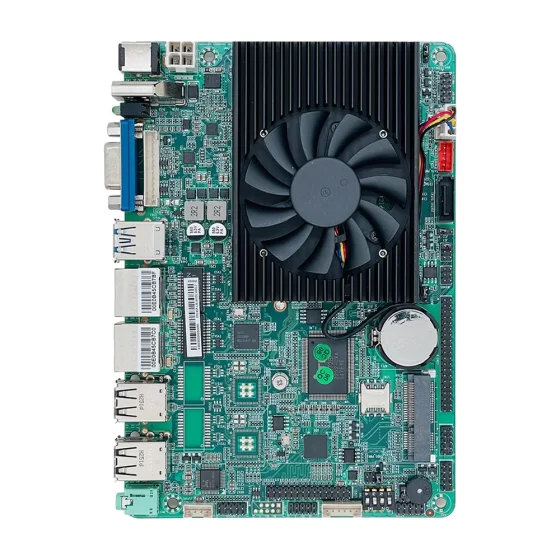
Решения CoreIPC для промышленных вычислений

Устройство безопасности IPS: Устройство IPS для защиты промышленных сетей
Управляющее резюме
Устройство ips обеспечивает основу промышленных вычислений для предотвращения вторжений., применение брандмауэра, безопасный контроль дорожного движения, сегментация сети, защита удаленного доступа, и развертывание промышленной кибербезопасности.
Современные промышленные сети больше не изолированы. Заводы, энергетические объекты, склады, транспортные системы, и среды удаленной инфраструктуры теперь соединяют ПЛК, СКАДА-системы, промышленные ПК, встроенные компьютеры, IIoT-шлюзы, камеры, датчики, HMI, роботы, и облачные платформы.
Такое подключение улучшает видимость и эффективность работы., но это также увеличивает риск несанкционированного доступа, аномальное поведение сети, вредоносный трафик, нарушения политики, и риски удаленного обслуживания.
Устройство безопасности IPS помогает обнаруживать и предотвращать подозрительный трафик до того, как он достигнет критически важных промышленных систем.. В отличие от платформ IDS, которые в основном отслеживают и предупреждают, система предотвращения вторжений обычно устанавливается в линию, чтобы она могла проверять трафик и блокировать или контролировать нежелательную связь в соответствии с определенными политиками..
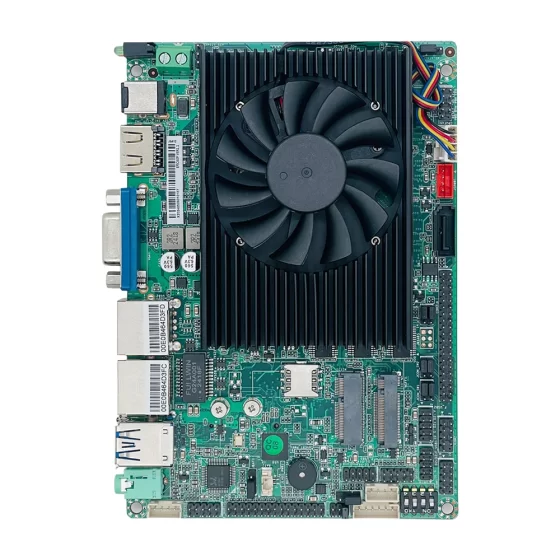
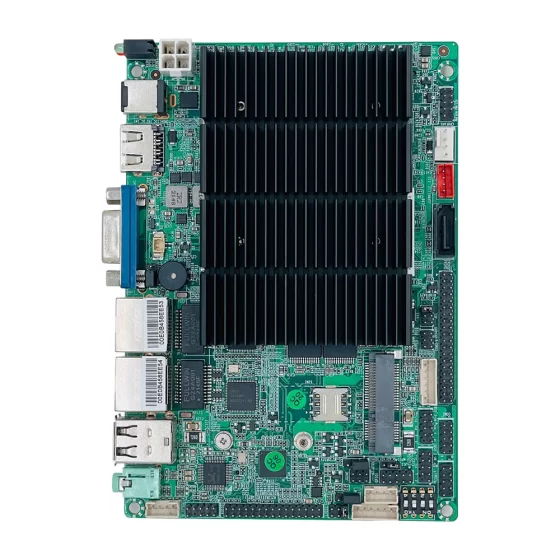
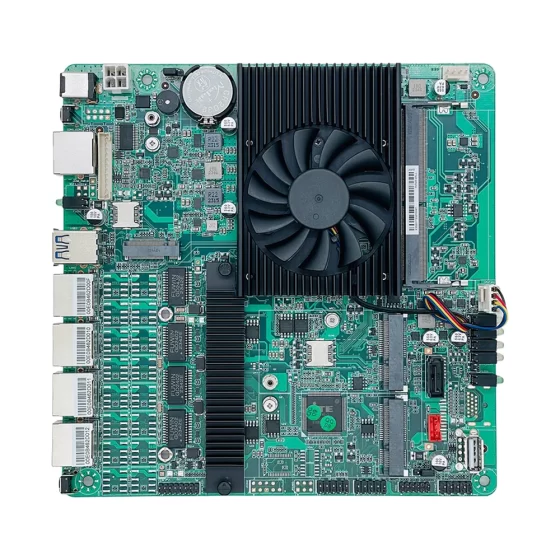
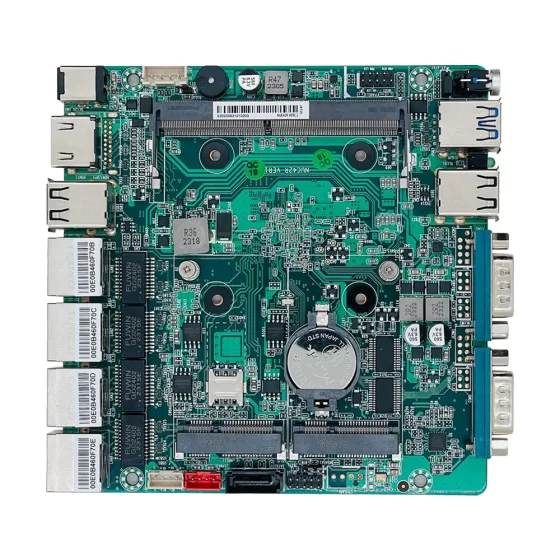
В качестве аппаратной платформы IPS может выступать промышленный компьютер или встроенный компьютер.. Он может обеспечить несколько портов LAN, возможность маршрутизации, функции брандмауэра, локальная регистрация, производительность обработки данных безопасности, надежное хранение, и надежное развертывание для заводских или полевых условий.
По сравнению со стандартными офисными устройствами безопасности, промышленные приборы IPS должны надежно работать внутри шкафов, производственные площади, удаленные служебные объекты, транспортная инфраструктура, склады, и машинные сети.
В этой статье объясняется, как устройства IPS поддерживают защиту промышленных сетей., какие проблемы с развертыванием возникают в реальных приложениях, как работает архитектура решения, и какие аппаратные функции имеют значение при выборе промышленного компьютера или встроенного компьютера для развертывания устройства безопасности IPS.
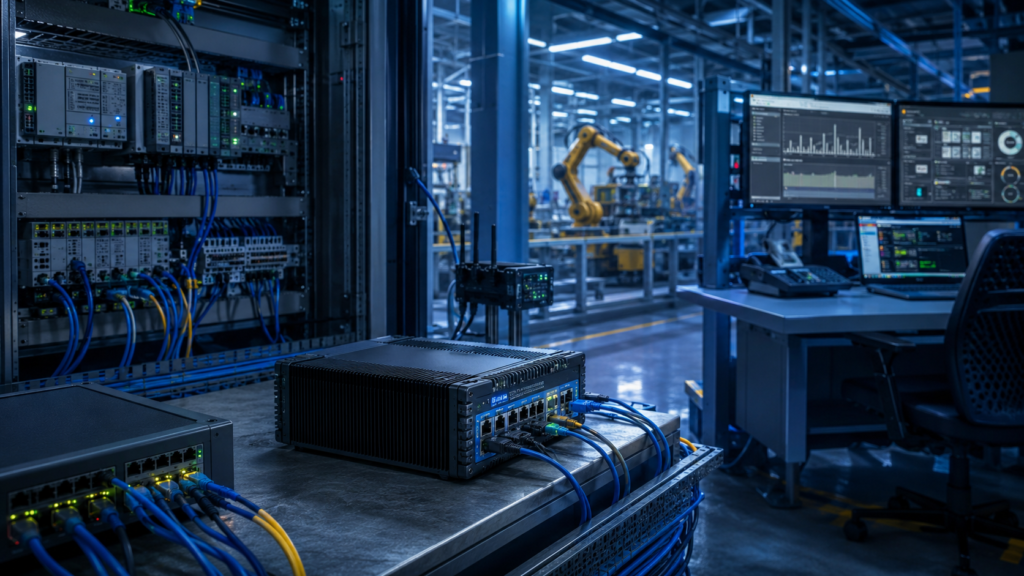
Устройства безопасности IPS помогают защитить ИТ-инфраструктуру предприятия, ОТ, ПЛК, СКАДА, и машинные сети.
Обзор отрасли
Промышленные сети нуждаются в активной защите
Промышленная кибербезопасность часто начинается с прозрачности.
Платформы IDS помогают наблюдать за трафиком и обнаруживать подозрительную активность.. Однако, в некоторых средах требуется активная защита на границах сети.
Устройство IPS может проверять трафик и применять политики предотвращения..
Это может помочь защитить:
- ПЛК-сети
- СКАДА-системы
- Машинные сети
- Промышленные шлюзы Интернета вещей
- Удаленный доступ для обслуживания
- Границы заводских ИТ и ОТ
- Сети камер
- Системы энергомониторинга
- Системы автоматизации склада
- Транспортная инфраструктура
- Удаленные коммунальные объекты
Цель — снизить риск, сохраняя при этом стабильность производственных коммуникаций..
Устройства IPS используются на критических границах сети
Система предотвращения вторжений обычно развертывается там, где необходимо контролировать трафик..
В промышленных условиях, это может включать границу между сетями ИТ и ОТ., машинные сети и системы удаленного доступа, или промышленные шлюзы Интернета вещей и внешние платформы.
Устройство может поддерживать:
- Инспекция дорожного движения
- Обеспечение соблюдения брандмауэра
- Предотвращение вторжений
- VPN-защита
- Сегментация сети
- Контроль политики доступа
- Регистрация событий безопасности
- Фильтрация трафика
- Ограничение удаленного доступа
- Мониторинг промышленных протоколов
Устройство IPS следует настраивать осторожно, поскольку оно может активно влиять на сетевой трафик..
Для надежного развертывания необходимо промышленное оборудование
Офисные сетевые устройства часто устанавливаются в чистых, сетевые помещения с контролируемой температурой.
Промышленные устройства IPS могут использоваться в более суровых условиях..
Они могут работать внутри шкафов управления., машинные корпуса, удаленные аппаратные, складские стеллажи, придорожные шкафы, подстанции, или подсобные помещения.
Эти среды могут включать пыль, вибрация, изменение температуры, электрический шум, ограниченный поток воздуха, напряжение кабеля, и непрерывная работа.
Промышленные компьютеры и встраиваемые компьютеры обеспечивают надежную аппаратную основу, необходимую для таких условий..

Встроенные пути трафика, политики брандмауэра, VPN traffic, ПЛК-сети, and IIoT gateways affect IPS deployment planning.
Ключевые проблемы
Preventing Threats Without Disrupting Production
The main challenge of IPS deployment is balance.
The appliance must prevent unwanted traffic, but it should not block legitimate industrial communication. Production systems may depend on PLC polling, SCADA-коммуникация, Доступ к ЧМИ, machine data transfer, тревожные сообщения, and remote engineering sessions.
A poorly configured IPS policy can create operational disruption.
Перед развертыванием, teams should understand:
- Required industrial traffic
- Normal device communication
- Critical production paths
- Remote service workflows
- Окна обслуживания
- Allowed protocol behavior
- Emergency access requirements
- Logging and escalation rules
Industrial IPS deployment should always be validated carefully before full inline operation.
Inline Deployment and Availability Risk
IPS appliances are often deployed inline.
Это означает, что трафик проходит через устройство, прежде чем достигнет сети назначения.. Встроенное размещение позволяет предотвратить, но это также делает надежность оборудования более важной..
Если прибор вышел из строя или неправильно настроен, общение может быть прервано.
При планировании развертывания следует учитывать:
- Стратегия обхода
- Резервные сетевые пути
- Безопасное поведение
- Стабильность мощности
- Жизненный цикл оборудования
- Доступ к локальному восстановлению
- Резервное копирование конфигурации
- Политика удаленного управления
Аппаратное обеспечение промышленного уровня помогает снизить риск неожиданного сбоя.
Высокая нагрузка на инспекцию дорожного движения
Устройству IPS может потребоваться постоянная проверка трафика..
Требуемая производительность зависит от объема трафика, скорость порта, сложность правила, Рабочая нагрузка VPN, потребности в маршрутизации, и требования к регистрации.
Важные факторы включают в себя:
- Количество сетевых зон
- Скорость порта локальной сети
- Пропускная способность трафика
- Набор правил IPS
- Сложность политики межсетевого экрана
- Количество VPN-туннелей
- Объем зашифрованного трафика
- Скорость создания журнала
- Сеансы удаленного доступа
- Трафик промышленного протокола
Вычислительную платформу следует выбирать исходя из реалистичных условий сети., не только базовые характеристики оборудования.
Координация политики в области ИТ и ОТ
Развертывание промышленной IPS требует сотрудничества между командами ИТ-безопасности и инженерами OT..
ИТ-команды могут сосредоточиться на предотвращении угроз, контроль доступа, и обеспечение соблюдения политики. Команды ОТ уделяют особое внимание времени безотказной работы, машинная связь, непрерывность производства, и рабочие процессы обслуживания.
Практическая политика IPS должна отражать интересы обеих сторон..
Он должен защищать сети, не блокируя трафик, необходимый для производства..
Это требует базового анализа, постепенная настройка политики, поэтапное развертывание, и четкие процедуры отката.
Долгосрочная эксплуатационная надежность
Устройства IPS могут стать критически важной инфраструктурой безопасности.
Они могут оставаться в эксплуатации в течение многих лет на нескольких заводах., удаленные сайты, или установка OEM-оборудования.
Частые изменения оборудования могут создать проблемы с совместимостью программного обеспечения., проблемы с проверкой драйверов, проблемы с запчастями, и сложность обслуживания.
Промышленные платформы с поддержкой длительного жизненного цикла помогают снизить эти риски..

Устройства IPS подключают оперативное управление трафиком, промышленные системы, базы данных событий, и платформы мониторинга безопасности.
Архитектура решения устройств IPS
Уровень промышленной сети
Уровень промышленной сети включает в себя системы, нуждающиеся в защите..
Этот слой может включать в себя:
- ПЛК
- HMI
- СКАДА-серверы
- Промышленные ПК
- Встроенные контроллеры
- Контроллеры станков
- Роботы
- Камеры
- Датчики
- Счетчики энергии
- IIoT-шлюзы
- Инженерные рабочие станции
Эти системы могут быть разделены на несколько зон.. Устройство IPS помогает контролировать связь между этими зонами..
Встроенный уровень управления трафиком
Уровень встроенного управления трафиком — это место, где устройство IPS находится непосредственно на пути трафика..
Его можно разместить между:
- WAN и заводская локальная сеть
- ИТ и ОТ сети
- Машинная сеть и сеть удаленного обслуживания
- Промышленный шлюз Интернета вещей и подключение к облаку
- Сеть SCADA и внешний доступ
- Сеть камер и платформа мониторинга
- Удаленный объект и центральная система управления
Такое размещение позволяет прибору проверять, позволять, блокировать, или регистрируйте трафик в соответствии с политикой безопасности.
Вычислительный уровень IPS
Вычислительный уровень IPS является ядром системы..
На этом слое, промышленный компьютер или встроенный компьютер может:
- Проверка сетевых пакетов
- Применяйте правила профилактики
- Применять политики брандмауэра
- Маршрутизация трафика между зонами
- Управление VPN-соединениями
- Журнал событий безопасности
- Поддержка локальных панелей мониторинга
- Мониторинг состояния системы
- Отправляйте оповещения на платформы безопасности
- Обеспечить доступ к удаленному управлению
Этот уровень обеспечивает вычислительную мощность, необходимую для предотвращения вторжений в промышленность..
Уровень политики безопасности
Уровень политики безопасности определяет, что должно разрешать устройство IPS., блокировать, проверять, или войдите.
Политика может быть основана на:
- Сетевая зона
- Тип устройства
- Роль пользователя
- Цель удаленного доступа
- Тип приложения
- Промышленный протокол
- Местоположение сайта
- Окно обслуживания
- Уровень риска
- Направление движения
Сильная политика позволяет избежать широкого открытого доступа.
Для промышленных сетей, политики должны быть протестированы на реальном трафике перед их применением..
Уровень мониторинга безопасности
Уровень мониторинга безопасности связывает результаты IPS с операторами и службами безопасности..
Устройство IPS может отправлять оповещения и журналы на:
- Локальные информационные панели безопасности
- SIEM-платформа
- СОК-системы
- Платформы промышленного мониторинга
- Панели безопасности SCADA
- Платформы облачной безопасности
- Рабочие места технического обслуживания
- Центральные системы управления
Это помогает командам понять заблокированный трафик., подозрительная активность, и здоровье прибора.
Ключевые особенности
Сегментация сети из нескольких локальных сетей
Несколько портов LAN необходимы для развертывания многих устройств IPS..
Они позволяют платформе разделять разные сетевые зоны и применять между ними политики..
Полезные конфигурации могут включать в себя:
- Восходящий канал WAN
- Заводская ИТ-сеть
- Сеть ПЛК
- Машинная сеть
- СКАДА-сеть
- Сеть камер
- Промышленная сеть Интернета вещей
- Сеть удаленного обслуживания
Конструкция с несколькими локальными сетями поддерживает более сильную сегментацию и лучшую организацию трафика..
Эффективность предотвращения вторжений
Рабочие нагрузки IPS могут быть требовательными.
Оборудование должно выбираться в соответствии с реальными требованиями инспекции дорожного движения..
При выборе следует учитывать:
- Производительность процессора
- Объем памяти
- Скорость порта
- Пропускная способность трафика
- Сложность правила
- Рабочая нагрузка VPN
- Обработка брандмауэра
- Объем журнала
- Скорость хранения
- Поддержка операционной системы
Для более крупных развертываний, производительность должна быть проверена с использованием реалистичного трафика промышленной сети..
Надежное локальное хранилище
Устройствам IPS может потребоваться хранение журналов, системные файлы, политика, резервные копии конфигурации, сертификаты, записи событий, и диагностические данные.
Обычно предпочтение отдается твердотельным накопителям или хранилищам NVMe, поскольку они обеспечивают более быстрый доступ и лучшую ударопрочность, чем механические накопители..
При планировании хранения следует учитывать:
- Хранение журнала
- Записи событий безопасности
- Резервное копирование конфигурации
- Восстановление системы
- Хранение сертификатов
- Диагностические файлы
- Напишите выносливость
- Рабочий процесс резервного копирования
Надежное хранилище повышает возможности аудита и устранения неполадок..
Линейная надежность и планирование обхода
Потому что устройства IPS могут быть встроенными, надежность имеет решающее значение.
При проектировании оборудования и системы следует учитывать, как ведет себя трафик при отключении питания., перезагрузить, обслуживание, или неожиданная неудача.
В зависимости от развертывания, операторам может потребоваться поддержка обхода, резервная конструкция, или документированные процедуры восстановления.
Это особенно важно для производственных сред, где сбои в сети могут остановить работу машин..
Прочная и безвентиляторная конструкция
Безвентиляторные промышленные компьютеры полезны для развертывания IPS в пыльных шкафах и удаленных средах..
Они уменьшают попадание пыли и устраняют одну распространенную точку механического отказа..
Прочные корпуса защищают от вибрации, монтажное напряжение, напряжение кабеля, и продолжительное время работы.
Тепловой расчет по-прежнему следует тщательно проверять, поскольку инспекция дорожного движения, шифрование, и ведение журнала может создать непрерывную вычислительную нагрузку.
Гибкий промышленный ввод-вывод
Платформы IPS в основном ориентированы на работу в сети, но промышленный ввод-вывод все еще может быть полезен.
Важные параметры могут включать:
- локальная сеть
- USB
- RS232
- RS485
- GPIO
- Цифровой вход
- Цифровой выход
- HDMI
- ДисплейПорт
- М.2
- PCIe
- SATA или NVMe
GPIO может поддерживать выход тревоги. Порты USB и дисплея могут поддерживать локальный сервис. Расширение PCIe или M.2 может поддерживать дополнительные модули локальной сети., беспроводные модули, или устройства хранения.
Длительный жизненный цикл и ремонтопригодность
Промышленные устройства IPS могут оставаться в производстве в течение многих лет.
Согласованное оборудование помогает поддерживать образы программного обеспечения, совместимость программного обеспечения безопасности, проверка драйвера, планирование запасных частей, и шаблоны конфигурации.
Это важно для машиностроителей, системные интеграторы, и промышленные операторы, развертывающие устройства безопасности на нескольких объектах.
Сценарии развертывания
Защита границ ИТ и ОТ
Устройство IPS можно развернуть между заводскими ИТ- и OT-сетями..
Он может проверять трафик, передаваемый между корпоративными системами и производственными сетями..
Это помогает обеспечить контролируемую связь и уменьшить ненужное взаимодействие между бизнес-системами и промышленным оборудованием..
Защита машинной сети
Производители машин могут интегрировать оборудование IPS в сети оборудования..
Устройство может помочь защитить контроллеры машины., HMI, промышленные ПК, и удаленный доступ к сервису.
Это полезно для OEM-машин, развернутых на объектах клиентов, где требуется удаленная поддержка..
Защита сети SCADA
Системы SCADA часто соединяют диспетчерские, удаленные устройства, инженерные рабочие станции, и платформы мониторинга.
Устройство IPS может проверять трафик, входящий или исходящий из сети SCADA, и обеспечивать соблюдение политик безопасности..
Это полезно для энергии, вода, транспорт, и инфраструктурная среда.
Промышленный шлюз безопасности Интернета вещей
Промышленные системы Интернета вещей соединяют машины, датчики, шлюзы, и облачные платформы.
Устройство IPS может помочь проверять и контролировать трафик между шлюзами IIoT и внешними системами..
Это поддерживает более безопасную передачу данных и лучшую сегментацию сети..
Защита от удаленного обслуживания
Удаленное обслуживание полезно, но это надо контролировать.
Устройство IPS может применять политики доступа, проверять трафик удаленных служб, журнал активности, и защитить машинные сети от ненужного воздействия.
Это поддерживает безопасные рабочие процессы обслуживания для OEM-производителей и системных интеграторов..
Безопасность склада и логистики
Склады могут включать конвейеры., системы штрих-кодов, камеры, промышленные ПК, WMS-платформы, и контроллеры автоматизации.
Устройство IPS может защитить сети автоматизации и контролировать трафик между логистическими системами., удаленный доступ, и платформы управления.
Безопасность транспортной инфраструктуры
Транспортные системы могут включать в себя придорожное оборудование., регулировщики, парковочные системы, сети станций, и центры мониторинга.
Промышленные устройства IPS могут поддерживать защиту сети в средах распределенной инфраструктуры..
Разработка OEM-устройств IPS
Поставщики решений безопасности могут создавать индивидуальные устройства IPS с использованием промышленных компьютеров или встроенных плат..
Аппаратная платформа может поддерживать сети с несколькими локальными сетями., инспекция дорожного движения, функции брандмауэра, VPN-доступ, регистрация, и надежное развертывание в стиле устройства.
Преимущества для бизнеса
Активная защита сети
Устройство IPS может активно предотвращать попадание нежелательного трафика в критически важные промышленные системы..
Это помогает снизить риск несанкционированного доступа., подозрительное общение, и нарушения политики.
Активная защита ценна на границах сети, где требуется контролируемое применение..
Более сильная сегментация сети
Устройства Multi-LAN IPS помогают разделить промышленные сети на контролируемые зоны..
Это поддерживает разделение между ИТ, ОТ, машина, камера, IIoT, удаленное обслуживание, и сети управления.
Лучшая сегментация улучшает как безопасность, так и организацию сети..
Более безопасный удаленный доступ
Аппаратное обеспечение IPS может поддерживать безопасное удаленное обслуживание путем объединения политик предотвращения., правила брандмауэра, VPN-подключение, и регистрация.
Уполномоченные инженеры могут получить доступ к необходимым системам, при этом ненужный трафик будет ограничен..
Это помогает снизить риск при удаленном обслуживании..
Лучшая видимость безопасности
Устройства IPS предоставляют журналы, профилактические мероприятия, заблокированные записи трафика, статус туннеля, и информация о состоянии системы.
Это помогает операторам и службам безопасности понять, что происходит на границе сети..
Хорошая видимость способствует проверке аудита, расследование инцидента, и устранение неполадок.
Надежное промышленное внедрение
Промышленные компьютеры обеспечивают надежное оборудование для устройств безопасности, развернутых за пределами офиса..
Безвентиляторный дизайн, стабильное хранилище, промышленный монтаж, поддержка в течение длительного жизненного цикла помогает снизить риск технического обслуживания.
Это важно для заводов., энергетические объекты, транспортные площадки, склады, и удаленные установки.
Развертывание масштабируемого устройства безопасности
Стандартизированная аппаратная платформа IPS упрощает развертывание системы предотвращения вторжений на нескольких предприятиях., машины, удаленные сайты, и OEM-системы.
Согласованное оборудование упрощает образы программного обеспечения, шаблоны политик, планирование запасных частей, проверка, и управление жизненным циклом.
Это поддерживает масштабируемое развертывание промышленной кибербезопасности..
Почему CoreIPC
CoreIPC предоставляет промышленные вычислительные платформы для сетевой безопасности, промышленный Интернет вещей, автоматизация производства, удаленный мониторинг, и встроенная системная интеграция. Для приложений устройства IPS, CoreIPC специализируется на надежном промышленном компьютерном оборудовании., встроенные компьютерные решения, конфигурации с несколькими локальными сетями, гибкий ввод-вывод, компактная конструкция системы, варианты безвентиляторного развертывания, и поддержка настройки OEM/ODM. CoreIPC помогает системным интеграторам, поставщики решений безопасности, машиностроители, и промышленные операторы выбирают вычислительные платформы, соответствующие реальным требованиям развертывания, включая количество портов LAN, рабочая нагрузка IPS, производительность брандмауэра, Требования к VPN, потребности в хранении, способы крепления, потребляемая мощность, термические условия, и планирование жизненного цикла.
Часто задаваемые вопросы
1. Что такое устройство IPS?
Устройство IPS — это аппаратная платформа, используемая для выполнения функций предотвращения вторжений..
Он проверяет сетевой трафик и может блокировать, позволять, или логировать трафик в соответствии с политиками безопасности. В промышленных условиях, Устройства IPS обычно используются для защиты сетей ПЛК., СКАДА-системы, машинные сети, промышленные шлюзы Интернета вещей, и подключения удаленного доступа.
2. Зачем использовать промышленный компьютер для устройства IPS?
Промышленный компьютер обеспечивает надежное оборудование и гибкие возможности подключения для развертывания на заводе и в полевых условиях..
Он может поддерживать несколько портов LAN., безвентиляторный режим, надежное локальное хранилище, промышленный монтаж, стабильная потребляемая мощность, и доступность в течение длительного жизненного цикла. Эти особенности делают его подходящим для установки IPS в шкафах., производственные площади, удаленные сайты, и инфраструктурные системы.
3. Как встроенный компьютер используется в качестве платформы IPS?
Встроенный компьютер может действовать как компактное устройство IPS внутри шкафа управления., корпус машины, удаленный объект, или шлюз безопасности OEM.
Он может проверять трафик, применять политики брандмауэра, управлять безопасным доступом, хранить журналы, и пересылать оповещения в системы мониторинга.
4. В чем разница между IDS и IPS?
IDS обнаруживает подозрительную активность и генерирует оповещения..
IPS может активно предотвращать трафик, блокируя или контролируя связь в соответствии с определенными политиками.. В промышленных условиях, IDS часто используется для наглядности, в то время как IPS используется там, где требуется активное применение и тщательно проверено.
5. Почему несколько портов LAN важны для устройств IPS?
Несколько портов LAN позволяют устройству находиться между сетевыми зонами..
Например, один порт может подключаться к заводской ИТ-инфраструктуре, другой для сетей ПЛК, другой для машинных сетей, и еще один для удаленного обслуживания или сетей управления.. Это поддерживает встроенную защиту и сегментацию..
6. Могут ли безвентиляторные промышленные компьютеры поддерживать рабочие нагрузки IPS??
Да. Безвентиляторные промышленные компьютеры могут поддерживать множество развертываний IPS, поскольку они уменьшают попадание пыли и устраняют одну точку механического отказа..
Однако, IPS-инспекция, обработка брандмауэра, и VPN-шифрование может создавать устойчивую нагрузку на процессор и тепловую нагрузку.. Объем трафика, конструкция корпуса, температура окружающей среды, и поток воздуха в шкафу следует проверить перед развертыванием.
7. Какие аппаратные функции важны для промышленных IPS-платформ?
Важные функции включают несколько портов LAN., достаточная производительность процессора, надежная память, SSD или NVMe-хранилище, прочный корпус, безвентиляторный дизайн, промышленная потребляемая мощность, USB, вывод дисплея, GPIO, и возможности расширения.
Окончательная конфигурация должна соответствовать объему трафика., правила профилактики, Рабочая нагрузка VPN, сохранение журнала, и среда установки.
8. Могут ли устройства IPS защитить промышленные системы Интернета вещей??
Да. Устройства IPS могут помочь защитить промышленные системы Интернета вещей, проверяя трафик между шлюзами IIoT., машины, облачные платформы, и заводские сети.
Они могут обеспечивать соблюдение политики, ограничить нежелательное общение, и регистрировать аномальные шаблоны трафика на ключевых границах сети..
9. Заменяет ли устройство IPS межсетевой экран??
Не полностью. Брандмауэр контролирует трафик на основе правил., в то время как IPS проверяет трафик на наличие подозрительного или нежелательного поведения и может активно его предотвращать..
Во многих устройствах промышленной безопасности, Функции брандмауэра и IPS работают вместе, обеспечивая более надежную защиту сети..
10. Что следует протестировать перед развертыванием устройства IPS?
Перед развертыванием, платформа должна быть протестирована с реальной топологией сети, объем трафика, промышленные протоколы, политика профилактики, правила брандмауэра, Рабочая нагрузка VPN, поведение журнала, и длительная эксплуатация.
Термическая стабильность, поведение при отказе, процедуры восстановления, рабочий процесс удаленного доступа, и производственная коммуникация также должна быть проверена.
Заключение
Устройство ips — это практическая основа для предотвращения промышленных вторжений., активная защита сети, безопасный удаленный доступ, применение брандмауэра, контроль дорожного движения, и сегментация сети.
Путем размещения промышленного компьютера или встроенного компьютера на ключевых границах линейной сети., производители, машиностроители, системные интеграторы, и операторы инфраструктуры могут защитить сети PLC, СКАДА-системы, машинные сети, промышленные IoT-платформы, и более эффективное дистанционное обслуживание.
Правильное устройство безопасности IPS должно быть выбрано в соответствии с реальными требованиями к развертыванию., включая количество портов LAN, объем трафика, рабочая нагрузка IPS, производительность брандмауэра, Количество VPN-туннелей, потребности в хранении, метод монтажа, потребляемая мощность, термические условия, поддержка операционной системы, политика безопасности, и планирование жизненного цикла.
CoreIPC поддерживает проекты устройств IPS с промышленными вычислительными платформами, предназначенными для практического производства., машинная сторона, и развертывание на местах. С правильной аппаратной основой, промышленные операторы и поставщики решений безопасности могут создавать надежные, масштабируемый, и готовые к использованию системы предотвращения вторжений.
Связаться с нами
Ищу промышленный компьютер, встроенный компьютер, или платформа с несколькими локальными сетями для развертывания устройства IPS?
Свяжитесь с CoreIPC, чтобы обсудить требования вашего проекта, включая количество портов LAN, сетевые зоны, объем трафика, рабочая нагрузка IPS, дизайн хранилища, метод монтажа, потребляемая мощность, операционная среда, потребности жизненного цикла, и варианты настройки OEM/ODM.