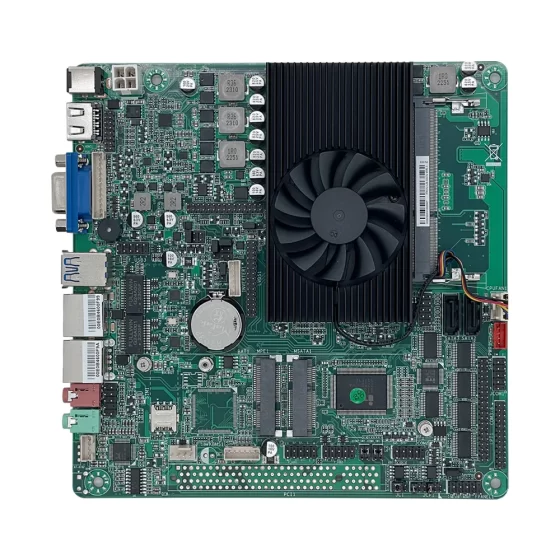
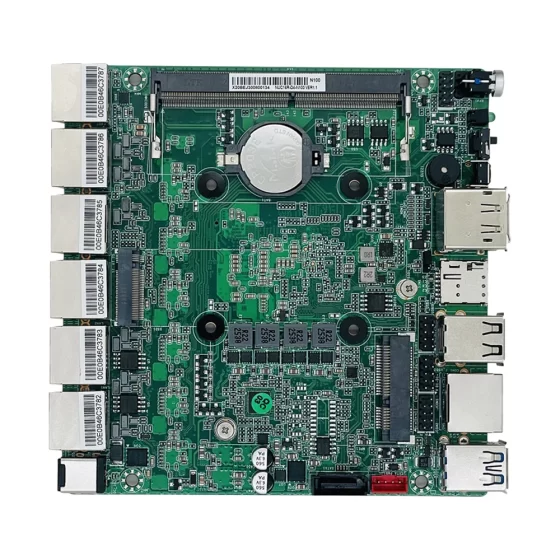
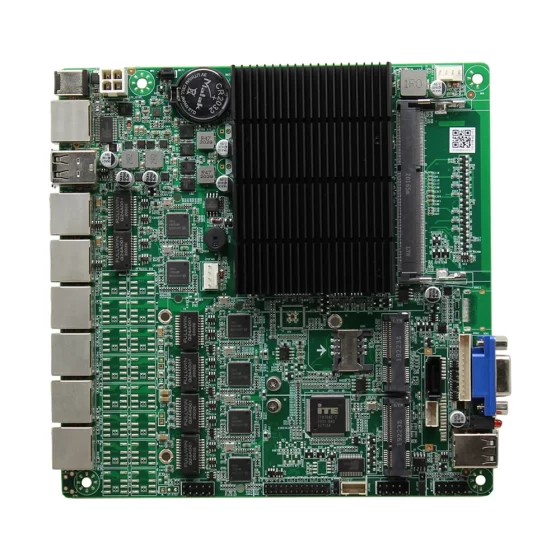
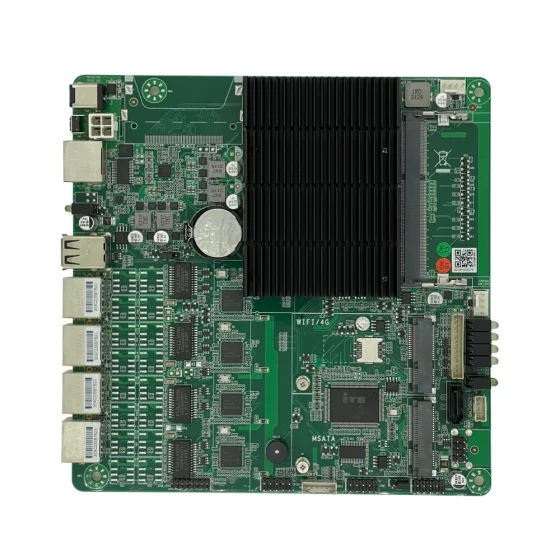
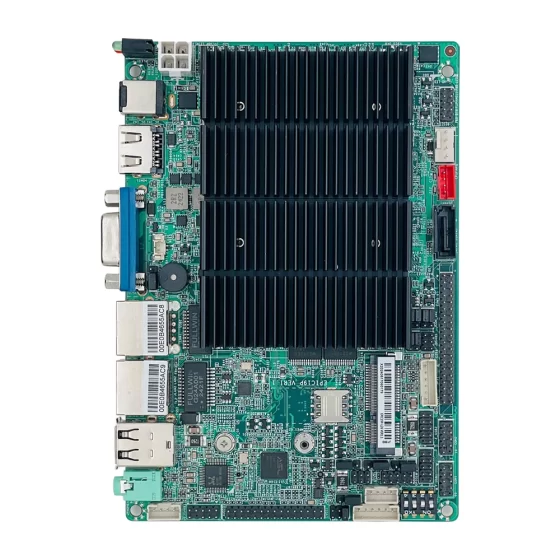
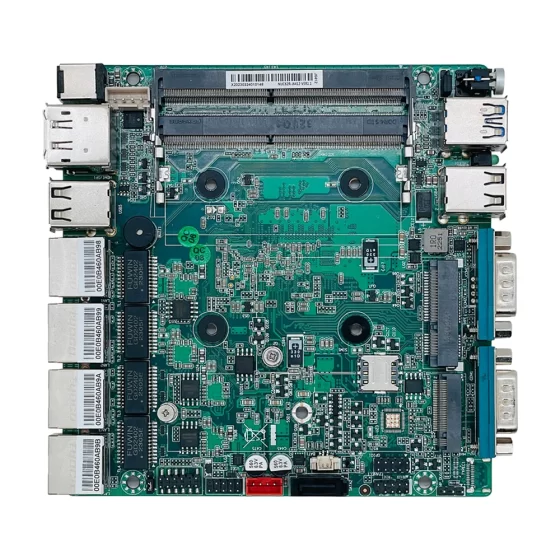
Решения CoreIPC для промышленных вычислений

Вычислительная платформа IDS: Устройство IDS для обнаружения вторжений в промышленные сети
Управляющее резюме
An IDS appliance provides the industrial computing foundation for network intrusion detection, мониторинг трафика, security visibility, обнаружение аномалий, и защита промышленных сетей.
Modern industrial environments are becoming increasingly connected. Заводы, энергетические объекты, транспортные системы, склады, and remote infrastructure sites now rely on PLCs, СКАДА-системы, промышленные ПК, встроенные компьютеры, IIoT-шлюзы, камеры, датчики, HMI, and remote maintenance platforms.
This connectivity improves productivity and visibility, but it also creates more network security exposure.
An IDS computing platform helps monitor network traffic and detect suspicious activity without directly interrupting production communication. Unlike inline security devices that actively block traffic, an intrusion detection system usually observes traffic, analyzes events, and generates alerts for review.
An industrial computer or embedded computer can act as the IDS hardware platform. It can connect to mirrored network traffic, monitor multiple network zones, store security logs, run detection software, and send alerts to security dashboards or monitoring platforms.
По сравнению со стандартными офисными ПК, industrial computers are better suited for IDS appliance deployment because they support rugged installation, конфигурации с несколькими локальными сетями, надежное хранение, варианты безвентиляторного дизайна, стабильная потребляемая мощность, и доступность в течение длительного жизненного цикла.
This article explains how IDS appliances support industrial cybersecurity, какие проблемы возникают при реальном развертывании, как работает архитектура решения, and which hardware features are important when selecting an industrial computer or embedded computer for IDS computing platforms.
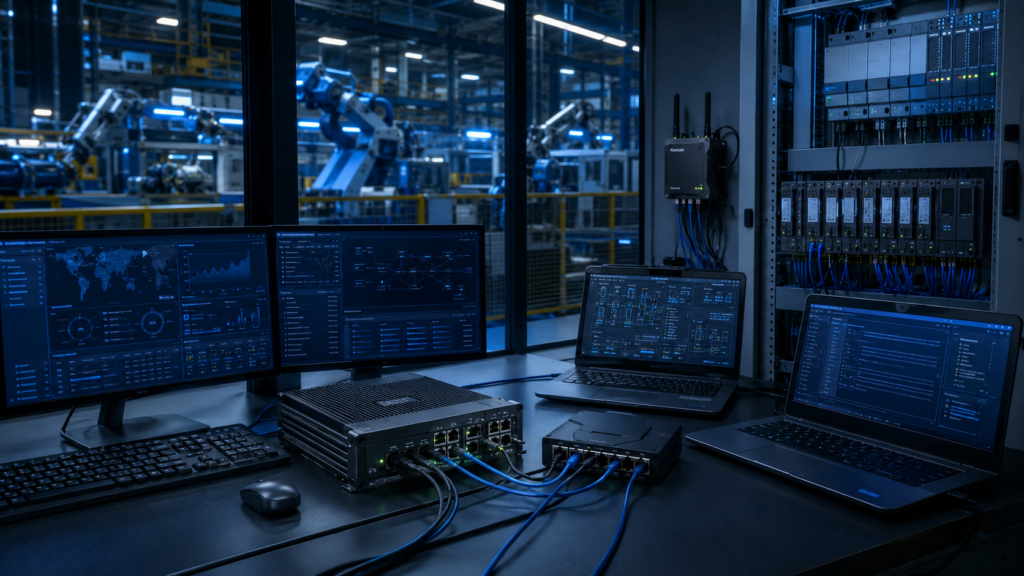
IDS computing platforms help monitor factory IT, ОТ, ПЛК, СКАДА, и машинные сети.
Обзор отрасли
Industrial Networks Need Better Security Visibility
Industrial networks are no longer isolated.
Production systems often exchange data with MES, СКАДА, ERP-система, облачные платформы, инструменты удаленного обслуживания, промышленные шлюзы Интернета вещей, и многосайтовые сети.
This makes security visibility more important.
Industrial operators need to know what is happening across:
- ПЛК-сети
- SCADA-сети
- Машинные сети
- Промышленные системы Интернета вещей
- Сети камер
- Remote service connections
- Инженерные рабочие станции
- Системы энергомониторинга
- Системы автоматизации склада
- Транспортная инфраструктура
- Удаленные коммунальные объекты
A practical IDS appliance helps monitor network behavior and identify suspicious communication patterns.
IDS Appliances Support Detection Without Immediate Blocking
An intrusion detection system is usually deployed to observe traffic and generate alerts.
This is especially useful in industrial environments because production communication must remain stable. Blocking the wrong traffic can stop machines, disrupt SCADA polling, or interfere with remote monitoring.
An IDS appliance can detect:
- Unusual network scans
- Unauthorized connection attempts
- Abnormal protocol behavior
- Suspicious remote access activity
- Unexpected device communication
- Malware-like traffic patterns
- Нарушения правил
- Unknown devices on the network
- Excessive traffic from specific endpoints
- Changes in baseline communication
The goal is to improve awareness before making network changes that could affect production.
Industrial Hardware Is Important for IDS Deployment
IDS systems are often deployed near network boundaries, шкафы управления, производственные клетки, удаленные объекты, или инфраструктурные объекты.
Эти места могут включать вибрацию., пыль, ограниченный поток воздуха, изменение температуры, электрический шум, и непрерывный график работы.
Industrial computers and embedded computers provide a suitable foundation for this type of deployment.
Они поддерживают сети с несколькими локальными сетями., локальное хранилище, прочная механическая конструкция, промышленный монтаж, варианты безвентиляторной работы, and stable long-term availability.

Mirrored traffic, network TAPs, high traffic volume, ПЛК-сети, and IIoT gateways affect IDS deployment planning.
Ключевые проблемы
Monitoring Without Interrupting Production
Industrial networks often carry critical traffic.
Связь с ПЛК, SCADA polling, Доступ к ЧМИ, robot controller traffic, машинные данные, and alarm communication may be sensitive to disruption.
An IDS appliance is often deployed passively through network mirroring, SPAN ports, or network TAPs.
This helps monitor traffic without becoming an inline point of failure.
Однако, passive deployment still requires careful planning.
System designers must understand:
- Which network segments should be monitored
- How mirrored traffic will be delivered
- Whether packet loss may affect visibility
- How much traffic the IDS must inspect
- Where alerts should be sent
- How logs should be retained
- How monitoring will scale across sites
High Network Traffic Volume
Industrial sites may generate large amounts of network traffic.
Camera systems, IIoT-шлюзы, SCADA polling, historian uploads, remote service connections, and multi-site data transfer can all increase traffic volume.
An IDS appliance must process this traffic reliably.
К важным факторам рабочей нагрузки относятся:
- Number of monitored network segments
- Скорость порта
- Mirrored traffic volume
- Packet inspection workload
- Detection rule complexity
- Объем журнала
- Alert frequency
- Рабочая нагрузка локального хранилища
- Dashboard integration
- Длительная операция
If the hardware is underpowered, detection performance may become unstable.
Understanding Industrial Protocols
Industrial networks may use protocols and traffic patterns that differ from office networks.
The IDS platform may need to observe communication related to PLCs, СКАДА-системы, промышленные шлюзы, HMI, датчики, метры, роботы, и устройства автоматизации.
A useful IDS deployment should distinguish normal industrial communication from suspicious behavior.
This requires correct configuration, baseline monitoring, rule tuning, and cooperation between IT security teams and OT engineers.
Managing Alerts and False Positives
An IDS appliance can generate many alerts if it is not tuned properly.
Too many false positives can cause operators to ignore warnings. Too few alerts may miss important events.
A practical deployment should define:
- Critical alert types
- Baseline traffic behavior
- Allowed communication patterns
- Trusted devices
- Окна обслуживания
- Remote service policies
- Logging priority
- Review workflow
- Escalation process
The hardware platform should support stable logging, локальные информационные панели, and integration with monitoring systems.
Long-Term Reliability in Industrial Sites
IDS appliances may run continuously for years.
They may be installed inside security cabinets, диспетчерские, производственные площади, энергетические объекты, транспортировочные шкафы, или удаленные объекты.
If the IDS platform fails, security visibility may be lost.
Industrial hardware helps reduce this risk through rugged design, надежное хранение, безвентиляторные варианты, industrial power support, и планирование длительного жизненного цикла.

IDS appliances connect mirrored network traffic, промышленные системы, базы данных событий, и платформы мониторинга безопасности.
IDS Appliance Solution Architecture
Уровень промышленной сети
The industrial network layer includes the systems being monitored.
Этот слой может включать в себя:
- ПЛК
- HMI
- СКАДА-серверы
- Промышленные ПК
- Встроенные контроллеры
- Контроллеры станков
- Роботы
- Камеры
- Датчики
- Счетчики энергии
- IIoT-шлюзы
- Инженерные рабочие станции
These systems may be divided into multiple network zones.
The IDS appliance observes traffic across selected zones to detect suspicious behavior.
Traffic Collection Layer
The traffic collection layer provides the IDS appliance with network visibility.
Common methods include:
- Switch SPAN ports
- Network TAPs
- Mirrored traffic
- Dedicated monitoring ports
- Segmented network monitoring
- Aggregated traffic feeds
This layer should be designed carefully.
Poor traffic collection can create blind spots, packet loss, or incomplete detection.
IDS Computing Layer
The IDS computing layer is where the industrial computer or embedded computer processes monitored traffic.
На этом слое, система может:
- Receive mirrored network traffic
- Inspect packets
- Analyze protocol behavior
- Detect suspicious patterns
- Compare traffic against rules
- Хранить журналы
- Генерировать оповещения
- Отображение локальных информационных панелей
- Отправлять события на платформы безопасности
- Мониторинг состояния системы
This layer provides the computing foundation for intrusion detection.
Detection and Analytics Layer
The detection and analytics layer contains the software logic used to identify potential threats.
В зависимости от развертывания, оно может включать в себя:
- Signature-based detection
- Обнаружение аномалий
- Protocol analysis
- Baseline comparison
- Device behavior monitoring
- Rule-based alerting
- Traffic pattern analysis
- Security event correlation
- Industrial protocol visibility
Промышленный компьютер должен поддерживать требуемую операционную систему., IDS software, хранилище, network drivers, and monitoring tools.
Уровень мониторинга безопасности
The monitoring layer connects IDS results with operators and security teams.
The IDS appliance may send alerts to:
- Локальные информационные панели безопасности
- SIEM-платформа
- СОК-системы
- Industrial network monitoring tools
- Панели безопасности SCADA
- Платформы облачного мониторинга
- Рабочие места технического обслуживания
- Центральные системы управления
This helps convert network detection data into actionable security visibility.
Ключевые особенности
Multi-LAN Monitoring Capability
Multiple LAN ports are important for IDS appliances.
They allow the platform to monitor different network zones or receive mirrored traffic from multiple switches.
Полезные конфигурации могут включать в себя:
- Monitoring port for PLC network
- Monitoring port for machine network
- Monitoring port for camera network
- Monitoring port for industrial IoT network
- Management port
- Alert uplink port
- Заводское ИТ-подключение
- Local service port
Multi-LAN design improves visibility and deployment flexibility.
Packet Processing Performance
IDS workloads can be demanding.
The hardware must inspect network traffic without dropping important data.
При выборе следует учитывать:
- Производительность процессора
- Объем памяти
- Количество портов локальной сети
- Скорость порта
- Объем трафика
- Detection rule complexity
- Скорость создания журнала
- Скорость хранения
- Поддержка операционной системы
- Долгосрочная стабильность
For larger sites, the IDS platform should be validated using realistic traffic volume and detection rules.
Надежное локальное хранилище
IDS appliances may generate large amounts of logs and security records.
Local storage may be used for:
- Packet captures
- Alert logs
- Записи событий
- Системные журналы
- Baseline data
- Резервные копии конфигурации
- Detection rules
- Диагностические данные
- Security investigation files
Обычно предпочтение отдается твердотельным накопителям или хранилищам NVMe, поскольку они обеспечивают быстрый доступ и лучшую ударопрочность, чем механические накопители..
При проектировании хранилища следует учитывать срок хранения., писать выносливость, рабочий процесс резервного копирования, and log export requirements.
Passive Monitoring Support
Many industrial IDS appliances are deployed passively.
This reduces the risk of interrupting production communication.
Hardware design should support dedicated monitoring ports and management separation.
A practical IDS deployment may use one set of ports for traffic monitoring and another port for management, alert upload, or dashboard access.
This helps maintain clear separation between observed traffic and administrative communication.
Прочная и безвентиляторная конструкция
Fanless industrial computers are useful for IDS deployment in dusty cabinets, производственные площади, и удаленные объекты.
Они уменьшают попадание пыли и устраняют одну распространенную точку механического отказа..
Прочные корпуса защищают от вибрации, напряжение кабеля, mounting impact, и длительная промышленная эксплуатация.
Thermal design should still be reviewed carefully because continuous traffic inspection can create sustained processing load.
Гибкий промышленный ввод-вывод
Although IDS appliances mainly focus on networking, industrial I/O can still be valuable.
Полезные опции могут включать в себя:
- локальная сеть
- USB
- RS232
- RS485
- GPIO
- Цифровой вход
- Цифровой выход
- HDMI
- ДисплейПорт
- М.2
- PCIe
- SATA или NVMe
GPIO может поддерживать выход тревоги. USB and display ports can support local maintenance. PCIe or M.2 expansion can support additional network cards or storage.
Длительный жизненный цикл и ремонтопригодность
Industrial security systems may remain in service for many years.
Частые изменения оборудования могут создать проблемы с совместимостью программного обеспечения., проблемы с проверкой драйверов, проблемы с запчастями, и сложность обслуживания.
Industrial computing platforms with lifecycle planning help system integrators and operators maintain consistent IDS deployments across multiple sites and equipment generations.
Сценарии развертывания
Factory Network Intrusion Detection
A factory can deploy an IDS appliance to monitor traffic between IT and OT networks.
The appliance can observe communication between enterprise systems, производственные сети, СКАДА-серверы, и промышленные шлюзы.
This helps detect suspicious access attempts or unexpected traffic patterns.
PLC Network Monitoring
PLC networks are critical to production.
An IDS appliance can monitor PLC communication passively and alert security teams when abnormal device behavior, unauthorized access, or unexpected communication appears.
This supports better visibility without directly interfering with PLC operation.
SCADA Security Monitoring
Системы SCADA часто соединяют диспетчерские, удаленные устройства, операторы, and field equipment.
An IDS computing platform can monitor SCADA network traffic and send alerts to security dashboards.
Это полезно для энергии, вода, транспорт, and facility infrastructure systems.
Industrial IoT Security Monitoring
Промышленные системы Интернета вещей соединяют машины, датчики, шлюзы, и облачные платформы.
An IDS appliance can monitor communication between IIoT gateways and external systems.
This helps detect unusual data flow, unauthorized connections, or abnormal gateway behavior.
Remote Maintenance Visibility
Remote maintenance connections are useful but need oversight.
An IDS appliance can monitor traffic related to remote access, VPN connections, инженерные рабочие станции, and machine service sessions.
This improves visibility into who is connecting and how the network is being used.
Мониторинг склада и логистики
Warehouses may use barcode systems, конвейеры, промышленные компьютеры, камеры, WMS-платформы, and sorting systems.
An IDS platform can monitor network traffic across automation systems and detect unusual communication patterns.
This supports more secure logistics infrastructure.
Безопасность транспортной инфраструктуры
Transportation environments may include roadside equipment, станционные системы, парковочные платформы, регулировщики, и центры мониторинга.
An industrial IDS appliance can monitor distributed infrastructure networks and provide security visibility for remote sites.
OEM IDS Appliance Development
System integrators and cybersecurity solution providers can build IDS appliances using industrial computers or embedded boards.
The hardware platform can support multi-LAN monitoring, локальное хранилище, инспекция дорожного движения, информационные панели, alert forwarding, и надежное развертывание в стиле устройства.
Преимущества для бизнеса
Improved Network Security Visibility
An IDS appliance helps industrial operators understand what is happening on the network.
It can detect suspicious traffic, abnormal device behavior, unexpected connections, и нарушения политики.
This visibility is important for factories, удаленные объекты, коммунальные услуги, склады, и транспортные системы.
Lower Risk of Production Disruption
Because IDS appliances can be deployed passively, they can monitor traffic without directly blocking production communication.
This is useful for industrial environments where availability is critical.
Operators can review alerts and investigate issues before deciding whether to change firewall or access policies.
Stronger OT Monitoring
Industrial networks often contain devices that are difficult to monitor with standard IT tools.
An IDS computing platform can observe OT traffic, машинная связь, PLC activity, СКАДА-подключения, and industrial gateway behavior.
This helps security teams understand industrial network conditions more clearly.
Better Incident Investigation
IDS logs and alerts support security investigation.
Records can help teams understand when suspicious activity occurred, which devices were involved, and what communication patterns appeared.
Reliable local storage improves traceability and supports post-event review.
Scalable Security Deployment
A standardized IDS appliance platform makes it easier to deploy network monitoring across multiple machines, производственные линии, заводы, удаленные сайты, and infrastructure facilities.
Согласованное оборудование упрощает образы программного обеспечения, шаблоны конфигурации, планирование запасных частей, обучение техническому обслуживанию, и поддержка жизненного цикла.
Support for Cybersecurity Maturity
Many industrial operators begin cybersecurity improvement with visibility.
An IDS appliance provides a practical first step because it can monitor traffic and generate alerts without major changes to production control systems.
This helps teams build a stronger security baseline over time.
Почему CoreIPC
CoreIPC предоставляет промышленные вычислительные платформы для сетевой безопасности, промышленный Интернет вещей, автоматизация производства, удаленный мониторинг, и встроенная системная интеграция. For IDS appliance applications, CoreIPC специализируется на надежном промышленном компьютерном оборудовании., встроенные компьютерные решения, конфигурации с несколькими локальными сетями, гибкий ввод-вывод, компактная конструкция системы, варианты безвентиляторного развертывания, и поддержка настройки OEM/ODM. CoreIPC помогает системным интеграторам, поставщики решений безопасности, машиностроители, и промышленные операторы выбирают вычислительные платформы, соответствующие реальным требованиям развертывания, включая количество портов LAN, traffic monitoring workload, потребности в хранении, способы крепления, потребляемая мощность, термические условия, и планирование жизненного цикла.
Часто задаваемые вопросы
1. What is an IDS appliance?
An IDS appliance is a hardware platform used to run intrusion detection software.
It monitors network traffic, analyzes communication patterns, detects suspicious behavior, and generates alerts. В промышленных условиях, IDS appliances are commonly used to monitor PLC networks, СКАДА-системы, машинные сети, промышленные шлюзы Интернета вещей, and remote access traffic.
2. Why use an industrial computer for an IDS appliance?
Промышленный компьютер обеспечивает надежное оборудование и гибкие возможности подключения для развертывания на заводе и в полевых условиях..
Он может поддерживать несколько портов LAN., безвентиляторный режим, надежное локальное хранилище, промышленный монтаж, стабильная потребляемая мощность, и доступность в течение длительного жизненного цикла. These features make it suitable for IDS deployment in control cabinets, производственные площади, удаленные объекты, и инфраструктурные объекты.
3. How is an embedded computer used as an IDS platform?
An embedded computer can act as a compact IDS appliance inside a control cabinet, корпус машины, удаленный объект, или шлюз безопасности OEM.
It can receive mirrored traffic, inspect packets, хранить журналы, генерировать оповещения, and forward events to monitoring systems.
4. В чем разница между IDS и IPS?
IDS обнаруживает подозрительную активность и генерирует оповещения..
An IPS can actively block or prevent traffic according to security policies. В промышленных условиях, IDS is often used first because passive monitoring reduces the risk of interrupting production communication. IPS deployment usually requires more careful testing.
5. Why are multiple LAN ports important for IDS appliances?
Multiple LAN ports allow the appliance to monitor different network segments.
One port may monitor a PLC network, another may monitor a machine network, another may connect to a management network, and another may send alerts to a monitoring platform. This improves visibility and network organization.
6. Can fanless industrial computers support IDS workloads?
Да. Fanless industrial computers can support many IDS deployments because they reduce dust intake and remove one mechanical failure point.
Однако, IDS traffic inspection can create sustained CPU and storage load. Объем трафика, конструкция корпуса, температура окружающей среды, и поток воздуха в шкафу следует проверить перед развертыванием.
7. What hardware features matter for industrial IDS platforms?
Важные функции включают несколько портов LAN., достаточная производительность процессора, надежная память, SSD или NVMe-хранилище, прочный корпус, безвентиляторный дизайн, промышленная потребляемая мощность, USB, вывод дисплея, и возможности расширения.
Окончательная конфигурация должна соответствовать объему трафика., detection rules, сохранение журнала, рабочая нагрузка хранилища, и среда установки.
8. Can IDS appliances monitor industrial IoT systems?
Да. IDS appliances can monitor communication between IIoT gateways, машины, облачные платформы, и заводские сети.
They can help detect unusual data flow, unauthorized connections, abnormal gateway behavior, or unexpected communication between devices.
9. Does an IDS appliance block attacks automatically?
Обычно, IDS appliances are designed to detect and alert rather than block traffic.
This is useful in industrial environments where accidental blocking can affect production. Some deployments may integrate IDS alerts with firewalls or other security systems, but blocking policies should be tested carefully.
10. What should be tested before deploying an IDS appliance?
Перед развертыванием, система должна быть протестирована с реальной топологией сети, mirrored traffic, объем трафика, detection software, регистрация рабочей нагрузки, поведение хранилища, alert forwarding, и длительная эксплуатация.
Термическая стабильность, packet loss, network visibility, management access, и рабочий процесс обслуживания также должен быть проверен.
Заключение
An IDS appliance is a practical foundation for industrial network intrusion detection, security visibility, passive traffic monitoring, обнаружение аномалий, and cybersecurity investigation.
By placing an industrial computer or embedded computer at key network monitoring points, производители, машиностроители, системные интеграторы, and infrastructure operators can observe PLC networks, СКАДА-системы, машинные сети, industrial IoT traffic, и более эффективное дистанционное обслуживание.
The right IDS computing platform should be selected according to real deployment requirements, включая количество портов LAN, объем трафика, detection workload, monitoring method, потребности в хранении, метод монтажа, потребляемая мощность, термические условия, поддержка операционной системы, политика безопасности, и планирование жизненного цикла.
CoreIPC supports IDS appliance projects with industrial computing platforms designed for practical factory, машинная сторона, и развертывание на местах. С правильной аппаратной основой, промышленные операторы и поставщики решений безопасности могут создавать надежные, масштабируемый, and production-friendly intrusion detection systems.
Связаться с нами
Ищу промышленный компьютер, встроенный компьютер, or multi-LAN platform for IDS appliance deployment?
Свяжитесь с CoreIPC, чтобы обсудить требования вашего проекта, включая количество портов LAN, monitored network zones, объем трафика, дизайн хранилища, метод монтажа, потребляемая мощность, операционная среда, потребности жизненного цикла, и варианты настройки OEM/ODM.