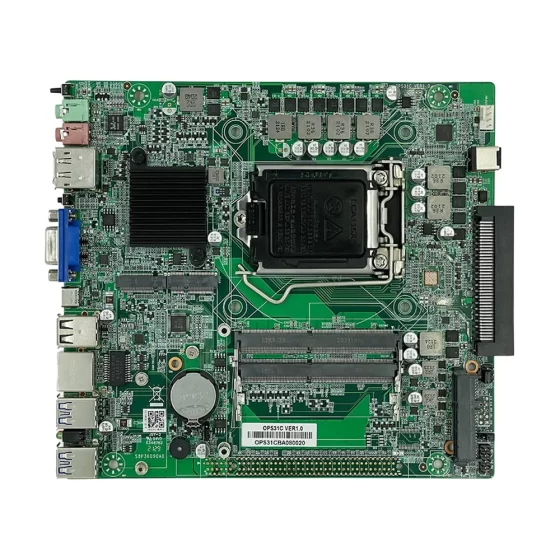
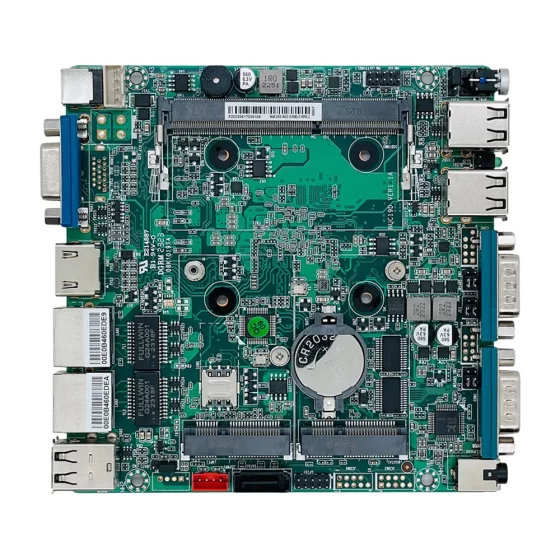
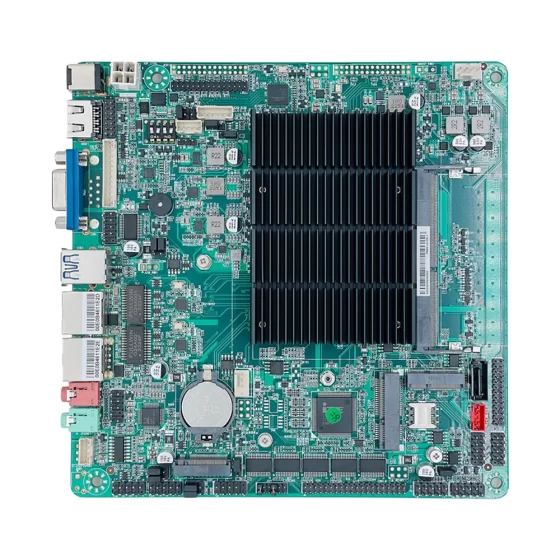
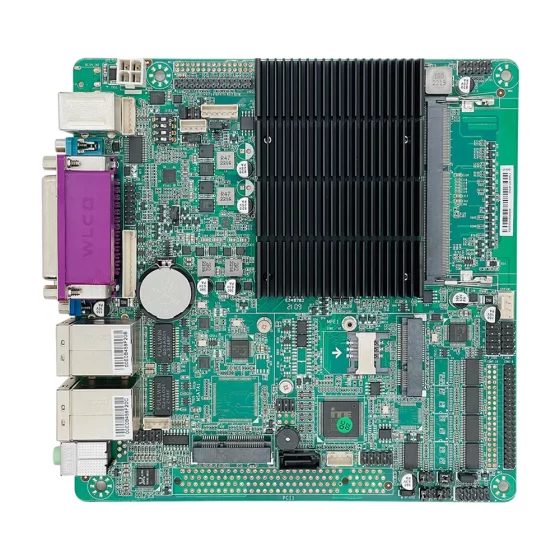
Решения CoreIPC для промышленных вычислений

Безвентиляторный промышленный ПК для приложений HMI: Промышленный ПК HMI для операторских интерфейсов
Управляющее резюме
Промышленный компьютер HMI обеспечивает основу промышленных вычислений для систем операторского интерфейса., машинная визуализация, мониторинг производства, управление тревогами, контроль рецепта, отображение данных, доступ для обслуживания, и заводская системная связь.
Приложения человеко-машинного интерфейса играют важную роль в современной автоматизации.. Операторам необходимо четкое, надежный, и оперативный доступ к состоянию машины, значения процесса, сигналы тревоги, производственные записи, состояние оборудования, и управление системой. Независимо от того, развернуто ли оно на производственной линии, упаковочная машина, станок с ЧПУ, робот, станция технического обслуживания, или промышленный шкаф управления, платформа HMI должна оставаться стабильной во время непрерывной работы.
Безвентиляторный промышленный ПК или встроенный компьютер может запускать программное обеспечение HMI., подключить ПЛК и контроллеры, отображать машинные данные в реальном времени, хранить локальные записи, поддержка удаленной диагностики, и общаться со SCADA, МЧС, промышленные IoT-платформы, или облачные системы мониторинга.
По сравнению со стандартными офисными ПК, безвентиляторные промышленные компьютеры лучше подходят для приложений HMI, поскольку они уменьшают попадание пыли, удалить одну общую точку механического отказа, поддержка надежной установки, обеспечить несколько промышленных интерфейсов, и обеспечивают доступность в течение длительного жизненного цикла.
В этой статье объясняется, как безвентиляторные промышленные ПК-платформы HMI поддерживают промышленные интерфейсы оператора., какие проблемы с развертыванием возникают в реальных средах автоматизации, как работает архитектура решения, и какие аппаратные характеристики имеют значение при выборе промышленного компьютера или встроенного компьютера для приложений HMI.
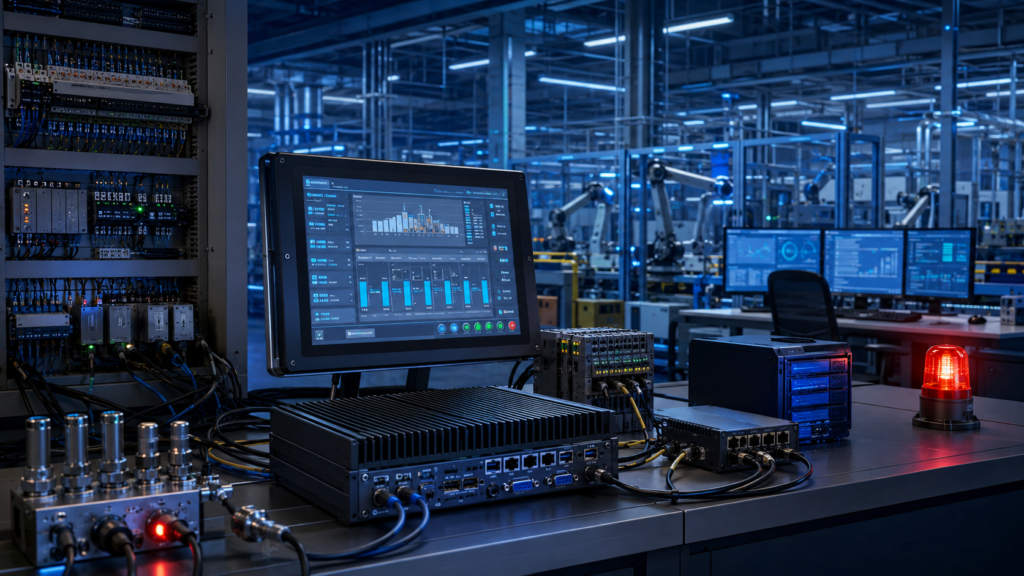
Промышленные ПК HMI отображают состояние машины, сигналы тревоги, рецепты, производственные записи, и данные по техническому обслуживанию для операторов.
Обзор отрасли
Системы HMI играют центральную роль в промышленной эксплуатации
Системы HMI помогают операторам понимать машины и взаимодействовать с ними..
Они отображают информацию о процессе, состояние машины, тревожные сообщения, объемы производства, рецепты, экраны обслуживания, и инструкции по эксплуатации. На многих заводах, HMI — это основной ежедневный интерфейс между людьми и оборудованием..
Общие приложения HMI включают в себя:
- Панели управления машиной
- Информационные панели производственных линий
- Интерфейсы упаковочных машин
- Экраны оператора ЧПУ
- Мониторы рабочих мест роботов
- Станции управления коммунальными предприятиями
- СКАДА-терминалы
- Панели мониторинга процесса
- Терминалы доступа для технического обслуживания
- Панели мониторинга промышленного Интернета вещей
- Дисплеи контроля качества
- Экраны состояния оборудования
Надежный промышленный ПК с ЧМИ помогает операторам быстрее принимать решения и снижает риски при эксплуатации машины..
Безвентиляторная конструкция подходит для промышленных условий
Многие системы HMI установлены рядом с машинами., внутри шкафов, на панелях управления, или в пыльных производственных помещениях.
Компьютеры с вентиляторами могут затягивать пыль в корпус. Вентиляторы также содержат движущиеся части, которые со временем могут выйти из строя..
Безвентиляторный промышленный ПК снижает этот риск..
Безвентиляторная конструкция особенно полезна для:
- Пыльные заводские полы
- Участки упаковки
- Мастерские с ЧПУ
- Шкафы автоматизации
- Складские системы
- Подсобные помещения
- Промышленные терминалы в стиле киоска
- Станции удаленного мониторинга
- Оборудование, не требующее особого обслуживания
В сочетании с прочной конструкцией корпуса и надежным хранением, безвентиляторные IPC обеспечивают стабильную платформу для долго работающих приложений HMI..
HMI становится все более управляемым данными
Традиционные экраны ЧМИ ориентированы главным образом на работу машины..
Современные системы HMI все чаще поддерживают функции обработки данных., включая производственную аналитику, история тревог, записи качества, журналы обслуживания, удаленный доступ, и промышленная интеграция Интернета вещей.
Промышленному ПК с ЧМИ может потребоваться подключение к:
- ПЛК
- Датчики
- Диски
- Контроллеры
- Считыватели штрих-кодов
- Промышленные камеры
- MES-платформы
- СКАДА-системы
- Локальные базы данных
- Облачные панели мониторинга
- Системы технического обслуживания
Это делает компьютер HMI важной частью подключенной производственной архитектуры..

Пыльная среда, сенсорные панели, Проводка ПЛК, последовательные интерфейсы, Зоны Ethernet, и безвентиляторное оборудование влияет на развертывание HMI.
Ключевые проблемы
Обеспечение постоянного доступа оператора
Системы HMI должны оставаться доступными во время работы машины..
Если HMI зависает, перезапускает, или теряет связь, операторы могут потерять доступ к сигналам тревоги, данные о состоянии, рецепты, и экраны управления.
Это может замедлить устранение неполадок и повлиять на производство..
Надежный промышленный ПК HMI должен поддерживать непрерывную работу., стабильная тепловая конструкция, надежное хранение, и надежная связь с контроллерами станков.
Работа в пыльных и подверженных вибрации средах
Компьютеры HMI часто устанавливаются рядом с производственным оборудованием..
Они могут подвергаться воздействию пыли, вибрация, нагревать, электрический шум, и напряжение кабеля.
Безвентиляторные промышленные компьютеры помогают снизить попадание пыли. Прочные корпуса и надежный монтаж помогают защитить платформу от вибрации и механических воздействий..
Это важно для долгосрочной надежности завода..
Подключение различных промышленных устройств
Платформе HMI может потребоваться подключение множества устройств..
Они могут включать в себя:
- ПЛК-контроллеры
- Сервоприводы
- Датчики
- Считыватели штрих-кодов
- Промышленные камеры
- Модули ввода-вывода
- Контроллеры роботов
- Испытательное оборудование
- Локальные базы данных
- Промышленные выключатели
- MES или SCADA-системы
Разным системам может потребоваться Ethernet., USB, RS232, RS485, GPIO, или цифровой ввод/вывод.
Гибкие возможности подключения уменьшают сложность интеграции и упрощают развертывание платформы HMI на разных машинах..
Поддержка адаптивной визуализации
Операторам необходим быстрый и четкий ответ на экране.
Промышленный ПК HMI может запускать информационные панели., страницы тревог, графики трендов, экраны рецептов, страницы обслуживания, и производственные записи.
Платформа должна обеспечивать достаточно процессора, память, графические возможности, скорость хранения, и отображение поддержки выбранного программного обеспечения HMI.
Медленная реакция ЧМИ может повлиять на уверенность оператора и удобство использования машины..
Сохранение локальных данных
Многие системы HMI хранят важные записи локально..
Они могут включать в себя:
- История тревог
- Производство имеет значение
- Файлы рецептов
- Действия оператора
- Журналы обслуживания
- Рекорды качества
- Журналы состояния машины
- Резервные копии конфигурации
- Загрузить буферы
- Диагностические файлы
Локальное хранилище помогает сохранять записи во время сбоев в сети.
Надежное хранилище SSD или NVMe повышает скорость реагирования системы и защиту данных..
Поддержка удаленного обслуживания
Производителям машин и группам технического обслуживания часто требуется удаленный доступ к системам HMI..
Возможно, им потребуется просмотреть журналы., проверить сигналы тревоги, обновить конфигурацию, устранить неполадки связи с ПЛК, или проверьте состояние системы.
Удаленный доступ должен быть безопасным и контролируемым..
Промышленный ПК HMI должен поддерживать сегментацию сети., права доступа, регистрация, и рабочие процессы резервного копирования для защиты производственных систем.

Промышленные ПК HMI соединяют ПЛК, датчики, контролеры, сенсорные экраны, СКАДА, МЧС, базы данных, облачные системы, и инструменты удаленного обслуживания.
Архитектура решения промышленного ПК HMI
Уровень машины и устройства
Уровень машин и устройств включает оборудование, подключенное к системе HMI..
Этот слой может включать в себя:
- ПЛК
- Датчики
- Сервоприводы
- Контроллеры двигателей
- Контроллеры роботов
- Модули ввода-вывода
- Считыватели штрих-кодов
- Промышленные камеры
- Испытательное оборудование
- Устройства безопасности
- Метры
- Производственные машины
Эти устройства генерируют данные, которые операторы должны просматривать и управлять ими..
Уровень промышленного ПК HMI
Уровень промышленного ПК HMI представляет собой локальную платформу визуализации и вычислений..
На этом слое, безвентиляторный промышленный компьютер или встроенный компьютер может:
- Запустите программное обеспечение HMI
- Отображение состояния машины
- Показать информацию о тревоге
- Управление рецептами
- Хранить локальные записи
- Подключите ПЛК и контроллеры
- Поддержка ввода оператора
- Обеспечьте экраны обслуживания
- Данные о производстве буфера
- Пересылать информацию в заводские системы
Этот уровень обеспечивает интерфейс для оператора промышленного оборудования..
Уровень связи управления
Уровень связи соединяет компьютер HMI с устройствами автоматизации..
Он может включать в себя:
- Ethernet
- USB
- RS232
- RS485
- Цифровой ввод/вывод
- GPIO
- Промышленный Ethernet
- Связь с ПЛК
- Промышленные выключатели
- Местные сервисные порты
Конструкция связи зависит от архитектуры машины., требования к программному обеспечению, и структура заводской сети.
Уровень заводской интеграции
Промышленный ПК HMI может подключаться к системам более высокого уровня..
Они могут включать в себя:
- СКАДА
- МЧС
- ERP-система
- Качественные базы данных
- Промышленные IoT-платформы
- Локальные информационные панели
- Системы технического обслуживания
- Системы облачного мониторинга
- Платформы отслеживания
Это помогает данным HMI стать частью более широкой среды данных интеллектуального предприятия..
Уровень безопасности и управления
Уровень безопасности и управления поддерживает долгосрочную работу..
Он может включать в себя:
- Разрешения пользователя
- Сегментация сети
- Безопасный удаленный доступ
- Локальное ведение журнала
- Резервное копирование конфигурации
- Мониторинг хранилища
- Мониторинг состояния системы
- Удаленная диагностика
- Управление обновлениями программного обеспечения
Это помогает защитить работу машины и упростить техническое обслуживание..
Ключевые особенности
Безвентиляторный промышленный дизайн
Безвентиляторная конструкция является основным преимуществом для приложений HMI..
Это уменьшает попадание пыли и устраняет одну распространенную точку механического отказа..
Это полезно для непрерывной работы на заводах., машинные помещения, упаковочные линии, Мастерские с ЧПУ, складские системы, и шкафы управления.
Безвентиляторную работу все равно следует проверять в соответствии с реальной рабочей нагрузкой., температура окружающей среды, конструкция корпуса, и способ крепления.
Надежная поддержка дисплея
Системы HMI зависят от стабильного вывода изображения.
Промышленному ПК может потребоваться поддержка локальных мониторов., сенсорные экраны, панельные дисплеи, или внешние экраны оператора.
Полезные параметры отображения могут включать в себя:
- HDMI
- ДисплейПорт
- VGA в устаревших системах
- Поддержка интерфейса сенсорного экрана
- Возможность работы с несколькими дисплеями
- Вывод локальной информационной панели
Стабильность дисплея важна, поскольку HMI часто является основным интерфейсом оператора..
Возможность подключения нескольких устройств
Промышленный ПК с ЧМИ должен обеспечивать практический ввод-вывод для интеграции оборудования..
Полезные интерфейсы могут включать в себя:
- локальная сеть
- USB
- RS232
- RS485
- GPIO
- Цифровой вход
- Цифровой выход
- HDMI
- ДисплейПорт
- М.2
- PCIe
- SATA или NVMe хранилище
Эти интерфейсы поддерживают ПЛК., считыватели штрих-кодов, датчики, сервисные инструменты, дисплеи, контролеры, и заводские сетевые подключения.
Проектирование сети с несколькими локальными сетями
Несколько портов LAN помогают разделить пути связи.
Система HMI может использовать отдельные сети для:
- Связь с ПЛК
- Машинная сеть
- Заводская ИТ-сеть
- SCADA-подключение
- МЧС-соединение
- Удаленное обслуживание
- Местное управление
- Промышленная IoT-платформа
Разделение сетей улучшает организацию трафика и может снизить риск того, что некритический трафик повлияет на машинную связь..
Локальное хранилище и регистрация данных
Локальное хранилище поддерживает программное обеспечение HMI., рецепты, журналы, сигналы тревоги, записи оператора, резервные копии конфигурации, и диагностические файлы.
Обычно предпочтение отдается твердотельным накопителям или хранилищам NVMe, поскольку они обеспечивают быстрый доступ и лучшую ударопрочность, чем механические накопители..
При планировании хранения следует учитывать:
- Размер файла рецепта
- История тревог
- Размер локальной базы данных
- Рабочий процесс резервного копирования
- Напишите выносливость
- Процесс восстановления
- Поведение при прерывании сети
Надежное хранение повышает отслеживаемость и удобство обслуживания системы..
Прочный корпус и монтаж
Промышленные ПК HMI могут быть установлены в шкафах., за панелями, на рамах машин, или внутри компактных корпусов.
Компьютер должен поддерживать надежную установку и стабильное кабельное соединение..
Прочная конструкция корпуса помогает защитить систему от вибрации., напряжение кабеля, и непрерывная производственная деятельность.
Машиностроителям также следует учитывать циркуляцию воздуха в шкафу., теплопроводность, зазор для установки, и доступ к сервису.
Совместимость программного обеспечения ЧМИ
Аппаратная платформа должна соответствовать выбранной программной среде HMI..
Важные соображения включают в себя:
- Поддержка операционной системы
- Производительность процессора
- Объем памяти
- Требования к графике
- Поддержка драйверов сенсорного экрана
- Драйверы связи ПЛК
- Требования к базе данных
- Инструменты удаленного доступа
- Долгосрочная поддержка образов программного обеспечения
Окончательная конфигурация должна быть проверена с помощью реального приложения HMI..
Доступность в течение длительного жизненного цикла
Системы HMI часто остаются в эксплуатации в течение многих лет..
Согласованное оборудование помогает поддерживать образы программного обеспечения, водители, совместимость с сенсорным экраном, Настройки связи ПЛК, запчасти, и процедуры обслуживания.
Доступность в течение длительного жизненного цикла важна для машиностроителей., системные интеграторы, и производители, развертывающие аналогичные системы HMI на многих машинах.
Сценарии развертывания
Панель управления машиной
Безвентиляторный промышленный ПК HMI может быть установлен в качестве интерфейса оператора производственного оборудования..
Он может отображать состояние машины, тревожные сообщения, рецепты, данные цикла, и информация по техническому обслуживанию.
Это упрощает эксплуатацию машины и устранение неполадок..
Станция HMI производственной линии
Производственным линиям часто требуются информационные панели на уровне линии..
Промышленный компьютер может отображать состояние машины, объемы производства, данные о качестве, события простоя, и записи тревог.
Он может подключать несколько устройств и отправлять данные в системы MES или SCADA..
Упаковочная машина HMI
Упаковочное оборудование требует контроля рецептуры, отображение скорости линии, статус проверки этикетки, записи штрих-кода, и просмотр сигналов тревоги.
Безвентиляторный встроенный компьютер может запускать ЧМИ и собирать производственные данные с ПЛК., камеры, считыватели штрих-кодов, и чеквейеры.
Это поддерживает интеллектуальную автоматизацию упаковки..
Интерфейс оператора станка с ЧПУ
Станки с ЧПУ требуют программного управления, координатное отображение, данные инструмента, состояние шпинделя, сигналы тревоги, и экраны обслуживания.
Промышленный ПК с ЧМИ может обеспечить стабильную визуализацию и подключить машину к заводским системам..
Это повышает удобство использования и обзорность машины..
Интерфейс рабочей станции робота
Ячейкам роботов могут потребоваться локальные информационные панели для отслеживания статуса роботов., информация об инструменте, результаты проверки, статус зоны безопасности, и производственные записи.
Встроенный компьютер может поддерживать HMI и подключать контроллеры роботов., ПЛК, камеры, и заводское ПО.
Это поддерживает подключенную роботизированную автоматизацию..
Панель мониторинга коммунальных услуг и энергетики
Коммунальным системам могут потребоваться локальные экраны HMI для насосов., метры, энергетические системы, датчики окружающей среды, или удаленная инфраструктура.
Безвентиляторный промышленный ПК может отображать данные о состоянии, хранить записи, и подключиться к SCADA или облачным системам мониторинга.
Это поддерживает работу на местах и объектах..
Промышленный терминал IoT Dashboard
Заводы могут развертывать локальные терминалы для отображения информационных панелей промышленного Интернета вещей..
Промышленный ПК HMI может отображать состояние оборудования, тенденции производства, энергетические данные, сигналы тревоги, и статус удаленного сайта.
Это помогает операторам принимать решения на основе данных рядом с оборудованием..
Платформа контроллера OEM HMI
Производители машин могут интегрировать безвентиляторные промышленные компьютеры или встроенные платы в специальные системы контроллеров HMI..
Платформа может поддерживать программное обеспечение HMI., связь с устройством, регистрация данных, удаленная диагностика, и индивидуальный ввод-вывод.
Это помогает создавать повторяемые машинные изделия..
Преимущества для бизнеса
Улучшенный обзор оператора
Промышленный ПК с ЧМИ предоставляет операторам четкий доступ к состоянию машины., сигналы тревоги, тенденции, рецепты, и производственные данные.
Это повышает осведомленность и помогает операторам быстрее реагировать на проблемы..
Лучшая видимость обеспечивает более безопасную и эффективную работу машины..
Снижение риска технического обслуживания
Безвентиляторная конструкция уменьшает попадание пыли и удаляет движущуюся часть из системы..
В сочетании с прочной конструкцией и надежным хранением, это помогает снизить риск технического обслуживания в промышленных условиях.
Это обеспечивает долгосрочную надежность HMI..
Улучшение отслеживания производства
Платформа HMI может собирать и хранить производственные записи., журналы тревог, действия оператора, изменения рецепта, и качественные данные.
Эти записи могут быть отправлены в МЧС., СКАДА, или промышленные системы Интернета вещей.
Это улучшает отслеживаемость и отчетность..
Более быстрое устранение неполадок
Локальные журналы, история тревог, удаленная диагностика, и экраны состояния машины помогают специалистам по техническому обслуживанию быстрее выявлять проблемы.
Надежный промышленный ПК с ЧМИ может обеспечить структурированное устранение неполадок и сократить время простоев..
Упрощенная интеграция с оборудованием
Безвентиляторный промышленный ПК может подключаться к ПЛК, датчики, контролеры, HMI, считыватели штрих-кодов, камеры, и заводское ПО.
Это помогает машиностроителям создавать интегрированные системы автоматизации с меньшим количеством внешних устройств..
Гибкий ввод-вывод поддерживает различные требования проекта.
Масштабируемое развертывание HMI
Стандартизированная платформа промышленного ПК HMI может быть развернута на многих машинах., линии, и сайты клиентов.
Согласованное оборудование упрощает образы программного обеспечения, проверка драйвера, планирование запасных частей, обучение операторов, и управление жизненным циклом.
Это поддерживает масштабируемое развертывание автоматизации..
Почему CoreIPC
CoreIPC предоставляет промышленные вычислительные платформы для приложений HMI., промышленная автоматизация, машинное зрение, промышленный Интернет вещей, робототехника, и встроенная системная интеграция. Для приложений промышленного ПК HMI, CoreIPC специализируется на надежном промышленном компьютерном оборудовании., встроенные компьютерные решения, безвентиляторная конструкция системы, гибкий ввод-вывод, конфигурации с несколькими локальными сетями, компактные форм-факторы, возможность локального хранения, и поддержка настройки OEM/ODM. CoreIPC помогает машиностроителям, системные интеграторы, и производители выбирают вычислительные платформы, соответствующие реальным требованиям развертывания, включая поддержку дисплея, Связь с ПЛК, интерфейсы устройств, потребности в хранении, способы крепления, потребляемая мощность, термические условия, и планирование жизненного цикла.
Часто задаваемые вопросы
1. Что такое промышленный ПК HMI?
Промышленный ПК HMI — это промышленная вычислительная платформа, используемая для запуска программного обеспечения человеко-машинного интерфейса..
Он отображает состояние машины, сигналы тревоги, производственные данные, рецепты, экраны обслуживания, и элементы управления оператора. Он также может собирать данные с ПЛК., датчики, контролеры, и заводские системы.
2. Зачем использовать безвентиляторный промышленный ПК для приложений HMI?
Безвентиляторный промышленный ПК снижает попадание пыли и устраняет одну распространенную точку механического отказа..
Это делает его пригодным для заводов., машинные шкафы, упаковочные линии, Мастерские с ЧПУ, склады, и промышленные панели управления, где важны непрерывная работа и низкие эксплуатационные расходы..
3. Как встроенный компьютер используется в системах HMI?
Встроенный компьютер можно установить внутри шкафа., за панелью, или возле машины.
Он может запускать программное обеспечение HMI, подключить ПЛК и контроллеры, отображение данных машины, хранить журналы, управлять рецептами, и отправить информацию в SCADA, МЧС, или промышленные IoT-платформы.
4. Какие устройства можно подключить к промышленному ПК HMI?
Промышленный ПК HMI может подключаться к ПЛК., датчики, сервоприводы, считыватели штрих-кодов, промышленные камеры, контроллеры роботов, Модули ввода-вывода, метры, HMI, локальные дисплеи, СКАДА-системы, и MES-платформы.
Точная поддержка зависит от интерфейсов, драйверы программного обеспечения, и требования к проекту.
5. Почему несколько портов LAN полезны для систем HMI?
Несколько портов LAN помогают разделить связь с ПЛК., машинные сети, заводские ИТ, СКАДА, МЧС, удаленное обслуживание, и промышленный IoT-трафик.
Это улучшает организацию трафика и помогает уменьшить ненужное воздействие между сетями..
6. Могут ли промышленные ПК HMI хранить производственные данные??
Да. Промышленный ПК с ЧМИ может хранить журналы тревог., файлы рецептов, производственные записи, действия оператора, данные о качестве, резервные копии конфигурации, и диагностические файлы.
SSD-накопитель или хранилище NVMe обычно предпочтительнее для быстрого доступа и лучшей ударопрочности..
7. Может ли промышленный ПК HMI подключаться к SCADA или MES??
Да. Промышленные ПК HMI могут обмениваться данными со SCADA, МЧС, промышленные IoT-платформы, локальные информационные панели, и облачные системы мониторинга.
Это помогает связать информацию на уровне машины с системами управления на уровне завода..
8. Какие аппаратные функции важны для промышленных ПК HMI?
Важными особенностями являются безвентиляторный дизайн., надежная производительность процессора, достаточная память, несколько портов локальной сети, USB, RS232, RS485, GPIO, цифровой ввод/вывод, HDMI, ДисплейПорт, SSD или NVMe-хранилище, прочный корпус, промышленная потребляемая мощность, и варианты крепления.
Окончательная конфигурация должна соответствовать программному обеспечению HMI и среде установки..
9. Могут ли безвентиляторные промышленные ПК поддерживать сенсорные экраны?
Да. Безвентиляторные промышленные ПК могут поддерживать системы HMI с сенсорным экраном при правильном выводе на дисплей., USB-сенсорный интерфейс, водители, и операционная система выбраны.
Совместимость сенсорного экрана должна быть проверена с фактической панелью и программным обеспечением HMI..
10. Что следует протестировать перед развертыванием?
Перед развертыванием, платформу следует протестировать с реальным программным обеспечением HMI., Драйверы связи ПЛК, сенсорный экран, разрешение дисплея, топология сети, поведение локального хранилища, рабочий процесс удаленного доступа, и длительная эксплуатация.
Термическая стабильность, восстановление связи, процедуры резервного копирования, и интеграция со SCADA или MES также должна быть проверена..
Заключение
Промышленный компьютер HMI — это практическая основа для визуализации машин., взаимодействие с оператором, управление тревогами, контроль рецепта, мониторинг производства, регистрация данных, удаленная диагностика, и умное подключение к заводу.
Разместив безвентиляторный промышленный компьютер или встроенный компьютер внутри машинного шкафа., за панелью оператора, или возле производственной линии, машиностроители и производители могут подключать ПЛК, датчики, контролеры, дисплеи, считыватели штрих-кодов, камеры, СКАДА-системы, MES-платформы, и панели мониторинга промышленного Интернета вещей через надежные и контролируемые каналы связи..
Правильный промышленный ПК HMI должен выбираться в соответствии с реальными требованиями к развертыванию., включая поддержку дисплея, совместимость с сенсорным экраном, Связь с ПЛК, интерфейсы устройств, Дизайн порта LAN, конфигурация хранилища, метод монтажа, потребляемая мощность, термические условия, поддержка операционной системы, Требования к программному обеспечению HMI, и планирование жизненного цикла.
CoreIPC поддерживает проекты безвентиляторных промышленных ПК для приложений HMI с промышленными вычислительными платформами, предназначенными для практического применения на стороне оборудования., кабинет, панель, производственная линия, и OEM-развертывание. С правильной аппаратной основой, машиностроители и производители могут создавать надежные, масштабируемый, и удобные для оператора системы HMI.
Связаться с нами
Ищу безвентиляторный промышленный компьютер, встроенный компьютер, или компактная платформа IPC для приложений HMI?
Свяжитесь с CoreIPC, чтобы обсудить требования вашего проекта, включая вывод на дисплей, поддержка сенсорного экрана, Связь с ПЛК, интерфейсы устройств, Конфигурация порта локальной сети, дизайн хранилища, метод монтажа, потребляемая мощность, операционная среда, потребности жизненного цикла, и варианты настройки OEM/ODM.