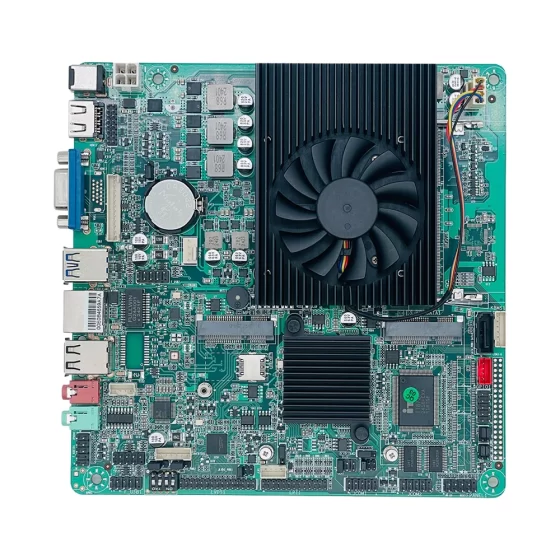
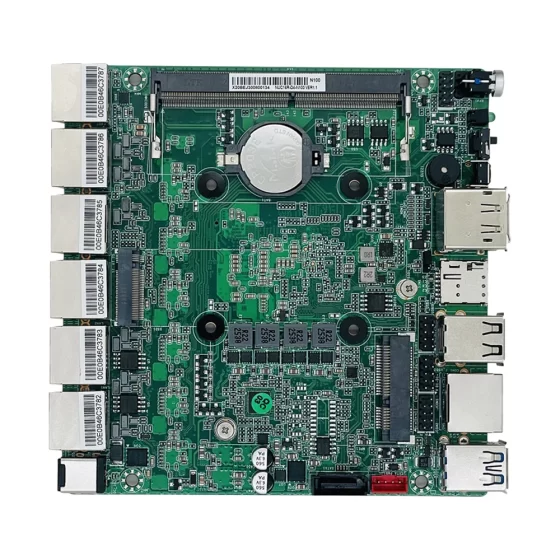
Решения CoreIPC для промышленных вычислений

Платформа интеграции MES для интеллектуального производства: Промышленные вычисления для подключенных предприятий
Управляющее резюме
A MES integration platform is the digital bridge between production equipment, shop-floor operators, manufacturing execution software, and enterprise business systems.
В умных производственных средах, factories need more than isolated machines and manual reporting. They need reliable data flow from PLCs, датчики, сканеры штрих-кода, RFID-считыватели, системы контроля, production terminals, and industrial networks into the MES system.
This is where industrial computer and embedded computer platforms become essential. They provide the local computing layer required to connect machines, collect production data, process information near the equipment, and synchronize manufacturing records with MES software.
A well-designed MES integration platform helps manufacturers improve production visibility, сократить количество отчетов вручную, усилить отслеживаемость, and connect legacy equipment with modern digital systems.
Однако, MES integration is not only a software challenge. It also depends on stable industrial hardware, гибкий ввод-вывод, доступность в течение длительного жизненного цикла, надежная сеть, and practical deployment across real factory environments.
This article explains how industrial computers support MES integration platforms, с какими проблемами сталкиваются производители, how the system architecture works, and which hardware features matter most for smart manufacturing deployment.
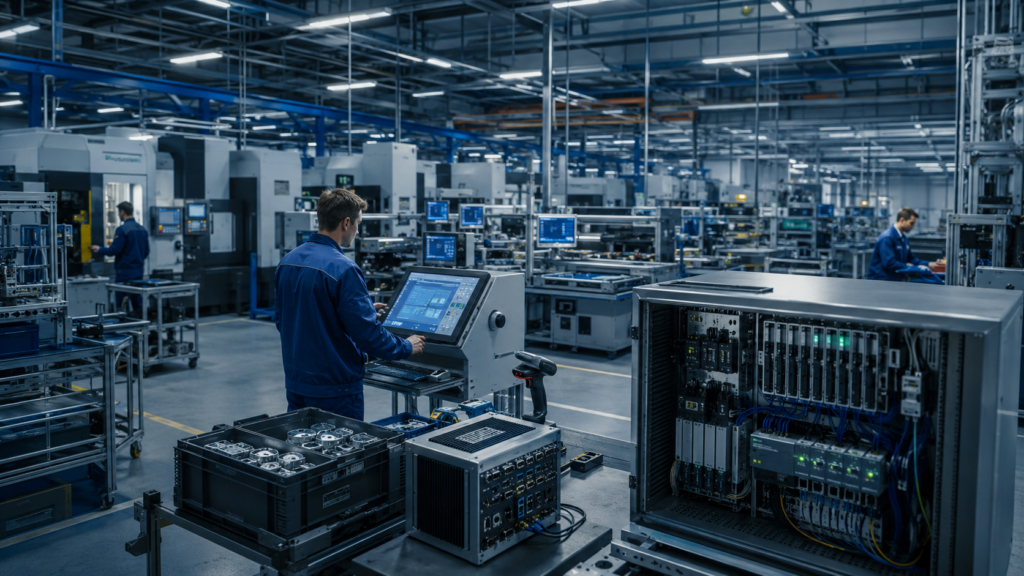
Industrial computers collect shop-floor data from machines, сканеры, ПЛК, и операторские станции.
Обзор отрасли
Smart Manufacturing Requires Connected Production Data
Smart manufacturing depends on accurate and timely production data.
Factories need to know what is happening on each line, машина, рабочая станция, inspection area, and material flow process. Without reliable data collection, MES software cannot provide accurate work order tracking, production status, записи качества, or traceability.
A MES integration platform connects these production activities into one digital workflow.
It collects data from equipment and operators, then transfers that data to MES software, базы данных, информационные панели, и корпоративные системы. This allows manufacturers to move from manual reporting to real-time production visibility.
MES Is Becoming a Shop-Floor Integration System
Traditional MES systems were often treated as production management software.
Сегодня, MES is increasingly connected to factory equipment, системы автоматизации, проверка качества, warehouse operations, and operator terminals. This makes the hardware integration layer more important than before.
Typical MES-connected devices may include:
- ПЛК-контроллеры
- станки с ЧПУ
- Станции сборки
- Сканеры штрих-кода
- RFID-считыватели
- Принтеры этикеток
- Камеры машинного зрения
- Тестовые приборы
- Industrial displays
- Панели управления производством
- Local servers and databases
To connect these devices reliably, factories need industrial-grade computing platforms deployed close to the production process.
Why Industrial Computers Are Important
Коммерческие ПК могут работать в офисных средах, but MES integration usually happens near machines and production lines.
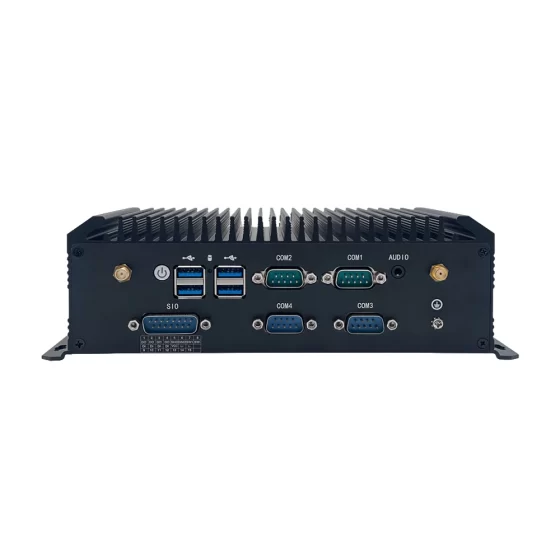
Industrial computers are designed for continuous operation, промышленный ввод-вывод, установка шкафа, безвентиляторное охлаждение, стабильная сеть, и долгосрочное развертывание.
An industrial computer can work as a MES terminal, machine data gateway, edge computing node, рабочее место контроля качества, or protocol integration platform.
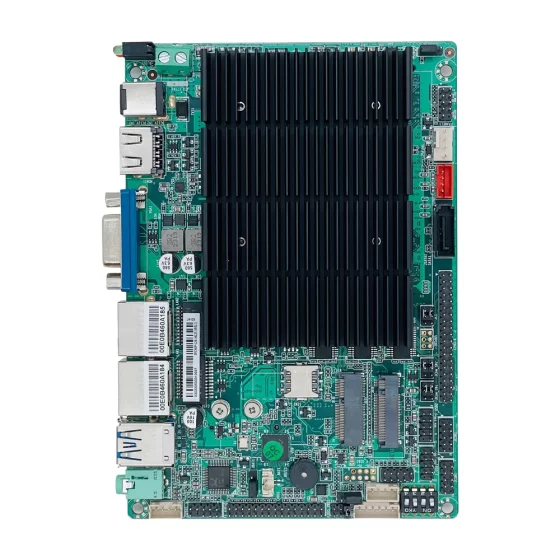
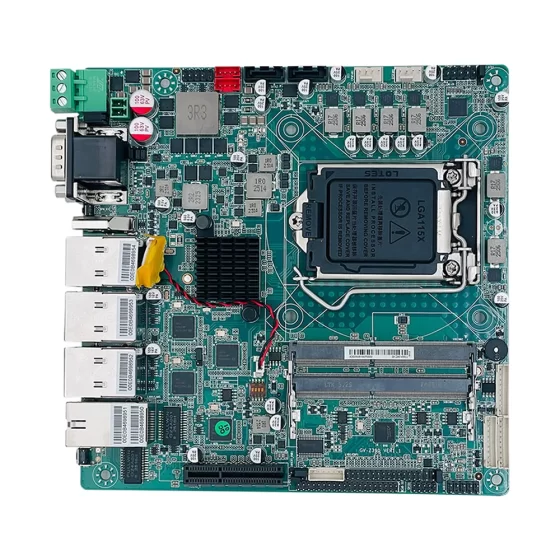
An embedded computer can be installed inside cabinets, машины, production workstations, или OEM-оборудование. This makes it suitable for compact MES integration tasks where space, надежность, and interface flexibility are important.

Industrial PCs help connect mixed factory equipment to MES platforms.
Ключевые проблемы
Mixed Equipment and Legacy Machines
Many factories use equipment from different vendors and different generations.
Some machines support modern Ethernet-based communication. Others may only provide RS232, RS485, USB, dry contact signals, or no direct digital interface at all.
This creates a common MES integration challenge: the system must connect both new and old equipment without disrupting production.
A practical MES integration platform must support different communication methods and allow gradual digitalization of existing production assets.
Unstable Shop-Floor Environments
MES integration hardware is often installed in demanding environments.
A computer may be mounted inside a control cabinet, near a conveyor, beside a CNC machine, or at an operator workstation. These locations may expose the device to dust, вибрация, нагревать, электрический шум, движение кабеля, and unstable power.
If the integration computer fails, data collection may stop. Operators may lose access to work instructions. Quality records may become incomplete.
This is why industrial-grade reliability is important for MES deployment.
Data Accuracy and Real-Time Visibility
MES systems depend on complete and accurate production data.
Если сканы штрих-кода пропущены, machine status updates are delayed, or test results are not uploaded correctly, the MES system cannot provide reliable visibility.
Manufacturers may face problems such as:
- Incomplete traceability records
- Delayed production reporting
- Incorrect work order status
- Missing quality inspection data
- Manual correction workload
- Difficulty finding root causes
A reliable industrial computer helps reduce these risks by keeping data acquisition stable at the production point.
Network Segmentation and Security
MES integration platforms often connect machine networks with factory IT networks.
This creates security and network design requirements. A machine network may need to remain isolated from office systems, while MES data still needs to reach servers and enterprise platforms.
Multiple LAN ports can be useful in this situation.
One LAN port can connect to PLCs or machines, в то время как другой подключается к MES-серверу или заводской сети. This separation improves network organization and can support more controlled data flow.
Scaling from Pilot Line to Full Factory
Many MES projects begin with a small pilot line.
After successful testing, the same system may need to expand to multiple production lines, семинары, растения, or customer sites.
If the hardware platform is not stable or long-term available, scaling becomes difficult. Образы программного обеспечения, водители, монтажные аксессуары, запчасти, and support procedures may need to be rebuilt repeatedly.
A standardized industrial computing platform helps simplify this expansion.
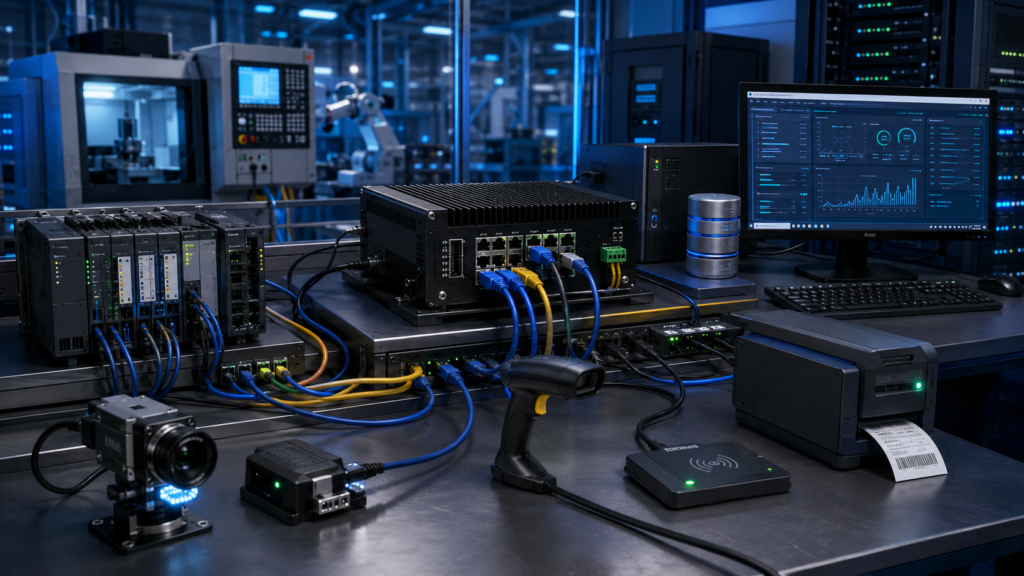
Industrial computers act as edge nodes between factory devices and MES software.
MES Integration Platform Solution Architecture
Уровень машины и устройства
The machine and device layer includes the physical equipment that generates production data.
Сюда могут входить ПЛК, контролеры, CNC systems, датчики, сканеры штрих-кода, RFID-считыватели, весовые устройства, испытательные приборы, камеры, метры, и производственные инструменты.
These devices generate many types of data, включая:
- Статус машины
- Время цикла
- Production quantity
- Alarm information
- Подтверждение оператора
- Идентификатор продукта
- Material batch number
- Результат теста
- Inspection image
- Process parameter
The MES integration platform must collect this information from different interfaces and convert it into usable production data.
Уровень промышленных периферийных вычислений
The industrial edge computing layer is where industrial computers and embedded computers are deployed.
This layer is usually located close to machines, производственные линии, шкафы, инспекционные станции, or operator terminals.
На этом слое, the industrial computer may perform tasks such as:
- Running MES client applications
- Collecting data from machines
- Connecting barcode and RFID devices
- Communicating with PLCs
- Managing local peripherals
- Buffering data during network interruption
- Converting protocols
- Uploading records to MES software
- Displaying work instructions
- Supporting operator interaction
This layer improves reliability because production data does not depend entirely on remote servers.
MES Application Layer
The MES application layer manages production workflows.
It may include work order execution, routing control, отслеживание производства, управление качеством, прослеживаемость, operator management, состояние оборудования, отчетность, и визуализация приборной панели.
Industrial computers send shop-floor data to this layer and receive instructions from MES software.
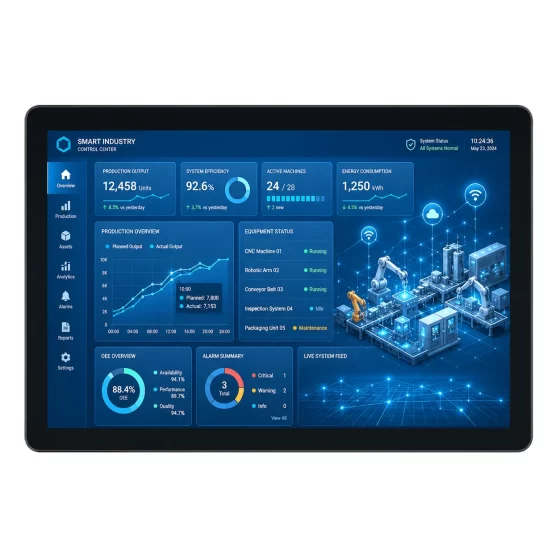
Например, the MES system may send work instructions to an operator terminal. The industrial computer displays the instructions, records scan results, and sends completion data back to the MES server.
Enterprise System Layer
MES platforms are often connected with ERP, WMS, ПЛМ, СКАДА, или системы бизнес-аналитики.
This connection allows production data to support business planning, контроль запасов, анализ качества, maintenance planning, и управление доставкой.
The MES integration platform does not replace enterprise software. Вместо, it provides the accurate shop-floor data foundation required for these systems to work effectively.
Local Resilience and Data Buffering
In real factories, network interruptions may happen.
A strong MES integration platform should support local resilience. The industrial computer can temporarily store data, continue collecting production records, and synchronize with the MES server after the connection is restored.
This is especially useful for factories where production cannot stop because of temporary network instability.
Ключевые особенности
Надежность промышленного уровня
The most important requirement for MES integration hardware is stable operation.
A MES integration computer may run continuously across multiple shifts. It may be installed near production equipment where downtime can affect reporting, прослеживаемость, and process control.
Важные характеристики надежности включают в себя:
- Варианты безвентиляторной системы
- Дизайн промышленной материнской платы
- Поддержка SSD-накопителей
- Прочная конструкция корпуса
- Стабильная тепловая конструкция
- Широкий диапазон входных напряжений
- Надежные методы крепления
- Планирование длительного жизненного цикла
The goal is not only computing performance. The goal is dependable operation in real factory conditions.
Flexible I/O for Factory Devices
MES integration often requires many types of I/O.
A single workstation may need to connect a touchscreen, сканер, RFID-считыватель, принтер этикеток, serial device, Ethernet cable, USB-устройство, and sometimes digital I/O.
Полезные интерфейсы могут включать в себя:
- Несколько портов LAN
- USB 2.0 и USB 3.0
- RS232
- RS485
- HDMI
- ДисплейПорт
- GPIO
- Расширение M.2
- Расширение Mini PCIe
- Поддержка беспроводного модуля
The right I/O configuration reduces the need for external adapters and improves system reliability.
Multiple Network Ports
Multiple LAN ports are valuable in many MES integration platforms.
They allow one computer to connect different network zones. Например, one port may connect to machine controllers, while another connects to the MES server network.
This helps support:
- Machine network separation
- Factory IT network connection
- Gateway applications
- Data acquisition from isolated equipment
- More controlled communication paths
For smart manufacturing systems, network design is just as important as software configuration.
Fanless and Compact System Design
A fanless industrial computer is often suitable for MES integration because it reduces dust intake and removes one mechanical failure point.
Compact embedded computers are useful when installation space is limited.
They can be mounted inside control cabinets, за дисплеями, под рабочими станциями, or directly inside equipment.
This makes them suitable for both factory retrofits and OEM machine integration.
Хранение и защита данных
MES integration platforms may store operating system files, MES client software, журналы, временные производственные записи, инспекционные изображения, и локальные базы данных.
SSD storage is commonly used because it offers better shock resistance and faster response than traditional mechanical drives.
For applications with frequent logging or image storage, storage endurance and capacity should be reviewed carefully.
Operating System and Peripheral Compatibility
Программное обеспечение MES может работать в Windows, Линукс, browser-based systems, or custom industrial software environments.
Before large deployment, the hardware should be tested with the target operating system, device drivers, сканеры, принтеры, камеры, программное обеспечение безопасности, remote access tools, and MES applications.
This helps avoid compatibility problems during rollout.
Сценарии развертывания
MES Operator Terminals
Operator terminals are one of the most common MES integration scenarios.
An industrial computer can be connected to a touchscreen, сканер штрих-кода, клавиатура, RFID-считыватель, и принтер этикеток.
At the station, operators can view work instructions, scan materials, confirm production steps, record defects, и отправьте результаты производства.
This reduces paper-based workflows and improves data accuracy.
Machine Data Collection Gateways
An industrial computer can work as a machine data collection gateway.
Он может подключаться к ПЛК, станки с ЧПУ, датчики, метры, или контроллеры. The system can collect machine status, выходное количество, alarm data, время цикла, и значения процесса.
This is especially useful when machines cannot communicate directly with MES software.
Станции контроля качества
Quality inspection is a key part of MES integration.
An embedded computer or industrial PC can connect to cameras, измерительные инструменты, испытательные приборы, сканеры штрих-кода, и принтеры.
It can associate inspection results with product IDs, store temporary records, and upload quality data to the MES system.
This helps manufacturers improve traceability and quality analysis.
SMT и производство электроники
Electronics manufacturing often requires detailed traceability.
MES integration may track PCB serial numbers, партии компонентов, результаты проверки, протоколы испытаний, rework status, и информация об упаковке.
Промышленные компьютеры можно размещать вблизи линий SMT, АОИ оборудование, ICT testers, functional test stations, repair benches, and packing areas.
Stable computing hardware is important because each process step may generate critical traceability data.
CNC and Machinery Workshops
CNC workshops often include machines from different generations.
Some machines may support Ethernet communication, while others require serial communication or external monitoring devices.
An industrial computer with flexible I/O can help collect machine status, объемы производства, operator input, и записи тревог.
This allows mechanical processing workshops to connect existing machines into the MES workflow.
Warehouse and Material Management
MES integration also extends to material flow.
Промышленные компьютеры можно использовать в приемных помещениях., линейные склады, зоны подготовки материала, и станции готовой продукции.
By connecting scanners, RFID-считыватели, весовое оборудование, и принтеры этикеток, the system can improve material traceability and reduce manual entry errors.
Интеграция OEM-оборудования
Machine builders can integrate embedded computers or industrial motherboards directly into their equipment.
This allows machines to support MES connectivity, отчетность по данным, интерфейс оператора, удаленная диагностика, and production tracking functions.
Для OEM-производителей, this creates more value for customers who need equipment ready for smart manufacturing environments.
Преимущества для бизнеса
Улучшенная видимость производства
A MES integration platform helps manufacturers understand what is happening on the factory floor.
Industrial computers collect data from machines and operators, then send this information to MES dashboards and databases.
Production teams can see work order progress, состояние машины, выходное количество, причины простоя, и качественные результаты быстрее.
This improves decision-making and reduces response time.
Stronger Product Traceability
Traceability depends on accurate data collection at each process point.
Industrial computers help collect product IDs, партии материалов, действия оператора, параметры процесса, результаты испытаний, и протоколы проверок.
Это поддерживает контроль качества, аудит клиентов, гарантийный анализ, и расследование первопричин.
For industries with strict quality requirements, traceability is one of the most important benefits of MES integration.
Сокращенная отчетность вручную
Manual reporting is slow and error-prone.
A MES integration platform allows production data to be captured directly from machines, сканеры, операторы, и инспекционное оборудование.
Это сокращает документооборот, улучшает согласованность данных, и сокращает время, необходимое для понимания статуса производства.
Лучшее использование существующего оборудования
Factories do not always need to replace existing machines to build smart manufacturing systems.
Industrial computers can connect legacy equipment through serial ports, Ethernet, USB, или внешние шлюзы.
This allows manufacturers to digitalize existing production assets step by step.
Масштабируемое развертывание умной фабрики
A standardized industrial computing platform supports scalable MES deployment.
When the same hardware platform is used across multiple lines or factories, it becomes easier to manage software images, запчасти, maintenance procedures, обучение, и техническая поддержка.
This is important for manufacturers expanding from pilot projects to full production rollout.
Foundation for Industrial IoT and Analytics
MES integration creates the data foundation for more advanced smart manufacturing applications.
Once machines and production processes are connected, manufacturers can build equipment monitoring, quality analytics, профилактическое обслуживание, промышленные панели IoT, and process optimization systems.
Industrial computers provide the edge computing layer required for this long-term development.
Почему CoreIPC
CoreIPC предоставляет промышленные вычислительные платформы для производства, автоматизация, возможность подключения машины, и встроенная системная интеграция. For MES integration platforms, CoreIPC специализируется на надежном промышленном компьютерном оборудовании., встроенные компьютерные решения, гибкие конфигурации ввода-вывода, компактная конструкция системы, и поддержка настройки OEM/ODM. CoreIPC помогает системным интеграторам, производители оборудования, and manufacturing teams select computing platforms that match real shop-floor requirements, включая машинные интерфейсы, способы крепления, потребляемая мощность, термические условия, планирование жизненного цикла, and deployment scalability.
Часто задаваемые вопросы
1. What is a MES integration platform?
A MES integration platform connects production equipment, операторы, промышленные компьютеры, and MES software into one manufacturing data workflow.
It collects data from machines, сканеры, датчики, ПЛК, инспекционные станции, and operator terminals. Then it transfers this data to MES databases, информационные панели, и корпоративные системы. The goal is to improve production visibility, прослеживаемость, контроль качества, and manufacturing execution.
2. Why does a MES integration platform need industrial computers?
Industrial computers provide the reliable shop-floor hardware layer required for MES integration.
They can connect factory devices, run MES client software, collect production data, показать рабочие инструкции, and communicate with MES servers. По сравнению с офисными ПК, industrial computers are better suited for factory environments where dust, вибрация, нагревать, long operating hours, and industrial interfaces are common.
3. How is an embedded computer used in MES integration?
Встроенный компьютер можно установить рядом с машинами., внутри шкафов, за дисплеями, или внутри оборудования OEM.
It may collect PLC data, connect barcode scanners, communicate with sensors, buffer production records, or run local MES applications. Because embedded computers are compact and reliable, they are useful for machine-side integration and space-limited smart manufacturing systems.
4. What interfaces are commonly needed for MES integration?
Common MES integration interfaces include LAN, USB, RS232, RS485, HDMI, ДисплейПорт, GPIO, М.2, и мини PCIe.
USB is often used for barcode scanners, RFID-считыватели, камеры, принтеры, and keyboards. Serial ports may connect older machines, метры, или ПЛК. Multiple LAN ports can separate machine communication from MES server communication.
5. Can MES integration connect legacy factory equipment?
Да. Many MES integration projects focus on connecting legacy machines.
Industrial computers can collect data through RS232, RS485, Ethernet, USB, датчики, or external gateway modules. This allows factories to digitalize older equipment without replacing all machines. It also helps manufacturers gradually build smart manufacturing capabilities.
6. Why are multiple LAN ports useful in MES integration?
Multiple LAN ports allow one industrial computer to connect different network zones.
Например, one LAN port may connect to PLCs or machine controllers, в то время как другой подключается к MES-серверу или заводской сети. Такое разделение может улучшить организацию сети., support security design, and reduce unnecessary interference between machine traffic and business system traffic.
7. Is a fanless industrial computer suitable for MES applications?
Да. A fanless industrial computer is often suitable for MES applications because it reduces dust intake and removes a common mechanical failure point.
This is useful in production areas where maintenance access is limited or dust may affect standard computers. The final selection should still consider processor workload, температура окружающей среды, поток воздуха в корпусе, и место крепления.
8. How does MES integration improve traceability?
MES integration improves traceability by capturing production data at each process step.
Industrial computers can collect product serial numbers, material batch data, действия оператора, параметры машины, результаты проверки, and test records. When this information is linked to the MES system, manufacturers can track product history more accurately and support quality analysis.
9. What should be considered before deploying MES integration hardware?
Перед развертыванием, manufacturers should review machine interfaces, peripheral devices, сетевой дизайн, совместимость с операционной системой, mounting space, потребляемая мощность, условия окружающей среды, потребности в хранении, и требования к жизненному циклу.
It is also important to test the hardware with real MES software, сканеры, принтеры, Связь с ПЛК, and remote maintenance tools before large-scale rollout.
10. Can OEM machine builders use industrial computers for MES-ready equipment?
Да. OEM machine builders can use embedded computers, промышленные ПК, or industrial motherboards to make equipment ready for MES integration.
This allows machines to support data reporting, интерфейс оператора, удаленная диагностика, отслеживание производства, and customer MES connectivity. Для OEM-производителей, integrated computing hardware can improve product value and simplify deployment for end users.
Заключение
A MES integration platform is a critical foundation for smart manufacturing.
It connects machines, операторы, сканеры, инспекционное оборудование, production terminals, and enterprise systems into a reliable manufacturing data workflow. Without stable shop-floor computing hardware, MES software cannot collect accurate data or support real-time production visibility.
Industrial computer and embedded computer platforms provide the edge computing layer required for this integration. They support machine communication, взаимодействие с оператором, локальная обработка данных, network separation, and long-term deployment in real factory environments.
Для производителей, системные интеграторы, и производители OEM-оборудования, selecting the right hardware platform is essential. The decision should consider I/O configuration, сеть, монтаж, силовая конструкция, тепловые характеристики, хранилище, совместимость с операционной системой, и планирование жизненного цикла.
CoreIPC supports MES integration platform projects with industrial computing solutions designed for practical smart manufacturing deployment. С правильной аппаратной основой, factories can improve visibility, прослеживаемость, equipment connectivity, and long-term digital manufacturing scalability.
Связаться с нами
Ищу промышленный компьютер, встроенный компьютер, or industrial motherboard for a MES integration platform?
Свяжитесь с CoreIPC, чтобы обсудить требования вашего проекта, включая машинные интерфейсы, Конфигурация ввода/вывода, метод монтажа, процессорная платформа, потребляемая мощность, операционная среда, потребности жизненного цикла, и варианты настройки OEM/ODM.