CoreIPC Industrial Computing Solutions

Edge Computing Platform for SCADA Data Processing Based on scada edge computing Architecture
Executive Summary
The increasing demand for real-time industrial monitoring and control has accelerated the adoption of distributed computing models in modern SCADA systems. Traditional centralized architectures often struggle to meet latency, scalability, and reliability requirements in complex industrial environments.
scada edge computing enables a decentralized processing approach where data is analyzed closer to the source using an industrial computer or embedded computer deployed at the edge layer. This significantly reduces communication latency, improves operational responsiveness, and enhances system resilience in mission-critical industrial applications.
By integrating edge computing into SCADA infrastructures, industrial organizations can achieve faster decision-making, reduced network dependency, and improved system availability. CoreIPC edge computing platforms are designed to support these requirements through industrial-grade reliability, deterministic performance, and scalable architecture suitable for modern automation systems.

Industrial edge computing platform enabling real-time SCADA data processing in a smart factory automation environment
Industry Overview
SCADA systems are widely deployed across manufacturing, energy, utilities, transportation, and process industries. These systems traditionally rely on centralized control centers where data from PLCs, sensors, and field devices is transmitted for processing and visualization.
With the rapid growth of Industrial IoT (IIoT), the volume and velocity of industrial data have increased significantly. This has exposed limitations in traditional SCADA architectures, particularly in terms of latency, bandwidth usage, and scalability.
scada edge computing addresses these challenges by shifting computation closer to the data source. Instead of transmitting all raw data to centralized servers, edge nodes perform local processing, filtering, and analysis.
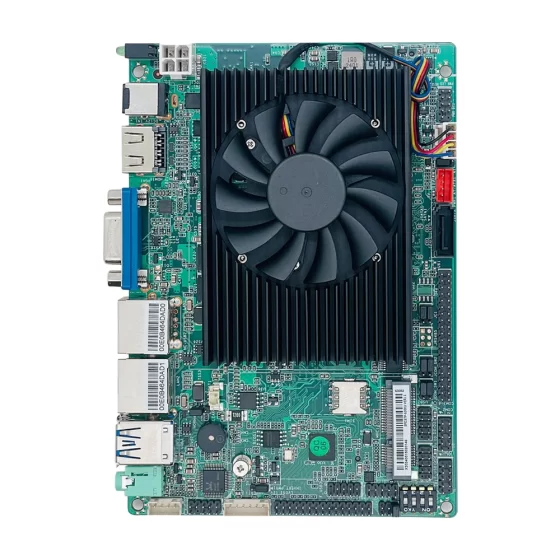
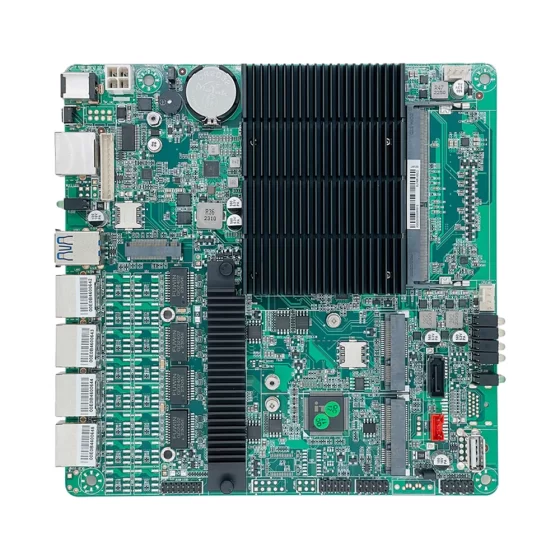
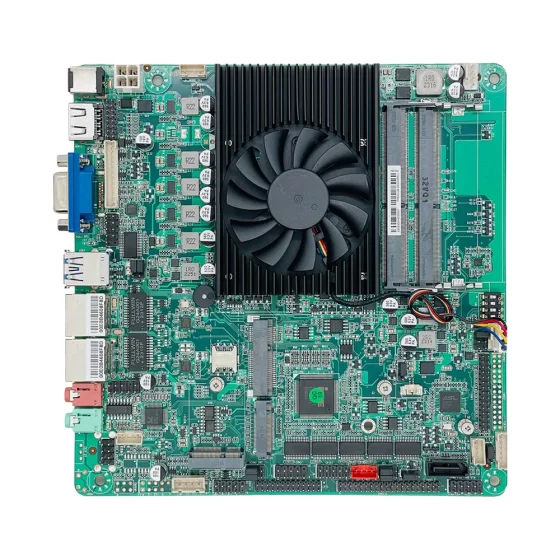
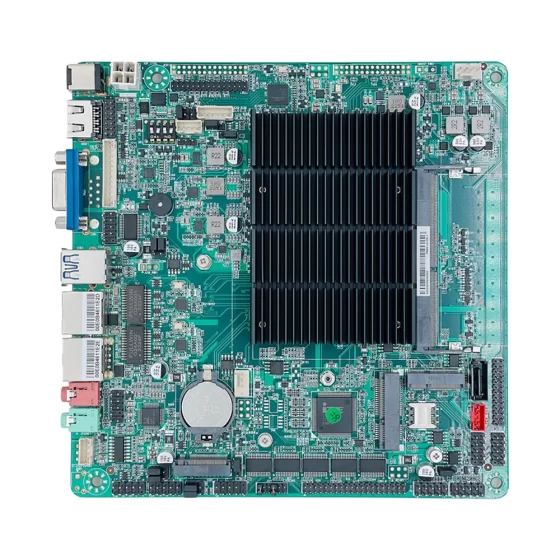
Industrial computers and embedded computers have become essential components in enabling this transformation, acting as reliable edge nodes in distributed SCADA environments.
Key Challenges
Industrial SCADA environments face several critical challenges that limit efficiency and scalability.
Latency in centralized architectures
Centralized SCADA systems introduce delays between data acquisition and control actions, impacting real-time responsiveness.
Network bandwidth limitations
High-frequency industrial data generated by sensors and devices can overload communication networks.
Scalability constraints
Expanding centralized systems often requires significant infrastructure upgrades and increased operational complexity.
Reliability risks
Centralized architectures introduce single points of failure that can disrupt entire industrial operations.
Cybersecurity exposure
Continuous data transmission between field sites and control centers increases potential attack surfaces.
scada edge computing mitigates these issues by distributing processing across localized edge nodes.

Industrial edge computing system installed inside control cabinet for real-time SCADA data processing
Solution Architecture
A typical scada edge computing architecture consists of multiple interconnected layers:
Field device layer
Includes PLCs, sensors, actuators, and industrial instruments responsible for real-time data generation.
Edge computing layer
Industrial computers and embedded computers operate at the edge to perform local data processing, protocol conversion, anomaly detection, and real-time decision-making.
SCADA supervisory layer
Central SCADA systems handle visualization, monitoring dashboards, alarm management, and historical data storage.
Cloud and enterprise layer
Used for advanced analytics, AI model training, predictive maintenance, and enterprise system integration.
The edge computing layer is the core enabler of distributed intelligence in modern SCADA systems.
Key Features
Real-time data processing
Edge nodes process SCADA data locally to minimize latency and improve system responsiveness.
Industrial protocol support
Supports common industrial communication protocols including Modbus, OPC UA, PROFINET, and MQTT.
Deterministic performance
Ensures stable and predictable execution of time-sensitive industrial workloads.
Rugged industrial design
Industrial-grade embedded systems ensure reliable operation in harsh environments such as vibration, dust, and temperature variations.
Distributed intelligence
Edge nodes can independently process data and execute local decisions without relying on centralized servers.
Enhanced cybersecurity
Local processing reduces external network exposure and improves segmentation of critical systems.
Deployment Scenarios
Smart manufacturing systems
Enables real-time production monitoring, equipment optimization, and automated process control.
Energy and utility systems
Applied in substations, grid monitoring, and renewable energy management systems.
Water treatment facilities
Supports continuous monitoring of flow, pressure, and chemical processing systems.
Transportation infrastructure
Used in railway systems, traffic control, and infrastructure monitoring applications.
Oil and gas operations
Enables remote monitoring of pipelines, drilling systems, and refinery operations.
In all scenarios, scada edge computing improves operational efficiency and system responsiveness.
Business Benefits
The adoption of edge computing in SCADA environments delivers measurable operational advantages.
Latency is significantly reduced through local processing at edge nodes. System reliability is improved through distributed architecture that eliminates single points of failure. Network bandwidth consumption is reduced by filtering data at the edge. Cybersecurity is enhanced by limiting external communication paths. Scalability is improved through modular deployment of edge nodes. Predictive maintenance capabilities are strengthened through real-time analytics.
Overall, scada edge computing enables industrial organizations to transition toward more intelligent and resilient automation systems.
Why CoreIPC
CoreIPC provides industrial computing platforms specifically designed for edge SCADA environments. Its industrial computer and embedded computer solutions are engineered for long-term stability, continuous operation, and harsh industrial conditions.
CoreIPC platforms are optimized for scada edge computing workloads requiring deterministic performance, multi-protocol communication, and scalable deployment across distributed industrial infrastructures.
These systems are widely used in industrial environments where reliability, real-time processing, and system integration are critical requirements.
Frequently Asked Questions
What is scada edge computing?
Scada edge computing is a distributed architecture where SCADA data is processed at the edge instead of centralized servers, improving responsiveness and reducing latency.
How does an industrial computer support SCADA systems?
An industrial computer acts as an edge processing node that handles data acquisition, protocol conversion, and real-time analytics.
What is the role of embedded computers in SCADA edge systems?
Embedded computers provide compact and efficient computing platforms for edge deployment in space-constrained industrial environments.
Why is edge computing important for SCADA systems?
It reduces latency, improves reliability, and enables scalable distributed processing across industrial systems.
Which industries benefit most from scada edge computing?
Industries such as manufacturing, energy, transportation, water treatment, and oil and gas benefit significantly.
Is SCADA edge computing suitable for harsh environments?
Yes, industrial-grade hardware is designed for vibration, dust, and wide-temperature conditions.
What protocols are commonly used in SCADA systems?
Common protocols include Modbus, OPC UA, PROFINET, EtherNet/IP, and MQTT.
Can SCADA edge computing scale easily?
Yes, edge architectures are modular and can be expanded by adding additional nodes.
What hardware is typically used in SCADA edge deployments?
Industrial computers and embedded computers are commonly used due to their reliability and stability.
Conclusion
The adoption of scada edge computing represents a fundamental shift in industrial automation architecture. By moving computation closer to the data source, industrial systems achieve lower latency, higher reliability, and improved scalability.
When combined with industrial-grade industrial computer and embedded computer platforms, SCADA systems evolve into distributed and intelligent infrastructures capable of supporting modern industrial requirements.
Contact Us
For more information about CoreIPC edge computing solutions for SCADA applications, please contact our engineering team for integration and deployment support.