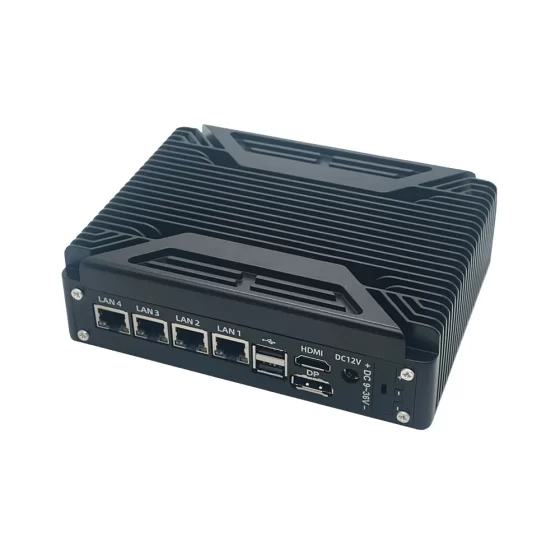
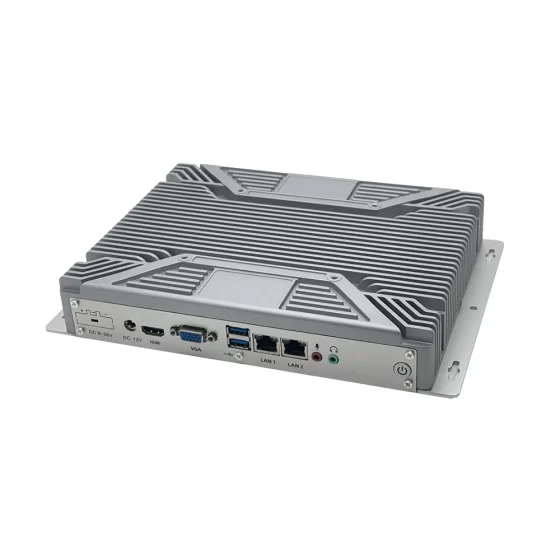
CoreIPC工业计算解决方案

协作机器人嵌入式工控机: 用于协作机器人自动化的 Cobot 嵌入式 IPC
执行摘要
A cobot embedded ipc provides the industrial computing foundation for collaborative robot control support, 机器视觉, 传感器数据处理, 边缘AI推理, 安全监控, 人机交互, 和工厂系统集成.
协作机器人在现代制造业中得到广泛应用, 后勤, 电子组装, 包装, 机器看管, 检查, 和实验室自动化. 与通常在安全笼后面操作的传统工业机器人不同, 协作机器人旨在更接近人类操作员并适应灵活的生产环境.
这创造了新的计算要求.
基于工业计算机或嵌入式计算机构建的协作机器人嵌入式工控机可以连接机器人控制器, 视觉相机, 力传感器, 夹具, 安全装置, PLC, 人机界面, 输送机, 和工厂软件系统. 它可以处理本地数据, 运行沿逻辑, 支持视觉引导, 存储操作记录, 并与MES交换信息, 监控与数据采集系统, 工业物联网平台, 或云仪表板.
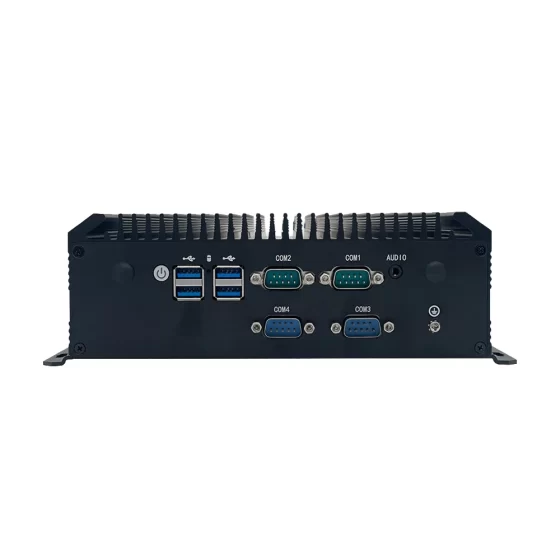
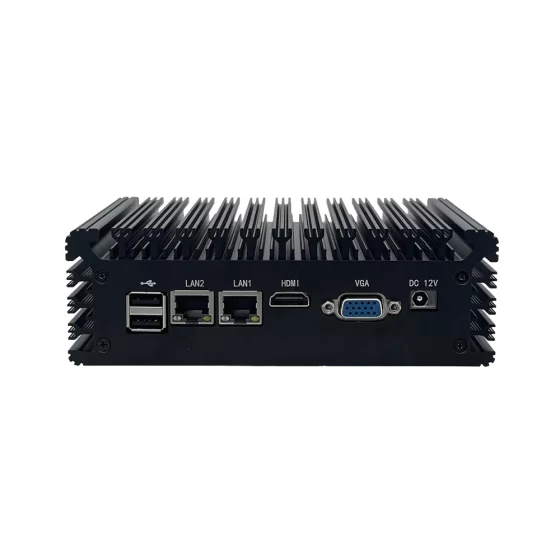
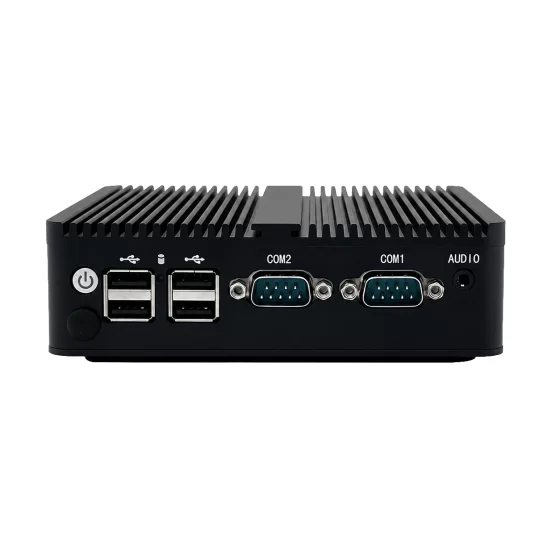
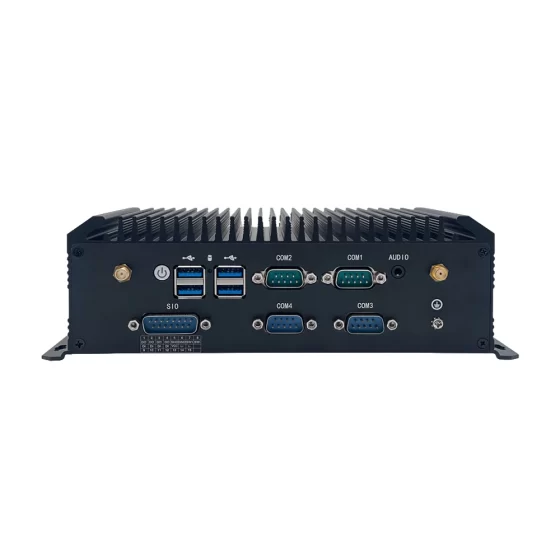
与标准办公 PC 或消费类嵌入式板相比, industrial computing platforms are better suited for cobot deployment because they support rugged installation, 紧凑的设计, multiple LAN and USB interfaces, 串行通讯, 通用输入输出接口, 可靠的存储, 无风扇运行选项, 稳定的电源输入, 和长生命周期可用性.
This article explains how cobot embedded IPC systems support collaborative robot automation, what deployment challenges appear in real production environments, 解决方案架构如何运作, and which hardware features matter when selecting an industrial computer or embedded computer for cobot applications.
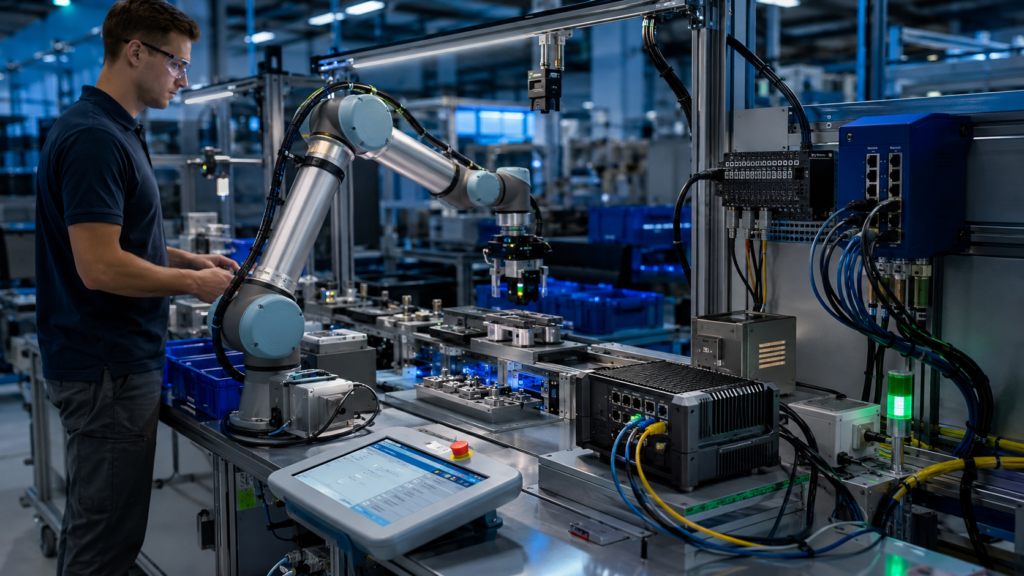
Cobot embedded IPC platforms process robot status, vision data, sensor signals, gripper status, and workcell events.
行业概况
Collaborative Robots Are Expanding Across Factories
Collaborative robots are becoming an important part of flexible automation.
They are used when manufacturers need automation that can be deployed faster, occupy less space, and work near operators. Cobots can support repetitive tasks, light assembly, screwdriving, 配发, 检查, loading, unloading, 排序, 包装, and testing.
Common cobot applications include:
- Machine tending
- Pick-and-place
- Assembly assistance
- Screwdriving
- Gluing and dispensing
- 产品检验
- Packaging and palletizing
- Laboratory automation
- Electronic component handling
- Material transfer
- Vision-guided operation
- Quality verification
These applications often require more than basic robot motion.
They need local computing, 设备连接, real-time data handling, 视觉处理, 和工厂一体化.
Cobots Need Compact Edge Computing
Cobots are often installed in compact workcells.
The computing platform may need to fit inside a small cabinet, robot base, 机器外壳, 工作站, or mobile automation cart.
A cobot embedded IPC can serve as the local computing node for the workcell.
它可能支持:
- Robot communication
- Vision camera processing
- Gripper control
- Force sensor data
- Safety device monitoring
- PLC信号交换
- Local HMI dashboard
- 边缘AI推理
- 数据记录
- 远程诊断
- MES 或 SCADA 集成
The goal is to make the cobot cell smarter, more connected, and easier to maintain.
Industrial Computers Provide Long-Term Reliability
Cobot workcells may operate continuously in production environments.
它们可能会暴露在灰尘中, 振动, 温度变化, 电噪声, limited cabinet space, and frequent operator interaction.
工业计算机和嵌入式计算机提供了这些条件所需的硬件可靠性.
They support stable operation, 灵活的输入/输出, 坚固的安装, 可靠的存储, 长生命周期可用性, and compatibility with industrial control environments.

Compact workcells, 相机, 传感器, 夹具, PLC信号, 安全装置, and real-time requirements affect cobot IPC deployment.
主要挑战
Integrating Multiple Devices in a Small Workcell
A collaborative robot system may include many devices around one compact automation cell.
这些可能包括:
- Cobot controller
- Industrial camera
- 3D vision sensor
- Force torque sensor
- Electric gripper
- Vacuum gripper
- 可编程逻辑控制器
- 人机界面
- Conveyor controller
- Safety scanner
- Barcode reader
- Digital I/O module
- Local display
- 工业交换机
The embedded IPC must connect these devices reliably while fitting into limited space.
This requires compact hardware, 灵活的输入/输出, and well-organized cabling.
Supporting Real-Time Robot Interaction
Cobots may need to respond quickly to sensor signals, vision results, 操作员动作, 和处理事件.
Latency can affect productivity and safety-related workflow design.
Time-sensitive events may include:
- Vision-guided positioning
- Part presence detection
- Force feedback
- Gripper status
- Conveyor handoff
- Safety zone signal
- Barcode confirmation
- Product inspection result
- Operator command
- Alarm event
The computing platform must process local data quickly and communicate reliably with robot and automation systems.
Handling Vision and AI Workloads
Many cobot applications use cameras.
Vision may help the robot identify parts, guide motion, inspect products, 阅读标签, verify assembly, or detect defects.
Some applications also use edge AI for object detection, 分类, pose estimation, or anomaly detection.
Hardware requirements depend on:
- 相机数量
- 图像分辨率
- 帧率
- AI模型复杂度
- 检验周期时间
- 存储要求
- Robot communication latency
- Software framework compatibility
The IPC should be selected based on the real vision workload.
Ensuring Safe and Controlled Human-Robot Collaboration
Cobots are designed for collaborative environments, but the full workcell still requires careful system design.
The embedded IPC may not replace certified safety controllers, but it can support monitoring, 记录, 可视化, 诊断, and data exchange around safety-related devices.
It may connect to:
- Safety scanners
- Light curtains
- Emergency stop circuits
- 门磁传感器
- Zone sensors
- Robot status signals
- Operator panels
- Alarm outputs
The platform should support stable signal handling, event logging, and clear communication with the control system.
Connecting Cobots with Factory Systems
Cobot cells should not remain isolated.
Manufacturers often need to connect cobot operation data with MES, 监控与数据采集系统, 质量体系, 维护系统, 或工业物联网平台.
The embedded IPC may collect:
- 周期计数
- Robot status
- Tool status
- 检查结果
- Error logs
- Product IDs
- 条码记录
- 过程值
- 操作员事件
- Maintenance records
Structured data helps improve production visibility and traceability.
Maintaining Long-Term System Stability
Cobot cells may be deployed across many production lines or customer sites.
Frequent hardware changes can create problems with drivers, 相机 SDK, robot communication software, AI runtimes, 操作系统, 和验证程序.
Industrial embedded IPC platforms with lifecycle planning help reduce redesign work and simplify long-term maintenance.

Cobot IPC systems connect robot controllers, 相机, 传感器, 夹具, PLC, 人机界面, 制造执行系统, 监控与数据采集系统, 和质量体系.
Cobot Embedded IPC Solution Architecture
Cobot Workcell Device Layer
The device layer includes the physical systems inside and around the collaborative robot workcell.
该层可能包括:
- Collaborative robot arm
- Cobot controller
- Grippers
- Force torque sensors
- 工业相机
- 3D vision sensors
- 照明控制器
- Safety scanners
- 条码阅读器
- PLC
- 输送机
- Operator panels
- 本地HMI
这些系统产生控制信号, 传感器数据, visual information, and production events.
Embedded IPC Edge Layer
The embedded IPC edge layer is the local computing layer.
在这一层, 工业计算机或嵌入式计算机可以:
- 收集传感器数据
- 处理相机图像
- Run edge AI models
- Exchange data with robot controllers
- 与 PLC 通讯
- Store local logs
- Buffer operation records
- Support local HMI functions
- Manage device communication
- Forward structured data to factory systems
This layer provides local intelligence for the cobot workcell.
Robot and Motion Integration Layer
The robot integration layer connects computing results with cobot motion and automation logic.
The IPC may exchange:
- Object coordinates
- Pick position data
- Tool status
- 检查结果
- 触发信号
- Robot state
- Cycle completion status
- Fault records
- Operator commands
- 工艺参数
Stable communication with the robot controller and PLC is essential for reliable automation.
Vision and AI Processing Layer
The vision and AI layer turns image data into usable automation results.
The platform may support:
- 物体识别
- Part localization
- Pose estimation
- 缺陷检测
- 标签读取
- 装配验证
- 表面检查
- Pick point calculation
- Quality classification
- Image record storage
Local processing helps reduce latency and improves cobot workcell responsiveness.
工厂软件集成层
The embedded IPC may connect the cobot cell with higher-level systems.
这些可能包括:
- 制造执行系统
- 监控与数据采集系统
- 企业资源计划
- 质量数据库
- 工业物联网平台
- 本地仪表板
- 维护系统
- 云监控系统
- 追溯平台
This integration allows cobot activity to become part of the broader factory data infrastructure.
安全和管理层
The security and management layer supports stable long-term deployment.
它可能包括:
- 网络分段
- 安全的远程访问
- 用户权限
- 本地日志记录
- 配置备份
- 设备健康监测
- 存储监控
- 远程诊断
- 软件更新管理
This layer helps operators and system integrators maintain cobot systems efficiently.
主要特点
紧凑型嵌入式设计
Cobot workcells often have limited installation space.
A compact embedded IPC can fit inside a control cabinet, robot base, 工作站, or machine enclosure.
Compact design helps reduce system footprint while still providing enough computing power for robot communication, 数据处理, 和工厂一体化.
For OEM cobot systems, compact hardware also improves product integration and enclosure flexibility.
多设备连接
A cobot embedded IPC must support different devices and communication interfaces.
有用的 I/O 选项可能包括:
- 局域网
- USB
- RS232
- RS485
- 通用输入输出接口
- 数字输入
- 数字输出
- HDMI
- 显示端口
- M.2
- PCIe
- SATA 或 NVMe 存储
这些接口支持摄像头, 传感器, 夹具, PLC, 人机界面, 条形码阅读器, 照明控制器, and local service tools.
Camera and Vision Support
Many cobot systems require camera input.
The IPC may connect to industrial cameras through GigE LAN, USB, 或扩展模块.
Camera support should be planned according to:
- 相机数量
- 接口类型
- 解决
- 帧率
- 灯光控制
- 触发信号
- 存储要求
- Vision software compatibility
For AI-based vision, processing performance and thermal design are also important.
Edge AI and Local Processing
Some cobot applications need local AI inference.
The embedded IPC may run models for object detection, 缺陷分类, pose estimation, 光学字符识别, 条码读取, or anomaly detection.
硬件选型应考虑:
- CPU性能
- GPU或AI加速器支持
- 内存容量
- 型号尺寸
- Inference speed
- Software framework support
- Thermal conditions
- 长时间运行的工作负载
Edge AI reduces dependence on remote servers and improves response time.
多LAN网络设计
多个 LAN 端口有助于分隔不同的通信路径.
A cobot IPC may use separate networks for:
- Robot controller
- 摄像头网络
- PLC网络
- 工厂IT网络
- 工业物联网网络
- 远程维护
- 本地化管理
This improves traffic organization and reduces the chance that high-bandwidth camera data affects robot communication.
可靠的本地存储
Local storage supports operating system files, robot logs, 检查记录, 图像记录, 人工智能模型, 配置备份, 和诊断数据.
SSD 或 NVMe 存储通常是首选,因为它比机械驱动器提供快速访问和更好的抗震性.
存储规划应考虑:
- Image retention
- 日志保留
- AI model storage
- Inspection data
- Traceability records
- 写入耐力
- 备份工作流程
Reliable storage improves maintainability and production traceability.
Rugged and Fanless Operation
Cobot systems may be installed near moving equipment, 运营商, 输送机, 和生产工具.
无风扇工业计算机减少灰尘吸入并消除一个机械故障点.
坚固的外壳有助于防止振动, 电缆应力, 并连续运行.
Thermal design should be reviewed carefully when the IPC runs AI inference, 视觉处理, or continuous data logging.
长生命周期可用性
Cobot systems often require repeatable deployment.
The same IPC platform may be used across multiple workcells, customer sites, or product generations.
Long lifecycle availability helps maintain consistent software images, 司机, 相机 SDK, robot integration tools, 和备件.
This reduces validation work and supports scalable cobot deployment.
部署场景
Cobot Pick-and-Place
A cobot embedded IPC can process part detection data, confirm object position, and exchange pick coordinates with the cobot controller.
This supports flexible pick-and-place applications where part position may vary.
It is useful for assembly, 包装, 排序, and material handling.
Cobot Machine Tending
Cobots are often used to load and unload CNC machines, 测试设备, injection molding machines, 和检查站.
The embedded IPC can connect the robot controller, machine interface, 可编程逻辑控制器, 传感器, and local dashboard.
It can store cycle records and support remote diagnostics.
Vision-Guided Cobot Inspection
A cobot can move a camera around a product or position parts for inspection.
The embedded IPC can process images, 运行人工智能模型, 对缺陷进行分类, 储存检验记录, and send results to quality systems.
This supports automated visual quality control.
Collaborative Assembly Workstation
Cobots can assist operators with assembly tasks.
The IPC can connect operator panels, 条形码阅读器, 螺丝刀, 传感器, and robot controllers.
It can help manage work instructions, process confirmation, traceability data, 和本地仪表板.
Cobot Packaging and Palletizing
Packaging and palletizing applications may require barcode verification, product counting, 标签检查, and robot motion coordination.
An embedded computer can process local data and connect the cobot cell with warehouse or production software.
This improves packaging accuracy and traceability.
Laboratory and Medical Automation
Cobots are also used in laboratories and controlled process environments.
An embedded IPC can support local data processing, 设备通讯, 条形码追踪, and system monitoring.
The final platform should be selected according to application-specific safety, 遵守, and environmental requirements.
Mobile Cobot Workstations
Some cobot systems are mounted on mobile workstations.
A compact embedded IPC can provide local computing, robot communication, 传感器集成, and wireless or wired connectivity.
This supports flexible automation deployment across different production areas.
OEM Cobot Control Appliance
Robot system integrators and OEMs can build custom cobot control appliances using industrial computers or embedded boards.
The platform can support robot communication, 视觉处理, 数据记录, 远程诊断, 和客户特定的 I/O.
This helps create repeatable cobot solutions.
商业效益
Greater Automation Flexibility
A cobot embedded IPC helps collaborative robots adapt to different tasks, products, and workcell layouts.
With local computing, vision support, and flexible I/O, cobot systems can support more than fixed motion.
This improves flexibility for modern production.
更快的本地决策
Local edge processing allows vision results, sensor signals, and robot events to be processed near the cobot.
This reduces latency and avoids depending on remote servers for time-sensitive actions.
Fast local response supports smoother automation.
更好的生产可追溯性
The IPC can collect robot status, 循环记录, 条形码数据, 检查结果, tool events, and fault logs.
This data can be shared with MES, 监控与数据采集系统, 质量数据库, 或工业物联网平台.
Better traceability supports quality improvement and maintenance planning.
更轻松的系统集成
Cobot workcells often include many devices.
An embedded IPC helps connect cameras, 夹具, 传感器, PLC, 人机界面, 和工厂软件系统.
This reduces integration gaps and turns the cobot cell into a connected automation node.
More Reliable Field Deployment
Industrial computers provide rugged hardware for production environments.
无风扇设计选项, 可靠的存储, 安全安装, 长生命周期可用性有助于降低维护风险.
This supports long-term cobot operation.
Scalable Cobot Deployment
A standardized embedded IPC platform makes it easier to deploy similar cobot systems across multiple workcells, 线, 工厂, 和客户站点.
一致的硬件简化了软件映像, 配置模板, 备件计划, 验证, 和生命周期管理.
This supports scalable collaborative robot automation.
为什么选择CoreIPC
CoreIPC为机器人提供工业计算平台, 机器视觉, 边缘人工智能, 工业自动化, 工业物联网, 和嵌入式系统集成. For cobot embedded IPC applications, CoreIPC专注于可靠的工业计算机硬件, 嵌入式计算机解决方案, compact embedded design, 多 LAN 配置, 灵活的输入/输出, 相机连接, 无风扇部署选项, 本地存储能力, 和OEM/ODM定制支持. CoreIPC helps robot system integrators, 机器制造商, 制造商选择符合实际部署需求的计算平台, including robot communication, vision workload, 设备接口, 存储需求, 安装方法, 电源输入, 热条件, 和生命周期规划.
常见问题解答
1. What is a cobot embedded IPC?
A cobot embedded IPC is an industrial computing platform used inside or near a collaborative robot workcell.
It can connect robot controllers, 相机, 传感器, 夹具, PLC, 人机界面, 和工厂系统. It may process vision data, 运行沿逻辑, 存储记录, 支持远程诊断, and exchange data with MES, 监控与数据采集系统, 或工业物联网平台.
2. Why use an industrial computer for cobot applications?
An industrial computer provides rugged hardware and flexible connectivity for production environments.
可支持多个LAN口, USB, 串行通讯, 通用输入输出接口, 可靠的存储, 无风扇运行, 紧凑安装, 稳定的电源输入, 和长生命周期可用性. These features make it suitable for cobot workcells and OEM robot systems.
3. How is an embedded computer used with collaborative robots?
An embedded computer can act as the local computing node for a cobot system.
It may process camera data, collect sensor signals, communicate with the robot controller, 连接PLC, 存储日志, 显示HMI数据, and forward structured information to factory software platforms.
4. Can a cobot embedded IPC support machine vision?
是的. A cobot embedded IPC can connect industrial cameras and run machine vision software for object recognition, 零件定位, 条码读取, 装配验证, and defect inspection.
For AI vision workloads, the platform should be selected according to camera count, 解决, 模型复杂度, and cycle time.
5. Does a cobot embedded IPC replace the robot controller?
通常, no.
The robot controller manages robot motion and core robot functions. The embedded IPC typically supports external computing tasks such as vision processing, 数据记录, 设备集成, 人机界面功能, 远程诊断, 与工厂系统通讯.
6. Why are multiple LAN ports important for cobot IPC systems?
Multiple LAN ports help separate robot controller communication, 相机数据, PLC网络, 工厂IT, 工业物联网, 和远程维护访问.
This improves traffic organization and reduces the chance that high-bandwidth camera data affects robot communication.
7. What hardware features matter for cobot embedded IPC platforms?
Important features include compact design, 足够的CPU性能, 多个 LAN 端口, USB, RS232, RS485, 通用输入输出接口, 数字输入/输出, 可靠的记忆, SSD 或 NVMe 存储, 坚固的外壳, 无风扇设计, 工业电源输入, M.2, PCIe, 和显示输出.
The final configuration should match the cobot workload and installation environment.
8. Can fanless embedded computers support cobot workloads?
是的. Fanless embedded computers can support many cobot applications because they reduce dust intake and remove one mechanical failure point.
然而, 视觉处理, 人工智能推理, continuous data logging, and high device count can create sustained heat. Thermal design should be validated before deployment.
9. Can cobot embedded IPC systems connect to MES or SCADA?
是的. A cobot embedded IPC can send robot status, 循环数据, 检查结果, 条码记录, 警报, tool events, 和维护日志到MES, 监控与数据采集系统, 质量体系, 或工业物联网平台.
This supports production traceability and factory visibility.
10. 部署前应该测试什么?
部署前, the platform should be tested with the actual cobot controller, 相机, 传感器, 夹具, PLC信号, 人机界面软件, 数据工作量, 存储行为, 和长时间运行的操作.
热稳定性, 通讯延迟, 远程访问工作流程, 恢复程序, 工厂系统集成也应该得到验证.
结论
A cobot embedded ipc is a practical foundation for collaborative robot automation, local edge computing, 机器视觉, 传感器集成, 人机交互, 数据记录, 远程诊断, and factory software connectivity.
By placing an industrial computer or embedded computer inside or near the cobot workcell, manufacturers and system integrators can connect cobot controllers, 相机, 力传感器, 夹具, PLC, 人机界面, 输送机, 安全装置, 制造执行系统平台, 监控与数据采集系统, 通过可靠且受控的通信路径实现工业物联网仪表板.
The right cobot embedded IPC platform should be selected according to real deployment requirements, including robot communication, 相机数量, vision workload, AI inference needs, 设备接口, LAN口设计, 输入/输出要求, 存储配置, 安装方法, 电源输入, 热条件, 操作系统支持, 和生命周期规划.
CoreIPC supports cobot embedded IPC projects with industrial computing platforms designed for practical robot workcell, 机器端, 内阁, 和 OEM 部署. 拥有正确的硬件基础, robot system integrators and manufacturers can build reliable, 可扩展, and intelligent collaborative robot systems.
联系我们
寻找工业计算机, 嵌入式计算机, or compact IPC platform for collaborative robot deployment?
联系 CoreIPC 讨论您的项目需求, including robot communication, 相机连接, 人工智能工作负载, 设备接口, LAN口配置, I/O needs, 存储设计, 安装方法, 电源输入, 运行环境, 生命周期需求, 和 OEM/ODM 定制选项.