CoreIPC工业计算解决方案

AMR 机器人计算机
执行摘要
自主移动机器人 (抗菌药物耐药性) 正在迅速改变制造业, 仓储, 后勤, 卫生保健, 和分销业务. 与传统自动导引车不同 (AGV), 遵循预定义的路线, AMR 使用先进的传感器进行动态导航, 人工智能, 机器视觉, 和实时决策算法.
每个 AMR 系统的核心都是一个负责处理传感器数据的高性能计算平台, 执行本地化, 执行导航算法, 控制运动系统, 并与车队管理软件进行通信. 这些要求苛刻的工作负载需要可靠的工业级计算硬件,能够在充满挑战的环境中持续运行.
AMR计算机作为机器人的智能控制中心. 它集成了来自 LiDAR 传感器的数据, 相机, IMU, 编码器, 超声波传感器, 和无线通信系统,以创建对环境的实时了解. 计算机不断分析周围环境, 计划路线, 避开障碍物, 并协调机器人动作.
作为工业 4.0 智慧物流不断发展, AMR deployments are expanding worldwide. This article explores the role of industrial computers in AMR systems, 关键技术要求, 部署架构, and how embedded computing platforms support autonomous mobile robotics applications.
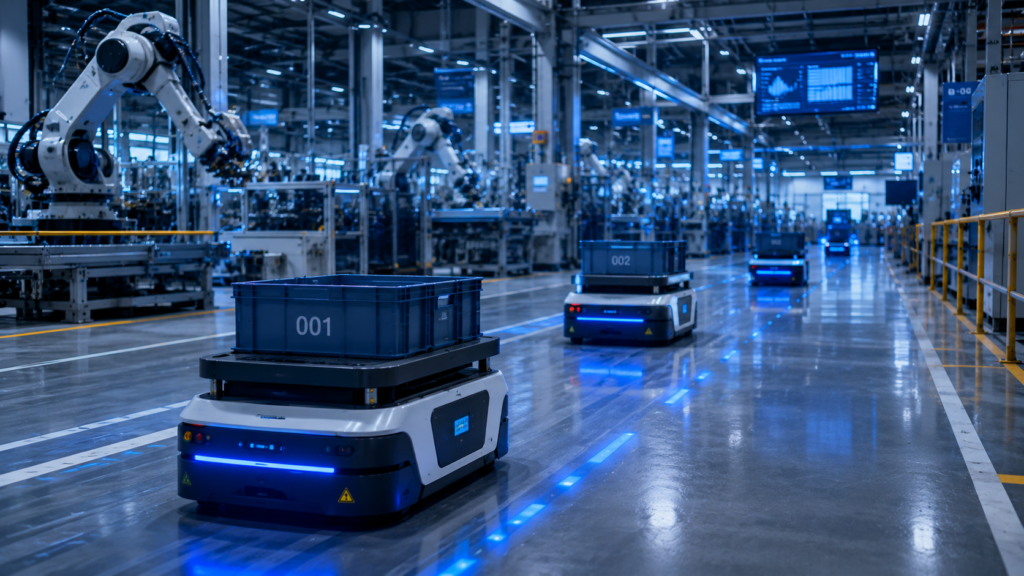
AMR computers enable autonomous mobile robots to perform intelligent material transport, fleet coordination, and logistics automation in Industry 4.0 manufacturing environments.
行业概况
The Rise of Autonomous Mobile Robots
Manufacturers and logistics providers are increasingly adopting AMRs to automate material transportation and improve operational efficiency.
常见的应用包括:
- Warehouse automation
- Manufacturing logistics
- Hospital delivery systems
- E-commerce fulfillment
- Airport logistics
- Distribution centers
- 智能工厂
AMRs improve productivity while reducing manual transportation tasks.
From AGV to AMR
Traditional AGVs typically rely on:
- Magnetic strips
- 二维码
- Fixed pathways
- Predefined routes
AMRs operate differently.
Modern AMRs utilize:
- SLAM navigation
- LiDAR mapping
- AI perception
- Dynamic path planning
- Autonomous decision-making
These capabilities require significantly greater computing performance.
Robotics and Industry 4.0
AMRs have become essential components of Industry 4.0 ecosystems.
They connect with:
- 制造执行系统 (制造执行系统)
- Warehouse Management Systems (仓库管理系统)
- Enterprise Resource Planning (企业资源计划)
- Fleet management software
- 云平台
creating highly connected automation environments.
主要挑战
Real-Time Navigation
AMRs must continuously analyze their surroundings while moving.
Critical functions include:
- 本土化
- 测绘
- Path planning
- 运动控制
- Collision avoidance
Computing delays can directly impact operational safety.
Sensor Fusion Complexity
Modern AMRs integrate multiple sensors simultaneously.
Typical sensors include:
- 激光雷达
- Stereo cameras
- Depth cameras
- IMU
- 编码器
- Ultrasonic sensors
The AMR computer must process and combine all sensor data in real time.
Dynamic Environment Adaptation
Industrial facilities constantly change.
AMRs encounter:
- Personnel
- Forklifts
- 设备
- Pallets
- Temporary obstacles
Navigation systems must adapt instantly.
AI Processing Requirements
Many AMRs use AI for:
- 物体检测
- Human recognition
- Obstacle classification
- 路线优化
These workloads require powerful edge computing capabilities.
Wireless Connectivity
AMRs must communicate continuously with:
- 车队管理系统
- 仓储系统
- 制造系统
- 云平台
Reliable connectivity is essential.
Continuous Operation
Many AMRs operate:
- 24/7
- Multi-shift environments
- Mission-critical facilities
requiring highly reliable computing hardware.
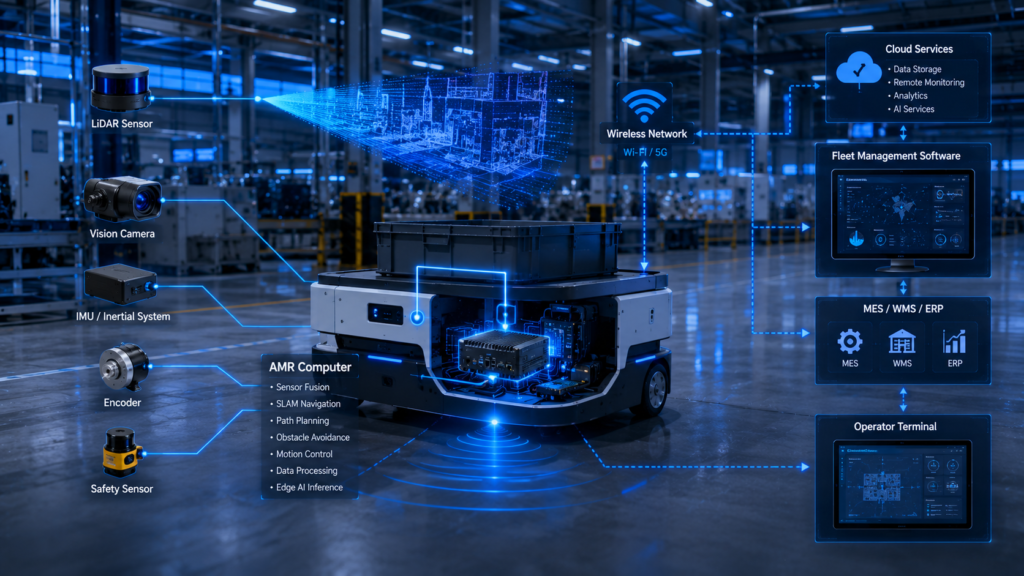
AMR computer architecture integrating sensor fusion, SLAM navigation, 机器视觉, 车队管理, and enterprise systems for autonomous mobile robot operation.
解决方案架构
AMR System Architecture
Perception Layer
Environmental information is collected through:
- 激光雷达传感器
- 工业相机
- Ultrasonic sensors
- IMU
- 编码器
These devices provide real-time environmental awareness.
Computing Layer
The AMR computer performs:
- 传感器融合
- 本土化
- 测绘
- 人工智能推理
- Navigation control
- 避障
This layer serves as the robot’s central intelligence platform.
Motion Control Layer
Navigation commands are transmitted to:
- 电机控制器
- Steering systems
- Drive units
- 安全系统
to control robot movement.
连接层
Communication technologies include:
- 以太网
- 无线上网
- 5G
- MQTT
- OPC统一协议
for system integration and remote management.
车队管理层
Enterprise software coordinates:
- Robot assignments
- 交通管理
- Mission scheduling
- 性能监控
across multiple robots.
主要特点
1. 高性能处理
AMR computers provide the computing resources required for navigation and robotics applications.
2. LiDAR Integration
Support for LiDAR sensors enables accurate mapping and localization.
3. Machine Vision Processing
Industrial cameras support:
- 物体识别
- Visual navigation
- 安全监控
- AI perception
functions.
4. Sensor Fusion
Multiple sensor inputs are combined to improve environmental awareness and navigation accuracy.
5. Real-Time Decision Making
AMRs continuously analyze conditions and respond to environmental changes.
6. 边缘AI能力
AI acceleration supports:
- 物体检测
- Human tracking
- 行为分析
- Intelligent robotics
应用.
7. 紧凑型嵌入式设计
AMR computers fit within mobile robot chassis without consuming excessive space.
8. Fanless Reliability
无风扇系统减少维护要求并提高可靠性.
9. Wireless Connectivity
Support for Wi-Fi and 5G enables real-time communication.
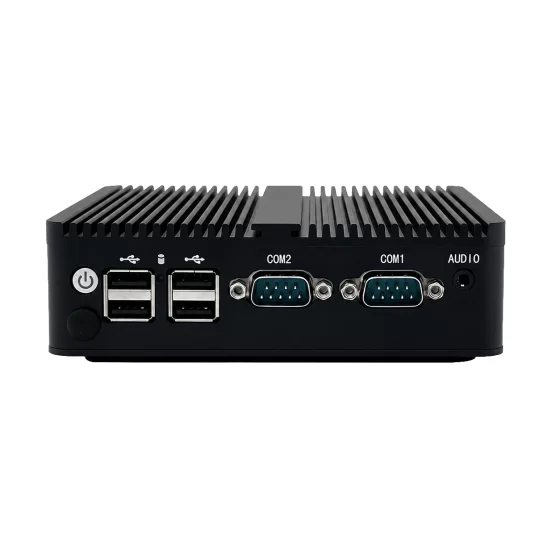
推荐的CoreIPC产品
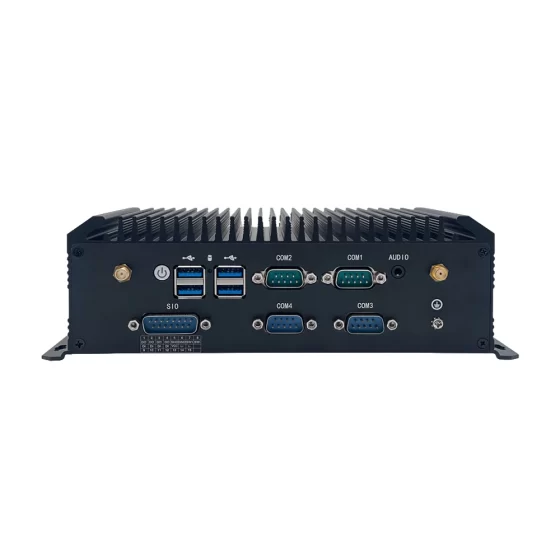
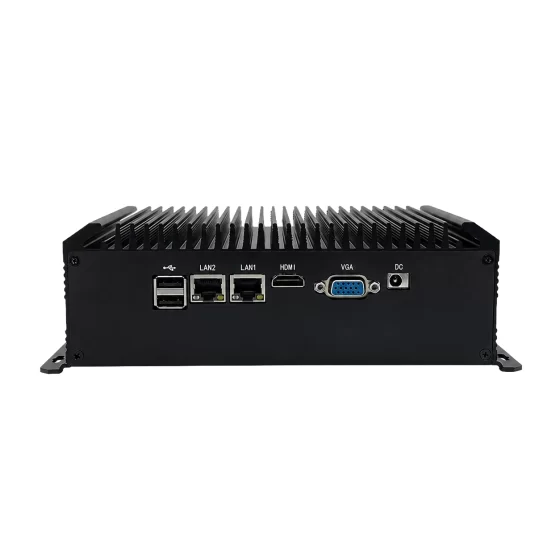
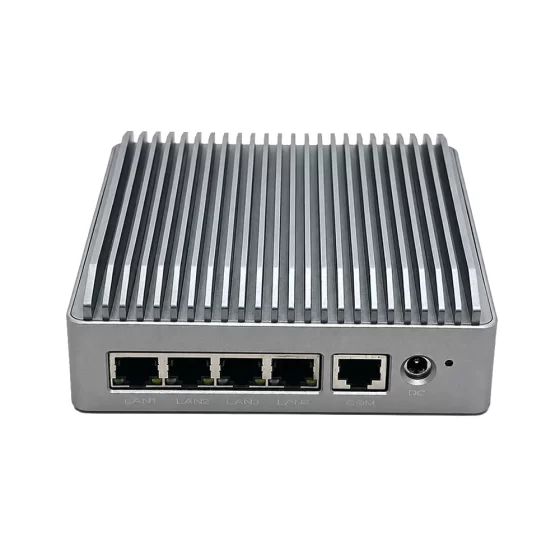
嵌入式计算机
非常适合:
- Compact AMRs
- Service robots
- Mobile robotics
好处:
- 占地面积小
- 低功耗
- 安装灵活
无风扇工业电脑
非常适合:
- Industrial AMRs
- Warehouse robots
- Manufacturing automation
好处:
- 坚固的结构
- 无风扇冷却
- 长期可靠性
边缘人工智能计算机
非常适合:
- AI-powered navigation
- Vision-guided robotics
- 物体识别
好处:
- GPU加速
- Real-time AI inference
- 机器视觉处理
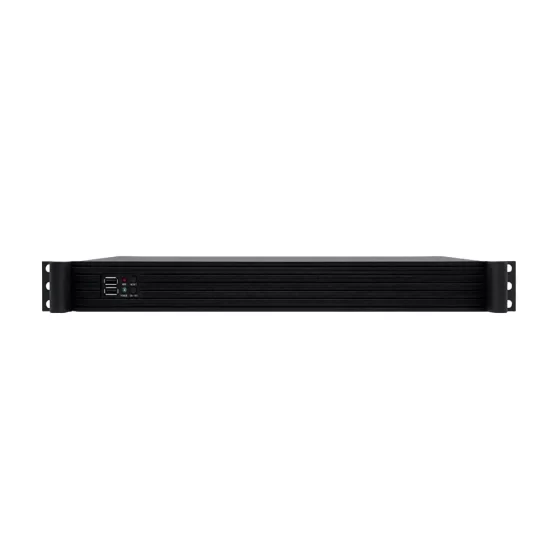
工业电脑
非常适合:
- High-performance robotics
- Multi-sensor platforms
- 自主导航
好处:
- 扩展灵活性
- Processing performance
- Rich I/O connectivity
Mini-ITX 主板
非常适合:
- Robotics OEM projects
- Custom AMR development
好处:
- 灵活集成
- 长生命周期支持
部署场景
仓库自动化
AMRs transport:
- Inventory
- Packages
- Materials
through automated warehouse environments.
智能制造
Robots deliver:
- Components
- Raw materials
- Finished products
between production stations.
Healthcare Logistics
Hospitals use AMRs to transport:
- Medical supplies
- Pharmaceuticals
- Laboratory samples
efficiently and safely.
E-Commerce Fulfillment
AMRs improve:
- Order picking
- Inventory movement
- Package handling
in fulfillment centers.
Airport Operations
AMRs support:
- Baggage handling
- Equipment transport
- Logistics automation
across transportation facilities.
Service Robotics
AMRs are increasingly used in:
- 酒店
- 商业建筑
- Public facilities
to provide automated services.
商业效益
Improved Productivity
AMRs automate repetitive transportation tasks and improve workflow efficiency.
Reduced Labor Costs
Organizations reduce dependence on manual transportation resources.
增强安全性
Autonomous navigation helps reduce workplace transportation risks.
更大的灵活性
AMRs can adapt to changing layouts without fixed infrastructure.
更好的可扩展性
Additional robots can be deployed as operational requirements grow.
Increased Operational Visibility
Fleet management systems provide real-time performance monitoring.
为什么选择CoreIPC
CoreIPC provides industrial computing platforms designed for robotics, AMR systems, 自主导航, 和智能自动化应用.
CoreIPC 功能包括:
- 工业计算机开发
- 嵌入式系统设计
- 贴牌生产
- ODM定制
- 长生命周期支持
- 工业级可靠性
- Edge AI integration
- 全球部署经验
Whether developing warehouse robots, industrial AMRs, healthcare logistics systems, or intelligent service robots, CoreIPC delivers reliable computing platforms for autonomous mobile robotics applications.
常见问题解答
1. What is an AMR computer?
An AMR computer is the central computing platform used to control navigation, localization, sensor processing, 人工智能推理, and motion control within an autonomous mobile robot.
2. What is the difference between AMR and AGV?
AGVs follow predefined routes, while AMRs navigate dynamically using sensors and intelligent navigation algorithms.
3. What sensors are commonly used in AMRs?
激光雷达, 相机, IMU, 编码器, 超声波传感器, and depth cameras are commonly deployed.
4. What is SLAM?
SLAM stands for Simultaneous Localization and Mapping, enabling AMRs to build maps while determining their position.
5. Why is sensor fusion important?
Sensor fusion improves navigation accuracy by combining information from multiple sensor types.
6. Can AMRs use AI?
是的. AI is widely used for object detection, obstacle recognition, 路线优化, and environmental awareness.
7. Are fanless computers suitable for AMRs?
是的. Fanless designs improve reliability and reduce maintenance.
8. What networking technologies are commonly used?
以太网, 无线上网, and 5G are commonly used for communication and fleet management.
9. Can AMR computers support machine vision?
是的. Many AMRs use industrial cameras and machine vision software for navigation and perception.
10. What industries use AMRs?
制造业, 后勤, 仓储, 卫生保健, airports, 款待, and retail industries commonly deploy AMRs.
11. What is fleet management?
Fleet management software coordinates multiple robots and optimizes task assignments.
12. What should be considered when selecting an AMR computer?
Processing performance, AI capability, 连接性, 可靠性, 扩展选项, and lifecycle support are important considerations.
结论
AMR computers are the intelligent core of autonomous mobile robotics systems. By enabling sensor fusion, real-time navigation, 人工智能处理, 避障, and fleet communication, industrial computing platforms allow AMRs to operate safely and efficiently in dynamic environments. As robotics adoption accelerates across manufacturing, 后勤, 卫生保健, and commercial sectors, selecting the right industrial computer becomes critical for achieving reliable and scalable autonomous operations.
联系我们
Looking for a Computer for AMR Robots?
CoreIPC provides computing platforms for:
- 自主移动机器人
- Mobile Robotics
- 仓库自动化
- 智能制造
- Edge AI Robotics
- Machine Vision Systems
- 代工项目
- ODM项目
- Custom Robotics Hardware Development
Contact CoreIPC today to discuss your AMR project requirements and identify the ideal computing platform for your autonomous robotics deployment.