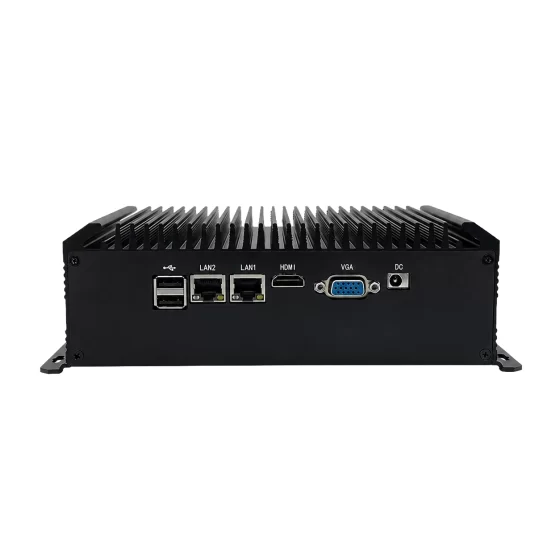
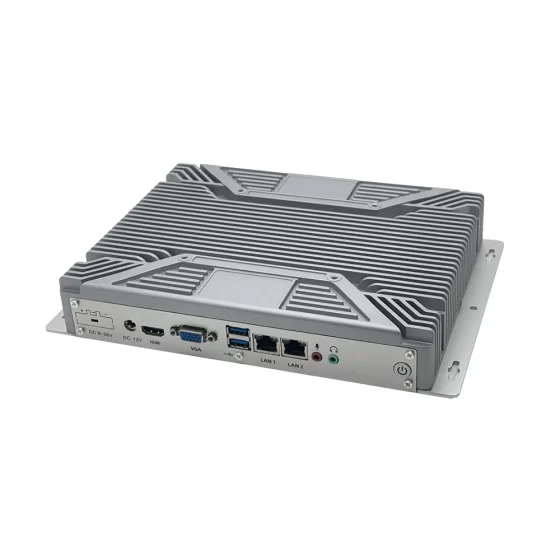
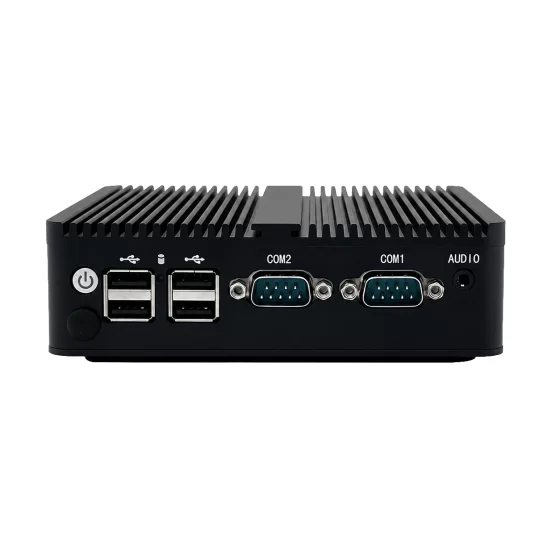
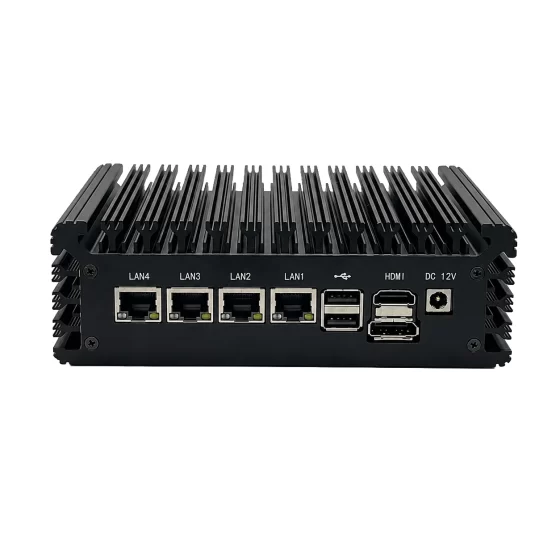
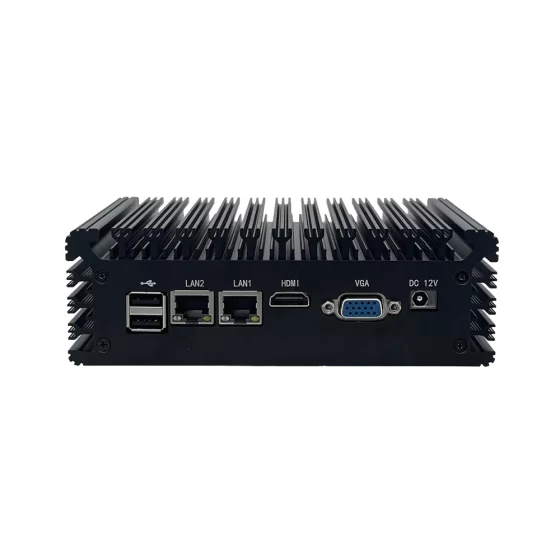
Robot Arm Controller IPC for Industrial Automation and Smart Robotics
1. 执行摘要
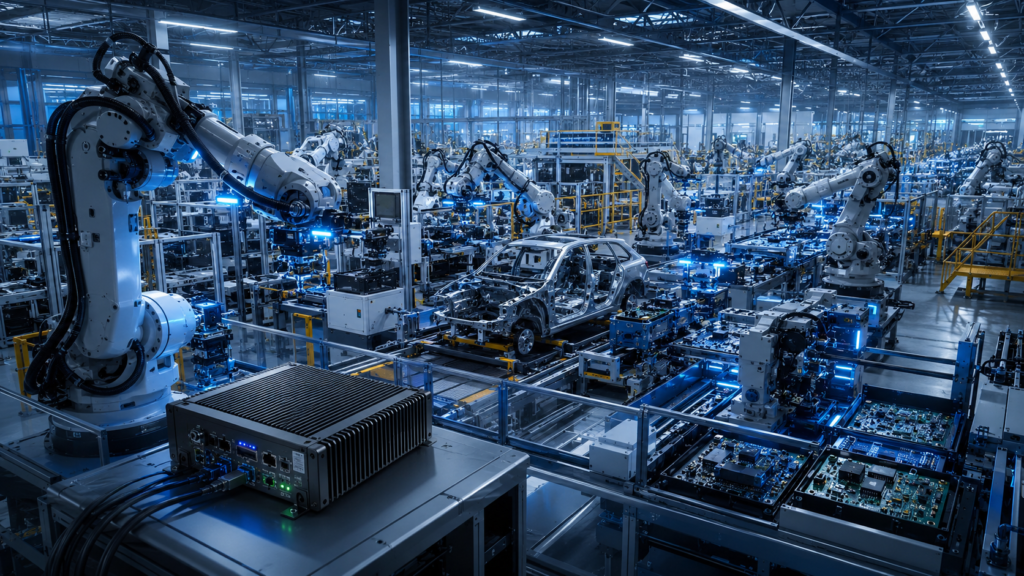
这 robot arm controller industrial computer plays a critical role in modern automated manufacturing environments, enabling real-time motion control, multi-axis synchronization, machine vision integration, and deterministic edge computing. As robotic systems become more intelligent and interconnected, traditional PLC-based control architectures are increasingly replaced by high-performance industrial computers and embedded computers capable of handling complex control algorithms and high-speed data processing.
This article explores how an industrial computer for robot arm control enhances precision, 灵活性, and scalability in robotics applications. It also explains system architecture, key challenges in robotic automation, and how CoreIPC embedded computing platforms provide reliable solutions for industrial robot control systems.
2. 行业概况
Industrial robotics is rapidly expanding across sectors such as automotive manufacturing, 电子组装, 后勤, and precision machining. At the core of these systems is the robot arm controller, which coordinates motion trajectories, 传感器反馈, and safety mechanisms.
Modern robotic arms require more than traditional control units. They demand:
- Real-time motion planning
- Multi-axis interpolation
- High-speed I/O processing
- 机器视觉同步
- AI-assisted decision-making
This evolution drives the shift from PLC-centric control systems to industrial computer-based robot controllers, particularly embedded computers and edge computing platforms.
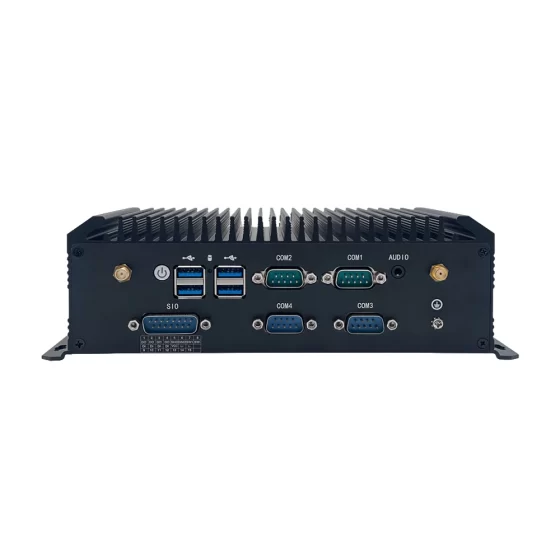
A robot arm controller industrial computer typically integrates:
- Real-time CPU processing (Intel/AMD embedded platforms)
- Deterministic I/O interfaces
- EtherCAT / 工业以太网 / Ethernet/IP communication
- GPU acceleration for vision-based robotics
- Fanless rugged design for industrial environments
3. 主要挑战
Despite rapid advancements, robotic automation systems still face several engineering challenges:
3.1 Real-Time Deterministic Control
Robot arms require microsecond-level synchronization between axes. General-purpose computing systems often struggle to maintain deterministic timing under heavy workloads.
3.2 Multi-Protocol Communication Complexity
Industrial robots must communicate with PLCs, 传感器, 视觉系统, and MES platforms using multiple industrial protocols simultaneously.
3.3 High-Speed Data Processing
Machine vision and AI inspection systems generate large volumes of data that must be processed in real time without latency.
3.4 System Stability in Harsh Environments
灰尘, 振动, 温度波动, and electrical noise can affect system reliability in factory environments.
3.5 Scalability and Integration
Manufacturers require modular systems that can scale from single robotic arms to multi-robot production lines.
4. 解决方案架构
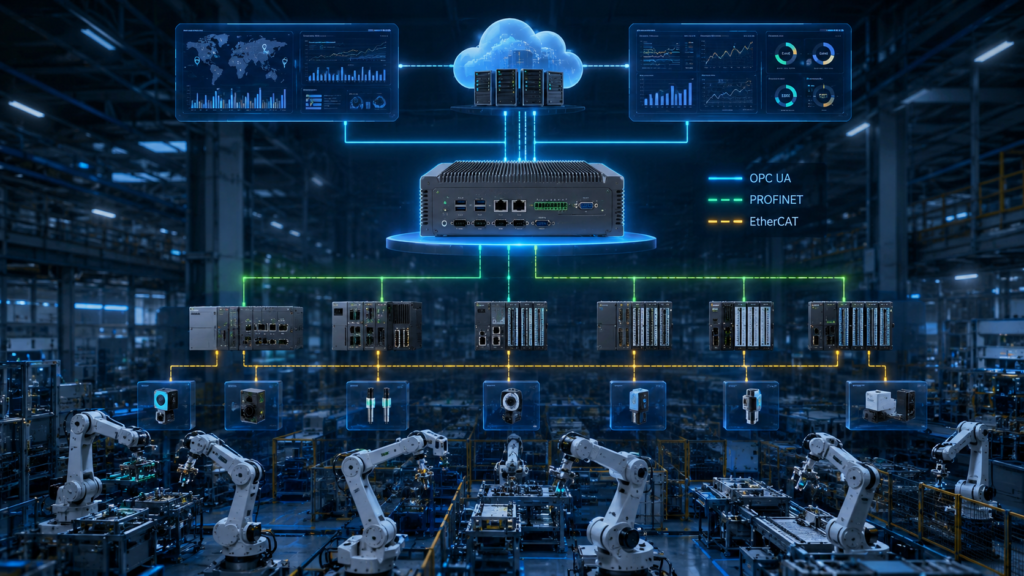
A modern robot arm controller based on industrial computer architecture typically includes a layered edge computing structure:
4.1 Edge Control Layer
At the core is an embedded industrial computer, responsible for:
- Motion control execution
- Real-time OS or RT Linux processing
- Servo drive coordination
- Safety logic execution
4.2 设备层
Includes:
- Robot arm servo motors
- Motor drivers
- 编码器
- 力传感器
- Safety interlocks
4.3 通讯层
Supports industrial networking:
- EtherCAT for real-time motion control
- PROFINET for factory automation
- Modbus TCP for legacy integration
- OPC UA for data exchange
4.4 Intelligence Layer
Includes:
- 机器视觉系统
- AI-based quality inspection
- Predictive maintenance analytics
- Edge AI acceleration modules
4.5 Cloud / MES Layer
Handles:
- Production monitoring
- Data analytics
- 远程诊断
- Factory-wide orchestration
5. 主要特点
A high-performance industrial computer for robot arm control typically provides the following features:
5.1 Real-Time Processing Capability
Supports deterministic execution for motion control and servo synchronization.
5.2 Multi-LAN Industrial Networking
Enables parallel communication with PLCs, 机器人, and vision systems.
5.3 Fanless Rugged Design
Ensures stable operation in dusty and high-temperature environments.
5.4 Expandable I/O Interfaces
Supports COM ports, 数字输入/输出, CAN bus, and fieldbus modules.
5.5 Edge AI Acceleration Support
Optional GPU or AI modules enable intelligent robotic decision-making.
5.6 宽电压输入
Ensures stable operation in industrial power environments with fluctuations.
6. 部署场景
6.1 Automotive Manufacturing
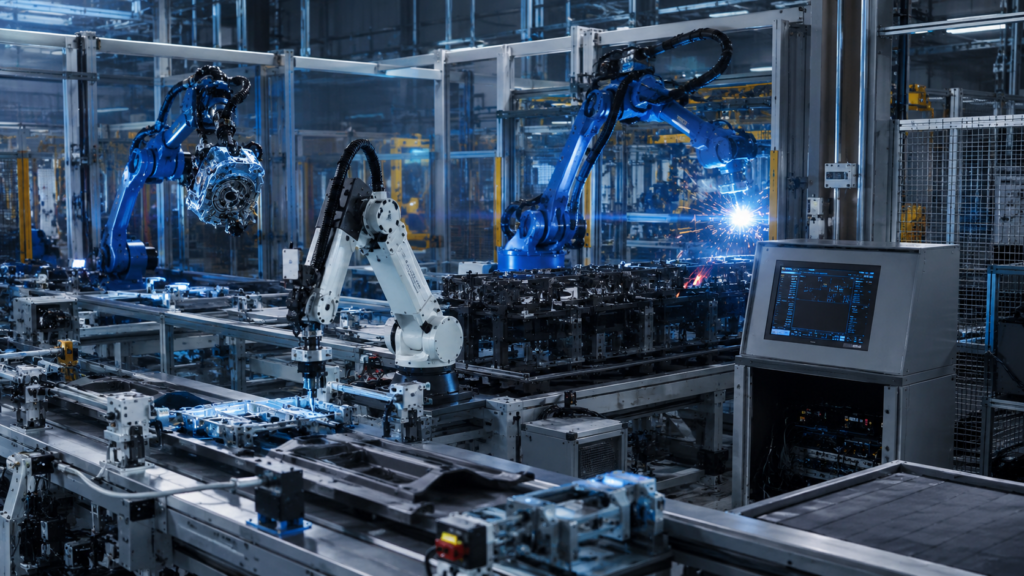
Robot arms used for welding, painting, and assembly lines rely on industrial computers for synchronized motion control.
6.2 Electronics Assembly
High-precision pick-and-place systems require embedded controllers for microsecond-level accuracy.
6.3 Logistics Automation
Robotic sorting and packaging systems use IPCs for real-time path planning and object recognition.
6.4 CNC and Machining Automation
Industrial computers coordinate robotic arms for tool handling and material loading.
6.5 Semiconductor Manufacturing
Ultra-precise robotic arms require deterministic control and cleanroom-compatible embedded systems.
7. 商业效益
Implementing an industrial computer-based robot arm controller provides significant advantages:
- Improved motion accuracy and repeatability
- Reduced system latency in control loops
- Higher production efficiency
- Flexible system integration with factory automation
- Enhanced scalability for multi-robot systems
- Lower maintenance costs through rugged design
- Support for AI-driven automation upgrades
8. 为什么选择CoreIPC
CoreIPC industrial computing platforms are designed specifically for demanding automation and robotics applications.
主要优势包括:
- Industrial-grade embedded computing architecture optimized for real-time workloads
- Fanless design ensuring 24/7 stable operation
- Flexible expansion for I/O, 沟通, and AI modules
- Support for multiple industrial protocols required in robotics systems
- Rugged reliability for harsh factory environments
- Scalable product lineup covering edge controllers to embedded box PCs
CoreIPC platforms are widely suitable for next-generation robot arm controller IPC systems, enabling seamless integration between motion control, 机器视觉, and industrial networking.
9. 常见问题解答 (常问问题)
Q1: What is a robot arm controller industrial computer?
A robot arm controller industrial computer is a computing system that manages robotic motion control, 传感器反馈, and communication in automated production environments, replacing traditional PLC-based controllers.
Q2: Why use an industrial computer instead of a PLC?
Industrial computers offer higher processing power, better scalability, and support for AI and machine vision, making them more suitable for advanced robotics applications.
第三季度: Can IPC handle real-time robot control?
是的, with real-time Linux or RTOS configurations and deterministic fieldbus interfaces such as EtherCAT, IPCs can handle real-time motion control.
第四季度: What industries use robot arm controller IPC systems?
They are widely used in automotive manufacturing, 电子组装, logistics automation, CNC machining, and semiconductor production.
Q5: How does machine vision integrate with robot control IPC?
Machine vision systems send image processing data to the IPC, which adjusts robot arm motion in real time for inspection, 结盟, or sorting tasks.
Q6: What communication protocols are supported?
Common protocols include EtherCAT, 工业以太网, Modbus TCP, OPC统一协议, and CAN bus.
Q7: Is fanless design important?
是的, fanless design improves reliability by preventing dust ingress and reducing mechanical failure in industrial environments.
Q8: Can IPC systems support AI robotics?
是的, modern IPCs can integrate GPU or AI acceleration modules for intelligent robotics and predictive control.
10. 结论
The evolution of industrial automation is driving rapid adoption of robot arm controller industrial computers as the core of modern robotics systems. Compared to traditional PLC-based architectures, industrial computers provide superior performance, 灵活性, and intelligence required for next-generation manufacturing.
With real-time control capabilities, multi-protocol communication, and AI integration potential, IPC-based robot arm controllers are becoming the foundation of smart factories worldwide.
CoreIPC delivers robust embedded computing platforms designed to meet these demands, enabling reliable and scalable robotic automation solutions.
11. 联系我们
CoreIPC provides industrial-grade embedded computers and robot controller platforms for global automation applications.
Contact our engineering team to discuss your robot arm control system requirements and customized IPC solutions.
CoreIPC工业计算解决方案