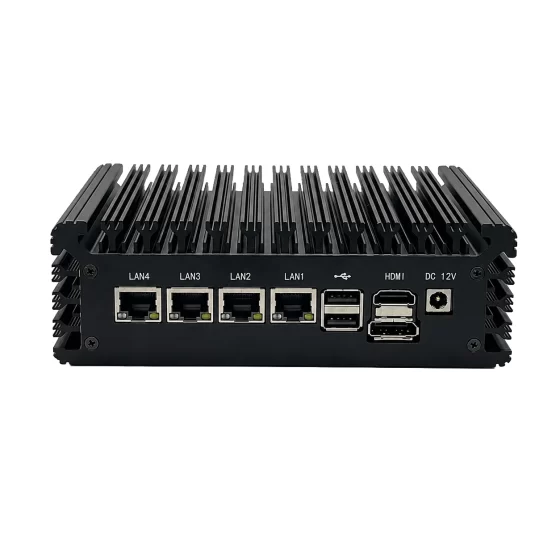
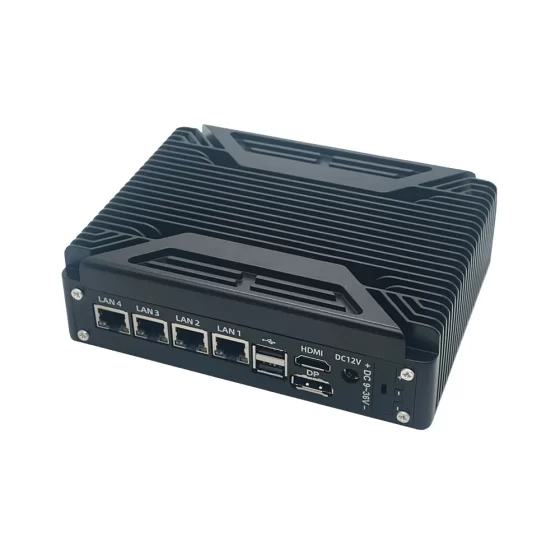
حلول الحوسبة الصناعية CoreIPC

منصة حوسبة الذكاء الاصطناعي للأتمتة: أتمتة الحوسبة بالذكاء الاصطناعي للأنظمة الصناعية الذكية
ملخص تنفيذي
An AI computing automation platform provides the industrial computing foundation for machine vision, الروبوتات, الصيانة التنبؤية, مراقبة العملية, كشف العيب, والتحكم الذكي في المصنع.
نظرًا لأن أنظمة التصنيع أصبحت أكثر ارتباطًا واعتمادًا على البيانات, تحتاج المصانع إلى منصات حوسبة يمكنها معالجة أعباء عمل الذكاء الاصطناعي بالقرب من معدات الإنتاج. إرسال جميع صور الكاميرا, بيانات الاستشعار, سجلات PLC, ويمكن أن تؤدي أحداث الآلة إلى نظام سحابي بعيد إلى إنشاء زمن استجابة, ضغط عرض النطاق الترددي, والاعتماد التشغيلي على توافر الشبكة.
تسمح أتمتة حوسبة الذكاء الاصطناعي لأجهزة الكمبيوتر الصناعية وأجهزة الكمبيوتر المدمجة بإجراء استدلال الذكاء الاصطناعي المحلي, معالجة البيانات في الوقت الحقيقي, دعم القرار من جانب الآلة, وتكامل نظام التشغيل الآلي. يمكن لهذه المنصات توصيل الكاميرات, أجهزة الاستشعار, الشركات المحدودة العامة, الروبوتات, وحدات تحكم الحركة, قارئات الباركود, البوابات الصناعية, وأنظمة برمجيات المصنع.
يمكن لجهاز الكمبيوتر الصناعي أن يعمل كعقدة معالجة الذكاء الاصطناعي المحلية لخطوط الإنتاج, محطات التفتيش, الخلايا الروبوتية, أنظمة التعبئة والتغليف, logistics sorting systems, and smart manufacturing equipment. An embedded computer can provide similar capabilities in a compact form factor for machine builders and space-limited automation systems.
بالمقارنة مع أجهزة الكمبيوتر التجارية القياسية, توفر أجهزة الكمبيوتر الصناعية موثوقية أفضل, الإدخال/الإخراج المرن, تصميم ميكانيكي متين, خيارات بدون مروحة, الأداء الحراري المستقر, الشبكات الصناعية, ودعم دورة الحياة الطويلة.
This article explains how AI computing automation works, ما هي تحديات النشر التي يواجهها المصنعون؟, كيف يتم تنظيم بنية الحل, and which hardware features are important when selecting an industrial computer or embedded computer for AI-enabled automation systems.
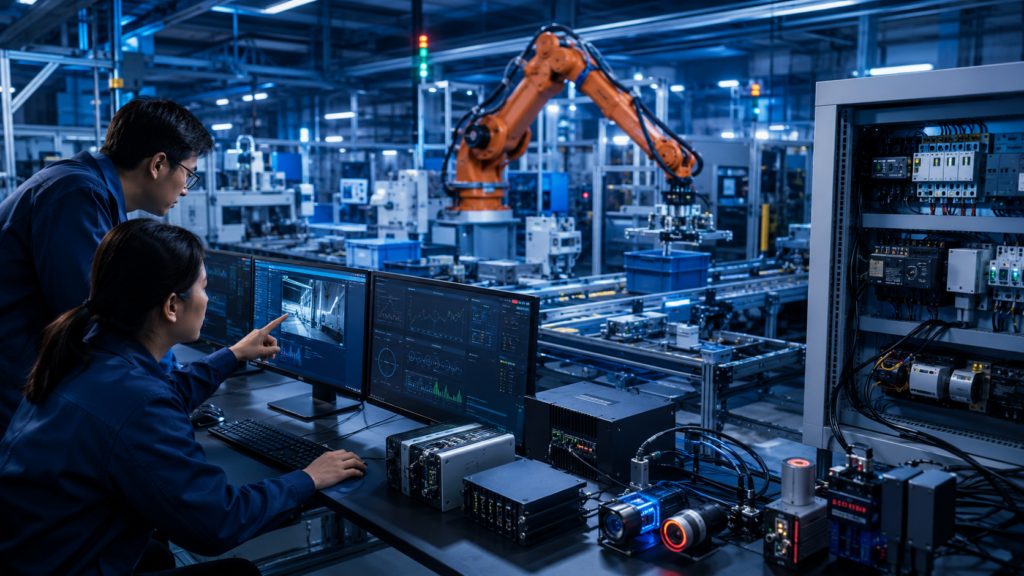
Industrial computers process AI inference, رؤية الآلة, بيانات الاستشعار, and machine events near production equipment.
نظرة عامة على الصناعة
Automation Is Moving from Rule-Based Control to Intelligent Decision-Making
Traditional automation systems are often based on fixed logic.
الشركات المحدودة العامة, أجهزة الاستشعار, المحركات, المرحلات, الناقلات, and machine controllers perform defined actions according to programmed rules. This approach is reliable and widely used, but it has limitations when production environments become more complex.
Modern factories increasingly need systems that can recognize images, تصنيف العيوب, اكتشاف الأنماط غير الطبيعية, monitor equipment behavior, and adapt to variable production conditions.
AI computing automation helps bridge this gap.
It brings AI inference, معالجة الصور, sensor analysis, and local decision support into the automation layer.
AI Is Becoming Practical on the Factory Floor
AI is no longer limited to research labs or cloud analytics platforms.
في البيئات الصناعية, AI is increasingly used for practical production tasks such as:
- كشف العيوب البصرية
- Product classification
- التحقق من التجميع
- التعرف على الباركود والتعرف الضوئي على الحروف (OCR).
- توجيه الروبوت
- الصيانة التنبؤية
- مراقبة السلامة
- عملية الكشف عن الشذوذ
- Sorting and routing control
- تحليل استخدام الطاقة
- Production quality monitoring
تتطلب هذه التطبيقات أجهزة حوسبة محلية موثوقة.
The AI platform must operate near machines, process data quickly, and communicate with automation equipment in a stable way.
Industrial Computing Is the Foundation
An AI automation system depends on more than AI software.
It needs a stable hardware platform that can connect industrial devices, run AI workloads, manage data, and operate continuously in real factory environments.
توفر أجهزة الكمبيوتر الصناعية وأجهزة الكمبيوتر المدمجة هذا الأساس.
They can support camera interfaces, الإدخال/الإخراج الصناعي, منافذ LAN متعددة, الاتصال التسلسلي, تخزين SSD, عرض الإخراج, واجهات التوسعة, وتركيب وعرة.
This makes them suitable for AI-enabled production lines, OEM machines, الأنظمة الروبوتية, industrial IoT nodes, and factory edge computing platforms.

بيانات الكاميرا المتعددة, شبكات الاستشعار, الاتصالات PLC, الروبوتات, ضغط التخزين, and cabinet deployment affect AI automation reliability.
التحديات الرئيسية
Matching AI Workloads with Real Production Needs
AI workloads vary widely across automation systems.
A simple barcode recognition station may only need moderate CPU performance. A multi-camera defect detection line may require stronger CPU, GPU, ذاكرة, تخزين, and network bandwidth.
Common AI automation workloads include:
- كشف الكائنات
- تصنيف الصور
- تجزئة الخلل
- التعرف الضوئي على الحروف
- كشف الشذوذ
- الصيانة التنبؤية
- Robot vision
- اندماج الاستشعار
- تحليلات الفيديو
- Process data analysis
The industrial computer must be selected according to the actual workload, وليس فقط المواصفات العامة.
Real-Time Response Requirements
Automation systems often require fast response.
إذا تأخرت معالجة الذكاء الاصطناعي, the system may fail to reject a defective product, guide a robot, stop an abnormal process, or trigger an alarm in time.
قد تظهر متطلبات الوقت الحقيقي في:
- فحص الرؤية
- فرز الناقل
- Robot picking
- التحقق من التغليف
- High-speed camera systems
- مراقبة السلامة
- Production line alarms
- Machine fault detection
An AI computing automation platform must provide stable sustained performance during continuous operation.
تكامل الأجهزة الصناعية
AI platforms must connect with real equipment.
A factory automation system may include PLCs, أجهزة الاستشعار, الروبوتات, وحدات تحكم الحركة, الكاميرات, وحدات تحكم الإضاءة, قارئات الباركود, بوابات, المفاتيح الصناعية, وقواعد البيانات المحلية.
The AI computer may need to receive trigger signals, صور العملية, send results to PLCs, upload records to MES, and display information on an HMI.
Important integration requirements may include:
- لان
- USB
- RS232
- RS485
- جيبيو
- الإدخال الرقمي
- الإخراج الرقمي
- اتش دي ام اي
- منفذ العرض
- م.2
- بكيي
بدون تصميم الإدخال/الإخراج الصحيح, AI automation projects become harder to deploy and maintain.
عرض النطاق الترددي للبيانات وضغط التخزين
AI automation systems can generate large amounts of data.
كاميرات عالية الدقة, 3D sensors, تدفقات الفيديو, سجلات PLC, صور خلل, ملفات نموذجية, and production records can place pressure on both storage and network systems.
The industrial computer may need to handle:
- تدفقات بيانات الكاميرا
- Temporary image buffering
- AI inference outputs
- قواعد البيانات المحلية
- Defect image storage
- تاريخ الاستشعار
- سجلات الإنتاج
- Model files
- MES or cloud uploads
سرعة التخزين, سعة, and write endurance should be considered early in the system design.
Reliability in Factory Environments
Factory environments are not the same as office environments.
AI automation computers may be installed near machines, داخل خزائن التحكم, على خطوط الإنتاج, inside inspection systems, or next to robotic cells.
قد تتضمن هذه المواقع اهتزازًا, تراب, اختلاف درجة الحرارة, الضوضاء الكهربائية, تدفق هواء محدود, حركة الكابل, والتشغيل المستمر.
Industrial-grade hardware helps reduce the risk of downtime, unstable performance, and maintenance problems.

Industrial computers connect AI workloads, معدات الأتمتة, قواعد البيانات المحلية, الأنظمة السحابية, ومنصات برمجيات المصنع.
AI Computing Automation Solution Architecture
طبقة الحصول على الأجهزة والبيانات
The device layer includes all production equipment and data sources connected to the AI computing platform.
قد تشمل هذه الطبقة:
- الكاميرات الصناعية
- 3كاميرات D
- كاميرات عالية السرعة
- الشركات المحدودة العامة
- أجهزة الاستشعار
- وحدات تحكم الحركة
- الروبوتات
- قارئات الباركود
- وحدات تحكم الإضاءة
- معدات الاختبار
- البوابات الصناعية
- عدادات الطاقة
تولد هذه الأجهزة البيانات الأولية اللازمة لاستدلال الذكاء الاصطناعي, يراقب, فحص الجودة, والتحكم الآلي.
طبقة الحوسبة الصناعية AI
The industrial AI computing layer is the core of the system.
عند هذه الطبقة, the industrial computer or embedded computer performs local processing.
ربما:
- الحصول على الصور من الكاميرات
- تشغيل نماذج الاستدلال بالذكاء الاصطناعي
- تحليل بيانات الاستشعار
- Process PLC records
- Detect defects or anomalies
- Calculate robot guidance data
- نتائج فحص المتجر
- Send alarms or control signals
- عرض لوحات المعلومات المحلية
- تحميل البيانات المحددة إلى أنظمة المصنع
This local edge layer allows AI decisions to happen close to production equipment.
طبقة التحكم الآلي
The automation control layer connects AI results with physical equipment action.
بلك, تحكم الروبوت, تحكم الناقل, or motion controller may trigger data capture and receive results from the AI computer.
على سبيل المثال, after an AI vision model detects a defect, يمكن للكمبيوتر الصناعي إرسال إشارة فشل إلى PLC. The PLC can then activate a reject mechanism or route the product for rework.
In robotic applications, the AI computer may calculate object position and send coordinates to a robot controller.
طبقة تكامل برامج المصنع
AI automation systems need to connect with higher-level factory software.
The industrial computer may send results to:
- زارة التربية والعلم
- سكادا
- تخطيط موارد المؤسسات
- قواعد بيانات الجودة
- لوحات الإنتاج
- المنصات السحابية
- أنظمة الصيانة
- منصات إنترنت الأشياء الصناعية
بدلا من إرسال كافة البيانات الأولية, the AI platform can process data locally and upload selected results, ملخصات, إنذار, or exception records.
This reduces bandwidth pressure and improves system efficiency.
واجهة المستخدم وطبقة الصيانة
يحتاج المشغلون والمهندسون إلى واجهة عملية للمراقبة والصيانة.
The AI computer may connect to a monitor, شاشة تعمل باللمس, لوحة اتش ام اي, or local workstation.
The interface can show:
- Live camera views
- نتائج الكشف عن الذكاء الاصطناعي
- حالة الآلة
- رسائل التنبيه
- تهم الإنتاج
- صور عيب
- Sensor trends
- Model status
- حالة الشبكة
- سجلات النظام
A clear interface helps engineers maintain the AI system and respond quickly to production issues.
الميزات الرئيسية
أداء الاستدلال بالذكاء الاصطناعي
AI computing automation requires stable inference performance.
The right hardware depends on model complexity, عدد الكاميرا, تردد الاستشعار, وقت الدورة, and required response speed.
ينبغي النظر في الاختيار:
- أداء وحدة المعالجة المركزية
- دعم GPU أو مسرع AI
- سعة الذاكرة
- سرعة التخزين
- توسيع PCIe
- توسعة M.2
- استهلاك الطاقة
- التصميم الحراري
- دعم نظام التشغيل
- التوافق مع إطار الذكاء الاصطناعي
For lightweight workloads, قد يكون الكمبيوتر المدمج كافيًا. For multi-camera vision or deep learning inference, an edge AI computer or industrial PC with acceleration may be required.
واجهات الشبكة المتعددة
Industrial AI systems often need multiple network connections.
يمكن لشبكة واحدة توصيل الكاميرات. Another may connect PLCs or machine controllers. قد تقوم شبكة منفصلة بتوصيل MES, سكادا, أو الأنظمة السحابية.
يمكن دعم منافذ LAN المتعددة:
- Camera traffic separation
- اتصالات شبكة الآلة
- اتصال تكنولوجيا المعلومات بالمصنع
- الصيانة عن بعد
- Data upload
- تجزئة الأمن
- Multi-line deployment
Network architecture should be planned before deployment to avoid traffic conflicts.
الإدخال/الإخراج الصناعي المرن
The AI computer must connect with real automation devices.
قد تتضمن خيارات الإدخال/الإخراج المهمة:
- لان
- USB
- RS232
- RS485
- جيبيو
- الإدخال الرقمي
- الإخراج الرقمي
- اتش دي ام اي
- منفذ العرض
- م.2
- بكيي
- تخزين SATA أو NVMe
Flexible I/O reduces external converter usage and improves system reliability.
It also gives machine builders more freedom when integrating AI computing into different equipment platforms.
تصميم متين وبدون مروحة
Industrial automation systems often operate continuously.
تعمل أجهزة الكمبيوتر بدون مروحة على تقليل دخول الغبار وإزالة نقطة عطل ميكانيكية شائعة. تساعد العبوات القوية على الحماية من الاهتزاز, إجهاد الكابل, وشروط تركيب الخزانة.
لكن, AI workloads can generate significant heat.
For high-performance systems, وينبغي مراجعة التصميم الحراري بعناية. قوة المعالج, GPU usage, تصميم العلبة, درجة الحرارة المحيطة, تدفق الهواء, and mounting position all affect long-term stability.
تخزين موثوق وتخزين البيانات مؤقتًا
AI automation platforms may need local storage for images, سجلات, ملفات نموذجية, بيانات الاستشعار, سجلات العيوب, والمخازن المؤقتة.
يُفضل عادةً تخزين SSD أو NVMe لأنه يوفر وصولاً أسرع ومقاومة أفضل للصدمات مقارنة بمحركات الأقراص الميكانيكية.
للتطبيقات كثيفة البيانات, the system design should review:
- سعة التخزين
- Sustained write speed
- اكتب التحمل
- استراتيجية النسخ الاحتياطي
- Retention policy
- احتياجات التخزين المؤقت المحلية
- Database workload
- سلوك انقطاع الشبكة
Reliable storage design helps prevent data loss and supports traceability.
دورة حياة طويلة وقابلية الصيانة
Automation systems may remain in production for many years.
التغييرات المتكررة في نماذج الكمبيوتر, السائقين, واجهات, أو يمكن أن تؤدي خيارات التوسعة إلى زيادة عبء عمل التحقق من الصحة وتكلفة الصيانة.
تساعد منصات الحوسبة الصناعية مع تخطيط دورة الحياة الشركات المصنعة ومصنعي معدات OEM في الحفاظ على أنظمة متسقة عبر خطوط متعددة, المصانع, and equipment generations.
This is especially important for scalable AI deployment.

AI computing platforms improve machine vision, الصيانة التنبؤية, robot monitoring, إمكانية تتبع الإنتاج, and data-driven automation.
سيناريوهات النشر
فحص رؤية الآلة بالذكاء الاصطناعي
AI machine vision is one of the most common automation applications.
An industrial computer can process images from cameras, تشغيل نماذج الكشف عن العيوب, and send pass or fail results to PLCs or quality systems.
قد تشمل التطبيقات فحص الإلكترونيات, فحص البطارية, فحص التغليف, فحص الغذاء, التفتيش الدوائي, and semiconductor AOI.
Robotic Guidance and Picking
Robots can use AI vision to identify objects, locate parts, and adjust movement.
The AI computing platform can process camera images or 3D sensor data and send position information to robot controllers.
وهذا يدعم انتقاء بن, التعامل مع الجزء, assembly verification, فرز, and flexible manufacturing.
الصيانة التنبؤية
AI automation platforms can analyze equipment data from vibration sensors, أجهزة استشعار درجة الحرارة, current sensors, المحركات, مضخات, وأجهزة التحكم في الآلة.
The industrial computer can detect abnormal patterns and generate local alerts before equipment failure becomes more serious.
This helps maintenance teams improve machine availability.
مراقبة خط الإنتاج
AI can monitor production flow, product presence, حالة الآلة, and abnormal conditions.
The computing platform can process camera images, بيانات الاستشعار, and PLC information to detect bottlenecks, الأجزاء المفقودة, line stoppages, أو انحرافات العملية.
This supports real-time production visibility.
Packaging Automation
Packaging systems can use AI computing for label verification, التعرف على الباركود, فحص الختم, cap inspection, carton checking, and final package validation.
The industrial computer processes images locally and sends results to PLCs, آليات الرفض, زارة التربية والعلم, or WMS systems.
This reduces packaging errors and improves traceability.
Logistics Sorting
Logistics automation can use AI and vision to identify parcels, read barcodes, التحقق من التسميات, detect package abnormalities, and guide sorting mechanisms.
يمكن تركيب جهاز كمبيوتر مضمن داخل أنفاق المسح, معدات الفرز, or conveyor control cabinets.
This supports faster and more accurate warehouse automation.
معالجة بيانات إنترنت الأشياء الصناعية
Industrial IoT systems collect data from machines, أجهزة الاستشعار, متر, الشركات المحدودة العامة, and gateways.
An AI computing automation platform can aggregate this data, معالجتها محليا, كشف الحالات الشاذة, and send structured results to dashboards, زارة التربية والعلم, سكادا, أو المنصات السحابية.
This creates a practical bridge between shop-floor equipment and digital manufacturing software.
تكامل آلة تصنيع المعدات الأصلية
Machine builders can integrate AI computers into inspection machines, الأنظمة الروبوتية, بوابات ذكية, معدات الفرز, and automated production equipment.
يمكن لمنصة الحوسبة توفير استنتاج الذكاء الاصطناعي, معالجة الصور, عرض اتش ام اي, الاتصالات PLC, التخزين المحلي, وإخراج بيانات المصنع.
This helps OEMs deliver intelligent equipment for smart manufacturing applications.
فوائد الأعمال
اتخاذ قرارات محلية أسرع
AI computing automation brings processing close to the production equipment.
This reduces latency and allows faster decisions for inspection, فرز, توجيه الروبوت, إنذار, ومراقبة العملية.
Fast local response is important when production systems must act within short cycle times.
تقليل الاعتماد على السحابة
Factories do not always need to send every image, دفق الفيديو, or sensor record to the cloud.
An industrial computer can process data locally and upload only useful results, مثل الإنذارات, سجلات العيوب, ملخصات, أو الصور المختارة.
This reduces bandwidth load and improves production resilience.
Improved Automation Flexibility
AI computing allows automation systems to handle more complex and variable conditions.
Instead of relying only on fixed rules, systems can use visual recognition, كشف الشذوذ, and intelligent classification.
This helps factories automate tasks that are difficult to solve with traditional logic alone.
إمكانية تتبع الإنتاج بشكل أقوى
AI automation data can be linked with product IDs, أوامر العمل, نتائج التفتيش, حالة الآلة, الطوابع الزمنية, معرفات المحطة, and defect images.
وهذا يخلق إمكانية تتبع أقوى لتحليل الجودة, تحسين العملية, عمليات تدقيق العملاء, والمساءلة عن الإنتاج.
Reliable industrial hardware helps ensure that this data is collected and transferred consistently.
Better Equipment Utilization
AI computing platforms can analyze machine data and detect abnormal conditions earlier.
Predictive maintenance and process monitoring can help reduce unexpected downtime and support better maintenance planning.
This helps manufacturers improve equipment availability and production efficiency.
نشر التصنيع الذكي القابل للتطوير
A standardized AI computing platform makes it easier to deploy automation intelligence across multiple machines, خطوط, والمصانع.
تعمل الأجهزة المتسقة على تبسيط صور البرامج, إدارة السائق, تخطيط قطع الغيار, التدريب على الصيانة, ودعم دورة الحياة.
This helps manufacturers move from small AI pilots to scalable production systems.
لماذا كورIPC
توفر CoreIPC منصات حوسبة صناعية لتقنية Edge AI, رؤية الآلة, الأتمتة الصناعية, الروبوتات, وتكامل النظام المدمج. For AI computing automation applications, يركز CoreIPC على أجهزة الكمبيوتر الصناعية الموثوقة, حلول الكمبيوتر المدمجة, تكوينات الإدخال/الإخراج المرنة, تصميم نظام مدمج, ودعم التخصيص OEM/ODM. CoreIPC يساعد تكامل النظام, بناة الآلة, وتقوم فرق التصنيع باختيار منصات الحوسبة التي تتوافق مع متطلبات النشر الحقيقية, بما في ذلك عبء عمل الذكاء الاصطناعي, واجهات الكاميرا, تصميم الشبكة, الاتصالات الأتمتة, احتياجات التخزين, طرق التركيب, مدخلات الطاقة, الظروف الحرارية, وتخطيط دورة الحياة.
الأسئلة المتداولة
1. What is an AI computing platform for automation?
An AI computing platform for automation is an industrial computer or embedded computer used to run AI workloads near machines and production equipment.
يمكنه معالجة صور الكاميرا, بيانات الاستشعار, سجلات PLC, and machine events. It may also run AI inference models, كشف العيوب, توجيه الروبوتات, trigger alarms, and upload selected data to MES, سكادا, أو المنصات السحابية.
2. Why use an industrial computer for AI computing automation?
تم تصميم الكمبيوتر الصناعي لنشر المصنع.
وهو يدعم التشغيل المستمر, تصاعد وعرة, الإدخال/الإخراج الصناعي, واجهات شبكة متعددة, اتصال الكاميرا, تخزين موثوق, وتوافر دورة حياة طويلة. These features make it more suitable than a standard office PC for AI automation systems installed near machines, الناقلات, الروبوتات, وخزائن التحكم.
3. How is an embedded computer used in automation AI systems?
يمكن تركيب جهاز كمبيوتر مدمج داخل أجهزة الفحص, الخلايا الروبوتية, بوابات ذكية, أنظمة التعبئة والتغليف, معدات الفرز, or production cabinets.
يمكنه تشغيل استنتاج الذكاء الاصطناعي, صور العملية, التواصل مع PLCs, عرض النتائج المحلية, and send data to factory software. Its compact design makes it useful for OEM equipment and space-limited installations.
4. What AI workloads can automation computers support?
AI automation computers can support visual inspection, كشف العيب, التعرف الضوئي على الحروف, التعرف على الباركود, توجيه الروبوت, الصيانة التنبؤية, كشف الشذوذ, مراقبة الإنتاج, تحليلات الفيديو, ومعالجة بيانات إنترنت الأشياء الصناعية.
يعتمد عبء العمل الدقيق على أداء وحدة المعالجة المركزية, دعم GPU أو مسرع AI, سعة الذاكرة, سرعة التخزين, عرض النطاق الترددي للكاميرا, وتوافق البرامج.
5. Does an AI automation platform need a GPU?
تحتاج بعض أحمال عمل الذكاء الاصطناعي إلى دعم GPU أو AI Accelerator, especially for high-resolution machine vision, فحص متعدد الكاميرات, تحليلات الفيديو, أو نماذج التعلم العميق المعقدة.
Other applications may run on CPU-based industrial computers if the model is lightweight and the cycle time is moderate. Hardware should be selected based on real model testing and production requirements.
6. What interfaces are important for AI computing automation?
قد تشتمل الواجهات المهمة على منافذ LAN متعددة, USB 3.0, RS232, RS485, جيبيو, المدخلات الرقمية, الإخراج الرقمي, اتش دي ام اي, منفذ العرض, م.2, بكيي, ساتا, ودعم تخزين NVMe.
تدعم هذه الواجهات الكاميرات, أجهزة الاستشعار, الشركات المحدودة العامة, الروبوتات, وحدات تحكم الإضاءة, قارئات الباركود, البوابات الصناعية, أجهزة التخزين, والعروض المحلية.
7. Can fanless industrial computers support AI automation?
Fanless industrial computers can support many AI automation workloads, especially moderate vision, الحصول على البيانات, and edge processing tasks.
لكن, high-performance AI inference may generate significant heat. قوة وحدة المعالجة المركزية, GPU or accelerator usage, تصميم العلبة, تدفق هواء الخزانة, درجة الحرارة المحيطة, وينبغي مراجعة طريقة التركيب قبل الاختيار النهائي للأجهزة.
8. How does AI computing automation connect with PLCs?
The AI computer can connect with PLCs through Ethernet, الاتصال التسلسلي, الإدخال/الإخراج الرقمي, أو واجهات برامج التشغيل الآلي المدعومة.
A PLC may trigger image capture or send machine status to the AI computer. بعد المعالجة, the AI computer can return pass, يفشل, إنذار, موضع, or classification results to the PLC for production action.
9. Can AI automation systems connect with MES or SCADA?
نعم. Industrial computers can send AI results, بيانات الإنتاج, إنذار, سجلات التفتيش, and equipment status to MES, سكادا, قواعد بيانات الجودة, أو لوحات المعلومات.
This connects machine-side intelligence with higher-level manufacturing systems. It also supports traceability, مراقبة الإنتاج, وتحسين العملية.
10. What should be tested before deploying an AI automation computer?
قبل النشر, يجب اختبار النظام بكاميرات حقيقية, أجهزة الاستشعار, الشركات المحدودة العامة, نماذج الذكاء الاصطناعي, production cycle times, عبء عمل التخزين, بنية الشبكة, وتشغيل طويل الأمد.
الاستقرار الحراري, I/O reliability, التخزين المؤقت المحلي, تحميل البيانات, ويجب أيضًا التحقق من صحة الوصول إلى الصيانة. وهذا يساعد على تقليل المخاطر أثناء بدء الإنتاج.
خاتمة
An AI computing automation platform is a practical foundation for bringing machine vision, استنتاج الذكاء الاصطناعي, sensor analytics, توجيه الروبوت, الصيانة التنبؤية, and industrial IoT processing closer to production equipment.
By using an industrial computer or embedded computer near cameras, أجهزة الاستشعار, الشركات المحدودة العامة, الروبوتات, الناقلات, وأنظمة الإنتاج, يمكن للمصنعين معالجة البيانات محليًا, تقليل الكمون, improve automation flexibility, and strengthen factory traceability.
يجب اختيار النظام الأساسي المناسب وفقًا لمتطلبات النشر الحقيقية, بما في ذلك عبء عمل الذكاء الاصطناعي, واجهة الكاميرا, تكوين الإدخال/الإخراج, تصميم الشبكة, احتياجات التخزين, متطلبات التوسع, طريقة التركيب, مدخلات الطاقة, الظروف الحرارية, دعم نظام التشغيل, وتخطيط دورة الحياة.
CoreIPC supports AI computing automation projects with industrial computing platforms designed for practical factory and equipment deployment. مع أساس الأجهزة الصحيح, يمكن للمصنعين وبناة الآلات بناء موثوقة, قابلة للتطوير, and data-driven automation systems for smart manufacturing.
اتصل بنا
أبحث عن جهاز كمبيوتر صناعي, الكمبيوتر المدمج, or edge AI platform for AI computing automation?
تواصل مع CoreIPC لمناقشة متطلبات مشروعك, بما في ذلك عبء عمل الذكاء الاصطناعي, واجهة الكاميرا, بنية الشبكة, تكوين الإدخال/الإخراج, تصميم التخزين, الاتصالات الأتمتة, طريقة التركيب, مدخلات الطاقة, بيئة التشغيل, احتياجات دورة الحياة, وخيارات التخصيص OEM/ODM.