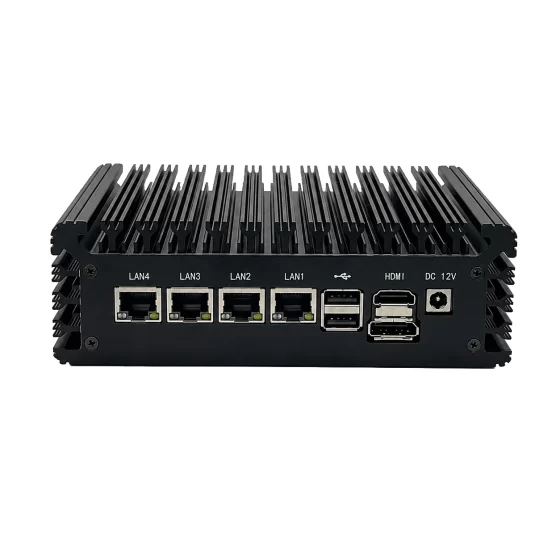
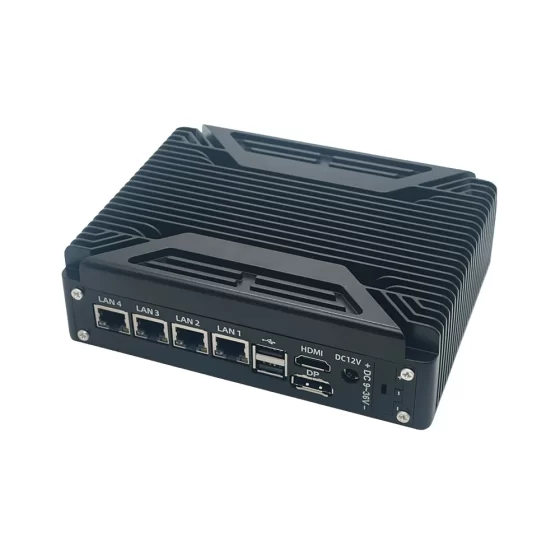
حلول الحوسبة الصناعية CoreIPC

منصة حوسبة رؤية الذكاء الاصطناعي: منصة AI Vision للتفتيش الصناعي والأتمتة
ملخص تنفيذي
An AI vision platform provides the industrial computing foundation for machine vision inspection, كشف العيب, التعرف على الكائنات, التوجيه الروبوتي, التحقق من التعبئة والتغليف, ومراقبة جودة الإنتاج.
تستخدم المصانع الحديثة المزيد من الكاميرات, أجهزة الاستشعار, نماذج الذكاء الاصطناعي, وأنظمة التشغيل الآلي لتحسين دقة الفحص ورؤية الإنتاج. بدلاً من الاعتماد فقط على الفحص اليدوي أو أنظمة الرؤية البسيطة القائمة على القواعد, يمكن للمصنعين استخدام رؤية الذكاء الاصطناعي للكشف عن العيوب المعقدة, تصنيف المنتجات, التعرف على التسميات, توجيه الروبوتات, وربط نتائج الفحص ببرنامج المصنع.
يعمل الكمبيوتر الصناعي أو الكمبيوتر المدمج كمنصة حوسبة رؤية محلية تعمل بالذكاء الاصطناعي. يتلقى بيانات الصورة من الكاميرات, يدير نماذج استدلال الذكاء الاصطناعي, يتواصل مع PLCs والروبوتات, سجلات تفتيش المخازن, وتحميل النتائج المحددة إلى MES, قواعد بيانات الجودة, أنظمة سكادا, أو المنصات السحابية.
بالمقارنة مع أجهزة الكمبيوتر التجارية القياسية, industrial computers are better suited for factory deployment because they provide rugged design, الإدخال/الإخراج المرن, شبكات مستقرة, خيارات بدون مروحة, تخزين موثوق, ودعم دورة الحياة الطويلة.
An AI vision computing platform can be deployed in electronics manufacturing, فحص أشباه الموصلات, battery production, خطوط التعبئة والتغليف, تجهيز الأغذية, pharmaceutical inspection, الفرز اللوجستي, الخلايا الروبوتية, and general industrial automation.
This article explains how AI vision platforms work, ما هي تحديات النشر التي يواجهها المصنعون؟, كيف يتم تنظيم بنية الحل, and which hardware features are important when selecting an industrial computer or embedded computer for AI vision applications.
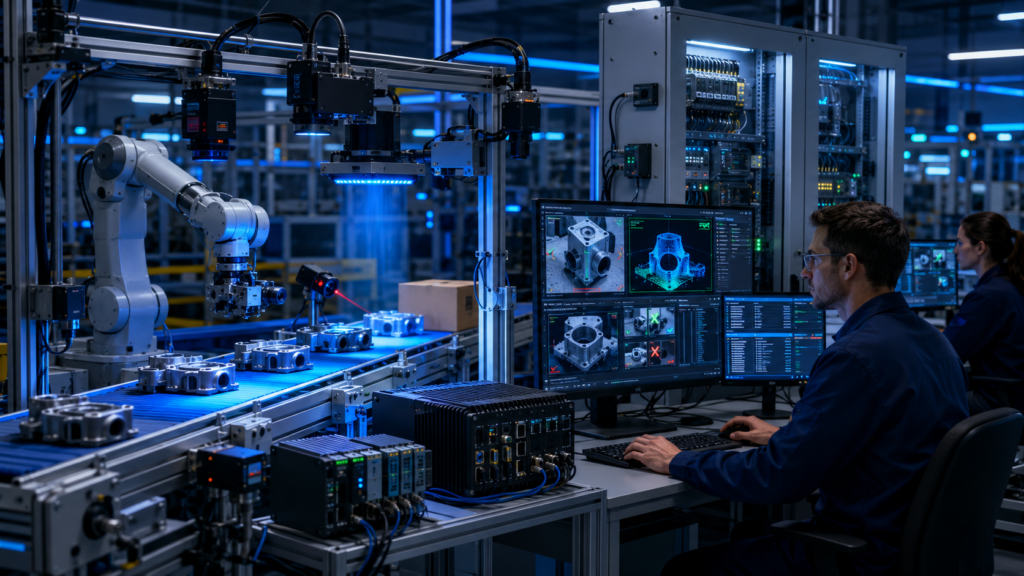
AI vision platforms process camera images for inspection, recognition, التوجيه الروبوتي, التحقق من التعبئة والتغليف, والأتمتة.
نظرة عامة على الصناعة
Machine Vision Is Becoming More Intelligent
Traditional machine vision has been used for many years in industrial inspection.
It can check product presence, measure simple dimensions, read barcodes, التحقق من التسميات, and detect clear defects. These applications usually rely on fixed rules, العتبات, edge detection, pattern matching, or predefined inspection logic.
لكن, many real production defects are not simple.
الخدوش, الخدوش, الشقوق, البقع, الأجزاء المفقودة, solder issues, packaging damage, تلوث السطح, and assembly errors may appear in different shapes, الأحجام, الألوان, وظروف الإضاءة.
AI vision helps address these challenges by using trained models to identify patterns that are difficult to define through fixed rules alone.
AI Vision Is Moving to the Edge
AI vision systems often need local processing close to production equipment.
Sending all images to a remote server or cloud platform can create latency, network pressure, storage cost, and dependency on external connections.
A local AI vision platform can process images at the machine side and return results quickly.
هذا مهم ل:
- رفض العيب
- توجيه الروبوت
- التحقق من الباركود
- فحص التغليف
- Sorting decisions
- Production alarms
- إمكانية تتبع الجودة
- مراقبة في الوقت الحقيقي
Industrial edge computing allows AI vision systems to become practical production tools instead of only offline analysis systems.
الحوسبة الصناعية هي مؤسسة الأجهزة
AI vision systems require more than cameras and models.
They need stable industrial computing hardware that can connect cameras, صور العملية, communicate with automation equipment, تخزين السجلات, and operate continuously in factory environments.
توفر أجهزة الكمبيوتر الصناعية وأجهزة الكمبيوتر المدمجة هذا الأساس.
They support camera interfaces, منافذ LAN متعددة, اتصال USB, الاتصال التسلسلي, جيبيو, تخزين SSD, عرض الإخراج, وحدات التوسعة, وتركيب وعرة.
This makes them suitable for machine-side AI inspection, OEM vision systems, الخلايا الروبوتية, and smart manufacturing platforms.

بيانات الكاميرا المتعددة, إضاءة, انعكاس السطح, تباين الخلل, ضغط عرض النطاق الترددي, and automation integration affect AI vision reliability.
التحديات الرئيسية
ارتفاع عبء عمل معالجة الصور
AI vision platforms often process high-resolution images, تيارات الكاميرا المتعددة, أو نماذج التعلم العميق المعقدة.
يعتمد عبء عمل الحوسبة على:
- دقة الكاميرا
- عدد الكاميرات
- معدل الإطار
- تعقيد نموذج الذكاء الاصطناعي
- زمن دورة التفتيش
- Image preprocessing
- تصنيف العيوب
- تخزين الصور المحلية
- Factory data upload
If the computer is underpowered, the system may experience delayed processing, الإطارات المسقطة, unstable inspection speed, or missed production timing.
Stable sustained performance is more important than short peak benchmark performance.
Camera Interface and Bandwidth Planning
AI vision systems may use USB cameras, كاميرات جيجا, 2.5كاميرات جيجابت, 10كاميرات جيجابت, 3كاميرات D, or specialized industrial vision interfaces.
Each camera configuration has different bandwidth requirements.
A single low-resolution camera may be easy to support. A multi-camera inspection platform may require careful network separation, القدرة على التوسع, and high-speed storage.
Poor interface planning can limit the whole system.
Even a powerful processor cannot solve a camera data bottleneck if the industrial computer does not provide the correct camera interface or bandwidth.
Image Quality and Lighting Stability
AI vision accuracy depends heavily on image quality.
الإضاءة السيئة يمكن أن تخلق الظلال, وهج, تأملات, تباين منخفض, طمس الحركة, or color inconsistency. These problems can reduce model accuracy and increase false rejection.
A reliable AI vision system requires coordination between:
- اختيار الكاميرا
- Lens design
- Lighting method
- Product positioning
- توقيت الزناد
- Mechanical mounting
- التدريب على نماذج الذكاء الاصطناعي
- Computing hardware
The industrial computer must support stable image acquisition and reliable connection with cameras, وحدات تحكم الإضاءة, وأجهزة الاستشعار الزناد.
التكامل مع معدات الأتمتة
AI vision results must connect with real production action.
قد يحتاج النظام إلى التواصل مع PLCs, الناقلات, الروبوتات, آليات الرفض, أجهزة الاستشعار, قارئات الباركود, إنذار, أنظمة MES, وقواعد بيانات الجودة.
A practical AI vision platform may need:
- لان
- USB
- RS232
- RS485
- جيبيو
- الإدخال الرقمي
- الإخراج الرقمي
- اتش دي ام اي
- منفذ العرض
- م.2
- بكيي
بدون إدخال/إخراج صناعي مناسب, يصبح تكامل النظام أكثر تعقيدًا وأقل موثوقية.
موثوقية المصنع على المدى الطويل
AI vision systems often operate across multiple shifts.
They may be installed near production lines, داخل ماكينات التفتيش, in control cabinets, بجانب الناقلات, or inside robotic cells.
قد تشمل هذه البيئات الاهتزاز, تراب, حرارة, الضوضاء الكهربائية, حركة الكابل, وتدفق الهواء محدود.
Industrial-grade hardware helps reduce downtime risk by supporting rugged mechanical design, الأداء الحراري المستقر, تخزين موثوق, تركيب آمن, واستمرارية دورة الحياة.

Industrial computers connect AI vision cameras, معدات الأتمتة, الروبوتات, برنامج المصنع, وأنظمة الجودة.
AI Vision Platform Solution Architecture
طبقة الحصول على الصور
The image acquisition layer captures visual data from products, أجزاء, الحزم, التسميات, or production processes.
قد تشمل هذه الطبقة:
- الكاميرات الصناعية
- 3كاميرات D
- كاميرات عالية السرعة
- Lenses
- وحدات الإضاءة
- أجهزة الاستشعار الزناد
- قارئات الباركود
- أجهزة استشعار الموقف
- أنظمة الحركة
اعتمادا على التطبيق, the system may capture surface images, assembly images, label images, barcode images, صور الحزمة, صور خلل, or 3D depth data.
Stable and repeatable image quality is the foundation of reliable AI vision performance.
طبقة الحوسبة الصناعية AI
The industrial AI computing layer is where the AI vision platform performs local processing.
عند هذه الطبقة, قد يكون الكمبيوتر الصناعي أو الكمبيوتر المدمج:
- تلقي بيانات الصورة من الكاميرات
- تشغيل نماذج الاستدلال بالذكاء الاصطناعي
- Process machine vision algorithms
- اكتشاف العيوب أو الانحرافات
- Classify products or defect types
- تخزين صور وسجلات التفتيش
- عرض حالة الفحص
- إرسال إشارات النجاح أو الفشل
- Communicate with PLCs or robots
- تحميل البيانات المحددة إلى أنظمة المصنع
This layer allows inspection and recognition decisions to happen close to production equipment.
طبقة التحكم الآلي
The automation control layer connects AI vision results with physical equipment action.
بلك, تحكم الروبوت, تحكم الناقل, نظام الحركة, or reject mechanism may trigger image capture and receive results from the AI vision computer.
على سبيل المثال, after detecting a defective package, the industrial computer can send a fail signal to a PLC. The PLC can activate a reject mechanism.
In robotic applications, the AI vision platform may identify object position and send coordinate data to the robot controller.
طبقة إدارة البيانات
AI vision results become more valuable when connected with production records.
قد يرسل الكمبيوتر الصناعي البيانات إلى MES, سكادا, قواعد بيانات الجودة, WMS, تخطيط موارد المؤسسات, أو المنصات السحابية.
قد تتضمن بيانات التفتيش:
- معرف المنتج
- أمر العمل
- رقم الدفعة
- نتيجة التفتيش
- فئة الخلل
- أدلة الصورة
- درجة الثقة
- معرف المحطة
- الطابع الزمني
- عمل المشغل
- Rework status
وهذا يدعم إمكانية التتبع, تحليل الجودة, تحسين العملية, والمساءلة عن الإنتاج.
واجهة المستخدم وطبقة الصيانة
يحتاج المشغلون والمهندسون إلى واجهة محلية عملية.
The AI vision computer may connect to a monitor, شاشة تعمل باللمس, لوحة اتش ام اي, or engineering workstation.
The interface can show:
- Live camera images
- نتائج الكشف عن الذكاء الاصطناعي
- Defect locations
- تهم الإنتاج
- Reject statistics
- Camera status
- AI model status
- حالة الشبكة
- رسائل التنبيه
- سجلات النظام
A clear local interface helps engineers adjust parameters, review inspection results, and troubleshoot system issues quickly.
الميزات الرئيسية
أداء الاستدلال بالذكاء الاصطناعي
AI vision platforms require stable inference performance.
The right hardware depends on model complexity, دقة الكاميرا, عدد الكاميرا, سرعة الإنتاج, ومتطلبات وقت الاستجابة.
ينبغي النظر في الاختيار:
- أداء وحدة المعالجة المركزية
- دعم GPU أو مسرع AI
- سعة الذاكرة
- سرعة التخزين
- عرض النطاق الترددي للكاميرا
- إطار البرمجيات
- دعم نظام التشغيل
- التصميم الحراري
- الاستقرار على المدى الطويل
A compact embedded computer may support moderate AI workloads. A multi-camera AI inspection platform may require an edge AI computer or higher-performance industrial PC.
دعم واجهة الكاميرا والرؤية
يعد اتصال الكاميرا أحد أهم متطلبات الأجهزة.
قد تتضمن خيارات الواجهة المفيدة:
- USB 3.0
- منافذ LAN متعددة
- 2.5خيارات GbE أو 10GbE
- توسيع PCIe
- توسعة M.2
- اتش دي ام اي
- منفذ العرض
- تخزين SSD أو NVMe عالي السرعة
للأنظمة متعددة الكاميرات, camera traffic should be planned carefully.
In many deployments, one network may connect cameras while another connects the factory system. This helps reduce traffic conflict and improves system stability.
الإدخال/الإخراج الصناعي المرن
AI vision computers must connect with real factory equipment.
قد تتضمن خيارات الإدخال/الإخراج المهمة:
- لان
- USB
- RS232
- RS485
- جيبيو
- الإدخال الرقمي
- الإخراج الرقمي
- عرض الإخراج
- Expansion slots
يمكن لهذه الواجهات دعم الكاميرات, وحدات تحكم الإضاءة, أجهزة الاستشعار, قارئات الباركود, الشركات المحدودة العامة, الناقلات, الروبوتات, إنذار, وآليات الرفض.
يعمل الإدخال/الإخراج المرن على تقليل المحولات الخارجية وتحسين موثوقية النشر.
تصميم متين وبدون مروحة
Fanless industrial computers are useful in many AI vision applications.
إنها تقلل من دخول الغبار وتزيل نقطة عطل ميكانيكية شائعة. This supports lower maintenance in production environments where systems run continuously.
يساعد الغلاف المتين على حماية الكمبيوتر من الاهتزاز, إجهاد الكابل, وشروط تركيب الخزانة.
لكن, AI workloads can generate heat.
For high-performance AI vision systems, وينبغي مراجعة التصميم الحراري بعناية. عبء عمل المعالج, استخدام GPU أو المسرع, تدفق هواء الخزانة, درجة الحرارة المحيطة, and mounting method all affect long-term stability.
Reliable Storage for Vision Data
AI vision systems may generate many images and records.
قد يقوم الكمبيوتر بتخزين:
- صور عيب
- Accepted image samples
- سجلات التفتيش
- ملفات نماذج الذكاء الاصطناعي
- قواعد البيانات المحلية
- Production reports
- مقاطع فيديو
- المخازن المؤقتة
يُفضل عادةً تخزين SSD أو NVMe لأنه يوفر وصولاً أسرع ومقاومة أفضل للصدمات مقارنة بمحركات الأقراص الميكانيكية.
For image-heavy systems, سعة التخزين, سرعة الكتابة المستدامة, اكتب التحمل, طريقة النسخ الاحتياطي, ويجب مراجعة سياسة الاحتفاظ أثناء التصميم.
دورة حياة طويلة وقابلية الصيانة
AI vision systems may remain in production for many years.
يمكن أن تؤدي التغييرات المتكررة في الأجهزة إلى حدوث مشكلات في التحقق من صحة البرامج, مشاكل توافق السائق, تحديات قطع الغيار, and maintenance cost.
Industrial computing platforms with lifecycle planning help manufacturers and machine builders maintain consistent deployments across multiple production lines, آلات, ومواقع المصانع.
This is especially important for scalable AI vision deployment.
سيناريوهات النشر
كشف العيوب البصرية بالذكاء الاصطناعي
AI vision platforms are widely used for defect detection.
The system can inspect surfaces, عناصر, assemblies, الحزم, التسميات, and finished products.
It can detect scratches, الخدوش, الشقوق, البقع, الأجزاء المفقودة, incorrect assembly, تلوث, العبوة التالفة, and visual abnormalities.
The industrial computer processes images locally and sends results to PLCs or quality systems.
فحص الإلكترونيات وSMT
Electronics manufacturing can use AI vision for PCB inspection, التحقق من المكونات, solder review, التعرف على الباركود, فحص الموصل, and repair data collection.
يمكن تركيب جهاز كمبيوتر مضمن بالقرب من خطوط SMT, معدات المنظمة العربية للتصنيع, محطات الاختبار, أو مقاعد الإصلاح.
يمكن ربط نتائج الفحص بالأرقام التسلسلية لثنائي الفينيل متعدد الكلور, أوامر العمل, and MES records.
فحص أشباه الموصلات
Semiconductor inspection may require high-resolution imaging for wafers, يموت, ركائز, الحزم, and laser marks.
An AI vision platform can support defect classification, التحقق من العلامة, فحص الحزمة, and quality traceability.
The industrial computer processes image data and connects results with MES, توافق آراء ساو باولو, أو قواعد بيانات الجودة.
فحص تصنيع البطارية
Battery production can use AI vision for electrode surface inspection, فحص مظهر الخلية, فحص لحام التبويب, التحقق من تجميع الوحدة, wiring inspection, فحص التسمية, وتفتيش الحزمة.
The AI vision computer processes images locally and sends results to production systems.
This supports quality control and traceability in battery manufacturing.
فحص التغليف
AI vision platforms can inspect labels, الرموز الشريطية, رموز التاريخ, الأختام, قبعات, كرتون, الحقائب, زجاجات, and final packages.
The industrial computer can detect packaging defects and trigger reject mechanisms through PLC communication.
This helps reduce shipment errors and improve packaging quality.
Food and Pharmaceutical Inspection
Food and pharmaceutical production often require visual inspection of products, الحزم, التسميات, رموز, الأختام, والتغليف النهائي.
AI vision platforms can support appearance inspection, فحص مستوى التعبئة, التحقق من التسمية, التعرف على الباركود, وكشف الخلل.
Industrial computing hardware helps connect inspection results with batch and quality records.
Logistics Sorting and Barcode Recognition
Logistics systems can use AI vision for parcel identification, التعرف على الباركود, التحقق من التسمية, التحكم في الفرز, and exception handling.
يمكن تركيب جهاز كمبيوتر مضمن داخل أنفاق المسح, أنظمة الناقل, or sorting equipment.
The system can send sorting results to WMS platforms and PLC-controlled diverters.
Robotic Vision Guidance
Robots often need vision data to identify objects, locate parts, and adjust motion.
An AI vision platform can process 2D or 3D camera data and send position information to robot controllers.
وهذا يدعم انتقاء بن, حَشد, فرز, تقتيش, والأتمتة المرنة.
فوائد الأعمال
تحسين اتساق التفتيش
AI vision platforms help manufacturers inspect products more consistently across production shifts.
The system processes images according to trained models and inspection logic. This reduces dependence on manual judgment and helps maintain stable quality control.
Reliable industrial computing hardware supports consistent image acquisition and AI inference.
Faster Production Decisions
Local AI processing enables faster response.
The industrial computer can detect defects, تصنيف النتائج, and send pass or fail signals to PLCs or robots near the production line.
This helps support faster reject actions, rework routing, قرارات الفرز, and automation response.
تقليل عبء عمل الفحص اليدوي
يمكن أن يكون الفحص اليدوي متكررًا, بطيء, وغير متناسقة.
AI vision automates many visual inspection tasks and allows operators to focus on exceptions, صيانة, setup, وتحسين العملية.
This improves efficiency and reduces missed defects caused by fatigue.
إمكانية تتبع الجودة بشكل أقوى
AI vision data can be linked with product IDs, أوامر العمل, فئات العيوب, الصور, الطوابع الزمنية, معلومات المحطة, وإجراءات المشغل.
This creates stronger quality records for customer audits, التحقيق في الضمان, مراجعة العملية, وتحليل السبب الجذري.
Traceability becomes more valuable when inspection data is collected consistently and connected with factory systems.
تحسين عملية أفضل
AI vision platforms generate useful production data.
يمكن للمصنعين تحليل العيوب المتكررة, عملية الانجراف, machine-related quality issues, رفض الاتجاهات, and product variation.
Reliable industrial computers help ensure that this data is stored, نقل, and displayed consistently.
نشر التصنيع الذكي القابل للتطوير
A standardized AI vision platform makes it easier to deploy inspection and recognition systems across multiple machines, خطوط, والمصانع.
تعمل الأجهزة المتسقة على تبسيط صور البرامج, camera driver management, تخطيط قطع الغيار, التدريب على الصيانة, ودعم دورة الحياة.
This helps manufacturers move from pilot AI vision projects to scalable production deployment.
لماذا كورIPC
توفر CoreIPC منصات حوسبة صناعية لرؤية الآلة, حافة الذكاء الاصطناعي, أتمتة المصنع, الروبوتات, وتكامل النظام المدمج. For AI vision platform applications, يركز CoreIPC على أجهزة الكمبيوتر الصناعية الموثوقة, حلول الكمبيوتر المدمجة, تكوينات الإدخال/الإخراج المرنة, تصميم نظام مدمج, ودعم التخصيص OEM/ODM. CoreIPC يساعد تكامل النظام, بناة الآلة, وتقوم فرق التصنيع باختيار منصات الحوسبة التي تتوافق مع متطلبات النشر الحقيقية, بما في ذلك واجهات الكاميرا, أعباء عمل الذكاء الاصطناعي, الاتصالات الأتمتة, تصميم الشبكة, احتياجات التخزين, طرق التركيب, مدخلات الطاقة, الظروف الحرارية, وتخطيط دورة الحياة.
الأسئلة المتداولة
1. What is an AI vision platform?
An AI vision platform is an industrial computing system used to process camera images and run AI-based inspection or recognition software.
It can detect defects, تصنيف المنتجات, قراءة التسميات, verify barcodes, توجيه الروبوتات, وربط النتائج بأنظمة المصنع. وعادة ما تشمل الكاميرات, إضاءة, نماذج الذكاء الاصطناعي, برنامج رؤية الآلة, and an industrial computer or embedded computer.
2. Why use an industrial computer for AI vision?
An industrial computer is designed for factory environments.
وهو يدعم التشغيل المستمر, تصاعد وعرة, الإدخال/الإخراج الصناعي, اتصال الكاميرا, تخزين مستقر, منافذ شبكة متعددة, ونشر دورة حياة طويلة. These features make it more suitable than a standard office PC for AI vision systems installed near machines, الناقلات, الروبوتات, ومحطات التفتيش.
3. How is an embedded computer used in AI vision systems?
يمكن تركيب جهاز كمبيوتر مدمج داخل أجهزة الفحص, الخلايا الروبوتية, أنظمة التعبئة والتغليف, مسح الأنفاق, أو خزائن التحكم.
It can receive camera data, تشغيل استنتاج الذكاء الاصطناعي, التواصل مع PLCs, عرض النتائج المحلية, and upload inspection records. Its compact design makes it useful for OEM equipment and space-limited machine-side deployment.
4. What applications can an AI vision computing platform support?
AI vision platforms can support visual defect detection, assembly verification, التعرف على الباركود, فحص التغليف, فحص الغذاء, pharmaceutical inspection, فحص البطارية, فحص أشباه الموصلات, فحص سمت, الفرز اللوجستي, and robotic guidance.
The exact application depends on camera setup, تصميم نموذج الذكاء الاصطناعي, سرعة الإنتاج, احتياجات الإدخال/الإخراج, ومتطلبات تكامل النظام.
5. Does an AI vision platform need a GPU?
Some AI vision applications need GPU or AI accelerator support, especially for high-resolution images, كاميرات متعددة, تحليلات الفيديو, 3رؤية د, أو نماذج التعلم العميق المعقدة.
Other applications may run on CPU-based industrial computers if the model is lightweight and the cycle time is moderate. Hardware should be selected based on real model testing.
6. What interfaces are important for AI vision computers?
قد تتضمن الواجهات المهمة USB 3.0, منافذ LAN متعددة, 2.5يحمل, 10يحمل, RS232, RS485, جيبيو, المدخلات الرقمية, الإخراج الرقمي, اتش دي ام اي, منفذ العرض, م.2, وتوسيع PCIe.
Camera interfaces are critical. يعد الإدخال / الإخراج الصناعي مهمًا أيضًا لاتصالات PLC, التحكم في الإضاءة, أجهزة الاستشعار, المشغلات, الروبوتات, الناقلات, وآليات الرفض.
7. Can fanless industrial computers support AI vision?
Fanless industrial computers can support many AI vision applications, especially moderate single-camera or low-maintenance deployments.
لكن, high-performance AI inference, فحص متعدد الكاميرات, or GPU-based workloads may generate significant heat. عبء عمل المعالج, استخدام مسرع, تدفق هواء الخزانة, درجة الحرارة المحيطة, and mounting position should be reviewed before deployment.
8. How does AI vision support traceability?
AI vision supports traceability by linking inspection results with product IDs, أوامر العمل, فئات العيوب, سجلات الصور, الطوابع الزمنية, معرفات المحطة, وإجراءات المشغل.
يمكن تحميل هذه البيانات إلى MES, قواعد بيانات الجودة, WMS, سكادا, أو المنصات السحابية. تساعد السجلات الكاملة الشركات المصنعة على تحليل العيوب, دعم عمليات التدقيق, وتحسين عمليات الإنتاج.
9. Can an AI vision platform connect with PLCs and robots?
نعم. An AI vision computer can communicate with PLCs, وحدات تحكم الروبوت, الناقلات, آليات الرفض, أجهزة الاستشعار, and other automation devices.
The system can receive triggers, صور العملية, وإرسال تمريرة, يفشل, موضع, تصنيف, or alarm results back to the equipment. This makes AI vision useful for real production control.
10. ما الذي يجب اختباره قبل النشر?
قبل النشر, يجب اختبار النظام بكاميرات حقيقية, real products, إضاءة الإنتاج, سرعة الخط الفعلية, نماذج الذكاء الاصطناعي, الاتصالات PLC, تكامل الروبوت, عبء عمل التخزين, وظروف الشبكة.
الاستقرار على المدى الطويل, thermal performance, موثوقية الحصول على الإطار, and data upload behavior should also be validated to reduce production risk.
خاتمة
An AI vision platform is a practical foundation for machine vision inspection, AI defect detection, التوجيه الروبوتي, التعرف على الباركود, التحقق من التعبئة والتغليف, الفرز اللوجستي, وتتبع الإنتاج.
عن طريق وضع جهاز كمبيوتر صناعي أو جهاز كمبيوتر مدمج بالقرب من الكاميرات, أجهزة الاستشعار, الشركات المحدودة العامة, الناقلات, الروبوتات, ومعدات التفتيش, manufacturers can process visual data locally, تقليل الكمون, improve inspection consistency, وربط النتائج بأنظمة المصنع.
The right AI vision computing platform should be selected according to real deployment requirements, بما في ذلك واجهة الكاميرا, عبء عمل الذكاء الاصطناعي, دقة الصورة, تكوين الإدخال/الإخراج, بنية الشبكة, احتياجات التخزين, متطلبات التوسع, طريقة التركيب, مدخلات الطاقة, الظروف الحرارية, دعم نظام التشغيل, وتخطيط دورة الحياة.
CoreIPC supports AI vision platform projects with industrial computing platforms designed for practical factory and equipment deployment. مع أساس الأجهزة الصحيح, يمكن للمصنعين وبناة الآلات بناء موثوقة, قابلة للتطوير, and data-driven AI vision systems for smart manufacturing.
اتصل بنا
أبحث عن جهاز كمبيوتر صناعي, الكمبيوتر المدمج, or edge AI platform for an AI vision computing project?
تواصل مع CoreIPC لمناقشة متطلبات مشروعك, بما في ذلك واجهة الكاميرا, عبء عمل الذكاء الاصطناعي, تكوين الإدخال/الإخراج, اتصالات الروبوت أو PLC, تصميم الشبكة, احتياجات التخزين, طريقة التركيب, مدخلات الطاقة, بيئة التشغيل, احتياجات دورة الحياة, وخيارات التخصيص OEM/ODM.