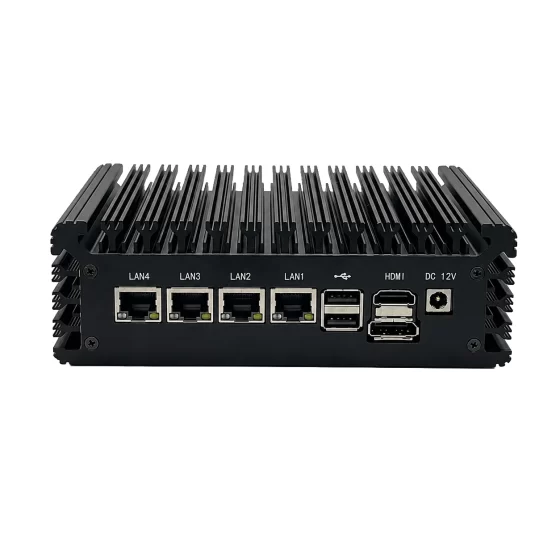
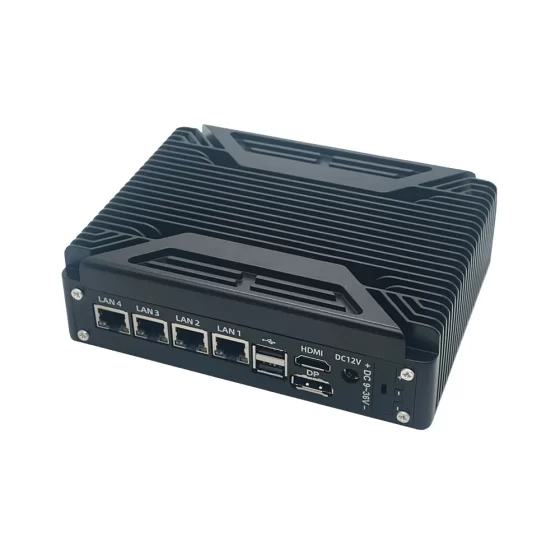
حلول الحوسبة الصناعية CoreIPC

نظام معالجة الذكاء الاصطناعي في الوقت الحقيقي: معالجة الذكاء الاصطناعي في الوقت الحقيقي للأتمتة الصناعية
ملخص تنفيذي
A real time ai processing system provides the industrial computing foundation for fast AI inference, فحص رؤية الآلة, التوجيه الروبوتي, مراقبة العملية, كشف العيب, والاستجابة للأتمتة في بيئات التصنيع الحديثة.
تتطلب العديد من تطبيقات الذكاء الاصطناعي الصناعية اتخاذ قرارات خلال فترات زمنية قصيرة جدًا. قد يحتاج نظام الرؤية إلى رفض المنتج المعيب قبل أن يغادر محطة الفحص. قد تحتاج الخلية الآلية إلى بيانات موضع الكائن قبل دورة الحركة التالية. قد يحتاج نظام المراقبة إلى اكتشاف السلوك غير الطبيعي للمعدات قبل أن يتسبب في التوقف عن العمل.
يمكن للكمبيوتر الصناعي أو الكمبيوتر المدمج إجراء معالجة الذكاء الاصطناعي المحلية بالقرب من الكاميرات, أجهزة الاستشعار, الشركات المحدودة العامة, الروبوتات, الناقلات, والآلات. وهذا يساعد على تقليل الكمون, انخفاض تبعية الشبكة, وتحسين موثوقية الإنتاج.
مقارنة بمعالجة الذكاء الاصطناعي السحابية فقط, تسمح أنظمة الذكاء الاصطناعي في الوقت الفعلي للمصانع بمعالجة البيانات محليًا وإرسال النتائج المفيدة فقط, إنذار, ملخصات, or selected records to MES, سكادا, قواعد بيانات الجودة, أو المنصات السحابية.
بالمقارنة مع أجهزة الكمبيوتر التجارية القياسية, industrial computers are better suited for factory deployment because they provide rugged mechanical design, الإدخال/الإخراج المرن, شبكات مستقرة, تخزين موثوق, خيارات بدون مروحة, ودعم دورة الحياة الطويلة.
This article explains how real time ai processing systems work, ما هي تحديات النشر التي يواجهها المصنعون؟, كيف يتم تنظيم بنية الحل, and which hardware features matter when selecting an industrial computer or embedded computer for real-time AI workloads.
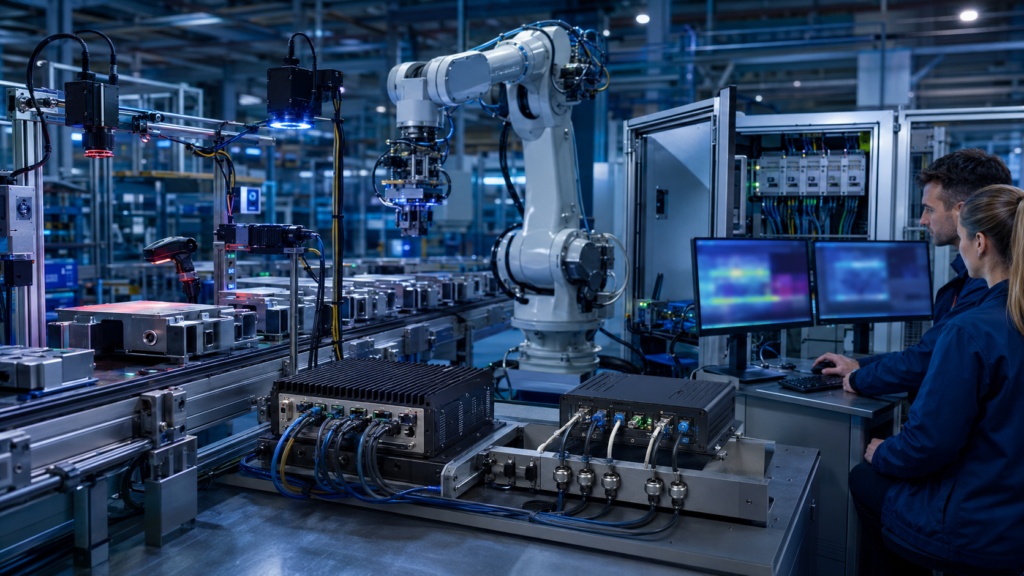
Real-Time AI Factory Deployment
نظرة عامة على الصناعة
AI Is Moving from Offline Analysis to Real-Time Production
Early industrial AI projects often focused on offline analysis.
الصور, sensor logs, or production records were collected first and analyzed later. This approach is useful for engineering review, model development, and process study.
لكن, modern factories increasingly need AI to support live production.
Real-time AI can help with:
- رفض العيب
- فحص رؤية الآلة
- توجيه الروبوت
- فرز الناقل
- التعرف على الباركود والتعرف الضوئي على الحروف (OCR).
- Predictive maintenance alerts
- Safety zone awareness
- مراقبة المعدات
- عملية الكشف عن الشذوذ
- التحقق من التغليف
- Logistics routing
These applications require local computing hardware that can process data quickly and communicate with automation systems reliably.
Why Real-Time Processing Matters
In industrial automation, delay can directly affect production results.
If AI inference is too slow, a defective product may pass the reject point. If robot guidance data arrives late, the robot may miss the correct picking window. If an equipment alarm is delayed, maintenance teams may respond too late.
Real-time AI processing helps convert data into action within the production cycle.
The system must handle image capture, المعالجة المسبقة, model inference, result calculation, تخزين البيانات, and PLC communication fast enough for the application.
الحوسبة الصناعية هي مؤسسة الأجهزة
A real-time AI system depends on more than a model.
It needs stable industrial computing hardware that can run AI workloads continuously, connect to industrial devices, manage data, and operate in real factory environments.
توفر أجهزة الكمبيوتر الصناعية وأجهزة الكمبيوتر المدمجة هذا الأساس.
They can support camera interfaces, منافذ LAN متعددة, اتصال USB, المنافذ التسلسلية, جيبيو, الإدخال/الإخراج الرقمي, تخزين SSD أو NVMe, عرض الإخراج, and expansion modules.
This makes them suitable for machine-side AI inspection, الخلايا الروبوتية, automated sorting systems, مراقبة الإنتاج, and OEM smart equipment.

Real-Time AI Deployment Challenges
التحديات الرئيسية
Low-Latency AI Inference
Real-time AI systems must process data quickly.
The required response time depends on the application. A high-speed inspection line may need results within milliseconds or a short production cycle. A predictive maintenance system may allow longer analysis windows but still needs timely alerts.
Latency may come from several stages:
- Image capture
- Sensor sampling
- Data transfer
- Preprocessing
- AI model inference
- Post-processing
- الاتصالات PLC
- تخزين النتيجة
- تحميل الشبكة
The industrial computer must be selected according to the full processing pipeline, not only the AI model itself.
Multi-Source Data Processing
Real-time AI systems often collect data from many sources.
قد يتضمن النشر الفردي كاميرات, أجهزة الاستشعار, الشركات المحدودة العامة, الروبوتات, قارئات الباركود, وحدات تحكم الحركة, وقواعد بيانات الإنتاج.
تتضمن مصادر البيانات الشائعة:
- الكاميرات الصناعية
- 3كاميرات D
- كاميرات عالية السرعة
- أجهزة استشعار الاهتزاز
- أجهزة استشعار درجة الحرارة
- إشارات PLC
- وحدات تحكم الروبوت
- Conveyor encoders
- قارئات الباركود
- عدادات الطاقة
- وحدات تحكم الآلة
The computer must collect and process this data without unstable timing or communication bottlenecks.
Camera Bandwidth and Frame Stability
Machine vision is one of the most common real-time AI applications.
Camera bandwidth must be planned carefully. A system using multiple high-resolution cameras may generate large data streams that require stable LAN, USB, بكيي, or frame grabber support.
وتشمل العوامل الهامة:
- عدد الكاميرا
- دقة
- معدل الإطار
- عمق بت الصورة
- Interface type
- توقيت الزناد
- فصل الشبكة
- سرعة التخزين
- AI inference workload
A powerful processor cannot solve the problem if images are not acquired reliably.
Industrial Control Integration
Real-time AI results must connect with production action.
The system may need to send pass, يفشل, إنذار, موضع, تصنيف, or routing results to PLCs, الروبوتات, الناقلات, آليات الرفض, or SCADA systems.
This requires reliable industrial communication.
قد تشمل واجهات مفيدة:
- لان
- RS232
- RS485
- جيبيو
- الإدخال الرقمي
- الإخراج الرقمي
- USB
- اتش دي ام اي
- منفذ العرض
- م.2
- بكيي
The right I/O configuration reduces external converters and improves system reliability.
Long-Term Stability Under Continuous Workload
Real-time AI systems often run across multiple shifts.
The computer may operate inside a cabinet, بالقرب من خط الإنتاج, inside an inspection machine, or beside a robotic cell.
قد تشمل هذه البيئات الاهتزاز, تراب, حرارة, الضوضاء الكهربائية, تدفق هواء محدود, وإجهاد الكابل.
Industrial-grade hardware helps maintain stable operation under continuous AI workload and factory conditions.

Real-Time AI Processing Architecture
Real Time AI Processing System Solution Architecture
طبقة الحصول على البيانات
تلتقط طبقة الحصول على البيانات الصور, قيم الاستشعار, حالة الآلة, and production signals.
قد تشمل هذه الطبقة:
- الكاميرات
- أجهزة الاستشعار
- الشركات المحدودة العامة
- الروبوتات
- التشفير
- وحدات تحكم الإضاءة
- قارئات الباركود
- وحدات تحكم الحركة
- البوابات الصناعية
- معدات الإنتاج
The quality and timing of this data directly affect real-time AI performance.
If data acquisition is unstable, AI results may become delayed, غير مكتمل, or unreliable.
طبقة حوسبة الحافة الصناعية
The industrial edge computing layer is where the industrial computer or embedded computer performs local processing.
عند هذه الطبقة, يجوز للنظام:
- Receive camera images
- جمع بيانات الاستشعار
- Run AI inference
- Process machine vision algorithms
- Detect defects or anomalies
- Calculate robot coordinates
- إرسال النتائج إلى PLCs
- تخزين السجلات المحلية
- Display dashboards
- Upload selected data
This layer reduces dependence on remote servers and allows AI decisions to happen close to the equipment.
AI Inference Layer
The AI inference layer contains the models and runtime environment.
اعتمادا على التطبيق, قد تشمل:
- نماذج الكشف عن الكائنات
- نماذج كشف العيوب
- نماذج التعرف الضوئي على الحروف
- Segmentation models
- نماذج الكشف عن الشذوذ
- نماذج الصيانة التنبؤية
- Video analytics models
- منطق الانصهار الاستشعار
The computing platform must support the required operating system, السائقين, إطار الذكاء الاصطناعي, SDKs الكاميرا, GPU or accelerator modules, وبرامج الاتصالات الصناعية.
Automation Response Layer
The automation response layer connects AI output with real production action.
على سبيل المثال:
- A defect result triggers a reject mechanism.
- A robot receives object coordinates.
- A conveyor sorter receives lane information.
- A monitoring system sends an alarm.
- A PLC receives a pass or fail signal.
- A dashboard displays production status.
This layer turns AI processing into practical automation value.
طبقة تكامل بيانات المصنع
Real-time AI systems also need to connect with higher-level software.
The industrial computer may send selected records to:
- زارة التربية والعلم
- سكادا
- تخطيط موارد المؤسسات
- قواعد بيانات الجودة
- WMS
- المنصات السحابية
- لوحات معلومات إنترنت الأشياء الصناعية
- منصات الصيانة
- أنظمة المؤرخ المحلية
بدلاً من تحميل كافة البيانات الأولية, the system can upload results, استثناءات, إنذار, الصور, ملخصات, وسجلات التتبع.
الميزات الرئيسية
Real-Time AI Performance
The most important feature is stable real-time performance.
The system must process data within the required cycle time.
ينبغي النظر في الاختيار:
- أداء وحدة المعالجة المركزية
- دعم GPU أو مسرع AI
- سعة الذاكرة
- عرض النطاق الترددي للكاميرا
- سرعة التخزين
- زمن وصول الشبكة
- تعقيد نموذج الذكاء الاصطناعي
- دعم نظام التشغيل
- التصميم الحراري
- الاستقرار على المدى الطويل
For lightweight workloads, قد يكون الكمبيوتر المدمج كافيًا. For multi-camera or deep learning systems, قد تكون هناك حاجة إلى كمبيوتر حافة AI أو كمبيوتر صناعي مع تسريع أقوى.
Multiple Camera and Sensor Interfaces
Real-time AI platforms must support reliable device connectivity.
قد تتضمن خيارات الأجهزة المفيدة:
- USB 3.0
- منافذ LAN متعددة
- 2.5خيارات GbE أو 10GbE
- RS232
- RS485
- جيبيو
- الإدخال الرقمي
- الإخراج الرقمي
- توسيع PCIe
- توسعة M.2
- HDMI أو DisplayPort
تدعم هذه الواجهات الكاميرات, أجهزة الاستشعار, وحدات تحكم الإضاءة, الشركات المحدودة العامة, قارئات الباركود, الروبوتات, والعروض المحلية.
التخزين المحلي والتخزين المؤقت للبيانات
Real-time AI systems may generate many records.
قد يقوم الكمبيوتر بتخزين:
- صور عيب
- سجلات الاستدلال
- مقاطع فيديو
- تاريخ الاستشعار
- قواعد البيانات المحلية
- ملفات نماذج الذكاء الاصطناعي
- سجلات الإنذار
- Production reports
- المخازن المؤقتة
يُفضل عادةً تخزين SSD أو NVMe لأنه يوفر وصولاً سريعًا ومقاومة أفضل للصدمات مقارنة بمحركات الأقراص الميكانيكية.
للتطبيقات كثيفة البيانات, سعة التخزين, سرعة الكتابة المستدامة, اكتب التحمل, وينبغي مراجعة استراتيجية النسخ الاحتياطي بعناية.
Network Separation
Real-time systems often need multiple networks.
يمكن لشبكة واحدة توصيل الكاميرات. Another may connect PLCs. Another may connect MES or cloud systems.
يمكن دعم منافذ LAN المتعددة:
- Camera traffic separation
- اتصالات شبكة الآلة
- اتصال تكنولوجيا المعلومات بالمصنع
- الصيانة عن بعد
- تحميل السحابة
- تجزئة الأمن
- Multi-line deployment
Good network architecture reduces traffic conflict and improves system stability.
تصميم متين وبدون مروحة
Fanless industrial computers are useful in many real-time AI deployments.
إنها تقلل من دخول الغبار وتزيل نقطة عطل ميكانيكية شائعة.
لكن, AI workloads can generate heat. For high-performance AI systems, thermal planning is important.
Designers should review:
- عبء عمل المعالج
- استخدام GPU أو المسرع
- درجة الحرارة المحيطة
- تدفق هواء الخزانة
- تصميم الضميمة
- طريقة التركيب
- Power input
- توجيه الكابل
Stable thermal design helps keep AI performance consistent.
دورة حياة طويلة وقابلية الصيانة
Real-time AI systems often become part of production infrastructure.
Frequent hardware changes can create validation issues with AI software, camera drivers, برامج تشغيل GPU, أنظمة التشغيل, and automation interfaces.
Industrial computing platforms with lifecycle planning help manufacturers and machine builders maintain consistent systems across multiple machines, خطوط, ومواقع المصانع.

Real-Time AI Production Operations
سيناريوهات النشر
Real-Time Vision Inspection
Real-time AI processing is widely used for machine vision inspection.
The system captures images, runs AI inference, detects defects, and sends pass or fail results to a PLC.
Applications include electronics inspection, فحص التغليف, فحص الغذاء, pharmaceutical inspection, فحص البطارية, and semiconductor AOI.
Robotic Guidance
Robots can use real-time AI processing for object recognition, توطين جزء, قطف بن, and inspection.
The industrial computer processes camera or 3D sensor data and sends coordinates to the robot controller.
This supports flexible automation and faster robotic decision-making.
Conveyor Sorting
Sorting systems need fast decisions.
An AI computer can recognize products, الطرود, التسميات, الرموز الشريطية, or object categories and send routing information to PLCs or diverters.
This is useful in logistics, التعبئة والتغليف, e-commerce fulfillment, and production material handling.
Predictive Maintenance Alerts
Real-time AI can analyze machine data from vibration, درجة حرارة, حاضِر, ضغط, or PLC status.
The system can detect abnormal patterns and generate alerts locally.
This helps maintenance teams respond earlier to equipment problems.
تحليلات الفيديو
Industrial video analytics can monitor production flow, equipment areas, مناطق السلامة, logistics movement, أو المرافق النائية.
The industrial computer processes video streams locally and sends only event records or alerts to monitoring systems.
وهذا يقلل من تحميل الشبكة ويحسن وقت الاستجابة.
Packaging Verification
Packaging lines often require fast checks for labels, الرموز الشريطية, رموز التاريخ, قبعات, الأختام, كرتون, and final package quality.
A real-time AI processing system can inspect each package and trigger reject actions through PLC communication.
This helps reduce shipment errors and improve traceability.
Industrial IoT Edge Processing
Industrial IoT deployments can use real-time AI to analyze sensor data near machines.
An embedded computer can collect data, كشف الحالات الشاذة, سجلات المخزن المؤقت, and upload selected results to dashboards or cloud platforms.
This supports smarter machine monitoring and factory visibility.
OEM Intelligent Equipment
Machine builders can integrate real-time AI computers into inspection machines, الأنظمة الروبوتية, بوابات ذكية, معدات الفرز, and automated production equipment.
يمكن لمنصة الحوسبة توفير استنتاج الذكاء الاصطناعي, معالجة الصور, الاتصالات PLC, التخزين المحلي, عرض اتش ام اي, وإخراج بيانات المصنع.
فوائد الأعمال
Faster Production Decisions
Real-time AI processing allows decisions to happen near the production equipment.
This reduces delay and helps the system respond within the required cycle time.
Fast local processing is valuable for inspection, فرز, توجيه الروبوت, يراقب, وأجهزة الإنذار.
تقليل الاعتماد على السحابة
Factories do not need to send every image, دفق الفيديو, or sensor record to the cloud.
The industrial computer can process data locally and upload only selected results.
This reduces bandwidth usage and improves production resilience.
تحسين مراقبة الجودة
Real-time AI helps detect defects earlier and more consistently.
The system can inspect products during production and trigger immediate actions when defects appear.
This reduces downstream quality risk and supports stronger production control.
Better Automation Integration
Industrial computers can connect AI results with PLCs, الروبوتات, الناقلات, أجهزة الاستشعار, وبرامج المصنع.
This turns AI models into practical automation systems.
The result can be faster reject control, better robot guidance, automated sorting, and improved monitoring.
تتبع أقوى
يمكن ربط نتائج الذكاء الاصطناعي بمعرفات المنتج, الطوابع الزمنية, فئات العيوب, الصور, معرفات المحطة, الإصدارات النموذجية, وسجلات الإنتاج.
This creates useful traceability for audits, engineering review, تحليل الجودة, وتحسين العملية.
نشر المصنع الذكي القابل للتطوير
A standardized real-time AI processing platform makes it easier to deploy AI across multiple lines, آلات, والمصانع.
تعمل الأجهزة المتسقة على تبسيط صور البرامج, التحقق من صحة السائق, تخطيط قطع الغيار, التدريب على الصيانة, ودعم دورة الحياة.
وهذا يساعد الشركات المصنعة على الانتقال من مشاريع الذكاء الاصطناعي التجريبية إلى نشر الإنتاج القابل للتطوير.
لماذا كورIPC
توفر CoreIPC منصات حوسبة صناعية لتقنية Edge AI, رؤية الآلة, الأتمتة الصناعية, الروبوتات, وتكامل النظام المدمج. For real time ai processing applications, يركز CoreIPC على أجهزة الكمبيوتر الصناعية الموثوقة, حلول الكمبيوتر المدمجة, تكوينات الإدخال/الإخراج المرنة, تصميم نظام مدمج, القدرة على التخزين المحلي, ودعم التخصيص OEM/ODM. CoreIPC يساعد تكامل النظام, بناة الآلة, ويختار المصنعون منصات الحوسبة التي تتوافق مع متطلبات النشر الحقيقية, بما في ذلك عبء عمل الذكاء الاصطناعي, واجهات الكاميرا, تصميم الشبكة, الاتصالات PLC, احتياجات التخزين, طرق التركيب, مدخلات الطاقة, الظروف الحرارية, وتخطيط دورة الحياة.
الأسئلة المتداولة
1. What is a real-time AI processing system?
A real-time AI processing system uses local computing hardware to run AI inference and generate results within a required production time window.
It may process camera images, قيم الاستشعار, PLC data, تدفقات الفيديو, or robot vision data. The system then sends results to automation equipment, لوحات المعلومات, or factory software.
2. Why use an industrial computer for real-time AI processing?
An industrial computer is designed for continuous operation in factory environments.
وهو يدعم التثبيت الوعرة, الإدخال/الإخراج الصناعي, اتصال الكاميرا, شبكات موثوقة, التخزين المحلي, ونشر دورة حياة طويلة. These features make it suitable for real-time AI systems installed near machines, الناقلات, الروبوتات, ومحطات التفتيش.
3. How is an embedded computer used in real-time AI systems?
يمكن تثبيت جهاز كمبيوتر مدمج داخل الأجهزة, أنظمة التفتيش, خزائن التحكم, or compact automation equipment.
It can collect data, تشغيل استنتاج الذكاء الاصطناعي, التواصل مع PLCs, عرض النتائج المحلية, and upload selected records. Its compact size is useful for machine builders and distributed edge deployments.
4. What applications need real-time AI processing?
Applications include machine vision inspection, التوجيه الروبوتي, conveyor sorting, التحقق من التعبئة والتغليف, تحليلات الفيديو, الصيانة التنبؤية, التعرف على الباركود, مراقبة السلامة, and industrial IoT edge processing.
Any application that needs fast AI decisions near production equipment can benefit from real-time AI processing.
5. Does real-time AI processing require a GPU?
ليس دائما. Some lightweight AI models can run on CPU-based industrial computers.
A GPU or AI accelerator may be needed for high-resolution images, كاميرات متعددة, تحليلات الفيديو, نماذج التعلم العميق, or strict cycle-time requirements. Hardware should be selected based on real model testing.
6. What interfaces are important for real-time AI computers?
قد تشتمل الواجهات المهمة على منافذ LAN متعددة, USB 3.0, 2.5يحمل, 10يحمل, RS232, RS485, جيبيو, المدخلات الرقمية, الإخراج الرقمي, اتش دي ام اي, منفذ العرض, م.2, بكيي, ساتا, ودعم تخزين NVMe.
تساعد هذه الواجهات على توصيل الكاميرات, أجهزة الاستشعار, الشركات المحدودة العامة, الروبوتات, وحدات تحكم الإضاءة, إنذار, وشبكات المصانع.
7. Can fanless industrial computers support real-time AI?
Fanless industrial computers can support many moderate real-time AI workloads.
لكن, high-performance AI inference, معالجة الكاميرات المتعددة, or GPU-based workloads may generate significant heat. عبء عمل وحدة المعالجة المركزية, استخدام مسرع, تدفق هواء الخزانة, درجة الحرارة المحيطة, وينبغي مراجعة طريقة التركيب قبل النشر.
8. How does real-time AI connect with PLCs?
The AI computer can communicate with PLCs through Ethernet, الاتصال التسلسلي, الإدخال/الإخراج الرقمي, or supported industrial software interfaces.
The PLC may trigger image capture or send machine status. بعد المعالجة, the AI computer can return pass, يفشل, إنذار, موضع, أو نتائج التصنيف.
9. Can real-time AI systems connect with MES or SCADA?
نعم. Industrial computers can send AI results, إنذار, سجلات التفتيش, بيانات الإنتاج, and system status to MES, سكادا, قواعد بيانات الجودة, لوحات المعلومات, أو المنصات السحابية.
This connects machine-side AI decisions with higher-level manufacturing workflows.
10. ما الذي يجب اختباره قبل النشر?
قبل النشر, يجب اختبار النظام بكاميرات حقيقية, أجهزة الاستشعار, نماذج الذكاء الاصطناعي, الاتصالات PLC, production cycle times, عبء عمل التخزين, بنية الشبكة, وتشغيل طويل الأمد.
الاستقرار الحراري, inference latency, frame acquisition, I/O response, التخزين المؤقت المحلي, and data upload should also be validated.
خاتمة
A real time ai processing system is a practical foundation for industrial AI applications that require low latency, local inference, automation response, ونشر حافة موثوقة.
عن طريق وضع جهاز كمبيوتر صناعي أو جهاز كمبيوتر مدمج بالقرب من الكاميرات, أجهزة الاستشعار, الشركات المحدودة العامة, الروبوتات, الناقلات, وأنظمة الإنتاج, يمكن للمصنعين معالجة البيانات محليًا, تقليل الاعتماد على السحابة, تحسين وقت الاستجابة, and connect AI results with real production action.
يجب اختيار النظام الأساسي المناسب وفقًا لمتطلبات النشر الحقيقية, بما في ذلك عبء عمل الذكاء الاصطناعي, واجهة الكاميرا, sensor input, تكوين الإدخال/الإخراج, بنية الشبكة, احتياجات التخزين, متطلبات التوسع, طريقة التركيب, مدخلات الطاقة, الظروف الحرارية, دعم نظام التشغيل, وتخطيط دورة الحياة.
CoreIPC supports real-time AI processing projects with industrial computing platforms designed for practical factory and equipment deployment. مع أساس الأجهزة الصحيح, يمكن للمصنعين وبناة الآلات بناء موثوقة, قابلة للتطوير, and production-ready AI systems for smart manufacturing.
اتصل بنا
أبحث عن جهاز كمبيوتر صناعي, الكمبيوتر المدمج, or edge AI platform for real-time AI processing?
تواصل مع CoreIPC لمناقشة متطلبات مشروعك, بما في ذلك عبء عمل الذكاء الاصطناعي, واجهة الكاميرا, sensor input, الاتصالات PLC, تصميم الشبكة, احتياجات التخزين, طريقة التركيب, مدخلات الطاقة, بيئة التشغيل, احتياجات دورة الحياة, وخيارات التخصيص OEM/ODM.