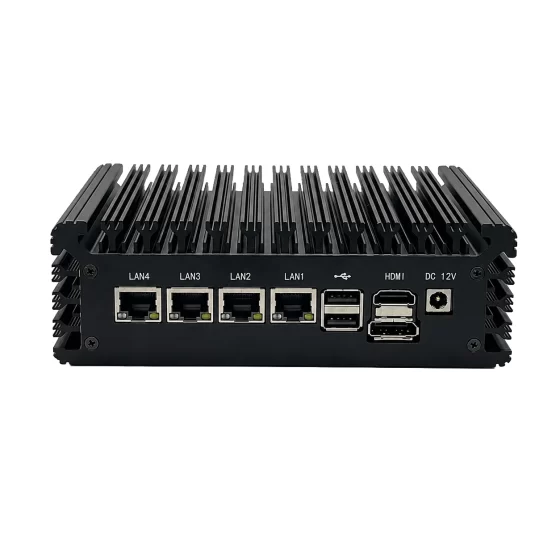
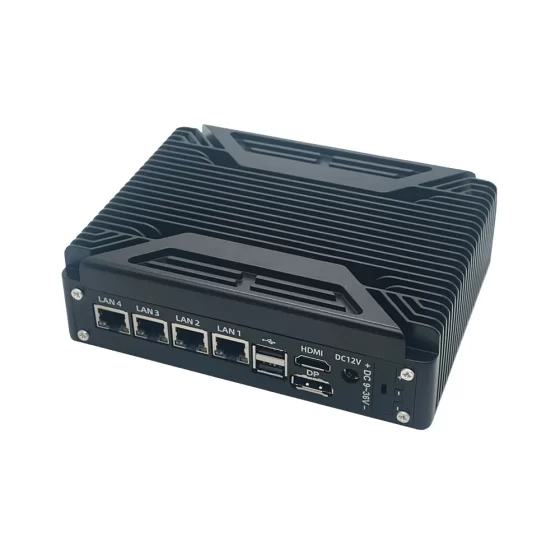
حلول الحوسبة الصناعية CoreIPC

الذكاء الاصطناعي الصناعي للتحليلات التنبؤية: تحليلات الذكاء الاصطناعي الصناعية لاتخاذ القرارات الذكية في المصنع
ملخص تنفيذي
Industrial AI analytics is becoming a key foundation for predictive maintenance, تحسين العملية, تحسين الجودة, مراقبة الطاقة, واتخاذ القرارات الذكية في المصنع.
تولد المصانع الحديثة كميات كبيرة من البيانات من الآلات, أجهزة الاستشعار, الشركات المحدودة العامة, الكاميرات, الروبوتات, متر, أنظمة التفتيش, وبرامج الإنتاج. عندما يتم تخزين هذه البيانات فقط لإعداد التقارير اللاحقة, قد تفوت المصانع علامات الإنذار المبكر, أنماط الجودة المتكررة, تشوهات الطاقة, وتغييرات العملية.
يساعد الذكاء الاصطناعي الصناعي للتحليلات التنبؤية على تحويل البيانات من جانب الآلة إلى رؤى مفيدة. يمكنه تحليل سلوك المعدات, اكتشاف الأنماط غير الطبيعية, التنبؤ بالفشل المحتمل, تحديد عملية الانجراف, ودعم قرارات الإنتاج بشكل أسرع.
يوفر الكمبيوتر الصناعي أو الكمبيوتر المدمج منصة الحوسبة المحلية لأحمال العمل هذه. يمكنه جمع البيانات من PLCs, أجهزة الاستشعار, الكاميرات, بوابات, عدادات الطاقة, وأنظمة الإنتاج, ثم قم بتشغيل نماذج التحليلات بالقرب من المعدات.
بالمقارنة مع أجهزة الكمبيوتر التجارية القياسية, industrial computers are better suited for factory environments because they support rugged deployment, الإدخال/الإخراج المرن, شبكات مستقرة, التخزين المحلي, خيارات التصميم بدون مروحة, وتوافر دورة حياة طويلة.
This article explains how industrial AI analytics works, ما هي التحديات التي تظهر في النشر الحقيقي, كيف يتم تنظيم بنية الحل, and which hardware features are important when selecting an industrial computer or embedded computer for predictive analytics applications.
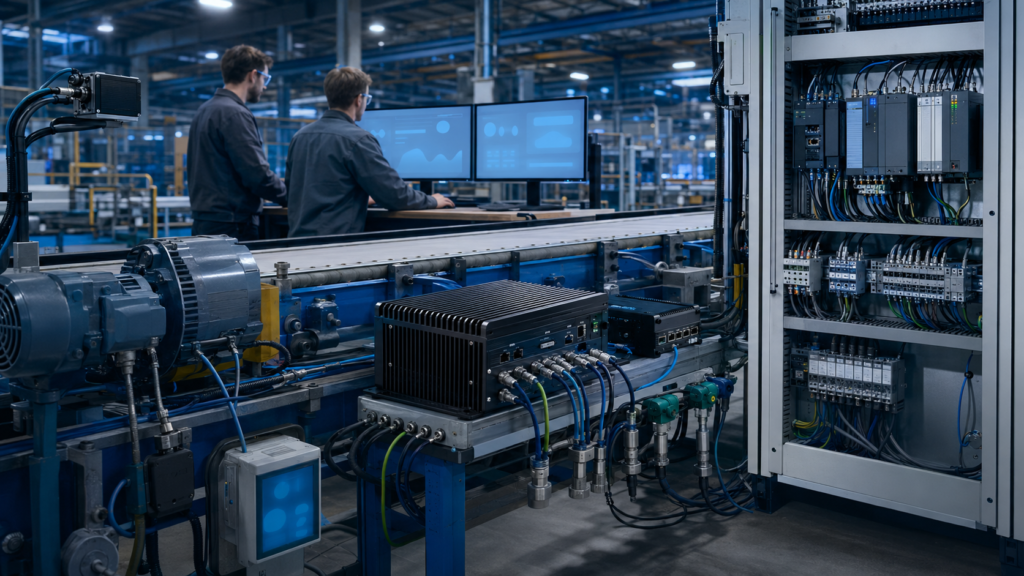
Industrial AI Analytics Factory Deployment
نظرة عامة على الصناعة
Factories Need Predictive Insight
Traditional factory monitoring often focuses on current status.
Operators may see alarms, machine states, التهم الإنتاج, and maintenance records. These signals are useful, but they may not reveal what is likely to happen next.
Predictive analytics adds another layer of intelligence.
It helps factories analyze historical and real-time data to identify early warning signs, hidden correlations, and abnormal trends.
Industrial AI analytics can support:
- الصيانة التنبؤية
- Equipment health monitoring
- تحليل اتجاه الجودة
- عملية الكشف عن الشذوذ
- Energy usage optimization
- Production bottleneck analysis
- Machine utilization analysis
- Yield improvement
- Failure pattern recognition
- تخطيط الصيانة
The goal is to help teams move from reactive response to earlier, data-supported action.
AI Analytics Is Moving to the Edge
Cloud platforms can support large-scale data storage, لوحات المعلومات, and enterprise-level analytics.
لكن, many industrial analytics tasks benefit from local edge processing. Machine data may need to be analyzed quickly, buffered during network interruptions, or filtered before upload.
An industrial computer deployed near production equipment can process data locally.
وهذا يساعد على تقليل الكمون, انخفاض استخدام عرض النطاق الترددي, protect sensitive production data, and maintain local operation when the network is unstable.
Edge-based industrial AI analytics is especially useful when factories need fast alerts, لوحات المعلومات المحلية, or continuous data collection from distributed machines.
الحوسبة الصناعية هي مؤسسة الأجهزة
Predictive analytics requires more than software models.
It needs reliable computing hardware that can collect data from industrial devices, run analytics workloads, تخزين السجلات المحلية, and communicate with factory systems.
توفر أجهزة الكمبيوتر الصناعية وأجهزة الكمبيوتر المدمجة هذا الأساس.
يمكنهم دعم منافذ LAN المتعددة, الاتصال التسلسلي, جيبيو, الإدخال/الإخراج الرقمي, USB devices, تخزين SSD, عرض الإخراج, and expansion modules.
This makes them suitable for machine-side analytics, بوابات إنترنت الأشياء الصناعية, predictive maintenance nodes, أنظمة مراقبة الطاقة, and smart factory platforms.

Industrial AI Analytics Deployment Challenges
التحديات الرئيسية
Data from Different Machines and Systems
Industrial data is often fragmented.
A single factory may include legacy machines, modern PLCs, أجهزة الاستشعار, عدادات الطاقة, الروبوتات, الكاميرات, أنظمة التفتيش, and software platforms from different vendors.
Each system may use different interfaces, تنسيقات البيانات, معدلات التحديث, and communication methods.
تتضمن مصادر البيانات الشائعة:
- الشركات المحدودة العامة
- أجهزة الاستشعار
- وحدات تحكم الآلة
- الروبوتات
- Motors and drives
- عدادات الطاقة
- أنظمة الرؤية
- معدات الاختبار
- البوابات الصناعية
- MES and SCADA systems
An industrial AI analytics platform must collect and organize this data reliably before useful predictions can be made.
Data Quality and Consistency
Predictive analytics depends on data quality.
If sensor values are missing, timestamps are inconsistent, machine states are unclear, or data is collected only occasionally, AI models may produce weak results.
Important data quality factors include:
- Sampling frequency
- Timestamp accuracy
- Sensor calibration
- Machine state context
- Data completeness
- Noise filtering
- Event labeling
- Production batch information
- Maintenance history
- سجلات الجودة
The industrial computer must support stable data acquisition and local buffering to reduce data gaps.
متطلبات التنبيه في الوقت الحقيقي
Predictive analytics becomes valuable when it can support timely action.
If a machine shows early signs of abnormal vibration, ارتفاع درجة الحرارة, current fluctuation, quality drift, or energy waste, the system should detect the pattern early and generate a useful alert.
Delayed analytics may reduce the value of the system.
Real-time or near-real-time requirements may appear in:
- الصيانة التنبؤية
- كشف انحراف العملية
- Quality trend monitoring
- Energy anomaly alerts
- Production bottleneck analysis
- Equipment utilization monitoring
- Safety-related monitoring support
The computing platform must provide stable sustained performance under continuous operation.
Model Deployment and Maintenance
Industrial AI analytics models may need ongoing adjustment.
Machines wear over time, production recipes change, sensor behavior shifts, and new product models enter production. A predictive model that works during a pilot project may need maintenance during long-term use.
System designers must consider:
- Model update workflow
- Local model storage
- Version control
- تسجيل البيانات
- مراجعة التنبيه
- False alarm handling
- Maintenance feedback
- Long-term validation
The industrial AI computer should support a practical software environment for model deployment and maintenance.
Factory Environment Reliability
Predictive analytics systems are often deployed near machines or inside control cabinets.
قد تتضمن هذه المواقع اهتزازًا, تراب, حرارة, الضوضاء الكهربائية, تدفق هواء محدود, حركة الكابل, وجداول التشغيل المستمرة.
If the analytics computer fails, data collection may stop and prediction records may become incomplete.
Industrial-grade hardware helps reduce this risk by supporting rugged installation, تصميم حراري مستقر, تخزين موثوق, والتخطيط لدورة حياة طويلة.

Industrial AI Predictive Analytics Architecture
Industrial AI Analytics Solution Architecture
طبقة الجهاز والمستشعر
The device and sensor layer includes the machines and data sources being monitored.
This layer may include PLCs, أجهزة الاستشعار, المحركات, محركات الأقراص, الكاميرات, الروبوتات, عدادات الطاقة, أدوات الاختبار, ومعدات الإنتاج.
قد تتضمن البيانات النموذجية:
- قيم الاهتزاز
- بيانات درجة الحرارة
- تيار المحرك
- Pressure values
- Speed and cycle time
- حالة الآلة
- تاريخ التنبيه
- استهلاك الطاقة
- Product quality records
- نتائج التفتيش
- Maintenance events
This raw data provides the input for industrial AI analytics.
طبقة حوسبة الحافة الصناعية
The industrial edge computing layer is where the industrial computer or embedded computer collects, العمليات, and stores data locally.
عند هذه الطبقة, يجوز للنظام:
- جمع بيانات الاستشعار
- Read PLC records
- Process machine events
- Store local history
- Run analytics models
- كشف الأنماط غير الطبيعية
- Generate predictive alerts
- تخزين البيانات أثناء مشكلات الشبكة
- عرض لوحات المعلومات المحلية
- تحميل البيانات المحددة إلى أنظمة المصنع
This layer helps bring predictive intelligence closer to production equipment.
طبقة تحليلات الذكاء الاصطناعي
The AI analytics layer contains the models and logic used to convert data into insight.
اعتمادا على التطبيق, قد تشمل:
- كشف الشذوذ
- نماذج الصيانة التنبؤية
- Trend analysis
- Failure pattern recognition
- Quality prediction
- تحليل استخدام الطاقة
- Production bottleneck detection
- Rule-based alarm filtering
- منطق الانصهار الاستشعار
يجب أن يدعم الكمبيوتر الصناعي نظام التشغيل المطلوب, analytics tools, وقت تشغيل الذكاء الاصطناعي, database software, وبرامج الاتصالات الصناعية.
طبقة تكامل برامج المصنع
Predictive analytics becomes more useful when connected with factory systems.
The industrial computer may send selected data to:
- زارة التربية والعلم
- سكادا
- تخطيط موارد المؤسسات
- منصات الصيانة
- قواعد بيانات الجودة
- لوحات معلومات إنترنت الأشياء الصناعية
- منصات التحليلات السحابية
- أنظمة المؤرخ المحلية
- لوحات مراقبة الإنتاج
بدلاً من تحميل كافة البيانات الأولية, يمكن للنظام إرسال الإنذارات, الاتجاهات, ملخصات, abnormal events, والسجلات المختارة.
This reduces bandwidth pressure and improves data organization.
Operator and Maintenance Interface Layer
Operators and maintenance teams need a practical interface.
The industrial AI computer may connect to a monitor, شاشة تعمل باللمس, لوحة اتش ام اي, or local dashboard workstation.
The interface can show:
- Machine health status
- التنبيهات التنبؤية
- Sensor trends
- استخدام الطاقة
- اتجاهات الجودة
- تاريخ التنبيه
- استخدام المعدات
- Model status
- حالة الشبكة
- سجلات النظام
A clear interface helps teams understand predictions and respond with appropriate maintenance or process actions.
الميزات الرئيسية
Stable Analytics Performance
Industrial AI analytics systems must operate continuously.
The hardware should be selected according to the number of machines, sensor update rate, تعقيد نموذج الذكاء الاصطناعي, local database workload, and dashboard requirements.
ينبغي النظر في الاختيار:
- أداء وحدة المعالجة المركزية
- سعة الذاكرة
- سرعة التخزين
- عرض النطاق الترددي للشبكة
- توافق برامج الذكاء الاصطناعي
- عبء عمل قاعدة البيانات المحلية
- دعم نظام التشغيل
- التصميم الحراري
- الاستقرار على المدى الطويل
لتحليلات أجهزة الاستشعار خفيفة الوزن, قد يكون الكمبيوتر المدمج كافيًا. For larger multi-line analytics, a more powerful industrial PC or edge AI computer may be required.
Multiple Industrial Interfaces
Predictive analytics platforms must connect with many types of equipment.
قد تتضمن خيارات الإدخال/الإخراج المفيدة:
- منافذ LAN متعددة
- RS232
- RS485
- USB
- جيبيو
- الإدخال الرقمي
- الإخراج الرقمي
- اتش دي ام اي
- منفذ العرض
- م.2
- بكيي
- تخزين SATA أو NVMe
These interfaces can support PLCs, أجهزة الاستشعار, بوابات, عدادات الطاقة, الكاميرات, قارئات الباركود, يعرض المحلية, والشبكات الصناعية.
يعمل الإدخال/الإخراج المرن على تقليل استخدام المحول الخارجي وتحسين موثوقية النشر.
تخزين محلي موثوق
Predictive analytics depends on historical data.
The industrial computer may need to store sensor records, machine status history, سجلات التنبيه, ملفات نموذجية, قواعد البيانات المحلية, التقارير, والمخازن المؤقتة.
يُفضل عادةً تخزين SSD أو NVMe لأنه يوفر وصولاً أسرع ومقاومة أفضل للصدمات مقارنة بمحركات الأقراص الميكانيكية.
ينبغي النظر في تصميم التخزين:
- فترة الاحتفاظ بالبيانات
- حجم قاعدة البيانات المحلية
- اكتب التحمل
- استراتيجية النسخ الاحتياطي
- سلوك انقطاع الشبكة
- تردد التحميل
- Event record requirements
Reliable local storage helps protect analytics data and supports long-term traceability.
Network Separation and Connectivity
Industrial AI analytics systems often connect both machine networks and factory IT systems.
Multiple LAN ports can help separate traffic.
على سبيل المثال:
- منفذ LAN واحد لـ PLCs
- منفذ LAN واحد لأجهزة الاستشعار أو البوابات
- One LAN port for MES or SCADA
- One LAN port for cloud upload
- One LAN port for remote maintenance
وهذا يحسن تنظيم الشبكة, يقلل من الصراعات المرورية, ويدعم التخطيط الأفضل للأمن السيبراني.
تصميم متين وبدون مروحة
Industrial analytics computers often operate in production environments.
تصميم بدون مروحة يمكن أن يقلل من دخول الغبار ويزيل نقطة فشل ميكانيكية شائعة. تساعد العبوات القوية على حماية النظام من الاهتزاز, إجهاد الكابل, وشروط تركيب الخزانة.
لا يزال ينبغي مراجعة التصميم الحراري بعناية.
عبء عمل المعالج, تصميم العلبة, درجة الحرارة المحيطة, تدفق الهواء, أجهزة التخزين, and mounting position all affect long-term reliability.
دورة حياة طويلة وقابلية الصيانة
Predictive analytics systems may remain in production for many years.
يمكن أن تؤدي التغييرات المتكررة في الأجهزة إلى حدوث مشكلات في التحقق من صحة البرامج, مشاكل توافق السائق, and maintenance challenges.
Industrial computing platforms with lifecycle planning help manufacturers and system integrators maintain consistent analytics deployments across multiple machines, خطوط, ومواقع المصانع.
This supports scalable smart factory implementation.
سيناريوهات النشر
الصيانة التنبؤية
Predictive maintenance is one of the most common industrial AI analytics applications.
The system collects vibration, درجة حرارة, حاضِر, ضغط, and machine status data.
AI models can detect abnormal patterns and generate alerts before equipment failure becomes serious.
This helps maintenance teams plan service more effectively.
Quality Trend Analysis
Industrial AI analytics can help identify quality trends across production lines.
The system can combine inspection results, معلمات الآلة, بيانات الاستشعار, and batch information.
This helps engineers understand recurring defects, عملية الانجراف, and quality variation.
تحليلات الطاقة
Energy monitoring systems can use AI analytics to identify abnormal consumption patterns.
The platform may collect data from power meters, الضواغط, معدات التدفئة والتهوية وتكييف الهواء, المحركات, وخطوط الإنتاج.
AI analysis can help detect energy waste, unusual operating behavior, and equipment inefficiency.
Production Bottleneck Analysis
Factories can use AI analytics to study cycle times, machine states, أحداث التوقف, and line flow.
The industrial computer can process production data locally and send trend summaries to dashboards.
This helps teams identify bottlenecks and improve equipment utilization.
Machine Health Monitoring
Machine health monitoring focuses on equipment condition.
The system can analyze sensor data, تاريخ التنبيه, and operating patterns to estimate equipment health.
This supports maintenance planning and reduces reliance on manual inspection alone.
Process Anomaly Detection
Process conditions may change slowly before visible problems occur.
AI analytics can detect abnormal combinations of sensor values, machine states, سرعة الإنتاج, or quality results.
This helps engineers respond earlier to process instability.
Industrial IoT Analytics Gateway
An embedded computer can act as an analytics gateway for distributed IIoT systems.
يمكنه جمع بيانات الآلة, تشغيل التحليل المحلي, سجلات المخزن المؤقت, and upload selected results to cloud or factory systems.
This supports scalable digital transformation across machines and lines.
OEM Machine Analytics Integration
Machine builders can integrate industrial AI analytics into equipment.
The computing platform can provide local data collection, predictive maintenance logic, dashboard display, إخراج التنبيه, واتصال المراقبة عن بعد.
This helps OEMs deliver smarter machines with built-in analytics capability.
فوائد الأعمال
Earlier Problem Detection
Industrial AI analytics helps detect abnormal trends before they become serious failures.
By analyzing machine data, قيم الاستشعار, سجلات الجودة, and operating patterns, factories can respond earlier to equipment or process issues.
This supports more proactive maintenance and production control.
تقليل مخاطر التوقف عن العمل
Predictive analytics can help maintenance teams avoid unexpected equipment stoppages.
When the system detects early warning signs, teams can plan inspection or service during scheduled maintenance windows.
Reliable industrial computing hardware helps keep data collection and analytics running continuously.
تحسين مراقبة الجودة
AI analytics can connect quality results with machine conditions and process parameters.
This helps engineers understand why defects occur and which operating conditions are linked with quality variation.
Better quality insight supports process improvement and yield optimization.
Better Energy Efficiency
Energy analytics can identify unusual power consumption, inefficient equipment behavior, and abnormal utility patterns.
Factories can use these insights to reduce waste and improve energy management.
This is especially useful for facilities with many machines, الضواغط, المحركات, and utility systems.
إمكانية تتبع البيانات بشكل أقوى
Predictive analytics data can be linked with machine IDs, الطوابع الزمنية, قيم الاستشعار, إنذار, نتائج الجودة, maintenance records, and production batches.
This creates stronger traceability for engineering analysis, عمليات التدقيق, root cause investigation, والتحسين المستمر.
Reliable local storage helps prevent important records from being lost.
Scalable Smart Factory Analytics
A standardized industrial AI analytics platform makes it easier to deploy predictive analytics across multiple machines, خطوط الإنتاج, ومواقع المصانع.
تعمل الأجهزة المتسقة على تبسيط صور البرامج, إدارة السائق, تخطيط قطع الغيار, التدريب على الصيانة, والدعم الفني على المدى الطويل.
This helps manufacturers scale from pilot analytics projects to broader smart factory deployment.
لماذا كورIPC
توفر CoreIPC منصات حوسبة صناعية لتقنية Edge AI, إنترنت الأشياء الصناعية, مراقبة الآلة, الصيانة التنبؤية, أتمتة المصنع, وتكامل النظام المدمج. For industrial AI analytics applications, يركز CoreIPC على أجهزة الكمبيوتر الصناعية الموثوقة, حلول الكمبيوتر المدمجة, تكوينات الإدخال/الإخراج المرنة, تصميم نظام مدمج, القدرة على التخزين المحلي, ودعم التخصيص OEM/ODM. CoreIPC يساعد تكامل النظام, بناة الآلة, ويختار المصنعون منصات الحوسبة التي تتوافق مع متطلبات النشر الحقيقية, بما في ذلك واجهات الاستشعار, عبء عمل الذكاء الاصطناعي, تصميم الشبكة, تكامل البروتوكول, احتياجات التخزين, طرق التركيب, مدخلات الطاقة, الظروف الحرارية, وتخطيط دورة الحياة.
الأسئلة المتداولة
1. What is industrial AI analytics?
Industrial AI analytics uses machine data, قيم الاستشعار, سجلات الإنتاج, and AI models to identify patterns, predict potential issues, and support factory decision-making.
It can support predictive maintenance, quality trend analysis, مراقبة الطاقة, process anomaly detection, مراقبة صحة الآلة, and production optimization.
2. Why use an industrial computer for predictive analytics?
An industrial computer provides the local processing and connectivity needed for factory analytics deployment.
يمكنه جمع البيانات من PLCs, أجهزة الاستشعار, آلات, متر, الكاميرات, and gateways. It can run analytics models, تخزين السجلات المحلية, توليد التنبيهات, and upload selected data to MES, سكادا, المنصات السحابية, أو لوحات المعلومات.
3. How is an embedded computer used in industrial AI analytics?
An embedded computer can act as a compact analytics node near machines or inside control cabinets.
يمكنه جمع بيانات الاستشعار, process machine records, run local AI models, store alarms, وإرسال النتائج إلى أنظمة المصنع. Its compact design is useful for distributed monitoring and OEM machine integration.
4. What data is needed for predictive analytics?
Predictive analytics may use vibration, درجة حرارة, حاضِر, ضغط, حالة الآلة, تاريخ التنبيه, استهلاك الطاقة, وقت الدورة, نتائج التفتيش, maintenance records, and production batch data.
The best data depends on the specific machine, failure mode, عملية, and business objective.
5. Does industrial AI analytics require a GPU?
ليس دائما. Many predictive analytics workloads based on sensor data can run on CPU-based industrial computers.
GPU or AI accelerator support may be useful for video analytics, image-based analysis, large models, or more complex workloads. Hardware should be selected after testing real data and model requirements.
6. What interfaces are important for analytics computers?
قد تشتمل الواجهات المهمة على منافذ LAN متعددة, RS232, RS485, USB, جيبيو, المدخلات الرقمية, الإخراج الرقمي, اتش دي ام اي, منفذ العرض, م.2, بكيي, ساتا, ودعم تخزين NVMe.
تساعد هذه الواجهات في توصيل PLCs, أجهزة الاستشعار, متر, بوابات, الكاميرات, يعرض المحلية, وشبكات المصانع.
7. Can industrial AI analytics connect with MES or SCADA systems?
نعم. Industrial computers can send analytics results, التنبيهات, الاتجاهات, حالة الآلة, وسجلات الإنتاج إلى MES, سكادا, أنظمة الجودة, maintenance platforms, and cloud dashboards.
This connects machine-side analytics with higher-level manufacturing workflows.
8. How does industrial AI analytics support predictive maintenance?
The system collects machine data such as vibration, درجة حرارة, حاضِر, ضغط, and operating status.
AI models analyze patterns and detect abnormal behavior before failure becomes serious. The industrial computer can generate local alerts and upload maintenance records to dashboards or maintenance systems.
9. Why is local storage important for predictive analytics?
Predictive analytics depends on historical data.
Local storage helps preserve sensor records, حالة الآلة, إنذار, ملفات نموذجية, and event logs. It also allows the system to continue collecting data during temporary network interruptions.
Reliable storage improves data continuity and traceability.
10. ما الذي يجب اختباره قبل النشر?
قبل النشر, the system should be tested with real PLCs, أجهزة الاستشعار, بيانات الآلة, نماذج الذكاء الاصطناعي, بنية الشبكة, عبء عمل التخزين, dashboard software, وتشغيل طويل الأمد.
الاستقرار الحراري, التخزين المؤقت للبيانات, توقيت التنبيه, سلوك التحميل, and maintenance access should also be validated to reduce production risk.
خاتمة
Industrial AI analytics is a practical foundation for predictive maintenance, process anomaly detection, تحسين الجودة, energy optimization, مراقبة صحة الآلة, واتخاذ القرارات الذكية في المصنع.
عن طريق وضع كمبيوتر صناعي أو كمبيوتر مدمج بالقرب من PLCs, أجهزة الاستشعار, متر, آلات, الكاميرات, وأنظمة الإنتاج, يمكن للمصنعين معالجة البيانات محليًا, detect abnormal trends earlier, تقليل الاعتماد على الشبكة, and improve operational visibility.
The right industrial AI analytics platform should be selected according to real deployment requirements, بما في ذلك واجهات الاستشعار, عبء عمل الذكاء الاصطناعي, بنية الشبكة, تكامل البروتوكول, تكوين الإدخال/الإخراج, احتياجات التخزين المحلية, طريقة التركيب, مدخلات الطاقة, الظروف الحرارية, دعم نظام التشغيل, وتخطيط دورة الحياة.
CoreIPC supports industrial AI analytics projects with industrial computing platforms designed for practical factory and equipment deployment. مع أساس الأجهزة الصحيح, يمكن للمصنعين وبناة الآلات بناء موثوقة, قابلة للتطوير, and data-driven predictive analytics systems for smart manufacturing.
اتصل بنا
أبحث عن جهاز كمبيوتر صناعي, الكمبيوتر المدمج, or edge AI platform for industrial AI analytics?
تواصل مع CoreIPC لمناقشة متطلبات مشروعك, including sensor interface, عبء عمل الذكاء الاصطناعي, data collection method, بنية الشبكة, تصميم التخزين, طريقة التركيب, مدخلات الطاقة, بيئة التشغيل, احتياجات دورة الحياة, وخيارات التخصيص OEM/ODM.