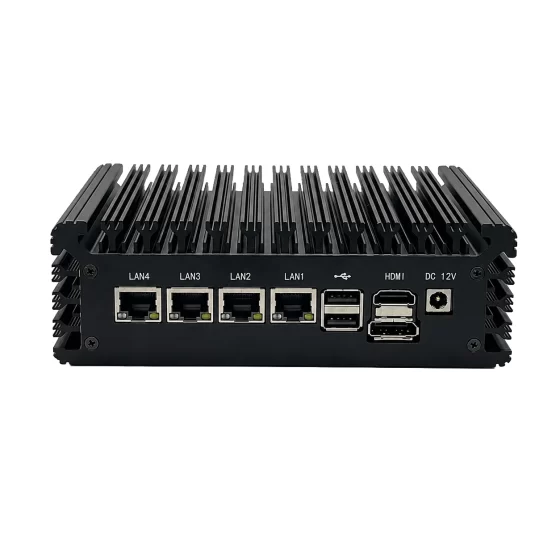
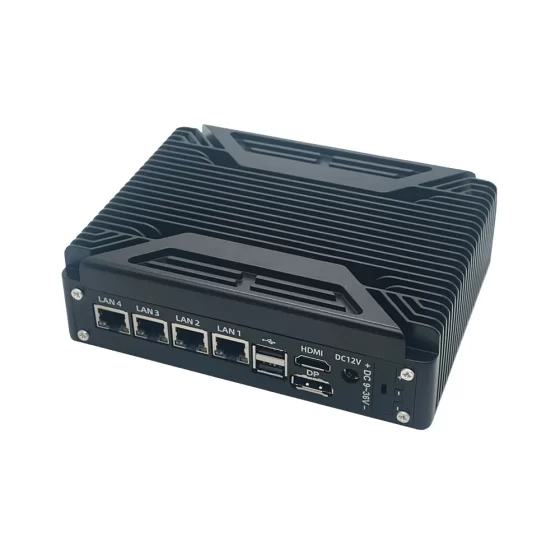
حلول الحوسبة الصناعية CoreIPC

GPU IPC للتعلم العميق: التعلم العميق IPC للذكاء الاصطناعي الصناعي والرؤية الآلية
ملخص تنفيذي
يوفر IPC للتعلم العميق أساس الحوسبة الصناعية لاستدلال الذكاء الاصطناعي, رؤية الآلة, كشف العيب, تحليلات الفيديو, التوجيه الروبوتي, والأتمتة القائمة على البيانات في بيئات التصنيع الحديثة.
حيث تتبنى المصانع نماذج أعمق للذكاء الاصطناعي والمزيد من أنظمة الفحص المعتمدة على الكاميرا, متطلبات الحوسبة تتزايد. يمكن لأجهزة الكمبيوتر الصناعية التقليدية دعم العديد من مهام الأتمتة وجمع البيانات, لكن أعباء عمل التعلم العميق غالبًا ما تتطلب معالجة متوازية أقوى, عرض النطاق الترددي العالي للذاكرة, تخزين أسرع, وتسريع GPU مستقر.
تجمع وحدة GPU IPC بين موثوقية الكمبيوتر الصناعية وإمكانية معالجة الرسومات. يمكنه معالجة الصور عالية الدقة, تيارات الكاميرا المتعددة, نماذج التعلم العميق, واستدلال الذكاء الاصطناعي في الوقت الفعلي بالقرب من معدات الإنتاج.
يمكن أيضًا استخدام جهاز كمبيوتر مضمن عندما يحتاج النظام إلى نشر مضغوط, التثبيت على جانب الآلة, أو تكامل OEM. لتطبيقات رؤية الذكاء الاصطناعي الأكثر تطلبًا, يمكن لجهاز كمبيوتر صناعي مزود بتوسيع وحدة معالجة الرسومات أو تسريع حافة AI توفير الأداء المطلوب لأحمال عمل الإنتاج الحقيقية.
بالمقارنة مع أجهزة الكمبيوتر التجارية القياسية, تم تصميم منصات GPU IPC الصناعية للبيئات الصناعية. أنها تدعم التثبيت الوعرة, تصميم حراري مستقر, الإدخال/الإخراج المرن, اتصال الكاميرا, تخزين عالي السرعة, الشبكات الصناعية, ونشر دورة حياة طويلة.
تشرح هذه المقالة كيف تدعم أنظمة GPU IPC تطبيقات التعلم العميق, ما هي التحديات التي يواجهها المصنعون أثناء النشر, كيف تعمل بنية الحل, وما هي ميزات الأجهزة المهمة عند اختيار كمبيوتر صناعي أو كمبيوتر مضمن لأحمال عمل التعلم العميق.
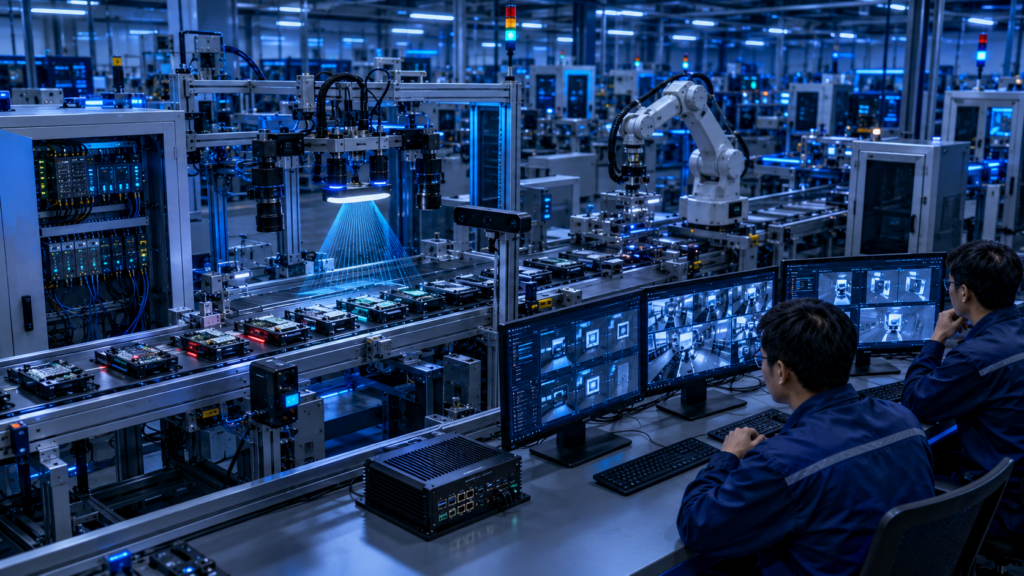
تعمل منصات GPU IPC على معالجة رؤية الذكاء الاصطناعي وأحمال عمل استدلال التعلم العميق بالقرب من معدات الإنتاج.
نظرة عامة على الصناعة
أصبح التعلم العميق عمليًا في الأتمتة الصناعية
يتم استخدام التعلم العميق بشكل متزايد في أتمتة المصانع والتصنيع الذكي.
يساعد الشركات المصنعة على تحليل الصور, كشف العيوب, تصنيف الكائنات, التعرف على الأنماط, معدات المراقبة, ومعالجة البيانات الصناعية المعقدة.
تشمل تطبيقات التعلم العميق النموذجية:
- كشف العيوب البصرية
- فحص السطح
- الهيئة العربية للتصنيع لأشباه الموصلات
- فحص الالكترونيات
- فحص البطارية
- فحص التغليف
- التعرف على الباركود والتعرف الضوئي على الحروف (OCR).
- كشف الكائنات
- التوجيه الروبوتي
- تحليلات الفيديو
- الصيانة التنبؤية
- كشف الشذوذ
تتطلب هذه التطبيقات أجهزة حوسبة محلية موثوقة.
يساعد التعلم العميق IPC على جلب معالجة الذكاء الاصطناعي من البيئات السحابية أو المختبرية إلى أنظمة إنتاج حقيقية.
لماذا يهم تسريع GPU
غالبًا ما تتطلب نماذج التعلم العميق العديد من الحسابات المتوازية.
تعتبر وحدات معالجة الرسومات مناسبة تمامًا لهذا النوع من عبء العمل لأنها تستطيع معالجة كميات كبيرة من بيانات الصور والمصفوفة بكفاءة.
في التطبيقات الصناعية, تسريع GPU يمكن أن يساعد في ذلك:
- استنتاج الذكاء الاصطناعي بشكل أسرع
- معالجة الكاميرات المتعددة
- تحليل الصور عالية الدقة
- تحليلات دفق الفيديو
- تجزئة العيوب المعقدة
- كشف الكائنات
- التحقق من صحة النموذج
- نشر حافة الذكاء الاصطناعي
- الفحص البصري في الوقت الحقيقي
لا يحتاج كل تطبيق إلى وحدة معالجة رسومات كبيرة. يمكن تشغيل بعض النماذج خفيفة الوزن على أجهزة الكمبيوتر الصناعية المعتمدة على وحدة المعالجة المركزية (CPU) أو وحدات الذكاء الاصطناعي المضمنة.
لكن, عندما دقة الصورة, عدد الكاميرا, تعقيد النموذج, أو زيادة متطلبات وقت الاستجابة, يصبح GPU IPC أكثر أهمية.
تختلف الحوسبة الصناعية عن أجهزة Office AI
إن IPC للتعلم العميق ليس مجرد كمبيوتر مكتبي مزود بوحدة معالجة الرسومات.
تتطلب بيئات المصنع تشغيلًا مستقرًا بالقرب من الآلات, الناقلات, الكاميرات, الروبوتات, الشركات المحدودة العامة, وخزائن التحكم.
قد تشمل هذه البيئات الاهتزاز, تراب, حرارة, تدفق هواء محدود, الضوضاء الكهربائية, وساعات العمل الطويلة.
تم تصميم أجهزة الكمبيوتر الصناعية وأجهزة الكمبيوتر المدمجة لهذه الظروف.
أنها توفر تصميمًا ميكانيكيًا أقوى, الإدخال/الإخراج الصناعي, مدخلات طاقة موثوقة, الأداء الحراري المتحكم فيه, دعم دورة حياة طويلة, والتركيب المرن للنشر الحقيقي في المصنع.

بيانات الكاميرا المتعددة, التصميم الحراري لوحدة معالجة الرسومات, عبء عمل التخزين, الاتصالات PLC, ويؤثر تركيب الخزانة على موثوقية IPC للتعلم العميق.
التحديات الرئيسية
ارتفاع عبء عمل معالجة الذكاء الاصطناعي
قد تكون أعباء عمل التعلم العميق متطلبة.
يعتمد الأداء المطلوب على دقة الكاميرا, عدد الكاميرات, معدل الإطار, حجم نموذج الذكاء الاصطناعي, سرعة الاستدلال, المعالجة المسبقة, مرحلة ما بعد المعالجة, واحتياجات التخزين المحلية.
قد يحتاج النظام إلى المعالجة:
- صور عالية الدقة
- تيارات الكاميرا المتعددة
- مقاطع فيديو
- نماذج تجزئة العيوب
- نماذج الكشف عن الكائنات
- نماذج التعرف الضوئي على الحروف
- نماذج التصنيف
- بيانات الانصهار الاستشعار
- سجلات الإنتاج
إذا كان IPC ضعيفًا, قد يواجه النظام استدلالًا متأخرًا, الإطارات المسقطة, غاب عن توقيت التفتيش, أو أداء الإنتاج غير المستقر.
الإدارة الحرارية لوحدة معالجة الرسومات
يعمل تسريع GPU على تحسين معالجة الذكاء الاصطناعي, ولكنه يزيد أيضًا من الطاقة والحرارة.
تعمل الأنظمة الصناعية غالبًا داخل الخزانات أو بالقرب من خطوط الإنتاج حيث قد يكون تدفق الهواء محدودًا.
التخطيط الحراري أمر بالغ الأهمية.
وتشمل العوامل الهامة:
- استهلاك طاقة وحدة معالجة الرسومات
- عبء عمل وحدة المعالجة المركزية
- تصميم الضميمة
- تدفق هواء الخزانة
- درجة الحرارة المحيطة
- موقف التركيب
- ظروف الغبار
- عبء العمل طويل الأمد
- تخطيط بطاقة التوسع
يجب تحديد GPU IPC وتثبيته وفقًا لظروف التشغيل الحقيقية, ليس فقط أعلى مواصفات الأداء.
عرض النطاق الترددي للكاميرا وتدفق البيانات
تعتمد العديد من تطبيقات التعلم العميق على الكاميرا.
قد يستخدم النظام كاميرات USB, كاميرات جيجا, 2.5كاميرات جيجابت, 10كاميرات جيجابت, كاميرات مسح الخط, 3كاميرات D, أو واجهات التقاط الإطارات المتخصصة.
تقوم كل كاميرا بإنشاء متطلبات النطاق الترددي للبيانات.
يجب أن تأخذ في الاعتبار منصة فحص الذكاء الاصطناعي متعددة الكاميرات:
- نوع واجهة الكاميرا
- عدد الكاميرا
- معدل الإطار
- دقة الصورة
- فصل الشبكة
- توسيع PCIe
- سرعة التخزين
- عرض النطاق الترددي للذاكرة
- معالجة خط الأنابيب
لا يمكن لوحدة معالجة الرسومات القوية حل مشكلة عنق الزجاجة في الكاميرا إذا لم يتمكن النظام من الحصول على الصور بشكل موثوق.
تكامل الأجهزة الصناعية
يجب أن يتواصل IPC للتعلم العميق مع معدات المصنع.
قد تحتاج إلى الاتصال مع PLCs, الروبوتات, وحدات تحكم الحركة, الناقلات, أجهزة الاستشعار, وحدات تحكم الإضاءة, قارئات الباركود, إنذار, أنظمة MES, ومنصات SCADA.
قد تشمل الواجهات الصناعية المفيدة:
- لان
- USB
- RS232
- RS485
- جيبيو
- الإدخال الرقمي
- الإخراج الرقمي
- اتش دي ام اي
- منفذ العرض
- م.2
- بكيي
بدون تصميم الإدخال/الإخراج الصحيح, يصبح نشر الذكاء الاصطناعي أكثر صعوبة في التكامل والصيانة.
الموثوقية ودورة الحياة على المدى الطويل
غالبًا ما تظل أنظمة الذكاء الاصطناعي الصناعية قيد الإنتاج لسنوات عديدة.
تغيير في نموذج GPU, driver, نظام التشغيل, SDK للكاميرا, أو منصة الكمبيوتر الصناعية يمكن أن تخلق مشاكل التحقق من الصحة.
يحتاج المصنعون ومنشئو الأجهزة إلى أجهزة يمكنها دعم النشر المتسق, تخطيط قطع الغيار, استقرار صورة البرنامج, والصيانة على المدى الطويل.
هذا هو سبب أهمية تخطيط دورة الحياة لمشاريع التعلم العميق IPC.

تقوم أنظمة GPU IPC بتوصيل كاميرات الرؤية AI, أجهزة تسريع, معدات الأتمتة, وأنظمة برمجيات المصنع.
بنية حلول IPC للتعلم العميق
طبقة الحصول على البيانات
تلتقط طبقة الحصول على البيانات الصور, تدفقات الفيديو, قيم الاستشعار, وبيانات الآلة.
قد تشمل هذه الطبقة:
- الكاميرات الصناعية
- 3كاميرات D
- كاميرات عالية السرعة
- كاميرات مسح الخط
- المختطفون الإطار
- وحدات تحكم الإضاءة
- أجهزة الاستشعار الزناد
- الشركات المحدودة العامة
- أجهزة استشعار الاهتزاز
- قارئات الباركود
- وحدات تحكم الروبوت
- معدات الإنتاج
تؤثر جودة هذه المدخلات بشكل مباشر على أداء التعلم العميق.
اكتساب الكاميرا مستقرة, اثار دقيقة, وبيانات الاستشعار النظيفة مطلوبة قبل أن تتمكن نماذج الذكاء الاصطناعي من إنتاج نتائج موثوقة.
طبقة الحوسبة الصناعية GPU
تعد طبقة الحوسبة الصناعية GPU جوهر النظام.
عند هذه الطبقة, يقوم الكمبيوتر الصناعي أو الكمبيوتر المدمج بمعالجة البيانات محليًا.
ربما:
- الحصول على الصور من الكاميرات
- تشغيل استنتاج التعلم العميق
- إجراء المعالجة المسبقة للصورة
- تنفيذ نماذج الكشف عن العيوب
- تشغيل خوارزميات التجزئة
- معالجة تحليلات الفيديو
- سجلات فحص المتجر
- عرض لوحات المعلومات المحلية
- إرسال النتائج إلى PLCs
- تحميل البيانات المحددة إلى أنظمة المصنع
تعمل طبقة الحوسبة المحلية هذه على تقليل زمن الوصول وتسمح باتخاذ قرارات الذكاء الاصطناعي بالقرب من معدات الإنتاج.
طبقة برمجيات الذكاء الاصطناعي
تتضمن طبقة برامج الذكاء الاصطناعي النماذج, أوقات التشغيل, السائقين, والبرمجيات التطبيقية.
اعتمادا على المشروع, قد تشمل:
- وقت تشغيل استنتاج التعلم العميق
- برنامج رؤية الآلة
- أدوات تطوير البرامج (SDK) للكاميرا
- برامج تشغيل GPU
- أدوات إدارة نماذج الذكاء الاصطناعي
- خط أنابيب المعالجة المسبقة للصورة
- منطق تصنيف العيوب
- برامج تحليل الفيديو
- برامج قواعد البيانات المحلية
- برامج الاتصالات الصناعية
يجب أن يأخذ اختيار الأجهزة في الاعتبار توافق البرامج من البداية.
يجب أن يدعم GPU IPC نظام التشغيل, برامج تشغيل GPU, واجهات الكاميرا, وأطر الذكاء الاصطناعي التي يتطلبها التطبيق.
طبقة التحكم الآلي
تربط طبقة التحكم الآلي نتائج الذكاء الاصطناعي بإجراءات الإنتاج المادي.
بلك, تحكم الروبوت, نظام الناقل, تحكم الحركة, أو قد تتلقى آلية الرفض مخرجات من IPC للتعلم العميق.
على سبيل المثال, بعد اكتشاف خلل في السطح, يمكن لـ IPC إرسال إشارة فشل إلى PLC. يمكن لـ PLC بعد ذلك تنشيط آلية الرفض.
في تطبيقات توجيه الروبوت, قد يقوم IPC بمعالجة بيانات الكاميرا وإرسال إحداثيات الكائن إلى وحدة تحكم الروبوت.
طبقة تكامل بيانات المصنع
تصبح نتائج الذكاء الاصطناعي أكثر قيمة عند ربطها بسجلات الإنتاج.
قد يرسل IPC للتعلم العميق بيانات محددة إلى:
- زارة التربية والعلم
- سكادا
- قواعد بيانات الجودة
- WMS
- تخطيط موارد المؤسسات
- المنصات السحابية
- أنظمة المؤرخ المحلية
- لوحات الإنتاج
قد تتضمن البيانات معرفات المنتج, فئات العيوب, الصور, الطوابع الزمنية, معرفات المحطة, عشرات الثقة, الإصدارات النموذجية, ونتائج التفتيش.
وهذا يدعم إمكانية التتبع, تحليل الجودة, وتحسين العملية.
الميزات الرئيسية
تسريع GPU لاستدلال الذكاء الاصطناعي
يعد تسريع GPU أحد أهم ميزات IPC للتعلم العميق.
يعتمد تكوين GPU الصحيح على النموذج الفعلي وعبء العمل الإنتاجي.
ينبغي النظر في الاختيار:
- حجم نموذج الذكاء الاصطناعي
- سرعة الاستدلال المطلوبة
- عدد الكاميرات
- دقة الصورة
- عدد دفق الفيديو
- احتياجات معالجة الدفعات
- ذاكرة GPU
- استهلاك الطاقة
- دعم السائق
- التصميم الحراري
للتطبيقات الصناعية, يعد الاستدلال المستقر طويل الأمد أكثر أهمية من النتائج المعيارية القصيرة.
اتصال الكاميرا عالي السرعة
تحتاج أنظمة رؤية التعلم العميق إلى مدخلات موثوقة للكاميرا.
قد تتضمن خيارات الأجهزة المفيدة:
- USB 3.0 الموانئ
- منافذ LAN متعددة
- 2.5خيارات GbE أو 10GbE
- توسيع PCIe
- دعم ملتقط الإطار
- توسعة M.2
- تخزين SSD أو NVMe عالي السرعة
- عرض المخرجات
للفحص متعدد الكاميرات, ينبغي تخطيط حركة مرور الشبكة وعرض النطاق الترددي للكاميرا بعناية.
قد يلزم فصل شبكات الكاميرا عن شبكات تكنولوجيا المعلومات في المصنع لتحسين الاستقرار.
الإدخال/الإخراج الصناعي المرن
يجب أن يتصل GPU IPC بمعدات التشغيل الآلي.
قد تتضمن خيارات الإدخال/الإخراج المهمة:
- لان
- USB
- RS232
- RS485
- جيبيو
- الإدخال الرقمي
- الإخراج الرقمي
- اتش دي ام اي
- منفذ العرض
- م.2
- بكيي
- ساتا أو NVMe
تدعم هذه الواجهات الكاميرات, أجهزة الاستشعار, وحدات تحكم الإضاءة, الشركات المحدودة العامة, الروبوتات, الناقلات, قارئات الباركود, إنذار, والعروض المحلية.
يعمل الإدخال/الإخراج المرن على تقليل استخدام المحول الخارجي وتحسين موثوقية النشر.
تخزين موثوق لبيانات الذكاء الاصطناعي
قد تولد أنظمة التعلم العميق كميات كبيرة من البيانات.
قد تحتاج IPC إلى تخزينها:
- صور عيب
- العينات المقبولة
- مقاطع فيديو
- ملفات نماذج الذكاء الاصطناعي
- عينات التدريب
- سجلات الاستدلال
- سجلات التفتيش
- قواعد البيانات المحلية
- المخازن المؤقتة
يُفضل عادةً تخزين SSD أو NVMe لأنه يدعم الوصول بشكل أسرع ومقاومة أفضل للصدمات مقارنة بمحركات الأقراص الميكانيكية.
لأنظمة الذكاء الاصطناعي كثيفة البيانات, سعة التخزين, سرعة الكتابة المستدامة, اكتب التحمل, استراتيجية النسخ الاحتياطي, ويجب مراجعة سياسة الاحتفاظ أثناء التصميم.
تصميم ميكانيكي وحراري متين
يجب أن يدعم IPC للتعلم العميق التركيبات الصناعية.
تصميم متين يساعد على الحماية من الاهتزاز, إجهاد الكابل, تأثير التركيب, والتشغيل المستمر.
التصميم الحراري مهم بشكل خاص عند استخدام تسريع GPU.
يجب على مصممي النظام المراجعة:
- إخراج الحرارة لوحدة المعالجة المركزية ووحدة معالجة الرسومات
- متطلبات التبريد بدون مروحة أو النشطة
- تدفق هواء الخزانة
- درجة الحرارة المحيطة
- تخليص بطاقة GPU
- السيطرة على الغبار
- قدرة إمدادات الطاقة
- توجيه الكابل
يساعد التخطيط الحراري الموثوق في الحفاظ على أداء مستقر للذكاء الاصطناعي على مدار فترات التشغيل الطويلة.
دورة حياة طويلة وقابلية الصيانة
غالبًا ما تتطلب أنظمة التعلم العميق التحقق الدقيق من صحة البرامج.
برامج تشغيل الكاميرا, برامج تشغيل GPU, أطر الذكاء الاصطناعي, أنظمة التشغيل, ويجب أن تعمل البرامج التطبيقية معًا.
يمكن أن تؤدي التغييرات المتكررة في الأجهزة إلى زيادة تكلفة الصيانة.
تساعد منصات الحوسبة الصناعية التي تدعم دورة الحياة منشئي الآلات والمصنعين في الحفاظ على أنظمة ذكاء اصطناعي متسقة عبر أجهزة متعددة, خطوط, ومواقع المصانع.
سيناريوهات النشر
كشف العيوب البصرية بالذكاء الاصطناعي
يعد اكتشاف العيوب البصرية أحد أكثر تطبيقات IPC للتعلم العميق شيوعًا.
يمكن للنظام فحص المنتجات بحثًا عن الخدوش, الخدوش, الشقوق, البقع, تلوث, الأجزاء المفقودة, والتشوهات السطحية.
تقوم GPU IPC بمعالجة صور الكاميرا محليًا وترسل نتائج الفحص إلى PLCs أو أنظمة الجودة.
الهيئة العربية للتصنيع لأشباه الموصلات
غالبًا ما تتطلب الهيئة العربية للتصنيع لأشباه الموصلات تصويرًا عالي الدقة وتصنيفًا متقدمًا للعيوب.
يمكن لـ IPC للتعلم العميق معالجة صور الرقاقة, يموت الصور, صور الحزمة, ووضع علامة على بيانات التحقق.
ويمكنه أيضًا ربط النتائج بـ MES, توافق آراء ساو باولو, وقواعد بيانات الجودة.
فحص الإلكترونيات وSMT
يمكن لتصنيع الإلكترونيات استخدام أنظمة GPU IPC للتحقق من المكونات, فحص اللحام, كشف عيوب ثنائي الفينيل متعدد الكلور, التعرف على الباركود, وفحص الموصل.
يمكن للنظام معالجة الصور من معدات AOI أو كاميرات خط الإنتاج وربط النتائج بالأرقام التسلسلية لثنائي الفينيل متعدد الكلور.
فحص تصنيع البطارية
يمكن أن يستخدم إنتاج البطاريات منصات IPC للتعلم العميق لفحص سطح القطب الكهربائي, فحص لحام التبويب, فحص مظهر الخلية, التحقق من تجميع الوحدة, وتفتيش الحزمة.
يساعد GPU IPC على معالجة أنماط العيوب المعقدة وربط النتائج بأنظمة تتبع الإنتاج.
فحص التغليف
يمكن أن يشمل فحص التغليف الملصقات, الأختام, الرموز الشريطية, رموز التاريخ, قبعات, كرتون, الحقائب, زجاجات, والتحقق النهائي من الحزمة.
يمكن أن يدعم IPC للتعلم العميق اكتشاف عيوب الذكاء الاصطناعي وإرسال قرارات الرفض إلى المعدات التي يتم التحكم فيها عن طريق PLC.
الروبوتات والرؤية ثلاثية الأبعاد
قد تحتاج التطبيقات الروبوتية إلى التعلم العميق لاكتشاف الأشياء, توطين جزء, قطف بن, وفحص الجودة.
يمكن لـ GPU IPC معالجة بيانات الكاميرا ثنائية أو ثلاثية الأبعاد وإرسال الإحداثيات أو نتائج التصنيف إلى وحدات التحكم الآلية.
تحليلات الفيديو
يمكن أن تدعم تحليلات الفيديو الصناعية مراقبة السلامة, مراقبة العملية, مراقبة المعدات, والتتبع اللوجستي.
يمكن لـ GPU IPC معالجة تدفقات فيديو متعددة محليًا وتحميل الأحداث أو التنبيهات المحددة فقط.
وهذا يقلل من تحميل الشبكة ويحسن وقت الاستجابة.
تكامل معدات OEM AI
يمكن لمنشئي الآلات دمج أنظمة GPU IPC في آلات فحص الذكاء الاصطناعي, الأنظمة الروبوتية, معدات الفرز, بوابات ذكية, أو منصات الأتمتة.
يمكن لمنصة الحوسبة توفير استنتاج الذكاء الاصطناعي, معالجة الكاميرا, التخزين المحلي, عرض اتش ام اي, الاتصالات PLC, وإخراج بيانات المصنع.
وهذا يساعد مصنعي المعدات الأصلية على تقديم معدات الذكاء الاصطناعي الصناعية الجاهزة لنشر الإنتاج.
فوائد الأعمال
أسرع الذكاء الاصطناعي الاستدلال
يوفر GPU IPC معالجة محلية أقوى لأحمال عمل التعلم العميق.
وهذا يساعد على تقليل وقت الاستدلال ويدعم قرارات الإنتاج بشكل أسرع.
يعد الذكاء الاصطناعي المحلي السريع مفيدًا لرفض العيوب, توجيه الروبوت, فرز, يراقب, والتفتيش عالي السرعة.
تحسين القدرة على التفتيش
يمكن أن يساعد التعلم العميق في اكتشاف العيوب البصرية المعقدة التي يصعب تحديدها بقواعد ثابتة.
يوفر IPC للتعلم العميق قوة الحوسبة اللازمة لتشغيل هذه النماذج بالقرب من معدات الإنتاج.
ويساعد ذلك الشركات المصنعة على تحسين اتساق الفحص وتقليل عبء عمل المراجعة اليدوية.
تقليل الاعتماد على السحابة
تعمل معالجة GPU المحلية على تقليل الحاجة إلى إرسال جميع الصور أو تدفقات الفيديو إلى الأنظمة الأساسية السحابية.
يمكن لـ IPC معالجة البيانات على الحافة وتحميل النتائج المحددة فقط, الصور, التنبيهات, أو ملخصات.
وهذا يقلل من ضغط عرض النطاق الترددي ويحسن المرونة التشغيلية.
إمكانية تتبع الإنتاج بشكل أقوى
يمكن ربط نتائج الذكاء الاصطناعي بمعرفات المنتج, أوامر العمل, فئات العيوب, الصور, الطوابع الزمنية, معرفات المحطة, الإصدارات النموذجية, وإجراءات المشغل.
وهذا يخلق سجلات جودة أقوى.
يساعد التخزين الصناعي الموثوق وتكامل البيانات في دعم عمليات التدقيق, مراجعة العملية, التحقيق في الضمان, وتحليل السبب الجذري.
تكامل أفضل مع الأتمتة
يمكن لـ GPU IPC توصيل نتائج التعلم العميق مع PLCs, الروبوتات, الناقلات, وأنظمة المصانع.
وهذا يحول تحليل الذكاء الاصطناعي إلى إجراء إنتاجي عملي.
يمكن للنظام تفعيل آليات الرفض, توجيه الروبوتات, إرسال الإنذارات, أو تحديث قواعد بيانات الجودة تلقائيًا.
نشر الذكاء الاصطناعي الصناعي القابل للتطوير
تعمل منصة IPC الموحدة للتعلم العميق على تسهيل نشر الذكاء الاصطناعي عبر خطوط إنتاج ومصانع متعددة.
تعمل الأجهزة المتسقة على تبسيط صور البرامج, التحقق من صحة برنامج تشغيل GPU, إدارة SDK للكاميرا, تخطيط قطع الغيار, والتدريب على الصيانة.
وهذا يساعد الشركات المصنعة على الانتقال من مشاريع الذكاء الاصطناعي التجريبية إلى نشر الإنتاج القابل للتطوير.
لماذا كورIPC
توفر CoreIPC منصات حوسبة صناعية لتقنية Edge AI, رؤية الآلة, أتمتة المصنع, الروبوتات, وتكامل النظام المدمج. لتطبيقات IPC للتعلم العميق, يركز CoreIPC على أجهزة الكمبيوتر الصناعية الموثوقة, حلول الكمبيوتر المدمجة, تكوينات الإدخال/الإخراج المرنة, تصميم نظام مدمج, تخطيط منصة جاهزة لوحدة معالجة الرسومات, ودعم التخصيص OEM/ODM. CoreIPC يساعد تكامل النظام, بناة الآلة, وتقوم فرق التصنيع باختيار منصات الحوسبة التي تتوافق مع متطلبات النشر الحقيقية, بما في ذلك عبء عمل وحدة معالجة الرسومات, واجهات الكاميرا, الاتصالات الأتمتة, احتياجات التخزين, طرق التركيب, مدخلات الطاقة, التصميم الحراري, توافق البرامج, وتخطيط دورة الحياة.
الأسئلة المتداولة
1. ما هو IPC التعلم العميق?
IPC للتعلم العميق هو كمبيوتر صناعي مصمم لتشغيل أحمال عمل التعلم العميق في البيئات الصناعية.
قد يشمل تسريع GPU, اتصال الكاميرا عالي السرعة, الإدخال/الإخراج الصناعي, تصميم ميكانيكي متين, تخزين موثوق, ودعم شبكة المصنع. يتم استخدامه بشكل شائع لفحص الذكاء الاصطناعي, تحليلات الفيديو, الرؤية الروبوتية, وحوسبة الحافة الصناعية.
2. لماذا نستخدم GPU IPC للتعلم العميق?
غالبًا ما تتطلب نماذج التعلم العميق معالجة متوازية.
يمكن لـ GPU IPC تسريع استنتاج الذكاء الاصطناعي, معالجة الصور, كشف الكائن, التجزئة, وتحليلات الفيديو. وهذا يساعد النظام على معالجة المزيد من البيانات محليًا والاستجابة بشكل أسرع في بيئات الإنتاج.
3. كيف يتم استخدام الكمبيوتر المدمج للتعلم العميق?
يمكن استخدام جهاز كمبيوتر مضمن لنشر الذكاء الاصطناعي المدمج بالقرب من الأجهزة, الكاميرات, الروبوتات, أو خزائن التحكم.
لأعباء العمل الخفيفة, يمكنه تشغيل الذكاء الاصطناعي المعتمد على وحدة المعالجة المركزية أو تسريع الذكاء الاصطناعي المضمن. لأعباء العمل الثقيلة, قد تكون هناك حاجة إلى جهاز كمبيوتر صناعي أكبر مع دعم GPU. يعتمد الاختيار على مدى تعقيد النموذج, عدد الكاميرا, ومتطلبات وقت الاستجابة.
4. ما هي التطبيقات التي تحتاج إلى IPC للتعلم العميق?
وتشمل التطبيقات الكشف عن العيوب البصرية, الهيئة العربية للتصنيع لأشباه الموصلات, فحص الالكترونيات, فحص البطارية, فحص التغليف, التوجيه الروبوتي, تحليلات الفيديو, الفرز اللوجستي, الصيانة التنبؤية, ومراقبة المصانع الذكية.
قد يستفيد أي تطبيق يستخدم نماذج التعلم العميق بالقرب من معدات الإنتاج من GPU IPC الصناعي المحدد بشكل صحيح.
5. هل يحتاج كل نظام رؤية يعمل بالذكاء الاصطناعي إلى وحدة معالجة الرسومات؟?
لا. يمكن تشغيل بعض أنظمة رؤية الذكاء الاصطناعي على أجهزة الكمبيوتر الصناعية المعتمدة على وحدة المعالجة المركزية (CPU) أو أجهزة الكمبيوتر المدمجة المدمجة.
عادةً ما تكون وحدة معالجة الرسومات (GPU) أكثر أهمية عندما يستخدم النظام صورًا عالية الدقة, كاميرات متعددة, نماذج التعلم العميق المعقدة, تحليلات الفيديو, 3رؤية د, أو متطلبات وقت دورة قصيرة. يجب أن يوجه اختبار النموذج الحقيقي اختيار الأجهزة.
6. ما هي الواجهات المهمة لأنظمة GPU IPC?
قد تتضمن الواجهات المهمة USB 3.0, منافذ LAN متعددة, 2.5يحمل, 10يحمل, بكيي, م.2, RS232, RS485, جيبيو, المدخلات الرقمية, الإخراج الرقمي, اتش دي ام اي, منفذ العرض, ساتا, ودعم تخزين NVMe.
تعتبر واجهات الكاميرا وتوسيع PCIe ذات أهمية خاصة للعديد من تطبيقات رؤية التعلم العميق.
7. هل يمكن لأجهزة الكمبيوتر الصناعية بدون مروحة أن تدعم التعلم العميق؟?
يمكن لأجهزة الكمبيوتر الصناعية بدون مروحة دعم بعض أحمال عمل التعلم العميق, وخاصة الاستدلال خفيف الوزن وتطبيقات الذكاء الاصطناعي المعتدلة.
لكن, قد تولد أحمال عمل التعلم العميق المستندة إلى وحدة معالجة الرسومات حرارة كبيرة. قوة وحدة المعالجة المركزية, قوة وحدة معالجة الرسومات, تصميم العلبة, تدفق هواء الخزانة, درجة الحرارة المحيطة, وينبغي مراجعة طريقة التركيب قبل النشر.
8. كيف يتصل IPC للتعلم العميق مع PLCs والروبوتات?
يمكن لـ IPC للتعلم العميق التواصل مع PLCs والروبوتات من خلال Ethernet, الاتصال التسلسلي, الإدخال/الإخراج الرقمي, أو واجهات برامج التشغيل الآلي المدعومة.
يمكن أن تتلقى المشغلات, صور العملية, وإرسال تمريرة, يفشل, إنذار, موضع, أو تعود نتائج التصنيف إلى نظام التشغيل الآلي.
9. هل يمكن لأنظمة IPC للتعلم العميق الاتصال بـ MES أو قواعد بيانات الجودة?
نعم. يمكن لأجهزة الكمبيوتر الصناعية تحميل نتائج فحص الذكاء الاصطناعي إلى MES, قواعد بيانات الجودة, سكادا, WMS, تخطيط موارد المؤسسات, أو المنصات السحابية.
قد تتضمن البيانات التي تم تحميلها معرفات المنتج, فئات العيوب, سجلات الصور, الطوابع الزمنية, الإصدارات النموذجية, معرفات المحطة, ونتائج التفتيش. وهذا يدعم إمكانية التتبع وتحليل الجودة.
10. ما الذي يجب اختباره قبل نشر GPU IPC?
قبل النشر, يجب اختبار النظام بكاميرات حقيقية, نماذج الذكاء الاصطناعي الحقيقية, صور الإنتاج الفعلي, برامج تشغيل GPU, SDKs الكاميرا, الاتصالات PLC, عبء عمل التخزين, بنية الشبكة, وتشغيل طويل الأمد.
الاستقرار الحراري, سرعة الاستدلال, موثوقية الحصول على الإطار, ويجب أيضًا التحقق من صحة سلوك تحميل البيانات.
خاتمة
يعد IPC للتعلم العميق أساسًا عمليًا لأنظمة الذكاء الاصطناعي الصناعية التي تتطلب تسريع وحدة معالجة الرسومات, رؤية الآلة, تحليلات الفيديو, التوجيه الروبوتي, كشف العيب, وذكاء الحافة المحلية.
من خلال وضع كمبيوتر صناعي جاهز لوحدة معالجة الرسومات أو كمبيوتر مدمج بالقرب من الكاميرات, أجهزة الاستشعار, الشركات المحدودة العامة, الروبوتات, الناقلات, وأنظمة الإنتاج, يمكن للمصنعين معالجة أعباء عمل الذكاء الاصطناعي محليًا, تقليل الكمون, انخفاض التبعية السحابية, وربط نتائج التعلم العميق بإجراءات الأتمتة الحقيقية.
يجب اختيار النظام الأساسي المناسب وفقًا لمتطلبات النشر الحقيقية, بما في ذلك تعقيد نموذج الذكاء الاصطناعي, عبء عمل وحدة معالجة الرسومات, واجهة الكاميرا, دقة الصورة, تكوين الإدخال/الإخراج, بنية الشبكة, احتياجات التخزين, متطلبات التوسع, طريقة التركيب, مدخلات الطاقة, الظروف الحرارية, دعم نظام التشغيل, وتخطيط دورة الحياة.
يدعم CoreIPC مشاريع IPC للتعلم العميق من خلال منصات الحوسبة الصناعية المصممة للنشر العملي للمصانع والمعدات. مع أساس الأجهزة الصحيح, يمكن للمصنعين وبناة الآلات بناء موثوقة, قابلة للتطوير, وأنظمة الذكاء الاصطناعي الصناعية الجاهزة للإنتاج.
اتصل بنا
أبحث عن جهاز كمبيوتر صناعي, الكمبيوتر المدمج, أو GPU IPC للتعلم العميق?
تواصل مع CoreIPC لمناقشة متطلبات مشروعك, بما في ذلك عبء عمل الذكاء الاصطناعي, متطلبات GPU, واجهة الكاميرا, تكوين الإدخال/الإخراج, اتصالات الروبوت أو PLC, تصميم التخزين, طريقة التركيب, مدخلات الطاقة, بيئة التشغيل, احتياجات دورة الحياة, وخيارات التخصيص OEM/ODM.