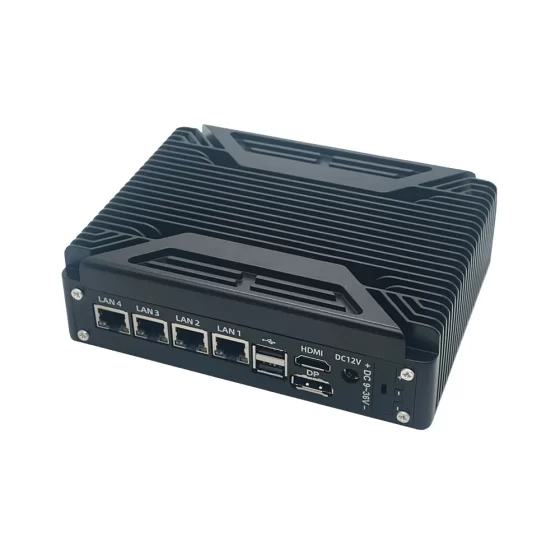
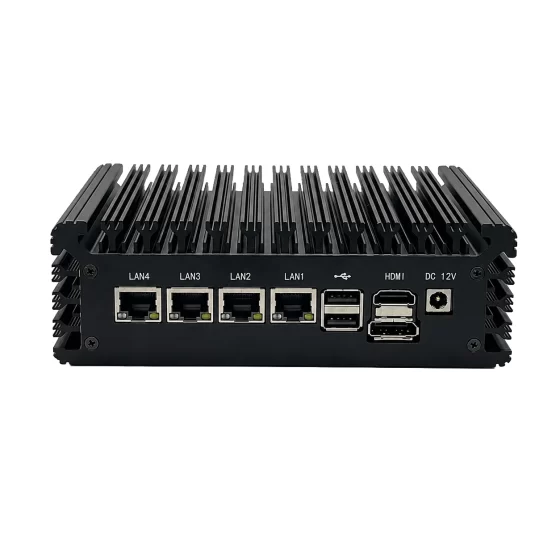
حلول الحوسبة الصناعية CoreIPC

Edge AI للمدن الذكية: Edge AI Smart City Computing للبنية التحتية الحضرية
ملخص تنفيذي
توفر أنظمة المدينة الذكية Edge AI أساس الحوسبة المحلية للنقل الذكي, مراقبة البنية التحتية العامة, تحليلات الفيديو في المناطق الحضرية, الاستشعار البيئي, الإضاءة الذكية, مراقبة المرافق, وعمليات المدينة المتصلة.
تولد المدن الحديثة كميات كبيرة من البيانات من الكاميرات, أجهزة الاستشعار, أنظمة المرور, نقاط الوصول, وحدات تحكم الإضاءة, عدادات الطاقة, المرافق العامة, وشبكات الاتصالات. إذا تم إرسال جميع البيانات الأولية مباشرة إلى منصات سحابية مركزية, قد يواجه مشغلو المدينة استخدام النطاق الترددي العالي, تأخر الاستجابة, ضغط تخزين البيانات, والاعتماد على توافر الشبكة.
يمكن للكمبيوتر الصناعي أو الكمبيوتر المدمج الموجود على الحافة معالجة البيانات بالقرب من المصدر. يمكنه تحليل تدفقات الكاميرا, جمع بيانات الاستشعار, تشغيل نماذج استدلال الذكاء الاصطناعي, توليد التنبيهات المحلية, سجلات المخزن المؤقت, وإرسال المعلومات المحددة إلى منصات إدارة المدينة, أنظمة المرور, مراكز القيادة, أو لوحات المعلومات السحابية.
بالمقارنة مع أجهزة الكمبيوتر التجارية القياسية, تعد أجهزة الكمبيوتر الصناعية أكثر ملاءمة للنشر على حافة المدينة الذكية لأنها تدعم التثبيت القوي, مرونة الإدخال/الإخراج الواسعة, شبكات مستقرة, خيارات التصميم بدون مروحة, تخزين موثوق, وتوافر دورة حياة طويلة.
تشرح هذه المقالة كيفية عمل حوسبة المدن الذكية بتقنية الذكاء الاصطناعي, ما هي تحديات النشر التي تظهر في البيئات الحضرية, كيف يتم تنظيم بنية الحل, وما هي ميزات الأجهزة المهمة عند اختيار كمبيوتر صناعي أو كمبيوتر مضمن لتطبيقات المدن الذكية.
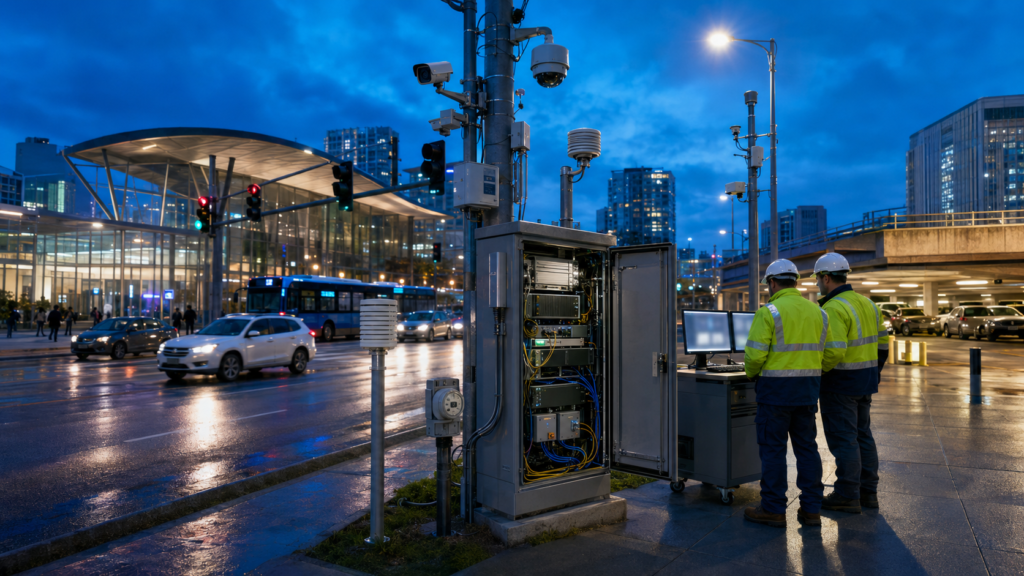
نشر Edge AI Smart City
نظرة عامة على الصناعة
أصبحت المدن تعتمد بشكل أكبر على البيانات
تعتمد مشاريع المدن الذكية على البنية التحتية المتصلة.
التقاطعات المرورية, المباني العامة, مناطق وقوف السيارات, أنظمة المرافق, المناطق اللوجستية, محطات العبور, أنظمة الإضاءة, ويمكن لنقاط الرصد البيئي أن تولد بيانات تشغيلية مفيدة.
يمكن أن تدعم هذه البيانات:
- مراقبة تدفق حركة المرور
- تحليلات الفيديو على جانب الطريق
- مواقف ذكية
- مراقبة السلامة العامة
- الاستشعار البيئي
- التحكم الذكي في الإضاءة
- مراقبة الطاقة
- إدارة المرافق
- تحسين جمع النفايات
- مراقبة حالة البنية التحتية
- دعم الاستجابة لحالات الطوارئ
لكن, جمع البيانات ليس سوى الخطوة الأولى.
تحتاج المدن إلى أنظمة عملية يمكنها معالجة البيانات بسرعة, تقليل الإرسال غير الضروري, ودعم صنع القرار المحلي.
لماذا يعتبر Edge AI مهمًا للمدن الذكية
تعد المنصات السحابية المركزية مفيدة للتحليل طويل المدى, لوحات معلومات متعددة المواقع, والإدارة على مستوى المدينة.
لكن, تستفيد العديد من تطبيقات المدن الذكية من المعالجة المحلية.
قد تحتاج كاميرا المرور إلى اكتشاف الازدحام أو ظروف الطريق غير الطبيعية بسرعة. قد تحتاج المنشأة العامة إلى تنبيهات بيئية محلية. قد يحتاج موقع البنية التحتية البعيدة إلى مراقبة مستمرة حتى عندما تكون اتصالات الشبكة غير مستقرة.
يساعد Edge AI من خلال معالجة البيانات القريبة من الكاميرات, أجهزة الاستشعار, والمعدات الحضرية.
بدلاً من تحميل كل إطار أو قيمة مستشعر أولية, يمكن للنظام إرسال الأحداث المعالجة, ملخصات, التنبيهات, والسجلات المختارة.
الحوسبة الصناعية هي مؤسسة الأجهزة
يمكن تركيب أجهزة حافة المدينة الذكية في خزانات خارجية, أنظمة جانب الطريق, محاور النقل, المباني العامة, غرف المرافق, مناطق وقوف السيارات, ومواقع الرصد الموزعة.
قد تحتوي هذه البيئات على الغبار, اختلاف درجة الحرارة, اهتزاز, الضوضاء الكهربائية, قوة غير مستقرة, وصول محدود للصيانة, والتشغيل المستمر.
توفر أجهزة الكمبيوتر الصناعية وأجهزة الكمبيوتر المدمجة أساسًا أكثر ملاءمة للأجهزة من أجهزة الكمبيوتر المكتبية القياسية.
أنها تدعم الشبكات الصناعية, مرفقات وعرة, التخزين المحلي, الإدخال/الإخراج المرن, خيارات التوسع اللاسلكي, ونشر دورة حياة طويلة.

تحديات نشر Smart City Edge AI
التحديات الرئيسية
النشر الموزع عبر العديد من المواقع
عادة ما يتم توزيع أنظمة المدن الذكية.
قد يتضمن المشروع العديد من التقاطعات, محطات المراقبة, مناطق وقوف السيارات, خزائن المرافق, عقد العبور, والمرافق النائية.
قد يكون لكل موقع مساحة مختلفة, قوة, شبكة, والظروف البيئية.
وهذا يخلق متطلبات الأجهزة المدمجة, تصاعد مستقر, الصيانة عن بعد, وتصميم منصة متسقة.
يمكن أن تساعد منصة الكمبيوتر الصناعية القياسية في تبسيط عملية النشر عبر العديد من المواقع.
كميات كبيرة من بيانات الفيديو وأجهزة الاستشعار
تتضمن العديد من تطبيقات المدن الذكية الفيديو.
كاميرات المرور, كاميرات أمنية, كاميرات وقوف السيارات, ويمكن لكاميرات مراقبة البنية التحتية توليد تدفقات كبيرة من البيانات.
يمكن لأنظمة الاستشعار أيضًا إنشاء بيانات مستمرة من أجهزة جودة الهواء, محطات الطقس, عدادات الطاقة, أجهزة استشعار الاهتزاز, أنظمة المياه, وأجهزة التحكم في الإضاءة.
قد يحتاج كمبيوتر Edge AI إلى التعامل معه:
- تيارات الكاميرا المتعددة
- جمع بيانات الاستشعار
- استنتاج الذكاء الاصطناعي
- تخزين الأحداث المحلية
- تحميل الشبكة
- اتصالات لوحة القيادة
- التخزين المؤقت المحلي
- مراقبة صحة النظام
يجب تحديد الأجهزة وفقًا لعدد الكاميرات الحقيقي, عبء عمل الذكاء الاصطناعي, سياسة التخزين, وتصميم الشبكة.
استجابة محلية منخفضة الكمون
تتطلب بعض تطبيقات المدن الذكية استجابة محلية سريعة.
وتشمل الأمثلة الكشف عن الأحداث المرورية, تنبيهات على جانب الطريق, مراقبة الوصول, كشف خلل في المعدات, أو إنذارات نظام المرافق.
إذا كان يجب أن تنتقل البيانات إلى خادم بعيد قبل التحليل, قد تتأخر الاستجابة.
تعمل أنظمة المدينة الذكية Edge AI على تقليل زمن الوصول من خلال معالجة البيانات محليًا وإرسال النتائج المفيدة فقط إلى الأنظمة الأساسية عالية المستوى.
وهذا يجعل النظام أكثر عملية لتطبيقات البنية التحتية الحضرية الحساسة للوقت.
موثوقية الشبكة والتحكم في عرض النطاق الترددي
قد تعتمد عمليات نشر المدن الذكية على الألياف, الخلوية, الشبكات الخاصة, أو طرق الاتصال المختلطة.
يمكن أن يختلف توفر الشبكة حسب الموقع.
يجب أن يدعم كمبيوتر الحافة التخزين المؤقت للبيانات المحلية حتى لا يتم فقدان السجلات أثناء الانقطاعات المؤقتة للشبكة.
التحكم في عرض النطاق الترددي مهم أيضًا.
يمكن أن يكون تحميل كل تدفق فيديو خام من العديد من المواقع مكلفًا وغير فعال. يساعد تحليل الذكاء الاصطناعي المحلي على تقليل نقل البيانات عن طريق تحميل مقاطع الأحداث, البيانات الوصفية, التنبيهات, والملخصات.
الأمن وإدارة البيانات
قد تتعامل أنظمة المدن الذكية مع البنية التحتية الحساسة والبيانات التشغيلية.
يجب أن يأخذ تصميم النظام بعين الاعتبار التحكم في الوصول, تجزئة الشبكة, الاحتفاظ بالبيانات, قواعد الصيانة عن بعد, ونقل البيانات بشكل آمن.
قد يقع كمبيوتر Edge AI بين شبكات الكاميرا, شبكات الاستشعار, منصات المدينة, والأنظمة السحابية.
منافذ LAN متعددة, الاتصال الخاضع للرقابة, وتساعد ممارسات النشر الآمنة في دعم تنظيم الشبكة وإدارة البيانات بشكل أفضل.

حافة الذكاء الاصطناعي للمدينة الذكية
هندسة حلول Edge AI للمدينة الذكية
طبقة الجهاز والمستشعر
تشتمل طبقة الجهاز والمستشعر على أجهزة البنية التحتية الحضرية التي تولد البيانات.
قد تشمل هذه الطبقة:
- كاميرات المرور
- كاميرات IP
- الكاميرات الصناعية
- أجهزة الاستشعار البيئية
- عدادات الطاقة
- وحدات تحكم الإضاءة الذكية
- أجهزة استشعار وقوف السيارات
- أجهزة التحكم في الوصول
- أجهزة استشعار الطقس
- معدات على جانب الطريق
- أجهزة مراقبة المرافق
- بوابات الاتصالات
توفر هذه الأجهزة البيانات الأولية اللازمة لمعالجة الذكاء الاصطناعي المحلي وإدارة المدينة.
طبقة حوسبة Edge AI
طبقة حوسبة Edge AI هي المكان الذي يقوم فيه الكمبيوتر الصناعي أو الكمبيوتر المدمج بالمعالجة المحلية.
عند هذه الطبقة, يجوز للنظام:
- تلقي تيارات الكاميرا
- جمع بيانات الاستشعار
- تشغيل نماذج الاستدلال بالذكاء الاصطناعي
- كشف حركة المرور أو أحداث المنشأة
- معالجة البيانات البيئية
- تخزين السجلات المحلية
- تخزين البيانات أثناء مشكلات الشبكة
- توليد التنبيهات
- عرض الحالة المحلية
- إرسال البيانات المحددة إلى منصات المدينة
تعمل هذه الطبقة على تقليل زمن الوصول وتساعد أنظمة المدن الذكية على البقاء جاهزة للعمل حتى عندما تختلف ظروف الشبكة.
طبقة تحليلات الذكاء الاصطناعي
تحتوي طبقة تحليلات الذكاء الاصطناعي على نماذج البرامج والمنطق المستخدم لتفسير البيانات.
اعتمادا على التطبيق, قد تشمل:
- كشف الكائنات
- عد المركبات
- تحليل الازدحام
- الكشف عن أماكن وقوف السيارات
- الكشف عن الشذوذ البيئي
- مراقبة حالة المعدات
- تحليلات الفيديو
- تحليل استخدام الطاقة
- تصنيف الحدث
- منطق التنبيه القائم على القواعد
يجب أن يدعم الكمبيوتر الصناعي نظام التشغيل المطلوب, وقت تشغيل الذكاء الاصطناعي, برنامج الكاميرا, أدوات الاتصال, وتطبيقات إدارة البيانات.
طبقة الاتصالات والمنصة
يربط نظام Edge AI البنية التحتية المحلية بمنصات البرامج على مستوى المدينة.
قد يرسل البيانات المحددة إلى:
- منصات المدينة الذكية
- أنظمة إدارة المرور
- أنظمة السلامة العامة
- منصات إدارة المرافق
- أنظمة إدارة الطاقة
- لوحات المعلومات السحابية
- مراكز القيادة المحلية
- منصات الصيانة
- أنظمة إنترنت الأشياء الصناعية
بدلا من إرسال كافة البيانات الأولية, يمكن للنظام تحميل التنبيهات, القيم المعالجة, الصور المختارة, مقاطع فيديو, إحصائيات, وسجلات الحالة.
طبقة الصيانة والإدارة عن بعد
غالبًا ما يتم توزيع أجهزة المدينة الذكية عبر العديد من المواقع.
تحتاج فرق الصيانة إلى رؤية عملية لحالة النظام.
قد يدعم كمبيوتر Edge AI:
- مراقبة الصحة المحلية
- الإبلاغ عن حالة التخزين
- الإبلاغ عن حالة الشبكة
- حالة اتصال الكاميرا
- تحديثات البرامج عن بعد
- جمع السجل
- مراجعة التنبيه
- الوصول إلى لوحة القيادة المحلية
ويساعد ذلك في تقليل عبء عمل الصيانة الميدانية ويدعم التشغيل القابل للتطوير.
الميزات الرئيسية
أداء الاستدلال بالذكاء الاصطناعي
تختلف أعباء عمل الذكاء الاصطناعي لحواف المدينة الذكية بشكل كبير.
قد تحتاج عقدة المراقبة البيئية الصغيرة إلى أداء معتدل لوحدة المعالجة المركزية. قد يتطلب نظام التحليلات على جانب الطريق متعدد الكاميرات معالجة أقوى, تسريع GPU, أو دعم مسرع الذكاء الاصطناعي.
ينبغي النظر في الاختيار:
- عدد الكاميرا
- دقة الفيديو
- معدل الإطار
- تعقيد نموذج الذكاء الاصطناعي
- تردد تحديث المستشعر
- عبء عمل التخزين
- تردد تحميل الشبكة
- احتياجات لوحة القيادة المحلية
- دعم نظام التشغيل
يجب اختيار النظام الأساسي بناءً على عبء العمل الفعلي وظروف النشر.
واجهات الشبكة المتعددة
غالبًا ما تحتاج أنظمة حافة المدينة الذكية إلى العديد من اتصالات الشبكة.
يمكن أن تساعد منافذ LAN المتعددة في الانفصال:
- شبكة الكاميرا
- شبكة الاستشعار
- شبكة الصيانة المحلية
- اتصال منصة المدينة
- تحميل السحابة
- شبكة الوصول عن بعد
يمكن أن يؤدي فصل الشبكة إلى تحسين إدارة حركة المرور وتقليل التعرض غير الضروري بين الأنظمة.
لعمليات النشر على جانب الطريق والخزانة, تعد الشبكات المستقرة أحد أهم متطلبات الأجهزة.
الإدخال/الإخراج الصناعي المرن
قد تتصل تطبيقات المدينة الذكية بالعديد من أنواع الأجهزة.
قد تتضمن خيارات الإدخال/الإخراج المفيدة:
- لان
- USB
- RS232
- RS485
- جيبيو
- الإدخال الرقمي
- الإخراج الرقمي
- اتش دي ام اي
- منفذ العرض
- م.2
- بكيي
- تخزين SATA أو NVMe
يمكن لهذه الواجهات دعم الكاميرات, أجهزة الاستشعار, متر, وحدات تحكم, بوابات, يعرض, أجهزة الإنذار, والوحدات اللاسلكية.
يقلل الإدخال/الإخراج المرن من الحاجة إلى محولات خارجية ويجعل النشر أكثر موثوقية.
التخزين المحلي والتخزين المؤقت للبيانات
قد تحتاج أنظمة المدينة الذكية Edge AI إلى مساحة تخزين محلية.
قد يقوم الكمبيوتر بتخزين:
- صور الحدث
- مقاطع فيديو
- تاريخ الاستشعار
- ملفات نماذج الذكاء الاصطناعي
- سجلات الإنذار
- سجلات النظام
- قواعد البيانات المحلية
- مخازن التحميل المؤقتة
يُفضل عادةً تخزين SSD أو NVMe لأنه يوفر وصولاً سريعًا ومقاومة أفضل للصدمات مقارنة بمحركات الأقراص الميكانيكية.
يجب أن يأخذ تصميم التخزين في الاعتبار فترة الاحتفاظ, اكتب التحمل, طريقة النسخ الاحتياطي, وسلوك انقطاع الشبكة.
تصميم متين وبدون مروحة
قد يتم تثبيت أجهزة كمبيوتر حافة المدينة الذكية في الخزانات, غرف المعدات, صناديق على جانب الطريق, مرافق النقل, ومواقع البنية التحتية.
يساعد التصميم بدون مروحة على تقليل دخول الغبار وإزالة نقطة عطل ميكانيكية شائعة.
تساعد العبوات القوية على حماية النظام من الاهتزاز, إجهاد الكابل, وشروط التثبيت الميداني.
ينبغي مراجعة التصميم الحراري بعناية, خاصة بالنسبة للخزائن الخارجية, المناطق ذات درجات الحرارة المرتفعة, أو أعباء عمل الذكاء الاصطناعي باستخدام المسرعات.
دورة حياة طويلة وقابلية الصيانة
غالبًا ما تستمر مشاريع البنية التحتية للمدن الذكية لسنوات عديدة.
يمكن أن تؤدي التغييرات المتكررة في الأجهزة إلى حدوث مشكلات في التحقق من صحة البرامج, مشاكل الصيانة, وتحديات قطع الغيار.
تساعد منصات الحوسبة الصناعية مع التخطيط لدورة الحياة القائمين على تكامل الأنظمة ومشغلي المدن في الحفاظ على عمليات نشر متسقة عبر العديد من المواقع.
وهذا مهم بشكل خاص لمشاريع المدن الذكية والبنية التحتية واسعة النطاق.

عمليات الذكاء الاصطناعي لحواف المدينة الذكية
سيناريوهات النشر
مراقبة حركة المرور الذكية
تعد مراقبة حركة المرور أحد تطبيقات المدن الذكية الأكثر شيوعًا والتي تعمل بتقنية الذكاء الاصطناعي.
يمكن لجهاز كمبيوتر Edge AI معالجة تدفقات الكاميرا بالقرب من التقاطعات, الطرق, أو ممرات النقل.
قد يدعم عد المركبات, كشف الازدحام, مراقبة الممرات, الكشف عن الأحداث المرورية, وتوليد التنبيه المحلي.
يمكن إرسال البيانات المعالجة إلى منصات إدارة حركة المرور أو مراكز القيادة.
أنظمة مواقف السيارات الذكية
تستخدم أنظمة مواقف السيارات الذكية الكاميرات أو أجهزة الاستشعار لاكتشاف إشغال المساحة, دخول السيارة, وتدفق مواقف السيارات.
يمكن للكمبيوتر المدمج معالجة بيانات مواقف السيارات محليًا وإرسال المعلومات المحددة إلى منصات إدارة مواقف السيارات.
وهذا يدعم رؤية أفضل لمواقف السيارات ويقلل من نقل البيانات غير الضرورية.
مراقبة المرافق العامة
المباني العامة, محطات, الحرم الجامعي, وقد تستخدم مرافق الخدمة تقنية Edge AI للمراقبة التشغيلية.
يمكن للنظام تحليل الفيديو, أجهزة الاستشعار البيئية, الوصول إلى البيانات, وحالة معدات المنشأة.
توفر أجهزة الكمبيوتر الصناعية معالجة محلية ومعالجة موثوقة للبيانات لإدارة المرافق الموزعة.
المراقبة البيئية
يمكن للمدن استخدام الحوسبة المتطورة لمراقبة جودة الهواء, درجة حرارة, رطوبة, ضوضاء, ظروف المياه, وغيرها من العوامل البيئية.
يمكن للكمبيوتر المدمج جمع بيانات المستشعر, تشغيل الكشف عن الشذوذ المحلي, تخزين السجلات, وتحميل الملخصات إلى لوحات المعلومات البيئية.
وهذا يدعم الوعي البيئي الموزع.
الإضاءة الذكية وإدارة الطاقة
يمكن لأنظمة الإضاءة الذكية استخدام أجهزة الكمبيوتر المتطورة لجمع البيانات من وحدات التحكم في الإضاءة, عدادات الطاقة, وأجهزة الاستشعار البيئية.
قد يدعم النظام منطق التحكم المحلي, تحليل استخدام الطاقة, كشف الخطأ, والإبلاغ.
وهذا يساعد مشغلي المدينة على تحسين كفاءة الطاقة واستجابة الصيانة.
مراقبة مركز النقل
مراكز النقل مثل المحطات, مستودعات, المحطات اللوجستية, وقد تستخدم مرافق مواقف السيارات تقنية Edge AI لتحليلات الفيديو, مراقبة التدفق, الوصول إلى الوعي, ومراقبة حالة المعدات.
يمكن لأجهزة الكمبيوتر الصناعية معالجة البيانات المحلية وإرسال أحداث مختارة إلى منصات الإدارة.
وهذا يدعم عمليات أكثر أمانًا وكفاءة.
مراقبة البنية التحتية للمرافق
قد تشمل مواقع المرافق أنظمة المياه, معدات توزيع الطاقة, محطات الضخ, خزائن الاتصالات, أو معدات المنشأة.
يمكن لأجهزة كمبيوتر Edge AI جمع بيانات المستشعر, مراقبة ظروف المعدات, توليد التنبيهات, وسجلات المخزن المؤقت محليا.
وهذا يساعد في دعم تشغيل البنية التحتية عن بعد.
تكامل معدات المدينة الذكية OEM
يستطيع القائمون على تكامل الأنظمة وبناة المعدات دمج أجهزة الكمبيوتر الصناعية أو اللوحات المدمجة في أجهزة المدينة الذكية.
تشمل الأمثلة صناديق الذكاء الاصطناعي الموجودة على جانب الطريق, بوابات تحليل حركة المرور, أنظمة المراقبة البيئية, وحدات تحكم الإضاءة الذكية, أنظمة مواقف السيارات, وأجهزة مراقبة البنية التحتية.
يمكن لمنصة الحوسبة توفير استنتاج الذكاء الاصطناعي, اتصال الجهاز, التخزين المحلي, ومنصة الاتصالات.
فوائد الأعمال
اتخاذ قرارات محلية أسرع
يقوم Edge AI بمعالجة البيانات القريبة من البنية التحتية للمدينة.
وهذا يقلل من التأخير بين التقاط الحدث والاستجابة.
المعالجة المحلية السريعة مفيدة للأحداث المرورية, إنذارات البنية التحتية, مراقبة المرافق, والتنبيهات البيئية.
انخفاض استخدام عرض النطاق الترددي
يمكن لأنظمة المدن الذكية توليد كميات كبيرة من بيانات الفيديو وأجهزة الاستشعار الأولية.
يمكن لأجهزة كمبيوتر Edge AI تحليل البيانات محليًا وتحميل المعلومات المحددة فقط.
وقد يشمل ذلك التنبيهات, إحصائيات, البيانات الوصفية, مقاطع الحدث, والسجلات الموجزة.
يؤدي تقليل نقل البيانات الأولية إلى جعل النشر على نطاق واسع أكثر كفاءة.
مرونة تشغيلية أفضل
تعمل معالجة الحافة المحلية على تقليل الاعتماد على الاتصال السحابي المستمر.
إذا انقطعت الشبكة, يمكن للكمبيوتر المتطور مواصلة التحليل المحلي, تخزين السجلات, وتحميل البيانات المخزن المؤقت.
وهذا يحسن مرونة البنية التحتية الموزعة للمدينة.
تحسين رؤية البنية التحتية
تساعد أنظمة المدينة الذكية Edge AI المشغلين على رؤية ما يحدث عبر الطرق, مرافق, المرافق, مناطق وقوف السيارات, والبنية التحتية العامة.
من خلال تحويل البيانات الأولية إلى أحداث وملخصات مفيدة, يمكن لفرق المدينة الاستجابة بشكل أسرع وإدارة الأصول بشكل أكثر فعالية.
تحكم أقوى في البيانات
يمكن أن تساعد معالجة البيانات محليًا في تقليل كمية البيانات الأولية التي تغادر الموقع.
وهذا يدعم التحكم بشكل أفضل في البيانات ويسمح لمصممي النظام بتحديد ما يتم تخزينه, ما تم تحميله, من يستطيع الوصول إليه, ومدة الاحتفاظ بالسجلات.
نشر المدن الذكية القابلة للتطوير
تعمل منصة الحوسبة المتطورة ذات الذكاء الاصطناعي على تسهيل نشر تطبيقات المدينة الذكية عبر العديد من المواقع.
تعمل الأجهزة المتسقة على تبسيط صور البرامج, التحقق من صحة السائق, تخطيط قطع الغيار, التدريب على الصيانة, ودعم دورة الحياة.
وهذا يساعد القائمين على تكامل الأنظمة على التوسع من المشاريع التجريبية إلى النشر على نطاق أوسع على مستوى المدينة.
لماذا كورIPC
توفر CoreIPC منصات حوسبة صناعية لتقنية Edge AI, إنترنت الأشياء الصناعية, النقل الذكي, رؤية الآلة, وتكامل النظام المدمج. لتطبيقات المدينة الذكية Edge AI, يركز CoreIPC على أجهزة الكمبيوتر الصناعية الموثوقة, حلول الكمبيوتر المدمجة, تكوينات الإدخال/الإخراج المرنة, نشر شبكات متعددة, تصميم نظام مدمج, ودعم التخصيص OEM/ODM. CoreIPC يساعد تكامل النظام, مقدمي حلول البنية التحتية, ويختار صانعو المعدات منصات الحوسبة التي تتوافق مع متطلبات النشر الحقيقية, بما في ذلك عدد الكاميرا, عبء عمل الذكاء الاصطناعي, واجهات الاستشعار, تصميم الشبكة, احتياجات التخزين, طرق التركيب, مدخلات الطاقة, الظروف الحرارية, وتخطيط دورة الحياة.
الأسئلة المتداولة
1. ما هو الذكاء الاصطناعي المتقدم للمدن الذكية؟?
يستخدم Edge AI للمدن الذكية أجهزة حوسبة محلية لمعالجة البيانات من الكاميرات, أجهزة الاستشعار, متر, والبنية التحتية الحضرية بالقرب من مصدر البيانات.
بدلاً من إرسال جميع البيانات الأولية إلى خادم بعيد, يقوم الكمبيوتر المتطور بتحليل البيانات محليًا ويرسل النتائج المحددة, التنبيهات, سجلات الأحداث, أو ملخصات لمنصات المدينة.
2. لماذا نستخدم الكمبيوتر الصناعي لتقنية الذكاء الاصطناعي لحافة المدينة الذكية?
يعد الكمبيوتر الصناعي أكثر ملاءمة لنشر المدن الذكية لأنه يدعم التثبيت القوي, عملية مستمرة, منافذ شبكة متعددة, الإدخال/الإخراج المرن, تخزين موثوق, وتوافر دورة حياة طويلة.
هذه الميزات مهمة للخزائن على جانب الطريق, محاور النقل, المرافق العامة, مواقع المرافق, ونشر البنية التحتية الموزعة.
3. كيف يتم استخدام الكمبيوتر المدمج في أنظمة المدن الذكية?
يمكن تركيب جهاز كمبيوتر مدمج داخل المعدات الموجودة على جانب الطريق, أنظمة مواقف السيارات, محطات الرصد البيئي, وحدات تحكم الإضاءة, خزائن المرافق, أو بوابات المدينة الذكية.
يمكنه جمع البيانات المحلية, تشغيل استنتاج الذكاء الاصطناعي, تخزين السجلات, وتحميل المعلومات المحددة إلى منصات المدينة الذكية.
4. ما هي تطبيقات المدن الذكية التي يمكن أن تتفوق على دعم الذكاء الاصطناعي؟?
يمكن لـ Edge AI دعم مراقبة حركة المرور, مواقف ذكية, الاستشعار البيئي, مراقبة المرافق العامة, الإضاءة الذكية, مراقبة المرافق, مراقبة محور النقل, تحليلات الفيديو, والوعي بحالة البنية التحتية.
يعتمد التطبيق الدقيق على الأجهزة المتصلة, لديك نموذج, تصميم الشبكة, ومتطلبات الموقع.
5. هل تحتاج تقنية الذكاء الاصطناعي حافة المدينة الذكية إلى وحدة معالجة الرسومات؟?
قد تحتاج بعض التطبيقات إلى دعم GPU أو AI Accelerator, خاصة بالنسبة لتحليلات الفيديو متعددة الكاميرات أو نماذج الذكاء الاصطناعي المعقدة.
تطبيقات أخرى, مثل مراقبة أجهزة الاستشعار أو الكشف عن الأحداث خفيفة الوزن, يمكن تشغيله على أجهزة الكمبيوتر المدمجة المعتمدة على وحدة المعالجة المركزية (CPU).. يجب اختيار الأجهزة بناءً على اختبار عبء العمل الفعلي.
6. ما هي الواجهات المهمة لأجهزة الكمبيوتر الذكية في المدن؟?
قد تشتمل الواجهات المهمة على منافذ LAN متعددة, USB, RS232, RS485, جيبيو, المدخلات الرقمية, الإخراج الرقمي, اتش دي ام اي, منفذ العرض, م.2, بكيي, ساتا, ودعم تخزين NVMe.
تساعد هذه الواجهات على توصيل الكاميرات, أجهزة الاستشعار, متر, وحدات تحكم الإضاءة, بوابات, يعرض, ووحدات الاتصال.
7. هل يمكن لأجهزة الكمبيوتر الصناعية بدون مروحة أن تدعم الذكاء الاصطناعي لحافة المدينة الذكية?
يمكن لأجهزة الكمبيوتر الصناعية بدون مروحة أن تدعم العديد من تطبيقات الذكاء الاصطناعي في حافة المدينة الذكية لأنها تقلل من امتصاص الغبار وتزيل نقطة عطل ميكانيكي واحدة.
لكن, قد تؤدي تحليلات فيديو الذكاء الاصطناعي أو نشر الخزانة الخارجية إلى خلق تحديات حرارية. عبء عمل المعالج, استخدام مسرع, تدفق الهواء الضميمة, درجة الحرارة المحيطة, وينبغي مراجعة طريقة التركيب بعناية.
8. كيف تعمل تقنية Edge AI على تقليل استخدام النطاق الترددي للمدينة الذكية?
يقوم كمبيوتر Edge بمعالجة بيانات الكاميرا وأجهزة الاستشعار محليًا.
يقوم بتحميل المعلومات المفيدة فقط مثل التنبيهات, البيانات الوصفية, مقاطع الحدث, إحصائيات, أو ملخصات. وهذا يقلل من الحاجة إلى إرسال جميع بيانات الفيديو أو أجهزة الاستشعار الأولية إلى المنصات المركزية.
9. يمكن لأنظمة المدينة الذكية ذات الذكاء الاصطناعي الاتصال بالمنصات السحابية?
نعم. يمكن لأجهزة الكمبيوتر الصناعية إرسال بيانات محددة إلى لوحات المعلومات السحابية, منصات المدينة الذكية, أنظمة المرور, منصات إدارة المرافق, أو أنظمة الصيانة.
يمكنهم أيضًا تخزين البيانات مؤقتًا محليًا أثناء انقطاع الشبكة وتحميل السجلات عند استعادة الاتصال.
10. ما الذي يجب اختباره قبل النشر?
قبل النشر, يجب اختبار النظام بكاميرات حقيقية, أجهزة الاستشعار, اتصالات الشبكة, نماذج الذكاء الاصطناعي, عبء عمل التخزين, لوحات المعلومات المحلية, وتشغيل طويل الأمد.
الاستقرار الحراري, التخزين المؤقت للبيانات, سلوك التحميل, الوصول إلى الصيانة عن بعد, وينبغي أيضا التحقق من صحة الظروف البيئية.
خاتمة
تعد حوسبة المدينة الذكية Edge AI أساسًا عمليًا للنقل الذكي, مواقف ذكية, المراقبة البيئية, إدارة المرافق العامة, الإضاءة الذكية, مراقبة المرافق, وتوزيع معلومات البنية التحتية الحضرية.
عن طريق وضع جهاز كمبيوتر صناعي أو جهاز كمبيوتر مدمج بالقرب من الكاميرات, أجهزة الاستشعار, متر, وحدات تحكم, وأجهزة البنية التحتية, يمكن للمدن معالجة البيانات محليًا, تقليل استخدام عرض النطاق الترددي, تحسين وقت الاستجابة, ودعم رؤية تشغيلية أفضل.
يجب اختيار منصة المدينة الذكية ذات الحافة اليمنى للذكاء الاصطناعي وفقًا لمتطلبات النشر الحقيقية, بما في ذلك عدد الكاميرا, عبء عمل الذكاء الاصطناعي, واجهات الاستشعار, بنية الشبكة, تكوين الإدخال/الإخراج, احتياجات التخزين المحلية, طريقة التركيب, مدخلات الطاقة, الظروف الحرارية, دعم نظام التشغيل, وتخطيط دورة الحياة.
تدعم CoreIPC مشاريع المدن الذكية ذات الذكاء الاصطناعي مع منصات الحوسبة الصناعية المصممة للبنية التحتية العملية والنشر الميداني. مع أساس الأجهزة الصحيح, يمكن لمتكاملي الأنظمة وبناة المعدات بناء أنظمة موثوقة, قابلة للتطوير, وحلول المدن الذكية المبنية على البيانات.
اتصل بنا
أبحث عن جهاز كمبيوتر صناعي, الكمبيوتر المدمج, أو منصة Edge AI لتطبيقات المدن الذكية?
تواصل مع CoreIPC لمناقشة متطلبات مشروعك, بما في ذلك عدد الكاميرا, عبء عمل الذكاء الاصطناعي, واجهة الاستشعار, بنية الشبكة, تصميم التخزين, تكوين الإدخال/الإخراج, طريقة التركيب, مدخلات الطاقة, بيئة التشغيل, احتياجات دورة الحياة, وخيارات التخصيص OEM/ODM.