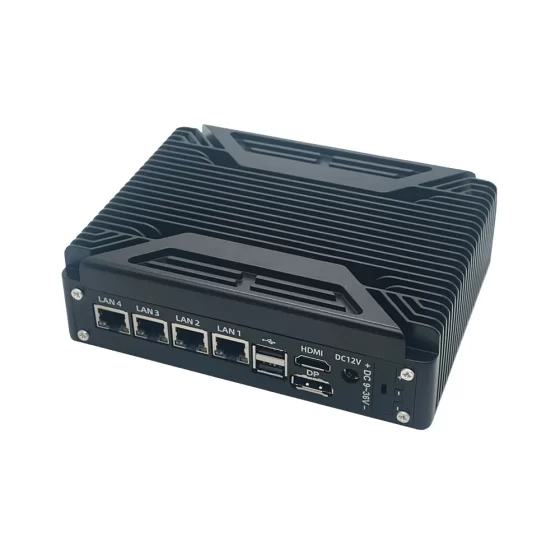
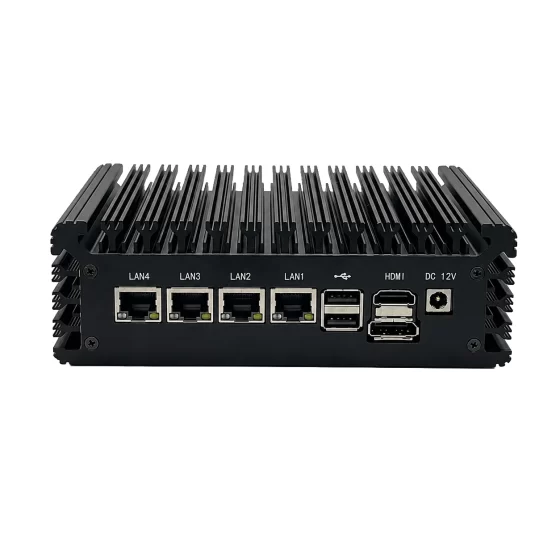
حلول الحوسبة الصناعية CoreIPC

كمبيوتر الذكاء الاصطناعي الصناعي للمراقبة: مراقبة الذكاء الاصطناعي الصناعي لعمليات المصانع الذكية
ملخص تنفيذي
أصبحت مراقبة الذكاء الاصطناعي الصناعي أساسًا مهمًا للمصانع الذكية, الآلات المتصلة, الصيانة التنبؤية, ضبط الجودة, ورؤية الإنتاج في الوقت الحقيقي.
تولد بيئات التصنيع كميات كبيرة من البيانات من الكاميرات, أجهزة الاستشعار, الشركات المحدودة العامة, الروبوتات, الناقلات, المحركات, متر, ومعدات الإنتاج. إذا تم جمع هذه البيانات يدويًا فقط أو إرسالها إلى أنظمة بعيدة دون معالجة محلية, قد تواجه المصانع استجابة متأخرة, رؤية محدودة, تبعية الشبكة, والبصيرة التشغيلية غير مكتملة.
يوفر كمبيوتر الذكاء الاصطناعي الصناعي للمراقبة قوة حوسبة محلية قريبة من الآلات وخطوط الإنتاج. يمكنه جمع البيانات من الأجهزة الصناعية, تشغيل نماذج استدلال الذكاء الاصطناعي, تحليل الأنماط غير الطبيعية, معالجة تيارات الكاميرا, الكشف عن مشاكل المعدات, وإرسال تنبيهات إلى المشغلين أو أنظمة المصنع.
يمكن للكمبيوتر الصناعي أو الكمبيوتر المدمج أن يعمل كمنصة لمراقبة الحافة. قد يتصل بكاميرات رؤية الآلة, أجهزة استشعار الاهتزاز, أجهزة استشعار درجة الحرارة, الشركات المحدودة العامة, البوابات الصناعية, عدادات الطاقة, الروبوتات, وأنظمة MES أو SCADA.
بالمقارنة مع أجهزة الكمبيوتر التجارية القياسية, تعد أجهزة الكمبيوتر الصناعية أكثر ملاءمة لنشر المصانع لأنها تدعم التشغيل القوي, الإدخال/الإخراج المرن, شبكات مستقرة, خيارات التصميم بدون مروحة, تخزين موثوق, وتوافر دورة حياة طويلة.
تشرح هذه المقالة كيفية عمل أنظمة مراقبة الذكاء الاصطناعي الصناعية, ما هي تحديات النشر التي يواجهها المصنعون؟, كيف يتم تنظيم بنية الحل, وما هي ميزات الأجهزة المهمة عند اختيار كمبيوتر صناعي أو كمبيوتر مضمن لتطبيقات المراقبة القائمة على الذكاء الاصطناعي.
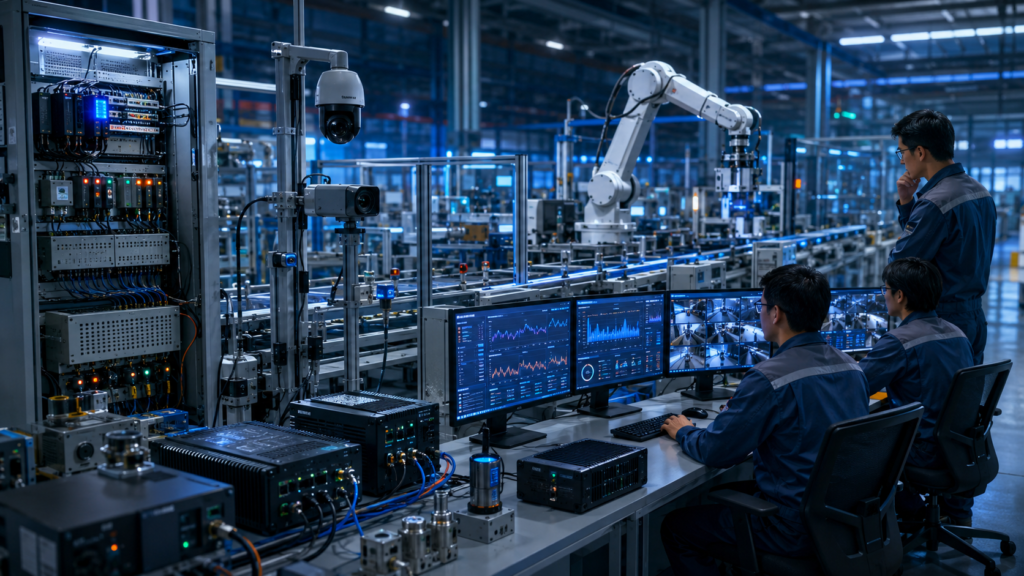
حالة الآلة, بيانات الاستشعار, تدفقات الفيديو, صحة المعدات, وتنبيهات الذكاء الاصطناعي بالقرب من معدات الإنتاج.
نظرة عامة على الصناعة
تحتاج المصانع إلى رؤية أفضل في الوقت الفعلي
أصبحت المصانع الحديثة أكثر تعقيدًا.
قد تشمل خطوط الإنتاج آلات متعددة, الخلايا الروبوتية, محطات التفتيش, الناقلات, أنظمة المرافق, ومنصات البرامج المتصلة. يحتاج المشغلون والمهندسون إلى فهم ما يحدث عبر هذه الأنظمة في الوقت الفعلي.
غالبًا ما تعتمد المراقبة التقليدية على الإنذارات, الشيكات اليدوية, إشارات حالة PLC, أو التقارير الدورية. هذه الأساليب مفيدة, لكنها قد لا توفر تفاصيل كافية لتحسين الإنتاج المتقدم.
تعمل مراقبة الذكاء الاصطناعي الصناعي على تحسين هذا الوضع عن طريق إضافة معلومات استخباراتية محلية بالقرب من المعدات.
يمكن أن يساعد في المراقبة:
- حالة الآلة
- صحة المعدات
- نتائج الفحص البصري
- تشوهات العملية
- تدفق الإنتاج
- استخدام الطاقة
- الظروف البيئية
- أحداث السلامة
- إشارات الصيانة التنبؤية
- اتجاهات الجودة
الهدف ليس فقط جمع البيانات, ولكن لتحويل البيانات إلى قرارات تشغيلية في الوقت المناسب.
مراقبة الذكاء الاصطناعي تنتقل إلى الحافة
يمكن للمنصات السحابية أن تدعم التحليل التاريخي, لوحات مركزية, وتخزين البيانات على المدى الطويل.
لكن, تحتاج العديد من مهام المراقبة إلى استجابة محلية. خلل في الآلة, حدث السلامة, عيب الجودة, أو قد يتطلب انسداد الإنتاج اتخاذ إجراء خلال ثوانٍ.
إرسال كل صورة, سجل الاهتزاز, أو قراءة المستشعر إلى خادم سحابي يمكن أن تؤدي إلى زمن الوصول, ضغط عرض النطاق الترددي, والتبعية للشبكة.
يسمح كمبيوتر الذكاء الاصطناعي الصناعي بإجراء المراقبة بالقرب من المعدات.
يمكنه معالجة البيانات محليًا, إرسال الإنذارات بسرعة, سجلات المخزن المؤقت أثناء انقطاع الشبكة, وتحميل النتائج المحددة إلى أنظمة ذات مستوى أعلى.
الحوسبة الصناعية هي مؤسسة الأجهزة
تتطلب أنظمة مراقبة الذكاء الاصطناعي أكثر من مجرد برامج.
إنهم بحاجة إلى منصة حوسبة صناعية مستقرة يمكنها توصيل أجهزة المصنع الحقيقية, معالجة البيانات بشكل مستمر, والعمل في بيئات قاسية.
توفر أجهزة الكمبيوتر الصناعية وأجهزة الكمبيوتر المدمجة هذا الأساس.
يمكنهم دعم منافذ LAN المتعددة, كاميرات يو اس بي, الأجهزة التسلسلية, إشارات GPIO, تخزين SSD, مدخلات الطاقة الصناعية, عرض الإخراج, والخزانة أو التركيب على جانب الماكينة.
وهذا يجعلها مناسبة لآلات المراقبة, خطوط الإنتاج, المرافق, الأنظمة اللوجستية, ونشر إنترنت الأشياء الصناعية.

تيارات الكاميرا, شبكات الاستشعار, الاتصالات PLC, ضغط التخزين, تصميم الشبكة, وتؤثر ظروف المصنع على موثوقية مراقبة الذكاء الاصطناعي.
التحديات الرئيسية
مصادر البيانات المتنوعة
تحتاج أنظمة المراقبة الصناعية إلى جمع البيانات من العديد من الأجهزة المختلفة.
قد يتضمن النشر الفردي كاميرات, أجهزة استشعار الاهتزاز, أجهزة استشعار درجة الحرارة, الشركات المحدودة العامة, المحركات, متر, قارئات الباركود, الروبوتات, بوابات, وقواعد بيانات الإنتاج.
قد يستخدم كل مصدر بيانات واجهات مختلفة, البروتوكولات, معدلات التحديث, وتنسيقات البيانات.
وتشمل المصادر المشتركة:
- كاميرات رؤية الآلة
- كاميرات IP
- إشارات حالة PLC
- أجهزة استشعار الاهتزاز
- أجهزة استشعار درجة الحرارة
- أجهزة استشعار الضغط
- أجهزة الاستشعار الحالية
- عدادات الطاقة
- قارئات الباركود
- وحدات تحكم الروبوت
- البوابات الصناعية
يجب أن يدعم كمبيوتر الذكاء الاصطناعي الصناعي الاتصال المرن والحصول المستقر على البيانات.
متطلبات التنبيه في الوقت الحقيقي
تصبح المراقبة ذات قيمة عندما يتم اكتشاف الحالات غير الطبيعية مبكرًا.
إذا اكتشف النظام اهتزاز المعدات, ارتفاع درجة الحرارة, انسداد الإنتاج, تدفق المنتج المفقود, شذوذ بصري, أو عملية غير آمنة, يجب أن يرسل التنبيهات بسرعة.
تقلل التنبيهات المتأخرة من قيمة مراقبة الذكاء الاصطناعي.
قد تظهر متطلبات الوقت الحقيقي في:
- الصيانة التنبؤية
- مراقبة السلامة
- مراقبة حالة الآلة
- مراقبة خط الإنتاج
- فحص الجودة
- كشف شذوذ الطاقة
- مراقبة الخلايا الروبوتية
- مراقبة تدفق الناقل
يجب أن توفر منصة الحوسبة أداءً مستقرًا ومستدامًا في ظل عبء العمل المستمر.
تنوع عبء عمل الذكاء الاصطناعي
يمكن أن تتضمن مراقبة الذكاء الاصطناعي الصناعي أعباء عمل مختلفة.
تقوم بعض الأنظمة بتحليل أنماط الاستشعار البسيطة. يقوم البعض الآخر بمعالجة تدفقات الفيديو, صور رؤية الآلة, أو بيانات متعددة المصادر من أجهزة متعددة.
قد تشمل أعباء العمل:
- كشف الشذوذ
- تصنيف الصور
- كشف الكائنات
- تحليلات الفيديو
- نماذج الصيانة التنبؤية
- تحليل بيانات الاستشعار
- تصنيف حالة المعدات
- كشف اتجاه العملية
- التعرف الضوئي على الحروف (OCR) أو التعرف على الباركود
- تحليل تدفق الإنتاج
يجب اختيار الأجهزة وفقًا لأداء نموذج الذكاء الاصطناعي الحقيقي ومتطلبات النشر.
إدارة الشبكات والبيانات
غالبًا ما تقوم أنظمة المراقبة بتوصيل معدات أرضية المتجر بـ MES, سكادا, المنصات السحابية, قواعد البيانات, لوحات المعلومات, وأنظمة الصيانة.
وهذا يخلق تحديات تصميم الشبكة.
تحتاج بعض المصانع إلى فصل شبكات الكاميرات, شبكات الآلة, شبكات تكنولوجيا المعلومات, والاتصالات السحابية. يحتاج البعض الآخر إلى التخزين المؤقت المحلي عندما تكون الشبكة غير مستقرة.
قد يحتاج كمبيوتر مراقبة الذكاء الصناعي العملي إلى منافذ LAN متعددة, التخزين المحلي, التواصل الآمن, ووظائف تحميل البيانات الموثوقة.
موثوقية المصنع على المدى الطويل
غالبًا ما يُتوقع من أنظمة المراقبة أن تعمل بشكل مستمر.
ويمكن تركيبها داخل خزائن التحكم, بالقرب من الآلات, بجانب الناقلات, داخل غرف المرافق, أو بالقرب من الخلايا الروبوتية.
قد تحتوي هذه البيئات على الغبار, اهتزاز, التغيرات في درجات الحرارة, الضوضاء الكهربائية, وتدفق الهواء محدود.
تعد الأجهزة الصناعية مهمة لأن أنظمة المراقبة تفقد قيمتها إذا فشلت أثناء الإنتاج.

تقوم أجهزة كمبيوتر الذكاء الاصطناعي الصناعية بتوصيل أجهزة الاستشعار, الكاميرات, آلات, برنامج المصنع, المنصات السحابية, ولوحات المراقبة.
هندسة حلول مراقبة الذكاء الاصطناعي الصناعي
طبقة الجهاز والمستشعر
تتضمن طبقة الجهاز والمستشعر المعدات التي يتم مراقبتها.
قد تشمل هذه الطبقة آلات الإنتاج, الكاميرات, الشركات المحدودة العامة, أجهزة الاستشعار, المحركات, الروبوتات, أنظمة المرافق, متر, والبوابات الصناعية.
يقوم بإنشاء البيانات الأولية المستخدمة للمراقبة وتحليل الذكاء الاصطناعي.
قد تتضمن البيانات النموذجية:
- الصور
- تدفقات الفيديو
- قيم الاهتزاز
- بيانات درجة الحرارة
- حالة الآلة
- إشارات الإنذار
- استهلاك الطاقة
- تيار المحرك
- تهم الإنتاج
- توقيت العملية
- تاريخ تشغيل المعدات
يعد الحصول على البيانات بشكل متسق أساس المراقبة الموثوقة للذكاء الاصطناعي.
طبقة حوسبة الحافة الصناعية
طبقة الحوسبة الطرفية الصناعية هي المكان الذي يقوم فيه كمبيوتر الذكاء الاصطناعي الصناعي بالمعالجة المحلية.
عند هذه الطبقة, قد يكون الكمبيوتر الصناعي أو الكمبيوتر المدمج:
- جمع بيانات الاستشعار
- معالجة تدفقات الفيديو
- تشغيل نماذج الاستدلال بالذكاء الاصطناعي
- كشف الأنماط غير الطبيعية
- تخزين السجلات المحلية
- تخزين البيانات أثناء مشكلات الشبكة
- إطلاق الإنذارات
- عرض لوحات المعلومات المحلية
- إرسال النتائج المحددة إلى MES أو SCADA
- دعم الصيانة عن بعد
تساعد هذه الطبقة المحلية على تقليل زمن الوصول وتجعل المراقبة أكثر مرونة.
طبقة تحليلات الذكاء الاصطناعي
تحتوي طبقة تحليلات الذكاء الاصطناعي على منطق البرنامج المستخدم للكشف عن الظروف غير الطبيعية.
اعتمادا على التطبيق, قد تشمل:
- نماذج الصيانة التنبؤية
- خوارزميات رؤية الآلة
- أدوات تحليل الفيديو
- كشف شذوذ الاستشعار
- تحليل تدفق الإنتاج
- تحليل اتجاه الجودة
- تحليل استخدام الطاقة
- منطق الإنذار القائم على القواعد
- وقت تشغيل استنتاج الذكاء الاصطناعي
يجب أن يدعم الكمبيوتر الصناعي نظام التشغيل المطلوب, السائقين, إطار الذكاء الاصطناعي, أدوات قاعدة البيانات, وبرامج الاتصالات الصناعية.
الأتمتة وطبقة التنبيه
تعمل طبقة الأتمتة والتنبيه على ربط نتائج مراقبة الذكاء الاصطناعي بالعمل.
عندما يكتشف النظام وجود مشكلة, قد يرسل تنبيهًا إلى المشغلين, إطلاق إنذار, إخطار فرق الصيانة, أو إرسال إشارة إلى نظام PLC أو SCADA.
تشمل الأمثلة:
- تحذير من اهتزاز الآلة
- إنذار لخلل في درجة الحرارة
- إنذار انسداد الناقل
- الكشف عن تدفق المنتج المفقود
- حدث السلامة القائم على الكاميرا
- شذوذ استخدام الطاقة
- حالة غير طبيعية لخلية الروبوت
- تحذير انحراف العملية
تساعد هذه الطبقة على تحويل بيانات المراقبة إلى استجابة تشغيلية.
طبقة تكامل برامج المصنع
عادةً ما تتصل أنظمة مراقبة الذكاء الاصطناعي الصناعي بمنصات عالية المستوى.
قد يرسل كمبيوتر الذكاء الاصطناعي الصناعي بيانات محددة إلى:
- زارة التربية والعلم
- سكادا
- تخطيط موارد المؤسسات
- قواعد بيانات الجودة
- منصات الصيانة
- لوحات المعلومات السحابية
- منصات إنترنت الأشياء الصناعية
- أنظمة المؤرخ المحلية
- لوحات مراقبة الإنتاج
بدلاً من تحميل كافة البيانات الأولية, يمكن للنظام تحميل الإنذارات, ملخصات, سجلات الأحداث, الصور المختارة, وبيانات الاتجاه.
يؤدي هذا إلى تقليل حمل الشبكة مع إبقاء فرق المصنع على اطلاع.
الميزات الرئيسية
أداء معالجة مستقر بالذكاء الاصطناعي
يجب أن يوفر كمبيوتر الذكاء الاصطناعي الصناعي للمراقبة أداءً مستقرًا أثناء التشغيل المستمر.
يعتمد التكوين المطلوب على عدد مصادر البيانات, تعقيد نموذج الذكاء الاصطناعي, عدد دفق الفيديو, تردد الاستشعار, ومتطلبات وقت الاستجابة.
ينبغي النظر في الاختيار:
- أداء وحدة المعالجة المركزية
- دعم GPU أو مسرع AI
- سعة الذاكرة
- سرعة التخزين
- عرض النطاق الترددي للشبكة
- التوافق مع إطار الذكاء الاصطناعي
- دعم نظام التشغيل
- التصميم الحراري
- الاستقرار على المدى الطويل
للمراقبة خفيفة الوزن, قد يكون الكمبيوتر المدمج كافيًا. لرصد الذكاء الاصطناعي للكاميرات المتعددة, قد تكون هناك حاجة إلى كمبيوتر أقوى مزود بتقنية الذكاء الاصطناعي أو كمبيوتر صناعي.
واجهات الشبكة المتعددة
غالبًا ما تحتاج أنظمة مراقبة الذكاء الاصطناعي إلى اتصالات شبكة متعددة.
يمكن لشبكة واحدة توصيل الكاميرات. قد يقوم آخر بتوصيل PLCs أو أجهزة الآلة. قد تقوم شبكة منفصلة بتوصيل MES, سكادا, الأنظمة السحابية, أو أدوات الصيانة عن بعد.
يمكن دعم منافذ LAN المتعددة:
- فصل شبكة الكاميرا
- اتصالات شبكة الآلة
- اتصال تكنولوجيا المعلومات بالمصنع
- تحميل البيانات السحابية
- الصيانة عن بعد
- تجزئة الأمن السيبراني
- مراقبة متعددة الخطوط
يعمل التخطيط الجيد للشبكة على تحسين موثوقية النظام وتنظيم البيانات.
الإدخال/الإخراج الصناعي المرن
يجب أن يتصل كمبيوتر المراقبة بمعدات صناعية حقيقية.
قد تتضمن خيارات الإدخال/الإخراج المهمة:
- لان
- USB
- RS232
- RS485
- جيبيو
- الإدخال الرقمي
- الإخراج الرقمي
- اتش دي ام اي
- منفذ العرض
- م.2
- بكيي
- تخزين SATA أو NVMe
يمكن لهذه الواجهات أن تدعم أجهزة الاستشعار, الكاميرات, الشركات المحدودة العامة, بوابات, متر, قارئات الباركود, إنذار, ويعرض المشغل المحلي.
يعمل الإدخال/الإخراج المرن على تقليل الحاجة إلى المحولات الخارجية وتحسين موثوقية النشر.
التخزين المحلي والتخزين المؤقت للبيانات
قد تحتاج أنظمة المراقبة إلى تخزين البيانات محليًا.
قد يقوم الكمبيوتر بتخزين سجل المستشعر, سجلات التنبيه, مقاطع فيديو, أدلة الصورة, ملفات نماذج الذكاء الاصطناعي, لوحات المعلومات, قواعد البيانات المحلية, والمخازن المؤقتة.
يُفضل عادةً تخزين SSD أو NVMe لأنه يوفر وصولاً سريعًا ومقاومة أفضل للصدمات مقارنة بمحركات الأقراص الميكانيكية.
ينبغي النظر في تصميم التخزين:
- فترة الاحتفاظ بالبيانات
- حجم قاعدة البيانات المحلية
- احتياجات تخزين الصور أو الفيديو
- اكتب التحمل
- استراتيجية النسخ الاحتياطي
- سلوك انقطاع الشبكة
- تردد التحميل
يساعد التخزين الموثوق به على حماية بيانات المراقبة ويدعم إمكانية التتبع.
تصميم متين وبدون مروحة
غالبًا ما تعمل أجهزة الكمبيوتر المخصصة لمراقبة الذكاء الاصطناعي بالقرب من الآلات.
تعمل أجهزة الكمبيوتر بدون مروحة على تقليل دخول الغبار وإزالة نقطة عطل ميكانيكية شائعة. تساعد العبوات القوية على حماية النظام من الاهتزاز, تأثير التثبيت, وإجهاد الكابل.
لكن, قد تولد أعباء عمل الذكاء الاصطناعي حرارة كبيرة.
لأنظمة المراقبة عالية الأداء, وينبغي مراجعة التصميم الحراري بعناية. عبء عمل المعالج, استخدام GPU أو المسرع, تدفق هواء الخزانة, درجة الحرارة المحيطة, وموقع التركيب كلها تؤثر على الاستقرار على المدى الطويل.
دورة حياة طويلة وقابلية الصيانة
غالبًا ما تصبح منصات المراقبة جزءًا من البنية التحتية طويلة المدى للمصنع.
التغييرات المتكررة في نماذج الأجهزة, السائقين, واجهات, أو يمكن أن تؤدي خيارات التوسيع إلى إنشاء مشكلات تتعلق بالتحقق من الصحة والصيانة.
تساعد منصات الحوسبة الصناعية مع تخطيط دورة الحياة الشركات المصنعة ومتكاملي الأنظمة في الحفاظ على عمليات نشر متسقة عبر خطوط متعددة, آلات, ومواقع المصانع.
وهذا مهم بشكل خاص لعمليات مراقبة الذكاء الاصطناعي الصناعية واسعة النطاق.
سيناريوهات النشر
مراقبة الصيانة التنبؤية
تعد الصيانة التنبؤية أحد تطبيقات المراقبة الصناعية الرئيسية للذكاء الاصطناعي.
يقوم النظام بجمع البيانات من أجهزة استشعار الاهتزاز, أجهزة استشعار درجة الحرارة, المحركات, مضخات, الضواغط, وأجهزة التحكم في الآلة.
يقوم كمبيوتر الذكاء الاصطناعي الصناعي بتحليل الأنماط محليًا ويصدر تنبيهات عند ظهور سلوك غير طبيعي.
وهذا يساعد فرق الصيانة على تحديد مشكلات المعدات المحتملة في وقت مبكر.
مراقبة رؤية الآلة
يمكن لرصد الذكاء الاصطناعي الصناعي استخدام الكاميرات لمراقبة خطوط الإنتاج, مناطق الآلة, وتدفق المنتج.
قد يكتشف الكمبيوتر المنتجات المفقودة, عيوب السطح, تحديد المواقع غير صحيحة, تلف الحزمة, أو ظروف عملية غير طبيعية.
وهذا يدعم مراقبة الجودة ورؤية الإنتاج.
مراقبة العمليات المعتمدة على الفيديو
قد تستخدم المصانع تحليلات الفيديو لمراقبة تدفق الإنتاج, مناطق السلامة, تشغيل الآلة, وحركة الناقل.
يقوم الكمبيوتر الصناعي بمعالجة تدفقات الفيديو محليًا ويرسل فقط التنبيهات أو سجلات الأحداث المحددة إلى الأنظمة ذات المستوى الأعلى.
وهذا يقلل من تحميل النطاق الترددي ويحسن وقت الاستجابة.
مراقبة الطاقة
يمكن أن تساعد مراقبة الذكاء الاصطناعي الصناعي في تحليل استخدام الطاقة.
قد يقوم النظام بجمع البيانات من العدادات, أجهزة الطاقة, الضواغط, أنظمة التدفئة والتهوية وتكييف الهواء, ومعدات الإنتاج.
يمكن لنماذج الذكاء الاصطناعي اكتشاف أنماط الاستهلاك غير العادية أو عدم كفاءة المعدات.
وهذا يدعم إدارة الطاقة والتحكم في التكاليف التشغيلية.
مراقبة الخلايا الروبوتية
قد تحتاج الخلايا الروبوتية إلى مراقبة حالة الحركة, التعامل مع الكائن, توقيت الدورة, مناطق السلامة, وتشغيل غير طبيعي.
يمكن لجهاز كمبيوتر صناعي يعمل بالذكاء الاصطناعي معالجة بيانات الكاميرا, حالة الروبوت, وإشارات الاستشعار.
يساعد ذلك المهندسين على اكتشاف سلوك الروبوت غير الطبيعي وتحسين موثوقية التشغيل الآلي.
مراقبة الناقلات واللوجستيات
يمكن مراقبة الناقلات والأنظمة اللوجستية بحثًا عن العوائق, تدفق الحزمة, فشل قراءة الباركود, أخطاء الفرز, أو حركة غير طبيعية.
يمكن للكمبيوتر الصناعي معالجة بيانات الكاميرا وأجهزة الاستشعار بالقرب من خط النقل.
وهذا يدعم معالجة الاستثناءات بشكل أسرع في المستودعات ولوجستيات الإنتاج.
المراقبة البيئية
يمكن للمنشآت الصناعية مراقبة درجة الحرارة, رطوبة, جودة الهواء, ضغط, اهتزاز, أو غيرها من العوامل البيئية.
يمكن للكمبيوتر المدمج جمع بيانات المستشعر, تشغيل التحليل المحلي, وإرسال تنبيهات إلى المنشأة أو أنظمة الإنتاج.
وهذا يساعد على حماية المعدات, مواد, وعمليات الإنتاج.
تكامل نظام مراقبة OEM
يمكن لمصنعي الآلات دمج أجهزة كمبيوتر الذكاء الاصطناعي الصناعية في أنظمة مراقبة المعدات.
يمكن لمنصة الحوسبة توفير الحصول على البيانات, تحليل الذكاء الاصطناعي, التخزين المحلي, عرض اتش ام اي, إخراج التنبيه, والاتصال بنظام المصنع.
وهذا يساعد مصنعي المعدات الأصلية على تقديم معدات أكثر ذكاءً مع إمكانية المراقبة المضمنة.
فوائد الأعمال
الكشف المبكر عن الحالات غير الطبيعية
تساعد مراقبة الذكاء الاصطناعي الصناعي على اكتشاف المعدات غير الطبيعية أو سلوك العملية في وقت مبكر.
من خلال تحليل بيانات الاستشعار, الصور, تدفقات الفيديو, وإشارات الآلة محليا, يمكن للنظام تحديد المشكلات قبل أن تتحول إلى إخفاقات خطيرة.
وهذا يدعم استجابة أسرع وتحكم أفضل في الإنتاج.
تقليل مخاطر التوقف عن العمل
يمكن لأنظمة المراقبة أن تساعد فرق الصيانة على التصرف قبل أن تتوقف مشاكل المعدات عن الإنتاج.
التنبيهات التنبؤية, تحليل الاتجاه, ويمكن أن يدعم الكشف عن الحالات الشاذة المحلية الصيانة المخططة بدلاً من الإصلاح التفاعلي.
تساعد أجهزة الحوسبة الصناعية الموثوقة في الحفاظ على نشاط المراقبة أثناء دورات الإنتاج الطويلة.
تحسين رؤية الإنتاج
تتيح مراقبة الذكاء الاصطناعي للمشغلين والمهندسين رؤية أفضل لحالة الماكينة, تدفق الإنتاج, شروط الجودة, وأداء المرافق.
وهذا يساعد الفرق على فهم ما يحدث في المتجر دون الاعتماد فقط على الفحوصات اليدوية أو التقارير المتأخرة.
تدعم الرؤية الأفضل اتخاذ قرارات أكثر استنارة.
انخفاض تبعية الشبكة
تقلل المعالجة المحلية من الاعتماد على الخوادم السحابية أو البعيدة.
يستطيع كمبيوتر الذكاء الاصطناعي الصناعي معالجة البيانات بالقرب من المعدات, توليد التنبيهات المحلية, وسجلات المخزن المؤقت عندما تكون اتصالات الشبكة غير متوفرة.
يؤدي ذلك إلى تحسين المرونة ويساعد على مواصلة المراقبة أثناء مشكلات الشبكة المؤقتة.
إمكانية تتبع البيانات بشكل أقوى
يمكن ربط بيانات المراقبة بمعرفات الجهاز, الطوابع الزمنية, قيم الاستشعار, سجلات التنبيه, الصور, مقاطع فيديو, وأحداث الإنتاج.
وهذا يخلق إمكانية تتبع أقوى للتحقيق في الصيانة, تحليل الجودة, مراجعة العملية, والتحسين التشغيلي.
يساعد التخزين المحلي الموثوق به على ضمان عدم فقدان السجلات المهمة.
نشر المصنع الذكي القابل للتطوير
يمكن نشر منصة مراقبة صناعية موحدة للذكاء الاصطناعي عبر أجهزة متعددة, خطوط الإنتاج, ومواقع المصانع.
تعمل الأجهزة المتسقة على تبسيط صور البرامج, إدارة السائق, تخطيط قطع الغيار, التدريب على الصيانة, والدعم طويل الأمد.
وهذا يساعد الشركات المصنعة على توسيع نطاق مراقبة الذكاء الاصطناعي بدءًا من المشاريع التجريبية وحتى عمليات نشر المصانع الذكية على نطاق أوسع.
لماذا كورIPC
توفر CoreIPC منصات حوسبة صناعية لتقنية Edge AI, رؤية الآلة, إنترنت الأشياء الصناعية, أتمتة المصنع, وتكامل النظام المدمج. لتطبيقات مراقبة الذكاء الاصطناعي الصناعي, يركز CoreIPC على أجهزة الكمبيوتر الصناعية الموثوقة, حلول الكمبيوتر المدمجة, تكوينات الإدخال/الإخراج المرنة, تصميم نظام مدمج, ودعم التخصيص OEM/ODM. CoreIPC يساعد تكامل النظام, بناة الآلة, وتقوم فرق التصنيع باختيار منصات الحوسبة التي تتوافق مع متطلبات النشر الحقيقية, بما في ذلك عبء عمل الذكاء الاصطناعي, واجهات الاستشعار, اتصال الكاميرا, تصميم الشبكة, احتياجات التخزين, طرق التركيب, مدخلات الطاقة, الظروف الحرارية, وتخطيط دورة الحياة.
الأسئلة المتداولة
1. ما هو رصد الذكاء الاصطناعي الصناعي?
تستخدم مراقبة الذكاء الاصطناعي الصناعي نماذج الذكاء الاصطناعي, أجهزة الاستشعار, الكاميرات, البيانات الصناعية, وأجهزة الحوسبة المتطورة لمراقبة الآلات, خطوط الإنتاج, المرافق, وعمليات المصنع.
يمكنه اكتشاف الأنماط غير الطبيعية, توليد التنبيهات, دعم الصيانة التنبؤية, تحليل تدفقات الفيديو, مراقبة شروط الجودة, وربط النتائج مع MES, سكادا, أو منصات إنترنت الأشياء الصناعية.
2. لماذا نستخدم الكمبيوتر الصناعي لرصد الذكاء الاصطناعي?
يوفر الكمبيوتر الصناعي المعالجة المحلية والاتصال اللازم لأنظمة المراقبة المنتشرة بالقرب من الآلات.
يمكنه جمع البيانات من أجهزة الاستشعار, الكاميرات, الشركات المحدودة العامة, بوابات, وعدادات. يمكنه تشغيل استنتاج الذكاء الاصطناعي, تخزين السجلات المحلية, إرسال التنبيهات, وتحميل البيانات المحددة إلى أنظمة المصنع. التصميم الصناعي يجعله أكثر موثوقية من أجهزة الكمبيوتر المكتبية في بيئات الإنتاج.
3. كيف يتم استخدام الكمبيوتر المدمج في مراقبة الذكاء الاصطناعي الصناعي?
يمكن تركيب جهاز كمبيوتر مدمج داخل خزائن التحكم, مرفقات الآلة, بوابات ذكية, أنظمة التفتيش, أو معدات تصنيع المعدات الأصلية.
يمكنه جمع بيانات الآلة, تشغيل تحليل الذكاء الاصطناعي المحلي, تخزين سجلات التنبيه, الاتصال بأجهزة الاستشعار وPLCs, وإرسال نتائج المراقبة إلى لوحات المعلومات أو أنظمة الصيانة. حجمه الصغير مفيد لعمليات نشر المراقبة الموزعة.
4. ما الذي يمكن أن تكتشفه مراقبة الذكاء الاصطناعي الصناعي؟?
يمكن لرصد الذكاء الاصطناعي الصناعي اكتشاف تشوهات الاهتزاز, ارتفاع درجة الحرارة, استهلاك غير عادي للطاقة, تغييرات حالة الجهاز, انسداد الإنتاج, تدفق المنتج المفقود, العيوب البصرية, أحداث السلامة, شذوذات الاستشعار, وانحرافات العملية.
تعتمد القدرة الدقيقة على الأجهزة المتصلة, نماذج الذكاء الاصطناعي, جودة البيانات, تصميم النظام, واختبار الإنتاج الحقيقي.
5. ما هي الواجهات المهمة لأجهزة الكمبيوتر التي تراقب الذكاء الاصطناعي الصناعي؟?
قد تشتمل الواجهات المهمة على منافذ LAN متعددة, USB 3.0, RS232, RS485, جيبيو, المدخلات الرقمية, الإخراج الرقمي, اتش دي ام اي, منفذ العرض, م.2, بكيي, ساتا, ودعم تخزين NVMe.
تدعم هذه الواجهات الكاميرات, أجهزة الاستشعار, الشركات المحدودة العامة, بوابات, متر, إنذار, يعرض المحلية, وشبكات المصانع.
6. هل يحتاج كمبيوتر مراقبة الذكاء الاصطناعي إلى وحدة معالجة الرسومات؟?
تحتاج بعض أنظمة مراقبة الذكاء الاصطناعي إلى دعم GPU أو AI Accelerator, وخاصة بالنسبة لتحليلات الفيديو, فحص متعدد الكاميرات, وأعباء عمل التعلم العميق المعقدة.
قد تعمل أنظمة أخرى على أجهزة الكمبيوتر الصناعية المعتمدة على وحدة المعالجة المركزية (CPU) إذا كان عبء العمل يعتمد على أجهزة الاستشعار أو يستخدم نماذج خفيفة الوزن. يجب اختيار الأجهزة بعد اختبار نماذج الذكاء الاصطناعي ومصادر البيانات الحقيقية.
7. هل يمكن لأجهزة الكمبيوتر الصناعية بدون مروحة أن تدعم مراقبة الذكاء الاصطناعي?
يمكن لأجهزة الكمبيوتر الصناعية بدون مروحة دعم العديد من تطبيقات مراقبة الذكاء الاصطناعي, تحليلات أجهزة الاستشعار المعتدلة بشكل خاص, جمع البيانات, والمراقبة بكاميرا واحدة.
لكن, قد تؤدي تحليلات الفيديو عالية الأداء أو أعباء عمل الذكاء الاصطناعي للكاميرات المتعددة إلى توليد المزيد من الحرارة. عبء عمل وحدة المعالجة المركزية, استخدام مسرع, تدفق الهواء الضميمة, درجة الحرارة المحيطة, وينبغي مراجعة طريقة التركيب قبل النشر.
8. كيف تدعم مراقبة الذكاء الاصطناعي الصناعي الصيانة التنبؤية?
يقوم النظام بجمع البيانات مثل الاهتزاز, درجة حرارة, حاضِر, ضغط, وحالة الجهاز.
يمكن لنماذج الذكاء الاصطناعي تحليل الأنماط واكتشاف السلوك غير الطبيعي قبل حدوث الفشل. يمكن للكمبيوتر الصناعي إنشاء تنبيهات محلية وتحميل السجلات إلى منصات الصيانة, مساعدة الفرق على تخطيط الخدمة قبل أن يصبح التوقف خطيرًا.
9. هل يمكن ربط مراقبة الذكاء الاصطناعي الصناعي بأنظمة MES أو SCADA?
نعم. يمكن لأجهزة الكمبيوتر الصناعية إرسال بيانات المراقبة, إنذار, حالة الآلة, سجلات الاتجاه, وملخصات الأحداث إلى MES, سكادا, لوحات المعلومات, أو منصات إنترنت الأشياء الصناعية.
ويساعد ذلك على ربط المراقبة من جانب الماكينة بسير عمل الإنتاج والصيانة عالي المستوى.
10. ما الذي يجب اختباره قبل النشر?
قبل النشر, يجب اختبار النظام بأجهزة استشعار حقيقية, الكاميرات, الشركات المحدودة العامة, نماذج الذكاء الاصطناعي, اتصالات الشبكة, عبء عمل التخزين, لوحات المعلومات المحلية, وتشغيل طويل الأمد.
الاستقرار الحراري, التخزين المؤقت للبيانات, توقيت التنبيه, سلوك انقطاع الشبكة, ويجب أيضًا التحقق من صحة الوصول إلى الصيانة. وهذا يساعد على تقليل المخاطر أثناء بدء الإنتاج.
خاتمة
تعد مراقبة الذكاء الاصطناعي الصناعي أساسًا عمليًا للصيانة التنبؤية, مراقبة رؤية الآلة, تحليلات الفيديو, تحليل الطاقة, رؤية الإنتاج, وعمليات المصانع الذكية.
عن طريق وضع جهاز كمبيوتر صناعي أو جهاز كمبيوتر مدمج بالقرب من الكاميرات, أجهزة الاستشعار, الشركات المحدودة العامة, الروبوتات, متر, ومعدات الإنتاج, يمكن للمصنعين معالجة البيانات محليًا, اكتشاف الظروف غير الطبيعية في وقت سابق, تقليل الاعتماد على الشبكة, وتحسين الاستجابة التشغيلية.
يجب اختيار النظام الأساسي المناسب وفقًا لمتطلبات النشر الحقيقية, بما في ذلك عبء عمل الذكاء الاصطناعي, واجهات الاستشعار, اتصال الكاميرا, تكوين الإدخال/الإخراج, بنية الشبكة, احتياجات التخزين, طريقة التركيب, مدخلات الطاقة, الظروف الحرارية, دعم نظام التشغيل, وتخطيط دورة الحياة.
يدعم CoreIPC مشاريع مراقبة الذكاء الاصطناعي الصناعي من خلال منصات الحوسبة الصناعية المصممة للنشر العملي للمصانع والمعدات. مع أساس الأجهزة الصحيح, يمكن للمصنعين وبناة الآلات بناء موثوقة, قابلة للتطوير, وأنظمة المراقبة المبنية على البيانات للعمليات الصناعية الذكية.
اتصل بنا
أبحث عن جهاز كمبيوتر صناعي, الكمبيوتر المدمج, أو منصة الذكاء الاصطناعي المتطورة لرصد الذكاء الاصطناعي الصناعي?
تواصل مع CoreIPC لمناقشة متطلبات مشروعك, بما في ذلك عبء عمل الذكاء الاصطناعي, واجهة الاستشعار, اتصال الكاميرا, بنية الشبكة, تكوين الإدخال/الإخراج, تصميم التخزين, الاتصالات الأتمتة, طريقة التركيب, مدخلات الطاقة, بيئة التشغيل, احتياجات دورة الحياة, وخيارات التخصيص OEM/ODM.