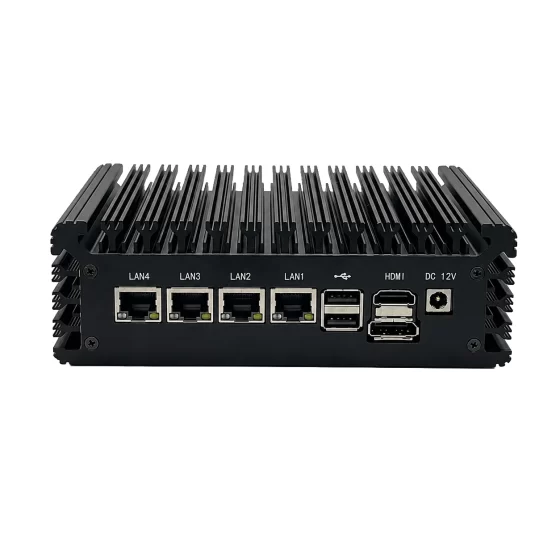
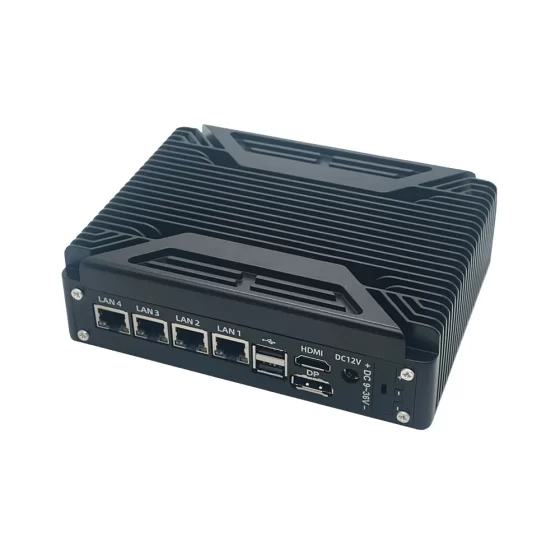
حلول الحوسبة الصناعية CoreIPC

كمبيوتر GPU مدمج: منصة الكمبيوتر الصناعية للذكاء الاصطناعي, رؤية, وتسريع الحافة
ملخص تنفيذي
كمبيوتر GPU المدمج هو عبارة عن منصة حوسبة صناعية مصممة لمعالجة الرسومات, رؤية, استنتاج الذكاء الاصطناعي, وأحمال عمل الحوسبة المتوازية على الحافة. فهو يجمع بين عامل الشكل المدمج للكمبيوتر المدمج مع تسريع وحدة معالجة الرسومات للتطبيقات التي تتطلب معالجة أسرع للصور, استنتاج التعلم العميق, تحليلات الفيديو, 3د معالجة البيانات, أو التصور متعدد العرض.
في البيئات الصناعية, غالبًا ما يتم تثبيت كمبيوتر GPU المضمن بالقرب من الأجهزة, الكاميرات, الروبوتات, المركبات, محطات التفتيش, أو معدات التشغيل الآلي. يتيح ذلك معالجة البيانات محليًا بدلاً من إرسال كل صورة, دفق الفيديو, أو إشارة الاستشعار إلى خادم بعيد.
لمتكاملي النظام ومصنعي المعدات الأصلية, يمكن لهذه البنية تقليل زمن الوصول, انخفاض تحميل الشبكة, تحسين عملية صنع القرار المحلي, ودعم أنظمة الأتمتة الصناعية الأكثر مرونة.
يجب توفير جهاز كمبيوتر صناعي مناسب لتطبيقات GPU المضمنة:
- تسريع GPU لاستدلال الذكاء الاصطناعي والحوسبة المرئية
- وحدة المعالجة المركزية الموثوقة, ذاكرة, وأداء التخزين
- كاميرا مستقرة, الاستشعار, والاتصال بالشبكة
- تصميم ميكانيكي مدمج وقوي
- بنية حرارية بدون مروحة أو محسنة
- التوفر على المدى الطويل لتكامل الآلات والمعدات
- الإدخال/الإخراج المرن للتحكم الصناعي ونشر الحافة
توفر CoreIPC أجهزة الكمبيوتر الصناعية ومنصات الكمبيوتر المدمجة لرؤية الآلة, حافة الذكاء الاصطناعي, الروبوتات, النقل الذكي, الأتمتة, وتكامل أجهزة OEM. لأحمال العمل المستندة إلى وحدة معالجة الرسومات, تساعد منصة الأجهزة المناسبة على تحويل البيانات المرئية وبيانات الاستشعار إلى قرارات عملية في الوقت الفعلي.
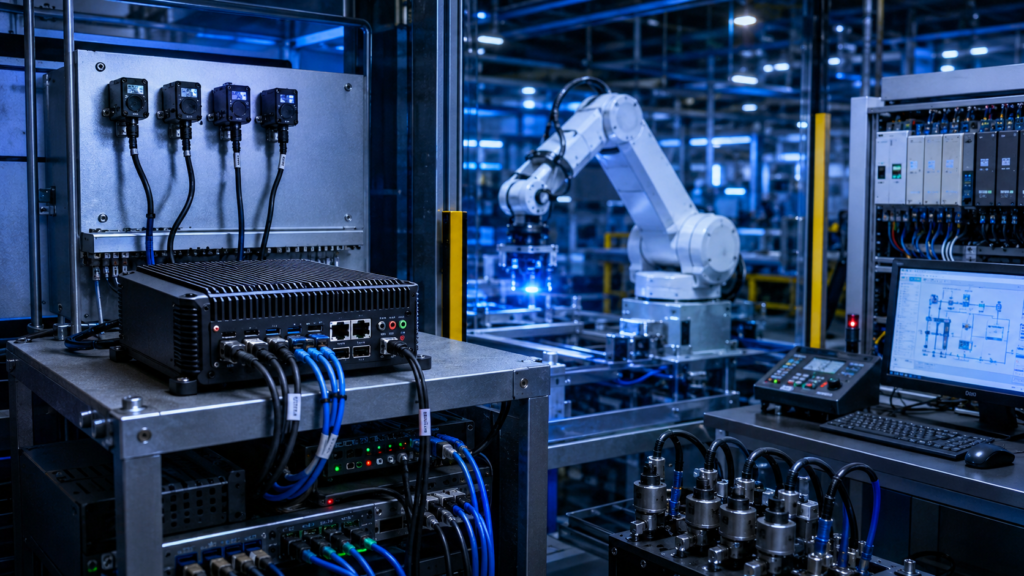 نظرة عامة على الصناعة
تنتقل الحوسبة الصناعية من المعالجة المركزية إلى الذكاء الموزع. في العديد من التطبيقات, الكاميرات, أجهزة الاستشعار, وتقوم الآلات بتوليد كميات كبيرة من البيانات التي يجب تحليلها بسرعة وبشكل موثوق.
إن إرسال كافة البيانات إلى خادم سحابي أو مركز بيانات مركزي ليس أمرًا عمليًا دائمًا. قد يكون النطاق الترددي للشبكة محدودًا. قد يكون زمن الوصول مرتفعًا جدًا. خصوصية البيانات قد تكون مصدر قلق. يجب أن تستمر بعض الأنظمة في العمل حتى عندما يكون الاتصال الخارجي غير مستقر.
هذا هو المكان الذي يصبح فيه كمبيوتر GPU المدمج ذا قيمة.
على عكس الكمبيوتر المدمج القياسي الذي يعتمد بشكل أساسي على معالجة وحدة المعالجة المركزية (CPU)., يمكن لنظام GPU المضمن تسريع أعباء العمل التي تتضمن حسابًا متوازيًا. وهذا مفيد بشكل خاص لتحليل الصور, معالجة الفيديو, استنتاج الذكاء الاصطناعي, 3رؤية د, كشف الكائن, والتفتيش متعدد الكاميرات.
تشمل مجالات التطبيق الشائعة:
- فحص رؤية الآلة
- استنتاج حافة الذكاء الاصطناعي
- الإدراك الآلي
- الروبوتات المتنقلة المستقلة
- أنظمة النقل الذكية
- معدات التصوير الطبي
- تحليلات الأمن والمراقبة
- الفحص البصري الآلي
- التصنيع الذكي
- التصور الصناعي متعدد العرض
في هذه التطبيقات, لا يتم استخدام GPU فقط لإخراج العرض. يصبح محركًا حاسوبيًا يساعد في معالجة البيانات المرئية وبيانات الاستشعار المعقدة بالقرب من المصدر.
للنشر الصناعي, لكن, أداء وحدة معالجة الرسومات وحده لا يكفي. يجب أن تكون المنصة موثوقة أيضًا, مدمج, صالحة للخدمة, مستقرة حراريا, ومتوافقة مع متطلبات الاتصالات الصناعية.
ولهذا السبب تتطلب أنظمة GPU المدمجة اختيارًا دقيقًا للأجهزة. أفضل منصة ليست دائمًا النظام الأعلى أداءً. إنه الكمبيوتر الذي يطابق عبء العمل, بيئة التثبيت, كومة البرمجيات, ميزانية الطاقة, وخطة النشر طويلة المدى.
 التحديات الرئيسية
يقدم نشر وحدة معالجة الرسومات المضمنة تحديات التكامل الحاسوبي والصناعي. المشروع الناجح يجب أن يوازن بين الأداء, التصميم الحراري, الإدخال/الإخراج, توافق البرامج, والموثوقية على المدى الطويل.
| تحدي | ماذا يحدث في النشر الحقيقي | متطلبات الأجهزة |
|---|---|---|
| الذكاء الاصطناعي وعبء عمل الرؤية | تولد الكاميرات وأجهزة الاستشعار تدفقات كبيرة من البيانات التي تتطلب معالجة سريعة. | تسريع GPU, موارد كافية لوحدة المعالجة المركزية, عرض النطاق الترددي للذاكرة, والتخزين المستقر. |
| الضغط الحراري | يمكن لوحدات معالجة الرسومات توليد حرارة أكثر من الأنظمة الأساسية المدمجة القياسية. | تصميم حراري فعال, الضميمة وعرة, وتخطيط التثبيت المناسب. |
| اتصال الكاميرا | قد تستخدم أنظمة الرؤية USB3, ختم, MIPI, جي إم إس إل, أو واجهات المنتزع الإطار. | إدخال/إخراج عالي السرعة, عرض النطاق الترددي مستقر, والقدرة على التوسع. |
| بيئة الحافة | قد تعمل الأنظمة بالقرب من الآلات, المركبات, الروبوتات, أو المعدات في الهواء الطلق. | تصميم من الدرجة الصناعية, مقاومة الاهتزاز, ومدخلات الطاقة موثوقة. |
| كومة البرمجيات | أطر الذكاء الاصطناعي, برامج تشغيل GPU, مكتبات الرؤية, ويجب أن تعمل أنظمة التشغيل معًا. | دعم نظام التشغيل الذي تم التحقق منه, استقرار السائق, والتحكم في الصور على المدى الطويل. |
| إدارة دورة الحياة | غالبًا ما تستمر المشاريع الصناعية وتصنيع المعدات الأصلية لسنوات. | إمدادات منصة مستقرة, تخطيط الإدخال/الإخراج المتسق, ودعم التوثيق. |
أداء وحدة معالجة الرسومات هو جزء واحد فقط من النظام
تركز العديد من المشاريع أولاً على مواصفات وحدة معالجة الرسومات. وهذا أمر مفهوم, ولكن هذا ليس كافيا.
يحتاج كمبيوتر GPU المدمج أيضًا إلى وحدة المعالجة المركزية المناسبة, ذاكرة, تخزين, مدخلات الطاقة, تصميم التبريد, وواجهات الإدخال/الإخراج. إذا كانت واجهة الكاميرا غير مستقرة, لا يمكن لوحدة معالجة الرسومات معالجة البيانات الموثوقة. إذا كان التصميم الحراري ضعيفا, قد يصبح الأداء غير متناسق. إذا تغير مكدس برنامج التشغيل بشكل غير متوقع, النشر على المدى الطويل يصبح صعبا.
البيئات الصناعية تخلق قيودًا حقيقية
قد يتم تثبيت أنظمة GPU المضمنة داخل الأجهزة, الروبوتات المتنقلة, خزائن على جانب الطريق, محطات التفتيش, أو العبوات الصناعية. قد يكون لهذه المساحات تدفق هواء محدود وحدود صارمة للطاقة.
بالمقارنة مع أجهزة كمبيوتر GPU المكتبية القياسية, يجب تصميم منصات GPU الصناعية للتشغيل المستمر والصيانة المتوقعة.
يتطلب Edge AI تدفقًا مستقرًا للبيانات
يعتمد استنتاج الذكاء الاصطناعي على بيانات الإدخال النظيفة والمتسقة. قد يشتمل نظام الرؤية على كاميرات متعددة, وحدات تحكم الإضاءة, أجهزة الاستشعار, التشفير, وإشارات الزناد.
يجب أن يقوم كمبيوتر GPU المضمن بجمع هذه البيانات بشكل موثوق, معالجتها بسرعة, وإرجاع النتائج إلى PLCs, الروبوتات, واجهات التفاعل البشري, أو أنظمة المصنع.
 هندسة الحلول لجهاز كمبيوتر GPU المضمن
عادةً ما يتم نشر كمبيوتر GPU المضمن كعقدة تسريع حافة. يقوم بتوصيل الأجهزة الميدانية, ينفذ الحوسبة المحلية, وإبلاغ النتائج إلى أنظمة التشغيل الآلي أو المؤسسة.
1. طبقة الحصول على البيانات
تقوم هذه الطبقة بجمع بيانات الإدخال من البيئة المادية.
تشمل الأجهزة النموذجية:
- الكاميرات الصناعية
- 3كاميرات العمق ثلاثية الأبعاد
- كاميرات المسح الخطي
- أجهزة استشعار ليدار
- الكاميرات الحرارية
- قارئات الباركود
- التشفير
- أجهزة استشعار الحركة
- أجهزة الاستشعار البيئية
- إشارات الآلة
يجب أن تكون طبقة الحصول على البيانات مستقرة لأن بيانات الإدخال الضعيفة تقلل من قيمة تسريع GPU. عرض النطاق الترددي للكاميرا, إضاءة, توقيت الزناد, وينبغي النظر في تزامن أجهزة الاستشعار أثناء تصميم النظام.
2. طبقة الحوسبة GPU الحافة
هذا هو المكان الذي يعمل فيه كمبيوتر GPU المدمج.
قد يتم تشغيل المنصة:
- نماذج استنتاج الذكاء الاصطناعي
- برنامج رؤية الآلة
- تطبيقات تحليل الفيديو
- 3أدوات إعادة الإعمار د
- خوارزميات دمج أجهزة الاستشعار
- خطوط أنابيب المعالجة المسبقة للصور
- أنظمة الكشف عن الأشياء
- قواعد البيانات المحلية
- برنامج HMI
- أدوات الصيانة عن بعد
تعمل وحدة معالجة الرسومات على تسريع مهام الحوسبة المتوازية, بينما تتعامل وحدة المعالجة المركزية مع منطق النظام, اتصالات الجهاز, التحكم في التطبيق, وإدارة البيانات.
3. طبقة التحكم الصناعية
في التطبيقات الصناعية, نادراً ما يعمل الكمبيوتر بمفرده.
وقد يتواصل مع:
- الشركات المحدودة العامة
- وحدات تحكم الروبوت
- وحدات تحكم الحركة
- وحدات الإدخال/الإخراج
- أنظمة السلامة
- أنظمة الناقل
- وحدات تحكم الآلة
- البوابات الصناعية
قد يرسل كمبيوتر GPU المدمج نتائج مثل موضع الكائن, حالة الخلل, بيانات التصنيف, أحداث التنبيه, قيم القياس, أو تعليمات الحركة.
4. طبقة تكامل الشبكة والنظام
قد تتصل المنصة بأنظمة ذات مستوى أعلى, مشتمل:
- منصات MES
- أنظمة سكادا
- أنظمة WMS
- قواعد بيانات الجودة
- منصات المراقبة السحابية
- لوحات الصيانة
- شبكات المصانع
وهذا يسمح لنتائج الحافة بدعم إمكانية تتبع الإنتاج, تحسين الجودة, التشخيص عن بعد, وتحسين العملية.
5. طبقة الصيانة ودورة الحياة
يتطلب النشر على المدى الطويل أكثر من مجرد الأداء الأولي.
يحتاج المهندسون إلى إدارة صور البرامج, برامج تشغيل GPU, تحديثات نظام التشغيل, سجلات, الإصدارات النموذجية, قطع غيار, وإجراءات الاستبدال.
تساعد منصة الكمبيوتر المضمنة المتسقة على تقليل تعقيد الصيانة عبر الأجهزة المتعددة أو مواقع النشر.
الميزات الرئيسية
يجب تحديد كمبيوتر GPU مضمن موثوق به وفقًا لنوع عبء العمل, الظروف البيئية, متطلبات الإدخال/الإخراج, توافق البرامج, وتوقعات دورة الحياة.
تسريع GPU
وحدة معالجة الرسومات هي الميزة الأساسية للمنصة. فهو يساعد على تسريع أعباء العمل مثل:
- استنتاج الذكاء الاصطناعي
- كشف الكائنات
- تصنيف الصور
- تحليلات الفيديو
- 3معالجة الرؤية د
- تحليل نقطة السحابة
- معالجة الصور متعددة الكاميرات
- تصور الرسومات
يعتمد مستوى GPU المطلوب على حجم النموذج, عدد الكاميرات, دقة, معدل الإطار, وهدف الكمون.
وحدة المعالجة المركزية والذاكرة المتوازنة
وحدة معالجة الرسومات لا تحل محل وحدة المعالجة المركزية. لا تزال وحدة المعالجة المركزية تتولى التحكم في النظام, تواصل, جدولة, مهام نظام التشغيل, ومنطق التطبيق.
سعة الذاكرة وعرض النطاق الترددي مهمان أيضًا. قد تتطلب تطبيقات الذكاء الاصطناعي والرؤية ذاكرة وصول عشوائي كافية للتعامل مع المخازن المؤقتة للصور, ملفات نموذجية, بيانات مؤقتة, وسير عمل المعالجة المتوازية.
واجهات الكاميرا عالية السرعة
تعتمد العديد من تطبيقات GPU المضمنة على الكاميرات.
قد تتضمن واجهات الكاميرا الشائعة:
- رؤية USB3
- رؤية جيجا
- شبكات الكاميرا بو
- وحدات الكاميرا MIPI
- روابط كاميرا GMSL
- توسيع ملتقط الإطار
- التقاط HDMI أو SDI من خلال الوحدات الإضافية
يجب أن توفر المنصة نطاقًا تردديًا كافيًا ودعمًا ثابتًا لبرنامج التشغيل لبنية الكاميرا المحددة.
اتصال متعدد الشبكات المحلية
تعد منافذ LAN المتعددة مفيدة لفصل حركة البيانات.
قد يتصل منفذ LAN واحد بالكاميرات. قد يتصل جهاز آخر بـ PLCs أو الروبوتات. وقد يتصل ثالث بشبكة المصنع, نظام الصيانة عن بعد, أو البوابة السحابية.
يساعد هذا في تقليل تعارضات حركة المرور وتحسين عملية استكشاف الأخطاء وإصلاحها.
دعم الإدخال/الإخراج الصناعي
قد تتطلب أجهزة كمبيوتر GPU المضمنة المستخدمة في الأتمتة أكثر من منافذ الكاميرا والشبكة.
قد تشمل واجهات مفيدة:
- آر إس-232
- رس-485
- يستطيع
- USB
- الإدخال/الإخراج الرقمي
- جيبيو
- إدخال/إخراج الصوت
- عرض المخرجات
- رؤوس التوسعة
يعمل الإدخال/الإخراج الصناعي الأصلي على تقليل الاعتماد على المحولات الخارجية ويساعد على تبسيط تكامل الخزانة أو المعدات.
التصميم الحراري
يمكن أن تؤدي أحمال عمل وحدة معالجة الرسومات إلى زيادة مخرجات الحرارة. ولذلك فإن التصميم الحراري أمر بالغ الأهمية.
حسب مستوى الأداء, قد تستخدم الأنظمة التبريد السلبي, تصميم غرفة التبريد بدون مروحة, تدفق الهواء المتحكم فيه, أو التبريد النشط القوي. النهج الصحيح يعتمد على استهلاك الطاقة, تصميم العلبة, درجة الحرارة المحيطة, ومكان التركيب.
للمشاريع الصناعية, يعد السلوك الحراري الذي يمكن التنبؤ به أكثر أهمية من ذروة الأداء القياسي.
تخزين موثوق
قد يتم تخزين أنظمة GPU المضمنة:
- ملفات نماذج الذكاء الاصطناعي
- سجلات الصور
- مقاطع فيديو
- سجلات التفتيش
- بيانات الحدث
- ملفات المعايرة
- البرمجيات التطبيقية
- قواعد البيانات المحلية
محركات أقراص الحالة الصلبة الصناعية, تخزين M.2 NVMe, أو يمكن تحديد تخزين SATA بناءً على حجم البيانات, تردد الكتابة, ظروف درجة الحرارة, ومتطلبات الاحتفاظ.
القدرة على التوسع
تتطلب العديد من الأنظمة المعتمدة على GPU التخصيص.
قد تكون هناك حاجة للتوسيع لواجهات الكاميرا الإضافية, وحدات لاسلكية, تخزين, يمكن التواصل, المنافذ التسلسلية, لوحات الإدخال/الإخراج, أو وحدات تسريع مخصصة.
م.2, ميني بي سي اي, بكيي, ويمكن أن يساعد تصميم اللوحة المضمنة المخصصة القائمين على تكامل الأنظمة على تكييف نظام أساسي واحد مع أنواع تطبيقات متعددة.
توافق نظام التشغيل والبرامج
يجب أن يدعم كمبيوتر GPU المدمج بيئة البرامج المحددة.
قد يشمل هذا:
- ويندوز
- لينكس
- برامج تشغيل GPU
- أطر الذكاء الاصطناعي
- مكتبات الرؤية
- أدوات تطوير البرامج (SDK) للكاميرا
- روبوتات SDK
- أدوات الاتصال الصناعية
- بيئات النشر الحاوية
قبل النشر الجماعي, يجب على المتكاملين التحقق من استقرار السائق, توافق الإطار, سياسات تحديث نظام التشغيل, والتحكم في الصور على المدى الطويل.
سيناريوهات النشر
يمكن استخدام أجهزة كمبيوتر GPU المضمنة في العديد من بيئات الحوسبة الصناعية وحوسبة الحافة التي تتطلب التسريع المحلي.
فحص رؤية الآلة
في أنظمة التفتيش الآلي, تلتقط الكاميرات صورًا للمنتجات, الأسطح, التسميات, عناصر, أو المجالس.
يمكن لجهاز كمبيوتر GPU المدمج معالجة الصور محليًا لاكتشاف العيوب, تصنيف الكائنات, قراءة الرموز, قياس الأبعاد, أو التحقق من شروط التجميع. يعد تسريع GPU مفيدًا عند دقة الصورة, معدل الإطار, أو أن تعقيد الخوارزمية مرتفع.
استنتاج حافة الذكاء الاصطناعي
يتم استخدام نماذج الذكاء الاصطناعي بشكل متزايد للكشف الصناعي, تصنيف, تنبؤ, والاعتراف بالشذوذ.
يسمح كمبيوتر GPU المدمج باستنتاج الذكاء الاصطناعي بالقرب من خط الإنتاج, آلة, عربة, أو الاستشعار. ويساعد ذلك في تقليل الاعتماد على الشبكة ويتيح اتخاذ قرارات محلية أسرع.
الروبوتات والآلات المستقلة
غالبًا ما تحتاج الروبوتات والآلات المستقلة إلى أنظمة إدراك.
قد يقوم كمبيوتر GPU بمعالجة البيانات من الكاميرات, أجهزة استشعار العمق, ليدار, أو أجهزة استشعار أخرى. يمكن أن يدعم التعرف على الكائنات, دعم الملاحة, اختيار التوجيه, كشف العوائق, واندماج الاستشعار.
النقل الذكي
قد تستخدم أنظمة النقل أجهزة كمبيوتر GPU مدمجة للإدراك على جانب الطريق, مراقبة حركة المرور, كشف السيارة, التعرف على لوحة الترخيص, مراقبة الأنفاق, أو تحليلات منصة السكك الحديدية.
غالبًا ما تتطلب هذه التطبيقات معالجة متعددة الكاميرات ونشرًا ميدانيًا قويًا.
المعدات الطبية والمخبرية
تتطلب بعض الأنظمة الطبية والمخبرية معالجة الصور, التصور متعدد العرض, أو التحليل بمساعدة الذكاء الاصطناعي.
يمكن لمنصة GPU المدمجة أن تدعم الحوسبة المحلية داخل أجهزة التشخيص, معدات أتمتة المختبرات, أو أنظمة دعم التصوير الطبي. يجب أن يأخذ اختيار الأجهزة في الاعتبار متطلبات المشروع التنظيمية وتخطيط التوريد على المدى الطويل.
تحليلات الأمن والفيديو
قد تحتاج أنظمة تحليلات الفيديو إلى معالجة تدفقات الكاميرا المتعددة محليًا.
يمكن لجهاز الكمبيوتر GPU المدمج دعم كشف الحركة, تصنيف الكائنات, مراقبة المحيط, تحليل السلوك, وتصفية الأحداث قبل إرسال البيانات المحددة إلى منصة مركزية.
فوائد الأعمال
يمكن لجهاز كمبيوتر GPU المدمج المناسب أن يساعد مصنعي المعدات الأصلية, تكامل النظام, ويقوم المستخدمون الصناعيون ببناء أنظمة طرفية أكثر قدرة وقابلة للصيانة.
الكمون أقل
تعمل معالجة GPU المحلية على تقليل الحاجة إلى إرسال البيانات الأولية إلى خادم بعيد. وهذا يساعد التطبيقات على الاستجابة بشكل أسرع للمرئيات, الاستشعار, أو أحداث الآلة.
انخفاض تحميل الشبكة
فيديو, صورة, ويمكن معالجة بيانات الاستشعار محليًا. النتائج فقط, إنذار, أو يجب نقل السجلات المحددة إلى أنظمة ذات مستوى أعلى.
استقلالية أفضل للنظام
تسمح حوسبة Edge GPU للأجهزة والأنظمة الميدانية بمواصلة العمل حتى عندما تكون اتصالات الشبكة الخارجية محدودة أو غير متوفرة مؤقتًا.
تكامل أسهل
كمبيوتر صناعي مع تسريع GPU, واجهات الكاميرا, منافذ الشبكة المحلية, الاتصال التسلسلي, تخزين, ويمكن أن تكون خيارات التوسعة بمثابة منصة متكاملة واحدة لتطبيقات الحافة.
تحسين قيمة البيانات
بدلاً من تخزين كميات كبيرة من البيانات الأولية دون سياق, يمكن للنظام توليد نتائج مفيدة مثل فئات العيوب, أعداد الكائنات, سجلات الأحداث, أو مخرجات استنتاج الذكاء الاصطناعي.
نشر قابل للتطوير
تساعد منصة الكمبيوتر المضمنة الثابتة مصنعي المعدات الأصلية والمتكاملين على نشر أنظمة مماثلة عبر الأجهزة, المصانع, المركبات, أو المواقع الميدانية.
قابلية الصيانة على المدى الطويل
تصميم الأجهزة متسقة, دعم السائق, السلوك الحراري, ويساعد تخطيط الإدخال/الإخراج على تقليل أعمال إعادة التصميم وتبسيط إدارة صور البرامج خلال دورة حياة المشروع.
لماذا كورIPC
يوفر CoreIPC أجهزة الكمبيوتر الصناعية, أجهزة الكمبيوتر المدمجة, منصات الحوسبة الحافة, والأجهزة المدمجة المخصصة للأتمتة الصناعية, رؤية الآلة, حافة الذكاء الاصطناعي, مواصلات, وتكامل معدات OEM. لمشاريع الكمبيوتر GPU المضمنة, يركز CoreIPC على أداء الحوسبة المستقر, تكوين الإدخال/الإخراج العملي, تصميم ميكانيكي متين, الموثوقية الحرارية, ودعم التكامل على المدى الطويل. يعمل CoreIPC مع متخصصي تكامل الأنظمة, مصنعي المعدات, وموفرو الحلول الذين يحتاجون إلى منصات أجهزة يمكن الاعتماد عليها لتطبيقات الحافة المسرّعة بواسطة وحدة معالجة الرسومات. مع القدرة على تصنيع التصميم الشخصي وتصنيع المعدات الأصلية, يمكن لـ CoreIPC دعم الواجهات الخاصة بالمشروع, تخصيص الضميمة, متطلبات العلامة التجارية, وتخطيط التوريد على المدى الطويل.
الأسئلة المتداولة
1. ما هو كمبيوتر GPU المدمج?
كمبيوتر GPU المدمج عبارة عن منصة حوسبة صناعية مدمجة تتضمن تسريع GPU للمرئيات, منظمة العفو الدولية, الرسومات, أو أعباء عمل الحوسبة المتوازية. إنه مصمم لمعالجة البيانات محليًا على الحافة, في كثير من الأحيان بالقرب من الكاميرات, الروبوتات, آلات, المركبات, أو أجهزة الاستشعار الصناعية. بالمقارنة مع جهاز كمبيوتر مدمج قياسي, يمكنه التعامل مع المهام الأكثر تطلبًا مثل استنتاج الذكاء الاصطناعي, تحليلات الفيديو, رؤية الآلة, ومعالجة ثلاثية الأبعاد.
2. لماذا نستخدم كمبيوتر GPU المدمج بدلاً من الكمبيوتر الصناعي القياسي?
يمكن للكمبيوتر الصناعي القياسي التعامل مع العديد من مهام التحكم والبيانات, لكن تسريع GPU يكون مفيدًا عندما يتطلب التطبيق معالجة الصور, تدفقات الفيديو, نماذج الذكاء الاصطناعي, أو أعباء العمل الموازية الكبيرة. يوفر كمبيوتر GPU المدمج المزيد من القدرة الحاسوبية لهذه المهام مع الحفاظ على عامل الشكل الصناعي. إنها مناسبة عند الكمون المنخفض, صنع القرار المحلي, أو مطلوب أداء المعالجة البصرية العالية.
3. ما هي التطبيقات التي تحتاج إلى تسريع GPU المضمن?
يُستخدم تسريع GPU المضمن بشكل شائع في فحص رؤية الآلة, استنتاج حافة الذكاء الاصطناعي, الروبوتات, النقل الذكي, تحليلات الأمن, دعم التصوير الطبي, والفحص البصري الآلي. كما أنه مفيد في الأنظمة التي تعالج تدفقات الكاميرا المتعددة, 3بيانات د, معلومات ليدار, أو نماذج التعلم العميق. تعتمد الحاجة على تعقيد الخوارزمية, حجم البيانات, معدل الإطار, ومتطلبات وقت الاستجابة.
4. هل أداء وحدة معالجة الرسومات هو العامل الوحيد عند اختيار النظام?
لا. أداء GPU مهم, ولكن يجب أن يوفر النظام الأساسي الكامل أيضًا أداءً مناسبًا لوحدة المعالجة المركزية, ذاكرة, تخزين, الإدخال/الإخراج, التصميم الحراري, مدخلات الطاقة, ودعم البرمجيات. وحدة معالجة الرسومات القوية ليست مفيدة إذا كان النظام يفتقر إلى النطاق الترددي للكاميرا, برامج تشغيل مستقرة, أو تبريد موثوق. يتطلب النشر الصناعي نظامًا متوازنًا يتوافق مع بيئة التشغيل الحقيقية وعبء عمل التطبيق.
5. هل يمكن لجهاز كمبيوتر GPU المدمج تشغيل نماذج الذكاء الاصطناعي محليًا?
نعم. غالبًا ما تُستخدم أجهزة كمبيوتر GPU المضمنة لتشغيل نماذج استدلال الذكاء الاصطناعي محليًا على الحافة. وهذا يسمح للنظام بتحليل الصور, فيديو, أو بيانات الاستشعار دون إرسال جميع البيانات الأولية إلى خادم سحابي. يمكن أن يؤدي استدلال الذكاء الاصطناعي المحلي إلى تقليل زمن الوصول, انخفاض استخدام النطاق الترددي للشبكة, وتحسين استقلالية النظام. يجب أن تتطابق الأجهزة مع حجم النموذج, نطاق, معدل إدخال البيانات, ومتطلبات الأداء.
6. ما هي واجهات الكاميرا المهمة لأنظمة GPU المدمجة?
تتضمن واجهات الكاميرا الشائعة USB3, ختم, بو إيثرنت, MIPI, جي إم إس إل, وتوسيع ملتقط الإطار. أفضل واجهة تعتمد على نوع الكاميرا, طول الكابل, دقة, معدل الإطار, وبيئة التثبيت. قد تتطلب الأنظمة متعددة الكاميرات منافذ LAN متعددة, وحدات تحكم USB, أو فتحات التوسعة للحفاظ على عرض النطاق الترددي مستقر. ويجب أيضًا التحقق من توافق برامج التشغيل والبرامج قبل النشر.
7. لماذا يعتبر التصميم الحراري مهمًا لأجهزة الكمبيوتر GPU المدمجة?
يمكن أن تولد أحمال عمل وحدة معالجة الرسومات حرارة كبيرة, خاصة أثناء الاستدلال المستمر بالذكاء الاصطناعي أو معالجة الصور. إذا كان التصميم الحراري ضعيف, قد يصبح الأداء غير مستقر أو قد يتطلب النظام المزيد من الصيانة. تحتاج أجهزة الكمبيوتر GPU الصناعية المدمجة إلى تبريد مصمم بعناية, مرفقات وعرة, والتخطيط السليم للتثبيت. يعتمد الحل الحراري الصحيح على قوة وحدة معالجة الرسومات, درجة الحرارة المحيطة, تدفق الهواء, وطريقة التركيب.
8. هل يمكن استخدام أجهزة كمبيوتر GPU المدمجة في الأنظمة بدون مروحة?
نعم, يمكن لبعض أجهزة كمبيوتر GPU المضمنة استخدام تصميمات حرارية بدون مروحة أو سلبية, خاصة عندما يكون مستوى طاقة وحدة معالجة الرسومات معتدلاً. قد تتطلب الأنظمة ذات الأداء العالي تدفق هواء يتم التحكم فيه أو تبريدًا نشطًا قويًا. يعد التصميم بدون مروحة مفيدًا في البيئات المتربة أو التي تتطلب صيانة محدودة, لكن السعة الحرارية يجب أن تتوافق مع عبء العمل الفعلي. يجب على التكامل تقييم تبديد الحرارة, تصميم العلبة, ودرجة الحرارة المحيطة قبل النشر.
9. كيف ينبغي لمصنعي المعدات الأصلية اختيار كمبيوتر GPU مضمن?
يجب على مصنعي المعدات الأصلية تقييم نوع عبء العمل, متطلبات GPU, واجهات الكاميرا, كومة البرمجيات, نظام التشغيل, الحدود الحرارية, ميزانية الطاقة, تصميم التركيب, تخطيط الإدخال/الإخراج, وتوقعات دورة الحياة. يجب أن تكون المنصة المحددة مستقرة عبر دفعات الإنتاج ومتوافقة مع صورة برنامج الشركة المصنعة للمعدات الأصلية. توافر على المدى الطويل, الوثائق, ودعم التخصيص مهم بشكل خاص لمصنعي المعدات.
10. ما الفرق بين كمبيوتر Edge AI وكمبيوتر GPU المدمج?
المصطلحات مرتبطة ولكنها ليست متطابقة. عادةً ما يركز كمبيوتر Edge AI على تشغيل استدلال الذكاء الاصطناعي محليًا. يعد كمبيوتر GPU المضمن فئة أجهزة أوسع توفر تسريع GPU للذكاء الاصطناعي, رؤية, فيديو, الرسومات, والحوسبة المتوازية. العديد من أجهزة كمبيوتر Edge AI عبارة عن أجهزة كمبيوتر GPU مضمنة, ولكن يمكن أيضًا استخدام منصة GPU المضمنة لأحمال العمل غير المتعلقة بالذكاء الاصطناعي مثل التصور, معالجة الفيديو, أو التصوير ثلاثي الأبعاد.
خاتمة
يعد كمبيوتر GPU المدمج منصة مهمة للأنظمة الصناعية التي تتطلب تسريعًا محليًا للذكاء الاصطناعي, رؤية, فيديو, الرسومات, ومعالجة الاستشعار. يسمح بتحليل البيانات بالقرب من المصدر, تقليل الكمون, خفض حمل الشبكة, ودعم المزيد من تطبيقات الحافة المستقلة.
لرؤية الآلة, الروبوتات, النقل الذكي, تحليلات الأمن, المعدات الطبية, والأتمتة الصناعية, يجب أن توفر منصة الأجهزة أكثر من مجرد أداء وحدة معالجة الرسومات. يجب أن يوفر أيضًا إدخال/إخراج مستقر, تخزين موثوق, التحكم الحراري, توافق البرامج, وقابلية الصيانة على المدى الطويل.
من خلال اختيار الكمبيوتر الصناعي المناسب أو الكمبيوتر المدمج لأحمال العمل المتسارعة بواسطة وحدة معالجة الرسومات, يمكن لمتكاملي الأنظمة ومصنعي المعدات الأصلية إنشاء أنظمة متطورة عملية, قابلة للتطوير, ومناسبة للنشر الصناعي على المدى الطويل. توفر CoreIPC منصات كمبيوتر مدمجة لوحدة معالجة الرسومات ودعم التخصيص للشركات التي تعمل على تطوير حلول الحوسبة المتقدمة والأتمتة الذكية.
اتصل بنا
إذا كنت تقوم بتطوير مشروع كمبيوتر GPU مضمن أو تحتاج إلى منصة حوسبة صناعية للذكاء الاصطناعي, رؤية الآلة, الروبوتات, تحليلات الفيديو, أو تسريع الحافة, يمكن لـ CoreIPC المساعدة في تقييم متطلبات الأجهزة الخاصة بك. اتصل بفريق CoreIPC لمناقشة أداء وحدة معالجة الرسومات, واجهات الكاميرا, تكوين الإدخال/الإخراج, التصميم الحراري, دعم نظام التشغيل, تخصيص أوديإم/تصنيع المعدات الأصلية, وتخطيط التوريد على المدى الطويل لمشروع الحوسبة الصناعية القادم الخاص بك.