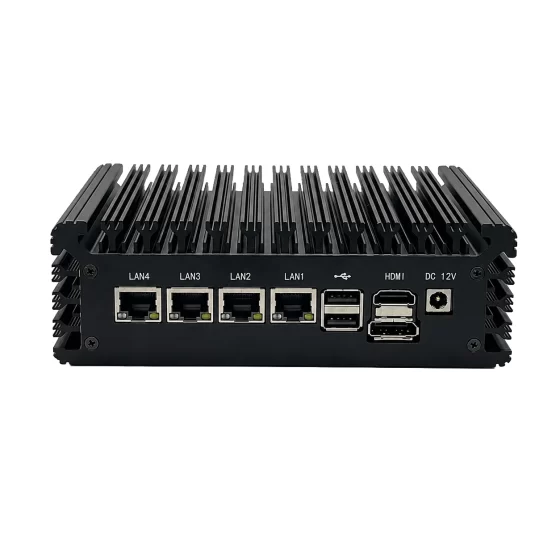
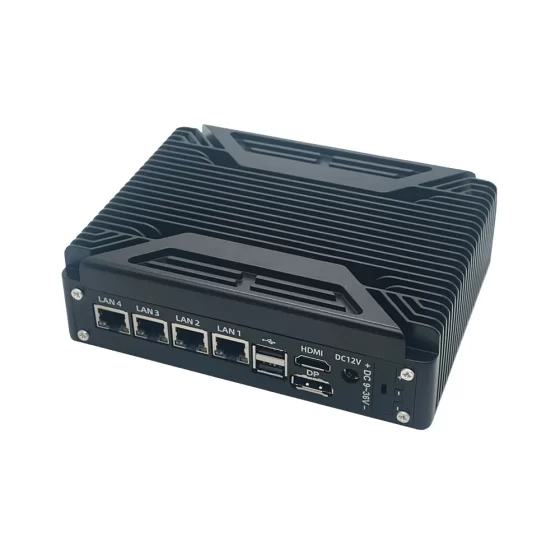
حلول الحوسبة الصناعية CoreIPC

خادم الحافة الصناعية للذكاء الاصطناعي: خادم Edge صناعي موثوق به لأحمال عمل الذكاء الاصطناعي في المصنع
ملخص تنفيذي
يوفر خادم الحافة الصناعية أساس الحوسبة المحلية لاستدلال الذكاء الاصطناعي, معالجة الرؤية الآلية, تحليلات البيانات الصناعية, تحليل الفيديو, مراقبة المعدات, ودعم القرار في الوقت الحقيقي في بيئات التصنيع الحديثة.
مع اعتماد المصانع للذكاء الاصطناعي, إنترنت الأشياء الصناعية, رؤية الآلة, الصيانة التنبؤية, الروبوتات, وأنظمة التصنيع الرقمية, يجب معالجة المزيد من البيانات بالقرب من معدات الإنتاج. إرسال كل صورة, سجل الاستشعار, أو قد يؤدي حدث الجهاز إلى السحابة إلى زيادة زمن الوصول, تكلفة عرض النطاق الترددي, مخاوف تتعلق بأمن البيانات, والاعتماد على توافر الشبكة.
يمكن للكمبيوتر الصناعي أو الكمبيوتر المدمج الذي يتم نشره كخادم طرفي معالجة أعباء عمل الذكاء الاصطناعي محليًا. يمكنه توصيل الكاميرات, الشركات المحدودة العامة, أجهزة الاستشعار, الروبوتات, بوابات, وحدات تحكم الآلة, أجهزة التخزين, وشبكات المصانع. ويمكنه أيضًا تشغيل نماذج استدلال الذكاء الاصطناعي, جمع البيانات الصناعية, سجلات المخزن المؤقت, دعم لوحات المعلومات, وإرسال النتائج المختارة إلى MES, سكادا, المنصات السحابية, أو أنظمة المؤسسة.
بالمقارنة مع الخوادم التجارية القياسية أو أجهزة الكمبيوتر المكتبية, تم تصميم خوادم الحافة الصناعية لبيئات المصانع القاسية. أنها توفر التصميم الميكانيكي الوعرة, الإدخال/الإخراج المرن, الأداء الحراري المستقر, خيارات بدون مروحة أو صيانة منخفضة, شبكات موثوقة, ودعم دورة الحياة الطويلة.
تشرح هذه المقالة كيف تدعم خوادم الحافة الصناعية تطبيقات الذكاء الاصطناعي, ما هي تحديات النشر التي يواجهها المصنعون؟, كيف تعمل بنية الحل, وما هي ميزات الأجهزة المهمة عند اختيار خادم طرفي صناعي لأحمال عمل الذكاء الاصطناعي.
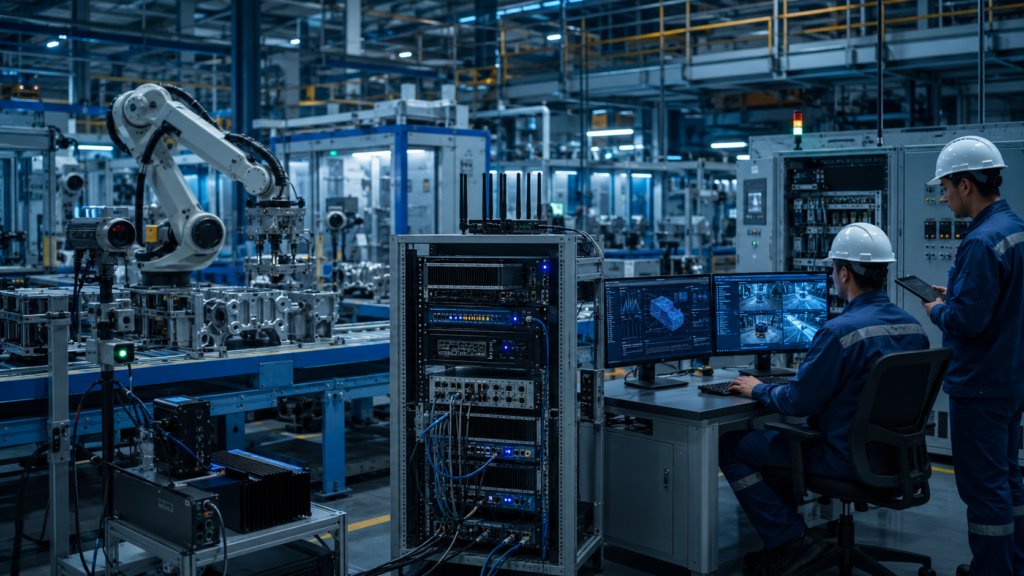
تقوم أجهزة الكمبيوتر الصناعية بمعالجة أعباء عمل الذكاء الاصطناعي بالقرب من الآلات, الكاميرات, أجهزة الاستشعار, وخطوط الإنتاج.
نظرة عامة على الصناعة
الذكاء الاصطناعي يقترب من المعدات الصناعية
يتزايد اعتماد الذكاء الاصطناعي في التصنيع عبر العديد من مجالات التطبيق.
تستخدم المصانع الذكاء الاصطناعي للفحص البصري, تصنيف الخلل, مراقبة الإنتاج, التوجيه الروبوتي, الصيانة التنبؤية, تحسين العملية, مراقبة السلامة, وتحليل الطاقة.
غالبًا ما تتطلب هذه التطبيقات معالجة محلية سريعة. قد يحتاج نظام فحص الكاميرا إلى قرار فوري بالنجاح أو الفشل. قد تحتاج الخلية الآلية إلى بيانات تحديد المواقع في الوقت الفعلي. قد يحتاج نظام الصيانة التنبؤية إلى اكتشاف الاهتزازات غير الطبيعية قبل تعطل المعدات.
ولهذا السبب تنتقل أعباء عمل الذكاء الاصطناعي بشكل متزايد من الخوادم المركزية إلى منصات الحوسبة الصناعية.
لماذا تعتبر حوسبة الحافة مهمة بالنسبة للذكاء الاصطناعي
الحوسبة السحابية مفيدة للتدريب النموذجي, التحليلات المركزية, وإدارة البيانات على مستوى المؤسسة.
لكن, لا يمكن للعديد من تطبيقات الذكاء الاصطناعي الصناعية أن تعتمد على السحابة فقط. خطوط الإنتاج تحتاج إلى استجابة محلية, التخزين المؤقت المحلي, وتشغيل مستقر حتى عندما تتغير ظروف الشبكة.
يساعد خادم الحافة الصناعية في حل هذه المشكلة عن طريق معالجة البيانات القريبة من الأجهزة.
يمكن أن تدعم:
- استنتاج الذكاء الاصطناعي
- فحص رؤية الآلة
- تحليلات الفيديو
- معالجة بيانات الاستشعار
- جمع البيانات PLC
- تشغيل قاعدة البيانات المحلية
- مراقبة المعدات
- لوحات الإنتاج
- نقل البيانات من الحافة إلى السحابة
- الإنذارات في الوقت الحقيقي ومنطق التحكم
يؤدي ذلك إلى تحسين وقت الاستجابة وتقليل نقل البيانات غير الضرورية.
تختلف الحوسبة الصناعية عن أجهزة تكنولوجيا المعلومات المكتبية
تختلف بيئات المصنع عن غرف خوادم المكاتب.
قد يتم تثبيت خادم الحافة في خزانة التحكم, بالقرب من خط الإنتاج, داخل الآلة, بجانب الخلية الروبوتية, أو في منطقة المصنع الموزعة. قد تحتوي هذه المواقع على الغبار, اهتزاز, الضوضاء الكهربائية, مساحة محدودة, اختلاف درجة الحرارة, وساعات العمل الطويلة.
تم تصميم أجهزة الكمبيوتر الصناعية وأجهزة الكمبيوتر المدمجة لظروف النشر هذه.
أنها توفر ملاءمة أفضل للتثبيت على جانب الجهاز, الشبكات الصناعية, توسيع الإدخال/الإخراج, تصاعد مستقر, وصيانة النظام على المدى الطويل.

بيانات الكاميرا المتعددة, شبكات الاستشعار, تخزين, وتؤثر اتصالات المصنع على موثوقية الذكاء الاصطناعي الطرفي.
التحديات الرئيسية
تنوع عبء عمل الذكاء الاصطناعي
تختلف أعباء عمل الذكاء الاصطناعي الصناعي بشكل كبير.
قد تحتاج محطة اكتشاف عيوب الكاميرا الواحدة إلى طاقة حاسوبية معتدلة. نظام AOI متعدد الكاميرات, منصة تحليلات الفيديو, أو قد يتطلب خادم Edge AI لخطوط الإنتاج المتعددة وحدة معالجة مركزية أقوى, GPU, ذاكرة, وموارد التخزين.
تتضمن أعباء عمل الذكاء الاصطناعي الشائعة:
- تصنيف الصور
- كشف الكائنات
- تجزئة الخلل
- التعرف الضوئي على الحروف (OCR) والتعرف على الكود
- تحليلات الفيديو
- نماذج الصيانة التنبؤية
- كشف الشذوذ
- معالجة الرؤية بالروبوت
- اندماج الاستشعار
- تحليلات البيانات المحلية
يجب تحديد خادم الحافة الصناعية وفقًا لحجم العمل الفعلي, ليس فقط المواصفات العامة للمنتج.
متطلبات المعالجة في الوقت الحقيقي
تحتاج العديد من تطبيقات الذكاء الاصطناعي في المصانع إلى استجابة سريعة.
إذا معالجة الصور, الاستدلال, أو تأخر تحليل البيانات, قد يفشل النظام في تشغيل الإجراء الصحيح في الوقت المناسب.
قد تظهر متطلبات الوقت الحقيقي في:
- رفض العيب
- توجيه الروبوت
- فرز الناقل
- مراقبة السلامة
- إنذارات المعدات
- كشف انحراف العملية
- فحص الكاميرا عالي السرعة
- التحقق من التغليف
يجب أن يوفر خادم الحافة أداءً مستقرًا ومستدامًا في ظل عبء عمل الإنتاج المستمر.
عرض النطاق الترددي للبيانات وضغط التخزين
يمكن لأنظمة الذكاء الاصطناعي توليد كميات كبيرة من البيانات.
كاميرات عالية الدقة, تيارات الفيديو المتعددة, أجهزة الاستشعار, سجلات PLC, صور التفتيش, ويمكن لقواعد بيانات الإنتاج إنشاء نطاق ترددي كبير ومتطلبات تخزين كبيرة.
قد يحتاج خادم الحافة الصناعية إلى التعامل معه:
- تدفقات بيانات الكاميرا
- ملفات نماذج الذكاء الاصطناعي
- صور عيب
- مقاطع فيديو
- تاريخ الاستشعار
- قواعد البيانات المحلية
- سجلات الإنتاج
- التخزين المؤقت للبيانات
- المزامنة من الحافة إلى السحابة
إذا كانت سرعة التخزين أو النطاق الترددي للشبكة غير كافية, قد يتعرض النظام للإطارات المسقطة, تأخر المعالجة, أو سجلات غير مكتملة.
تكامل شبكة المصنع
يجب أن تتصل خوادم الحافة الصناعية بكل من التكنولوجيا التشغيلية وأنظمة تكنولوجيا المعلومات.
قد يشمل ذلك شبكات PLC, شبكات الآلة, شبكات الكاميرا, خوادم MES, أنظمة سكادا, بوابات السحابة, جدران الحماية, وقواعد بيانات المؤسسة.
قد يتطلب النشر العملي للذكاء الاصطناعي على الحافة فصل الشبكة.
على سبيل المثال:
- منفذ LAN واحد للكاميرات
- منفذ LAN واحد لـ PLCs
- منفذ LAN واحد لشبكة تكنولوجيا المعلومات بالمصنع
- منفذ LAN واحد للصيانة عن بعد أو الاتصال السحابي
يمكن لواجهات الشبكة المتعددة تحسين التنظيم, حماية, واستقرار حركة المرور.
الموثوقية على المدى الطويل
غالبًا ما يتم نشر أنظمة الذكاء الاصطناعي الصناعية للتشغيل على المدى الطويل.
إذا فشل خادم الحافة, تقتيش, يراقب, تحليلات, أو قد يتوقف جمع بيانات الإنتاج. يمكن أن يؤثر ذلك على وقت تشغيل الإنتاج ومراقبة الجودة.
تعد موثوقية الأجهزة ذات أهمية خاصة عندما يعمل الخادم بالقرب من الأجهزة بدلاً من داخل غرفة تكنولوجيا معلومات نظيفة.
يساعد التصميم الصناعي على تقليل وقت التوقف عن العمل من خلال دعم الأداء الحراري المستقر, هيكل ميكانيكي وعرة, تخزين موثوق, تركيب آمن, واستمرارية دورة الحياة.

تقوم خوادم الحافة الصناعية بتوصيل أحمال عمل الذكاء الاصطناعي, معدات المصنع, قواعد البيانات المحلية, والأنظمة السحابية.
هندسة حلول خادم الحافة الصناعية
طبقة الحصول على الأجهزة والبيانات
تشتمل طبقة الجهاز على جميع المعدات ومصادر البيانات المتصلة بخادم الحافة الصناعية.
قد تشمل هذه الطبقة:
- الكاميرات الصناعية
- 3كاميرات D
- كاميرات عالية السرعة
- الشركات المحدودة العامة
- أجهزة الاستشعار
- الروبوتات
- وحدات تحكم الحركة
- قارئات الباركود
- معدات الاختبار
- عدادات الطاقة
- وحدات تحكم الآلة
- البوابات الصناعية
تولد هذه الأجهزة البيانات الأولية اللازمة لاستدلال الذكاء الاصطناعي, يراقب, وتحليل الإنتاج.
طبقة حوسبة الحافة الصناعية
طبقة حوسبة الحافة الصناعية هي المكان الذي يقوم فيه خادم الحافة الصناعية بالمعالجة المحلية.
عند هذه الطبقة, يجوز للخادم:
- تشغيل نماذج الاستدلال بالذكاء الاصطناعي
- معالجة صور الكاميرا
- تحليل بيانات الاستشعار
- جمع بيانات PLC
- تخزين السجلات المحلية
- تشغيل قواعد بيانات الحافة
- استضافة لوحات معلومات خفيفة الوزن
- إدارة التخزين المؤقت للبيانات
- إرسال الإنذارات أو النتائج
- نقل البيانات المحددة إلى أنظمة السحابة أو MES
هذه الطبقة هي طبقة الذكاء المحلية بين الأجهزة ومنصات البرامج عالية المستوى.
الذكاء الاصطناعي للاستدلال وطبقة التطبيق
تحتوي طبقة تطبيق الذكاء الاصطناعي على البرنامج المستخدم للذكاء الصناعي.
اعتمادا على المشروع, قد يشمل هذا:
- برنامج رؤية الآلة
- وقت تشغيل استنتاج الذكاء الاصطناعي
- نماذج كشف العيوب
- برامج تحليل الفيديو
- نماذج الصيانة التنبؤية
- برامج الحصول على البيانات
- أدوات تحويل البروتوكول
- لوحات مراقبة محلية
- برنامج تنسيق الحافة
يجب أن يدعم الكمبيوتر الصناعي نظام التشغيل المطلوب, السائقين, إطار الذكاء الاصطناعي, SDKs الكاميرا, وبرامج التشغيل الآلي.
طبقة تكامل الأتمتة والتحكم
قد يحتاج خادم الحافة إلى إرسال النتائج مرة أخرى إلى معدات التشغيل الآلي.
على سبيل المثال, بعد فحص الذكاء الاصطناعي, قد يرسل إشارة مرور أو فشل إلى PLC. بعد اكتشاف اهتزاز غير طبيعي للمعدات, قد يؤدي إلى إطلاق إنذار. بعد التعرف على كائن, قد يوفر إحداثيات لوحدة تحكم الروبوت.
قد تتضمن طبقة التكامل هذه:
- الاتصالات PLC
- الإدخال/الإخراج الرقمي
- التواصل التسلسلي
- البروتوكولات الصناعية المعتمدة على الإيثرنت
- اتصالات وحدة تحكم الروبوت
- إخراج التنبيه
- ردود فعل حالة الجهاز
تعد عمليات الإدخال/الإخراج الموثوقة والاتصالات ذات زمن الوصول المنخفض أمرًا مهمًا للنشر العملي.
طبقة الاتصال بالمؤسسات والسحابة
يمكن لخادم الحافة الصناعية أيضًا توصيل ذكاء المصنع المحلي بأنظمة عالية المستوى.
قد يرسل البيانات المحددة إلى:
- زارة التربية والعلم
- سكادا
- تخطيط موارد المؤسسات
- قواعد بيانات الجودة
- المنصات السحابية
- بحيرات البيانات
- أنظمة المراقبة عن بعد
- منصات الصيانة
- لوحات الإنتاج
بدلاً من إرسال كل صورة أولية أو قيمة مستشعر, يمكن لخادم Edge معالجة البيانات محليًا وتحميل النتائج المفيدة فقط, استثناءات, ملخصات, أو السجلات المضغوطة.
الميزات الرئيسية
أداء الحوسبة بالذكاء الاصطناعي
تتطلب أحمال عمل الذكاء الاصطناعي أداءً حاسوبيًا مستقرًا.
يعتمد التكوين الصحيح على مدى تعقيد النموذج, دقة الصورة, عدد الكاميرات, تردد بيانات الاستشعار, عدد دفق الفيديو, وزمن الاستجابة المطلوب.
ينبغي النظر في اختيار الأجهزة:
- أداء وحدة المعالجة المركزية
- دعم GPU أو مسرع AI
- سعة الذاكرة
- سرعة التخزين
- توسيع PCIe
- التصميم الحراري
- استهلاك الطاقة
- دعم نظام التشغيل
- توافق برامج الذكاء الاصطناعي
لاستدلال الذكاء الاصطناعي خفيف الوزن, قد يكون الكمبيوتر المدمج كافيًا. لفحص الذكاء الاصطناعي للكاميرات المتعددة أو تحليلات الفيديو, قد تكون هناك حاجة إلى كمبيوتر حافة AI أو كمبيوتر صناعي مع تسريع أقوى.
واجهات الشبكة المتعددة
غالبًا ما تحتاج خوادم الحافة الصناعية إلى منافذ LAN متعددة.
وهذا يسمح بفصل أفضل بين شبكات الكاميرا, شبكات الآلة, شبكات تكنولوجيا المعلومات في المصانع, والاتصالات السحابية.
يمكن أن تساعد منافذ LAN المتعددة في الدعم:
- عزل حركة الكاميرا
- الاتصالات PLC
- اتصال MES
- الصيانة عن بعد
- تجزئة الأمن
- تخطيط الشبكة الزائدة عن الحاجة
- جمع البيانات متعدد الخطوط
يجب تخطيط تصميم الشبكة وفقًا لهندسة المصنع ومتطلبات الأمن السيبراني.
الإدخال/الإخراج الصناعي المرن
يجب أن تتصل خوادم AI edge بمعدات حقيقية.
قد تتضمن خيارات الإدخال/الإخراج المهمة:
- لان
- USB
- RS232
- RS485
- جيبيو
- الإدخال الرقمي
- الإخراج الرقمي
- اتش دي ام اي
- منفذ العرض
- م.2
- بكيي
- تخزين SATA أو NVMe
يمكن لهذه الواجهات دعم الكاميرات, أجهزة الاستشعار, الشركات المحدودة العامة, قارئات الباركود, وحدات تحكم الإضاءة, أنظمة الروبوت, أجهزة التخزين, والعروض المحلية.
يعمل الإدخال/الإخراج المرن على تقليل المحولات الخارجية وتحسين موثوقية النشر.
تصميم متين وبدون مروحة
يتم نشر العديد من خوادم الحافة الصناعية بالقرب من معدات الإنتاج.
تصميم بدون مروحة يمكن أن يقلل من دخول الغبار ويزيل نقطة فشل ميكانيكية شائعة. تساعد العبوات القوية على حماية النظام من الاهتزاز, إجهاد الكابل, وتأثير التثبيت.
لكن, قد تولد أعباء عمل الذكاء الاصطناعي حرارة كبيرة.
لأنظمة الذكاء الاصطناعي عالية الأداء, وينبغي مراجعة التصميم الحراري بعناية. قوة المعالج, تسريع GPU, حجم العلبة, تدفق الهواء, درجة الحرارة المحيطة, وتخطيط الخزانة كلها تؤثر على الاستقرار على المدى الطويل.
تخزين موثوق وتخزين البيانات مؤقتًا
قد تتطلب أنظمة الذكاء الاصطناعي الصناعية تخزينًا محليًا.
قد يقوم خادم الحافة بتخزين الصور, سجلات, ملفات نموذجية, تاريخ الاستشعار, قواعد البيانات المحلية, مقاطع فيديو, سجلات التفتيش, والبيانات المؤقتة أثناء انقطاع الشبكة.
يُفضل عادةً تخزين SSD أو NVMe لأنه يوفر وصولاً أسرع ومقاومة أفضل للصدمات مقارنة بمحركات الأقراص الميكانيكية.
للتطبيقات كثيفة البيانات, سعة التخزين, اكتب التحمل, التكرار, طريقة النسخ الاحتياطي, ويجب مراجعة سياسة الاحتفاظ قبل النشر.
دورة حياة طويلة وقابلية الصيانة
غالبًا ما تصبح خوادم الحافة الصناعية جزءًا من البنية التحتية للأتمتة طويلة المدى.
يمكن أن تؤدي التغييرات المتكررة في الأجهزة إلى حدوث مشكلات في التحقق من صحة البرامج, مشاكل توافق السائق, وتحديات قطع الغيار.
تساعد منصات الحوسبة الصناعية مع تخطيط دورة الحياة الشركات المصنعة ومتكاملي الأنظمة في الحفاظ على عمليات نشر متسقة عبر خطوط متعددة, المصانع, وأجيال الآلة.
وهذا مهم بشكل خاص لمصنعي معدات OEM وعمليات طرح الذكاء الاصطناعي الصناعية واسعة النطاق.
سيناريوهات النشر
فحص رؤية الآلة بالذكاء الاصطناعي
تُستخدم خوادم الحافة الصناعية بشكل شائع لفحص رؤية آلة الذكاء الاصطناعي.
يمكنهم معالجة الصور من الكاميرات, تشغيل نماذج الكشف عن العيوب, تصنيف العيوب, وإرسال النتائج إلى الشركات المحدودة العامة أو أنظمة الجودة.
قد تشمل التطبيقات فحص الإلكترونيات, الهيئة العربية للتصنيع لأشباه الموصلات, فحص البطارية, فحص التغليف, فحص الغذاء, والتفتيش الدوائي.
تحليلات الفيديو متعددة الكاميرات
قد تستخدم المصانع تحليلات الفيديو لمراقبة العمليات, مراقبة السلامة, كشف حالة المعدات, وتحليل تدفق الإنتاج.
يمكن لخادم الحافة الصناعية معالجة تدفقات فيديو متعددة محليًا وإرسال التنبيهات فقط, الأحداث, أو تلخيص البيانات إلى الأنظمة ذات المستوى الأعلى.
وهذا يقلل من تحميل الشبكة ويحسن وقت الاستجابة.
الصيانة التنبؤية
تقوم أنظمة الصيانة التنبؤية بجمع البيانات من أجهزة استشعار الاهتزاز, أجهزة استشعار درجة الحرارة, المحركات, مضخات, الضواغط, وأجهزة التحكم في الآلة.
يمكن لخادم الحافة تحليل البيانات المحلية لاكتشاف الأنماط غير الطبيعية وإنشاء تنبيهات الصيانة.
وهذا يساعد فرق الصيانة على تحديد المشكلات المحتملة في وقت مبكر.
الروبوتات وتطبيقات الحركة
قد تحتاج الأنظمة الروبوتية إلى معالجة الذكاء الاصطناعي المحلية للتعرف على الكائنات, توطين جزء, مراقبة المسار, أو التوجيه البصري.
يمكن لخادم الحافة الصناعية معالجة بيانات الكاميرا أو المستشعر وإرسال نتائج مفيدة إلى وحدات التحكم الآلية أو PLCs.
وهذا يدعم سير عمل الأتمتة والتفتيش الآلي الأكثر مرونة.
معالجة بيانات إنترنت الأشياء الصناعية
تقوم أنظمة إنترنت الأشياء الصناعية بجمع بيانات الماكينة عبر خطوط الإنتاج.
يمكن لخادم الحافة تجميع البيانات من أجهزة الاستشعار, الشركات المحدودة العامة, بوابات, والآلات. يمكنه معالجة البيانات محليًا, تشغيل التحليلات, وإرسال المعلومات المحددة إلى MES, سكادا, أو المنصات السحابية.
يؤدي هذا إلى إنشاء جسر عملي بين معدات ورشة العمل وبرامج المؤسسة.
المستودعات الذكية والخدمات اللوجستية
قد تستخدم المستودعات والمراكز اللوجستية تقنية Edge AI للتعرف على الرمز الشريطي, فرز الطرود, تتبع الحزمة, مراقبة السلامة, وتحليلات الناقل.
يمكن لخوادم الحافة الصناعية معالجة بيانات الكاميرا وفرز الأحداث بالقرب من معدات التشغيل الآلي.
وهذا يدعم قرارات التوجيه بشكل أسرع وإمكانية تتبع أقوى.
مراقبة الطاقة والمرافق
قد تستخدم المنشآت الصناعية خوادم الحافة لمعالجة بيانات عدادات الطاقة, حالة المعدات, البيانات البيئية, ومعلومات نظام المرافق.
يمكن أن تساعد نماذج الذكاء الاصطناعي في اكتشاف أنماط الاستهلاك غير الطبيعية, عدم كفاءة المعدات, أو الانحرافات التشغيلية.
وهذا يدعم إدارة الطاقة وتحسين المرافق.
تكامل معدات OEM AI
يمكن لمنشئي الآلات دمج الخوادم الطرفية الصناعية في آلات الفحص, بوابات ذكية, الأنظمة الروبوتية, ومعدات الإنتاج المدعمة بالذكاء الاصطناعي.
يمكن لمنصة الحوسبة توفير استنتاج الذكاء الاصطناعي, تخزين البيانات, واجهات الاتصالات, لوحات المعلومات المحلية, والاتصال بنظام المصنع.
ويساعد ذلك مصنعي المعدات الأصلية على توفير معدات جاهزة لبيئات التصنيع الذكية.
فوائد الأعمال
زمن وصول أقل لقرارات الذكاء الاصطناعي
يقوم خادم الحافة الصناعية بمعالجة البيانات بالقرب من الأجهزة.
وهذا يقلل من التأخير بين التقاط البيانات وإخراج القرار. تعد المعالجة المحلية الأسرع أمرًا مهمًا لرفض العيوب, توجيه الروبوت, إنذار, ومراقبة الإنتاج في الوقت الحقيقي.
يساعد التشغيل ذو زمن الاستجابة المنخفض أنظمة الذكاء الاصطناعي على أن تصبح أدوات إنتاج عملية بدلاً من أنظمة التحليلات غير المتصلة بالإنترنت فقط.
انخفاض تحميل النطاق الترددي السحابي
يمكن لأنظمة الذكاء الاصطناعي الصناعية توليد كميات كبيرة من البيانات الأولية.
إرسال كافة الصور, أشرطة الفيديو, ويمكن أن تؤدي سجلات الاستشعار إلى السحابة إلى زيادة تحميل الشبكة وتكلفة التخزين.
يمكن لخوادم Edge معالجة البيانات محليًا وتحميل النتائج المفيدة فقط, مثل سجلات العيوب, إنذار, ملخصات, أو الصور المختارة.
وهذا يجعل نشر الذكاء الاصطناعي في المصنع أكثر كفاءة.
تحسين موثوقية الإنتاج
تعمل حوسبة الحافة المحلية على تقليل الاعتماد على توفر الشبكة الخارجية.
حتى في حالة انقطاع الاتصال بشبكة السحابة أو شبكة المؤسسة, يمكن لخادم الحافة مواصلة المعالجة المحلية, التخزين المؤقت, والاتصالات المعدات.
يؤدي ذلك إلى تحسين مرونة الإنتاج ويساعد في الحفاظ على التشغيل المستقر.
أمان بيانات أقوى
تفضل بعض المصانع الاحتفاظ ببيانات الإنتاج الحساسة, الصور, معلومات العملية, أو سجلات المعدات داخل الشبكة المحلية.
يسمح خادم الحافة الصناعية بمعالجة المزيد من البيانات محليًا.
يجب مشاركة المعلومات المحددة فقط خارجيًا, اعتمادًا على سياسة بيانات المصنع وتصميم الأمن السيبراني.
تكامل أفضل مع المعدات الصناعية
تدعم خوادم الحافة الصناعية الواجهات المطلوبة لمعدات المصنع.
يمكنهم الاتصال بالكاميرات, الشركات المحدودة العامة, أجهزة الاستشعار, الروبوتات, بوابات, والشبكات الصناعية.
وهذا يجعل نشر الذكاء الاصطناعي أكثر عملية لأن منصة الحوسبة يمكنها التواصل مع الأجهزة الحقيقية, ليس فقط أنظمة البرمجيات.
نشر التصنيع الذكي القابل للتطوير
تعمل منصة خادم الحافة الصناعية القياسية على تسهيل نشر الذكاء الاصطناعي عبر خطوط ومصانع متعددة.
تعمل الأجهزة المتسقة على تبسيط صور البرامج, إدارة السائق, تخطيط قطع الغيار, التدريب على الصيانة, ودعم دورة الحياة.
وهذا يساعد الشركات المصنعة على الانتقال من مشاريع الذكاء الاصطناعي التجريبية إلى نشر الإنتاج القابل للتطوير.
لماذا كورIPC
توفر CoreIPC منصات حوسبة صناعية لتقنية Edge AI, رؤية الآلة, إنترنت الأشياء الصناعية, أتمتة المصنع, وتكامل النظام المدمج. لتطبيقات خادم الحافة الصناعية, يركز CoreIPC على أجهزة الكمبيوتر الصناعية الموثوقة, حلول الكمبيوتر المدمجة, تكوينات الإدخال/الإخراج المرنة, تصميم نظام مدمج, ودعم التخصيص OEM/ODM. CoreIPC يساعد تكامل النظام, بناة الآلة, وتقوم فرق التصنيع باختيار منصات الحوسبة التي تتوافق مع متطلبات النشر الحقيقية, بما في ذلك عبء عمل الذكاء الاصطناعي, واجهات الكاميرا, تصميم الشبكة, الاتصالات الأتمتة, احتياجات التخزين, طرق التركيب, مدخلات الطاقة, الظروف الحرارية, وتخطيط دورة الحياة.
الأسئلة المتداولة
1. ما هو خادم الحافة الصناعية?
خادم الحافة الصناعية عبارة عن منصة حوسبة قوية تستخدم لمعالجة البيانات بالقرب من الأجهزة, أجهزة الاستشعار, الكاميرات, ومعدات الإنتاج.
يمكنه تشغيل استنتاج الذكاء الاصطناعي, جمع البيانات الصناعية, صور العملية, تخزين السجلات المحلية, التواصل مع PLCs, وإرسال البيانات المحددة إلى MES, سكادا, المنصات السحابية, أو قواعد البيانات. إنه مصمم لبيئات المصانع حيث تكون الموثوقية والاتصال الصناعي أمرًا مهمًا.
2. لماذا نستخدم خادم الحافة الصناعية للذكاء الاصطناعي?
غالبًا ما تتطلب تطبيقات الذكاء الاصطناعي معالجة محلية سريعة.
يعمل خادم الحافة الصناعية على تقليل زمن الوصول, يقلل من استخدام النطاق الترددي السحابي, يدعم التخزين المؤقت للبيانات المحلية, ويحسن مرونة الإنتاج. يمكنه معالجة الصور, تدفقات الفيديو, بيانات الاستشعار, وأحداث الآلة قريبة من المعدات, مما يسمح باتخاذ قرارات أسرع للتفتيش, يراقب, إنذار, والتحكم الآلي.
3. كيف يتم استخدام الكمبيوتر المضمن كخادم حافة?
يمكن أن يعمل الكمبيوتر المضمن كخادم طرفي مدمج لمعالجة الذكاء الاصطناعي من جانب الجهاز, جمع البيانات, والتحليلات المحلية.
ويمكن تركيبه داخل خزائن التحكم, آلات التفتيش, الخلايا الروبوتية, بوابات ذكية, أو معدات تصنيع المعدات الأصلية. إن تصميمه المدمج يجعله مفيدًا عندما تكون المساحة محدودة ولكن لا تزال هناك حاجة إلى الحوسبة المحلية والاتصال الصناعي.
4. ما هي أحمال عمل الذكاء الاصطناعي التي يمكن أن تدعمها خوادم الحافة الصناعية?
يمكن لخوادم الحافة الصناعية دعم الفحص البصري, كشف العيب, التعرف الضوئي على الحروف, التعرف على الباركود, تحليلات الفيديو, الصيانة التنبؤية, كشف الشذوذ, تحليل بيانات الاستشعار, الرؤية الروبوتية, ومعالجة بيانات إنترنت الأشياء الصناعية.
يعتمد عبء العمل الدقيق على أداء وحدة المعالجة المركزية, دعم GPU أو مسرع AI, ذاكرة, عرض النطاق الترددي للكاميرا, سرعة التخزين, وتوافق إطار البرمجيات.
5. ما هي الواجهات المهمة لخوادم الحافة الصناعية?
قد تشتمل الواجهات المهمة على منافذ LAN متعددة, USB 3.0, RS232, RS485, جيبيو, المدخلات الرقمية, الإخراج الرقمي, اتش دي ام اي, منفذ العرض, م.2, بكيي, ساتا, ودعم تخزين NVMe.
تعد منافذ LAN المتعددة مفيدة بشكل خاص لفصل شبكات الكاميرا, شبكات الآلة, شبكات تكنولوجيا المعلومات في المصانع, والاتصالات السحابية.
6. هل يحتاج خادم الحافة الصناعية إلى وحدة معالجة الرسومات؟?
تحتاج بعض أحمال عمل الذكاء الاصطناعي إلى دعم GPU أو AI Accelerator, خاصة للرؤية متعددة الكاميرات, معالجة الصور عالية الدقة, تحليلات الفيديو, أو نماذج التعلم العميق المعقدة.
قد يتم تشغيل أحمال العمل الأخرى على أجهزة الكمبيوتر الصناعية المعتمدة على وحدة المعالجة المركزية (CPU) إذا كان النموذج خفيف الوزن ومتطلبات وقت الاستجابة معتدلة. يجب اختيار الأجهزة بناءً على أداء نموذج الذكاء الاصطناعي الحقيقي وعبء العمل الإنتاجي.
7. هل يمكن استخدام أجهزة الكمبيوتر الصناعية بدون مروحة كخوادم طرفية؟?
يمكن استخدام أجهزة الكمبيوتر الصناعية بدون مروحة كخوادم طرفية للعديد من أحمال العمل المعتدلة.
إنها تقلل من دخول الغبار وتزيل نقطة عطل ميكانيكي واحدة. لكن, قد تولد أحمال عمل الذكاء الاصطناعي عالية الأداء حرارة كبيرة. قوة وحدة المعالجة المركزية, استخدام GPU, تصميم العلبة, درجة الحرارة المحيطة, تدفق هواء الخزانة, وينبغي مراجعة موقع التركيب قبل الاختيار النهائي.
8. كيف يتصل خادم الحافة الصناعية بالمنصات السحابية?
يمكن لخادم الحافة الصناعية معالجة البيانات محليًا وإرسال النتائج المحددة إلى الأنظمة الأساسية السحابية من خلال اتصالات الشبكة الآمنة.
قد تحميل الإنذارات, ملخصات, نتائج التفتيش, مخرجات النموذج, أو السجلات المضغوطة بدلاً من إرسال كافة البيانات الأولية. وهذا يقلل من حمل النطاق الترددي مع الاستمرار في دعم التحليلات السحابية والمراقبة المركزية.
9. هل يمكن لخوادم الحافة الصناعية الاتصال بأنظمة MES وSCADA?
نعم. يمكن لخوادم الحافة الصناعية الاتصال بـ MES, سكادا, قواعد بيانات الجودة, لوحات الإنتاج, ومنصات بيانات المصنع.
يمكنهم جمع البيانات من الآلات, معالجتها محليا, وإرسال المعلومات المنظمة إلى الأنظمة ذات المستوى الأعلى. ويساعد ذلك على ربط معدات أرضية المتجر بسير عمل التصنيع الرقمي.
10. ما الذي يجب اختباره قبل نشر خادم الحافة الصناعية?
قبل النشر, يجب اختبار النظام باستخدام نماذج الذكاء الاصطناعي الحقيقية, كاميرات حقيقية, أجهزة الاستشعار الفعلية, الاتصالات PLC, بنية الشبكة, عبء عمل التخزين, اتصال قاعدة البيانات, الظروف الحرارية, وتشغيل طويل الأمد.
يجب أن يتضمن الاختبار أيضًا سلوك تجاوز الفشل, التخزين المؤقت المحلي, استقرار تحميل البيانات, والوصول إلى الصيانة. وهذا يساعد على تقليل المخاطر أثناء بدء الإنتاج.
خاتمة
يعد خادم الحافة الصناعية أساسًا عمليًا لاستدلال الذكاء الاصطناعي, رؤية الآلة, تحليلات إنترنت الأشياء الصناعية, معالجة الفيديو, الصيانة التنبؤية, وتكامل بيانات التصنيع الذكية.
من خلال وضع أجهزة الحوسبة الصناعية بالقرب من الكاميرات, أجهزة الاستشعار, الشركات المحدودة العامة, الروبوتات, بوابات, ومعدات الإنتاج, يمكن للمصنعين معالجة البيانات محليًا, تقليل الكمون, انخفاض استخدام عرض النطاق الترددي, وتحسين مرونة الإنتاج.
يجب اختيار الكمبيوتر الصناعي المناسب أو الكمبيوتر المدمج وفقًا لمتطلبات النشر الحقيقية, بما في ذلك عبء عمل الذكاء الاصطناعي, واجهة الكاميرا, تصميم الشبكة, تكوين الإدخال/الإخراج, سعة التخزين, احتياجات التوسع, طريقة التركيب, مدخلات الطاقة, الظروف الحرارية, دعم نظام التشغيل, وتخطيط دورة الحياة.
يدعم CoreIPC مشاريع خادم الحافة الصناعية مع منصات الحوسبة الصناعية المصممة للنشر العملي للمصانع والمعدات. مع أساس الأجهزة الصحيح, يمكن للمصنعين وبناة المعدات بناء أكثر موثوقية, قابلة للتطوير, وأنظمة الذكاء الاصطناعي المبنية على البيانات على الحافة الصناعية.
اتصل بنا
أبحث عن جهاز كمبيوتر صناعي, الكمبيوتر المدمج, أو منصة Edge AI لمشروع خادم الحافة الصناعية?
تواصل مع CoreIPC لمناقشة متطلبات مشروعك, بما في ذلك عبء عمل الذكاء الاصطناعي, واجهة الكاميرا, بنية الشبكة, تكوين الإدخال/الإخراج, تصميم التخزين, الاتصالات الأتمتة, طريقة التركيب, مدخلات الطاقة, بيئة التشغيل, احتياجات دورة الحياة, وخيارات التخصيص OEM/ODM.