Soluciones de informática industrial CoreIPC

Creación de un dispositivo de enrutador suave confiable con computadoras industriales y plataformas informáticas integradas
Resumen ejecutivo
A aparato de enrutador suave is becoming an important network infrastructure platform for enterprises, fábricas, edge computing sites, sistemas de transporte, retail environments, and distributed industrial facilities. Unlike traditional fixed-function routers, a soft router network appliance uses x86-based or embedded computing hardware to run routing, cortafuegos, vpn, gestión del tráfico, seguridad de red, SD-WAN, and edge gateway software on a flexible platform.
For industrial and commercial deployments, the hardware foundation matters as much as the software stack. A reliable soft router appliance requires stable processing performance, múltiples puertos LAN, long lifecycle components, wide operating temperature options, storage flexibility, and dependable 24/7 operación. This is where an computadora industrial o computadora integrada platform provides clear value compared with consumer-grade mini PCs or office routers.
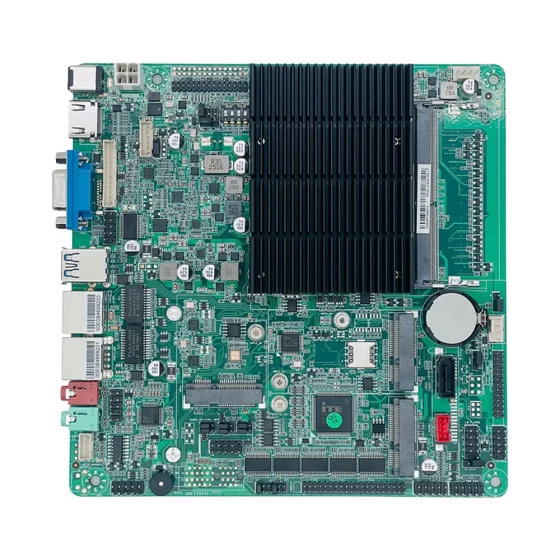
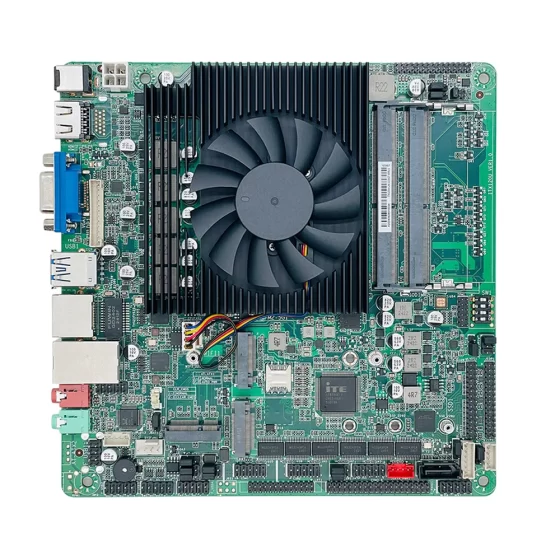
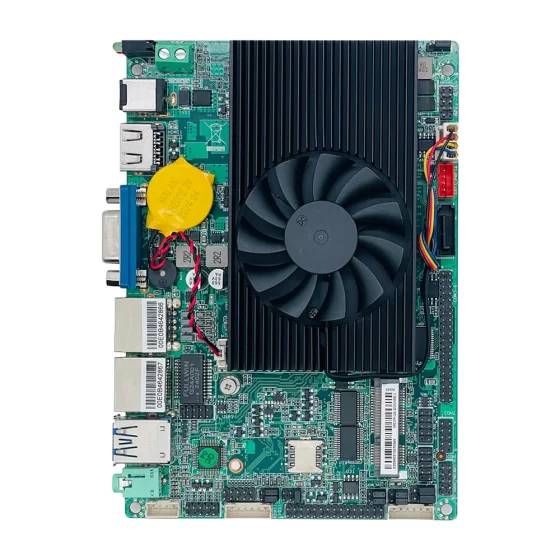
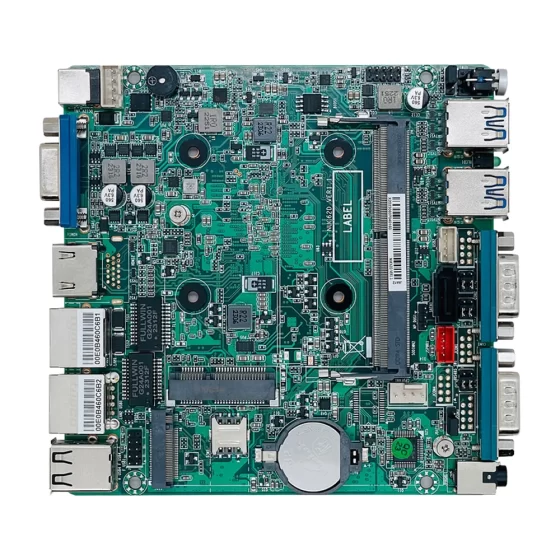
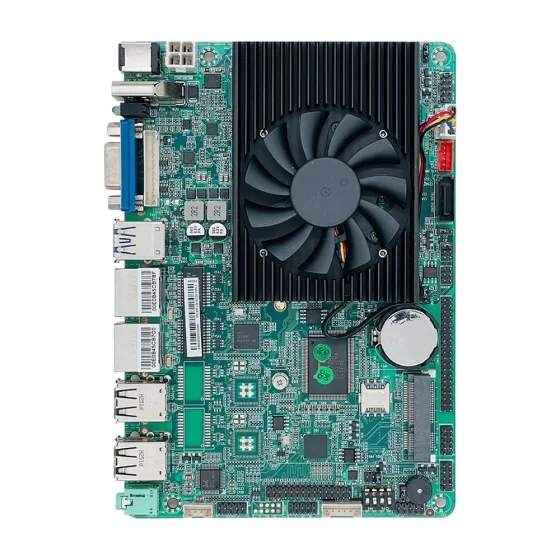
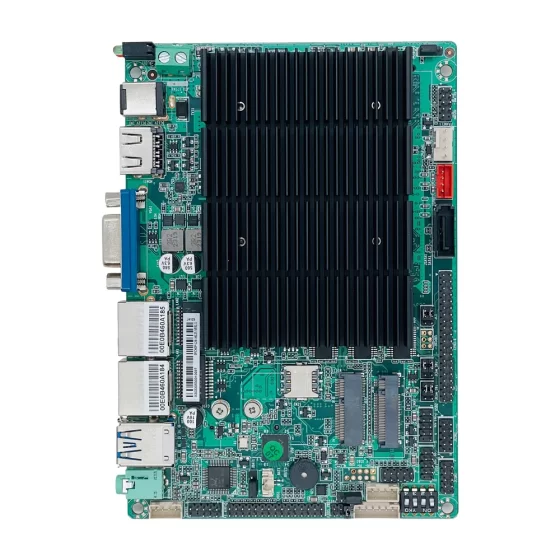
CoreIPC supports soft router network appliance applications through industrial-grade embedded systems, computadoras sin ventilador, multi-LAN embedded boards, and customized industrial computing platforms. These platforms can be configured for network security appliances, puertas industriales, firewall systems, VPN routers, edge access nodes, and OEM network devices.
Este artículo explica la arquitectura., key challenges, hardware design considerations, escenarios de implementación, and business value of using industrial computer and embedded computer platforms for soft router appliance solutions.
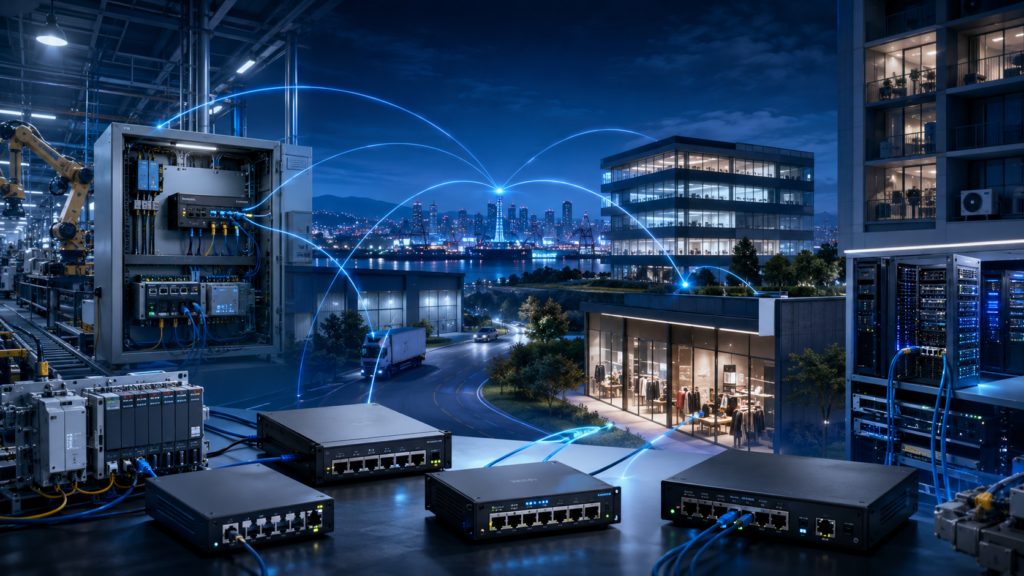
Soft router appliances help connect distributed industrial, comercial, and enterprise edge networks.
Descripción general de la industria
Network infrastructure is no longer limited to office routers, enterprise firewalls, and centralized data centers. Modern organizations are moving toward distributed, software-defined, and edge-based networking models. Fábricas, almacenes, edificios inteligentes, retail chains, centros de transporte, sitios de energía, and remote service locations all require reliable connectivity, secure access, and flexible network control.
A soft router network appliance addresses this shift by separating routing and network service functions from fixed-purpose router hardware. Instead of relying only on a traditional appliance with closed firmware, users can deploy routing and security software on a general-purpose computing platform. This allows the same hardware architecture to support multiple use cases, including firewall, vpn, NAT, DHCP, DNS, VLAN routing, network monitoring, traffic shaping, captive portal, industrial gateway, and edge security.
In many commercial environments, soft router systems are built with compact embedded computers or small form factor industrial computers. These systems typically include multiple Ethernet ports, almacenamiento SSD, memory expansion, interfaces USB, display output for maintenance, and optional wireless connectivity. When designed correctly, they can operate as reliable network appliances for both enterprise and industrial environments.
The demand for soft router appliance platforms is driven by several practical trends:
First, network traffic is becoming more complex. Industrial devices, edge servers, camaras ip, automation controllers, POS terminals, quioscos, and remote users all generate different traffic profiles. Organizations need flexible routing policies and stronger segmentation.
Second, cybersecurity requirements are increasing. acceso VPN, reglas de firewall, detección de intrusiones, network isolation, and secure remote maintenance are becoming basic requirements for distributed infrastructure.
Third, edge computing is expanding. More workloads are processed close to machines, sensores, and users. This creates demand for compact network platforms that can manage connectivity and run lightweight network services at the edge.
Fourth, OEM and system integrator customers increasingly require hardware platforms that can be customized. Recuento de puertos LAN, selección de procesador, diseño de recinto, storage layout, entrada de energía, and branding may need to match a specific project or product line.
For these reasons, an industrial computer or embedded computer platform can provide a stronger foundation for a soft router appliance than a standard consumer router or generic office device.
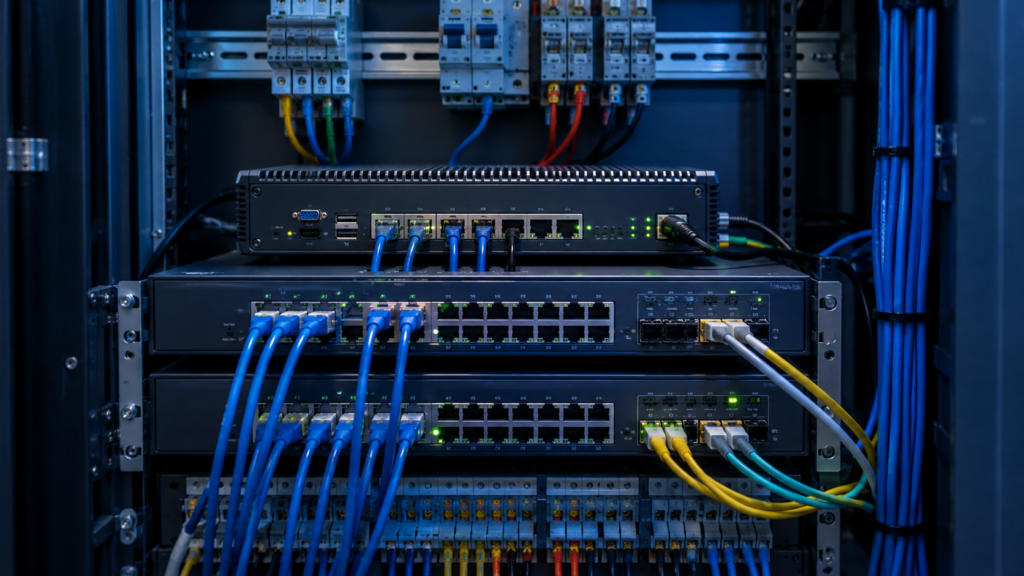
A multi-LAN soft router appliance supports WAN, LAN, DMZ, cámara, industrial, y redes de gestión.
Desafíos clave
Designing a soft router appliance is not only a matter of choosing routing software. The hardware platform must support stable operation, enough network throughput, system reliability, and long-term deployment needs.
1. Multi-LAN Port Requirements
A soft router network appliance usually requires more than one Ethernet port. Basic systems may need two LAN ports for WAN and LAN separation. More advanced systems may require four, six, or more ports for multi-WAN routing, VLAN segmentation, firewall zones, industrial device networks, redes de cámaras, guest networks, y redes de gestión.
The choice of Ethernet controller is important. Many industrial and commercial projects prefer stable Intel-based network controllers for compatibility and long-term driver support. Port count, velocidad del puerto, diseño térmico, and board layout all affect system performance and reliability.
2. 24/7 Fiabilidad
Routers, puertas de enlace, and firewalls are infrastructure devices. Si el aparato falla, downstream systems may lose internet access, remote connectivity, or industrial communication. For factories, retail stores, almacenes, y sistemas de transporte, downtime can affect operations directly.
A soft router appliance used in industrial environments should be designed for continuous operation. This includes a stable motherboard, diseño de energía confiable, componentes de grado industrial, proper thermal management, and validated system integration.
3. Thermal Management
Soft router systems often run continuously in small enclosures. En muchas implementaciones, they are installed in cabinets, salas de control, network closets, quioscos, or edge sites with limited airflow. Heat buildup can reduce component life and cause instability.
Fanless industrial computer designs are often preferred when dust, vibración, ruido, or maintenance concerns exist. Sin embargo, fanless design must be carefully engineered with suitable processors, heat sinks, enclosure materials, and internal layout.
4. Compatibilidad de software
Soft router platforms may run different operating systems or network software stacks. The hardware should support common x86 operating environments, virtualization options, and network driver compatibility. Configuración del BIOS, storage interfaces, boot options, and watchdog support may also matter for system integrators.
5. Power Input and Deployment Environment
Consumer mini PCs are often designed for office use with standard adapters. Industrial deployments may require wider voltage input, stable DC power, DIN-rail installation, vehicle power environments, or power protection features.
A soft router appliance deployed in factories or field systems should be designed with practical power and mechanical requirements in mind.
6. Lifecycle and Supply Stability
Network appliances are often deployed across multiple sites and maintained for years. OEM customers and system integrators need consistent hardware availability, predictable revision control, y apoyo a largo plazo.
Short-lifecycle consumer hardware can create problems when a project needs repeat orders, spare units, or consistent certification testing. Industrial computer platforms provide better lifecycle management for B2B deployments.
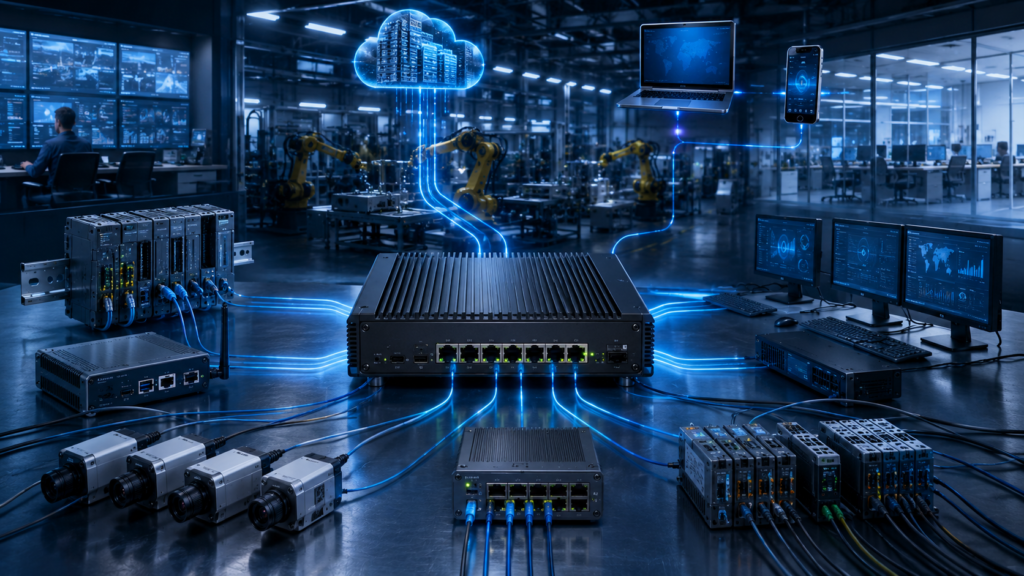
Industrial computer-based soft router appliance connecting cloud, VPN users, enterprise IT, and industrial OT networks.
Arquitectura de la solución
A aparato de enrutador suave built on an industrial computer or embedded computer platform normally includes three main layers: hardware platform, network operating software, and deployment integration.
Hardware Platform Layer
The hardware layer is the foundation of the appliance. It may include an embedded motherboard, industrial box PC, fanless computer, or custom embedded board. Key hardware elements include the processor, memoria, LAN controllers, almacenamiento, entrada de energía, interfaces de expansión, and enclosure.
For routing and firewall workloads, the processor should provide stable performance for packet handling, cifrado, rule processing, and network services. Entry-level systems may use low-power processors for basic routing, vpn, and firewall functions. More advanced appliances may require stronger processors for multi-gigabit routing, IDS/IPS workloads, virtualization, or multiple network services running simultaneously.
Memory capacity affects firewall state tables, caching, monitoring services, and virtualization. El almacenamiento se utiliza para el sistema operativo., registros, copia de seguridad de configuración, and optional local applications. SSD-based storage is generally preferred for reliability and speed.
LAN ports define the physical network structure. A system may include two ports for basic WAN/LAN routing, four ports for segmented networks, or higher port counts for more advanced gateway designs. Optional wireless modules may support Wi-Fi, LTE, or 5G connectivity depending on the project.
Network Software Layer
The software layer provides routing and service functionality. Dependiendo del proyecto, the appliance may run open-source routing software, commercial firewall software, Linux-based gateway software, virtualization platforms, or custom OEM software.
Common functions include firewall policy management, vpn, VLAN, NAT, DHCP, DNS, QoS, monitoreo de tráfico, captive portal, acceso remoto, y registrando. Some deployments may add intrusion detection, content filtering, SD-WAN, or cloud-based management.
The advantage of a soft router platform is flexibility. The same hardware can be adapted for different software stacks, customer requirements, and market segments.
Capa de integración
The integration layer connects the appliance to the real deployment environment. In an enterprise office, it may be installed between WAN access and internal networks. In a factory, it may isolate production networks from office IT networks. In retail, it may manage POS systems, quioscos, camaras, and guest Wi-Fi. In transportation, it may connect onboard systems, gabinetes de control, or station networks.
For OEM customers, integration may also include enclosure customization, BIOS configuration, herrada, pre-installed operating systems, I/O customization, and validation testing.
A well-designed soft router network appliance should not be treated as a simple mini PC with extra LAN ports. It should be engineered as an infrastructure device with stable hardware, practical installation design, and clear network deployment logic.
Características clave
Arquitectura multiLAN
Multi-LAN support is one of the most important features of a soft router appliance. Different LAN ports can be assigned to WAN, LAN, DMZ, gestión, controles industriales, cámara, guest, or backup network segments. This helps system integrators build secure and organized network structures.
For industrial applications, physical network separation is often easier to manage than purely software-based separation. Multiple LAN ports provide flexibility for routing, políticas de firewall, conmutación por error, and segmentation.
Confiabilidad de grado industrial
A soft router network appliance may be deployed in environments where maintenance access is limited. Industrial computer platforms are designed for stable operation, disponibilidad de ciclo de vida largo, and practical field deployment.
Reliability depends on board design, component selection, thermal validation, power stability, and system-level testing. These factors are especially important for network infrastructure devices because failure can affect multiple connected systems.
Diseño integrado compacto
Many soft router appliances need to fit inside network cabinets, machine control boxes, quioscos, vehículos, or small office spaces. Embedded computer platforms provide compact dimensions while still supporting multiple I/O ports and storage options.
Small form factor systems are also useful for OEM products where enclosure design, herrada, and installation flexibility are important.
Fanless Operation
Fanless systems reduce moving parts and help improve long-term reliability in dusty or vibration-prone environments. They also reduce noise in office, minorista, cuidado de la salud, and commercial environments.
A fanless soft router appliance must be matched with suitable processor power, diseño de recinto, and thermal dissipation. Proper mechanical design is critical to avoid overheating.
Flexible Storage and Memory
Different network applications require different storage and memory configurations. Basic routing systems may use modest storage and memory, while firewall logging, vpn, IDS/IPS, or virtualization may require more resources.
Embedded computer platforms can support different memory and storage options, helping system integrators configure the appliance according to workload and budget.
Wide Deployment Compatibility
A soft router appliance can be used across different industries when the hardware is designed with flexible interfaces and stable software support. Ethernet, USB, salida de pantalla, puertos serie, GPIO, expansión inalámbrica, and storage interfaces may all be relevant depending on the deployment.
Industrial customers often need hardware that can adapt to multiple project types rather than a single fixed configuration.
Personalización OEM y ODM
For B2B network appliance vendors, branding and customization can be as important as technical specifications. OEM and ODM customization may include logo-free hardware, custom enclosure design, front panel changes, LAN port layout, power input adjustment, Configuración del BIOS, pre-installation services, and private-label product development.
This allows customers to build a complete network appliance product line based on a stable embedded computing platform.
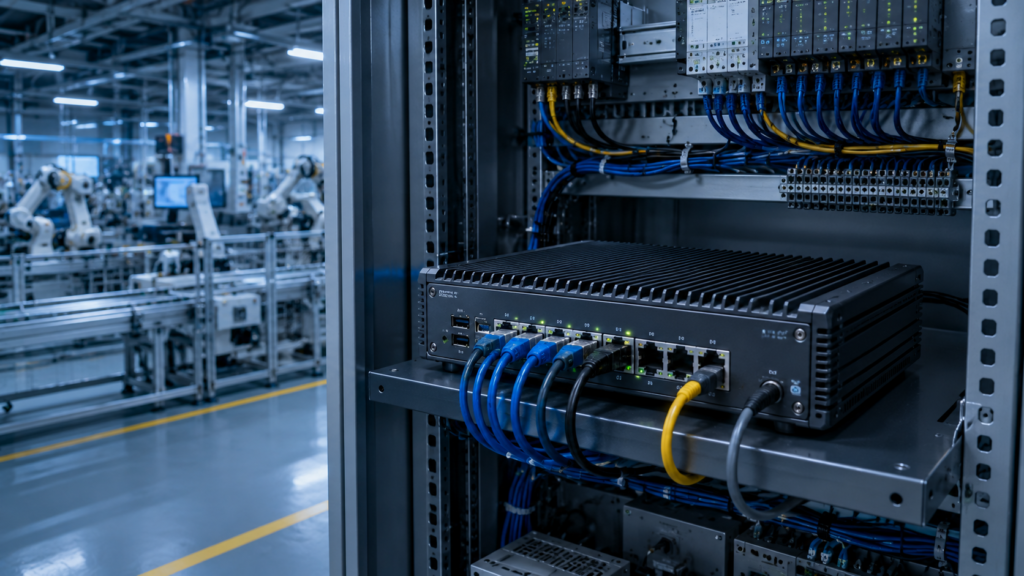
Fanless embedded computers provide compact and reliable hardware for soft router gateway deployments.
Escenarios de implementación
Enterprise Firewall and VPN Gateway
A soft router appliance can be deployed as a firewall and VPN gateway for small and medium-sized businesses, sucursales, and distributed enterprise sites. It can manage WAN access, internal network segmentation, remote worker VPN, políticas de firewall, and traffic monitoring.
Compared with a fixed-function router, an embedded computer-based appliance provides more flexibility in software selection and configuration.
Industrial Network Gateway
Factories often need to separate OT networks from IT networks. A soft router network appliance can provide routing, reglas de firewall, acceso VPN, and network segmentation between industrial machines, Sistemas PLC, HMI stations, Sistemas SCADA, y redes empresariales.
Industrial computer hardware is especially suitable for this scenario because it can be installed in control cabinets and designed for continuous operation.
Multi-WAN Edge Router
Retail stores, almacenes, instalaciones remotas, and service locations may use multiple WAN connections for redundancy. A soft router appliance with multiple LAN ports can support WAN failover, load balancing, and backup connectivity.
Optional wireless expansion can also support cellular backup when wired connections are unavailable or unstable.
Dispositivo de seguridad de red
A soft router platform can be configured as a network security appliance for firewall, IDS/IPS, vpn, registro de tráfico, y control de acceso. The hardware configuration should match the workload, especially when deep packet inspection, tráfico cifrado, or multiple security services are required.
Industrial-grade hardware helps ensure stable operation in long-term security deployments.
Smart Building and Campus Network Gateway
Smart buildings and campuses may include office networks, surveillance systems, control de acceso, sistemas de climatización, guest Wi-Fi, and IoT devices. A soft router appliance can separate these networks and manage routing policies between them.
Compact embedded computers are suitable for distributed building network cabinets and edge access points.
Retail and Self-Service Kiosk Networks
Retail chains and self-service kiosks require stable connectivity for POS terminals, payment systems, señalización digital, camaras, and remote management. A soft router appliance can help manage secure connectivity across multiple stores or kiosk locations.
Embedded computer platforms provide the compact size and customization flexibility needed for commercial network appliances.
Transportation and Remote Infrastructure
Sistemas de transporte, gabinetes de carretera, sistemas de estacionamiento, and remote infrastructure sites often require network devices that can operate continuously in non-office environments. A soft router appliance based on industrial computer hardware can provide secure routing, acceso VPN, and equipment connectivity for these distributed systems.
Beneficios comerciales
Higher Deployment Flexibility
A soft router network appliance allows system integrators and OEM customers to choose the software stack that best matches their project. The same hardware platform can support different routing, cortafuegos, vpn, escucha, or gateway applications.
This flexibility reduces the need to maintain many different hardware products for similar network use cases.
Better Long-Term Availability
Industrial computer platforms are typically designed with longer lifecycle planning than consumer devices. For B2B projects, this helps reduce redesign risk, replacement issues, and support complexity.
Long-term availability is especially important when the appliance is part of a certified, validated, or widely deployed system.
Improved Reliability for Infrastructure Use
Network devices often run 24/7. Using industrial-grade embedded computer hardware helps improve system stability compared with low-cost consumer mini PCs that may not be designed for continuous infrastructure workloads.
Diseño de energía estable, thermal management, and component selection contribute to better field reliability.
Lower Custom Development Risk
For OEM appliance vendors, using a proven embedded computer platform can reduce development time. Instead of designing hardware from scratch, customers can start with an existing platform and customize selected elements.
This approach supports faster product launch while still allowing differentiation through enclosure design, software integration, herrada, and configuration.
Scalable Product Strategy
A soft router appliance product line can be built around multiple performance levels and LAN port configurations. Customers can develop entry-level, mid-range, and advanced models using a consistent hardware and software strategy.
This is useful for network appliance vendors, industrial gateway suppliers, proveedores de soluciones de seguridad, e integradores de sistemas.
Por qué CoreIPC
CoreIPC provides industrial computer and embedded computer platforms for network appliance, puerta de enlace de borde, automatización, and OEM hardware applications. For soft router appliance projects, CoreIPC can support multi-LAN embedded systems, fanless industrial PCs, compact embedded boards, and customized hardware configurations.
CoreIPC focuses on practical industrial computing requirements, including stable operation, E/S flexibles, soporte de ciclo de vida largo, integración del sistema, and OEM/ODM customization. Customers can use CoreIPC platforms to build firewall appliances, Puertas de enlace VPN, industrial network gateways, edge routers, and private-label network devices.
With experience in embedded computing hardware, industrial motherboard design, and system-level customization, CoreIPC helps B2B customers develop reliable soft router network appliance solutions for global deployment.
Preguntas frecuentes
1. What is a soft router appliance?
A soft router appliance is a network device that uses general-purpose computing hardware to run routing, cortafuegos, vpn, and network management software. Unlike a traditional hardware router with fixed firmware, a soft router platform gives users more flexibility in software selection and configuration. It can be built with an industrial computer, computadora integrada, or custom embedded board, depending on performance, Recuento de puertos LAN, fiabilidad, and deployment requirements.
2. Why use an industrial computer for a soft router appliance?
Una computadora industrial proporciona mayor confiabilidad, lifecycle control, and deployment flexibility than many consumer-grade mini PCs. Soft router appliances often operate continuously and may be installed in factories, gabinetes, retail locations, o sitios de infraestructura remotos. Industrial computers can support stable thermal design, multi-LAN connectivity, wider power options, y disponibilidad a largo plazo, making them suitable for B2B and infrastructure-oriented network applications.
3. How many LAN ports does a soft router network appliance need?
The required LAN port count depends on the network architecture. A basic appliance may use two ports for WAN and LAN. More advanced systems may require four or more ports for multi-WAN routing, VLAN segmentation, DMZ, industrial control networks, redes de cámaras, guest networks, or management access. OEM network appliance projects often choose different LAN configurations to create multiple product tiers.
4. Can a soft router appliance be fanless?
Sí. Many soft router appliances can be designed as fanless systems, especially when using low-power embedded processors and proper thermal design. Fanless operation reduces moving parts, ruido, y requisitos de mantenimiento. This is useful in dusty industrial environments, retail spaces, healthcare facilities, and network cabinets. Sin embargo, fanless design must be carefully matched to processor power, estructura del recinto, and expected workload.
5. What software can run on a soft router appliance?
A soft router appliance can run different routing, cortafuegos, vpn, gateway, or Linux-based network software stacks. The exact choice depends on the project, customer preference, compatibilidad del controlador, security requirements, and management model. Some customers use open-source firewall platforms, while others deploy commercial or custom network software. The key is to choose hardware with stable processor, LAN controller, almacenamiento, and BIOS support.
6. Is an embedded computer suitable for firewall applications?
Sí. An embedded computer can be used for firewall applications when the hardware configuration matches the workload. Basic firewall and routing tasks may run on low-power platforms, while advanced workloads such as VPN encryption, IDS/IPS, registro de tráfico, and multi-gigabit routing may require stronger processors, más memoria, and reliable storage. Industrial-grade embedded computers are often suitable for long-term firewall deployments.
7. What is the difference between a soft router appliance and a traditional router?
A traditional router is usually a fixed-function device with predefined firmware and limited customization. A soft router appliance uses computing hardware to run routing and security software, offering more flexibility in configuration, actualizaciones de software, network services, and deployment models. This makes it attractive for system integrators, OEM appliance vendors, puertas industriales, and enterprise edge network applications.
8. Can CoreIPC customize soft router appliance hardware?
Sí. CoreIPC can support soft router appliance projects through embedded computer platforms, PC industriales, tableros empotrados, and OEM/ODM customization. Customization may include LAN port configuration, diseño de recinto, entrada de energía, opciones de almacenamiento, diseño del panel frontal, requisitos de marca, Configuración del BIOS, and system integration. This helps customers develop network appliance products that match their specific market and deployment needs.
9. What industries use soft router network appliances?
Soft router network appliances are used in enterprise offices, fábricas, almacenes, retail chains, edificios inteligentes, sistemas de transporte, sitios de energía, quioscos, and remote infrastructure. They are especially useful where flexible routing, firewall control, acceso VPN, segmentación de red, and reliable edge connectivity are required. Industrial computer-based platforms are well suited for environments that need continuous operation and long-term hardware availability.
10. How should I choose hardware for a soft router appliance?
Start by defining the required LAN port count, target throughput, pila de software, Carga de trabajo de VPN, security features, necesidades de almacenamiento, entrada de energía, enclosure type, y entorno de instalación. For industrial or OEM use, also consider lifecycle, diseño térmico, component quality, and customization requirements. A reliable soft router appliance should be selected as an infrastructure platform, not only as a small computer with multiple Ethernet ports.
Conclusión
A aparato de enrutador suave provides a flexible and scalable way to build modern network infrastructure for enterprise, industrial, comercial, y entornos informáticos de vanguardia. By using an industrial computer or embedded computer platform, customers can combine software-defined routing with reliable hardware, multi-LAN connectivity, operación sin ventilador, soporte de ciclo de vida largo, and OEM customization.
For system integrators and network appliance vendors, this approach enables faster product development, better deployment flexibility, and stronger long-term support. For industrial and commercial users, it delivers a practical foundation for firewall, vpn, gateway, multi-WAN routing, segmentación de red, and secure edge connectivity.
CoreIPC supports soft router network appliance development with industrial computing platforms designed for reliability, customization, and real-world B2B deployment.
Contáctenos
Looking for an industrial computer or embedded computer platform for your soft router network appliance project?
Contact CoreIPC to discuss your required LAN port count, plataforma del procesador, diseño de recinto, entrada de energía, compatibilidad de software, y necesidades de personalización OEM/ODM. Our team can help you evaluate the right hardware foundation for firewall appliances, Puertas de enlace VPN, industrial routers, edge network gateways, and customized network security devices.