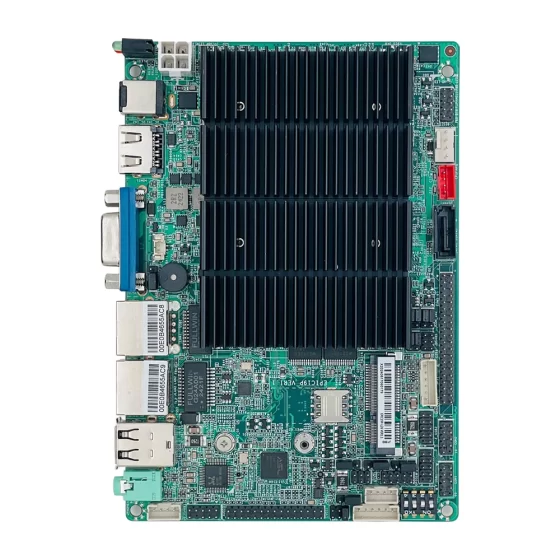
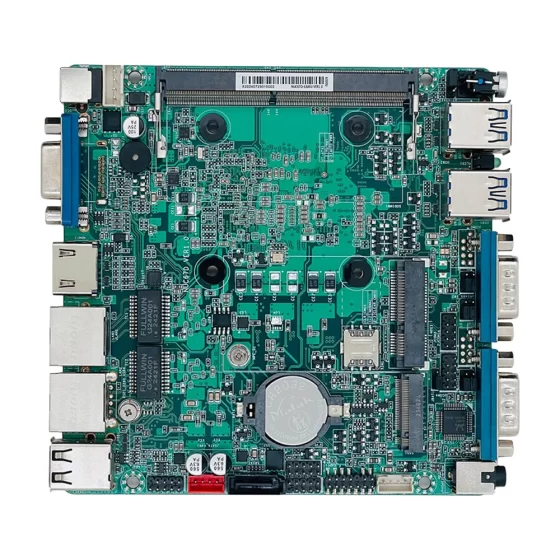
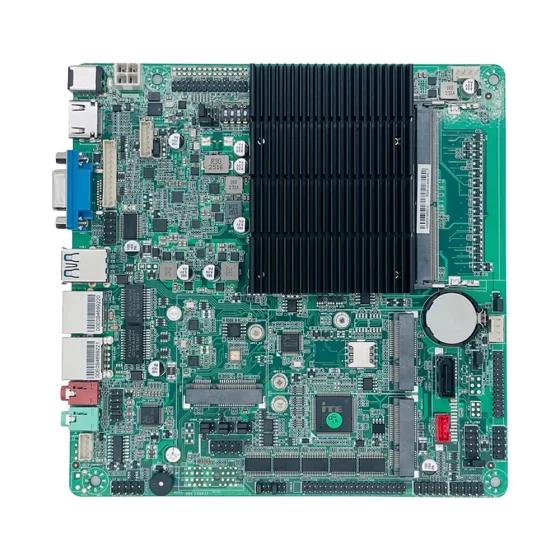
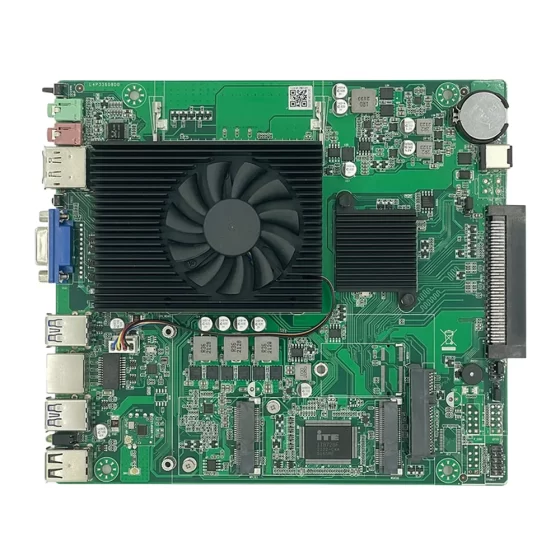
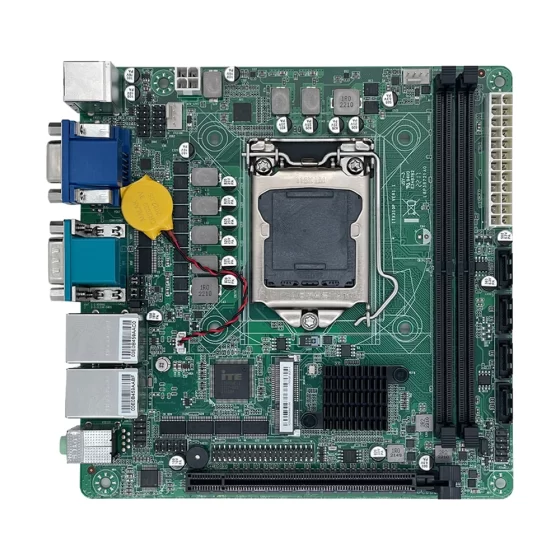
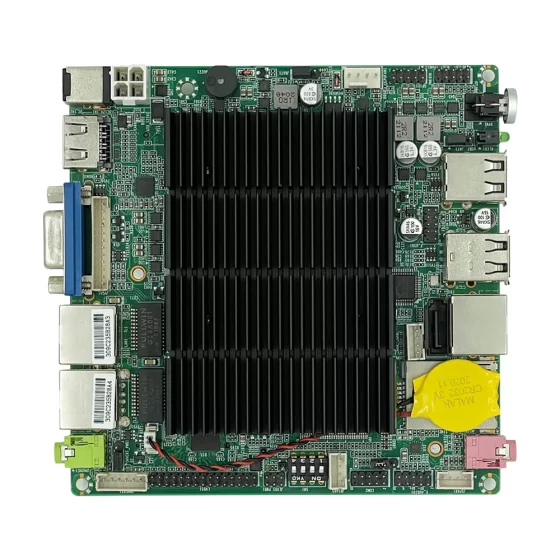
Soluciones de informática industrial CoreIPC

Plataforma de implementación de VPN: Dispositivo VPN para conectividad de red industrial segura
Resumen ejecutivo
Un dispositivo VPN proporciona la base informática segura para el acceso remoto industrial, conectividad de sitio a sitio, mantenimiento de la maquina, segmentación de la red de fábrica, y comunicación de datos protegida en entornos industriales distribuidos.
Fábricas modernas, constructores de equipos, sitios de energía, sistemas de transporte, almacenes, y las instalaciones remotas a menudo necesitan un acceso seguro entre máquinas, sistemas de control, ingenieros, equipos de servicio, y plataformas de gestión central. Sin embargo, exponer las redes industriales directamente a la Internet pública crea graves riesgos operativos y de ciberseguridad.
Una plataforma de implementación de VPN construida en una computadora industrial o en una computadora integrada puede proporcionar una capa de acceso a la red controlada. Puede conectar ingenieros remotos, sitios de fábrica, redes de máquinas, Pasarelas industriales de IoT, Sistemas SCADA, y plataformas de mantenimiento a través de túneles cifrados y políticas de acceso gestionadas.
Comparado con el hardware de red de oficina estándar, un dispositivo VPN industrial debe funcionar de manera confiable en entornos de implementación reales. Puede instalarse dentro de armarios de control., salas de red de fábrica, recintos de máquinas, gabinetes de transporte, instalaciones energéticas, o sitios de equipos remotos.
Las computadoras industriales y las computadoras integradas proporcionan hardware resistente, Configuraciones LAN flexibles, opciones de conectividad serie, almacenamiento local, diseño sin ventilador, entrada de energía estable, y soporte de ciclo de vida prolongado.
Este artículo explica cómo las plataformas de implementación de VPN respaldan la seguridad de las redes industriales., ¿Qué desafíos enfrentan los fabricantes e integradores de sistemas?, cómo funciona la arquitectura de la solución, y qué características de hardware son importantes al seleccionar una computadora industrial o una computadora integrada para aplicaciones de dispositivos VPN.
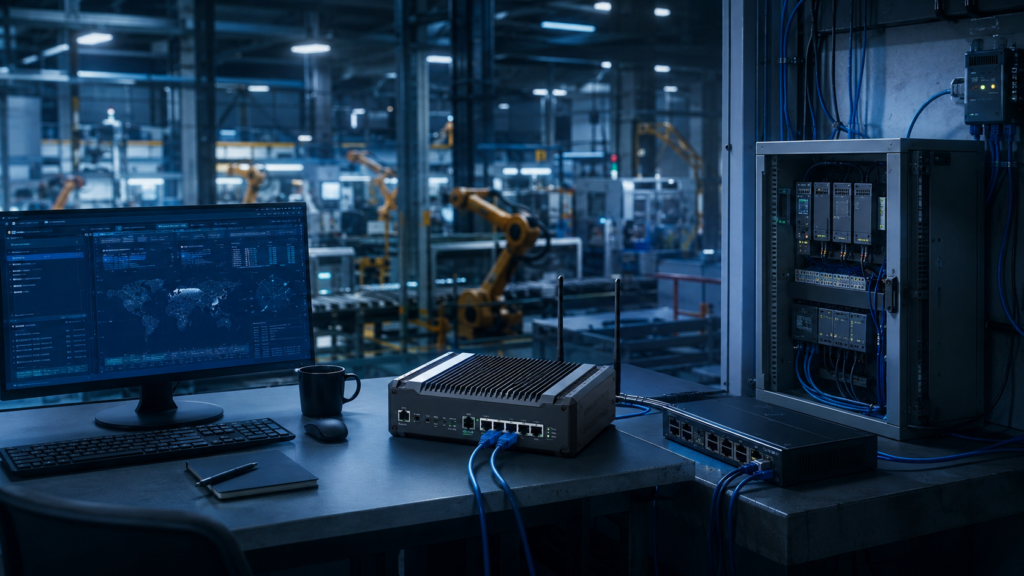
Los dispositivos VPN ayudan a proteger el acceso de ingeniería remota a máquinas y redes industriales.
Descripción general de la industria
Las redes industriales necesitan una conectividad remota segura
El acceso remoto se ha convertido en un requisito normal en las operaciones industriales.
Los fabricantes de maquinaria necesitan dar soporte a los equipos después de la entrega. Los ingenieros de fábrica necesitan monitorear líneas de producción remotas. Los integradores de sistemas necesitan solucionar problemas de los sistemas de control. Las empresas con múltiples sitios necesitan una comunicación segura entre fábricas, almacenes, y centros de datos.
Las necesidades comunes de conectividad remota incluyen:
- Mantenimiento remoto de la máquina
- Conexión de fábrica de sitio a sitio
- Acceso a puerta de enlace industrial de IoT
- Acceso a la red SCADA
- Paneles de control remoto
- Soporte de servicio de equipos
- Acceso seguro a ingeniería
- Transferencia de datos entre instalaciones
- Revisión de alarma remota
- Conectividad en la nube o en el centro de datos
Un dispositivo VPN ayuda a proporcionar acceso controlado sin exponer directamente los sistemas industriales.
Los dispositivos VPN son más que enrutadores de red
Una plataforma de implementación de VPN no es solo un enrutador básico.
En entornos industriales, es posible que deba admitir la segmentación de la red, políticas de firewall, múltiples puertos LAN, túneles seguros, tala local, gestión del tráfico, rutas de red redundantes, y control de servicio remoto.
También puede ser necesario conectar tanto dispositivos Ethernet modernos como sistemas industriales más antiguos..
Un práctico dispositivo VPN industrial puede situarse entre:
- Redes de máquinas
- Redes de PLC
- Redes TI de fábrica
- Redes de servicio remoto
- Plataformas industriales de IoT
- Sistemas en la nube
- Centros de monitoreo
- Redes corporativas
La función del dispositivo es crear un límite de red seguro y manejable..
La informática industrial es la base del hardware
Muchos dispositivos VPN se implementan fuera de entornos de oficina limpios..
Pueden operar cerca de máquinas., dentro de los gabinetes, en sitios remotos, o en instalaciones de infraestructura. Estos lugares pueden incluir polvo, vibración, variación de temperatura, ruido electrico, espacio limitado, y largas horas de funcionamiento.
Las computadoras industriales y las computadoras integradas proporcionan una base más sólida para este tipo de implementación..
Apoyan un funcionamiento fiable, E/S flexibles, múltiples puertos LAN, diseño compacto, gabinetes sin ventilador, y disponibilidad de ciclo de vida prolongado.

Zonas de red, enlaces ascendentes, Redes de PLC, redes de máquinas, y las puertas de enlace IIoT afectan la planificación de implementación de VPN.
Desafíos clave
Proteger el acceso remoto sin exponer los sistemas industriales
El acceso remoto es útil, pero hay que controlarlo con cuidado.
Los sistemas industriales suelen incluir PLC, HMI, controladores, sensores, robots, puertas de enlace, y equipos SCADA. Es posible que estos sistemas no estén diseñados para la exposición directa a Internet..
Un dispositivo VPN ayuda a crear una capa de acceso protegida.
Sin embargo, el despliegue aún debe considerar:
- Autenticación de usuario
- Permisos de acceso
- Segmentación de red
- Reglas del cortafuegos
- Ventanas de mantenimiento remoto
- Necesidades de registro y auditoría
- Identidad del dispositivo
- Política de actualización segura
- Diseño de enrutamiento interno
El objetivo es proporcionar acceso remoto sólo a los sistemas necesarios., no abrir toda la red de la fábrica innecesariamente.
Múltiples zonas de red
Los sitios industriales suelen contener varias zonas de red..
Una fábrica puede separar las redes informáticas de la oficina, redes de máquinas, redes de cámaras, Redes de PLC, redes de mantenimiento, y conexiones de puerta de enlace en la nube.
Una plataforma de implementación de VPN debe soportar esta estructura.
Los puertos LAN múltiples suelen ser importantes porque permiten una mejor separación entre diferentes áreas de la red..
Por ejemplo:
- Un puerto LAN para WAN o enlace ascendente
- Un puerto LAN para TI de fábrica
- Un puerto LAN para la red de máquinas
- Un puerto LAN para PLC o red de automatización
- Un puerto LAN para servicio o administración remota
Una buena segmentación de la red mejora la seguridad y la estabilidad operativa.
Fiabilidad para un funcionamiento continuo
Un dispositivo VPN puede convertirse en una parte crítica de la red industrial.
Si el aparato falla, acceso remoto, transferencia de datos, escucha, y el soporte del servicio puede verse interrumpido.
La implementación industrial requiere un diseño de hardware confiable.
Los factores de confiabilidad importantes incluyen:
- Gabinete sin ventilador
- Diseño térmico estable
- Montaje robusto
- Entrada de energía industrial
- Retención de cables
- almacenamiento SSD
- Componentes de ciclo de vida largo
- Registro del sistema local
- Planificación de recuperación
El hardware confiable ayuda a reducir la carga de trabajo de mantenimiento y el tiempo de inactividad inesperado.
Rendimiento y carga de tráfico cifrado
El tráfico VPN requiere potencia de procesamiento.
El rendimiento requerido depende del número de usuarios., tipos de túneles, carga de trabajo de cifrado, volumen de tráfico, número de sitios, y reglas de firewall.
Una puerta de enlace de servicio de máquina pequeña puede necesitar un rendimiento moderado. Un concentrador VPN de fábrica para múltiples sitios puede requerir una CPU más potente, memoria, y capacidad de red.
Los diseñadores de sistemas deben considerar:
- Recuento de túneles VPN
- Rendimiento cifrado
- Procesamiento de cortafuegos
- Reglas de enrutamiento
- Sesiones de usuarios remotos
- Tráfico de sitio a sitio
- Tráfico de protocolo industrial
- Monitoreo del volumen de datos
- Carga de trabajo de registro
El aparato debe seleccionarse de acuerdo con los requisitos reales de la red., no sólo el recuento de puertos.
Integración con Sistemas Industriales y TI
Las plataformas VPN industriales a menudo conectan tecnología operativa y sistemas de tecnología de la información..
Esto requiere una planificación cuidadosa.
Es posible que el dispositivo necesite comunicarse con redes PLC., servidores SCADA, Pasarelas industriales de IoT, cortafuegos, interruptores, plataformas en la nube, sistemas de autenticación, y herramientas de mantenimiento remoto.
Una plataforma práctica debe ser lo suficientemente flexible para los requisitos industriales y de TI..

Los dispositivos VPN conectan a usuarios remotos, redes de fábrica, sistemas de máquinas, y plataformas en la nube de forma segura.
Arquitectura de solución de dispositivo VPN
Capa de red de dispositivos industriales
La capa de red del dispositivo incluye el equipo que necesita conectividad segura..
Esto puede incluir:
- PLC
- HMI
- Sistemas SCADA
- PC industriales
- Controladores integrados
- Robots
- Controladores de máquinas
- Cámaras industriales
- Puertas de enlace
- Medidores de energía
- Sensores
- Equipo remoto
Estos sistemas no deben exponerse directamente a redes externas..
El dispositivo VPN proporciona una ruta de acceso controlada.
Capa de dispositivo VPN industrial
La capa del dispositivo VPN es el núcleo de la implementación..
en esta capa, el ordenador industrial o el ordenador integrado pueden:
- Establecer túneles VPN cifrados
- Administrar la conectividad de sitio a sitio
- Admite acceso de ingeniería remota
- Aplicar políticas de firewall
- Segmentar redes internas
- Enrutar el tráfico entre zonas
- Registrar eventos de acceso
- Monitorear el estado de la conexión
- Admite interfaces de gestión local
- Conéctese a sistemas de seguridad de nivel superior
Esta capa protege los sistemas industriales y al mismo tiempo permite la conectividad necesaria..
Capa de política y seguridad de red
La capa de política de seguridad define quién puede acceder a qué..
Puede incluir reglas de control de acceso., zonas de red, políticas de firewall, métodos de autenticación, restricciones de tráfico, y permisos de mantenimiento.
Un diseño de VPN industrial seguro debería evitar un acceso amplio y sin restricciones.
En cambio, El acceso debe limitarse según:
- Rol de usuario
- Tipo de dispositivo
- Ubicación del sitio
- Propósito de mantenimiento
- ventana de tiempo
- Segmento de red
- Requisito de solicitud
- Política de seguridad
Esto mejora el control y reduce la exposición innecesaria..
Capa de conectividad del sitio y acceso remoto
La capa de acceso remoto admite usuarios externos y ubicaciones distribuidas..
Dependiendo del proyecto, puede incluir:
- Acceso de ingeniero remoto
- Acceso al servicio de máquinas OEM
- VPN de sitio a sitio
- Conexión de fábrica a centro de datos
- Monitoreo remoto de instalaciones
- Comunicación de la plataforma en la nube
- Acceso a la plataforma de mantenimiento
- Conectividad segura entre múltiples sucursales
Esta capa permite que los sistemas industriales distribuidos se comuniquen de forma segura..
Capa de monitoreo y gestión
Las implementaciones de VPN necesitan visibilidad.
El dispositivo puede proporcionar paneles de control locales., registros, estado de conexión, información de tráfico, datos de salud del dispositivo, y registros de alerta.
También puede conectarse a sistemas de monitoreo centralizados..
La información de seguimiento útil puede incluir:
- Estado del túnel
- Registros de inicio de sesión de usuario
- Tráfico de red
- Temperatura del sistema
- Estado de almacenamiento
- carga de trabajo de la CPU
- Estado del enlace ascendente
- Eventos de cortafuegos
- Historial de acceso remoto
Una buena visibilidad ayuda a los operadores a mantener una conectividad de red segura y confiable.
Características clave
Múltiples puertos LAN
Múltiples puertos LAN son una de las características más importantes de un dispositivo VPN industrial.
Permiten que el sistema separe la WAN, LAN, máquina, servicio, y redes de gestión.
Es posible que se admitan configuraciones LAN útiles:
- enlace ascendente WAN
- Red informática de fábrica
- Red PLC
- Red de máquinas
- Red de cámaras
- Red de mantenimiento remoto
- Conexión de puerta de enlace en la nube
- Rutas de red redundantes
Esto mejora la organización del tráfico y respalda una mejor planificación de la ciberseguridad..
Rendimiento de procesamiento de red y VPN
Los dispositivos VPN deben procesar el tráfico cifrado de forma fiable.
El hardware debe seleccionarse de acuerdo con el rendimiento real y los requisitos del túnel..
La selección debe considerar:
- rendimiento de la CPU
- Capacidad de memoria
- Número de túneles VPN
- Rendimiento cifrado
- Carga de trabajo del cortafuegos
- Complejidad de enrutamiento
- Requisitos de registro
- Necesidades de almacenamiento
- Velocidad del puerto de red
Para acceso a máquinas pequeñas, una computadora integrada puede ser suficiente. Para implementaciones multisitio más grandes, Es posible que se requiera una PC industrial de mayor rendimiento..
E/S industriales flexibles
Las plataformas VPN industriales pueden necesitar más que puertos Ethernet.
Las opciones de E/S útiles pueden incluir:
- LAN
- USB
- RS232
- RS485
- GPIO
- Entrada digital
- Salida digital
- hdmi
- DisplayPort
- M.2
- PCIe
- Almacenamiento SATA o NVMe
Los puertos serie pueden admitir acceso a equipos heredados o funciones de servicio. GPIO puede admitir la integración de alarmas. Las salidas USB y de pantalla pueden soportar el mantenimiento local.
La E/S flexible mejora la adaptabilidad del sistema.
Diseño resistente y sin ventilador
El diseño sin ventilador es valioso para los dispositivos de redes industriales.
Reduce la entrada de polvo y elimina un punto común de falla mecánica.. Las carcasas resistentes ayudan a proteger el dispositivo de las vibraciones., impacto de la instalación, y tensión del cable.
Esto es útil para dispositivos VPN montados en gabinetes., gateways de red del lado de la máquina, nodos de instalaciones remotas, y despliegues de infraestructura.
El diseño térmico aún debe revisarse cuidadosamente, especialmente cuando el dispositivo maneja tráfico cifrado continuo.
Almacenamiento local confiable
Los dispositivos VPN pueden necesitar almacenamiento local para los registros, archivos del sistema, copias de seguridad de configuración, certificados, registros de seguimiento, y datos de diagnóstico.
Generalmente se prefiere el almacenamiento SSD porque proporciona una mejor resistencia a los golpes y un acceso más rápido que las unidades mecánicas..
La planificación del almacenamiento debe considerar:
- Retención de registros
- Copia de seguridad de configuración
- Recuperación del sistema
- Registros de eventos de seguridad
- Datos de monitoreo local
- Escribir resistencia
- Flujo de trabajo de mantenimiento
El almacenamiento confiable ayuda a respaldar la auditabilidad y la resolución de problemas.
Largo ciclo de vida y mantenibilidad
Los dispositivos de redes industriales pueden permanecer en servicio durante muchos años.
Los cambios frecuentes de hardware pueden crear problemas de compatibilidad de software, problemas de repuestos, y complejidad del mantenimiento.
Las plataformas informáticas industriales con planificación del ciclo de vida ayudan a los integradores de sistemas, OEM, y los operadores de fábrica mantienen plataformas de implementación de VPN consistentes en múltiples máquinas, sitios, y proyectos de infraestructura.
Escenarios de implementación
Mantenimiento remoto de la máquina
Los fabricantes de máquinas a menudo necesitan un acceso seguro a los equipos después de la entrega..
Un dispositivo VPN puede proporcionar acceso remoto controlado a las HMI de las máquinas, PLC, PC industriales, o sistemas de diagnóstico.
Esto ayuda a los equipos de servicio OEM a brindar soporte a los clientes sin necesidad de acceso público abierto a las redes de máquinas..
Conectividad de fábrica de sitio a sitio
Las empresas con varias fábricas pueden necesitar una comunicación segura entre sitios.
Un dispositivo VPN puede admitir conectividad de sitio a sitio para datos de producción, sistemas de monitoreo, acceso de ingeniería, y gestión centralizada.
Esto ayuda a conectar instalaciones distribuidas mientras se mantiene la separación de la red..
Seguridad de puerta de enlace industrial de IoT
Los sistemas industriales de IoT a menudo recopilan datos de las máquinas y envían información seleccionada a plataformas o servicios en la nube..
Un dispositivo VPN puede proteger la comunicación entre puertas de enlace IIoT locales y sistemas remotos.
También puede segmentar redes de máquinas desde conexiones externas..
SCADA y acceso a la red de servicios públicos
Energía, agua, transporte, y los sistemas de las instalaciones pueden requerir monitoreo y mantenimiento remotos.
Un dispositivo VPN industrial puede proporcionar acceso seguro a redes SCADA, equipo remoto, subestaciones, estaciones de bombeo, o gabinetes de servicios públicos.
El hardware resistente es importante para estos entornos distribuidos.
Conectividad de red de almacén y logística
Los almacenes pueden utilizar dispositivos VPN para conectar sistemas de clasificación, estaciones de código de barras, computadoras industriales, sistemas de monitoreo, y plataformas de gestión remota.
Esto respalda el acceso seguro a la infraestructura logística distribuida y mejora la eficiencia del mantenimiento..
Infraestructura de transporte
Los sistemas de transporte pueden incluir equipos en la carretera., sistemas de estaciones, plataformas de estacionamiento, controladores de tráfico, y nodos de monitoreo.
Un dispositivo VPN puede proporcionar conectividad segura entre dispositivos remotos y centros de gestión.
Las computadoras industriales son útiles cuando se requiere una implementación robusta y una red estable..
Integración de dispositivos de seguridad OEM
Los integradores de sistemas y fabricantes de equipos pueden integrar computadoras industriales en dispositivos VPN personalizados o puertas de enlace de seguridad..
La plataforma puede proporcionar redes multi-LAN., capacidad de firewall, acceso remoto seguro, monitoreo local, almacenamiento, e implementación estilo dispositivo.
Esto es compatible con productos de seguridad de red OEM para clientes industriales..
Monitoreo remoto de instalaciones
Las instalaciones remotas pueden tener personal local limitado.
Un dispositivo VPN puede ayudar a los equipos centrales a acceder a los sistemas de monitoreo, puertas de enlace de datos, camaras, equipo utilitario, y controlar los sistemas de forma segura.
Los registros locales y el soporte de administración remota mejoran la visibilidad operativa.
Beneficios comerciales
Acceso remoto más seguro
Un dispositivo VPN crea una capa de acceso controlado entre usuarios remotos y redes industriales..
Esto reduce la necesidad de exponer los sistemas de la máquina directamente.
Con un diseño de políticas adecuado, el acceso remoto puede limitarse al equipo requerido, roles de usuario, y tareas de servicio.
Mejor soporte para el servicio OEM
Los fabricantes de máquinas pueden utilizar plataformas de implementación de VPN para dar soporte remoto a los equipos de los clientes..
Esto puede reducir las necesidades de viaje., acortar el tiempo de resolución de problemas, y mejorar la respuesta del servicio.
Una plataforma informática industrial estable ayuda a mantener confiable el acceso al servicio remoto durante todo el ciclo de vida del equipo..
Segmentación de red mejorada
Múltiples puertos LAN y políticas de firewall ayudan a separar las redes de fábrica.
Esto puede reducir la comunicación innecesaria entre TI., Antiguo Testamento, máquina, cámara, y redes de mantenimiento.
Una mejor segmentación respalda tanto la estabilidad operativa como la planificación de seguridad.
Tiempo de inactividad reducido durante la resolución de problemas
El acceso remoto seguro ayuda a los ingenieros a diagnosticar problemas más rápido.
En lugar de esperar al soporte in situ, Los ingenieros autorizados pueden revisar los registros., estado del sistema, comunicación del dispositivo, y datos de la máquina de forma remota.
Esto puede reducir los retrasos en la resolución de problemas y mejorar la eficiencia del mantenimiento..
Mayor visibilidad operativa
Un dispositivo VPN puede proporcionar registros, estado del túnel, datos de salud del sistema, e información de conexión.
Esto ayuda a los equipos de red y de mantenimiento a comprender la actividad de acceso remoto y el estado de los dispositivos..
Una mejor visibilidad respalda la revisión de auditoría, solución de problemas, y gestión de red a largo plazo.
Implementación escalable en múltiples sitios
Una plataforma de dispositivo VPN estandarizada facilita la implementación de conectividad segura en múltiples máquinas, fábricas, almacenes, e instalaciones remotas.
El hardware consistente simplifica las imágenes de software, plantillas de configuración, planificación de repuestos, entrenamiento de mantenimiento, y soporte del ciclo de vida.
Esto ayuda a los integradores de sistemas y operadores industriales a escalar la conectividad segura de manera más eficiente..
Por qué CoreIPC
CoreIPC proporciona plataformas informáticas industriales para la seguridad de la red, IoT industrial, automatización de fábrica, monitoreo remoto, e integración de sistemas integrados. Para aplicaciones de dispositivos VPN, CoreIPC se centra en hardware informático industrial confiable, soluciones informáticas integradas, configuraciones de LAN múltiple, E/S flexibles, diseño de sistema compacto, opciones de implementación sin ventilador, y soporte de personalización OEM/ODM. CoreIPC ayuda a los integradores de sistemas, constructores de maquinaria, y los operadores industriales seleccionan plataformas informáticas que se ajustan a los requisitos de implementación reales, incluyendo carga de trabajo VPN, Recuento de puertos LAN, segmentación de red, necesidades de almacenamiento, métodos de montaje, entrada de energía, condiciones termicas, y planificación del ciclo de vida.
Preguntas frecuentes
1. ¿Qué es un dispositivo VPN??
Un dispositivo VPN es un dispositivo de red o plataforma informática industrial que se utiliza para crear conexiones cifradas seguras entre usuarios., sitios, maquinas, o redes.
En entornos industriales, Puede soportar mantenimiento remoto., conectividad de sitio a sitio, acceso a la red de la máquina, comunicación industrial de IoT, y monitoreo seguro. Ayuda a proporcionar acceso controlado en lugar de exponer el equipo directamente.
2. ¿Por qué utilizar una computadora industrial como dispositivo VPN??
Una computadora industrial proporciona hardware resistente y conectividad flexible para implementación en fábrica o en campo..
Puede admitir múltiples puertos LAN, almacenamiento local, montaje industrial, operación sin ventilador, opciones de comunicación serie, y disponibilidad de ciclo de vida prolongado. Estas características lo hacen adecuado para la implementación de VPN industrial donde la confiabilidad y la segmentación de la red son importantes..
3. ¿Cómo se utiliza una computadora integrada en la implementación de VPN??
Una computadora integrada puede actuar como una puerta de enlace VPN compacta dentro de las máquinas, gabinetes de control, instalaciones remotas, o dispositivos de seguridad OEM.
Puede establecer túneles seguros., tráfico de ruta, aplicar políticas de acceso, registrar eventos, y conectar redes de máquinas con plataformas de servicio remoto o sistemas de fábrica.
4. ¿Qué aplicaciones necesitan un dispositivo VPN??
Las aplicaciones incluyen mantenimiento remoto de máquinas., conectividad de fábrica de sitio a sitio, seguridad de puerta de enlace industrial de IoT, Acceso SCADA, monitoreo de servicios públicos, infraestructura de transporte, redes de almacén, e integración de dispositivos de seguridad OEM.
Cualquier sistema industrial que necesite conectividad remota o distribuida segura puede beneficiarse de un dispositivo VPN diseñado adecuadamente..
5. ¿Por qué son importantes varios puertos LAN para un dispositivo VPN??
Múltiples puertos LAN permiten la separación de la red.
Un puerto puede conectarse a WAN, otro a TI de fábrica, otro para maquinar redes, y otro a redes de mantenimiento o gestión. Esto ayuda a organizar el tráfico., reducir la exposición entre zonas, y respaldar una mejor arquitectura de seguridad.
6. ¿Pueden las computadoras industriales sin ventilador admitir dispositivos VPN??
Sí. Las computadoras industriales sin ventilador son adecuadas para muchas implementaciones de dispositivos VPN porque reducen la entrada de polvo y eliminan un punto de falla mecánica..
Sin embargo, El tráfico cifrado continuo puede generar procesamiento y carga térmica.. rendimiento de la CPU, diseño de recinto, temperatura ambiente, flujo de aire del gabinete, y el método de montaje deben revisarse antes de la implementación..
7. Qué características de hardware son importantes para las plataformas VPN industriales?
Las características importantes incluyen múltiples puertos LAN, suficiente rendimiento de la CPU, memoria confiable, almacenamiento SSD, recinto resistente, diseño sin ventilador, entrada de energía industrial, USB, puertos serie, GPIO, salida de pantalla, y opciones de expansión.
La configuración final debe coincidir con el rendimiento de VPN, recuento de túneles, carga de trabajo del cortafuegos, requisitos de registro, y entorno de instalación.
8. ¿Puede un dispositivo VPN conectar sistemas industriales de IoT a plataformas en la nube??
Sí. Un dispositivo VPN puede proteger la comunicación entre puertas de enlace de IoT industriales locales y plataformas remotas o sistemas en la nube.
También puede ayudar a segmentar redes de máquinas de sistemas externos y proporcionar una ruta de comunicación controlada para la transferencia de datos seleccionados..
9. ¿Es un dispositivo VPN lo mismo que un firewall??
No exactamente. Un dispositivo VPN se centra en una conectividad cifrada segura, mientras que un firewall se centra en el filtrado del tráfico y el control de acceso.
Muchos aparatos de seguridad industrial combinan ambas funciones. En implementaciones prácticas, vpn, cortafuegos, enrutamiento, explotación florestal, y las características de segmentación a menudo funcionan juntas.
10. Qué se debe probar antes de la implementación?
Antes del despliegue, La plataforma debe probarse con una topología de red real., Carga de trabajo de VPN, recuento de túneles, políticas de firewall, flujo de trabajo de acceso remoto, tráfico de sitio a sitio, tala local, comportamiento de almacenamiento, y operación de larga duración.
Estabilidad térmica, comportamiento de conmutación por error de la red, acceso a gestión remota, y los procedimientos de recuperación también deben validarse.
Conclusión
Un dispositivo VPN es una base práctica para el acceso remoto seguro, conectividad de sitio a sitio, comunicación industrial de IoT, Acceso SCADA, y despliegue de red de máquinas protegidas.
Colocando una computadora industrial o una computadora integrada en el borde de la red, fabricantes, constructores de maquinaria, y los integradores de sistemas pueden crear conectividad controlada entre usuarios remotos, sitios de fábrica, redes de máquinas, y plataformas de gestión.
La plataforma de implementación de VPN adecuada debe seleccionarse de acuerdo con los requisitos reales, incluyendo carga de trabajo VPN, recuento de túneles, Recuento de puertos LAN, segmentación de red, reglas de firewall, necesidades de almacenamiento, método de montaje, entrada de energía, condiciones termicas, soporte del sistema operativo, política de seguridad, y planificación del ciclo de vida.
CoreIPC admite proyectos de dispositivos VPN con plataformas informáticas industriales diseñadas para fábricas prácticas, lado de la máquina, y despliegue sobre el terreno. Con la base de hardware adecuada, Los operadores industriales y los fabricantes de equipos pueden construir sistemas confiables., escalable, y soluciones de conectividad segura.
Contáctenos
Busco ordenador industrial, computadora integrada, o plataforma multi-LAN para la implementación de dispositivos VPN?
Póngase en contacto con CoreIPC para analizar los requisitos de su proyecto., incluido el recuento de puertos LAN, Carga de trabajo de VPN, segmentación de red, diseño de almacenamiento, método de montaje, entrada de energía, entorno operativo, necesidades del ciclo de vida, y opciones de personalización OEM/ODM.