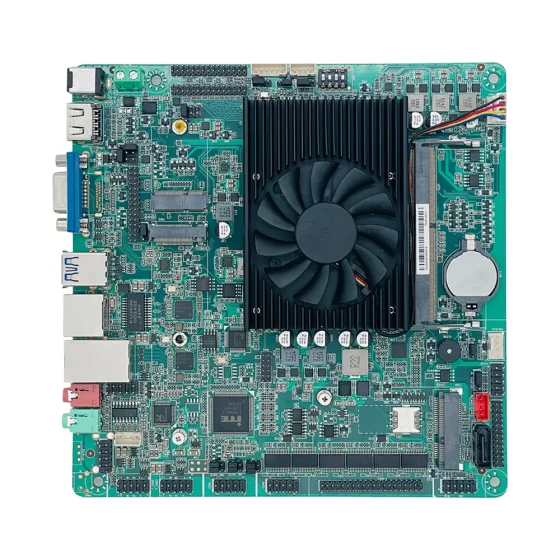
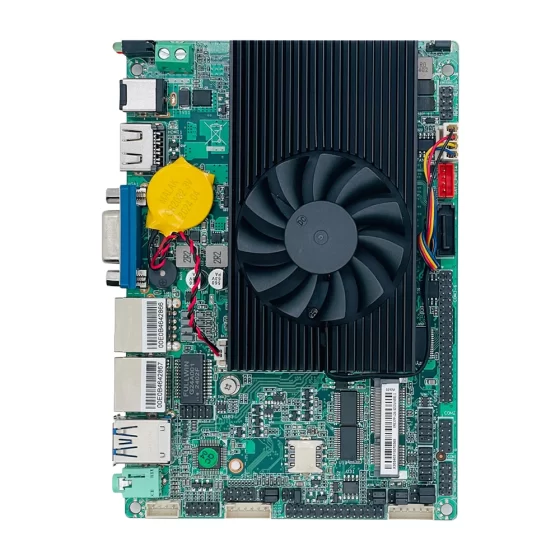
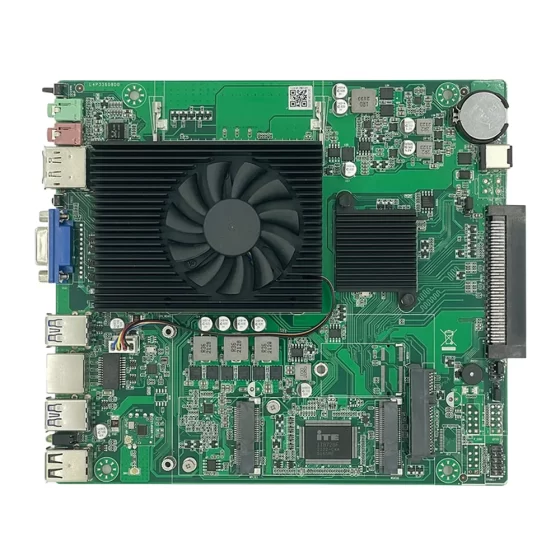
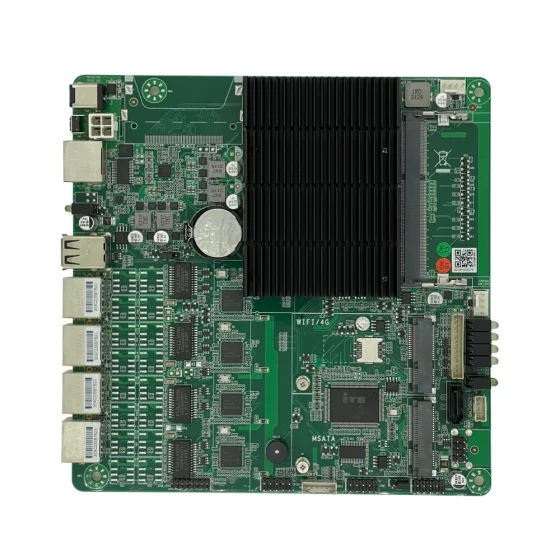
CoreIPC 産業用コンピューティング ソリューション

CNC装置用産業用コントローラー: 精密機械自動化のためのCNCコントローラコンピュータ
エグゼクティブサマリー
A cnc controller computer provides the industrial computing foundation for CNC machine control, 動作調整, サーボ通信, スピンドル管理, HMI操作, マシンデータのロギング, リモート診断, とスマートファクトリーの統合.
CNC 装置には正確で再現性のある動きが必要です. フライス盤, ターニングセンター, ボール盤, 研削盤, レーザー切断システム, 彫刻機, ルーティング機器, および多軸マシニング センターはすべて、安定した制御と正確なモーション実行に依存します。.
産業用コンピュータまたは組み込みコンピュータ上に構築された CNC コントローラ プラットフォームは、機械制御ソフトウェアを実行できます。, サーボドライブと通信する, エンコーダと I/O モジュールを接続する, 工具と主軸のデータを管理する, サポートオペレーターインターフェース, 加工記録を保存する, MESとの情報交換, スカダ, 品質システム, または産業用IoTプラットフォーム.
標準的なオフィス PC または民生用組み込みボードとの比較, 産業用コンピュータは頑丈な構造をサポートしているため、CNC 装置に適しています。, 安定した電力入力, 拡張性, 信頼できるストレージ, 複数のLANポート, シリアル通信, GPIO, ファンレス設計オプション, 長いライフサイクルの可用性.
This article explains how CNC controller computer platforms support precision machine automation, what challenges appear in CNC equipment deployment, ソリューション アーキテクチャの仕組み, and which hardware features matter when selecting an industrial computer or embedded computer for CNC machine control applications.

CNC Controller Computer Machine Deployment
業界の概要
CNC Equipment Requires Stable Industrial Control
CNC equipment is used in manufacturing environments where precision, repeatability, and productivity are critical.
These machines may process metal, プラスチック, wood, composite materials, electronic components, molds, ツール, mechanical parts, medical components, automotive parts, and aerospace components.
Common CNC equipment includes:
- CNC milling machines
- CNC turning centers
- CNC drilling machines
- CNC grinding machines
- CNC routers
- CNC laser cutting machines
- CNC engraving systems
- CNC plasma cutting machines
- Multi-axis machining centers
- Automated tool-changing machines
- CNC inspection and measurement systems
- Hybrid machining equipment
Each machine depends on coordinated motion, accurate feedback, stable computing, and reliable operator interaction.
A CNC controller computer provides the computing layer that supports these requirements.
CNC Control Is Becoming More Connected
Traditional CNC machines focused mainly on motion execution and operator control.
Modern CNC equipment must do more.
Manufacturers increasingly need CNC machines to connect with production systems, collect machining data, リモート診断をサポート, store process records, monitor tool condition, and provide real-time machine visibility.
A modern CNC controller platform may support:
- 多軸モーション制御
- サーボドライブ通信
- Spindle monitoring
- Tool management
- HMI操作
- Program storage
- Alarm logging
- Machine data collection
- リモートメンテナンス
- Machine vision integration
- MES および SCADA 接続
- 産業用IoTデータ転送
This requires a reliable industrial computing platform rather than a basic PC.
Industrial Computers Support Machine Builder Requirements
CNC machine builders need hardware that can be deployed repeatedly across machine models and customer sites.
The computing platform must support stable software images, compatible drivers, 産業用インターフェース, long lifecycle supply, and serviceable hardware design.
Industrial computers and embedded computers help machine builders create CNC controller systems that are easier to integrate, サポート, and maintain.
They also support OEM customization when machines require special I/O, 複数のLANポート, 追加のシリアルポート, 拡張モジュール, compact enclosures, or specific mounting designs.

CNC Controller Computer Deployment Challenges
主要な課題
Maintaining Precision Motion Control
CNC equipment depends on accurate motion.
If the controller is unstable, 機械に位置エラーが発生する可能性があります, poor surface finish, tool path deviation, 振動, or inconsistent machining quality.
Important motion-related requirements include:
- 軸数
- 制御サイクルタイム
- サーボ更新レート
- エンコーダフィードバック
- Spindle control
- Motion software support
- Fieldbus communication
- I/O応答時間
- CPUワークロード
- オペレーティング システムの構成
The CNC controller computer must be selected and validated according to real machine control requirements.
Coordinating Multiple Axes and Spindles
CNC machines may use multiple axes and coordinated movement.
A basic CNC machine may use three axes. More advanced systems may use four-axis, five-axis, gantry, dual-spindle, tool-changing, or synchronized rotary-axis configurations.
The controller may need to coordinate:
- X-axis movement
- Y-axis movement
- Z-axis movement
- 回転軸
- Spindle control
- Tool changers
- Coolant systems
- Workholding devices
- コンベヤ
- Probing systems
- 安全装置
- Machine vision triggers
As machine complexity increases, コンピューティングパフォーマンス, communication stability, and expansion capability become more important.
Integrating Drives, I/O, and Machine Devices
A CNC controller platform must connect many machine components.
これらには以下が含まれる場合があります:
- サーボドライブ
- ステッパードライバー
- エンコーダ
- Spindle drives
- PLC
- I/Oモジュール
- Limit switches
- Tool changers
- Probing sensors
- HMI
- 安全装置
- 産業用カメラ
- Network switches
- Data collection systems
Different machine architectures may require Ethernet, USB, RS232, RS485, GPIO, デジタルI/O, PCIeの拡張, or industrial Ethernet interfaces.
Flexible industrial connectivity reduces integration complexity.
Managing Electrical Noise and Machine Vibration
CNC equipment often contains motors, ドライブ, 電源, リレー, spindle systems, and high-current components.
These can generate electrical noise and mechanical vibration.
The controller computer must remain stable in this environment.
Industrial-grade hardware helps improve reliability through rugged enclosure design, 確実な取り付け, 信頼できるストレージ, 安定した電力入力, ファンレス動作オプション, and long-term thermal stability.
The final cabinet design should also consider grounding, ケーブルルーティング, 気流, and separation between signal wiring and power wiring.
Supporting Operator Interface and Machine Usability
CNC machines require clear operator interaction.
Operators may need to load programs, パラメータを調整する, monitor tool status, アラームを確認する, view coordinates, レシピを管理する, and inspect machine status.
The controller computer may run or support HMI software.
Stable display output, 応答性の高い操作, 信頼できるストレージ, and consistent software performance are important for operator confidence and machine usability.
Connecting CNC Machines with Factory Systems
CNC machines should not remain isolated.
Manufacturers may need to collect machine status, machining records, tool usage, アラーム, cycle times, part counts, エネルギーデータ, メンテナンス情報なども.
A CNC controller computer can help connect the machine with:
- MES
- スカダ
- ERP
- 高品質のデータベース
- 産業用IoTプラットフォーム
- ローカルダッシュボード
- メンテナンス体制
- クラウド監視プラットフォーム
- トレーサビリティシステム
This connectivity improves production visibility and supports smart manufacturing.

CNC Controller Computer Solution Architecture
CNC Controller Computer Solution Architecture
CNC Machine Device Layer
The machine device layer includes the physical components of the CNC equipment.
この層には以下が含まれる場合があります:
- サーボモーター
- サーボドライブ
- ステッピングモーター
- Spindle drives
- エンコーダ
- Linear guides
- Rotary tables
- Tool changers
- Coolant systems
- Probing sensors
- Limit switches
- 安全装置
- 産業用カメラ
これらのデバイスは動きを生成します, フィードバック, status signals, およびプロセス情報.
CNC Controller Computer Layer
The CNC controller computer layer is the core computing platform.
この層では, 産業用コンピュータまたは組み込みコンピュータは、:
- Run CNC control software
- Coordinate axis movement
- Communicate with servo drives
- Manage spindle control
- Process feedback data
- Handle machine I/O
- HMI操作をサポート
- Store CNC programs
- Log machine events
- 工場システムにデータを送信する
This layer provides the computing foundation for precise machine operation.
Motion and Communication Layer
The motion and communication layer connects the controller with drives, I/Oモジュール, センサー, およびマシンネットワーク.
含まれる場合があります:
- EtherCAT
- プロフィネット
- イーサネット/IP
- CANopen
- Modbus
- RS232
- RS485
- デジタル I/O
- アナログI/O
- PCIe モーション カード
- 産業用イーサネットスイッチ
The exact communication design depends on the CNC control software, drive system, axis count, とマシンのアーキテクチャ.
HMI and Operator Layer
The HMI layer supports operator interaction.
含まれる場合があります:
- Touchscreen panel
- Local monitor
- Keyboard and mouse
- Machine operation panel
- Alarm display
- Program management screen
- Tool management interface
- Maintenance interface
- Production status dashboard
The CNC controller computer may directly drive the HMI or communicate with a separate operator panel.
Data Integration Layer
The data integration layer connects CNC equipment with factory software.
The controller may send structured data to:
- MES
- スカダ
- ERP
- 高品質のデータベース
- 産業用IoTプラットフォーム
- Local production dashboards
- メンテナンス体制
- Tool management systems
- クラウド監視システム
This layer helps CNC machines become part of the connected factory data environment.
セキュリティおよび管理層
The security and management layer supports long-term system stability.
含まれる場合があります:
- ユーザー権限
- ネットワークのセグメンテーション
- 安全なリモートアクセス
- ローカルロギング
- 構成のバックアップ
- ストレージの監視
- デバイスの健全性監視
- リモート診断
- ソフトウェア更新管理
These functions help machine builders and end users maintain CNC equipment efficiently.
主な特長
Real-Time CNC Control Support
A CNC controller computer must support stable machine control.
ハードウェアの選択は次の点を考慮する必要があります:
- CPU性能
- メモリ容量
- Motion control software support
- 産業用イーサネットのパフォーマンス
- Fieldbus compatibility
- I/O応答時間
- PCIeの拡張
- オペレーティング システムのサポート
- 熱安定性
- 長時間にわたる操作
The system should be validated with real servo drives, real axis count, real machine cycles, and real machining programs.
Multi-Axis Motion Capability
CNC equipment may require coordinated movement across multiple axes.
The controller platform should support the required axis count and motion complexity.
It may need to coordinate linear axes, rotary axes, spindles, tool changers, probes, and auxiliary systems.
For advanced CNC machines, expansion capability may be required for motion cards, additional network ports, fieldbus modules, or specialized I/O.
柔軟な産業用 I/O
CNC machines require practical industrial interfaces.
便利なオプションとしては、次のようなものがあります。:
- LAN
- USB
- RS232
- RS485
- GPIO
- デジタル入力
- デジタル出力
- HDMI
- ディスプレイポート
- M.2
- PCIe
- SATA または NVMe ストレージ
GPIO とデジタル I/O はトリガーをサポートできます, アラーム, limit switches, and machine status signals. Serial ports can support legacy equipment. PCIe and M.2 can support expansion modules.
マルチLANネットワーク設計
複数の LAN ポートにより通信パスを分離できます.
A CNC controller computer may use separate networks for:
- モーションネットワーク
- Servo drive network
- PLCネットワーク
- HMI network
- 工場ITネットワーク
- Machine vision network
- リモートメンテナンスネットワーク
- 産業用IoTネットワーク
Network separation improves stability and helps prevent non-control traffic from affecting CNC communication.
HMI とディスプレイのサポート
Operator interface is important for CNC usability.
コンピュータは安定したディスプレイ出力をサポートしている必要があります, 応答性の高い操作, and compatibility with machine software.
Display outputs such as HDMI or DisplayPort can support operator screens.
機械メーカー向け, consistent HMI behavior helps reduce training time and service issues.
Local Storage and Program Management
CNC machines require reliable storage for programs, parameters, ログ, machine settings, ツールデータ, アラーム, 診断ファイル, and backup records.
SSD または NVMe ストレージは、機械式ドライブよりも高速アクセスと優れた耐衝撃性を備えているため、一般的に好まれます。.
ストレージ設計で考慮すべきこと:
- CNC program files
- Machine parameters
- Tool data
- アラーム履歴
- メンテナンスログ
- 製作実績
- 構成のバックアップ
- Software recovery workflow
Reliable storage improves maintainability and production continuity.
Machine Vision and Probing Integration
Some CNC equipment uses cameras or probing systems for alignment, 検査, tool measurement, and process verification.
The CNC controller computer may connect cameras, probes, センサー, 照明コントローラー, およびトリガー信号.
It may process local inspection data or send results to quality systems.
This improves machining accuracy, setup efficiency, と生産トレーサビリティ.
堅牢なファンレス設計
CNC machine environments can be dusty, 振動しやすい, and electrically noisy.
ファンレス産業用コンピューターは粉塵の侵入を減らし、一般的な機械的故障点を 1 つ除去します。.
頑丈なエンクロージャが振動から保護します, ケーブルストレス, キャビネット設置への影響, そして連続運転.
Thermal design should be validated under real machine workloads, especially when the controller runs HMI software, データロギング, マシンビジョン, and remote diagnostics.
長いライフサイクルの可用性
CNC machines are long-life equipment.
The controller platform may remain in service for many years.
長いライフサイクルの可用性がソフトウェア イメージの維持に役立ちます, モーションドライバー, フィールドバスの互換性, スペアパーツ, および検証手順.
This is important for CNC machine builders, retrofit providers, and manufacturers with multiple machines.

CNC Machine Monitoring Operations
導入シナリオ
CNC Milling Machine Control
CNC milling machines require precise axis movement, スピンドル制御, tool management, and operator interface.
A CNC controller computer can run control software, ドライブと通信する, ストアプログラム, display HMI screens, and connect to factory systems.
This supports stable and connected machining operations.
CNC Turning Center Control
Turning centers require stable spindle coordination, axis control, tool turret management, およびプロセス監視.
An embedded computer can support controller software, マシンデータのロギング, alarm review, and remote diagnostics.
This improves serviceability and production visibility.
Multi-Axis Machining Center
Advanced machining centers may require four-axis or five-axis coordination.
The controller computer must support precise motion control, feedback processing, HMI機能, そして機械通信.
Reliable hardware helps support complex machining cycles.
CNC Router and Engraving Equipment
Routers and engraving systems are used for wood, プラスチック, metal, composites, and signage materials.
A compact embedded computer can provide machine control, program storage, オペレーターインターフェース, and remote support.
This supports OEM equipment design and repeatable deployment.
CNC Laser Cutting and Marking
Laser cutting and marking systems require synchronized motion, process control, 安全監視, データロギングと.
The controller computer can coordinate axes, センサーデータを収集する, HMI操作をサポート, and store production records.
This improves process visibility.
CNC Retrofit Controller
Older CNC machines may need updated control systems.
An industrial computer can support retrofit projects by providing modern computing, HMIソフトウェア, データ収集, リモート診断, および工場接続.
The final retrofit design should be matched to the machine hardware and safety requirements.
CNC Machine Data Collection
Manufacturers may deploy industrial computers to collect data from existing CNC machines.
The platform can gather machine status, アラーム, サイクル数, program information, およびメンテナンスデータ.
This supports smart factory upgrades without replacing every machine.
OEM CNC Controller Platform
CNC equipment builders can integrate industrial computers or embedded boards into custom controller products.
The platform can support CNC software, motion communication, HMI, データロギング, リモート診断, および顧客固有の I/O.
This helps create scalable and repeatable CNC equipment platforms.
ビジネス上のメリット
Improved Machine Control Reliability
A CNC controller computer provides stable computing for machine control, HMI操作, drive communication, データ処理と.
Industrial-grade hardware helps reduce instability in demanding machine environments.
This supports reliable machining operations.
本番環境の可視性の向上
The controller can collect machine status, program records, アラーム, サイクルデータ, ツール情報, and maintenance logs.
This data can be sent to MES, スカダ, ダッシュボード, または産業用IoTプラットフォーム.
Better visibility helps production teams improve scheduling, トラブルシューティング, and utilization.
Stronger Machine Traceability
CNC production may require records for programs, ツール, 演算子, 部品, バッチ, 検査結果, and machine conditions.
A controller computer can help store and forward these records.
This supports quality management and process improvement.
Easier Remote Diagnostics
Machine builders and maintenance teams often need to troubleshoot CNC equipment remotely.
The controller computer can support secure remote access, ログレビュー, 構成のバックアップ, and machine health monitoring.
This reduces service time and improves customer support.
ダウンタイムのリスクの軽減
Industrial computers provide rugged hardware for continuous CNC operation.
ファンレス設計オプション, 信頼できるストレージ, 確実な取り付け, 安定した電力入力, and long lifecycle availability help reduce failure risk.
This supports long-term machine uptime.
Scalable CNC Equipment Development
A standardized CNC controller computer platform helps machine builders deploy similar systems across multiple machine models.
一貫したハードウェアによりソフトウェア イメージが簡素化されます, ドライバーの検証, スペアパーツの計画, リモートサービスのワークフロー, およびライフサイクル管理.
This supports scalable CNC equipment development.
CoreIPC を選ぶ理由
CoreIPC は産業オートメーション向けの産業用コンピューティング プラットフォームを提供します, モーションコントロール, マシンビジョン, 産業用IoT, エッジAI, および組み込みシステムの統合. For cnc controller computer applications, CoreIPC は信頼性の高い産業用コンピューター ハードウェアに重点を置いています, 組み込みコンピュータソリューション, 柔軟な I/O, マルチLAN構成, 拡張性, コンパクトなシステム設計, ファンレス導入オプション, ローカルストレージ機能, OEM/ODMカスタマイズサポート. CoreIPC helps CNC equipment builders, システムインテグレーター, そしてメーカーは実際の導入要件に適合するコンピューティング プラットフォームを選択します, 軸数を含む, モーションソフトウェア, fieldbus support, HMI ワークロード, ストレージのニーズ, 取り付け方法, 電源入力, 熱条件, およびライフサイクル計画.
よくある質問
1. What is a CNC controller computer?
A CNC controller computer is an industrial computing platform used to support CNC machine control, 動作調整, HMI操作, program storage, マシンデータのロギング, 工場システムの接続性.
It may communicate with servo drives, エンコーダ, PLC, I/Oモジュール, spindle drives, センサー, and machine software.
2. Why use an industrial computer for CNC equipment?
産業用コンピュータは、機械環境に堅牢なハードウェアと柔軟な接続を提供します。.
複数のLANポートをサポートできます, USB, シリアル通信, GPIO, PCIeの拡張, 信頼できるストレージ, ファンレス動作, 工業用取り付け, 安定した電力入力, 長いライフサイクルの可用性.
These features make it suitable for CNC controller deployment.
3. How is an embedded computer used in CNC machines?
An embedded computer can be installed inside a CNC machine cabinet or compact controller enclosure.
制御ソフトウェアを実行できる, HMI機能をサポート, connect drives and I/O modules, store CNC programs, collect machine data, 構造化された情報を MES に送信します, スカダ, または産業用IoTプラットフォーム.
4. What CNC equipment can use an industrial controller?
Industrial controller platforms can be used in CNC milling machines, ターニングセンター, ルーター, 彫刻機, laser cutting machines, plasma cutters, 研削盤, ボール盤, and multi-axis machining centers.
最終的なプラットフォームは軸数によって異なります, motion requirements, ソフトウェア, and communication interfaces.
5. What hardware features matter for CNC controller computers?
重要な機能には十分な CPU パフォーマンスが含まれます, 信頼できる記憶力, 複数のLANポート, USB, RS232, RS485, GPIO, デジタルI/O, PCIeの拡張, SSDまたはNVMeストレージ, 頑丈な筐体, ファンレス設計オプション, 産業用電力入力, およびディスプレイ出力.
The configuration should match the CNC machine architecture.
6. Why are multiple LAN ports useful in CNC controllers?
複数の LAN ポートがモーション通信の分離に役立ちます, servo drive networks, HMI traffic, machine vision networks, 工場IT, 産業用IoT, およびリモート メンテナンス アクセス.
This improves traffic organization and reduces the chance that non-control traffic affects machine operation.
7. Can CNC controller computers support machine vision?
はい. CNC controller computers can support cameras, probes, 照明コントローラー, センサー, および検査システム.
They can help with alignment, tool measurement, process verification, 品質検査, and traceability depending on software and hardware requirements.
8. Can fanless industrial computers support CNC applications?
はい. Fanless industrial computers can support many CNC applications because they reduce dust intake and remove one mechanical failure point.
しかし, thermal design should be validated when the system handles motion control, HMI操作, データロギング, マシンビジョン, and continuous production workloads.
9. Can CNC controller computers connect to MES or SCADA?
はい. A CNC controller computer can send machine status, アラーム, サイクル記録, program data, ツール情報, 生産数, MESへのメンテナンスログ, スカダ, ローカルダッシュボード, または産業用IoTプラットフォーム.
This supports smart manufacturing and machine visibility.
10. 導入前にテストすべきこと?
導入前, the platform should be tested with real CNC control software, サーボドライブ, エンコーダ, spindle systems, I/Oモジュール, HMI screens, machine programs, ネットワークトポロジー, 保管動作, 長時間にわたる運用.
熱安定性, 通信遅延, 回復行動, リモート診断, バックアップ手順, 工場システムの統合も検証する必要があります.
結論
A cnc controller computer is a practical foundation for CNC equipment control, precision motion automation, HMI操作, program management, サーボ通信, spindle monitoring, マシンデータ収集, リモート診断, 工場システムの接続性.
By placing an industrial computer or embedded computer inside the CNC machine platform, machine builders and manufacturers can connect servo drives, エンコーダ, spindle systems, PLC, I/Oモジュール, センサー, HMI, machine vision devices, MESプラットフォーム, SCADAシステム, 信頼性が高く制御された通信パスを介した産業用 IoT ダッシュボード.
The right CNC controller computer should be selected according to real deployment requirements, 軸数を含む, モーションソフトウェア, フィールドバス通信, スピンドル制御, I/O要件, HMI ワークロード, ストレージ構成, LANポート設計, 取付方法, 電源入力, 熱条件, オペレーティング システムのサポート, およびライフサイクル計画.
CoreIPC supports CNC controller computer projects with industrial computing platforms designed for practical machine-side, キャビネット, 工場, retrofit, およびOEM展開. 適切なハードウェア基盤があれば, CNC equipment builders and manufacturers can build reliable, スケーラブルな, and connected precision machine platforms.
お問い合わせ
産業用コンピュータを探しています, 組み込みコンピュータ, or compact IPC platform for CNC equipment deployment?
プロジェクトの要件については、CoreIPC にお問い合わせください。, 軸数を含む, CNC software, サーボ通信, fieldbus support, HMI ワークロード, I/Oインターフェース, LANポートの設定, ストレージデザイン, 取付方法, 電源入力, 動作環境, ライフサイクルのニーズ, および OEM/ODM カスタマイズ オプション.