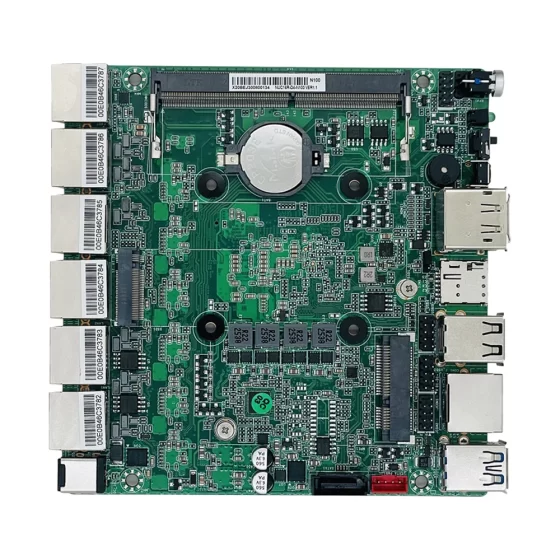
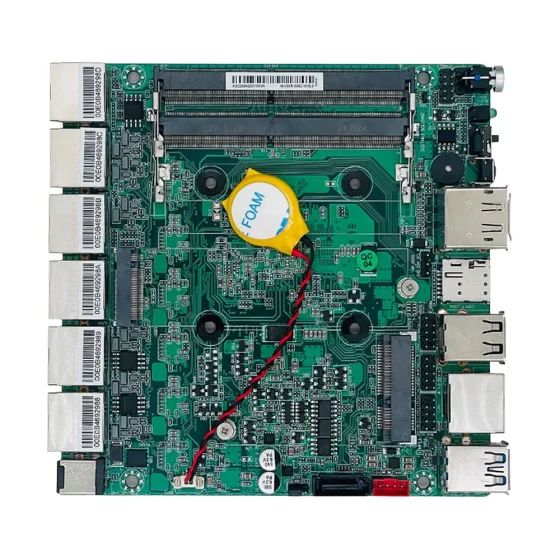
CoreIPC 産業用コンピューティング ソリューション

サーボシステム用組み込みコントローラ: 精密モーションオートメーション用サーボモーターコントローラーIPC
エグゼクティブサマリー
A servo motor controller IPC provides the industrial computing foundation for precise servo control, 多軸調整, モーションフィードバック処理, リアルタイムオートメーション, 機械制御, ロボット工学の統合, スマートファクトリー接続.
サーボシステムは正確な位置を必要とする機械に広く使用されています, スピード, トルク, とモーションの同期. これらのシステムは CNC マシンに搭載されています, ロボットワークセル, 包装装置, 半導体ツール, 電子機器アセンブリ, 自動試験装置, 検査機, 印刷システム, 繊維機械, レーザー加工装置, およびマテリアルハンドリングシステム.
産業用コンピュータまたは組み込みコンピュータ上に構築されたサーボ モータ コントローラ IPC は、サーボ ドライブを接続できます。, エンコーダ, PLC, I/Oモジュール, モーションカード, センサー, HMI, 産業用カメラ, および工場出荷時のソフトウェア システム. モーションコントロールソフトウェアを実行できます, プロセスフィードバックデータ, マシンロジックを管理する, 操作記録を保存する, MESとの情報交換, スカダ, 産業用IoTプラットフォーム, またはローカルダッシュボード.
標準的なオフィス PC または民生用組み込みボードとの比較, industrial computers provide a more reliable hardware foundation for servo system deployment. 頑丈な筐体をサポートします, 安定した電力入力, 柔軟な I/O, 拡張インターフェース, ローカルストレージ, ファンレス動作オプション, 工業用取り付け, 長いライフサイクルの可用性.
This article explains how embedded controllers support servo systems, what deployment challenges appear in precision motion applications, ソリューション アーキテクチャの仕組み, and which hardware features matter when selecting an industrial computer or embedded computer for servo motor controller IPC deployment.

Servo controller IPC platforms coordinate motors, エンコーダ, PLC信号, コンベア, カメラ, and precision machine movement.
業界の概要
Servo Systems Are Essential for Precision Machines
Servo systems are used when machines need accurate and repeatable motion.
Unlike simple motor control, servo control uses feedback from encoders or sensors to adjust movement continuously. This allows machines to control position, スピード, acceleration, トルク, and synchronization more accurately.
Servo systems are common in:
- CNCマシン
- ピックアンドプレイスマシン
- ロボットアーム
- Packaging lines
- 半導体装置
- Electronics assembly machines
- Printing equipment
- Laser cutting and welding systems
- Automated inspection machines
- Medical device manufacturing equipment
- マテリアルハンドリングシステム
- Test and measurement machines
These applications depend on stable computing and reliable communication between controllers, ドライブ, モーター, センサー, and machine software.
Servo Control Is Becoming More Integrated
Traditional servo systems often used dedicated motion controllers and PLCs.
Modern machine platforms increasingly combine servo control with HMI software, マシンビジョン, データロギング, リモート診断, レシピ管理, および工場接続.
A single machine may need to support:
- Multi-axis motion
- サーボドライブ通信
- エンコーダフィードバック
- PLCの統合
- Vision-triggered motion
- Real-time I/O
- Alarm monitoring
- Production data collection
- リモートメンテナンス
- MESまたはSCADA接続
- 産業用IoTデータ転送
An embedded controller provides a compact computing layer that brings these functions together.
Industrial Computing Supports Machine-Side Deployment
Servo control hardware is often deployed inside machine cabinets or near production equipment.
これらの環境には振動が含まれる可能性があります, 熱, ほこり, 電気ノイズ, ケーブルストレス, 限られた空気の流れ, そして連続運転.
産業用コンピュータと組み込みコンピュータは、これらの条件に必要なハードウェアの信頼性を提供します.
They help machine builders create repeatable platforms for servo control, 機械の自動化, data integration, and long-term product support.

Servo wiring, encoder signals, 軸調整, 電気ノイズ, thermal load, and vision triggers affect servo controller deployment.
主要な課題
Maintaining Motion Accuracy
Servo systems require accurate control.
Position error, timing instability, communication delay, or feedback signal problems can affect machine quality and repeatability.
A servo motor controller IPC must support stable processing and reliable communication.
Important accuracy-related factors include:
- 制御サイクルタイム
- 軸数
- サーボ更新レート
- エンコーダフィードバック
- モーション ソフトウェア要件
- 産業用イーサネットのパフォーマンス
- I/O応答時間
- CPUワークロード
- System latency
- ネットワークトラフィックの分離
The platform should be selected and validated according to real machine motion requirements.
Coordinating Multiple Servo Axes
Many machines use more than one servo axis.
A gantry system may require synchronized X, Y, and Z axes. A packaging machine may coordinate conveyors, フィーダー, シーリングツール, and cutting mechanisms. A robot workcell may coordinate robot movement with external servo stages.
The embedded controller may need to coordinate:
- Linear servo axes
- Rotary servo axes
- スピンドル
- コンベヤ
- Pick-and-place heads
- ガントリーシステム
- ツールアクチュエーター
- ロボットコントローラー
- カメラトリガー
- 安全装置
As axis count increases, コンピューティングパフォーマンス, communication stability, and expansion capability become more important.
Integrating Drives, PLC, and Feedback Devices
A servo system is not only a motor and controller.
It may include servo drives, エンコーダ, PLC, I/Oモジュール, モーションカード, センサー, HMI, 産業用スイッチ, 安全装置, および工場システム.
The embedded controller must support the required interfaces and software stack.
Common integration needs include:
- サーボドライブ通信
- Encoder feedback handling
- PLC信号交換
- Digital I/O control
- Analog signal processing
- Fieldbus communication
- HMI display output
- マシンビジョンの同期
- Alarm logging
- リモート診断
Flexible hardware reduces integration complexity.
Managing Electrical Noise
Servo systems often operate near drives, モーター, リレー, 電源, and high-current equipment.
These components can generate electrical noise.
A standard PC may become unstable in this environment.
Industrial-grade hardware helps improve reliability through rugged design, proper grounding, 安定した電力入力, 信頼できるストレージ, and secure mechanical installation.
Cable routing and cabinet design are also important.
The IPC should be installed with attention to separation between power wiring, signal wiring, およびネットワーク通信.
Combining Servo Control with Machine Vision
Many precision machines now use machine vision.
Vision may support alignment, 検査, ラベルの読み取り, パーツの位置決め, ロボット誘導, そして欠陥検出.
The embedded controller may need to synchronize motion and image capture.
This creates additional requirements for:
- カメラインターフェース
- トリガー信号
- 照明制御
- Image storage
- Vision software support
- Data processing performance
- Result communication
- Factory data integration
Servo control and vision processing should be designed together, not as separate systems.
Supporting Long Machine Lifecycle
Servo control machines may remain in operation for many years.
Frequent hardware changes can create problems with motion drivers, オペレーティングシステム, フィールドバスカード, vision SDKs, I/Oモジュール, およびマシンソフトウェアの検証.
Industrial computers with lifecycle planning help machine builders maintain consistent platforms across multiple equipment generations.
This reduces redesign work and improves maintainability.

Servo controller IPC systems connect motion devices, PLC, カメラ, HMI, ロボット, 工場出荷時のソフトウェア, and quality platforms.
Servo Motor Controller IPC Solution Architecture
Servo Device Layer
The servo device layer includes the motion components that perform machine movement.
この層には以下が含まれる場合があります:
- サーボモーター
- サーボドライブ
- エンコーダ
- リニアステージ
- 回転ステージ
- ガントリーシステム
- スピンドル
- コンベヤ
- アクチュエーター
- モーションセンサー
- Limit switches
- 安全センサー
These devices generate movement and feedback for precision automation.
The embedded controller coordinates their operation through motion software and communication interfaces.
組み込みコントローラ層
The embedded controller layer is the core computing platform.
この層では, 産業用コンピュータまたは組み込みコンピュータは、:
- モーションコントロールソフトウェアを実行する
- Coordinate servo axes
- Communicate with servo drives
- Process feedback data
- Handle I/O signals
- カメラをトリガーする
- Display HMI screens
- Store machine logs
- レシピを管理する
- 工場システムにデータを送信する
This layer provides the computing foundation for servo system control and machine integration.
Motion Communication Layer
The communication layer connects the controller with drives, PLC, I/O devices, およびマシンネットワーク.
含まれる場合があります:
- EtherCAT
- プロフィネット
- イーサネット/IP
- CANopen
- Modbus
- RS232
- RS485
- デジタル I/O
- アナログI/O
- PCIe モーション カード
- 産業用イーサネットスイッチ
The exact communication design depends on the machine architecture, servo drive system, and motion software.
ビジョンとセンサーの統合レイヤー
Servo systems often use external sensors and vision systems.
この層には以下が含まれる場合があります:
- 産業用カメラ
- 3Dカメラ
- 照明コントローラー
- バーコードリーダー
- トリガーセンサー
- 近接センサー
- 力センサー
- 温度センサー
- 振動センサー
The embedded controller can process sensor data locally and coordinate results with motion control.
This improves machine accuracy and process visibility.
ファクトリーソフトウェア統合レイヤー
Servo systems may need to connect with higher-level factory platforms.
これらには以下が含まれる場合があります:
- MES
- スカダ
- ERP
- 高品質のデータベース
- 産業用IoTプラットフォーム
- ローカルダッシュボード
- メンテナンス体制
- クラウド監視システム
- トレーサビリティプラットフォーム
This integration allows machine data, 動作ステータス, アラーム, レシピ, and inspection results to become part of the factory data infrastructure.
セキュリティおよび管理層
Servo controller platforms must be maintainable and protected.
この層には以下が含まれる場合があります:
- ユーザー権限
- ネットワークのセグメンテーション
- 安全なリモートアクセス
- ローカルロギング
- 構成のバックアップ
- ストレージの監視
- システムの健全性の監視
- リモート診断
- ソフトウェア更新管理
These functions help support long-term machine operation and serviceability.
主な特長
Real-Time Servo Control Support
A servo motor controller IPC should support stable control performance.
ハードウェアの選択は次の点を考慮する必要があります:
- CPU性能
- メモリ容量
- Motion software support
- 産業用イーサネットのサポート
- Fieldbus compatibility
- I/O応答時間
- PCIeの拡張
- オペレーティング システムのサポート
- 熱安定性
- 長時間にわたる操作
Precision machines should always be tested with real servo drives, real axis count, and real cycle time requirements.
Multi-Axis Motion Coordination
Many servo systems require synchronized motion.
The controller may coordinate multiple axes, コンベア, spindles, robot interfaces, and external actuators.
The platform must provide enough processing performance and communication stability for the required motion workload.
For complex machines, expansion interfaces may also be needed for motion cards, fieldbus modules, or additional network ports.
柔軟な産業用 I/O
Servo systems need practical I/O.
便利なインターフェースには次のものがあります。:
- LAN
- USB
- RS232
- RS485
- GPIO
- デジタル入力
- デジタル出力
- HDMI
- ディスプレイポート
- M.2
- PCIe
- SATA または NVMe ストレージ
GPIO とデジタル I/O はトリガーをサポートできます, アラーム, limit switches, and machine status signals. シリアルポートはレガシーデバイスをサポートできます. PCIe and M.2 can support additional functions.
マルチLANネットワーク設計
Multiple LAN ports help separate different traffic types.
A servo controller IPC may use separate networks for:
- モーションネットワーク
- Servo drive network
- PLCネットワーク
- カメラネットワーク
- 工場ITネットワーク
- 産業用IoTネットワーク
- リモートメンテナンスネットワーク
- ローカル管理ネットワーク
Network separation improves stability and prevents non-critical traffic from affecting motion communication.
Vision Synchronization Capability
Servo systems often need synchronized motion and image capture.
The embedded controller may receive trigger signals, 照明を制御する, collect images, 処理結果, and send feedback to the control system.
これは重要です:
- 位置合わせ
- 測定
- 検査
- ラベルの読み取り
- 欠陥検出
- 部品の位置決め
- ロボット誘導
- Process verification
カメラインターフェース, ストレージ速度, and trigger timing should be reviewed carefully.
信頼性の高いローカルストレージ
Servo machines may store software, machine recipes, motion parameters, ログ, アラーム, 検査画像, および診断ファイル.
SSD または NVMe ストレージは、機械式ドライブよりも高速アクセスと優れた耐衝撃性を備えているため、一般的に好まれます。.
ストレージ計画で考慮すべきこと:
- レシピデータ
- Motion logs
- アラーム履歴
- 検査記録
- 構成のバックアップ
- 書き込み耐久性
- リカバリワークフロー
- Software update process
Reliable storage improves serviceability and production traceability.
堅牢なファンレス設計
Servo control environments can be dusty, 振動しやすい, and electrically noisy.
ファンレス産業用コンピューターは粉塵の侵入を減らし、機械的な故障点を 1 つ除去します。.
頑丈なエンクロージャが振動から保護します, ケーブルストレス, キャビネット設置への影響, そして連続運転.
Thermal design should still be validated, especially when the controller handles motion software, 視覚処理, HMI機能, and data logging at the same time.
長いライフサイクルの可用性
Machine builders often need stable hardware for many years.
Long lifecycle availability helps maintain motion drivers, ソフトウェアイメージ, フィールドバスの互換性, スペアパーツ, および検証手順.
This is important for OEM equipment, precision machines, and production systems deployed across multiple factories.
導入シナリオ
Servo-Based Packaging Machine
Packaging machines often use servo motors for feeding, 切断, 封印, ラベリング, and positioning.
A servo motor controller IPC can coordinate axes, handle sensor inputs, HMIデータを表示する, レシピを保存する, and report machine status to factory systems.
This supports flexible packaging formats and reliable production.
CNC and Precision Machine Control
CNC equipment requires precise movement, feedback handling, spindle coordination, and program execution.
An embedded controller can support motion software, drive communication, ローカルストレージ, HMI機能, and machine data logging.
This improves machine connectivity and maintainability.
Pick-and-Place Automation
Pick-and-place systems use servo axes for fast and accurate movement.
The embedded controller can coordinate axes, receive sensor signals, process camera results, and communicate with PLCs or MES systems.
This supports high-speed assembly and material handling.
Electronics Assembly Equipment
Electronics production equipment often requires precise positioning, 検査, 調剤, テスト, and component handling.
A servo controller IPC can support multi-axis motion, 視覚同期, レシピ管理, and quality data logging.
This improves production repeatability.
Robotic Workcell Integration
Servo systems may be used around robots for conveyors, external axes, 備品, or positioning tables.
The embedded controller can coordinate motion devices with robot controllers, PLC, カメラ, および安全システム.
This improves workcell flexibility.
Laser Processing System
レーザー切断, マーキング, engraving, and welding systems require precise motion and process coordination.
A servo controller IPC can coordinate axes, process sensor data, support vision alignment, レシピを保存する, 工場システムと接続する.
This supports stable process quality.
自動試験装置
Test systems may include servo stages, 備品, カメラ, センサー, and instruments.
An embedded computer can coordinate movement, テストデータを収集する, 記録を保存する, and send results to quality platforms.
これにより、自動化された検査と検証がサポートされます。.
OEM Servo Control Platform
Machine builders can integrate industrial computers or embedded boards into custom servo control equipment.
プラットフォームはモーション ソフトウェアをサポートできます, drive communication, HMI, データロギング, リモート診断, および顧客固有の I/O.
これは、再現可能なマシン プラットフォームの作成に役立ちます.
ビジネス上のメリット
Higher Motion Precision
A servo motor controller IPC provides stable computing and communication for precision motion.
It helps coordinate drives, feedback devices, センサー, and machine software.
This supports better positioning accuracy, repeatability, and product quality.
Better Machine Integration
Modern servo machines include many systems.
An embedded controller helps connect servo drives, PLC, HMI, センサー, カメラ, 工場出荷時のソフトウェア, およびリモートサービスツール.
This reduces integration gaps and improves machine functionality.
生産の可視性の向上
The controller can collect motion status, アラーム, サイクル記録, レシピ, 検査結果, およびメンテナンスデータ.
この情報はMESと共有できます, スカダ, 産業用IoTプラットフォーム, またはローカルダッシュボード.
Better visibility supports troubleshooting and continuous improvement.
ダウンタイムのリスクの軽減
産業用コンピュータは、要求の厳しい機械環境に堅牢なハードウェアを提供します.
ファンレス設計オプション, 信頼できるストレージ, 確実な取り付け, 安定した電力入力, 長いライフサイクルの可用性により、メンテナンスのリスクが軽減されます.
This supports continuous production.
より迅速なマシン開発
A standardized embedded controller platform helps machine builders develop repeatable servo systems.
一貫したハードウェアによりソフトウェア イメージが簡素化されます, ドライバーの検証, フィールドバス構成, HMIの導入, スペアパーツの計画, およびライフサイクル管理.
This reduces engineering workload.
Scalable OEM Deployment
A servo motor controller IPC platform can be deployed across multiple machine models, customer projects, and production sites.
Consistent hardware and flexible I/O support scalable machine development and long-term equipment support.
CoreIPC を選ぶ理由
CoreIPC は産業オートメーション向けの産業用コンピューティング プラットフォームを提供します, モーションコントロール, ロボット工学, マシンビジョン, 産業用IoT, および組み込みシステムの統合. For servo motor controller IPC applications, CoreIPC は信頼性の高い産業用コンピューター ハードウェアに重点を置いています, 組み込みコンピュータソリューション, 柔軟な I/O, マルチLAN構成, 拡張性, コンパクトなシステム設計, ファンレス導入オプション, ローカルストレージ機能, OEM/ODMカスタマイズサポート. CoreIPC は機械製造業者を支援します, システムインテグレーター, そしてメーカーは実際の導入要件に適合するコンピューティング プラットフォームを選択します, 軸数を含む, サーボ通信, fieldbus support, デバイスインターフェース, ストレージのニーズ, 取り付け方法, 電源入力, 熱条件, およびライフサイクル計画.
よくある質問
1. What is a servo motor controller IPC?
A servo motor controller IPC is an industrial computing platform used to support servo motion control, drive communication, feedback processing, I/O処理, HMI機能, データロギング, および工場接続.
モーションコントロールソフトウェアを実行する可能性があります, サーボドライブと通信する, process encoder feedback, PLCを接続する, マシンデータを上位システムと交換します.
2. Why use an industrial computer for servo control?
産業用コンピュータは、機械環境に堅牢なハードウェアと柔軟な接続を提供します。.
複数のLANポートをサポートできます, USB, シリアル通信, GPIO, PCIeの拡張, 信頼できるストレージ, ファンレス動作, 工業用取り付け, 安定した電力入力, 長いライフサイクルの可用性.
These features make it suitable for servo-based automation equipment.
3. How is an embedded computer used in servo systems?
組み込みコンピュータは、機械キャビネットまたはコンパクトな機器筐体内に設置可能.
制御ソフトウェアを実行できる, ドライブと通信する, I/Oモジュールを接続する, センサー信号を処理する, HMIデータを表示する, レシピを保存する, and send machine status to MES, スカダ, または産業用IoTシステム.
4. What applications use servo motor controller IPC platforms?
Applications include packaging machines, CNC装置, ピックアンドプレイスシステム, 電子組立機械, ロボットワークセル, レーザー加工装置, automated inspection machines, 印刷システム, textile machines, および自動試験装置.
最終的なプラットフォームは軸数によって異なります, タイミング要件, communication method, およびソフトウェアスタック.
5. What communication interfaces are used in servo systems?
Servo systems may use industrial Ethernet, フィールドバス通信, PCIe モーション カード, デジタルI/O, アナログI/O, RS232, RS485, および標準イーサネット.
The exact interface depends on servo drives, モーションソフトウェア, machine architecture, and control requirements.
6. Why are multiple LAN ports important for servo controller IPCs?
複数の LAN ポートがモーション通信の分離に役立ちます, servo drive networks, PLCネットワーク, カメラトラフィック, 工場IT, 産業用IoT, およびリモート メンテナンス アクセス.
This improves traffic organization and reduces the risk that non-motion traffic affects control communication.
7. Can servo motor controller IPC systems support machine vision?
はい. Servo motor controller IPC systems can connect cameras, 照明コントローラー, トリガー信号, センサー, および検査ソフトウェア.
モーションと画像キャプチャを同期できます, 結果をローカルで処理する, and send inspection data to PLCs, ロボットコントローラー, MES, または品質システム.
8. What hardware features matter for servo motor controller IPC platforms?
重要な機能には十分な CPU パフォーマンスが含まれます, 信頼できる記憶力, 複数のLANポート, USB, RS232, RS485, GPIO, デジタルI/O, PCIeの拡張, SSDまたはNVMeストレージ, 頑丈な筐体, ファンレス設計オプション, 産業用電力入力, およびディスプレイ出力.
The final configuration should match the servo workload and machine architecture.
9. Can fanless embedded computers support servo control workloads?
はい. Fanless embedded computers can support many servo control workloads because they reduce dust intake and remove one mechanical failure point.
しかし, システムが多数の軸を処理する場合は、熱設計を検証する必要があります, 視覚処理, HMI機能, データロギング, または連続運転.
10. 導入前にテストすべきこと?
導入前, the platform should be tested with real servo drives, モーター, エンコーダ, PLC, モーションソフトウェア, I/Oモジュール, カメラ, センサー, ネットワークトポロジー, 機械のサイクルタイム, 保管動作, 長時間にわたる運用.
熱安定性, 通信遅延, 回復行動, 構成のバックアップ, MES または SCADA との統合も検証する必要があります。.
結論
A servo motor controller ipc is a practical foundation for precision motion automation, servo drive communication, 多軸調整, マシンビジョンの同期, robot workcell integration, HMI操作, データロギング, 工場システムの接続性.
産業用コンピュータまたは組み込みコンピュータを機械プラットフォーム内に配置することによって, 機械製造業者とシステム インテグレーターはサーボ ドライブを接続できます, エンコーダ, PLC, I/Oモジュール, カメラ, センサー, HMI, MESプラットフォーム, SCADAシステム, 信頼性が高く制御された通信パスを介した産業用 IoT ダッシュボード.
The right servo motor controller IPC should be selected according to real deployment requirements, 軸数を含む, 制御サイクルタイム, servo drive communication, fieldbus support, I/O要件, カメラの統合, LANポート設計, ストレージ構成, 取付方法, 電源入力, 熱条件, オペレーティング システムのサポート, およびライフサイクル計画.
CoreIPC supports servo motor controller IPC projects with industrial computing platforms designed for practical machine-side, キャビネット, 工場, およびOEM展開. 適切なハードウェア基盤があれば, 機械ビルダーとメーカーは信頼性の高い製品を構築できます, スケーラブルな, and precise servo control systems.
お問い合わせ
産業用コンピュータを探しています, 組み込みコンピュータ, or compact IPC platform for servo motor controller deployment?
プロジェクトの要件については、CoreIPC にお問い合わせください。, 軸数を含む, サーボ通信, モーションソフトウェア, fieldbus support, I/Oインターフェース, カメラの接続, LANポートの設定, ストレージデザイン, 取付方法, 電源入力, 動作環境, ライフサイクルのニーズ, および OEM/ODM カスタマイズ オプション.