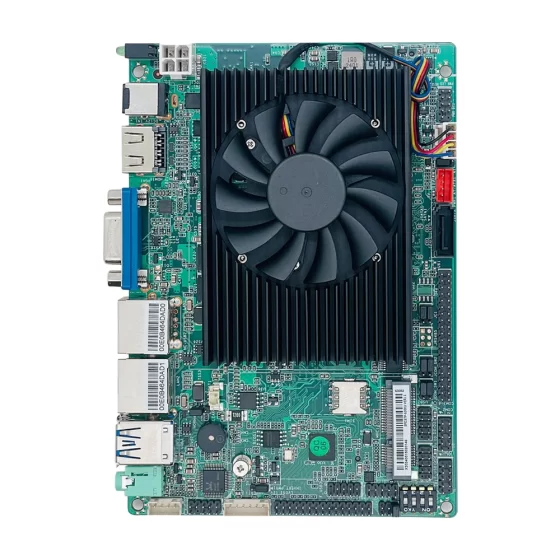
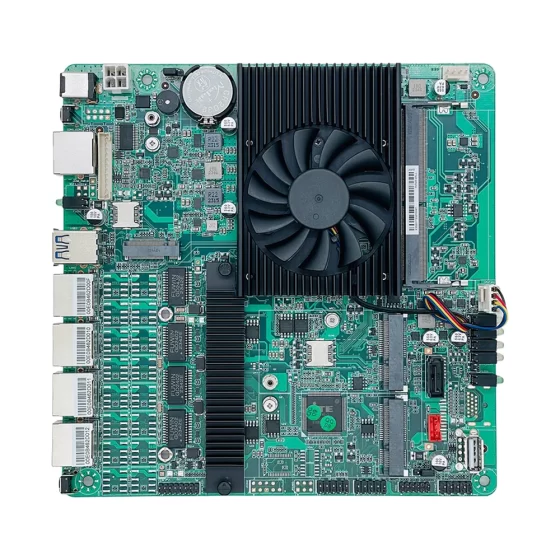
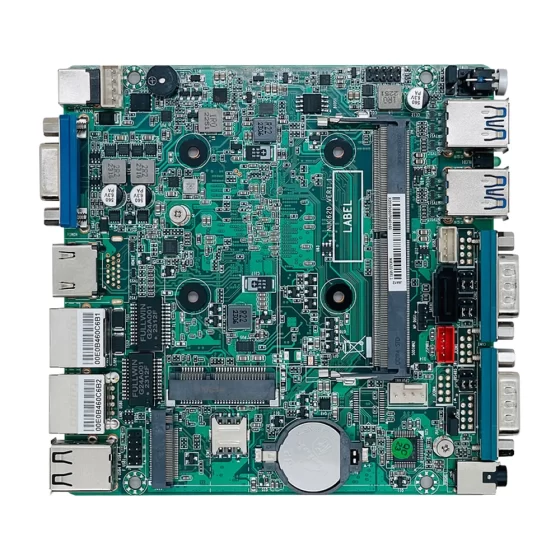
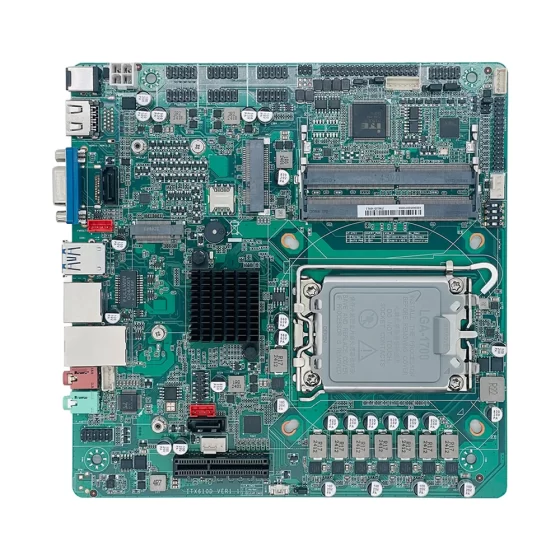
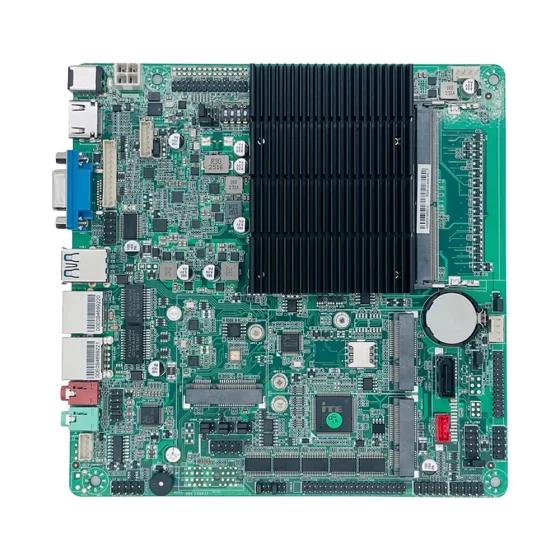
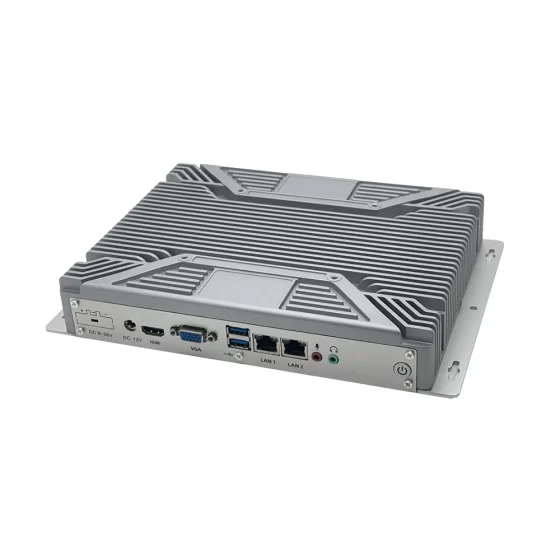
CoreIPC 産業用コンピューティング ソリューション

モーションコントロール用産業用PC: 精密オートメーション向けモーションコントロール産業用PC
エグゼクティブサマリー
モーション コントロール産業用 PC は、正確な軸制御のための産業用コンピューティング基盤を提供します。, サーボ調整, リアルタイムのマシン操作, ロボット工学の統合, CNC装置, 包装機械, マシンビジョンの同期, および高性能自動化システム.
現代の産業機械は正確な動作を必要とします, 安定したタイミング, 確実なコミュニケーション, そして連続運転. 生産設備にはサーボモーターが含まれる場合があります, ステッピングモーター, ドライブ, エンコーダ, PLC, モーションコントローラー, ロボットアーム, リニアステージ, コンベア, ビジョンシステム, センサー, HMI, および工場出荷時のソフトウェアプラットフォーム.
モーション コントロール アプリケーションはタイミングとシステムの安定性に敏感です. 遅れ, 信号を逃した, ネットワーク接続が不安定, または信頼性の低いコンピューティング プラットフォームが測位精度に影響を与える可能性があります, サイクルタイム, 製品の品質, とマシンの稼働時間.
産業用 PC または組み込みコンピュータは、モーション コントロール システムのローカル コンピューティング プラットフォームとして機能できます。. モーションコントロールソフトウェアを実行できます, PLCやサーボドライブと接続, センサー信号を処理する, 産業用イーサネット通信をサポート, 座標視覚検査, 本番データを保存する, MESとの情報交換, スカダ, または産業用IoTプラットフォーム.
一般的なオフィスPCとの比較, 産業用コンピュータは頑丈な構造をサポートしているため、モーション コントロールの導入に適しています。, 信頼性の高い I/O, 拡張オプション, 安定した熱設計, ファンレス動作オプション, ローカルストレージ, 工業用取り付け, 長いライフサイクルの可用性.
この記事では、モーション コントロール産業用 PC システムが高精度オートメーションをどのようにサポートするかについて説明します。, 実際のマシン環境ではどのような導入上の課題が発生するか, ソリューション アーキテクチャの仕組み, モーション コントロール アプリケーション用の産業用コンピュータまたは組み込みコンピュータを選択する際にどのハードウェア機能が重要になるか.
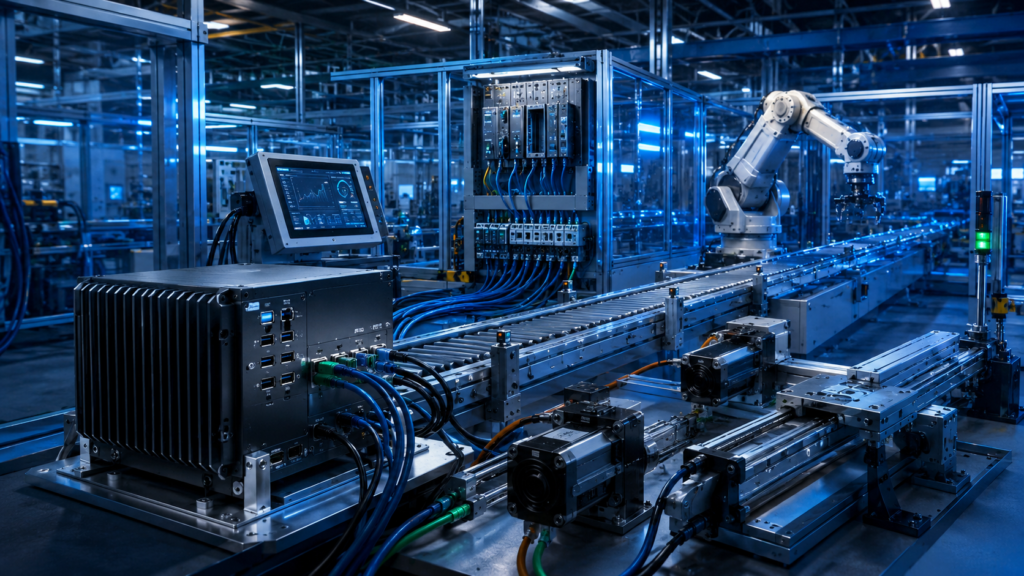
モーションコントロール産業用PCのサーボ軸の調整, エンコーダフィードバック, PLC信号, コンベア, ロボットの動き, および生産ラインの稼働.
業界の概要
モーションコントロールは高精度オートメーションの中核です
機械が部品を移動する必要がある場合は常にモーション コントロールが使用されます, ツール, ロボット, コンベア, カメラ, 段階, または生産メカニズムを正確に.
で広く使用されています:
- CNCマシン
- ロボットワークセル
- 包装設備
- 半導体装置
- 電子部品の組み立て
- レーザー加工システム
- 印刷機
- 繊維機械
- 医療機器製造
- 検査機
- 自動試験装置
- マテリアルハンドリングシステム
これらのマシンはコンピューティング間の正確な調整に依存しています。, コントロール, フィードバック, および機械システム.
モーション コントロール産業用 PC は、この調整を管理するために必要なコンピューティング プラットフォームを提供します。.
マシンには基本的な制御以上のものが必要
従来の機械では、ロジック制御に PLC を使用し、軸の移動に専用のモーション コントローラーを使用する場合があります。.
最新のマシンでは、より高度な統合が必要になることがよくあります.
単一のマシンに必要な場合があります:
- 多軸モーション制御
- サーボドライブ通信
- エンコーダフィードバック
- ビジョンガイダンス
- HMIディスプレイ
- レシピ管理
- データロギング
- リモート診断
- 産業用イーサネット
- MES または SCADA 接続
- AIを活用した検査
- 予知保全データ
産業用コンピュータはモーション制御の統合に役立ちます, マシンデータ, 視覚化, 信頼性の高い 1 つのエッジ プラットフォームでのシステム通信.
産業用コンピューティングはマシンの長期導入をサポートします
モーション コントロール システムは、多くの場合、機械または制御キャビネットの内部に導入されます。.
モーターの近くで動作する可能性があります, ドライブ, 電源, コンベア, ロボット, および生産設備.
これらの環境には振動が含まれる可能性があります, ほこり, 熱, 電気ノイズ, ケーブルストレス, 限られた空気の流れ, そして連続運転.
産業用コンピュータと組み込みコンピュータは、これらの条件に必要なハードウェア基盤を提供します.
頑丈な筐体をサポートします, 産業用I/O, 拡大, ローカルストレージ, 安定した電力入力, 長いライフサイクルの可用性, 信頼性の高いマシン側の展開.

多軸ステージ, サーボドライブ, エンコーダ, PLC, 電気ノイズ, カメラトリガー, 堅牢なハードウェアがモーション コントロールの展開に影響を与える.
主要な課題
リアルタイム制御の安定性の維持
モーション制御には安定したタイミングが必要.
サーボシステム, ステッピングモーター, エンコーダ, 同期軸は予測可能な通信と処理に依存します.
タイミングが不安定な場合, 機械に位置エラーが発生する可能性があります, 振動, サイクルタイムの変動, または品質の問題.
タイミングに関連する重要な要素には次のものがあります。:
- 制御サイクルタイム
- 軸数
- サーボ更新レート
- 産業用イーサネットのパフォーマンス
- オペレーティング システムの構成
- モーション ソフトウェア要件
- I/O応答時間
- CPUワークロード
- ネットワークトラフィックの分離
産業用 PC は、実際のモーション コントロール要件に従って選択および構成する必要があります.
複数の軸を調整する
最新の機械の多くは多軸調整を必要とします.
例にはガントリー システムが含まれます, ロボット細胞, CNC装置, ピックアンドプレイスマシン, 印刷システム, レーザー切断システム, 自動化された検査ステージ.
モーション コントロール プラットフォームは調整する必要がある場合があります。:
- 直線軸
- 回転軸
- サーボモーター
- ステッピングモーター
- スピンドル
- コンベヤ
- ロボットアーム
- カメラトリガー
- 照明システム
- ツールアクチュエーター
関係する軸とデバイスが増えるほど, より重要な安定したコンピューティング, コミュニケーション, そして展開はこうなる.
PLCの統合, ドライブ, とセンサー
モーション コントロール産業用 PC は、多くのオートメーション コンポーネントと連携する必要があります.
と通信する必要があるかもしれません:
- PLCコントローラー
- サーボドライブ
- ステッパードライバー
- エンコーダ
- モーションコントロールカード
- I/Oモジュール
- 安全装置
- センサー
- HMI
- 産業用スイッチ
- ロボットコントローラー
- ビジョンシステム
プラットフォームは、完全なマシン アーキテクチャに対して正しいインターフェイスとソフトウェア互換性を提供する必要があります。.
電気的ノイズと振動への対応
モーション コントロール システムはモーターの近くで動作することがよくあります, ドライブ, リレー, 電源, そして動く機械.
これにより電気ノイズが発生する可能性があります, 振動, および機械的ストレス.
システムの不安定性はマシンの動作に直接影響を与える可能性があるため、ハードウェアの信頼性は重要です.
産業用 PC はオフィス コンピューターよりも厳しい条件向けに設計されています.
ファンレスオプション, 頑丈な筐体, 信頼できるストレージ, 確実な取り付け, および産業用電源設計は故障リスクの軽減に役立ちます.
モーションコントロールとビジョンの組み合わせ
現在、多くの機械がモーション コントロールとマシン ビジョンを組み合わせています。.
画像システムは部品を検査する場合があります, オブジェクトの位置を特定する, ラベルを読む, ロボットの動きをガイドする, コンポーネントを整列させる, またはプロセス結果を確認する.
これにより、追加のコンピューティング要件が発生します.
産業用 PC はカメラ データを処理する必要がある場合があります, 画像キャプチャをトリガーする, モーションイベントと同期する, 画像を保存する, 検査結果を PLC または MES システムに送信します.
モーションとビジョンのワークロードは一緒に計画する必要があります.
長期にわたるマシンのライフサイクルをサポート
機械は何年も使い続けることができます.
ハードウェアを頻繁に変更すると、モーション コントロール ドライバーで問題が発生する可能性があります, フィールドバスカード, カメラSDK, オペレーティングシステム, およびマシンソフトウェアの検証.
ライフサイクル プランニングを備えた産業用コンピューティング プラットフォームは、機械メーカーやシステム インテグレーターが製品の世代間で一貫した機械設計を維持できるように支援します。.

モーション コントロール産業用 PC がドライブを接続, エンコーダ, PLC, ロボット, カメラ, HMI, MES, スカダ, およびマシンデータベース.
モーションコントロール産業用PCソリューションアーキテクチャ
マシンデバイス層
マシンデバイス層には、物理的な動作と自動化コンポーネントが含まれます。.
この層には以下が含まれる場合があります:
- サーボモーター
- ステッピングモーター
- ドライブ
- エンコーダ
- リニアステージ
- 回転ステージ
- ガントリーシステム
- コンベヤ
- ロボットアーム
- センサー
- アクチュエーター
- 安全装置
- ビジョンカメラ
これらのデバイスは動きを生成します, フィードバック, およびマシンのステータス情報.
モーションコントロール産業用PC層
モーション コントロール産業用 PC レイヤーはコア コンピューティング レイヤーです.
この層では, 産業用コンピュータまたは組み込みコンピュータは、:
- モーションコントロールソフトウェアを実行する
- 複数の軸を調整する
- ドライブと通信する
- プロセスエンコーダフィードバック
- I/Oモジュールを接続する
- カメラをトリガーする
- HMI情報の表示
- マシンの記録を保存する
- 工場システムにデータを送信する
- リモート診断のサポート
この層は、マシン操作のためのコンピューティングと通信の基盤を提供します。.
制御層と通信層
制御および通信層は、産業用 PC をコントローラおよびフィールドデバイスに接続します。.
含まれる場合があります:
- EtherCAT
- プロフィネット
- イーサネット/IP
- CANopen
- Modbus
- RS232
- RS485
- デジタル I/O
- アナログI/O
- PCIe モーション カード
- 産業用イーサネットスイッチ
正確な通信設計はマシンによって異なります, モーションシステム, およびソフトウェアスタック.
ビジョンとセンサーの統合レイヤー
ビジョン層とセンサー層は、マシンに知覚とフィードバックを追加します。.
含まれる場合があります:
- 産業用カメラ
- 3Dカメラ
- 照明コントローラー
- トリガーセンサー
- バーコードリーダー
- レーザーセンサー
- 近接センサー
- 力センサー
- 温度センサー
産業用 PC は、このデータをローカルで処理し、結果をモーション コントロールと調整できます。.
ファクトリーソフトウェア統合レイヤー
モーション コントロール システムは、上位レベルのプラットフォームと接続する必要がある場合があります.
これらには以下が含まれる場合があります:
- MES
- スカダ
- ERP
- 高品質のデータベース
- 産業用IoTプラットフォーム
- ローカルダッシュボード
- メンテナンス体制
- クラウド監視システム
- トレーサビリティプラットフォーム
この統合により、機械稼働データが可能になります, 動作ステータス, アラーム, と品質記録が工場のデータインフラストラクチャの一部となる.
セキュリティおよび管理層
セキュリティ層と管理層で長期安定運用をサポート.
含まれる場合があります:
- ユーザー権限
- ネットワークのセグメンテーション
- 安全なリモートアクセス
- ローカルロギング
- 構成のバックアップ
- ストレージの監視
- ヘルスモニタリング
- リモート診断
- ソフトウェア更新管理
これにより、マシンの信頼性が維持され、サービス サポートが簡素化されます。.
主な特長
リアルタイム モーション コントロールのサポート
最も重要なのは安定した制御性能.
産業用 PC はモーション ソフトウェアをサポートしている必要があります, コミュニケーションサイクル, および機械が必要とする軸数.
ハードウェアの選択は次の点を考慮する必要があります:
- CPU性能
- メモリ容量
- 産業用イーサネットのサポート
- PCIeの拡張
- モーションカードの互換性
- I/O応答時間
- オペレーティング システムのサポート
- ソフトウェアのランタイム要件
- 熱安定性
- 長時間にわたる操作
精密機械用, 実際のシステムの検証は不可欠です.
多軸の調整
多くのモーションコントロールシステムは同期した動きを必要とします.
コンピュータがサーボ軸を調整する場合があります, ステッピングモーター, コンベア, 回転ステージ, およびロボットシステム.
プラットフォームは、必要な軸数とサイクル タイムに対して十分なパフォーマンスと通信の安定性を提供する必要があります。.
機械設計がより複雑になった場合の拡張もサポートする必要があります。.
産業用通信インターフェース
モーションコントロールシステムは信頼性の高い通信に依存します.
便利なインターフェースには次のものがあります。:
- LAN
- USB
- RS232
- RS485
- GPIO
- デジタル入力
- デジタル出力
- HDMI
- ディスプレイポート
- M.2
- PCIe
- SATA または NVMe ストレージ
PCIe 拡張はモーション コントロール カードをサポートする可能性があります, 追加のLANモジュール, フィールドバスインターフェース, または特殊な I/O カード.
ネイティブ産業用インターフェースにより外部アダプターが削減され、キャビネットの信頼性が向上します。.
マルチLANネットワーク設計
複数の LAN ポートはモーション コントロール システムにとって貴重です.
個別の通信パスを許可します。:
- モーションネットワーク
- PLCネットワーク
- カメラネットワーク
- 工場ITネットワーク
- 産業用IoTネットワーク
- リモートメンテナンスネットワーク
- ローカル管理ネットワーク
ネットワークを分離すると、高帯域幅のカメラ トラフィックや工場のネットワーク トラフィックがモーション通信に影響を与えるのを防ぐことができます。.
ビジョンとトリガーの統合
多くのマシンは同期したモーションと画像キャプチャを必要とします.
産業用 PC はカメラを接続する場合があります, 照明コントローラー, センサー, およびトリガー信号.
特定の動作位置で画像をキャプチャしたり、検査結果を制御システムに送り返したりする場合があります。.
これは次のような場合に便利です:
- 位置合わせ
- 検査
- 欠陥検出
- ラベルの読み取り
- ロボット誘導
- 測定
- 位置確認
プラットフォームは、必要なカメラ インターフェイスとタイミング動作をサポートする必要があります。.
信頼性の高いローカルストレージ
モーション コントロール システムにはソフトウェア用のローカル ストレージが必要な場合があります, レシピ, ログ, 品質記録, 検査画像, マシンパラメータ, および診断ファイル.
SSD または NVMe ストレージは、機械式ドライブよりも高速アクセスと優れた耐衝撃性を備えているため、一般的に好まれます。.
ストレージ計画で考慮すべきこと:
- レシピデータ
- マシンログ
- アラーム記録
- 検査画像
- 動作履歴
- 構成のバックアップ
- 書き込み耐久性
- リカバリワークフロー
信頼性の高い保管により保守性とトレーサビリティが向上します.
堅牢なファンレス設計
機械環境は埃っぽい場合があります, 振動しやすい, 熱的に厳しい.
ファンレス産業用コンピューターは粉塵の侵入を減らし、機械的な故障点を 1 つ除去します。.
頑丈なエンクロージャが振動から保護します, ケーブルストレス, キャビネット設置への影響, そして連続運転.
モーションソフトウェアを使用するため、熱設計を慎重に検討する必要があります。, 視覚処理, データロギング, 工場でのコミュニケーションは持続的な作業負荷を生み出す可能性があります.
長いライフサイクルの可用性
機械製造業者には安定したハードウェア プラットフォームが必要です.
長いライフサイクルの可用性がソフトウェア イメージの維持に役立ちます, モーションドライバー, フィールドバスの互換性, スペアパーツ, および検証手順.
これにより、再設計の作業が軽減され、再現可能な機械生産がサポートされます。.
OEM機械メーカー向け, 多くの場合、ライフサイクルの安定性はパフォーマンスと同じくらい重要です.
導入シナリオ
CNCマシンコントロール
CNC マシンには正確な軸の動きが必要です, スピンドル制御, オペレーターインターフェース, およびプロセスデータの処理.
モーションコントロール産業用 PC はマシンソフトウェアを実行できます, ドライブと通信する, HMI情報を表示する, ストアプログラム, 工場システムと接続する.
これにより、安定した接続された CNC 動作がサポートされます。.
ピックアンドプレースマシン
ピックアンドプレイス システムには、軸間の高速な調整された動作が必要です, コンベア, カメラ, フィーダー, および配置ヘッド.
組み込みコンピュータはモーションデータを調整できます, プロセスビジョンフィードバック, PLC または生産ソフトウェアと情報を交換します.
これにより、速度と配置精度が向上します.
包装機械
包装機器にはコンベアが含まれる場合があります, サーボ軸, センサー, カメラ, ラベラー, およびシーリングシステム.
モーションコントロール産業用 PC はモーションを調整できます, センサーデータを収集する, ハンドルレシピ, HMI機能をサポート.
柔軟な包装ラインをサポートします.
半導体・電子機器
半導体や電子機械は正確な動作を必要とすることがよくあります, 検査, アライメント, データロギングと.
産業用コンピュータは多軸制御をサポートできます, 視覚同期, ローカルストレージ, およびトレーサビリティ記録.
これは組み立てに便利です, テスト, 検査, および取り扱い機器.
ロボットの動作調整
ロボットのワークセルにはロボット コントローラー間の調整が必要な場合があります, コンベア, ビジョンシステム, PLC, および安全装置.
モーション コントロール IPC はローカル データを処理できます, デバイス通信を管理する, 統合された自動化ワークフローをサポートします.
これによりロボットセルの接続性が向上します.
レーザー加工システム
レーザー切断, マーキング, 溶接, または彫刻システムには同期した動作とプロセス制御が必要です.
産業用 PC は動作軸を調整できます, センサーフィードバック, 視覚調整, およびプロセスデータ.
安定したコンピューティングはプロセス品質の維持に役立ちます.
自動試験装置
テストシステムにはモーションステージが必要な場合があります, 備品, センサー, 楽器, カメラ, データロギングと.
組み込みコンピュータは動きを調整できる, テスト記録を収集する, 結果を保存する, 高品質のプラットフォームと接続します.
これにより、自動化された検査と検証がサポートされます。.
OEM モーション コントロール マシン プラットフォーム
機械製造業者は、産業用コンピュータまたは組み込みボードをカスタムのモーション制御機器に統合できます。.
プラットフォームはモーション ソフトウェアをサポートできます, フィールドバス通信, HMI, データロギング, リモート診断, および顧客固有の I/O.
これは、再現可能なマシン プラットフォームの作成に役立ちます.
ビジネス上のメリット
より高い動作精度
モーションコントロール産業用 PC が制御ソフトウェアの調整を支援, フィードバックデータ, そして機械通信.
安定したコンピューティングにより、正確な軸移動と再現性のある機械操作の基盤が向上します。.
これにより、製品の品質とプロセスの一貫性が向上します。.
マシン統合の改善
最新の機械にはモーション システムが組み込まれています, センサー, カメラ, PLC, HMI, および工場出荷時のソフトウェア.
産業用 PC は、これらのコンポーネントを 1 つのマシン プラットフォームに接続するのに役立ちます.
これにより、統合のギャップが減り、自動化の柔軟性が向上します。.
本番環境の可視性の向上
IPC は動作ステータスを収集できます, サイクル記録, アラーム, レシピ, 検査結果, およびメンテナンスデータ.
この情報はMESと共有できます, スカダ, 産業用IoTプラットフォーム, またはローカルダッシュボード.
可視性の向上により、生産性の向上と迅速なトラブルシューティングがサポートされます。.
ダウンタイムのリスクの軽減
産業用コンピュータは、要求の厳しい機械環境に堅牢なハードウェアを提供します.
ファンレス設計オプション, 信頼できるストレージ, 確実な取り付け, 安定した電力入力, 長いライフサイクルの可用性により、メンテナンスのリスクが軽減されます.
機械の連続稼働をサポートします.
より迅速なマシン開発
標準化された産業用 PC プラットフォームは、機械メーカーによる反復可能な制御システムの開発を支援します。.
一貫したハードウェアによりソフトウェア イメージが簡素化されます, モーションドライバーの検証, フィールドバス構成, HMIの導入, およびスペアパーツの計画.
これにより、マシンの世代間でエンジニアリングの労力が軽減されます。.
スケーラブルな自動化の導入
モーション コントロール産業用 PC プラットフォームは、多くのマシンに導入可能, 行, そして工場.
一貫したコンピューティング ハードウェアがスケーラブルなマシン オートメーションをサポート, メンテナンスが容易, より効率的なライフサイクル管理.
これは、OEM やシステム インテグレーターにとって価値があります。.
CoreIPC を選ぶ理由
CoreIPC は産業オートメーション向けの産業用コンピューティング プラットフォームを提供します, ロボット工学, マシンビジョン, エッジAI, 産業用IoT, および組み込みシステムの統合. モーションコントロール産業用PCアプリケーション向け, CoreIPC は信頼性の高い産業用コンピューター ハードウェアに重点を置いています, 組み込みコンピュータソリューション, 柔軟な I/O, マルチLAN構成, 拡張性, コンパクトなシステム設計, ファンレス導入オプション, ローカルストレージ機能, OEM/ODMカスタマイズサポート. CoreIPC は機械製造業者を支援します, システムインテグレーター, そしてメーカーは実際の導入要件に適合するコンピューティング プラットフォームを選択します, 軸数を含む, モーションソフトウェア, フィールドバス通信, デバイスインターフェース, ストレージのニーズ, 取り付け方法, 電源入力, 熱条件, およびライフサイクル計画.
よくある質問
1. モーションコントロール産業用PCとは?
モーション コントロール産業用 PC は、機械の動作をサポートするために使用される産業用コンピューティング プラットフォームです。, 軸調整, サーボ通信, I/O処理, HMI機能, データロギング, および工場接続.
モーションコントロールソフトウェアを実行する可能性があります, ドライブおよびPLCと通信する, センサーとカメラを接続する, マシンデータを上位システムと交換します.
2. モーションコントロールに産業用コンピュータを使用する理由?
産業用コンピュータは、機械環境に堅牢なハードウェアと柔軟な接続を提供します。.
複数のLANポートをサポートできます, USB, シリアル通信, GPIO, PCIeの拡張, 信頼できるストレージ, ファンレス動作, 工業用取り付け, 安定した電力入力, 長いライフサイクルの可用性.
これらの特長により、精密自動化機器に適しています。.
3. 組み込みコンピュータはモーションコントロールシステムでどのように使用されますか?
組み込みコンピュータは、機械キャビネットまたはコンパクトな機器筐体内に設置可能.
制御ソフトウェアを実行できる, I/Oモジュールを接続する, ドライブと通信する, センサー信号を処理する, HMIデータを表示する, レシピを保存する, マシンのステータスを SCADA に転送します, MES, または産業用IoTシステム.
4. モーション コントロール産業用 PC を使用するアプリケーション?
アプリケーションには CNC マシンが含まれます, 包装装置, 半導体ツール, 電子組立機械, ピックアンドプレイスシステム, ロボットワークセル, レーザー加工機, 印刷装置, 検査システム, および自動試験装置.
最終的なプラットフォームは軸数によって異なります, タイミング要件, 通信インターフェース, およびソフトウェアスタック.
5. モーションコントロールに使用される通信インターフェースは何ですか?
モーションコントロールシステムは産業用イーサネットを使用する場合があります, フィールドバス通信, PCIe モーション カード, デジタルI/O, アナログI/O, RS232, RS485, および標準イーサネット.
一般的なシステム設計には PLC が含まれる場合があります, サーボドライブ, エンコーダ, I/Oモジュール, モーションコントローラー, および産業用スイッチ.
6. モーション コントロール IPC にとって複数の LAN ポートが重要な理由?
複数の LAN ポートがモーション通信の分離に役立ちます, PLCネットワーク, カメラトラフィック, 工場IT, 産業用IoT, およびリモート メンテナンス アクセス.
これにより、トラフィックの組織化が改善され、動きのないトラフィックがマシンの通信に影響を与えるリスクが軽減されます。.
7. モーション コントロール産業用 PC はマシン ビジョンをサポートできますか?
はい. モーションコントロール産業用PCはカメラを接続可能, 照明コントローラー, トリガー信号, センサー, および検査ソフトウェア.
モーションと画像キャプチャを同期できます, 結果をローカルで処理する, 検査データを PLC に送信します, ロボットコントローラー, MES, または品質システム.
8. モーション コントロール産業用 PC にとって重要なハードウェア機能は何ですか?
重要な機能には十分な CPU パフォーマンスが含まれます, 信頼できる記憶力, 複数のLANポート, USB, RS232, RS485, GPIO, デジタルI/O, PCIeの拡張, SSDまたはNVMeストレージ, 頑丈な筐体, ファンレス設計オプション, 産業用電力入力, およびディスプレイ出力.
最終的な構成はモーションのワークロードとマシンのアーキテクチャに一致する必要があります。.
9. ファンレス産業用 PC はモーション コントロール ワークロードをサポートできますか?
はい. ファンレス産業用 PC は、粉塵の侵入を減らし、機械的な故障点を 1 つ取り除くため、多くのモーション コントロール ワークロードをサポートできます。.
しかし, システムが多数の軸を処理する場合は、熱設計を検証する必要があります, 視覚処理, データロギング, または連続運転.
10. 導入前にテストすべきこと?
導入前, プラットフォームは実際のドライブでテストする必要があります, PLC, モーションソフトウェア, I/Oモジュール, カメラ, センサー, ネットワークトポロジー, 機械のサイクルタイム, 保管動作, 長時間にわたる運用.
熱安定性, 通信遅延, 回復行動, 構成のバックアップ, MES または SCADA との統合も検証する必要があります。.
結論
モーションコントロール産業用 PC は精密オートメーションの実用的な基盤です, 多軸調整, サーボ通信, マシンビジョンの同期, ロボットの統合, データロギング, HMI操作, 工場システムの接続性.
産業用コンピュータまたは組み込みコンピュータを機械プラットフォーム内に配置することによって, 機械製造業者とシステム インテグレーターはサーボ ドライブを接続できます, PLC, エンコーダ, モーションカード, カメラ, センサー, HMI, MESプラットフォーム, SCADAシステム, 信頼性が高く制御された通信パスを介した産業用 IoT ダッシュボード.
実際の導入要件に応じて、適切なモーション コントロール産業用 PC を選択する必要があります, 軸数を含む, 制御サイクルタイム, モーションソフトウェア, フィールドバス通信, I/O要件, カメラの統合, LANポート設計, ストレージ構成, 取付方法, 電源入力, 熱条件, オペレーティング システムのサポート, およびライフサイクル計画.
CoreIPC は、実用的なマシン側向けに設計された産業用コンピューティング プラットフォームを備えたモーション コントロール産業用 PC プロジェクトをサポートします。, キャビネット, 工場, およびOEM展開. 適切なハードウェア基盤があれば, 機械ビルダーとメーカーは信頼性の高い製品を構築できます, スケーラブルな, 精密なモーションコントロールシステム.
お問い合わせ
産業用コンピュータを探しています, 組み込みコンピュータ, またはモーションコントロール展開用のコンパクトな IPC プラットフォーム?
プロジェクトの要件については、CoreIPC にお問い合わせください。, 軸数を含む, モーションソフトウェア, フィールドバス通信, I/Oインターフェース, カメラの接続, LANポートの設定, ストレージデザイン, 取付方法, 電源入力, 動作環境, ライフサイクルのニーズ, および OEM/ODM カスタマイズ オプション.