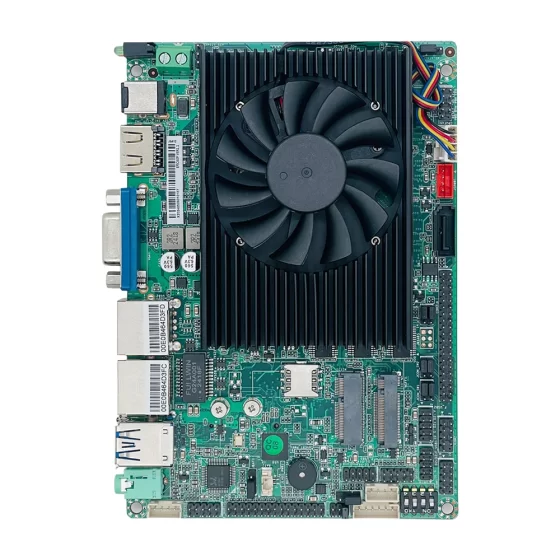
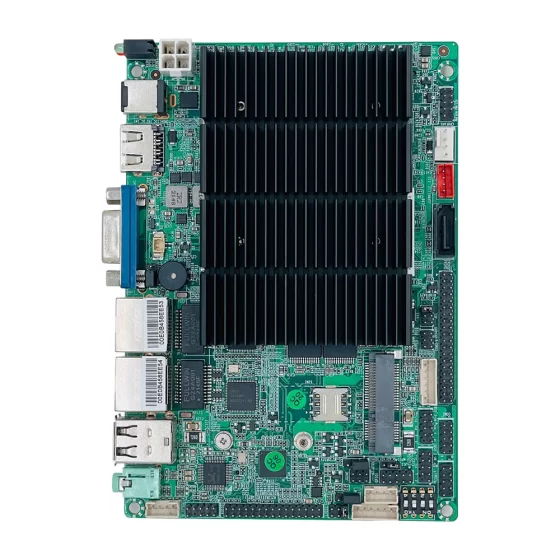
CoreIPC 産業用コンピューティング ソリューション

エッジデータ収集プラットフォーム: 信頼性の高い工場データ取得のための産業用コンピューティング
エグゼクティブサマリー
An edge data collection platform provides the industrial computing foundation for collecting, 処理, 機械から工場データを転送する, センサー, PLC, メートル, 検査システム, および生産設備.
現代の製造業では, データは生成場所の近くで収集する必要がある. 機械はステータス信号を生成します, センサーはプロセス条件を測定します, PLC は自動化ロジックを管理します, および検査システムが品質記録を生成します. このデータが遅れた場合, 不完全, または手動で収集, デジタル製造システムは正確な可視性を提供できない.
産業用コンピュータと組み込みコンピュータは、機械の近くで動作できるため、エッジ データ収集ノードとして広く使用されています。, さまざまな産業用インターフェイスを接続する, ローカルデータを処理する, MESと通信します, スカダ, ERP, IIoT, およびクラウドプラットフォーム.
一般的なオフィスPCとの比較, 産業用コンピューティング プラットフォームにより信頼性が向上, 柔軟な I/O, ファンレスオプション, 頑丈な機械設計, 長い運用ライフサイクル, 実際の工場環境での実際の導入.
A well-designed edge data collection platform helps manufacturers improve production visibility, 手動レポートを削減する, connect legacy machines, support real-time monitoring, and build a scalable data foundation for smart manufacturing.
This article explains how industrial computers support edge data collection, メーカーが直面している展開上の課題, ソリューション アーキテクチャの仕組み, and which hardware features are important for reliable industrial data acquisition.
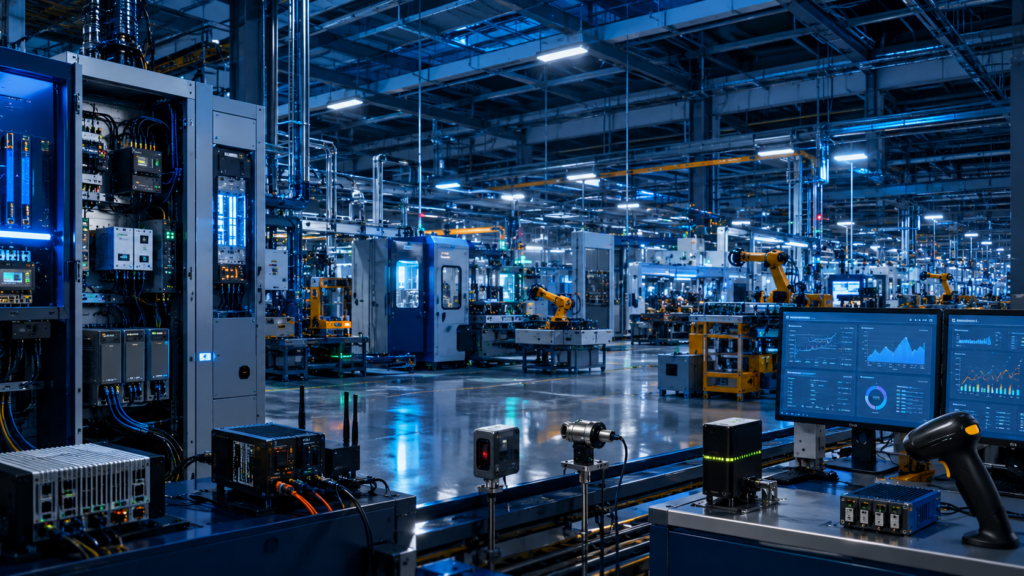
Industrial computers collect production data from machines, センサー, スキャナー, RFIDデバイス, メートル, および産業機器.
業界の概要
Factory Data Is Becoming a Strategic Asset
Manufacturing data is no longer used only for basic reporting.
今日, factories use production data to improve efficiency, 品質, トレーサビリティ, エネルギー管理, 機器の使用率, そして意思決定. Data from the shop floor can support MES systems, SCADAプラットフォーム, 産業用IoTダッシュボード, 予知保全, 品質分析, and enterprise planning.
しかし, these systems are only useful when the data is accurate and reliable.
A factory may have many data sources, 含む:
- PLCコントローラー
- CNCマシン
- センサーとメーター
- バーコードスキャナー
- RFIDリーダー
- 画像検査システム
- 試験装置
- Robots and motion systems
- Energy monitoring devices
- 環境監視システム
An edge data collection platform connects these data sources and turns equipment-level signals into usable manufacturing information.
Why Edge Collection Matters
Centralized data collection is often not enough for industrial environments.
Factory devices may use different protocols, ネットワーク, signal types, and data formats. Some machines may be located far from the server room. Some systems may need local buffering when the network is unstable. Others may require local processing before data is sent to higher-level software.
Edge collection solves this problem by placing computing hardware close to machines and devices.
産業用コンピュータはローカルでデータを収集できます, 不要なレコードをフィルタリングする, プロトコルを変換する, store temporary data, and send structured information to factory software platforms.
This improves both reliability and system scalability.
Industrial Computers as Edge Data Nodes
Industrial computers are well suited for edge data collection because they combine computing capability with factory-ready hardware design.
They can connect to PLCs, センサー, スキャナー, メートル, カメラ, およびネットワークデバイス. They can also run local applications, protocol services, database clients, visualization software, or communication middleware.
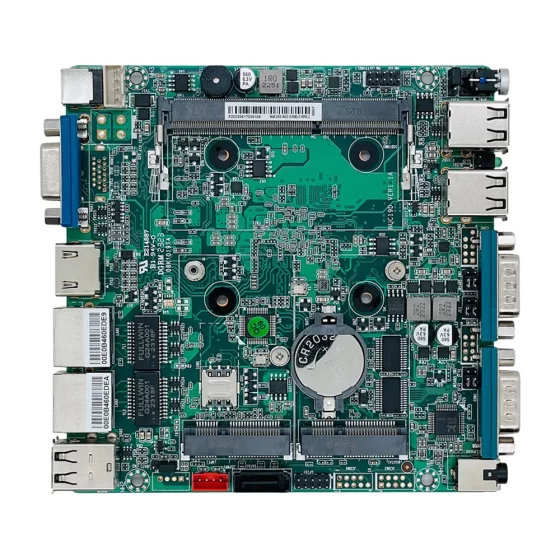
Embedded computers are especially useful when space is limited or when data collection hardware must be installed inside cabinets, 機械, or compact production terminals.
Together, industrial computers and embedded computers form the practical hardware layer for connected factories.

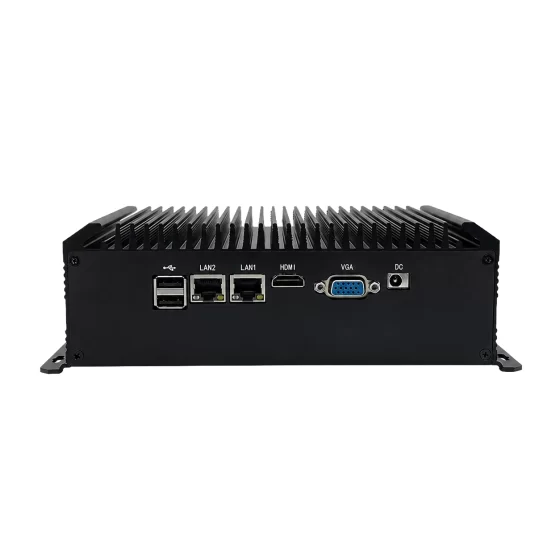
Industrial computers help collect data from mixed factory equipment and legacy machines.
主要な課題
さまざまな産業用デバイスを接続する
The first challenge is device diversity.
Factories often use equipment from different vendors and different generations. A new production line may support Ethernet-based communication, while older machines may still rely on RS232, RS485, ドライコンタクト, or external sensors.
A practical edge data collection system may need to connect:
- PLC
- CNC controllers
- センサー
- メートル
- バーコードスキャナー
- RFIDデバイス
- カメラ
- 試験装置
- 計量システム
- ラベルプリンター
- Industrial network switches
適切な I/O 構成がないと, the system may require too many external adapters. This increases complexity and reduces reliability.
Collecting Data from Legacy Machines
Legacy machine integration is a common problem in factories.
Many older machines were not designed for modern digital manufacturing systems. They may not provide standard APIs or modern network protocols. しかし, replacing all legacy equipment is usually expensive and unrealistic.
Industrial computers help solve this problem by acting as local data collection gateways.
They can collect signals through serial ports, イーサネット, USB, センサー, またはゲートウェイモジュール. This allows manufacturers to digitalize existing equipment step by step.
Maintaining Data Accuracy
Edge data collection must be stable and accurate.
If machine status is missed, sensor data is delayed, or scan records are lost, higher-level systems may make decisions based on incomplete information.
Poor data quality can affect:
- 生産監視
- Downtime analysis
- 品質検査
- 製品のトレーサビリティ
- エネルギーレポート
- Equipment maintenance
- プロセスの最適化
A reliable industrial computer reduces these risks by supporting continuous data acquisition close to the equipment.
Handling Harsh Factory Conditions
Edge data collection computers are often installed in demanding environments.
They may be placed inside control cabinets, near machines, ワークステーションの下で, inside equipment enclosures, または生産ラインの横.
These environments may include:
- ほこり
- 振動
- 熱
- 電気ノイズ
- Cable movement
- 限られた空気の流れ
- 不安定な電力
- 長い稼働時間
Industrial-grade design is important because a hardware failure can interrupt data collection and reduce factory visibility.
Network Stability and Data Buffering
Factory networks may not always be stable.
Temporary network interruption can happen because of maintenance, switch failure, cable issues, wireless interference, or production area changes.
A strong edge data collection platform should support local buffering. 産業用コンピュータはデータを収集し続けることができます, 記録を一時的に保存する, and synchronize with the server when the network recovers.
This helps prevent data gaps and supports continuous production monitoring.

Industrial computers act as edge data nodes between factory devices and software platforms.
Edge Data Collection Solution Architecture
デバイスとセンサー層
The device and sensor layer includes the physical equipment that generates raw factory data.
This may include machines, PLC, センサー, メートル, 検査システム, バーコードリーダー, RFIDリーダー, カメラ, およびテスト機器.
The data generated at this layer may include:
- 機械の稼働状況
- アラームイベント
- 生産数
- サイクルタイム
- 温度
- プレッシャー
- 振動
- 消費電力
- プロダクトID
- 検査結果
- Test value
- プロセスパラメータ
This layer is highly diverse. Different devices may use different protocols, データ形式, and communication speeds.
インダストリアルエッジコンピューティング層
The industrial edge computing layer is where the industrial computer or embedded computer is deployed.
This layer performs local data collection, 前処理, プロトコル変換, バッファリング, and communication with upper-level systems.
この層では, 産業用コンピュータは次のようなタスクを実行できます。:
- Reading PLC data
- Collecting sensor values
- Receiving scanner input
- Connecting meters and controllers
- Running protocol conversion software
- Filtering unnecessary data
- Formatting records
- Storing temporary logs
- Uploading data to servers
- Supporting local visualization
This edge layer reduces the burden on centralized systems and improves data reliability.
ファクトリ ソフトウェア レイヤー
工場のソフトウェア層にはMESが含まれます, スカダ, 品質管理システム, industrial databases, 実稼働ダッシュボード, and equipment monitoring platforms.
The edge data collection computer sends structured data to these systems.
例えば, it may collect machine output count from a PLC, combine it with barcode scan data, and send the result to MES for production tracking.
It may also send energy meter data to an energy management system or equipment status data to a maintenance dashboard.
エンタープライズ層とクラウド層
Some factories send selected data to ERP, cloud analytics, business intelligence platforms, or remote monitoring systems.
The edge data collection platform can help control which data is sent upward.
Instead of sending every raw signal, the edge computer can preprocess data locally and upload only useful records. This reduces network load and improves data management efficiency.
Local Resilience Layer
Local resilience is important in industrial environments.
If the network connection to the server is interrupted, the edge computer should continue collecting data. It can store records locally and upload them later.
This helps maintain data continuity and prevents production records from being lost during temporary communication problems.
主な特長
産業グレードの信頼性
Reliability is the most important requirement for edge data collection hardware.
The system may need to run continuously near production equipment. It must remain stable even when exposed to vibration, ほこり, 熱, 電気ノイズ, または長時間の稼働.
重要な信頼性機能には次のものがあります。:
- 産業用マザーボードの設計
- ファンレスシステムオプション
- 堅牢な筐体構造
- SSDストレージのサポート
- 安定した熱性能
- 幅広い電圧入力オプション
- 安全な取り付け方法
- 長期的なライフサイクル計画
The goal is not only to collect data, but to collect it continuously and accurately.
柔軟な I/O 構成
Edge data collection platforms require strong interface flexibility.
A single industrial computer may connect to PLCs, センサー, メートル, バーコードスキャナ, RFIDデバイス, カメラ, および産業用ネットワーク.
便利な I/O オプションには次のものがあります。:
- 複数のLANポート
- USB 2.0 とUSB 3.0
- RS232
- RS485
- GPIO
- HDMI
- ディスプレイポート
- M.2拡張
- ミニ PCIe 拡張
- 無線モジュールのサポート
The correct I/O configuration helps reduce external adapters and simplifies field deployment.
複数のLANポート
Multiple LAN ports are useful for many edge data collection applications.
One LAN port may connect to machine-side devices, while another connects to the factory network or server. This helps separate machine communication from higher-level data traffic.
This design can support:
- ネットワークのセグメンテーション
- マシンデータの取得
- ゲートウェイアプリケーション
- Secure communication paths
- Factory IT integration
- Reduced traffic interference
For industrial data acquisition, network design is often as important as computing performance.
ファンレスでメンテナンスの少ない設計
Fanless industrial computers are widely used for edge data collection.
粉塵の侵入を減らし、一般的な機械的故障点を 1 つ除去します。. This is useful in production areas where maintenance access is limited or airborne particles may affect standard computers.
しかし, fanless systems still need proper thermal planning. CPUワークロード, 周囲温度, 取付位置, エンクロージャスペース, and airflow should all be considered.
ローカルストレージとデータバッファリング
Edge data collection systems often need local storage.
The computer may store logs, 一時的な記録, device data, アラーム履歴, 設定ファイル, またはローカルデータベース.
SSD storage is commonly preferred because it offers better shock resistance and faster response than mechanical drives.
For applications with frequent logging, storage capacity and write endurance should be reviewed carefully.
Software and Protocol Compatibility
A data collection platform must work with real industrial software environments.
It may need to support Windows, Linux, ブラウザベースのアプリケーション, protocol drivers, ミドルウェア, database clients, or custom data acquisition software.
導入前, the hardware should be tested with:
- PLC通信ツール
- Sensor drivers
- Scanner and RFID devices
- Database connections
- Remote maintenance software
- Security settings
- Factory network configuration
This helps reduce integration risk during field installation.
導入シナリオ
Machine Data Acquisition
Machine data acquisition is one of the most common edge data collection scenarios.
An industrial computer can connect to PLCs, CNCマシン, コントローラー, メートル, or sensors. マシンのステータスを収集します, サイクルタイム, アラーム情報, 出力数, およびプロセス値.
This data can then be sent to MES, スカダ, or equipment monitoring platforms.
センサーデータの収集
Factories may use sensors to monitor temperature, 湿度, プレッシャー, 振動, 現在, 電圧, 気流, or environmental conditions.
An embedded computer can collect sensor data locally and send it to monitoring systems.
This is useful for process control, 機器の健全性監視, エネルギー管理, and environmental supervision.
バーコードおよびRFIDデータ収集
Production traceability often depends on barcode and RFID systems.
An industrial computer can connect to scanners, RFIDリーダー, ラベルプリンター, and MES terminals. It can collect product IDs, 材料バッチ, operator confirmations, and process results.
This helps build accurate production records across multiple process steps.
Quality Inspection Data Collection
Inspection stations often generate important data for quality control.
産業用コンピュータはカメラに接続できる, 測定ツール, 試験器具, および検査ソフトウェア. It can collect inspection results, associate them with product IDs, and upload data to MES or quality management systems.
これによりトレーサビリティが向上し、根本原因の分析がサポートされます。.
エネルギーと公共事業の監視
Factories may collect data from power meters, water meters, gas meters, air compressors, HVAC システム, and environmental monitoring devices.
An edge data collection platform can gather this information and send it to energy management or facility monitoring systems.
This helps manufacturers understand energy usage, identify abnormal consumption, and support sustainability goals.
産業用IoTゲートウェイ
An embedded computer can act as an industrial IoT gateway.
It collects data from machines and field devices, preprocesses the data, and sends selected information to local servers or cloud platforms.
This allows factories to build connected monitoring systems without sending every raw signal directly to the cloud.
OEM Equipment Data Integration
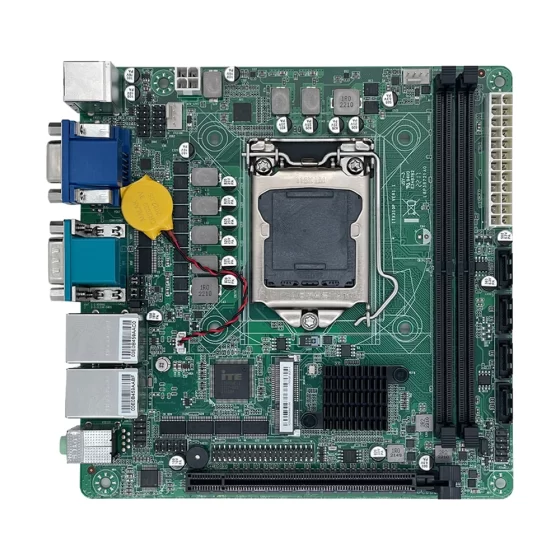
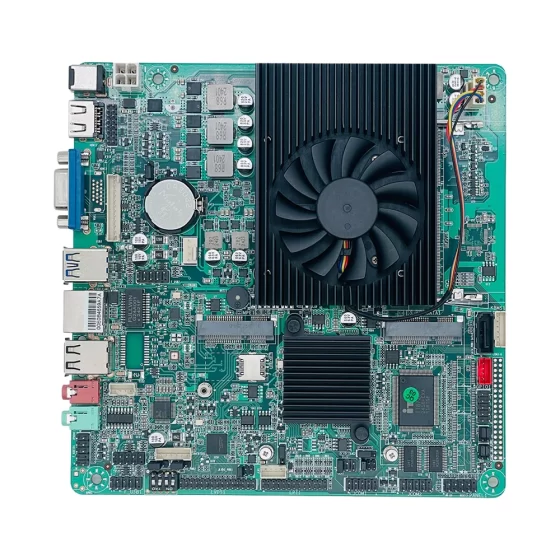
Machine builders can integrate embedded computers or industrial motherboards into equipment to support data collection and remote monitoring.
This allows machines to provide production data, アラーム記録, usage information, and diagnostic data to customer systems.
OEM向け, built-in data collection capability can improve equipment value and simplify smart factory integration.
ビジネス上のメリット
生産の可視性の向上
An edge data collection platform helps manufacturers see what is happening across the factory floor.
マシンからリアルタイムのデータを収集することによって, センサー, スキャナー, および検査システム, production teams can monitor equipment status, 生産量, ダウンタイムイベント, 質の高い結果, and process conditions.
これにより意思決定が改善され、応答の遅れが軽減されます。.
Better Data Accuracy
Collecting data directly at the edge reduces manual reporting and delayed input.
Industrial computers can capture data at the source and transfer it to higher-level systems automatically.
This improves data consistency and reduces the risk of human error.
より強力なトレーサビリティ
Traceability requires accurate records across production steps.
Edge data collection computers can capture product IDs, 材料バッチ, マシンのステータス, プロセスパラメータ, 検査結果, そしてテスト記録.
When this information is connected to MES or quality systems, メーカーはより完全な生産履歴を構築できる.
Faster Problem Detection
Real-time data collection helps factories detect abnormal conditions earlier.
If a machine stops, a sensor value goes outside the normal range, or a quality test fails, the system can send data to monitoring platforms quickly.
This allows production teams to investigate and respond faster.
既存設備の有効活用
Factories do not need to replace all machines to build digital systems.
Industrial computers can collect data from legacy equipment through serial ports, イーサネット, USB, センサー, またはゲートウェイモジュール.
This allows manufacturers to digitalize existing assets gradually and protect previous equipment investments.
Scalable Digital Manufacturing Foundation
A standardized edge data collection platform supports scalable factory digitalization.
Once data collection hardware is deployed consistently across lines and sites, manufacturers can build MES, スカダ, 産業用IoT, エネルギー監視, 分析, and predictive maintenance systems on the same data foundation.
This supports long-term smart manufacturing development.
CoreIPC を選ぶ理由
CoreIPC provides industrial computing platforms for machine connectivity, ファクトリーオートメーション, 組み込みシステム, and digital manufacturing. For edge data collection applications, CoreIPC は信頼性の高い産業用コンピューター ハードウェアに重点を置いています, 組み込みコンピュータソリューション, 柔軟な I/O 構成, compact mechanical design, OEM/ODMカスタマイズサポート. CoreIPC はシステム インテグレーターを支援します, 機器ビルダー, 製造チームは実際の作業現場の要件に適合するコンピューティング プラットフォームを選択します, デバイスインターフェースを含む, ネットワーク設計, 取り付け方法, 電源入力, 熱条件, ライフサイクル計画, and scalable deployment needs.
よくある質問
1. What is an edge data collection platform?
An edge data collection platform is a system that collects data close to machines, センサー, PLC, メートル, スキャナー, および生産設備.
It usually includes industrial computing hardware, 通信インターフェース, data acquisition software, ローカルストレージ, およびネットワーク接続. The goal is to collect reliable factory data and send it to MES, スカダ, IIoT, 品質, または分析システム.
2. Why are industrial computers used for edge data collection?
Industrial computers are used because they are designed for factory environments and continuous operation.
They can connect industrial devices, run local data acquisition software, support multiple interfaces, ネットワーク中断時のデータのバッファリング, and communicate with higher-level systems. オフィスPCとの比較, they provide better reliability, mounting flexibility, I/O support, and long-term deployment stability.
3. How is an embedded computer used in edge data collection?
組み込みコンピュータは機械の近くに設置可能, inside control cabinets, ディスプレイの後ろ, またはOEM機器内.
It may collect data from PLCs, センサー, スキャナー, メートル, またはテスト機器. It can also run protocol conversion software, 一時的な記録を保存する, and upload structured data to factory systems. Its compact design makes it useful for space-limited industrial environments.
4. What interfaces are important for edge data collection?
共通インターフェースにはLANが含まれます, USB, RS232, RS485, GPIO, HDMI, ディスプレイポート, M.2, およびミニ PCIe.
LAN ports support network communication with PLCs, サーバー, and switches. USBでスキャナーを接続, カメラ, and peripheral devices. シリアルポートはレガシーマシンに便利です, メートル, とコントローラー. GPIO may be used for simple signal input or output.
5. Can edge data collection connect legacy equipment?
はい. Industrial computers are often used to connect legacy equipment that does not support modern digital systems directly.
They can collect data through serial communication, イーサネット, USB, センサー, または外部ゲートウェイ. これにより、工場はすべての機械を交換することなく、古い設備をデジタル化できるようになります。, making data collection more practical and cost-effective.
6. Why is local data buffering important?
Local data buffering helps prevent data loss during temporary network interruptions.
If the connection to the server is unavailable, the edge computer can continue collecting records and store them locally. After the connection recovers, the system can upload the stored data. This improves data continuity and supports reliable production monitoring.
7. Do edge data collection systems need multiple LAN ports?
Multiple LAN ports are useful in many industrial data collection systems.
One LAN port may connect to machine-side devices or PLCs, もう 1 つは MES に接続している間, スカダ, または工場のITネットワーク. This separation improves network organization and can support better security and traffic management.
8. Is a fanless industrial computer suitable for edge data collection?
ファンレス産業用コンピュータは、ほこりの侵入を減らし、一般的な機械的故障点を取り除くため、多くの場合適しています。.
This is useful in factories where systems run continuously or are installed in dusty areas. しかし, the system should still be selected based on workload, 周囲温度, 取付位置, and available airflow.
9. How does edge data collection support traceability?
Edge data collection supports traceability by capturing data at each production step.
The system can collect product IDs, 材料バッチ, マシンのステータス, プロセスパラメータ, 検査結果, そしてテスト記録. When this data is sent to MES or quality systems, manufacturers can build a more complete production history.
10. What should be considered before selecting edge data collection hardware?
Manufacturers should review the number of connected devices, 必要なインターフェース, CPUワークロード, ストレージのニーズ, オペレーティング システムのサポート, ネットワーク設計, 取付方法, 電源入力, 環境条件, およびライフサイクル要件.
It is also important to test the hardware with real devices, プロトコル, ソフトウェア, and factory network settings before large-scale deployment.
結論
An edge data collection platform is a practical foundation for connected manufacturing and industrial digitalization.
By placing industrial computing hardware close to machines, センサー, スキャナー, メートル, 検査システム, および生産設備, manufacturers can collect more accurate data and transfer it reliably to MES, スカダ, IIoT, 品質, エネルギー, および分析システム.
実際の導入要件に応じて、適切な産業用コンピュータまたは組み込みコンピュータを選択する必要があります。, I/O構成を含む, ネットワーク設計, 取付方法, 電源入力, 熱条件, ストレージ容量, ソフトウェアの互換性, およびライフサイクル計画.
CoreIPC supports edge data collection projects with industrial computing platforms designed for practical factory environments. With a reliable hardware foundation, manufacturers can improve visibility, トレーサビリティの強化, connect legacy machines, and build scalable smart manufacturing systems.
お問い合わせ
産業用コンピュータを探しています, 組み込みコンピュータ, or industrial motherboard for an edge data collection platform?
プロジェクトの要件については、CoreIPC にお問い合わせください。, デバイスインターフェースを含む, I/O構成, プロセッサプラットフォーム, 取付方法, 電源入力, 動作環境, ライフサイクルのニーズ, および OEM/ODM カスタマイズ オプション.