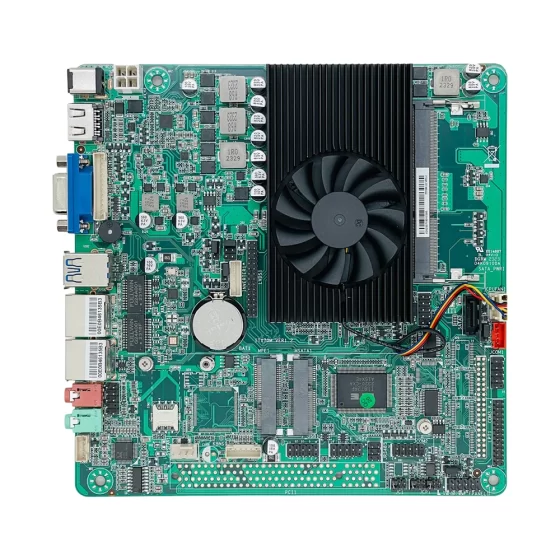
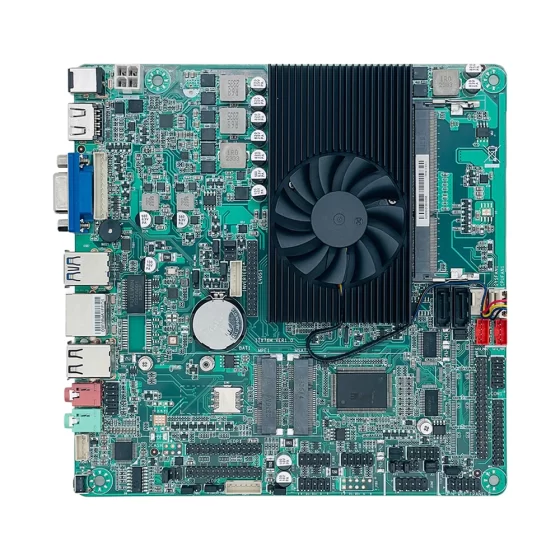
CoreIPC 産業用コンピューティング ソリューション

産業データ収集システム: 接続機器監視用の産業用データ収集プラットフォーム
エグゼクティブサマリー
An industrial data acquisition system provides the computing foundation for collecting, 処理, 保管する, センサーからのマシンデータの送信, PLC, メートル, コントローラー, 生産設備, ユーティリティシステム, および産業用機器.
現代の工場や産業施設は大量の運用データを生成します. モーター, パンプス, コンプレッサー, コンベア, ロボット, CNCマシン, 包装機, エネルギーメーター, 環境センサー, 検査システム, 生産ラインはすべて、オペレーターが機械の状態を理解するのに役立つ信号を生成します。, プロセスパフォーマンス, 品質条件, エネルギー使用量, および機器の健全性.
産業用データの収集には、機器の近くに信頼性の高いハードウェアが必要です.
産業用コンピュータまたは組み込みコンピュータはアナログ信号を収集できます, デジタル信号, シリアルデータ, イーサネットデータ, PLC 値, センサーの読み取り値, 機械の警報, 制作記録, およびデバイスのステータス. この情報をローカルで処理できます, 記録を保存する, ネットワーク中断時のデータのバッファリング, 構造化データを SCADA に送信します, MES, 産業用IoTプラットフォーム, クラウドダッシュボード, ローカルデータベース, または保守システム.
標準的なオフィス PC やコンシューマ ゲートウェイとの比較, industrial computers are better suited for industrial data acquisition because they support rugged deployment, 複数のLANポート, シリアル通信, GPIO, 拡張オプション, 信頼できるストレージ, ファンレス動作オプション, 安定した電力入力, 長いライフサイクルの可用性.
This article explains how industrial data acquisition systems work, 実際の産業環境ではどのような課題が発生するのか, ソリューション アーキテクチャがどのように構成されているか, and which hardware features matter when selecting an industrial computer or embedded computer for data acquisition applications.

Industrial data acquisition systems collect sensor readings, PLC 値, meter data, アラーム, 生産数, and drive information.
業界の概要
Industrial Data Is Becoming a Core Production Asset
Manufacturing and industrial operations increasingly depend on accurate data.
Production teams need to know what machines are doing. Maintenance teams need equipment health information. Quality teams need inspection and traceability records. Energy managers need power and utility data. Management teams need production performance indicators.
Industrial data acquisition helps collect this information from the field.
一般的なデータ ソースには次のものがあります。:
- センサー
- PLC
- モータードライブ
- エネルギーメーター
- 流量計
- Pressure transmitters
- 温度センサー
- 振動センサー
- バーコードリーダー
- 産業用カメラ
- 生産機械
- 試験装置
- 環境監視装置
A reliable data acquisition platform turns these signals into usable information.
Edge Computing Improves Data Collection
Sending all raw data directly to a remote server or cloud platform is not always practical.
Some signals are high-frequency. Some machines generate data continuously. Some factory networks have limited bandwidth. Some sites experience unstable connectivity.
Edge computing allows industrial data acquisition to happen close to the equipment.
The industrial computer can filter data, 値を正規化する, calculate local features, 記録を保存する, and forward selected information.
これによりネットワーク負荷が軽減され、応答時間が短縮されます。.
Industrial Computers Provide the Hardware Foundation
Industrial data acquisition systems are often installed inside control cabinets, マシンエンクロージャ, 生産ライン, ユーティリティルーム, 倉庫システム, エネルギー施設, またはリモートインフラストラクチャサイト.
これらの環境には振動が含まれる可能性があります, 熱, ほこり, 電気ノイズ, 限られた空気の流れ, そして連続運転.
Industrial computers and embedded computers provide the rugged hardware platform needed for these conditions.
They support flexible connectivity, ローカルストレージ, ファンレス設計オプション, 確実な取り付け, 長期的な可用性.

Mixed sensors, レガシーシリアルデバイス, PLC cabinets, メートル, vibration cables, 電気ノイズ, and rugged hardware affect DAQ deployment.
主要な課題
Connecting Different Data Sources
Industrial sites rarely use one device type.
A single data acquisition system may need to collect data from modern Ethernet devices, レガシーシリアル機器, センサー, PLC, メートル, ドライブ, およびローカルデータベース.
This creates integration complexity.
Common communication and signal types may include:
- イーサネット
- RS232
- RS485
- Modbus
- デジタル入力
- デジタル出力
- GPIO
- Analog input through DAQ modules
- USB デバイス
- PLC通信
- 産業用イーサネットデバイス
- Meter data
- Sensor gateways
The hardware platform must support the actual device mix used in the project.
Maintaining Data Accuracy and Continuity
Data acquisition is only useful when records are reliable.
Missing data, unstable communication, incorrect timestamps, or inconsistent device readings can reduce trust in the system.
A data acquisition computer should support stable operation, ローカルストレージ, バッファリング, time synchronization, and controlled data transmission.
Important records may include:
- センサーの測定値
- 機械の状態
- アラームイベント
- 生産数
- エネルギー使用量
- Runtime data
- 高品質の結果
- バッチレコード
- 機器の健全性データ
- メンテナンスイベント
Reliable data continuity supports better analytics and decision-making.
Handling High-Frequency Data
Some industrial applications require fast data collection.
Vibration monitoring, machine testing, process measurement, power monitoring, and motion-related data may produce high-frequency signals.
The platform may need enough computing performance, メモリ, ストレージ速度, and expansion capability to handle the workload.
ハードウェアの選択は次の点を考慮する必要があります:
- センサー数
- サンプリングレート
- Data format
- Local processing needs
- ストレージの書き込み速度
- ネットワーク帯域幅
- Retention period
- アップロード頻度
- ソフトウェアのランタイム要件
The system should be validated with real data loads before deployment.
Integrating Legacy Equipment
Many factories still use older machines and controllers.
These systems may only provide serial communication, relay signals, digital outputs, or basic meter data.
Replacing the equipment may not be practical.
An industrial data acquisition system can help connect legacy machines to modern dashboards, SCADAシステム, MESプラットフォーム, および産業用IoTアプリケーション.
シリアルポート, GPIO, デジタルI/O, and expansion modules are important for these projects.
Supporting Local Processing
Raw data often needs processing before it becomes useful.
The industrial computer may need to perform:
- データのフィルタリング
- 単位換算
- タイムスタンプの調整
- 信号特徴抽出
- 閾値監視
- アラームの分類
- Data compression
- ローカル分析
- 機器の健全性スコアリング
- プロトコル変換
Local processing improves efficiency and reduces the amount of unnecessary data sent to central systems.
Operating Reliably in Industrial Conditions
Data acquisition platforms often run continuously.
They may be placed near machines, モーター, ドライブ, 電力システム, コンベア, パンプス, and utility equipment.
These environments can include dust, 振動, 温度変化, 電気ノイズ, and power instability.
Industrial-grade hardware helps reduce downtime risk through rugged construction, ファンレス動作オプション, 信頼できるストレージ, 安定した電力入力, 確実な取り付け, 長いライフサイクルのサポート.

Industrial data acquisition computers connect sensors, PLC, ドライブ, メートル, スカダ, MES, データベース, クラウドシステム, and remote diagnostics.
Industrial Data Acquisition Solution Architecture
Field Device and Sensor Layer
The field device layer includes the machines and sensors that generate data.
この層には以下が含まれる場合があります:
- 温度センサー
- 圧力センサー
- 流量計
- 振動センサー
- 電流センサー
- Digital switches
- リレー
- PLC
- モータードライブ
- エネルギーメーター
- バーコードリーダー
- 産業用カメラ
- 生産機械
- ユーティリティ機器
These devices provide the raw information needed for monitoring and analysis.
Edge Data Acquisition Layer
The edge data acquisition layer is where the industrial computer or embedded computer operates.
この層では, プラットフォームが:
- Collect sensor values
- PLCデータの読み込み
- Communicate with meters
- 機械のアラームを受信する
- Capture production records
- Store local data
- Buffer records during network issues
- Normalize data formats
- ローカルイベントの処理
- 構造化情報を転送する
This layer provides the local computing foundation for industrial data acquisition.
ローカル処理層
The local processing layer converts raw data into structured information.
プラットフォームが処理する場合があります:
- センサーのトレンド
- Alarm states
- 機械の状態
- Runtime records
- Energy values
- 生産数
- バッチ情報
- 品質記録
- Equipment health indicators
- Process deviations
Local processing reduces unnecessary data transfer and improves response time.
システム統合層
Industrial data acquisition systems often connect to higher-level platforms.
これらには以下が含まれる場合があります:
- スカダ
- MES
- ERP
- CMMS
- 産業用IoTプラットフォーム
- クラウドダッシュボード
- 郷土史家データベース
- 品質システム
- エネルギー管理プラットフォーム
- メンテナンス体制
This integration allows machine data to support production visibility, 保守計画, 品質トレーサビリティ, and business reporting.
セキュリティおよび管理層
The security and management layer supports controlled access and long-term serviceability.
含まれる場合があります:
- ネットワークのセグメンテーション
- 安全なリモートアクセス
- ユーザー権限
- ローカルロギング
- 構成のバックアップ
- ストレージの監視
- システムの健全性の監視
- リモート診断
- ソフトウェア更新管理
- データアクセス制御
This helps protect industrial data and maintain system stability.
主な特長
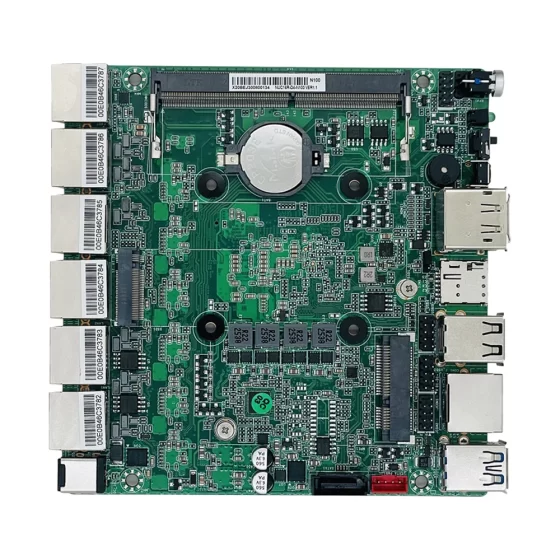
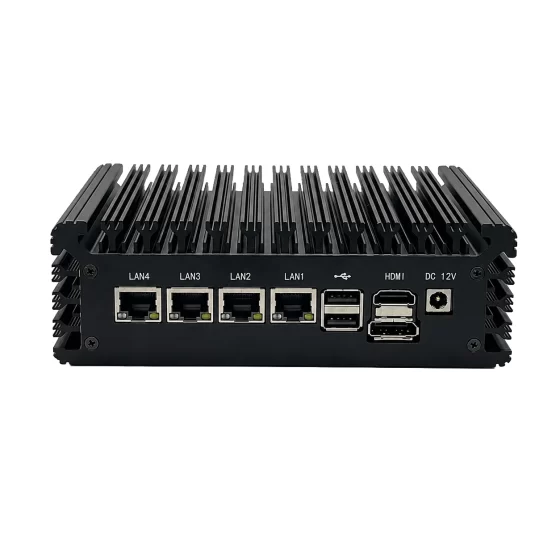
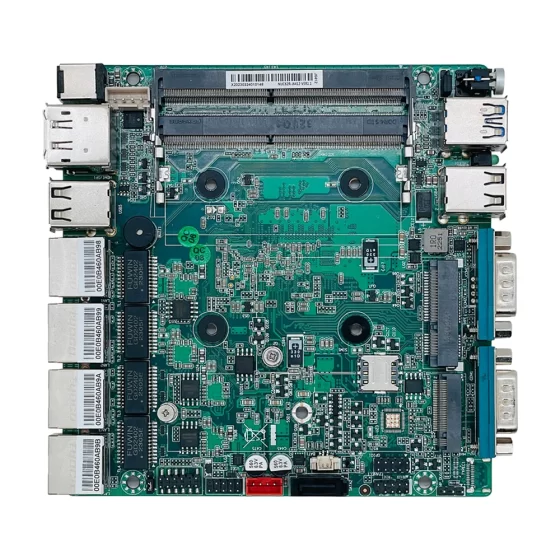
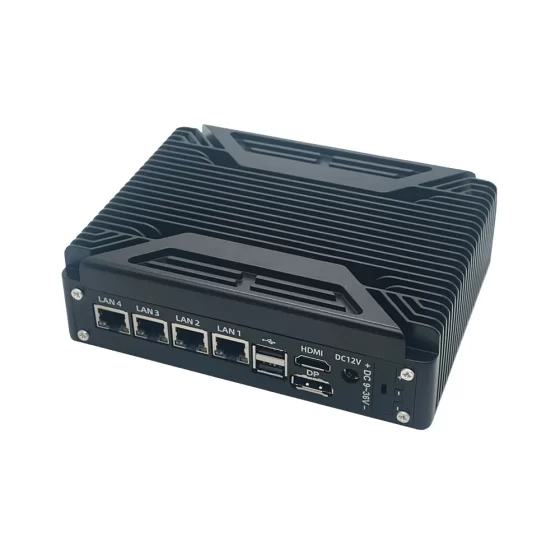
柔軟な産業用接続性
An industrial data acquisition computer must support practical field connectivity.
便利なインターフェースには次のものがあります。:
- LAN
- USB
- RS232
- RS485
- GPIO
- デジタル入力
- デジタル出力
- HDMI
- ディスプレイポート
- M.2
- PCIe
- SATA または NVMe ストレージ
These interfaces allow the platform to connect sensors, メートル, PLC, コントローラー, サービスツール, ディスプレイ, および工場ネットワーク.
Flexible connectivity reduces the need for external adapters and simplifies cabinet design.
シリアル通信のサポート
Serial communication remains important in industrial environments.
何メートルも, コントローラー, センサー, and legacy devices still use RS232 or RS485.
An embedded computer with serial ports can collect data from these devices and forward it to modern systems.
This is useful for retrofit projects and industrial IoT upgrades.
マルチLANネットワーク設計
Multiple LAN ports help separate data acquisition traffic from other networks.
A system may use separate ports for:
- PLC通信
- センサーネットワーク
- マシンネットワーク
- 工場ITネットワーク
- SCADA接続
- MES接続
- リモートメンテナンス
- インダストリアルIoTプラットフォーム
Network separation improves communication stability and helps reduce unnecessary exposure between systems.
ローカルストレージとデータバッファリング
Local storage is critical for industrial data acquisition.
プラットフォームには、:
- センサー記録
- マシンログ
- アラーム履歴
- 製作実績
- エネルギーデータ
- Quality data
- アップロードバッファ
- 設定ファイル
- 診断記録
- Local database files
SSD または NVMe ストレージは、機械式ドライブよりも高速アクセスと優れた耐衝撃性を備えているため、一般的に好まれます。.
Storage planning should consider retention time, 書き込み耐久性, バックアップワークフロー, and recovery process.
エッジ処理パフォーマンス
The computer should provide enough performance for the actual data workload.
Simple monitoring may only require moderate processing.
High-frequency data acquisition, large sensor networks, ローカルデータベース, 分析, image data, or edge AI applications may require stronger CPU, より多くのメモリ, より高速なストレージ, or acceleration options.
The final configuration should be matched to the real application.
堅牢なファンレス設計
Industrial data acquisition systems often run near equipment.
ファンレス産業用コンピューターは粉塵の侵入を減らし、一般的な機械的故障点を 1 つ除去します。.
頑丈なエンクロージャが振動から保護します, ケーブルストレス, キャビネット設置への影響, そして連続運転.
熱設計は慎重に検討する必要があります, 特にシステムが継続的なデータ収集を処理する場合, ローカル処理, ストレージの書き込み, およびネットワーク通信.
Time Synchronization and Data Integrity
Accurate timestamps are important for industrial data analysis.
When data comes from multiple devices, time alignment helps operators understand event sequences and process relationships.
The system should support stable time configuration, consistent logging, and reliable data handling.
This improves traceability and troubleshooting.
Remote Diagnostics and Maintenance
Data acquisition systems are often deployed across multiple machines or sites.
Remote diagnostics can help engineering and maintenance teams review logs, check communication, 構成を更新する, and troubleshoot issues.
Secure remote access should include authentication, permissions, session control, ネットワークのセグメンテーション, そしてロギング.
This improves service efficiency while protecting industrial systems.
長いライフサイクルの可用性
Industrial data acquisition systems may remain in service for many years.
一貫したハードウェアはソフトウェア イメージの維持に役立ちます, communication drivers, field wiring design, スペアパーツ, および検証手順.
長いライフサイクルでの可用性はメーカーにとって重要です, システムインテグレーター, and OEM data acquisition solution providers.
導入シナリオ
Production Line Data Collection
生産ラインには PLC が含まれる場合があります, センサー, コンベア, バーコードリーダー, 検査システム, and multiple machines.
An industrial data acquisition computer can collect machine status, 生産数, アラーム, 質の高い結果, そしてサイクル記録.
This supports production visibility and traceability.
Equipment Monitoring
Machines such as motors, パンプス, コンプレッサー, コンベア, CNCマシン, and robots generate useful operating data.
An embedded computer can collect sensor readings, runtime data, アラーム, そして設備の状況.
This supports maintenance planning and equipment health monitoring.
Energy and Utility Data Acquisition
Energy systems may include power meters, インバータ, バッテリーシステム, 空調設備, パンプス, and utility devices.
An industrial computer can collect current, 電圧, 力, 温度, 流れ, and operating status data.
This supports energy management and facility monitoring.
Process Data Acquisition
Process industries may require monitoring of temperature, プレッシャー, 流れ, level, 振動, and other variables.
A data acquisition platform can collect these readings and forward them to SCADA, local historians, または産業用IoTダッシュボード.
This supports process visibility and operational control.
Legacy Machine Connectivity
Older machines may not support modern industrial networking.
An embedded computer with serial communication, GPIO, or digital I/O can collect available machine signals and convert them into structured data.
This supports smart factory upgrades without replacing all equipment.
Test and Measurement Systems
Industrial test equipment may generate measurement data from instruments, センサー, 備品, とコントローラー.
A data acquisition computer can collect test values, 記録を保存する, manage files, and connect results with quality systems.
This supports automated inspection and validation.
Remote Site Monitoring
Remote infrastructure sites may include pumps, メートル, generators, 環境センサー, ユーティリティ機器, or field machines.
組み込みコンピュータはローカルでデータを収集できます, バッファレコード, and transmit selected information to central platforms.
This supports distributed monitoring.
OEM Data Acquisition Appliance
System integrators and machine builders can create custom data acquisition appliances using industrial computers or embedded boards.
プラットフォームはセンサー接続をサポートできます, プロトコル変換, ローカルストレージ, エッジ分析, リモートアクセス, and customer-specific interfaces.
ビジネス上のメリット
運用上の可視性の向上
Industrial data acquisition gives operators better access to machine and process information.
Data from sensors, PLC, メートル, and production equipment can be displayed on dashboards or integrated into factory systems.
Better visibility supports faster decisions and more efficient operation.
トレーサビリティの向上
Data acquisition systems can collect production records, プロセス値, 設備の状態, アラーム, operator events, 質の高い結果, とバッチ情報.
These records help support quality analysis, 報告, and compliance workflows.
Traceability is especially important in manufacturing, 梱包, エレクトロニクス, エネルギー, and process applications.
より迅速なトラブルシューティング
When machine data is collected and stored properly, engineers can review event sequences, アラーム, sensor trends, and communication records.
This helps identify problems faster.
Local logs and remote diagnostics also reduce the time needed for on-site service.
Reduced Data Loss
Local storage and buffering help preserve data during network interruptions.
The system can continue collecting records and upload them when communication recovers.
This improves data continuity and long-term analysis.
Easier Smart Factory Integration
An industrial data acquisition system helps connect field devices with MES, スカダ, 産業用IoTプラットフォーム, エネルギーシステム, およびクラウドダッシュボード.
This reduces data silos and supports digital transformation.
A reliable embedded computer makes integration more practical at the machine level.
スケーラブルな導入
A standardized industrial data acquisition platform can be deployed across many machines, 行, 工場, またはリモートサイト.
一貫したハードウェアによりソフトウェア イメージが簡素化されます, 配線設計, ドライバーの検証, スペアパーツの計画, およびライフサイクル管理.
This supports scalable industrial data programs.
CoreIPC を選ぶ理由
CoreIPC provides industrial computing platforms for industrial data acquisition, 産業用IoT, 産業オートメーション, マシンビジョン, エッジAI, エネルギー管理, および組み込みシステムの統合. For industrial data acquisition applications, CoreIPC は信頼性の高い産業用コンピューター ハードウェアに重点を置いています, 組み込みコンピュータソリューション, 柔軟な I/O, マルチLAN構成, serial communication support, コンパクトなシステム設計, ファンレス導入オプション, ローカルストレージ機能, OEM/ODMカスタマイズサポート. CoreIPC はシステム インテグレーターを支援します, 機械製造業者, そしてメーカーは実際の導入要件に適合するコンピューティング プラットフォームを選択します, デバイスインターフェースを含む, データワークロード, ストレージデザイン, 取り付け方法, 電源入力, 熱条件, およびライフサイクル計画.
よくある質問
1. What is an industrial data acquisition system?
An industrial data acquisition system collects machine, センサー, meter, PLC, and equipment data from industrial environments.
It may collect temperature, プレッシャー, 流れ, 振動, 現在, アラーム, 生産数, runtime records, およびデバイスのステータス. The system can process, 店, and forward this data to SCADA, MES, 産業用IoTプラットフォーム, またはローカルデータベース.
2. Why use an industrial computer for data acquisition?
産業用コンピュータは、現場での展開に堅牢なハードウェアと柔軟な接続を提供します。.
複数のLANポートをサポートできます, シリアル通信, USB, GPIO, 信頼できるストレージ, ファンレス動作, 工業用取り付け, 安定した電力入力, 長いライフサイクルの可用性.
These features make it suitable for continuous data acquisition near machines.
3. How is an embedded computer used in data acquisition?
組み込みコンピュータを制御盤内に設置可能, 機械の筐体, ユーティリティルーム, または遠隔監視ステーション.
センサーデータを収集できる, PLC値を読み取る, communicate with meters, 記録を保存する, バッファデータ, ローカルイベントを処理する, and send structured information to factory systems.
4. What devices can connect to an industrial data acquisition platform?
The platform may connect sensors, PLC, motor drives, エネルギーメーター, 流量計, pressure transmitters, 温度センサー, 振動センサー, バーコードリーダー, 産業用カメラ, 生産機械, 試験装置, and environmental monitoring devices.
正確なサポートはインターフェイスによって異なります, プロトコル, and software.
5. Why are RS232 and RS485 useful for data acquisition?
RS232 and RS485 are still widely used by industrial meters, センサー, コントローラー, and legacy equipment.
An embedded computer with serial ports can collect data from these devices and connect them to modern monitoring systems.
This is useful for retrofit and industrial IoT upgrade projects.
6. Why is local storage important?
ローカル ストレージはネットワーク中断時にデータを保存するのに役立ちます.
The computer can continue collecting records, アラーム, センサーの読み取り値, ローカルでの診断データ. 通信が回復したら, バッファされたレコードを中央システムにアップロードできる.
Reliable SSD or NVMe storage improves data continuity.
7. Can industrial data acquisition systems support edge analytics?
はい. An industrial data acquisition computer can process data locally.
It may perform filtering, unit conversion, threshold monitoring, 傾向分析, feature extraction, alarm classification, and anomaly detection.
Advanced applications may require higher-performance computing or AI acceleration.
8. 複数の LAN ポートが役立つ理由?
Multiple LAN ports help separate PLC networks, センサーネットワーク, マシンネットワーク, 工場IT, スカダ, MES, 産業用IoT, and remote maintenance traffic.
This improves communication stability, 交通組織, and security.
9. What hardware features matter for data acquisition?
重要な機能には信頼性の高い CPU パフォーマンスが含まれます, 十分なメモリ, 複数のLANポート, USB, RS232, RS485, GPIO, デジタルI/O, SSDまたはNVMeストレージ, 頑丈な筐体, ファンレス設計, 産業用電力入力, M.2, PCIe, および拡張オプション.
最終的な構成はデバイス数と一致する必要があります, データレート, および設置環境.
10. 導入前にテストすべきこと?
導入前, プラットフォームは実際のセンサーでテストする必要があります, PLC, メートル, data acquisition modules, ネットワークトポロジー, データレート, 保管動作, 通信回復, 長時間にわたる運用.
熱安定性, 振動条件, リモートアクセスワークフロー, バックアップ手順, SCADAとの統合, MES, またはクラウド システムも検証する必要があります.
結論
An industrial data acquisition system is a practical foundation for connected equipment monitoring, センサーデータ収集, PLC通信, マシンデータのロギング, ローカル処理, リモート診断, とスマートファクトリーの統合.
By placing an industrial computer or embedded computer near machines and field devices, manufacturers and system integrators can collect data from sensors, メートル, PLC, ドライブ, 生産設備, ユーティリティシステム, 試験器具, and legacy machines through reliable communication paths.
The right industrial data acquisition platform should be selected according to real deployment requirements, デバイス数を含む, データレート, シリアル通信, LANポート設計, GPIO or digital I/O needs, ローカルストレージ, edge processing workload, 取付方法, 電源入力, 振動環境, 熱条件, オペレーティング システムのサポート, およびライフサイクル計画.
CoreIPC supports industrial data acquisition projects with industrial computing platforms designed for practical machine-side, キャビネット, ユーティリティ, 工場, リモートサイト, およびOEM展開. 適切なハードウェア基盤があれば, industrial operators can build reliable, スケーラブルな, and data-driven monitoring systems.
お問い合わせ
産業用コンピュータを探しています, 組み込みコンピュータ, or compact IPC platform for industrial data acquisition?
プロジェクトの要件については、CoreIPC にお問い合わせください。, センサーインターフェースを含む, PLC通信, シリアルポート, LANポートの設定, データワークロード, ストレージデザイン, 取付方法, 電源入力, 動作環境, ライフサイクルのニーズ, および OEM/ODM カスタマイズ オプション.